


Wall Art for Spa Tree
Artwork for spa Tree : transform your wellness space into a natural haven of peace. This collection celebrates the majesty of trees with artistic creations that inspire serenity and harmony. Perfect for wall decorations zen spa, these works bring an organic and soothing touch. Each relaxation tree painting captures the essence of nature to create an atmosphere conducive to relaxation and rejuvenation. Ideal for enhancing your institute, massage center or meditation space.
 Tree Watcher of the Mountains Wall Art - Tree of Life Edition273,90 €
 Tree of Life Zen Dance of Seasons Wall Art273,90 €
 Night Tree Wall Art - Zen Life Tree Edition273,90 €
 Ancient Tree Wall Art - Life Tree Zen Edition273,90 €
 Joy Tree Wall Art - Nature Tree Edition273,90 €
 Tree Dance of the Seasons - Life Tree Edition Wall Art228,90 €
 Baobab Painting No. 1 - Nature Edition273,90 €
 Tree of Dreams Wall Art - Zen Tree of Life Edition273,90 €
 Eternal Tree of Life Wall Art - Zen Tree of Life Edition273,90 €
 Essence of Earth Painting - Tree Nature Edition273,90 €
 Timeless Tree Wall Art - Nature Tree Edition273,90 €
 Elegant Arboreal Wall Art - Nature Edition273,90 €
Explore further
In Wall Art for Spa Tree
-
 Wall Art for Spa449
artworks
Wall Art for Spa449
artworks
-
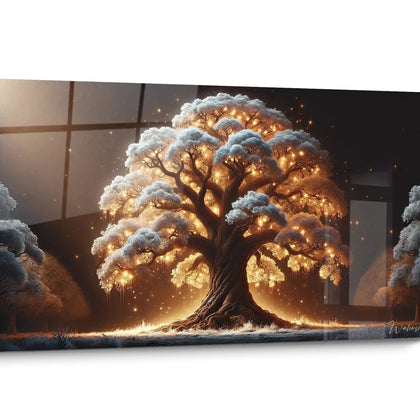 Zen Spa Wall Art24
artworks
Zen Spa Wall Art24
artworks
-
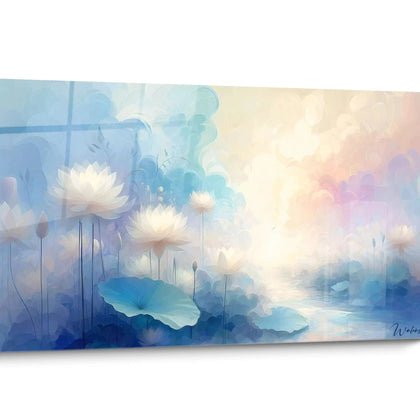 Abstract Spa Wall Art24
artworks
Abstract Spa Wall Art24
artworks
-
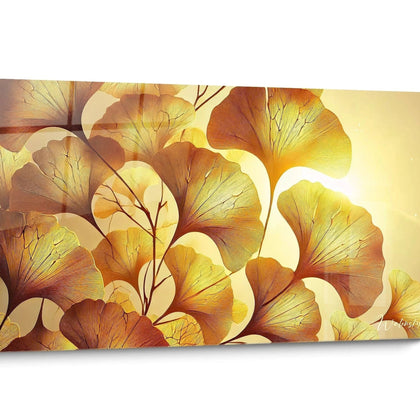 Golden Spa Wall Art24
artworks
Golden Spa Wall Art24
artworks
-
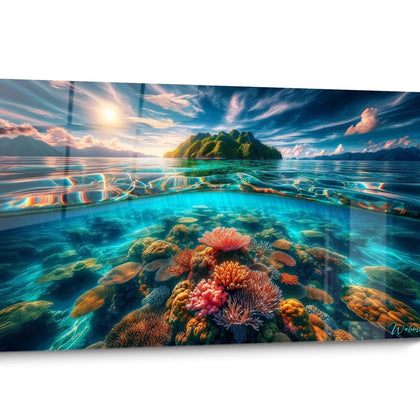 Turquoise Spa Wall Art20
artworks
Turquoise Spa Wall Art20
artworks
-
 Floral Spa Wall Art24
artworks
Floral Spa Wall Art24
artworks
-
 Modern Spa Wall Art21
artworks
Modern Spa Wall Art21
artworks
-
 Minimalist Spa Wall Art12
artworks
Minimalist Spa Wall Art12
artworks
-
 Wall Art for Tropical Spa9
artworks
Wall Art for Tropical Spa9
artworks
-
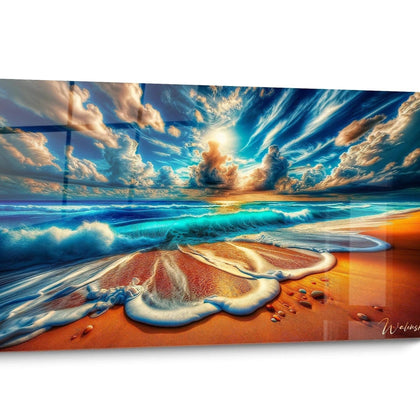 Sunset Wall Art for Spa9
artworks
Sunset Wall Art for Spa9
artworks
-
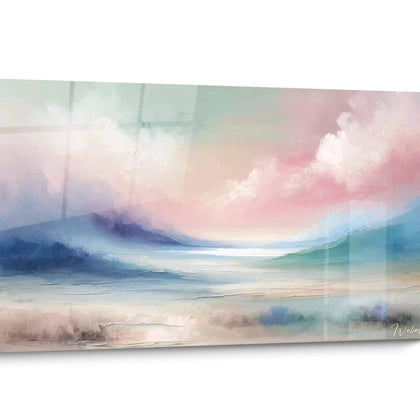 Mountain Spa Wall Art5
artworks
Mountain Spa Wall Art5
artworks
-
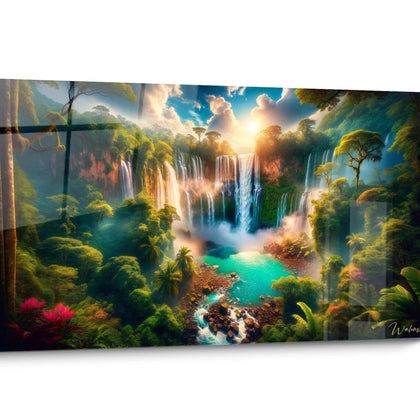 Spa Cascade Wall Art4
artworks
Spa Cascade Wall Art4
artworks

All about Wall Art for Spa Tree
- Spa Tree Wall Art Presentation
- Zen Vegetation and Serenity
- Biophilia and Wellness
- Forest Ambiances
The spa tree wall art embodies the perfect alliance between nature and relaxation in professional wellness spaces. These large-scale wall creations instantly transport your clients into soothing forest universes, where each branch and foliage evokes the tranquility of preserved woodlands. Integrating a spa tree wall art responds to a growing demand for botanical authenticity in spa facilities, thalassotherapy centers, and premium massage spaces. These monumental botanical representations create visual continuity between the air-conditioned interior and outdoor gardens, amplifying the sensation of natural immersion sought during spa treatments. Unlike ephemeral floral motifs, the tree symbolizes permanence and grounding—qualities essential for spaces dedicated to body-spirit reconnection.
The Tree as a Vector of Calm in the Thermal Environment
Installing a spa tree wall art in transition zones between changing rooms and treatment cabins radically transforms visitors' sensory experience. Representations of century-old trunks, intertwined branches, or lush canopies function as psychological triggers for letting go, mentally preparing clients before treatment even begins. Neuroaesthetic studies demonstrate that contemplating tree-like forms activates brain regions associated with cortisol reduction—the stress hormone specifically targeted in spa protocols.
Which tree species should be prioritized for maximum relaxation effect?
Asian trees such as giant bamboo, Japanese cherry, or Scots pine dominate spa professionals' choices for their immediately recognizable Zen symbolism. A spa tree wall art featuring a banyan tree with spectacular aerial roots creates a sense of botanical mystery conducive to mental escape. Northern species like birch and spruce provide visual freshness particularly appreciated in saunas and hammams where elevated temperatures require a refreshing visual counterpoint. For hot stone massage spaces, prioritize Mediterranean trees like the ancient olive, whose tormented forms evoke resilience and longevity.
Amplifying spatial depth in intimate treatment cabins
Small massage cabins particularly benefit from a spa tree wall art exploiting forest perspectives in upward angles. This visual technique where the gaze rises toward the canopy creates an illusion of vertical space invaluable in rooms with standard ceilings. Compositions showing forest paths with central vanishing points perceptually double the depth of narrow spaces, attenuating any sense of confinement during extended treatments. By combining these botanical works with abstract spa wall art in common areas, you orchestrate a visual progression from general to specific, from geometric abstraction to natural figuration.
Synchronizing botanical imagery with spa protocols
Harmonizing the spa tree wall art with the product ranges used amplifies overall sensory coherence. A signature cedar essential oil treatment finds natural visual extension in a monumental composition of coniferous forest. Ayurvedic protocols gain authenticity when accompanied by representations of sacred Indian trees like the ficus religiosa. This multi-sensory correspondence between scent, touch, and vision strengthens the memory anchoring of the spa experience, promoting client loyalty and spontaneous recommendations.
Commercial Biophilia: The Tree as a Differentiation Argument
In a saturated wellness market, the spa tree wall art constitutes an immediately perceptible element of strategic differentiation during discovery visits. Integration of monumental wall vegetation directly addresses the human biophilic need—this innate connection with living things that unconsciously influences premium service purchase decisions. Establishments exploiting this approach observe measurable increases in time spent in post-treatment relaxation spaces, a key satisfaction indicator in the thermal industry.
How do XXL formats transform the immersive experience?
Monumental dimensions transform a simple decorative element into a genuine enveloping visual environment. A spa tree wall art measuring a minimum of 2 meters in height creates a botanical presence effect rivaling actual indoor plant installations, without constraints of maintenance, natural lighting, or excessive humidity. This architectural scale allows complete wall coverage in collective relaxation rooms, transforming functional spaces into veritable indoor forest clearings where clients naturally prolong their presence, increasing opportunities for retail product sales.
Adapting arboreal iconography to target clienteles
The selection of tree type represented must align with your establishment's marketing positioning. Premium urban spas prioritize rare exotic trees like baobabs or dragon trees, signaling exclusivity and travel. Coastal thalassotherapy centers advantageously exploit maritime pines and wind-sculpted tamarisks, reinforcing coastal identity. For eco-certified establishments, a spa tree wall art featuring documented local species (sessile oak, European beech) visually materializes environmental commitment while subtly educating clientele about regional biodiversity.
Orchestrating sensory journeys through botanical progression
Strategic distribution of different arboreal artworks throughout the thermal journey creates a progressive visual narrative. Begin with dense primary forest compositions in reception areas to signify entry into protected natural territory. Continue with majestic isolated trees in individual treatment spaces, symbolizing personalized attention. Conclude with spring renewal or young sprout sequences in exit areas, metaphorizing the regeneration obtained. This botanical storytelling transforms the spa visit into a veritable forest initiation journey.
Creating Forest Sanctuaries in Wellness Spaces
The spa tree wall art transcends its decorative function to become the founding element of coherent forest visual identity. Establishments positioned on forest bathing therapy or forest immersion find in these botanical wall compositions the logical extension of their therapeutic concept. The absence of seasonal variations in pictorial representations guarantees permanent forest ambiance year-round—a decisive advantage for tourist destinations whose external natural environment becomes sparse several months annually.
Which symbolic trees reinforce the wellness narrative?
Certain species carry universal meanings commercially exploitable. The giant sequoia symbolizes quiet strength and longevity, values sought in anti-aging programs and revitalization cures. The weeping willow evokes gentleness and flexibility, central qualities in gentle therapeutic approaches like reflexology or Shiatsu. A spa tree wall art featuring a flowering cherry tree instantly activates mental associations with renewal and ephemeral beauty—powerful themes for seasonal beauty rituals and spring packages.
Exploiting bark textures to enrich visual tactile experience
Detailed representations of bark textures create sophisticated dialogue with natural materials present in the spa space. A spa tree wall art highlighting cork oak craquelures echoes natural wall coverings, while the visual softness of silver birch bark harmoniously complements polished basin stones. This multi-material textural correspondence elevates overall qualitative perception, justifying premium pricing in a segment where physical environment constitutes 40% of perceived value according to sector studies.
Integrating natural cycles through composition rotation
Though less frequent than in restaurants, seasonal rotation of arboreal artworks offers a loyalty argument for regular clients. Alternate between spring bud compositions, summer lushness, autumn palettes, and bare winter structures. This variation maintains perceptual novelty for habitué clientele while visually synchronizing the air-conditioned interior with external natural rhythms. For establishments unable to invest in multiple large-scale works, prioritize evergreen trees like conifers or eucalyptus that maintain their botanical presence year-round.
Does spa tree wall art function in humid aquatic spaces?
High-humidity zones like thermal pool edges or hammams require moisture-resistant supports. Prioritize dibond aluminum prints or anti-mold treated supports specifically designed for humid environments. Imagery of tropical trees like mangroves or tree ferns integrates naturally into these hygric contexts while thematically reinforcing water presence.
Can multiple arboreal artworks be combined in the same spa space?
Creating multi-panel wall compositions representing a panoramic forest sequence amplifies the immersive effect in large collective relaxation rooms. However, maintain botanical coherence by avoiding incompatible ecosystem species (avoid combining cacti and firs, for example). This polyptych approach transforms blank walls into veritable windows onto continuous forest landscapes.
What is the optimal installation height for spa tree wall art in a massage cabin?
In the reclined position on a massage table, the client's visual field naturally orients upward. Position the lower third of the artwork at eye height for a seated person (approximately 120 cm from the floor) so it remains visible and contemplative throughout the entire treatment. This elevation also creates a sensation of botanical majesty, the tree appearing to naturally rise toward the ceiling as in its native environment.


