


Minimalist Spa Wall Art
Our Painting for spa Minimalist collection transforms your wellness space into a haven of peace. Each creation evokes serenity and harmony through purified compositions with soft lines. Perfect for enhancing your minimalist spa decor, this collection offers soothing visuals inspired by nature and zen. Neutral tones and organic shapes create a minimalist relaxing atmosphere conducive to meditation. Ideal for beauty institutes, wellness centers or bathrooms.
 Lotus Painting Pure Grace - lotus flower edition228,90 €
 Lotus Flower Eternal Grace Painting - Lotus Flower Edition273,90 €
 Monstera Wall Art N°1 - Nature Edition273,90 €
 Magnolia Wall Art No.1 - Nature Edition273,90 €
 The Legacy of Souls Wall Art - Zen Tree of Life Edition273,90 €
 Light Through Bamboo Canvas - Diverse Zen Edition273,90 €
 Lines and Perspectives Canvas - Diverse Zen Edition273,90 €
 The Path of Awakening Wall Art - Diverse Zen Edition273,90 €
 Natural Harmony Canvas - Diverse Zen Edition273,90 €
 Tree Trunk Wall Artwork - Forest Landscape Edition273,90 €
 Enchanted Forest Wall Art - Nature Edition273,90 €
 Minimalist Harmony Wall Art - Zen Edition273,90 €
Explore further
In Minimalist Spa Wall Art
-
 Wall Art for Spa449
artworks
Wall Art for Spa449
artworks
-
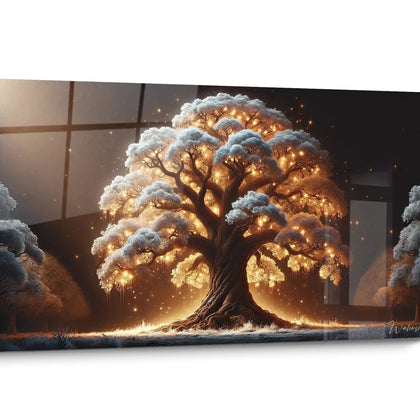 Zen Spa Wall Art24
artworks
Zen Spa Wall Art24
artworks
-
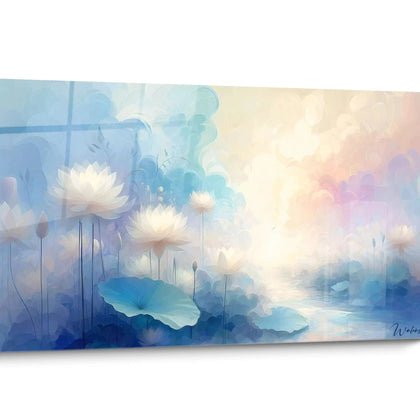 Abstract Spa Wall Art24
artworks
Abstract Spa Wall Art24
artworks
-
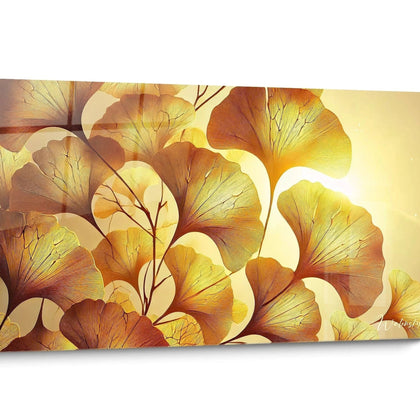 Golden Spa Wall Art24
artworks
Golden Spa Wall Art24
artworks
-
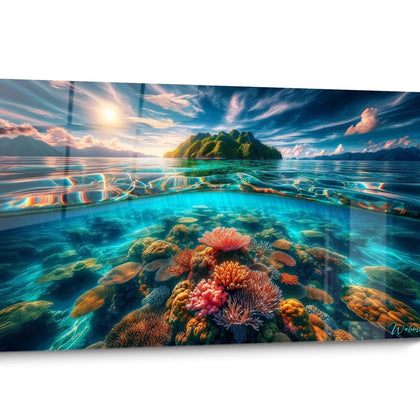 Turquoise Spa Wall Art20
artworks
Turquoise Spa Wall Art20
artworks
-
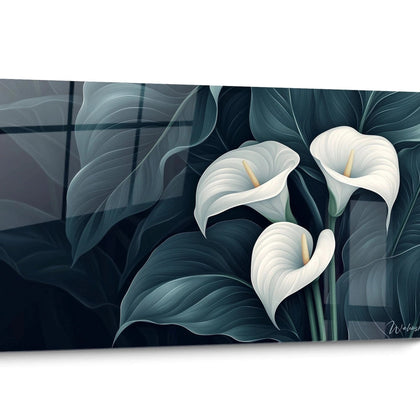 Floral Spa Wall Art24
artworks
Floral Spa Wall Art24
artworks
-
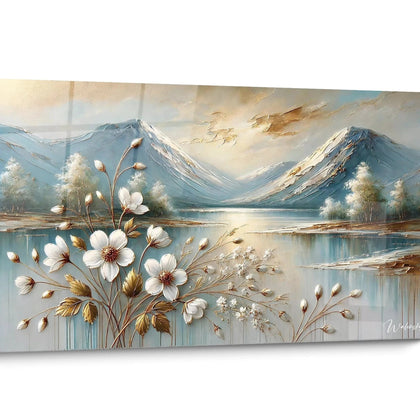 Modern Spa Wall Art21
artworks
Modern Spa Wall Art21
artworks
-
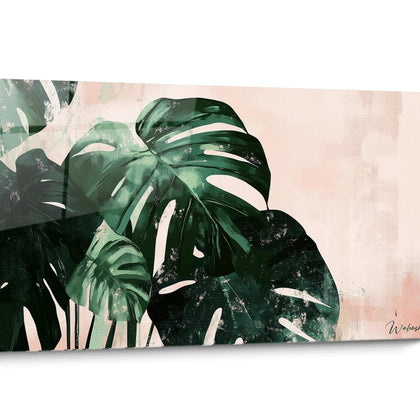 Wall Art for Tropical Spa9
artworks
Wall Art for Tropical Spa9
artworks
-
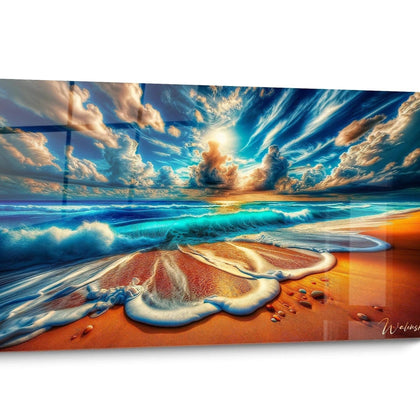 Sunset Wall Art for Spa9
artworks
Sunset Wall Art for Spa9
artworks
-
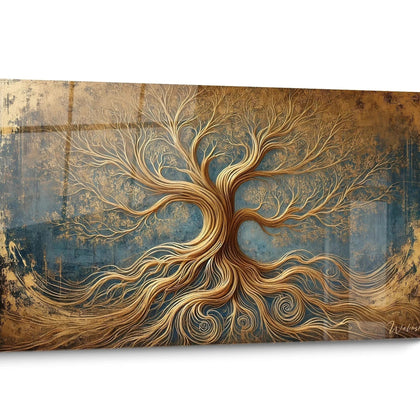 Wall Art for Spa Tree12
artworks
Wall Art for Spa Tree12
artworks
-
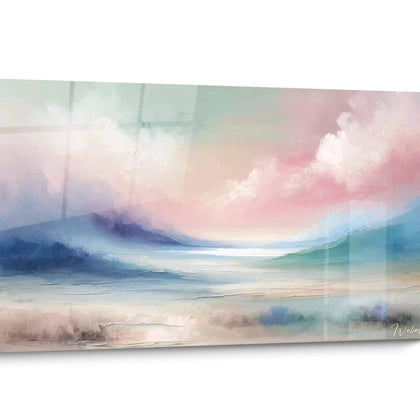 Mountain Spa Wall Art5
artworks
Mountain Spa Wall Art5
artworks
-
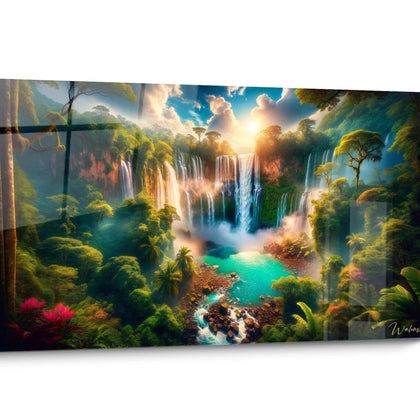 Spa Cascade Wall Art4
artworks
Spa Cascade Wall Art4
artworks

All about Minimalist Spa Wall Art
- Presentation Painting Spa Minimalist
- Refined Aesthetics and Serenity
- Contemporary Zen Atmosphere
- Relaxing Ambiance
A minimalist spa painting embodies the very essence of visual sobriety applied to professional and private wellness spaces. These large-scale wall creations prioritize clean lines, solid surfaces, and compositions reduced to the essential to promote letting go and mental relaxation. In the specific universe of massage institutes, thalassotherapy centers, and luxury spas, minimalist aesthetics is becoming a strategic choice to avoid any excessive visual stimulation that could disrupt the deep relaxation sought by visitors. Unlike classic environments, spaces dedicated to body care require chromatic neutrality and formal simplicity that accompany relaxation protocols without visually competing with them.
Visual Purity at the Service of Physical Well-being
The large-scale minimalist spa painting responds to a specific problem in humid and steam-treated spaces: to maintain a significant decorative presence without creating sensory overload. Imposing formats allow to occupy the often bare walls of treatment rooms while preserving this essential visual breathing space for guided relaxation practices. Simplified geometry and monochrome planes serve as an ideal support for conscious breathing exercises and meditation proposed during care rituals.
How does a minimalist composition facilitate mental disconnection?
In a context where customers' gaze naturally rests on wall surfaces during prolonged massages or therapeutic baths, the absence of complex narrative details prevents the brain from entering a cognitive analysis process. A minimalist spa painting offers optical rest areas where the eye can settle without interpretative effort, thus facilitating the transition to a modified state of consciousness conducive to the sought physiological benefits. This functionality goes far beyond that of a simple standard wall decoration.
Silent materiality and discreet presence
Institutes favoring a holistic approach integrate these works into a global scenography including aromatherapy, chromotherapy, and controlled acoustics. To accompany this complete sensory approach, some establishments combine the minimalist spa painting with abstract spa paintings in transition areas, creating a visual progression from the most refined to the most expressive depending on the areas of the establishment. Vertical formats are particularly suitable for individual cabins where ceiling height is more important than width, while panoramic versions are suitable for collective post-care relaxation areas.
What shades should be prioritized to optimize the soothing effect?
The effectiveness of a refined spa painting lies in a chromatic palette reduced to natural tones: sandy beiges evoking thermal beaches, stone grays reminiscent of massage pebbles, milky whites of body emulsions. These neutral nuances project no marked emotional temperature, allowing each visitor to project their own inner state without imposed visual constraint. Subtle tonal variations advantageously replace frank contrasts that would generate an optical tension incompatible with the objectives of deep relaxation.
Visual Architecture of Therapeutic Spaces
Integrating a wall art piece for a minimalist spa into hydrotherapy centers adheres to specific architectural constraints related to constant humidity, splashes, and temperature variations. These environmental conditions require decorative solutions that are resistant while preserving the initial aesthetic intention. Large dimensions can visually compensate for the absence of complex decorative elements that are difficult to maintain in these steam-saturated atmospheres.
Monumental proportions and preserved intimacy
Paradoxically, generous formats in contemporary spa decor reinforce the feeling of intimacy in treatment rooms. This apparent contradiction is explained by the ability of an extended, uniform surface to create an enveloping sensory bubble, comparable to the effect of padded walls in recording studios. The eye finding no particular point of attachment, attention naturally shifts to internal bodily sensations, the primary objective of any quality wellness treatment.
Can minimalism be combined with a strong visual personality?
Establishments seeking to differentiate themselves through their visual identity can opt for zen minimalist spa artworks with marked architectural geometries: horizontal lines evoking the sea horizon, verticals inspired by bamboo, perfect circles recalling water waves. These simple formal elements are sufficient to create a recognizable signature without compromising the sought-after sobriety. The repetition of the same geometric motif in several rooms reinforces the perceptual coherence of the customer journey.
Dialogue with natural materials
The minimalist aesthetic naturally dialogues with the raw materials favored in spa architecture: polished concrete, natural stone, driftwood. A wall art piece for a minimalist spa with earthy tones amplifies this tactile connection with natural elements without creating visual redundancy. The smooth surfaces of the artwork subtly contrast with the surrounding organic textures, creating a controlled visual tension that maintains a minimal level of perceptual interest without excessive stimulation. This compositional strategy is particularly effective in urban spas seeking to recreate a natural atmosphere despite an urban context.
Implementation Strategies to Maximize the Soothing Impact
The positioning of a wall art piece for a minimalist spa adheres to precise ergonomic rules related to the postures adopted during treatments. Unlike domestic spaces where the viewer is generally standing or sitting facing the artwork, massage rooms impose unprecedented viewing angles: lying on their back during facial treatments, on their stomach during back massages, semi-inclined in therapeutic bathtubs. These atypical configurations determine specific installation heights.
Which wall areas should be prioritized according to treatment protocols?
For massage tables, the wall facing the client in a ventral position constitutes the optimal location, ideally in the lower third allowing effortless cervical contemplation. In rooms equipped with hydromassage tubs, the panoramic format finds its place on the longitudinal wall, accompanying the gaze during prolonged hydrotherapy sessions. Post-treatment rest areas benefit from imposing vertical compositions that visually structure the transition zones between activity and rest.
Indirect lighting and enhancement of the refined artwork
The lighting of minimalist spa decoration paintings requires a different approach than classic museum installations. Direct light sources create disruptive reflections on the solid surfaces, while diffused ambient lighting enhances the matte finish of monochrome compositions. Dimming lighting systems allow you to adapt the visual presence of the artwork according to the phases of the treatment: more pronounced during reception to reassure with a structured environment, gradually attenuated during the treatment to promote complete letting-go.
Optimized wall composition and customer journey
Centers offering sequenced aquatic courses use spa paintings with a refined design as subtle visual markers differentiating the spaces: cooler shades in dynamic areas (sensory showers, tonic pools), warmer tones in rest areas. This minimalist chromatic progression intuitively guides the visitor without explicit signage, preserving immersion in the sensory experience. Large-format wall installations also serve as visual partitions defining spaces without brutal architectural breaks.
Is a minimalist spa painting suitable for small spaces?
Contrary to intuition, generous formats adapt remarkably well to compact individual cabins, creating an immersive effect that perceptively expands the space. The absence of complex details avoids a feeling of visual clutter, while the extended surface optically absorbs the physical limits of the room.
How to maintain a minimalist spa painting in a humid environment?
Works intended for wellness spaces benefit from specific protective treatments resistant to constant humidity and splashes. Weekly dusting with a slightly damp microfiber cloth is generally sufficient, supplemented quarterly with cleaning using neutral, non-abrasive products preserving the surface.
Can a minimalist spa painting be installed in a sauna or hammam?
Environments with extreme heat and maximum humidity, such as traditional saunas or hammams, require decorative solutions specifically designed for these conditions. While the minimalist aesthetic appears perfectly suited conceptually, only formats treated to withstand temperatures exceeding 80°C and steam saturation can be considered in these particular spaces.
Further reading
Our articles on this topic
- Black and white flower painting for a minimalist bathroom: how to choose the right motif
- How Zen Stone and Pebble Art Creates a Meditative Bathroom Philosophy?
- Which nature image is most calming in a bathroom?
- Dragonfly painting for a zen bathroom: which model to choose based on humidity and space
- Artwork as a Balancing Element in a Feng-Japandi Room
- Glacier-blue narwhal painting: the rules for a successful minimalist living room
L'art qui suscite l'envie
Maison belge d'art mural grand format
14 jourspour changer d'avis*
Protection Walenskyincluse
Fabriquéen Italie
FormatXXL
Kit de fixationtoujours fourni
* Hors tableaux personnalisés et tailles personnalisées


