


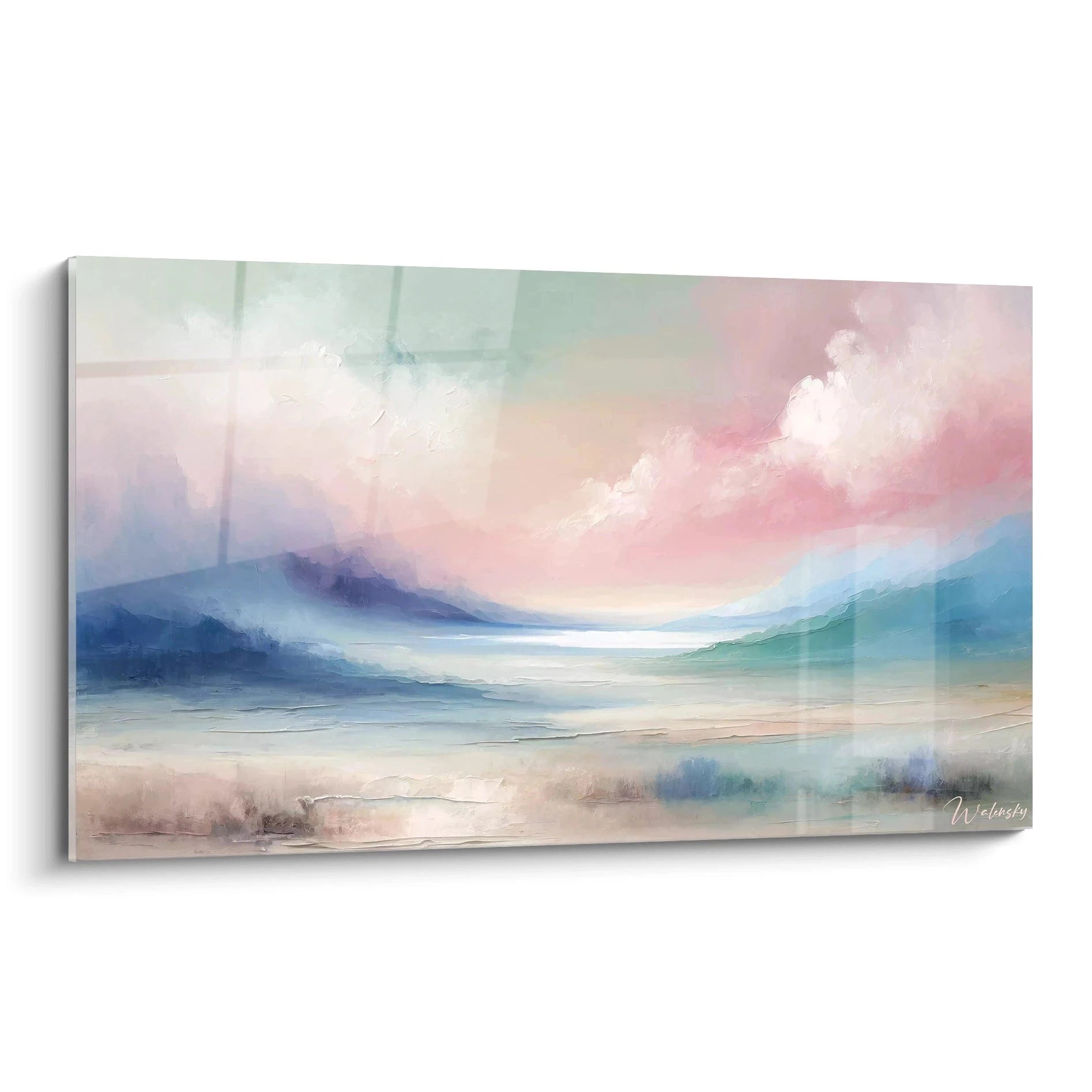


Wall Art for Senior Living
Our collection of paintings for senior residence has been specifically designed to create warm, reassuring and stimulating environments in nursing homes, retirement homes and senior service residences. Each artwork contributes to the well-being of residents by creating a familiar and soothing atmosphere that promotes emotional comfort and gentle cognitive stimulation.
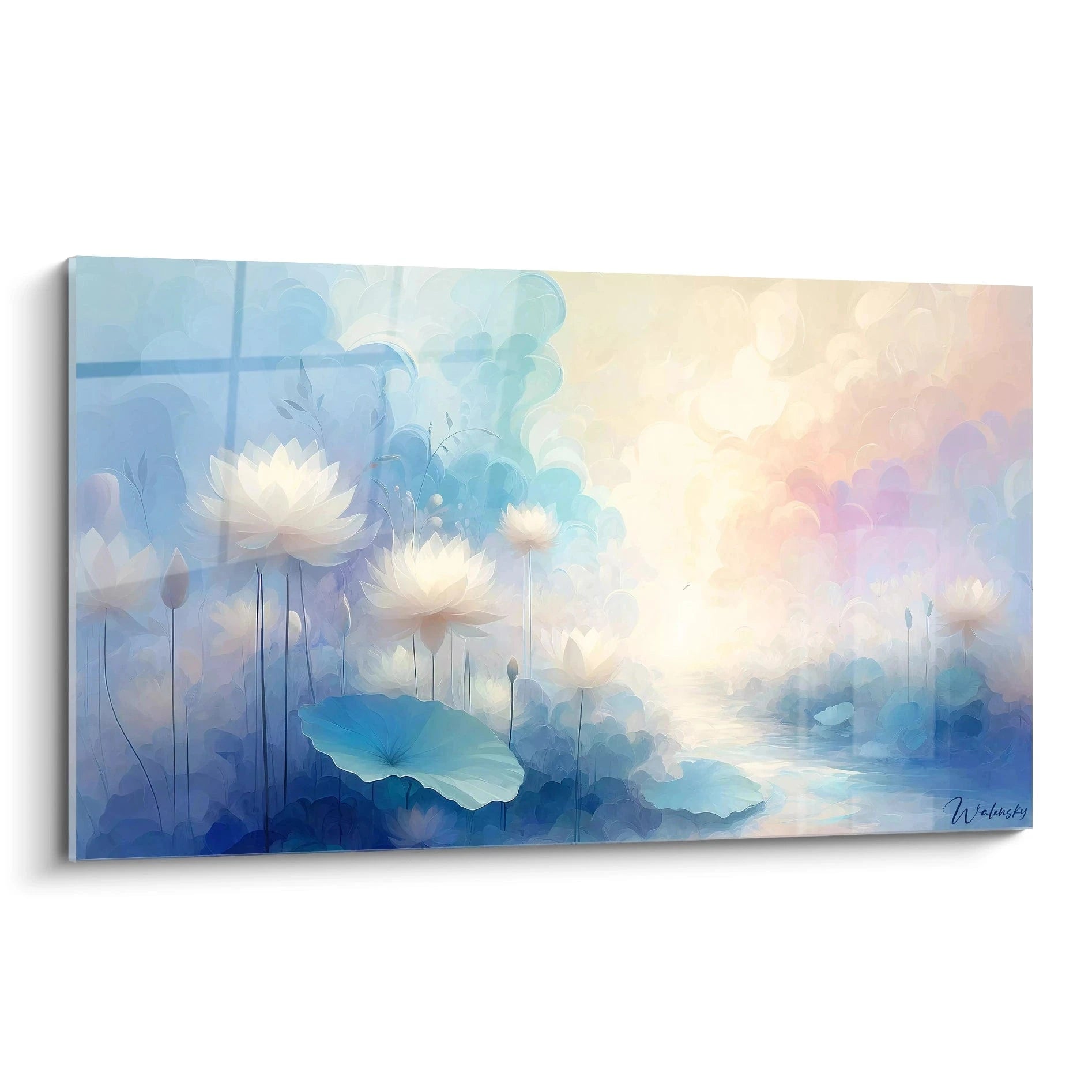
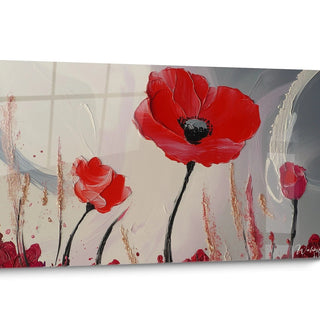
 Graceful Flower Canvas - Abstract Flower Edition273,90 €
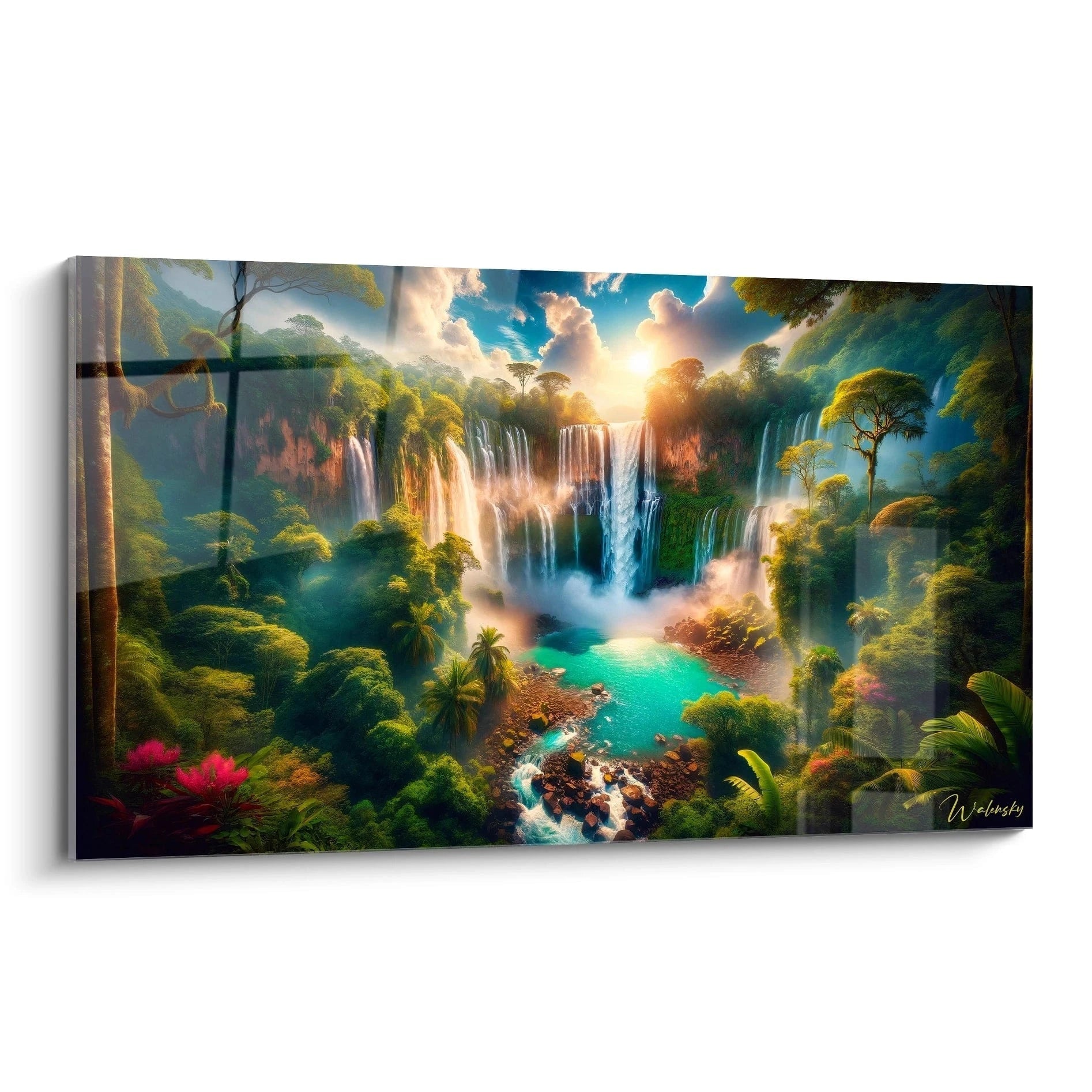
 Golden Touch Wall Art - Abstract Flower Edition273,90 €
 Nesting Colors Wall Art - Abstract Geometric Edition273,90 €
 Order in Relief Wall Art - Abstract Geometric Edition273,90 €
 Divided Horizons Wall Art - Abstract Geometric Edition273,90 €
 Minimalism Sculpted Artwork - Abstract Geometric Edition273,90 €
 Golden Twilight Wall Art - Abstract Seaside Edition273,90 €
 Amber Softness Wall Art - Abstract Seascape Edition273,90 €
 Sweetness of Twilight Wall Art - Abstract Seaside Edition273,90 €
 Jade Reflections Wall Art - Abstract Seaside Edition273,90 €
 Lavender Waves Artwork - Abstract Seaside Edition273,90 €
 Azure Mist Wall Art - Abstract Seascape Edition273,90 €
 Frozen Movement Wall Art - Minimalist Abstract Edition273,90 €
 Distant Shadows Wall Art - Minimalist Abstract Edition273,90 €
 Silent Foam Painting - Minimalist Abstract Edition273,90 €
 Passion Flares Painting - Multicolor Abstract Edition273,90 €
 Mosaic Spheres Painting - Multicolor Abstract Edition273,90 €
 Breath of Colors Wall Art - Multicolor Abstract Edition273,90 €
 Ballet of Bubbles Wall Art - Multicolor Abstract Edition273,90 €
 Keys of Silence Wall Art - Abstract Music Edition273,90 €
 Echo in Silence Wall Art - Abstract Music Edition273,90 €
 Melody in Gold Wall Art - Abstract Music Edition273,90 €
 Symmetry of Sounds Wall Art - Abstract Music Edition273,90 €
 Symphony in Abstraction Wall Art - Abstract Music Edition273,90 €
Explore further
In Wall Art for Senior Living
-
 Wall Art for Library820
artworks
Wall Art for Library820
artworks
-
 Wall Art for Law Office820
artworks
Wall Art for Law Office820
artworks
-
 Wall Art for Luxury Hotels820
artworks
Wall Art for Luxury Hotels820
artworks
-
 School Wall Art874
artworks
School Wall Art874
artworks
-
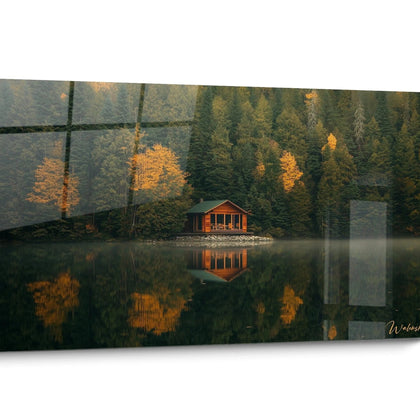 Wall Art for Living Room634
artworks
Wall Art for Living Room634
artworks
-
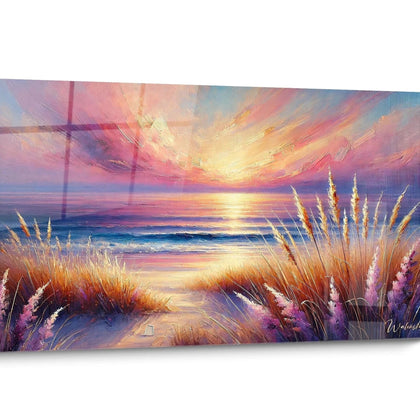 Coworking Wall Art737
artworks
Coworking Wall Art737
artworks
-
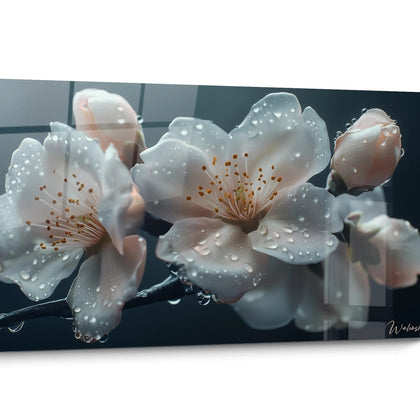 Meeting Room Wall Art737
artworks
Meeting Room Wall Art737
artworks
-
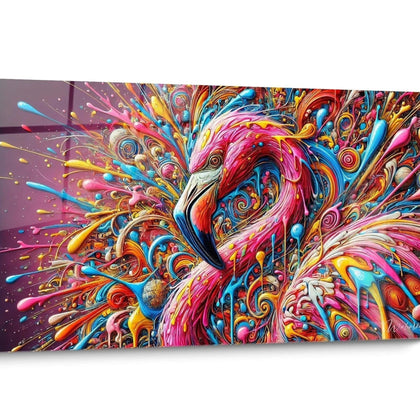 Professional Space Wall Art737
artworks
Professional Space Wall Art737
artworks
-
 Wall art for office737
artworks
Wall art for office737
artworks
In the same family
Also explore the theme Places
-
 Kitchen150
artworks
Kitchen150
artworks
-
 Coworking737
artworks
Coworking737
artworks
-
 Professional Space737
artworks
Professional Space737
artworks
-
 For Airbnb5368
artworks
For Airbnb5368
artworks
-
 For Apartments899
artworks
For Apartments899
artworks
-
 For Library820
artworks
For Library820
artworks
-
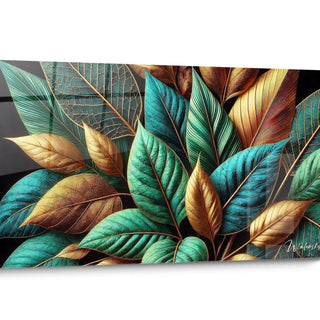 For Office737
artworks
For Office737
artworks
-
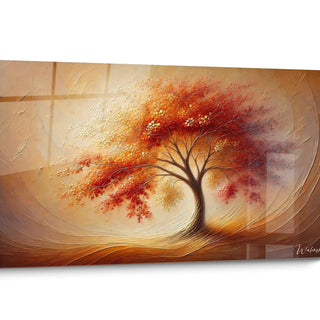 For Bedroom433
artworks
For Bedroom433
artworks
-
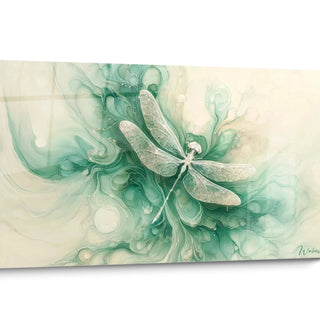 For Hallways899
artworks
For Hallways899
artworks
-
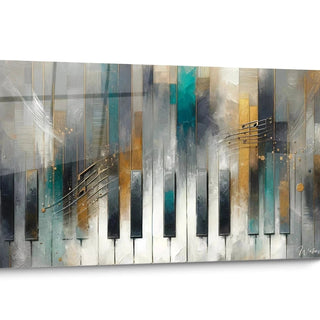 For Schools874
artworks
For Schools874
artworks
-
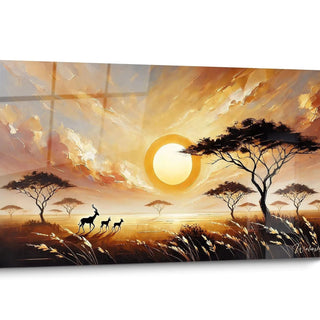 For Waiting Rooms372
artworks
For Waiting Rooms372
artworks
-
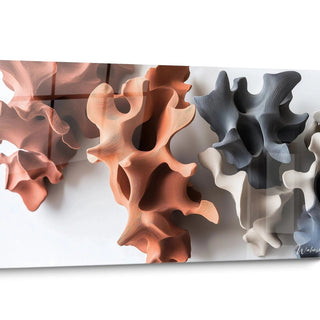 For Bathroom85
artworks
For Bathroom85
artworks
-
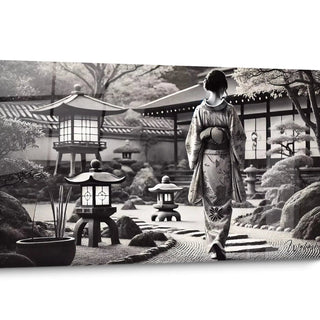 For Yoga Room213
artworks
For Yoga Room213
artworks
-
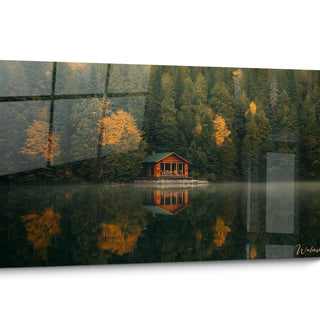 For Living Rooms634
artworks
For Living Rooms634
artworks
-
 For spas449
artworks
For spas449
artworks
-
 Meeting Room737
artworks
Meeting Room737
artworks


All about Wall Art for Senior Living
- Senior Residence Wall Art Presentation
- Cognitive Stimulation & Resident Well-being
- Visual Impairment Adaptation for Seniors
- Professional Equipment & Bulk Purchasing
Wall art for senior residences represents far more than simple decorative elements: they constitute an essential therapeutic tool in the daily support of elderly persons. In facilities welcoming autonomous or semi-autonomous seniors, every visual detail contributes to maintaining cognitive abilities, spatiotemporal orientation, and residents' sense of security. A properly designed environment with adapted visual representations significantly promotes quality of life in geriatric facilities.
Unlike standard residential spaces, senior residences require a specific approach to visual design. Particular needs related to aging—advanced presbyopia, macular degeneration, early cognitive disorders—impose rigorous criteria in the selection of wall art. XXL formats allow optimal visibility even for residents with reduced visual acuity, while chosen themes can serve as supports for reminiscence therapy, a technique recognized in modern geriatric care.
Directors of healthcare and social facilities and decorators specializing in geriatric environments seek decorative solutions simultaneously meeting PMR accessibility standards, strict health facility hygiene protocols, and therapeutic objectives set by care teams. Investment in large-scale wall decorations adapted to seniors represents a major differentiating factor in resident and family satisfaction, directly impacting facility reputation and occupancy rates.
Wall Art for Senior Residences: Cognitive Stimulation and Reminiscence Therapy
Modern geriatric facilities now integrate cognitive stimulation through visual environment as an essential component of their non-pharmaceutical care approach. Large-format wall representations intended for senior residences play a decisive role in maintaining brain functions and preventing cognitive decline. Contrary to common misconceptions, wall art in geriatric environments goes beyond beautification: it constitutes a daily therapeutic support engaging memory, attention, and positive emotions in elderly persons.
How do visual scenes favor autobiographical memory in residents?
Reminiscence therapy, a scientifically validated technique in psychogeriatrics, relies on evoking personal memories to reinforce identity and reduce anxiety in seniors. Wall representations of rural French landscapes from the 1950s-1970s, period daily-life scenes, or traditional occupations spontaneously trigger conversations between residents and unlock buried memories. A visual showing an old bakery, a Provençal market, or a vintage train station generates powerful memory associations, particularly in persons with mild cognitive impairment. These visual triggers installed in common areas transform hallways and lounges into natural activity supports, facilitating animation teams' work without requiring specific equipment.
Nostalgic themes adapted to generations born between 1935 and 1965
Iconographic choices for facilities welcoming octogenarians differ radically from those for younger senior accommodations. Current residents grew up in the post-war period, experienced the Trente Glorieuses, and lived through the social transformations of the 1960s. Visuals evoking this period—iconic automobiles like the 2CV or DS, classic French cinema posters, timeless Mediterranean landscapes—resonate particularly with their personal history. This emotional connection generates a sense of belonging and emotional security essential to institutional well-being. Families visiting the facility also appreciate these generational references honoring their elders' collective memory.
Reduction of sundowning through visual calming
Sundowning syndrome, characterized by increased agitation in late afternoon among cognitively impaired persons, represents a daily challenge in medicalized residences. Research in therapeutic environment demonstrates the significant impact of calming natural scenes—forests, seashores, flowering gardens—on emotional regulation in confused seniors. Installing large-format representations of serene landscapes in lounges where residents gather late in the day creates a visually soothing atmosphere diminishing wandering and anxiety behaviors. This non-pharmaceutical approach effectively complements care protocols, potentially reducing anxiolytic medication needs.
Privileged XXL formats allow residents with reduced peripheral vision to continue perceiving these calming scenes even in lateral vision, maintaining their beneficial effect throughout daily movements in common areas.
Which iconographic criteria promote daily cognitive engagement?
Beyond nostalgic appeal, certain visual characteristics actively stimulate brain functions: detail-rich scenes encouraging prolonged observation, compositions including narrative elements sparking discussion and interpretation, marked seasonal representations serving as temporal reference points. A complex visual depicting a busy market, for example, offers multiple focal points—people, products, architecture—engaging concentration and semantic memory. This passive cognitive exercise occurs naturally during daily passages without requiring structured workshops.
Animation teams strategically leverage these visual supports to initiate group activities: observation games, life stories inspired by depicted scenes, thematic discussions. The initial investment in well-designed wall art generates continuous therapeutic return without recurring costs.
Seasonal rotation and prevention of institutional boredom
Environmental monotony constitutes a depression factor in geriatric facilities. Unlike private residences where personal object accumulation creates natural visual richness, institutional spaces tend toward uniformity. Providing multiple decoration series allowing quarterly rotation—spring, summer, autumn, winter themes—maintains essential visual dynamics for long-stay residents' morale. This periodic renewal generates positive anticipation and provides concrete temporal markers, particularly valuable for persons whose time perception becomes blurred.
Forward-thinking facility managers now integrate this rotation into their annual activity plan, considering visual environment as a therapeutic lever in itself.
Optimal Adaptation to Senior Vision Impairment in Residences
Senior residence planning requires thorough understanding of physiological modifications affecting vision after age 65. Advanced presbyopia, age-related macular degeneration (AMD), cataracts, and diminished contrast sensitivity impose precise technical constraints on wall art selection. Unlike standard residential spaces, a geriatric facility must compensate for these impairments through strategic visual choices guaranteeing accessibility and safety for all residents, including those with severely reduced visual acuity.
Why are reinforced contrasts essential in geriatrics?
Perception of subtle nuances significantly diminishes with age: a 75-year-old senior requires three times more light than a young adult to distinguish details. Wall representations for senior residences must prioritize marked visual contrasts—light/dark opposition, clear shape delimitation, absence of overly subtle gradations. A seascape presenting strong contrast between intense blue sky and dark cliffs remains perceptible even for a resident with moderate AMD, whereas a scene in pale washed tones becomes invisible to this same person. This visual accessibility directly integrated into iconographic choice prevents vision-impaired residents' exclusion from therapeutic environment benefits.
XXL formats and compensation for reduced peripheral vision
Visual field reduction, frequent after age 70 and exacerbated by glaucoma or AMD, limits global scene perception. Monumental formats compensate this physiological limitation: a representation of 120x80cm minimum guarantees significant visibility even with visual field narrowed to 50%. This dimension also allows variable-distance visual reading—from wheelchair height (eye height 1.10m) to standing with walker (eye height 1.50m). Facility physical inclusivity thus passes through dimensional adaptation of visual elements to different reduced-mobility situations.
Which color palettes optimize visibility for aging eyes?
The crystalline lens yellows with age, filtering wavelengths differently: seniors perceive blue-violets poorly but distinguish yellows-oranges-reds well. Prioritizing scenes with warm dominants—sunsets, sunflower fields, autumn landscapes—guarantees optimal visibility even for residents with age-related color vision disorder. Conversely, exclusively cool-toned representations may appear dull and indistinct. This physiological knowledge guides geriatric-specializing decorators toward scientifically adapted rather than aesthetically arbitrary choices.
Anti-glare materials for corridors with permanent artificial lighting
Medicalized facilities maintain 24/7 corridor lighting to prevent nocturnal falls. This continuous illumination generates parasitic reflections on shiny surfaces, particularly disturbing seniors whose glare sensitivity increases with age. Wall surfaces treated with anti-glare coating eliminate these visual inconveniences, guaranteeing constant legibility regardless of lighting angle. This technical characteristic, rarely mentioned in mainstream catalogs, nonetheless constitutes a priority selection criterion for facility managers aware of visual safety issues.
Glare from reflective surfaces can trigger disorientation and anxiety in cognitively impaired residents, creating avoidable risk situations through appropriate material selection.
Spatial orientation function in large-capacity facilities
Residences of 60 to 100 rooms present similar corridors generating confusion and wandering in new residents or those with memory deficits. Using distinct thematic representations by sector—north wing with mountain landscapes, south wing with Mediterranean scenes, east wing with floral representations—creates soft non-stigmatizing signage. Unlike anxiety-producing institutional directional panels, this natural visual differentiation allows residents to find their way through visual association: "my room is in the lavender corridor." This strategy preserves autonomy and dignity for disoriented persons while reducing supervision burden.
Families can also use these visual markers guiding loved ones during visits: "you turn at the big painting with sailboats," language far more natural and reassuring than "corridor B, section 2."
Compliance with accessibility and safety standards for healthcare-social facilities
Beyond aesthetics and therapeutic function, wall decorations in senior residences must meet regulatory requirements for public-access buildings (ERP) type J. Reinforced wall fixtures support specific constraints of medical drywall partitions, avoiding any object-fall risk. Materials used comply with fire classifications M1 or B-s2,d0, mandatory in circulation areas of facilities housing mobility-impaired persons. This technical compliance, verified during safety commission inspections, legally protects the operator while guaranteeing resident physical safety.
Professional Equipment Strategy in Volume for Senior Residences
Complete furnishing of a medium-capacity senior residence (40 to 80 rooms) represents a determining strategic investment for perceived facility quality. Directors of senior service residences and modern EHPAD management groups now integrate visual environment into their competitive differentiation strategy. Facing a strong-growth senior housing market and increasingly demanding families, interior design quality directly impacts occupancy rates and ability to practice premium pricing.
How to calculate equipment needs for complete facility furnishing?
A typical 60-room facility requires approximately 80 to 120 large-format wall elements to create visually rich environment without saturation: two representations per room (above bed and facing armchair), one art piece every 8 to 10 meters in corridors, three to five signature pieces in each common area (lounge, dining room, library, activity room). This quantitative approach allows realistic budget establishment and avoids piecemeal installations with limited impact. XXL formats privileged for these spaces—100x70cm minimum, 150x100cm for signature pieces—guarantee necessary visibility for residents with age-related visual impairments.
What are bulk purchasing advantages for multi-site residences?
Management groups operating multiple facilities across regional or national territories significantly optimize investment through centralized volume orders. This approach generates several benefits: substantial tiered pricing (up to 40% savings on 300+ piece volumes), visual consistency of decorative charter across facilities strengthening brand identity, simplified logistics with scheduled, staggered deliveries, possibility of inter-site thematic collection rotation. A group with 5 residences can constitute centralized stock enabling seasonal renewal mentioned previously without multiplying investments.
Durability and resistance to strict hygiene protocols
Unlike residential interiors, healthcare-social facilities apply rigorous daily cleaning protocols including aggressive disinfectants. Wall representations for these environments must withstand years of intensive cleaning without visible deterioration: surface treatments resistant to hospital detergents, fixtures impervious to moisture from washings, fast-color inks not fading under chemical products. This professional durability justifies higher unit cost than consumer products but generates lower total cost of ownership over typical 8 to 12-year lifespan. Discerning managers integrate this longevity in amortization calculations rather than privileging low-cost solutions requiring frequent replacement.
ROI and measurable resident satisfaction impact
Satisfaction surveys conducted in facilities investing in quality visual environment reveal significantly higher scores on "warm ambiance," "sense of home," and "recommendation to other families" items. This increased satisfaction translates concretely into: reduced resident turnover (costly in prospecting and image terms), ability to maintain above-market-rate pricing, improved online review platform ratings consulted by families. The return on investment of a professional decorative program thus measures in preserved revenues and marketing costs saved equally as in direct expenses.
Which themes to prioritize for staggered 3-5 year renewal?
Rather than one massive equipment purchase, well-managed facilities adopt progressive renewal strategy: phase 1 (year 1) common area and main corridor equipment creating immediate impact during visits, phase 2 (year 2) first-floor bedroom furnishing, phase 3 (year 3) completion with remaining floors. This approach staggers investment while generating continuous-renewal sentiment appreciated by long-stay residents. Themes can evolve: beginning with consensus nature scenes, progressive enrichment with regional cultural evocations, then introducing temporary collections during seasonal rotations.
Selection criteria for decorators specializing in geriatric environment
Not all suppliers master technical and therapeutic specificities of senior residence equipment. Qualified professionals demonstrate expertise through: understanding of vision pathologies related to aging, knowledge of applicable ERP standards, ability to propose formats adapted to architectural constraints (low ceilings, narrow circulation), mastery of reminiscence therapy guiding iconographic choices. Partnership with healthcare-social sector specialist generates tangible added value versus generic decorative catalog purchasing.
Budget forecast and available financing lines
For a 50-room facility, complete investment represents €15,000 to €35,000 depending on retained quality level and installed piece quantity. This amount integrates into different budget lines: initial investment budget for facility creation, renovation budget for modernizations, animation/non-pharmaceutical therapy budget for documented therapeutic-purpose projects. Some departments offer specific subsidies for EHPAD living environment improvement, potentially covering 30 to 50% of eligible expenses. Commercial private facilities typically amortize over 5 to 7 years, period coherent with quality professional product durability. Should this topic inspire you, you may also enjoy browsing our collections to find creations harmonizing perfectly with these compositions.
FAQ: Frequently Asked Questions on Senior Residence Wall Art Equipment
Do large-format wall representations require specific departmental authorization?
Wall decorations generally require no prior authorization provided they comply with fire safety standards (M1 classification or equivalent) and their installation does not compromise structural wall integrity. However, for ERP-classified facilities, it is recommended to inform the safety commission during periodic inspection and retain material compliance certificates.
Can individual rooms be personalized according to each resident's preferences?
Personalizing rooms with visuals chosen by residents or families constitutes excellent practice favoring space appropriation and maintenance of personal identity. Many facilities now offer catalogs of 10 to 15 themes allowing new arrivals to select representations matching their tastes and memories, transforming the standard room into genuinely personal space.
How to manage taste and cultural reference evolution of future resident generations?
Baby boomers currently in senior residences (born 1945-1960) will progressively be replaced by generations raised in the 1970s-1980s with different cultural references. Pertinent equipment strategy privileges timeless scenes—natural landscapes, maritime scenes, floral representations—whose appeal transcends generations, while maintaining flexibility to gradually introduce more contemporary themes. Modular collections and easily-rotatable fixture systems anticipate this predictable demographic evolution.
Can wall art truly reduce behavioral disorders in EHPAD?
Numerous psychogeriatric environmental studies demonstrate measurable impact of visually soothing environment on reducing agitation, verbal aggression, and anxious wandering behaviors, particularly in dementia-affected residents. Nature scenes rich in vegetation elements activate documented neurophysiological calming responses through brain imaging. This non-pharmaceutical approach effectively complements care protocols, though obviously not replacing severe psychiatric pathology medical management.
Further reading


