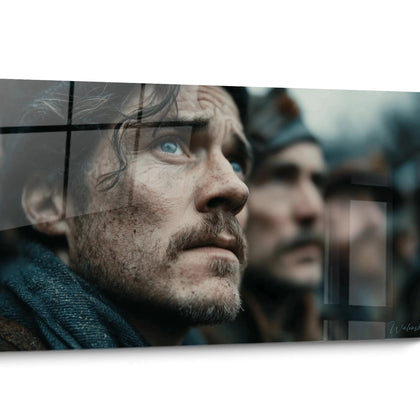
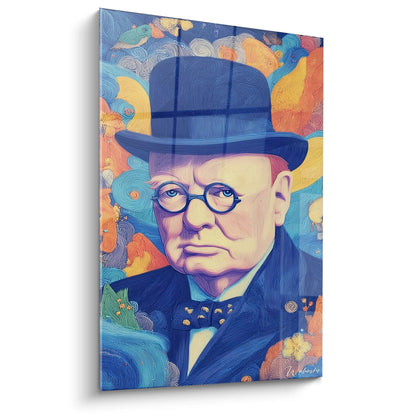
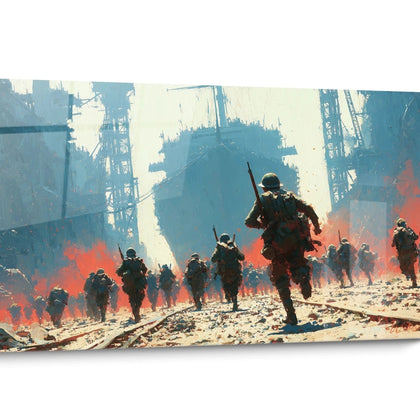
The historical portrait painting embodies the excellence of figurative representation across centuries, capturing the essence of illustrious figures who have shaped history. These monumental works reveal the mastery of great masters in the art of freezing authority, nobility and prestige in sophisticated compositions. Each creation unveils the period dress codes, the symbolic attributes of power and the pictorial techniques that have crossed generations.
The Artistic Movements of Historical Portrait Representation
The historical portrait painting traverses different artistic periods that redefined the conventions of representing figures of authority. The Renaissance establishes the foundations with pyramidal compositions where the subject occupies a dominant central position, surrounded by attributes revealing their social status and accomplishments. The Flemish masters develop a meticulous approach to textile rendering, immortalizing every fold of velvet, every silk reflection and every gold embroidery with photographic precision before the invention of photography.
How to recognize a Baroque period portrait in your decor?
Baroque aesthetics radically transforms the historical portrait painting by introducing dramatic contrasts between shadow and light. Chiaroscuro becomes the privileged instrument for sculpting faces in space, creating unparalleled psychological intensity. Dynamic compositions replace the rigid frontality of earlier periods: figures adopt three-quarter poses, their gaze directed toward an invisible horizon suggesting strategic vision and natural authority. Backgrounds are enriched with monumental architectural landscapes or military scenes evoking conquests.
Neoclassical influence on portrait composition
The neoclassical movement brings geometric rigor and chromatic sobriety back to the historical portrait painting. Neutral or architectural backgrounds with pure lines concentrate attention on the subject's dignity. The palette deliberately restricts itself, favoring harmonies of deep browns, imperial reds and immaculate whites evoking classical statuary. This period values contained expression rather than emotional exuberance, translating reason and civic virtue through measured gestures and carefully selected symbolic attributes.
Which artistic period matches your heritage interior?
Some contemporary interiors seek the authenticity of Renaissance portraiture with its Latin inscriptions and heraldic emblems that dialogue perfectly with libraries in ancient woodwork. Other spaces favor Baroque theatricality whose monumental dimensions transform an entrance hall into a dynastic gallery. For environments with contemporary architectural lines, the historical cubist painting offers a bold reinterpretation of classical portrait conventions, fragmenting the figure in analytical geometry while preserving the dignity inherent to the genre. The Romantic period suits spaces seeking emotion through melancholic expressions and twilight atmospheres.
The Symbolic Attributes and Dress Codes of State Portraiture
The historical portrait painting functions as a complex semiotic system where each visual element communicates the rank, virtues and accomplishments of the represented figure. The insignia of power – crowns, scepters, imperial orbs, collars of chivalric orders – constitute not merely decorative accessories but immediately establish social and political hierarchy. Large formats allow these details to be displayed with optimal legibility, transforming the work into a true visual manifesto of legitimate authority.
The dress code grammar in noble representation
Precious fabrics occupy a central place in the historical portrait painting, each material possessing its coded significance. Ermine punctuates exclusively royal and princely representations, its black specks on white background symbolizing the sovereign's moral purity. Crimson velvet evokes cardinal or judicial dignity depending on context. Gold embroidery constitutes a reliable indicator of aristocratic rank, its density and complexity increasing proportionally to social status. Imported laces – Venetian point, Alençon or Bruges – simultaneously signal wealth and cultural refinement.
How to interpret symbolic objects in your acquisition?
Still life elements integrated into the historical portrait painting reveal the subject's domains of excellence. Scientific instruments – terrestrial globes, astrolabes, compasses – identify scholars and navigators. Open manuscripts establish intellectual or religious legitimacy. Background architectural elements geographically situate territorial power: monumental columns for Mediterranean empires, fortified castles for continental dynasties, marine scenes for thalassocratic powers. This iconographic reading considerably enriches the contemplative experience in contemporary heritage interiors.
Armor as a military identity marker
Martial representations constitute a specific category of historical portrait painting where parade armor transcends its defensive function to become pure artistic expression. Damascening, chasing and engraving transform metal into a narrative support recounting victorious campaigns. Hand positioning on the sword hilt or commander's baton establishes strategic authority. Smoking battlefields in the background historically situate conquests while captured banners at the subject's feet visually quantify military glory. These particularly imposing compositions require clear walls capable of accommodating their monumentality without visual compression.
Integration of Historical Portrait into Contemporary Heritage Spaces
Acquiring a historical portrait painting radically transforms the perception of a space by instilling temporal depth and architectural nobility. The generous dimensions of these works – frequently exceeding 120 centimeters – confer magnetic presence that structures the entire room. Unlike contemporary decorative compositions, these historical representations establish direct dialogue with the viewer, creating an almost ceremonial relationship that instantly elevates the atmosphere.
Which spaces optimally enhance a monumental state portrait?
Entrance halls particularly benefit from a historical portrait painting that immediately establishes the residence's character. Positioned facing the main access, the gaze of the represented figure symbolically welcomes visitors while asserting the occupants' cultural refinement. Libraries and studies find in these works stimulating intellectual companions, the presence of historical figures inspiring reflection and concentration. Formal dining rooms perpetuate the tradition of ancestral galleries where diners dined under the benevolent gaze of illustrious predecessors.
Association with period furniture and architectural elements
The historical portrait painting naturally dialogues with characteristic furniture: marquetry consoles beneath a court portrait creating a secular altar, Regency bergères positioned as if conversing with the represented figure, mahogany libraries whose antique bindings extend the heritage aesthetic. Architectural elements – woodwork, marble fireplaces, herringbone parquets – amplify stylistic coherence. Museum lighting directed from the ceiling reproduces historical gallery exhibition conditions, revealing chromatic richness and successive glazes without creating disturbing reflections.
Building a coherent collection of period representations
Discerning collectors develop thematic ensembles: series of military portraits from different nations creating a comparative gallery, succession of female figures illustrating the evolution of aesthetic canons across centuries, collection of ecclesiastical dignitaries revealing the diversity of religious orders. This curatorial approach transforms the dwelling into a true private museum where each acquisition enriches the overall narrative. Monumental formats allow ample wall occupation without visual saturation, each work having the necessary space to breathe and impose its singular presence.
Does a historical portrait painting suit minimalist contemporary architecture?
Absolutely. The contrast between modern clean lines and Baroque portrait richness creates particularly sought-after aesthetic tension. Contemporary interiors benefit from the historical depth that a period representation brings, avoiding the coldness sometimes associated with strict minimalism.
How to authenticate the period of a historical portrait painting when purchasing?
Examine the pictorial technique: natural craquelure, varnish layer thickness, pigment composition and support reveal true age. Costumes and attributes must precisely correspond to the dress code conventions of the claimed period. Professional expertise remains essential for significant heritage acquisitions.
What specific insurance should be obtained to protect a valuable historical portrait painting?
Historic artworks require specialized art insurance covering specific risks: hygrometric variations, prolonged light exposure, transport for restoration. Prior expertise establishing current value constitutes the essential prerequisite. Some insurers offer contracts including climate monitoring and preventive conservation interventions.


 Richelieu Eternal Gaze Painting - Richelieu Edition213,90 €
 Engraved Portrait Painting Time - Richelieu Edition213,90 €
 Gentleman Painting Eternal Refinement - Louis XIV edition213,90 €
 Ornamented Soul Portrait Wall Art - Winston Churchill Edition233,90 €
 Napoleon Painting Empire Brilliance - Napoleon Edition213,90 €
 Napoleon Conquering Gaze Painting - Napoleon Edition213,90 €
 Philosophical Cigar Portrait Wall Art - Winston Churchill Edition213,90 €
 Master Thinker Portrait Painting - richelieu edition233,90 €
 Woman with Astral Diadem Painting - Marie-Antoinette Edition233,90 €
 Crowned King Regent of Colors Painting - Louis XVI Edition233,90 €
 Louis XVI Painting Eternal Dignity - Louis XVI Edition233,90 €
 Man Painting Expressive Charm - Louis XVI233,90 €
 Portrait Painting Vivid Sketch - Louis XVI Edition233,90 €
 Royal King Splendor Wall Art - Louis XIV Edition233,90 €
 Aristocrat Painting Golden Splendor - Louis XIV Edition233,90 €
 Christopher Columbus Tormented Soul Painting - Christopher Columbus Edition233,90 €
 Christophe Colomb Floating Clouds Artwork - Christophe Colomb Edition213,90 €
 Timeless Master Portrait Painting - Richelieu Edition213,90 €
 Louis XVI Painting Sovereign Gaze - Louis XVI edition213,90 €
 Warrior Glory Sculpture Painting - Alexander the Great Edition233,90 €
 Eternal Marble Bust Wall Art - Alexander the Great Edition233,90 €
 Bearded Portrait Painting Inner Storm - French Revolution Edition233,90 €
 Renaissance Human Portrait Wall Art - French Revolution Edition213,90 €
 Woman Painting Awakened Soul - World War I Painting Edition233,90 €