




Serengeti Minimalist Cat Wall Art
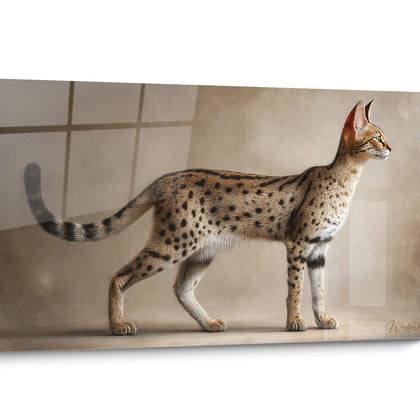
The Serengeti Cat Minimalist painting captures the majestic essence of this wild feline through a clean and refined design. This collection celebrates the natural beauty of the Serengeti with understated lines and a contemporary aesthetic. Perfect for lovers of minimalist cat art and wild cat wall decoration, each piece brings a touch of subtle elegance to your space. Transform your walls into a gallery dedicated to feline splendor with this unique collection that combines authenticity and modernity.
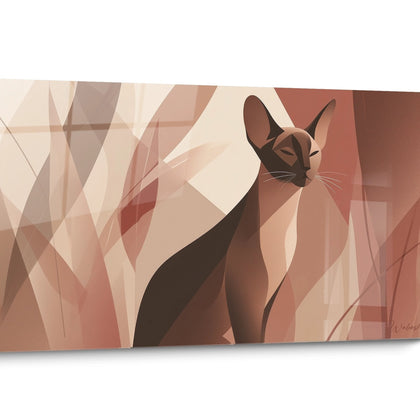
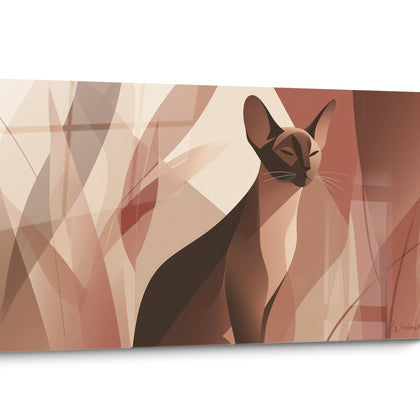
 Minimalist Sitting Cat Painting - Feline Elegance - Serengeti Cat Edition273,90 €
 Moving Cat Painting - Feline Elegance - Serengeti Cat Edition273,90 €
 Serengeti Cat Sketch Wall Art - Feline Grace in Motion - Serengeti Cat Edition228,90 €
Explore further
In Serengeti Minimalist Cat Wall Art
All about Serengeti Minimalist Cat Wall Art
- Minimalist Serengeti Cat Wall Art Presentation
- Refined Aesthetics
- Contemporary Spaces
- Minimalist Features
The minimalist Serengeti cat wall art represents a bold fusion between the feline elegance of this exceptional breed and the visual codes of refined contemporary art. This large-format wall decoration captures the essence of the Serengeti through compositions reduced to essential elements, privileging pure lines, negative space, and a restricted color palette. Designed for modern interiors that prioritize visual calm and discreet sophistication, this type of artistic representation eliminates all superfluity to highlight the graceful silhouette and magnetic presence of this feline with unique genetic heritage. The minimalist approach transforms the Serengeti into a timeless graphic symbol, perfect for wall art enthusiasts seeking decoration that is both expressive and reserved, capable of structuring a space without visually overwhelming it.
The art of visual simplicity in service of feline grace
The minimalist Serengeti cat wall art rests on a fundamental principle: reveal the intrinsic beauty of the feline by eliminating all distracting elements. This artistic approach privileges color fields, simplified contours, and asymmetrical compositions that create captivating visual tension. Unlike detailed representations, this refined style transforms the Serengeti into a graphic icon where every line matters, every empty space communicates, and suggestion replaces exhaustive description.
Why choose a minimalist representation of the Serengeti?
Minimalist aesthetics particularly suits large wall formats as it avoids visual saturation that could result from an overly loaded approach. For a traditional Serengeti cat portrait wall art, richness of detail constitutes the major asset, while the minimalist version relies on the evocative power of emptiness and formal simplification. This distinction becomes crucial in contemporary living spaces where each decorative element must contribute to overall harmony without creating visual competition.
Graphic codes of purity applied to the wild feline
The minimalist representation of the Serengeti uses specific techniques such as contrast between saturated zones and neutral spaces, creating a visual rhythm that naturally guides the eye. Artists employing this style often reduce the feline figure to its characteristic silhouette—pointed ears, slender body, commanding posture—using a restricted palette of maximum two to four hues. This chromatic economy reinforces visual impact and facilitates integration into environments where color coherence constitutes a priority.
The psychological impact of negative spaces in composition
The empty zones surrounding the Serengeti in a minimalist composition are never accidental: they create visual breathing that amplifies the presence of the main subject. This technique, inherited from Zen philosophy and Scandinavian design, allows the large-format painting to occupy an entire wall without generating a sense of oppression. The void then becomes a narrative element evoking the vast African expanses from which the Serengeti takes its name, establishing a subtle link between artistic form and the breed's origin.
Integration into contemporary interior architectures
For spaces privileging exposed concrete, glass surfaces, and assertive architectural lines, the minimalist Serengeti cat wall art acts as an organic counterpoint that humanizes the environment without compromising its aesthetic rigor. Its ability to function as a unique focal point in a refined space makes it a strategic choice for lofts, new apartments, and executive offices seeking discreet sophistication.
Spatial optimization for demanding modern environments
Installing a minimalist Serengeti cat wall art in a contemporary space follows specific principles that differ radically from traditional decorative approaches. The monumental dimension of these wall creations requires a deep understanding of the visual dynamics inherent to minimalist interiors, where each visible element must justify its presence through a clearly defined aesthetic or symbolic function.
How to position a minimalist artwork to maximize its impact?
In minimalist philosophy, the painting often becomes the sole decorative element of an entire wall, which completely changes placement rules. Unlike a classical decorative approach that multiplies objects, the monumental format of the refined Serengeti requires generous peripheral clearance—typically 40 to 60 centimeters on each side—so the negative spaces of the composition harmoniously dialogue with the surrounding architecture. This visual breathing amplifies perception of grandeur and reinforces the contemplative effect sought.
Chromatic dialogue with contemporary materials
Minimalist interiors often privilege a restricted palette of materials: polished concrete, light wood, brushed steel, lacquered surfaces. The minimalist Serengeti cat wall art exploits this sobriety by offering monochrome or two-color compositions that establish visual bridges with these textures. A black and white representation of the feline resonates particularly well with limestone floors or raw plaster walls, while a version using warm ochre and sand tones can warm an environment dominated by gray and white.
The question of scale in spacious volumes
Minimalist spaces tend toward generous, uncluttered volumes, which poses the crucial question of decorative scale. A small painting would be lost in such an environment, while a monumental format of 120 to 200 centimeters in width establishes a balanced proportional relationship. For those who also appreciate other stylistic interpretations, a geometric Serengeti cat wall art can offer an interesting alternative while maintaining a refined approach compatible with minimalist codes.
Management of natural light on refined surfaces
Minimalist compositions demonstrate particular sensitivity to light variations: color fields change intensity according to the time of day, negative spaces reveal subtle nuances, and the simplified contours of the Serengeti detach differently depending on the light's angle of incidence. This variability transforms the painting into a dynamic element that evolves throughout the day, thus avoiding the monotony often criticized in overly rigid interiors. North-facing bay windows offer stable luminosity ideal for these delicate compositions.
Coordination with refined furniture
Contemporary minimalist furniture—think Scandinavian or Japanese creations—shares with the refined Serengeti painting a common philosophy: that of elegant essentials. The low lines of a modular sofa, the airy structure of a steel table, or the pure geometry of a designer chair create formal echoes with the graphic simplicity of the stylized feline, establishing visual coherence that characterizes truly mastered interiors.
The technical fundamentals of minimalist feline aesthetics
Understanding the specific qualities of a minimalist Serengeti cat wall art allows you to fully appreciate its decorative value and transformative potential in a contemporary space. These wall creations obey rigorous composition principles that distinguish a true minimalist work from a merely impoverished illustration.
Composition principles in minimalist animal art
A successful minimalist composition of the Serengeti rests on the rule of visual thirds: the feline typically occupies one third of the total surface, leaving the remaining two thirds to strategically distributed negative space. This asymmetry creates productive visual tension that maintains attention without fatiguing it. Invisible directional lines guide the eye toward essential elements—the feline's piercing gaze, characteristic ears, elegant posture—while every secondary detail is deliberately omitted to reinforce the impact of retained elements.
Restricted color palette and symbolic meaning
With minimalism imposing strict chromatic discipline, the minimalist Serengeti cat wall art typically uses maximum two to three colors. Classic combinations include black and white for maximum contrast, beige and taupe for sophisticated softness, or midnight blue and gold for contemporary elegance. Each color choice conveys a distinct atmosphere: neutral tones evoke contemplative serenity, while marked contrasts assert a more dynamic presence. This voluntary restriction also facilitates integration into preexisting decorative schemes.
What advantages does large format offer in minimalist version?
The monumental format paradoxically amplifies the simplicity effect sought: the greater the surface area, the more empty spaces acquire tangible presence that visually structures the space. A painting of 150 or 180 centimeters allows negative zones to breathe fully, creating a contemplative experience impossible to reproduce in small format. This generous scale transforms the wall into a visual meditation on the Serengeti's essence, stripped of all superfluous narrative.
Complementarity with other stylistic approaches to the Serengeti
For collectors wishing to explore different facets of this fascinating breed, combining a minimalist painting with other styles can create rich visual narrative. A golden Serengeti cat wall art will bring complementary luxurious dimension, while the minimalist version maintains the balance and sobriety necessary for contemporary spaces. This multi-style strategy works particularly well in vast apartments or homes where multiple rooms can accommodate varied artistic interpretations of the same subject.
Aesthetic durability and visual timelessness
One of minimalism's major assets lies in its resistance to passing trends: by eliminating anecdotal details and dated stylistic effects, the minimalist Serengeti cat wall art retains its aesthetic relevance year after year. This timelessness represents a judicious decorative investment for those who refuse to frequently renew their décor. Formal simplicity transcends decades without aging, unlike more narrative or overloaded approaches that can become obsolete after a few years. To discover all possibilities offered by this exceptional breed in wall art, the complete Serengeti cat wall art collection presents all available stylistic variations.
FAQ: Frequently asked questions about minimalist Serengeti cat wall art
Is minimalist Serengeti cat wall art suitable for professional spaces?
Absolutely, the refined aesthetics and discreet sophistication of this type of wall decoration integrates perfectly into executive offices, consulting firms, high-end coworking spaces, and contemporary waiting areas. The composition's sobriety avoids excessive distraction while affirming a refined aesthetic positioning that enhances professional image.
How to maintain a large-format minimalist Serengeti cat wall art?
Minimalist compositions generally presenting smooth surfaces and uniform color fields, their maintenance is limited to monthly dusting with a dry microfiber cloth. Avoid cleaning products that could alter pigments, particularly on single-color zones where any trace would immediately become visible. The absence of relief and complex texture considerably facilitates maintenance compared to more textured works.
Can multiple minimalist Serengeti cat paintings be associated in the same room?
This approach works if the compositions maintain strict chromatic coherence and present sufficient formal variations to avoid visual redundancy. A minimalist triptych showing the Serengeti from three different angles—profile, front, rear—with the same restricted palette can create remarkable decorative impact in a large living room or master bedroom. However, maintain generous spaces between each element to preserve the visual breathing characteristic of minimalism.


