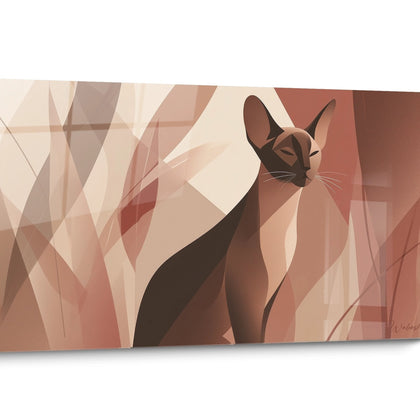
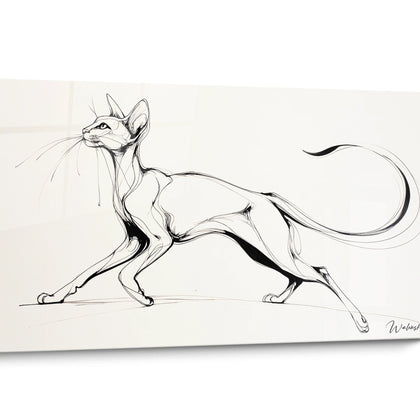
The geometric Serengeti cat artwork transcends traditional feline imagery by proposing a bold structural interpretation of this exceptional breed. This artistic approach deconstructs the distinctive traits of the Serengeti into volumes, angular lines and polygonal surfaces, creating a fascinating dialogue between the feline's natural elegance and mathematical abstraction. The large dimensions of these wall creations amplify the visual impact of geometric forms, transforming each wall section into a contemporary aesthetic manifesto. This fusion of wild animality and graphic rationality particularly appeals to modern art enthusiasts seeking a distinctive decorative piece combining sophistication and assertive character for their demanding living spaces.
The Polygonal Expression of Serengeti Feline Nature
The geometric Serengeti cat artwork reinvents animal representation by fragmenting feline anatomy into crystalline facets. This visual deconstruction highlights the athletic proportions characteristic of the breed: oversized ears, slender limbs and wild profile. Each angular segment captures the intensity of the amber gaze typical of the Serengeti, while superimposed geometric planes reconstruct the powerful musculature of this savanna descendant.
How do geometric forms sublimate the spotted markings of the Serengeti?
The iconic spotted coat of this breed finds renewed expression in geometric treatment. Spots become hexagonal or triangular modules distributing chromatic contrasts according to an architectural logic. This stylization transforms the natural fur into a contemporary mosaic, where each polygon functions as an optical tessella. The overall effect preserves the visual identity of the Serengeti while elevating it to a refined graphic dimension, particularly suited to minimalist interiors requiring non-figurative animal decoration.
Angular structuring in service of feline dynamics
Broken lines and plane intersections create visual tension evoking the frozen movement of the predator. The geometric Serengeti cat artwork exploits this fragmented geometry to suggest the muscular suppleness and agility characteristic of the breed. Compositions frequently adopt calculated asymmetries, generating controlled imbalance that keeps the eye in constant circulation across the surface. This geometric agitation contrasts admirably with the minimalist compositions of the Serengeti cat privileging refined sobriety.
What advantages do limited chromatic palettes offer in geometric context?
The geometric approach greatly benefits from restricted color ranges: contrasting monochromes, bold bichromes or balanced triadic schemes. This chromatic limitation reinforces the structural legibility of forms, avoiding visual confusion that excessive polychromy would cause. Metallic tones such as copper or gold bring a luxury dimension particularly prized, creating play of reflections on large wall surfaces while recalling the warm tonalities of natural Serengeti fur.
Conceptual Geometry and Architectural Spatiality
Spatial amplification through large-format geometric patterns
A geometric Serengeti cat artwork of significant dimensions generates illusory depth through the superposition of angular planes. Compositions exploiting isometric or axonometric perspective create three-dimensional effects without resorting to classical realism. This property proves particularly strategic for contemporary spaces where minimalist architecture requires powerful visual anchors. Large polygonal structures naturally dialogue with architectural volumes, establishing aesthetic coherence between wall decoration and built environment.
Can feline geometry be associated with mathematical symbolism?
Certain compositions subtly integrate references to the golden ratio, Fibonacci sequences or natural fractals observable in feline anatomy. This conceptual dimension adds an interpretive layer for observers sensitive to correspondences between nature and mathematics. The Serengeti, a breed resulting from precise genetic selection, particularly lends itself to this structuralist reading where physiological perfection meets proportional harmony. This intellectual approach distinctly sets these creations apart from simple realistic Serengeti cat portraits centered on photographic fidelity.
How does geometric fragmentation influence temporal perception?
The explosion of form into multiple facets generates sequential rather than instantaneous reading. The observer mentally reconstructs feline unity from fragments, a cognitive process that extends visual engagement. This extended temporality transforms the work into a recurring graphic enigma, never fully exhausted on first viewing. Dynamic compositions even suggest decomposition of movement in the manner of chronophotographs, capturing multiple phases of feline action in a single stratified representation.
The interaction between geometric voids and chromatic solids
Negative spaces play a crucial role in successful geometric compositions. Unfilled zones between polygons are not mere neutral backgrounds but actively participate in the visual breathing of the whole. This alternation creates optical rhythms comparable to architectural principles of solid and void. For collectors also exploring more ornamental options, the gilded representations of the Serengeti offer a complementary approach privileging material richness over structural rigor.
Decorative Integration and Contemporary Stylistic Coherence
Which architectural environments optimally showcase feline geometry?
Converted industrial spaces, urban lofts and Scandinavian interiors constitute ideal terrain for a geometric Serengeti cat artwork. Exposed structures, raw concrete and refined lines resonate harmoniously with the angular compositions of these wall creations. The generous volumes of these environments accommodate imposing formats without suffocation, allowing sufficient visual distance to appreciate structural complexity. Creative offices and collaborative spaces also adopt these pieces as cultural manifestos affirming a bold visual identity.
Furniture complementarity with geometric aesthetics
Association with furniture featuring clean lines amplifies stylistic coherence. Structural metal seating, tables with geometric tops and architectural lighting create a homogeneous visual ecosystem where each element dialogues with others. Materials such as brushed steel, tempered glass or technical composites share the same rationalized philosophy as geometric wall compositions. This holistic approach transforms the home into a contemporary gallery where wall art functions as the centerpiece around which the entire decorative ensemble organizes itself.
How to balance strong visual presence and overall harmony?
Despite their pronounced graphic impact, these artworks integrate harmoniously through intentional chromatic limitation. By incorporating two or three tints already present in the space, the work becomes naturally cohesive while retaining its distinctive character. Monochrome compositions offer maximum flexibility, adapting to various environmental palettes. To build a coherent thematic collection, exploring the entire range of Serengeti cat representations allows identification of complementary stylistic variations creating an enriched visual journey across different rooms.
Perceptual evolution according to lighting conditions
Angular surfaces react differently to daily lighting variations. The grazing incidence of late afternoon accentuates optical reliefs, transforming apparent flatness into a landscape of chromatic ridges and valleys. Directed nocturnal lighting dramatically sculpts compositions, creating cast shadows that add physical dimension to purely graphic geometries. This visual mutability ensures constant renewal of experience, the work reinventing itself throughout hours and seasons according to natural and artificial light flows crossing the space.
Frequently Asked Questions
Is a geometric Serengeti cat artwork suitable for demanding professional spaces?
Absolutely, these creations bring contemporary sophistication particularly suited to architecture offices, creative agencies, design showrooms and high-end reception spaces. Their non-figurative character avoids any infantilizing connotation while maintaining emotional connection through the universally appreciated feline theme.
Do geometric compositions work in classical or traditional interiors?
While naturally aligned with modern aesthetics, these pieces can create bold contrasts in more traditional contexts. This juxtaposition generates creative tension simultaneously valuing architectural heritage and contemporary expression, provided proportions and chromatic palette are carefully calibrated to establish visual bridges with existing elements.
What viewing distance optimizes appreciation of a large-format geometric Serengeti cat artwork?
For formats exceeding 120 centimeters, a distance equivalent to 1.5 times the work's diagonal allows simultaneous embrace of overall composition and structural details. Too close, only individual fragments remain perceptible; too distant, the subtlety of polygonal intersections dissolves. This ideal distance varies according to the specific geometric complexity of each composition.


 Polygonal Serengeti Cat Wall Art - Modern Geometric Art - Serengeti Cat Edition233,90 €
 Stylized Geometric Cats Painting - Abstract Feline Harmony - Serengeti Cat Edition233,90 €
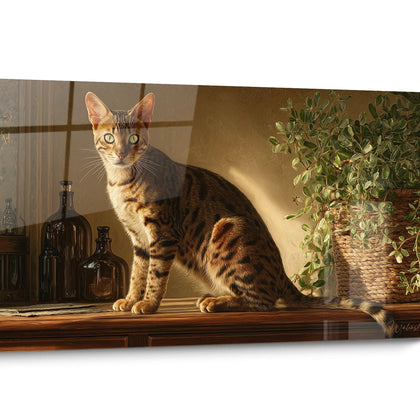
 Geometric Cat Wall Art - Abstract Grace - Serengeti Cat Edition233,90 €
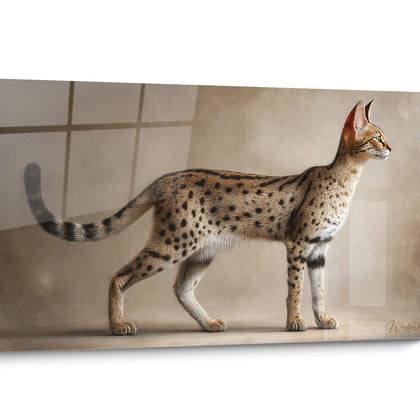
 Polygonal Cat Wall Art - Geometric Feline Design - Serengeti Cat Edition213,90 €