


Shetland Sheepdog Golden Dog Canvas
The Painting Shetland Sheepdog Golden captures all the nobility of this exceptional breed in a refined palette of golden tones. This collection celebrates the natural elegance of the Shetland Sheepdog as wall decoration, offering artistic compositions that magnify the beauty and intelligence of this faithful companion. Perfect for lovers of high-end golden dog art, each artwork transforms your space into a gallery dedicated to this iconic breed, bringing warmth and sophistication to your interior.
 Shetland Sheepdog Painting with Golden Tones and Abstract Textures - Artistic Harmony - Shetland Sheepdog Edition273,90 €
 Shepherd Dog at Sunset over the Moors - Guardian of the Hills - Shetland Shepherd Edition273,90 €
 Shetland Sheepdog in a Whirlwind of Golden Flames - Ardent Power - Shetland Sheepdog Edition273,90 €
 Shetland Shepherd Golden Whirlwind Blue Painting - Cosmic Energy - Shetland Shepherd Edition273,90 €
 Sleeping Shetland Sheepdog on Couch Wall Art - Warm Rest - Shetland Sheepdog Edition273,90 €
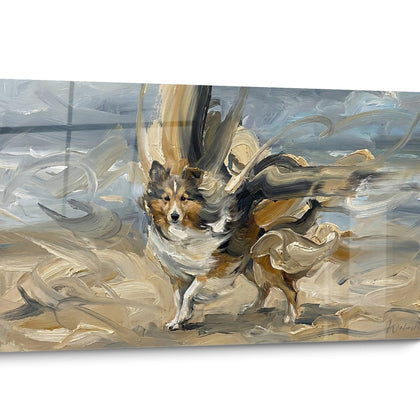
 Shetland Sheepdog Golden Whirlwind Wall Art - Dynamic Energy - Shetland Sheepdog Edition273,90 €
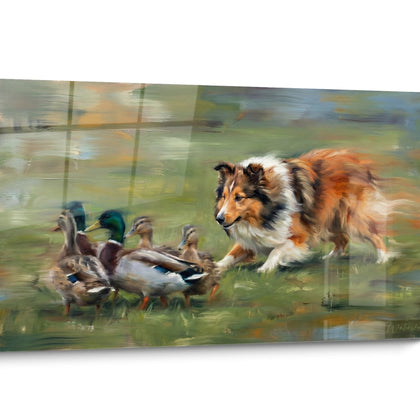
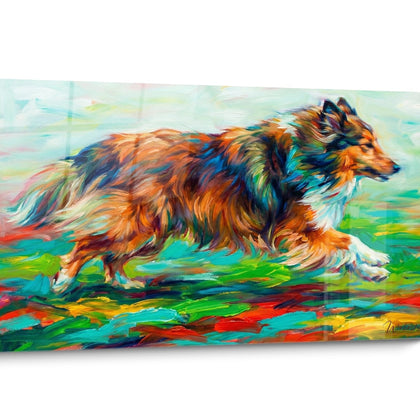
 Shetland Sheepdog Golden Tones in Grass - Autumn Sweetness - Shetland Sheepdog Edition273,90 €
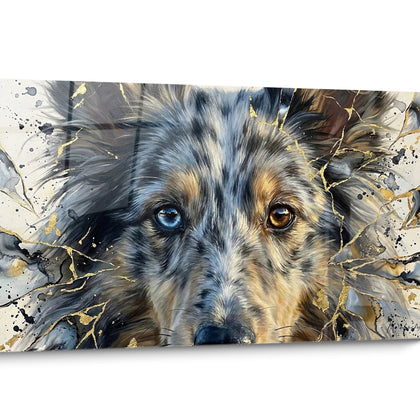
 Dog Portrait Painting with Mismatched Eyes on Golden Glints - Piercing Gaze - Shetland Sheepdog Edition273,90 €
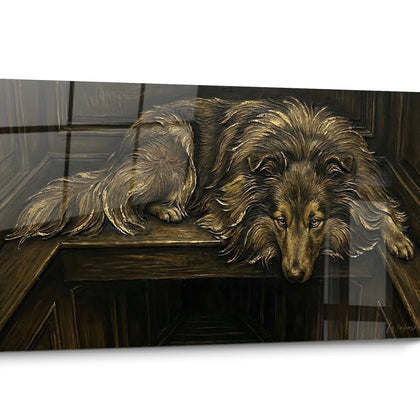
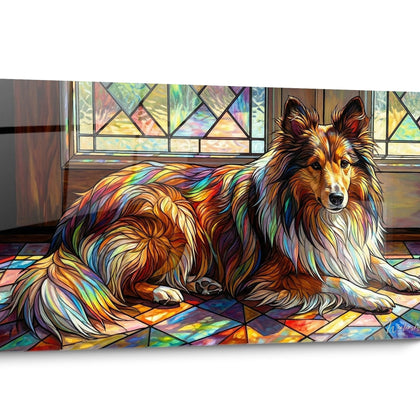
 Shetland Sheepdog Painting Resting on Wooden Furniture - Golden Rest - Shetland Sheepdog Edition273,90 €
 Shetland Sheepdog with Golden Lines Artwork - Geometric Artistic Portrait - Shetland Sheepdog Edition273,90 €
 Shetland Sheepdog Painting with Golden Gaze in Evening Light - Intimate Portrait - Shetland Sheepdog Edition228,90 €
 Shetland Sheepdog Painting by the Water in a Golden Landscape - Aquatic Reflections - Shetland Sheepdog Edition228,90 €
 Sleeping Shetland Sheepdog Copper Tones Canvas - Golden Serenity - Shetland Sheepdog Edition228,90 €
Explore further
In Shetland Sheepdog Golden Dog Canvas
All about Shetland Sheepdog Golden Dog Canvas
- Golden Shetland Sheepdog Wall Art Presentation
- The Golden Brilliance of the Sheltie
- Luminous Atmospheres
- Decorative Integration
Discover the timeless elegance of a golden Shetland Sheepdog dog painting, an artistic creation that captures the natural nobility of this emblematic breed through warm and luminous tones. These large-format representations sublimate the intelligence and gentleness characteristic of the Sheltie by exploiting golden hues that evoke both the setting sun's light, the richness of auburn coats, and the brilliance of refined atmospheres. Each creation is far more than simple wall decoration: it represents an artistic tribute to the natural grace of these loyal companions, magnified by a sophisticated color palette that transforms any space into a personal gallery dedicated to canine love.
The Symbolism of Golden Tones in the Sheltie Universe
The use of golden hues to represent the Shetland Sheepdog responds to a deep artistic search that transcends mere realistic representation. These warm tones naturally evoke the luminosity captured in the coat characteristic of certain Shelties, particularly those with sable, fawn, or tricolor coats where coppery reflections create natural plays of light. The artist exploits this chromatic richness to amplify the emotional expression of the gaze, that penetrating intelligence characterizing the breed and finding particular resonance in warm tones evoking benevolence.
Why do golden tones particularly magnify the Shetland Sheepdog?
The answer lies in the symbolic association between gold and the intrinsic qualities of the Sheltie. This color palette visually reinforces the natural nobility of this herding breed, its legendary loyalty and balanced temperament. Gold and copper hues also create dimensional depth that highlights the characteristic texture of abundant fur, particularly around the ruff and feathered tail. This artistic approach resonates particularly with collectors seeking sophisticated aesthetics, far from conventional representations.
The psychological impact of warm colors in canine decoration
Golden tones naturally generate a welcoming and warm atmosphere in living spaces. For a large-format golden Shetland Sheepdog painting, this property amplifies considerably, transforming the work into a true focal point that diffuses positive energy throughout the room. Amber hues stimulate visually without aggression, creating perfect balance for spaces dedicated to relaxation such as spacious living rooms or private libraries. This palette harmonizes remarkably with natural materials like medium wood, aged leather, or linen textiles, creating organic decorative cohesion.
Comparison with other chromatic approaches
Unlike multicolor representations that prioritize vibrancy and contrast, or abstract interpretations that deconstruct forms, the golden approach maintains figurative readability while bringing unique poetic dimension. Warm hues unify the composition and create a contemplative atmosphere particularly suited to interiors seeking timeless elegance rather than immediate visual impact.
Creating Luminous Atmospheres with a Large-Format Golden Dog Painting
Installing a large-format golden Shetland Sheepdog painting radically transforms the light perception of a space. The golden reflections interact dynamically with natural and artificial light sources throughout the day, creating an evolving visual spectacle. In the morning, raking light brings out coppery nuances and creates bright zones highlighting the Sheltie's contours, while in the evening, indirect lighting generates a more muted ambiance where amber tones diffuse enveloping visual warmth.
How to optimize lighting to enhance golden tones?
To maximize the impact of a painting with golden tonalities, favor warm directional lighting (color temperature between 2700K and 3000K) positioned at approximately 30 degrees to the surface. This configuration avoids direct reflections while creating modeling that reveals the depth of brushstrokes or digital textures. Rail lighting systems offer optimal flexibility to adjust the angle based on time of day. Absolutely avoid cold light sources that would neutralize the sought warmth and distort the carefully crafted chromatic harmony.
The influence of surrounding colors on golden perception
A golden Shetland Sheepdog painting shines particularly when surrounded by complementary neutral tones: charcoal gray, off-white, taupe beige, or sage green. These colors allow golden hues to express themselves fully without visual competition. Conversely, brick red or orange walls can create excessive chromatic saturation. For contemporary spaces with white minimal walls, the painting brings indispensable warmth that humanizes the whole, while in classic interiors with dark woodwork, it creates sophisticated luminous contrast.
Strategic placement zones to amplify the golden effect
Spaces receiving indirect natural light constitute privileged locations: walls perpendicular to windows rather than facing them, laterally-lit alcoves, or corridor sections benefiting from filtered zenithal lighting. In large living spaces, positioning the painting facing the main conversation point creates a natural focal point that structures the space. Sheltie owners particularly appreciate installing these works in spaces where their companion spends time, creating a visual dialogue between the real animal and its golden artistic representation.
Integrating a Golden Painting into Different Decorative Styles
The versatility of a golden Shetland Sheepdog painting resides in its ability to adapt to varied decorative universes while preserving its strong chromatic identity. In a Scandinavian interior with clean lines and natural materials, golden tones bring the warmth that avoids austerity, creating a visual bridge between Nordic simplicity and sought-after coziness. The generous format of these creations allows them to serve as a masterpiece without requiring decorative multiplication, a philosophy perfectly aligned with Scandinavian minimalist aesthetics.
What complementarity with existing artistic collections?
For collectors already owning traditional Sheltie portraits, adding a golden interpretation creates interesting stylistic progression that tells an evolving visual story. This approach allows exploring different emotional facets of the breed: the classical portrait captures faithful realism, while the golden version expresses more spiritual and timeless dimension. This narrative collection strategy works particularly well in spacious areas like wide stairways or private galleries where multiple works can dialogue without competing.
Harmonious furniture and textile associations
Noble materials like mustard velvet, natural linen, or cognac leather create subtle chromatic resonances with the painting's golden tones. For a sophisticated result, favor cushions in complementary tones (deep navy blue, forest green) that will make warm hues vibrate through contrast rather than similarity. Brushed brass or aged bronze metal elements also create refined echoes with the golden palette. Avoid multiplying shiny golden accessories which would create visual overload; the painting should remain the sole source of this precious tonality.
Seasonal evolution and decorative permanence
Unlike dynamic compositions evoking spring or summer energy, a painting with golden tones possesses remarkable trans-seasonal relevance. Amber hues naturally evoke autumn and its raking light, while bringing visual warmth during winter. This temporal versatility guarantees durable decorative investment requiring no seasonal rotation, a quality particularly appreciated for large-format works whose relocation presents logistical constraints. The golden palette also ages remarkably well aesthetically, even acquiring visual patina over time that reinforces its timeless character.
Is a golden Shetland Sheepdog painting suitable for contemporary interiors?
Absolutely. Golden tones provide exactly the warmth that contemporary interiors seek to counterbalance the potential coldness of modern materials like polished concrete, steel, or glass. The contrast between the classical subject (the Sheltie) and sophisticated chromatic treatment creates dynamic visual tension perfectly suited to current spaces. Associated with clean-lined furniture and a dominant neutral palette, this type of Shetland Sheepdog dedicated painting becomes a distinctive decorative signature.
Do golden tones work in spaces with low natural light?
Paradoxically, these works excel in less naturally-lit environments. Warm hues visually compensate for lack of sunlight by creating an illusion of luminosity. In a windowless corridor or north-facing room, a large golden painting acts as a visual warmth source that transforms potential architectural disadvantage into decorative opportunity. The essential element lies in well-designed artificial lighting that reveals these precious tones even in total absence of natural light.
Can you combine a golden painting with tricolor representations?
This combination works remarkably well if orchestrated with intention. A smaller tricolor painting can dialogue harmoniously with a large-format golden masterpiece, creating complementary visual narration: the tricolor brings precise realism of the breed's characteristic markings, while the golden expresses more emotional and poetic dimension. Simply maintain clear hierarchy in dimensions to avoid visual competition, and favor generous spacing between works.


