



Psychedelic Color Frenzy Wall Art
The Psychedelic Color Explosion Painting transforms your interior into a vibrant and hypnotic universe. This collection celebrates contemporary psychedelic art through bold explosions of color and swirling patterns that instantly captivate the eye. Each work expresses overflowing energy and limitless creativity. Perfect for lovers of original psychedelic wall decoration, this collection brings a unique artistic dimension to your living room, office or creative space.
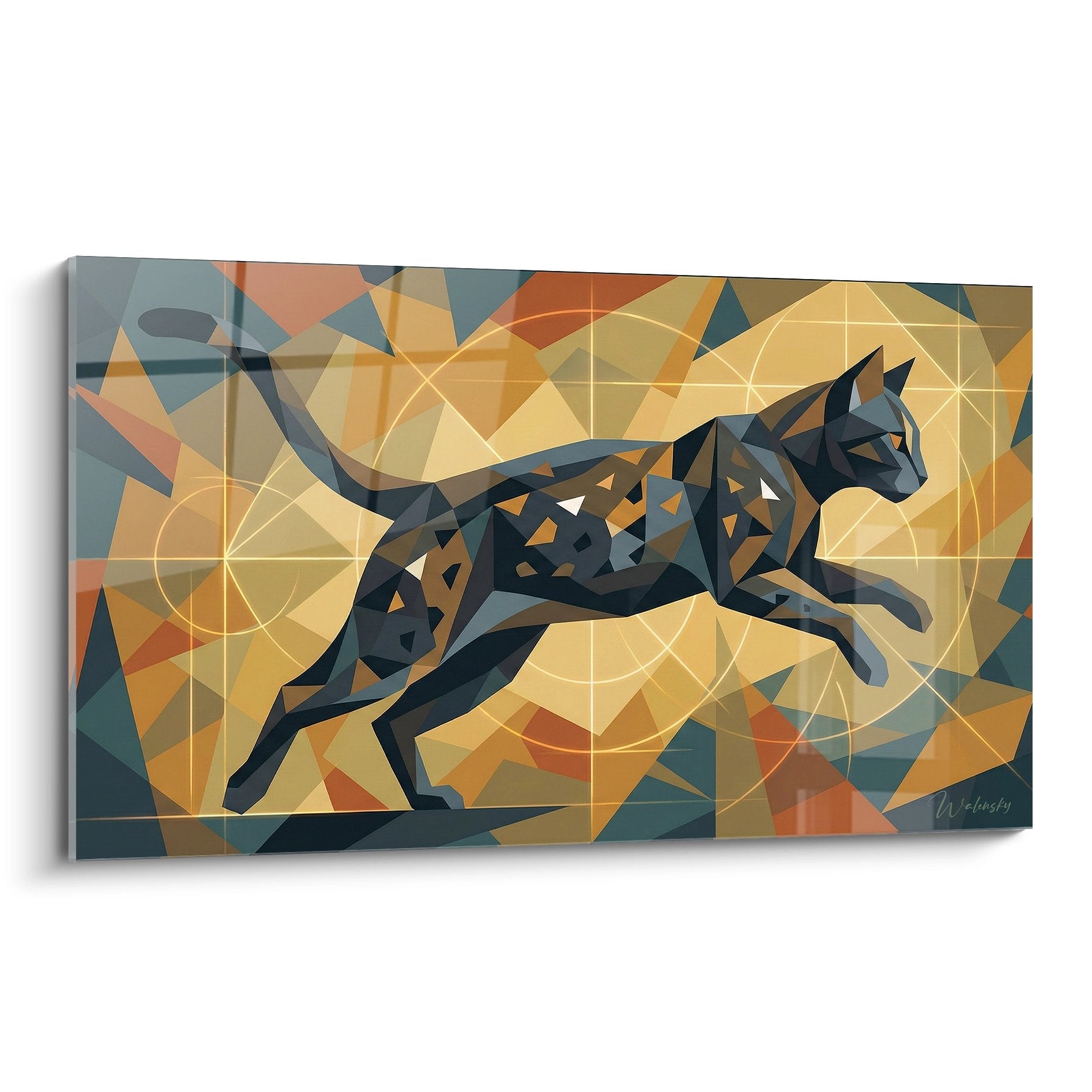
 Abstract Tiger Painting - Psychedelic Color Explosion - Color Frenzy Edition273,90 €
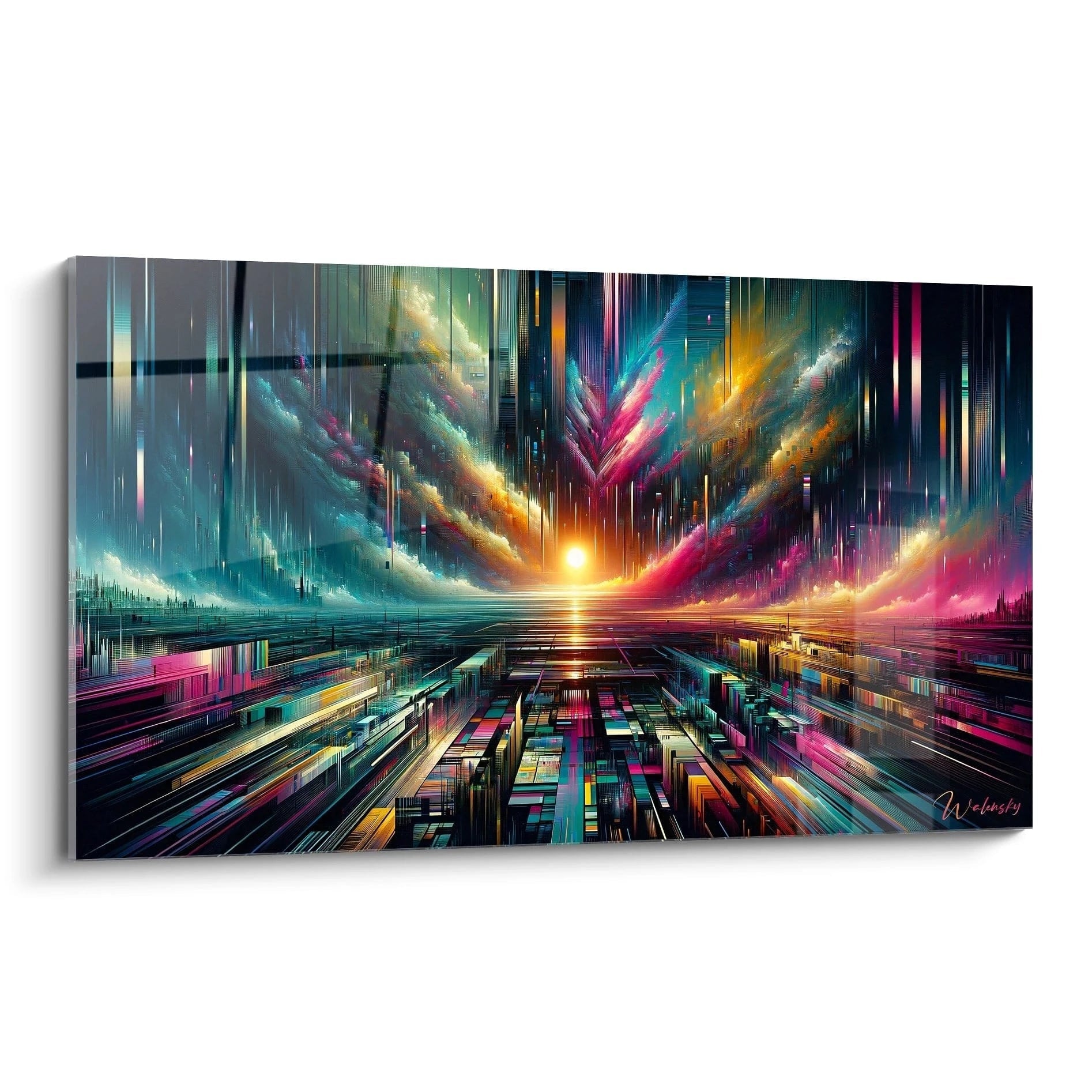
 Fantastic Urban Landscape Painting - Metropolis with Colorful Clouds - Color Frenzy Edition273,90 €
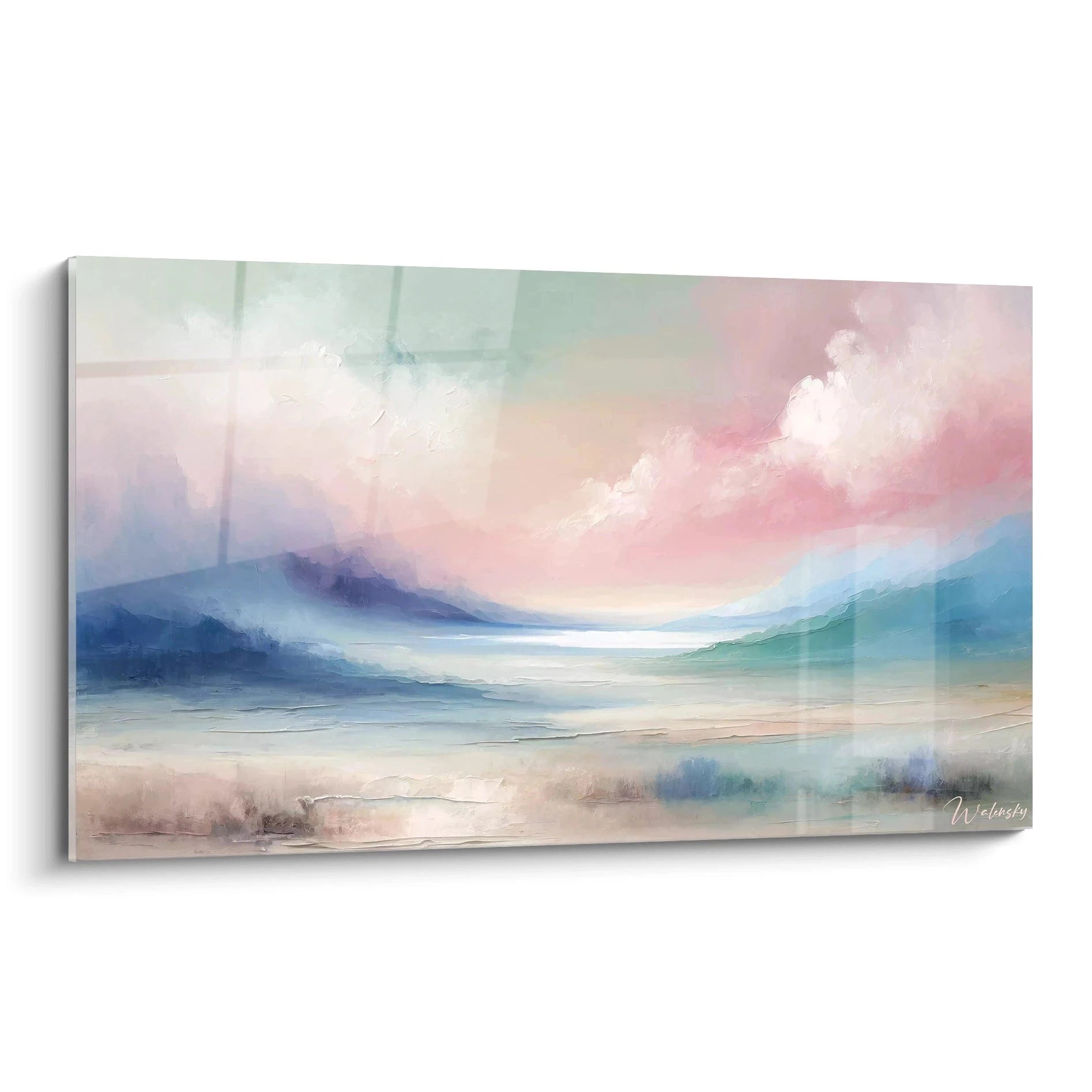
 Lake mountain landscape painting - Psychedelic reflections - color gone wild edition273,90 €
 Psychedelic Lioness Wall Art - Colorful Explosion - Wild Color Edition273,90 €
 Psychedelic Lion Wall Art - Colorful Explosion - Wild Color Edition228,90 €
 Psychedelic lion painting - Multicolor mane - mad color edition273,90 €
 Abstract lion painting - Psychedelic fusion - mad color edition273,90 €
 Llama with sunglasses painting - Psychedelic explosion - mad color edition273,90 €
 Psychedelic Forest Painting - Rainbow River - Wild Color Edition273,90 €
 Psychedelic Woman Sunglasses Wall Art - Surreal Floral Vision - Wild Color Edition273,90 €
 Psychedelic Skull Wall Art - Colored Death - Wild Color Edition228,90 €
 Psychedelic Skull Painting - Cosmic Explosion - Wild Color Edition228,90 €
 Psychedelic goat painting - Cosmic colorful vision - mad color edition273,90 €
 Psychedelic Cat Painting - Hypnotic Eye - Wild Color Edition273,90 €
 Pirate Ship Painting - Psychedelic Voyage - Wild Color Edition273,90 €
 Pirate Ship Wall Art - Psychedelic Storm - Wild Color Edition273,90 €
 Colorful Boat Painting - Psychedelic Journey - Color Frenzy Edition273,90 €
 Abstract swirling colorful painting - Psychedelic energy - color gone wild edition273,90 €
Explore further
In Psychedelic Color Frenzy Wall Art


All about Psychedelic Color Frenzy Wall Art
- Psychedelic Painting Presentation
- Chromatic Wall Explosion
- Hallucinogenic Decorative Universe
- Visual Sensory Immersion
A psychedelic wild color painting radically transforms the atmosphere of your living space by creating a hypnotic and mesmerizing visual experience. These large-format wall creations capture the essence of the 1960s-70s era while offering a contemporary interpretation of kaleidoscopic patterns and infinite chromatic spirals. Each glance reveals new visual layers, from fluorescent gradients to optical whirlwinds that seem to defy the laws of perception. The intensity of saturated hues and electric contrasts generates a vertiginous depth particularly sought after for creative spaces, music studios, meditation rooms or modern lounges where bold artistic expression becomes a genuine decorative manifesto.
The Impact of Fluorescent Saturation on Spatial Perception
The psychedelic wild color painting scientifically exploits the properties of ultra-saturated hues to create illusions of perpetual movement. Combinations of neon pinks, acid greens, incandescent oranges and electric blues generate optical vibrations that the human eye struggles to stabilize, producing that characteristic sensation of permanent dynamism. This controlled visual instability transforms a static wall into a pulsating surface, particularly effective in nighttime environments where indirect lighting reveals the intrinsic luminosity of chosen pigments.
Which environments amplify psychedelic chromatic effects?
Spaces with dark or neutral walls maximize the explosive impact of a large-format psychedelic painting. The absence of visual competition allows colored spirals and fractal patterns to completely dominate the perceptual field. Industrial lofts with raw concrete, basements designed as projection rooms or wellness spaces oriented towards sensory stimulation constitute ideal terrain for these radical visual compositions.
Chromatic overlayering techniques to create hallucinogenic depth
The juxtaposition of transparent and opaque layers in a psychedelic wild color painting creates those infinite depth effects typical of psychedelic aesthetics. Radial gradients emanating from a focal point towards the edges imitate visual distortions associated with altered states of consciousness. Giant mandala patterns, concentric vortices and distorted checkerboards generate a magnetic attraction of the gaze, transforming the artwork into a hypnotic focal point of the entire room.
Do psychedelic wall compositions work in small spaces?
Contrary to popular belief, a large-format psychedelic painting amplifies a reduced space visually by creating a window into a parallel universe. The eye, captivated by pattern complexity and chromatic intensity, loses its usual spatial bearings and perceives the room as larger than it actually is.
Synergy Between Organic Motifs and Destructured Geometry
The authenticity of a psychedelic wild color painting lies in its ability to harmoniously merge undulating natural forms and fragmented geometric structures. Stylized mushrooms, cosmic eyes, liquid flames and cerebral waves mingle with shattered polygons, distorted grids and impossible perspectives. This visual collision between organic and mathematical evokes synesthetic experiences where sounds and colors merge, creating a universal visual language particularly prized in spaces dedicated to music creation, recording studios or jam session rooms.
How do repetitive patterns influence meditative states?
The recurring patterns of psychedelic paintings – infinite spirals, hypnotic tessellations, organic fractals – activate brain areas associated with meditative trance. By contemplating these complex chromatic repetitions, the observer naturally enters a state of relaxed focus, similar to meditation techniques using visual fixation. This property explains why yoga spaces, alternative therapy rooms and relaxation zones massively adopt these immersive visual compositions.
What is the relationship between psychedelic paintings and vintage decoration?
If you appreciate the retro-futuristic aesthetics of the 1960s-70s, a psychedelic painting naturally fits into a vintage cultural reappropriation approach. Visual references to rock concert posters, progressive album covers and Flower Power-era graphics create stylistic continuity with Scandinavian furniture, Sputnik lighting and geometric patterned textiles from this golden period of experimental design.
Association with contemporary abstract universes
For enthusiasts seeking coherence between different visual universes, the psychedelic wild color painting naturally dialogues with creations from the abstract wild color painting which shares this figurative-liberated approach. While abstract explores gestural purity and compositional balance, psychedelic pushes saturation and complexity to their apex, offering two complementary facets of the same search for maximum visual intensity.
Discerning collectors create thematic wall galleries by alternating minimalist abstract works and psychedelic explosions, thus generating sophisticated visual rhythms where the eye travels between contemplative rest and intense sensory stimulation. This hanging strategy prevents perceptual saturation while maintaining bold chromatic coherence.
Transform Space into a Dimensional Portal Through Color
Installing a large-format psychedelic wild color painting extends far beyond simple decorative addition – it completely redefines the perceptual function of space. Monumental formats create visual portals that seem to open the wall towards other dimensions, particularly effective in reception spaces, entrance halls of creative establishments or focal walls of contemporary living rooms. This ability to dissolve boundaries between wall surface and imagined depth constitutes the main asset of these hallucinogenic compositions.
Which lighting enhances fluorescent nuances?
Full-spectrum light sources reveal the complete richness of psychedelic pigments, while programmable RGB LEDs allow you to modulate ambiance according to times of day. Raking side lighting emphasizes potential reliefs and textures, creating shadow plays that add sculptural dimension to flat colors. Warm temperature bulbs (2700-3000K) soften extreme contrasts for relaxation moments, while cool temperatures (5000-6500K) exacerbate chromatic intensity for creative activity phases.
Are psychedelic paintings suitable for professional spaces?
In communication agencies, graphic design studios, creative coworking spaces or avant-garde showrooms, a psychedelic painting affirms bold, nonconformist visual identity. It immediately signals a corporate culture valuing innovation, lateral thinking and transcending traditional aesthetic conventions. However, its visual intensity requires strategic placement in passage or break areas rather than extended concentration spaces.
Perceptual durability and resistance to visual saturation effects
Paradoxically, the extreme complexity of psychedelic compositions makes them less likely to bore than simpler patterns. Each observation reveals new details, unprecedented visual paths and previously unnoticed chromatic associations. This informational richness maintains perceptual interest over time, transforming the artwork into an evolving visual companion whose appreciation deepens with familiarity.
Variations in natural lighting throughout seasons subtly modify chromatic balance, revealing now warm tones, now cool nuances. This permanent metamorphosis according to lighting conditions adds a temporal dimension to the experience of the psychedelic painting, which never presents itself exactly the same way twice consecutively.
FAQ - Frequently asked questions about psychedelic wild color paintings
Can a psychedelic wild color painting cause dizziness?
For certain people sensitive to intense visual stimulation, prolonged exposure in immediate proximity can indeed generate mild benign disorientation. This is precisely the sought-after effect of dissolving usual spatial bearings that constitutes the very essence of psychedelic aesthetics. A viewing distance of 2 to 3 meters allows full appreciation of the composition without discomfort.
How to clean a psychedelic wild color painting without altering saturated hues?
Simple dry microfiber dusting suffices for regular maintenance. For glazed or lacquered surfaces, a slightly damp cloth with demineralized water preserves the luster of fluorescent colors. Absolutely avoid harsh or alcohol-based chemicals that could dull the ultra-saturated pigments characteristic of these visual creations.
Can you install a psychedelic wild color painting in a bedroom?
If you seek a stimulating and unconventional atmosphere, absolutely. However, for people needing a calming environment for sleep, favor placement on the wall perpendicular to the bed rather than facing it, allowing voluntary contemplation without permanent visual exposure during rest.
Further reading


