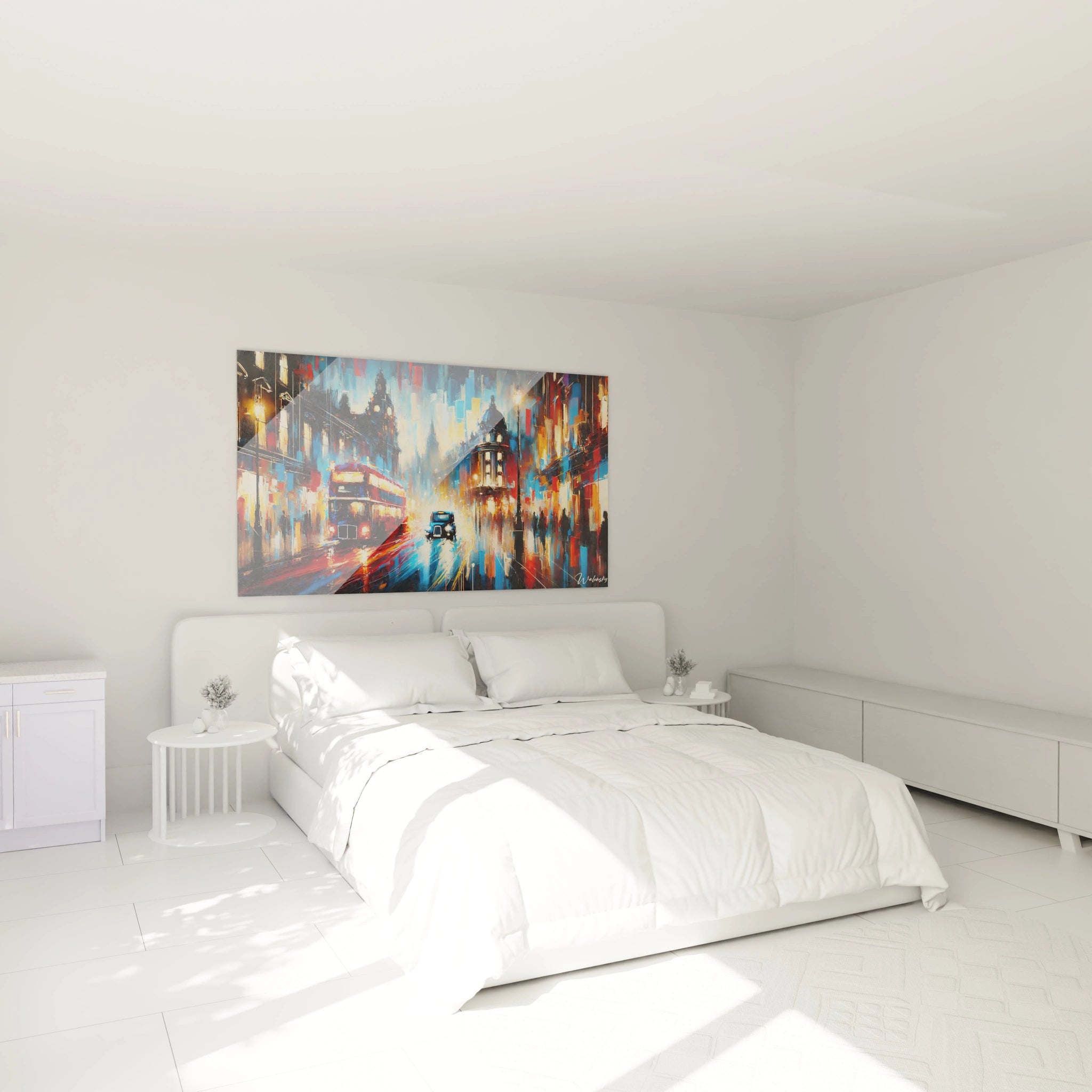
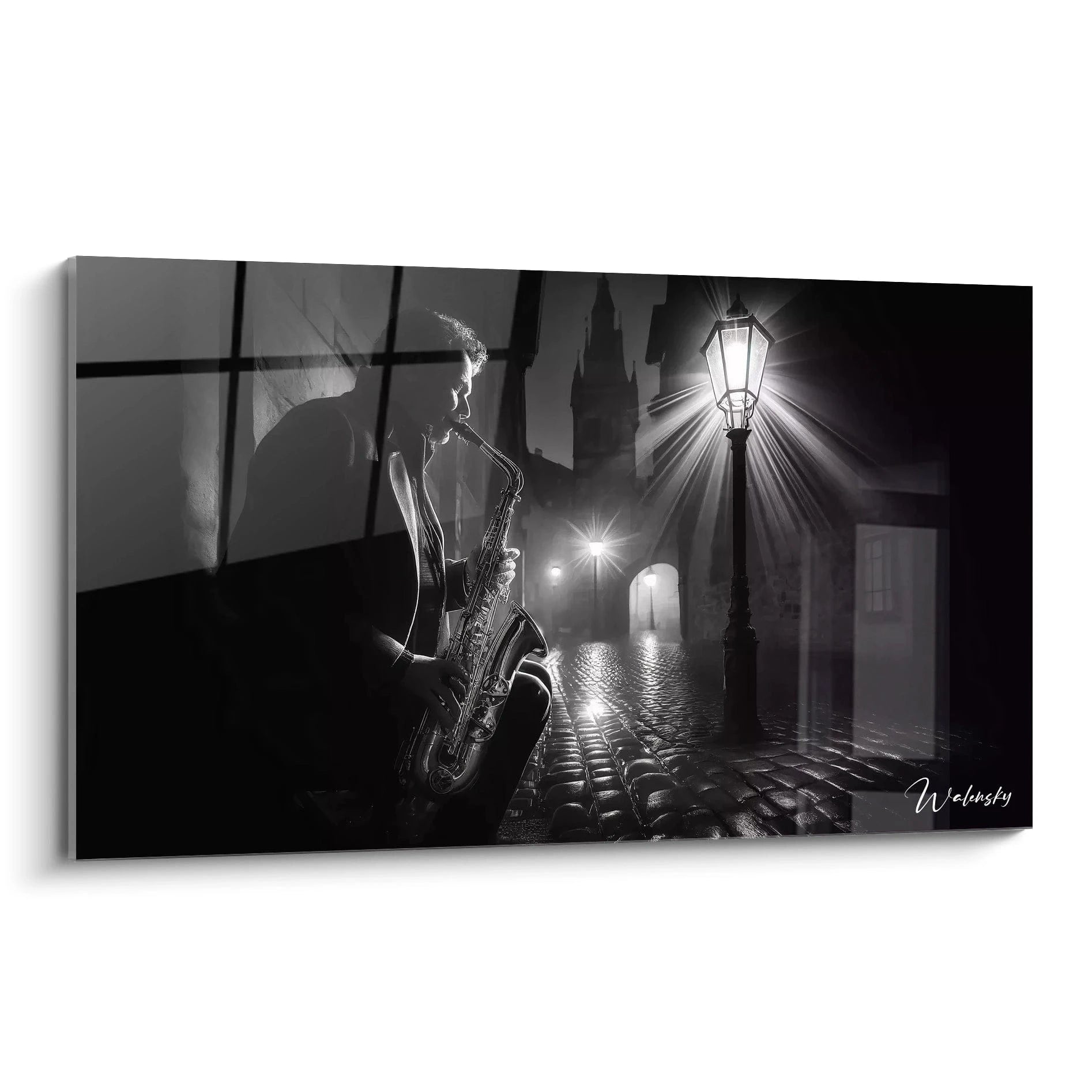
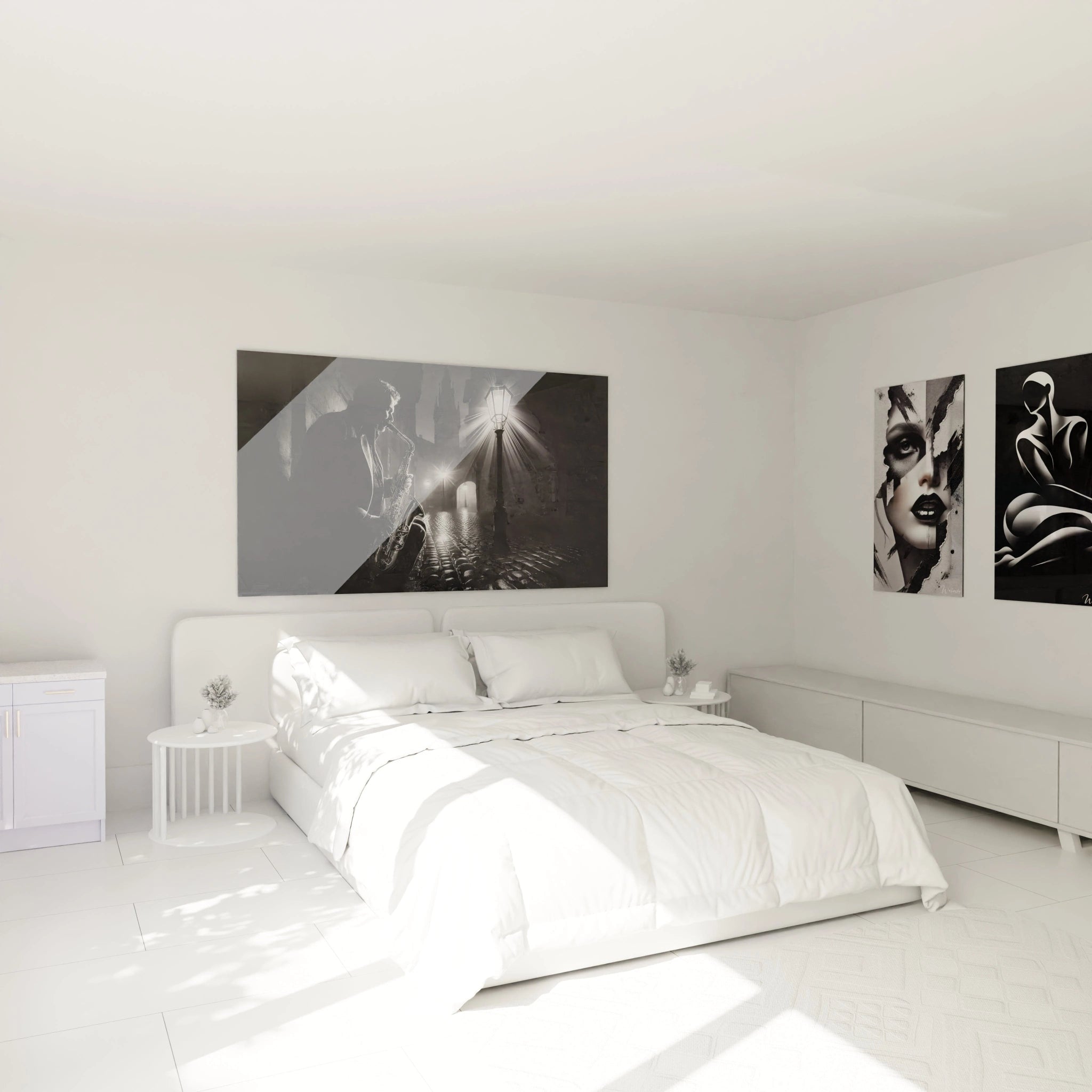
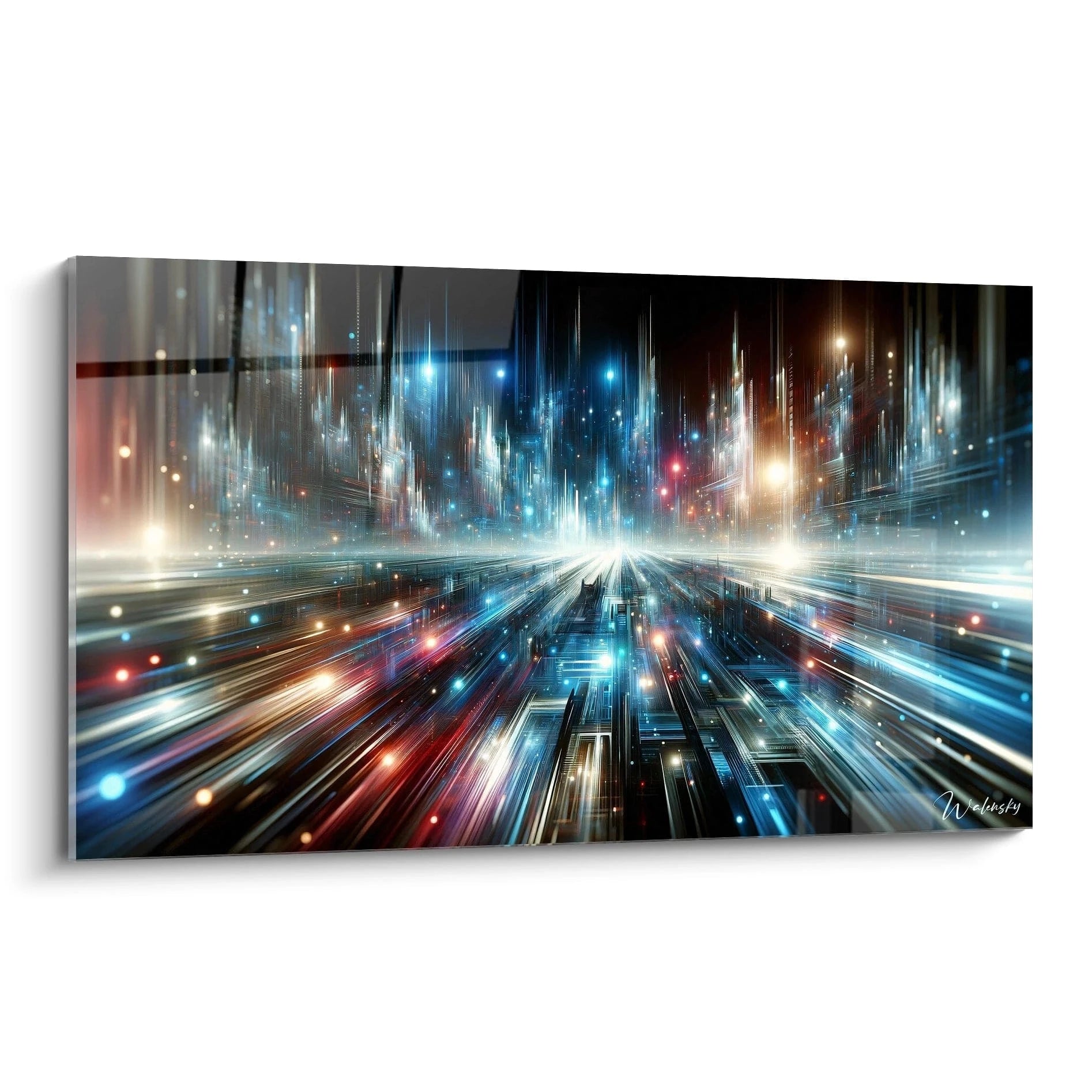
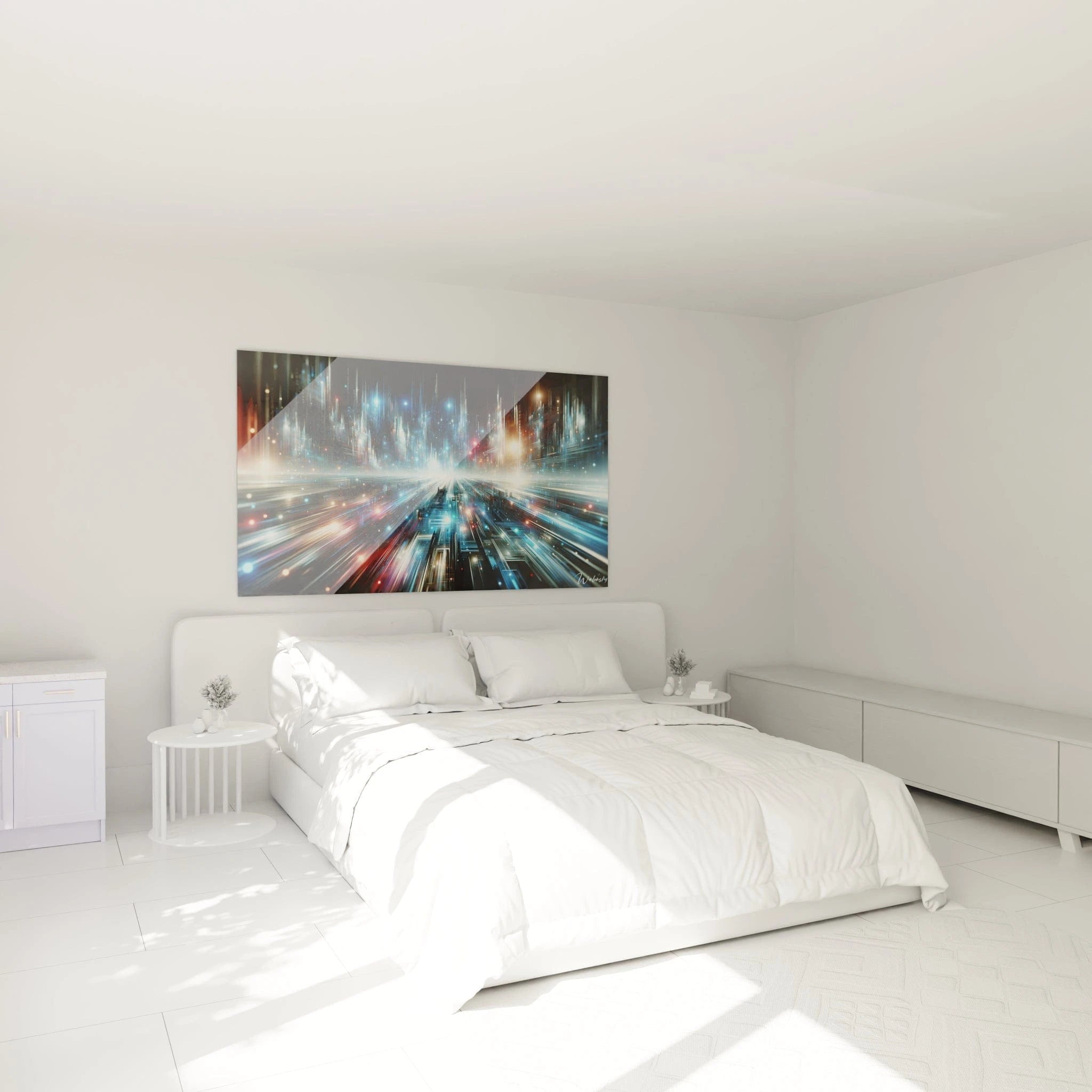
A night city painting captures the magic of illuminated metropolises when the sun disappears and artificial lights transform urban architecture into a luminous spectacle. These artistic representations of nocturnal skylines, neon-lit bustling streets and urban panoramas bathed in public lighting particularly captivate contemporary decoration enthusiasts seeking a sophisticated atmosphere. The contrast between the darkness of the sky and millions of light points creates striking visual depth, ideal for large wall formats that magnify the immensity of nocturnal urban landscapes. These works integrate naturally into modern interiors, bringing a cosmopolitan character to living spaces.
The fascinating atmosphere of metropolises after nightfall
A night city painting restores this spectacular transformation that occurs when metropolises shift into darkness. Skyscrapers illuminated floor by floor, main arteries bathed in orange-tinted lights and luminous signs create a unique visual symphony. This nocturnal urban aesthetic particularly appeals to those who appreciate the vibrant energy of major international cities like New York, Tokyo or Paris after dusk.
Why do nocturnal representations of cities create such a particular atmosphere?
Nocturnal urban scenes possess a naturally cinematic dimension. The interplay of deep shadows contrasting with luminous halos generates extraordinary depth, particularly valued on large-format supports. A night panorama of Manhattan or Hong Kong in an imposing format literally transforms a wall into an open window onto these mythical destinations. This visual immersion works remarkably well in contemporary living rooms, design offices or urban lofts.
The visual codes of contemporary nocturnal urbanism
Compositions centered on illuminated skylines incorporate recognizable elements: light trails from automobile headlights, reflections on glass facades, urban mist diffusing artificial lights. These visual markers immediately evoke metropolitan dynamism and nocturnal buzz. Photographers and artists often capture these scenes from elevated viewpoints or steep perspectives that accentuate urban density.
The decorative impact of nocturnal chromatic contrasts
The color palette of a painting representing a night city differs radically from daytime scenes. The deep blues of twilight sky, warm yellows of public lighting, multicolored neons and orange hues create sophisticated chromatic harmony. This tonal richness adapts particularly well to interiors with neutral tones where it brings a controlled touch of color. Black and white monochrome versions accentuate the dramatic contrast between shadow zones and light sources, for an assertive graphic effect.
These representations naturally fall within the family of urban landscape paintings, offering a contemporary vision of our built environment.
The dramaturgy of artificial lighting and reflective surfaces
How do urban reflections multiply visual depth?
A night city painting draws much of its impact from reflective surfaces omnipresent in urban environments. Glass facades of modern towers function as immense mirrors fragmenting and multiplying light sources. Wet pavement after rain creates inverted duplicates of signs and street lamps, an effect particularly sought after in nocturnal artistic compositions. Urban bodies of water – rivers running through metropolises, architectural basins – add an extra dimension by reflecting illuminated skylines and bridges.
These reflection effects impart visual complexity that captivates the eye and constantly reveals new details. In a monumental format, this wealth of detail fully justifies the investment in an imposing wall piece that rewards prolonged observation.
The typologies of urban lighting and their artistic rendering
Nocturnal cities present a diversity of artificial lighting that artists exploit with virtuosity. Architectural lighting showcases monuments and emblematic buildings through directional spotlights creating volumes sculpted by light. Commercial signs generate zones of saturated colors, particularly spectacular in Asian shopping districts or at Times Square. Automobile headlights create characteristic light trails obtained by long exposure photography, suggesting movement and ceaseless activity.
What visual effect do nocturnal atmospheric conditions offer?
Urban mist and light pollution create diffuse halos around light sources, a highly prized artistic effect that envelops scenes in a dreamlike atmosphere. Rainy nights multiply reflections and create bright wet textures on all surfaces. Nocturnal fog selectively filters light, allowing only the most intense illuminations to appear, for mysterious and evocative compositions.
These atmospheric variations allow collectors to choose the nocturnal ambiance that corresponds to their sensibility: crystalline clarity revealing every architectural detail, or hazy atmosphere suggesting metropolitan mystery. Imposing dimensions accentuate immersion in these specific nocturnal urban atmospheres, transforming domestic space into visual extension of these captivating urban universes.
Emblematic urban destinations sublimated by night
American metropolises and their luminous identity
New York remains the archetypal night city painting with its Manhattan skyline viewed from Brooklyn, its illuminated Art Deco skyscrapers and Times Square transformed into a neon cathedral. Las Vegas embodies assumed luminous excess with its flamboyant casinos along the Strip. Chicago offers its architectural perspectives along Lake Michigan, its illuminated metal bridges and distinctive silhouette. These destinations symbolize the American dream and the limitless energy of major North American metropolises.
The dreamlike dimension of these representations works particularly well in interiors seeking to evoke cosmopolitanism and openness to the world. A night panorama of these cities in large format becomes an affirmed decorative statement.
Which European capitals are most represented at night?
Paris stands out with the sparkling Eiffel Tower, illuminated bridges over the Seine and Haussmannian perspectives under public lighting. London offers its emblematic monuments – Big Ben, Tower Bridge – magnified by architectural lighting and reflections on the Thames. Mediterranean cities like Barcelona or Rome offer warmer nocturnal light, highlighting historic architecture in an intimate ambiance different from North American metropolises.
The nocturnal aesthetic of Asian megacities
Tokyo, Hong Kong, Shanghai and Singapore represent the cutting edge of contemporary luminous urbanism. Their vertical architectural densities create forests of illuminated skyscrapers particularly impressive. Signs in Asian characters add a distinctive graphic dimension. Districts like Shibuya in Tokyo or Mong Kok in Hong Kong offer unique luminous and colorful saturation, capturing Asian hypermodernity.
These representations particularly appeal to enthusiasts of futuristic aesthetics and lovers of contemporary urban culture. In large wall format, these nocturnal Asian panoramas radically transform an space's atmosphere, infusing it with cosmopolitan energy and immediately perceptible urban sophistication.
Frequently asked questions about night city paintings
Do night city paintings suit all interior styles?
These representations integrate naturally into contemporary, industrial, urban lofts and minimalist decors. Their modern and graphic aesthetic sometimes creates interesting contrast in more classical environments for a controlled eclectic effect.
What dimension should be favored for a nocturnal metropolis painting?
Large horizontal panoramic formats (120 cm and more) faithfully restore the extent of skylines and create the sought-after immersive effect. Vertical perspectives also work well for compositions centered on the architectural elevation of skyscrapers.
How to choose between nocturnal urban photography and stylized artistic representation?
Realistic photographs appeal through their documentary precision and authenticity of captured scenes. Stylized artistic versions – graphic illustrations, pictorial treatments – offer a more personal interpretation and can harmonize differently depending on chosen chromatic palettes and degree of abstraction.