


Night City Art Deco Wall Art
The Painting City at Night Art Deco captures the magic of illuminated metropolises in the iconic style of the 1920s-1930s. Each creation evokes the sophisticated atmosphere of Art Deco Night Cities, with their soaring buildings, geometric lines, and golden light plays. These works celebrate the elegance of Urban Art Deco Design, combining modernity and vintage glamour. Perfect for adding a touch of timeless refinement to your interior, these paintings transform your walls into true tributes to the golden age of architecture.
 Art Deco Architecture Painting - Golden Skyline - Art deco Edition273,90 €
 Golden Sentinels Buildings Artwork - New York Edition242,90 €
 Metropolis Golden Brilliance Wall Art - New York edition228,90 €
Explore further
In Night City Art Deco Wall Art
-
 Night City Wall Art51
artworks
Night City Wall Art51
artworks
-
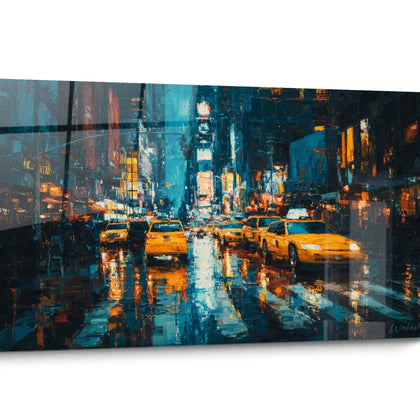 Rainy Night City Painting11
artworks
Rainy Night City Painting11
artworks
-
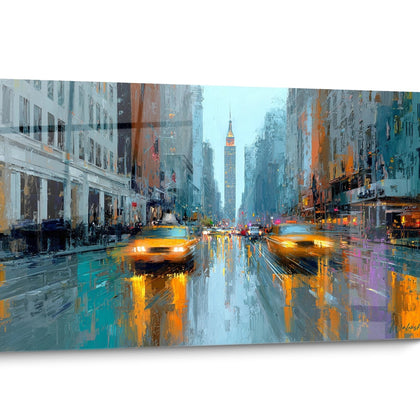 New York City Night Wall Art19
artworks
New York City Night Wall Art19
artworks
-
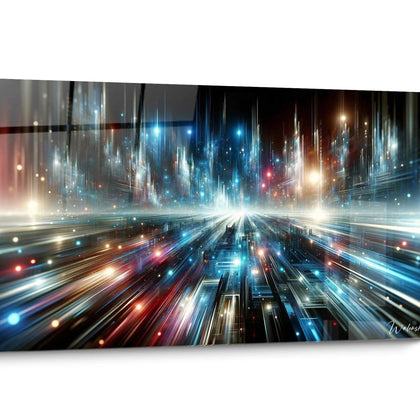 Cyberpunk Night City Wall Art3
artworks
Cyberpunk Night City Wall Art3
artworks
-
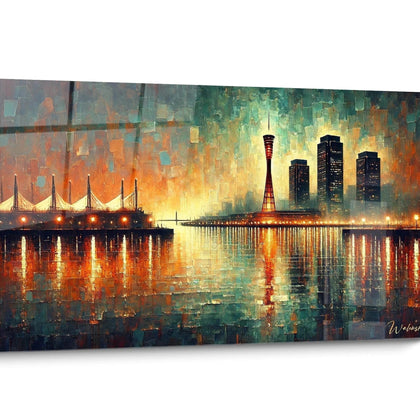 Night City Sunset Wall Art6
artworks
Night City Sunset Wall Art6
artworks
-
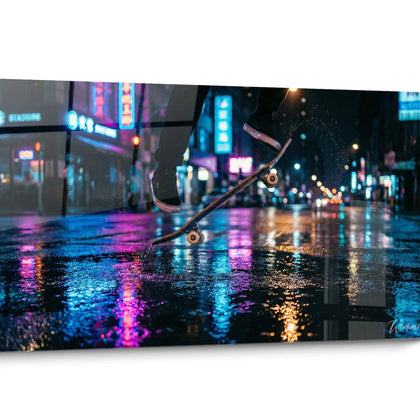 Night City Street Art Wall Art4
artworks
Night City Street Art Wall Art4
artworks
-
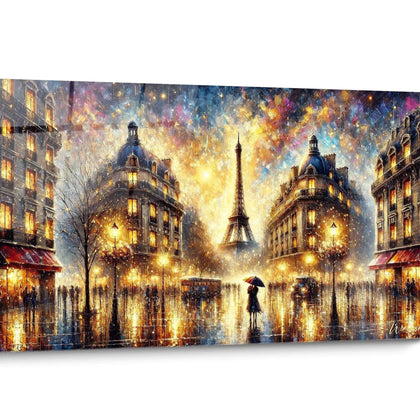 Impressionist Night City Painting5
artworks
Impressionist Night City Painting5
artworks
-
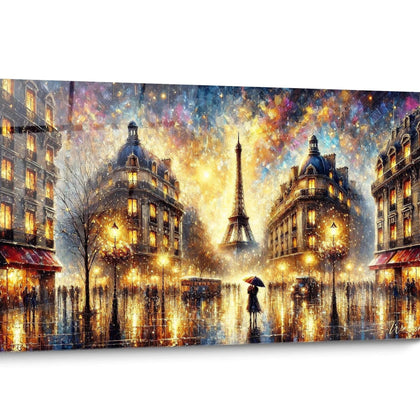 Romantic Nighttime City Wall Art8
artworks
Romantic Nighttime City Wall Art8
artworks

All about Night City Art Deco Wall Art
- Presentation Painting City at Night Art Deco
- The urban aesthetic of the 1920s
- Illuminated architecture and metropolitan perspective
- Integration into contemporary spaces
An painting city at night Art Deco captures the glamorous essence of the metropolises of the 1920s and 1930s, a period when geometric architecture and illuminated signs transformed urban boulevards into fascinating visual spectacles. This aesthetic combines the clean lines of the Art Deco movement with the nocturnal magic of big cities, creating a sophisticated atmosphere particularly sought after for modern and elegant interiors. The combination of retro urban planning and stylized graphic design offers a timeless dimension that transcends fleeting decorative trends.
The geometric elegance of Art Deco nocturnal metropolises
The painting city at night Art Deco draws inspiration from the golden age of architecture of the roaring twenties, when cities like New York, Paris or Chicago adorned themselves with skyscrapers with facades decorated with geometric patterns. These wall compositions reproduce the characteristic light games of neon signs, illuminated shop windows and car headlights that transformed avenues into rivers of golden and silver light. The color palette favors contrasts between deep blacks, brilliant golds, metallic silvers and touches of cobalt blue, reflecting the sophisticated atmosphere of the cabarets and salons of this legendary era.
The signature architectural motifs of the nocturnal Art Deco era
The wall compositions highlight the emblematic architectural elements: stylized building spires, zigzag geometric friezes, cascading windows forming repetitive luminous patterns. Large-scale creations amplify the vertical effect of skyscrapers, with low-angle perspectives that accentuate the majestic monumentality of urban structures. This representation finds a particular echo in rehabilitated industrial lofts or apartments with cathedral ceilings where the ceiling height allows for the full visual impact of ascending lines.
How do light reflection effects create the Art Deco atmosphere?
Reflections on the wet surfaces of the pavements, typical of nocturnal urban scenes, constitute an essential narrative element in our collection of painting city at night. These shimmering effects create optical depth that doubles light sources, generating this cinematic atmosphere evocative of film noir and classic Hollywood productions. The stylized silhouettes of passersby in evening wear, automobiles with aerodynamic curves and ornate lampposts complete this evocation of an elegant and theatrical urbanism.
Cultural symbolism of the Art Deco nocturnal city
Beyond the aesthetics, these representations convey the values of modernity, technological optimism and cosmopolitan refinement that characterized the interwar period. Electric lighting then symbolized the triumph of innovation, while the stylized urban silhouettes embodied aesthetic rationality. For high-end professional spaces such as architects' offices, luxury showrooms or the entrance halls of prestigious buildings, this imagery projects a visual identity associated with excellence, historical prestige and a forward-looking vision.
Illuminated architecture and metropolitan perspective Art Deco
A painting depicting a cityscape at night in Art Deco style masterfully exploits plunging or ascending urban perspectives to create dynamic compositions where architectural lines converge towards dramatic vanishing points. This visual approach transforms the wall space into an illusionistic window onto a fantasized metropolis, particularly effective in narrow hallways, stairwells, or corner walls where the perceived depth compensates for real spatial limitations. Panoramic formats accentuate the horizontal extent of illuminated skylines, while vertical formats magnify the dizzying height of towers.
What luminous elements define the Art Deco nighttime atmosphere?
Stratified light sources constitute the central visual vocabulary: diffused halos from opal globe streetlights, directional beams from advertising spotlights, luminous grids of glazed facades, cursive neon signs. This multiplicity creates a complex visual texture where each source of light has its specific color temperature, oscillating between cool whites, warm ambers, and saturated chromatic touches. Large dimensions allow for distinct differentiation of these luminous strata, offering an enriched visual reading at different observation distances.
Stylistic treatment between realism and geometric stylization
Interpretations oscillate between precise photographic reproduction of historic metropolises and pushed geometric abstraction where buildings become almost cubist. Some compositions adopt the style of vintage Art Deco travel posters, with blocks of color delimited by clean outlines, creating a powerful graphic effect. Others favor subtle gradients and atmospheric blurs evoking the nocturnal urban haze. This stylistic diversity allows for adapting the choice to the desired degree of formalism: geometric, streamlined interpretations suit minimalist contemporary spaces, while more picturesque versions enrich eclectic interiors.
The impact of gold and black color palettes in urban Art Deco
The iconic black-gold-silver combination immediately evokes the luxury and refinement of the Jazz Age. These metallic tones capture and reflect the actual ambient light of the room, creating a dialogue between the represented illumination and the effective lighting of the space. For interiors with neutral tones, the introduction of gold accents via these urban representations brings a precious touch of warmth without veering into ostentation. Variations including electric blues or deep purples introduce a more mysterious dimension, evocative of clandestine jazz club atmospheres.
Decorative integration of the Art Deco cityscape painting
Installing a painting depicting a cityscape at night in Art Deco style of large dimension instantly transforms a space by conferring a strong and coherent visual identity. In contemporary living rooms with furniture featuring streamlined lines, this historic imagery creates a fascinating temporal counterpoint, establishing a dialogue between modernity and aesthetic heritage. Executive offices particularly benefit from this theme which projects an image of tradition of excellence, strategic vision, and metropolitan ambition. Commercial spaces such as fashion boutiques, cocktail bars, or high-end hair salons exploit this aesthetic to build an instantly recognizable glamorous atmosphere.
Complementary decorative associations to reinforce the Art Deco atmosphere
The ideal furniture accompaniment includes elements with glossy lacquered finishes, shimmering surfaces, geometric brass wall lights, and textiles with chevron or fan patterns. Beveled mirrors, consoles with veined black marble, and club chairs with quilted leather enhance the stylistic coherence. Architectural lighting plays a key role: directional spotlights can highlight the golden areas of the visual, while geometric-shade floor lamps echo the shapes represented. Chrome accessories, cylindrical vases, and stylized numbered clocks complete this thematic staging without falling into museum-like reconstruction.
Why choose a monumental format for an Art Deco urban representation?
Generous dimensions are essential to restore the monumental scale of metropolises and the dizzying vastness of skyscrapers. An imposing format allows you to perceive the architectural details - carved cornices, decorative friezes, window structures - which would disappear in a modest reproduction. This dominant visual presence anchors the space, functioning as an architectural focal point around which to organize the furniture arrangement. For reception areas in businesses or open living spaces, this scale affirms an assumed decorative intention and a valuation of wall art as a structuring element rather than a secondary accessory.
Adaptability to different contemporary interior styles
Paradoxically, this historical imagery integrates harmoniously into various decorative contexts. Industrial interiors benefit from the complementarity between exposed brick and urban skylines. Purified Scandinavian spaces find in black and white monochrome versions a compatible sobriety. New York lofts naturally exploit this metropolitan theme as an extension of their urban identity. Even French classic interiors can accommodate these compositions as a modernist counterpoint creating an enriching stylistic tension. This versatility comes from the timeless nature of Art Deco design, which transcends strict stylistic categorizations.
Is an Art Deco cityscape painting suitable for residential spaces or only commercial ones?
This theme adapts perfectly to both contexts. In residences, it brings a touch of urban sophistication particularly appreciated in men's bedrooms, private libraries, or home theaters. Commercial spaces exploit more of the prestigious dimension and the immediate recognition effect of the style. The essential thing is consistency with the overall atmosphere sought rather than functional limitation.
Which rooms benefit most from an Art Deco nocturnal urban representation?
Reception areas - entrances, living rooms, dining rooms - make the most of this spectacular aesthetic designed to impress. Private offices gain character and creative inspiration. Bedrooms benefit from the soothing atmosphere of nocturnal scenes while retaining a stimulating aesthetic dimension. Corridors transformed into urban galleries eliminate the monotony of circulation spaces.
How does an Art Deco cityscape painting influence the spatial perception of a room?
Deep urban perspectives create an illusion of spatial extension, particularly effective on narrow walls. Vertical compositions accentuate ceiling height, while horizontal formats visually widen the space. Dark tones can paradoxically enlarge a room by blurring wall boundaries, creating a nocturnal infinity effect. The balance between dark areas and bright points guides the gaze along a structured visual path that organizes the perception of the whole.
Further reading
Our articles on this topic
L'art qui suscite l'envie
Maison belge d'art mural grand format
14 jourspour changer d'avis*
Protection Walenskyincluse
Fabriquéen Italie
FormatXXL
Kit de fixationtoujours fourni
* Hors tableaux personnalisés et tailles personnalisées


