




Hunting Painting
Immerse yourself in the fascinating world of hunting through our exclusive collection of large-format paintings. Each artwork captures the essence of wild nature, from majestic forest landscapes to scenes of hunting tradition. These artistic creations enhance your passion for hunting art while bringing a touch of rustic elegance to your decor. Ideal for an office, living room or country house, our canvases celebrate the beauty of game and the authentic atmosphere of great traditions.
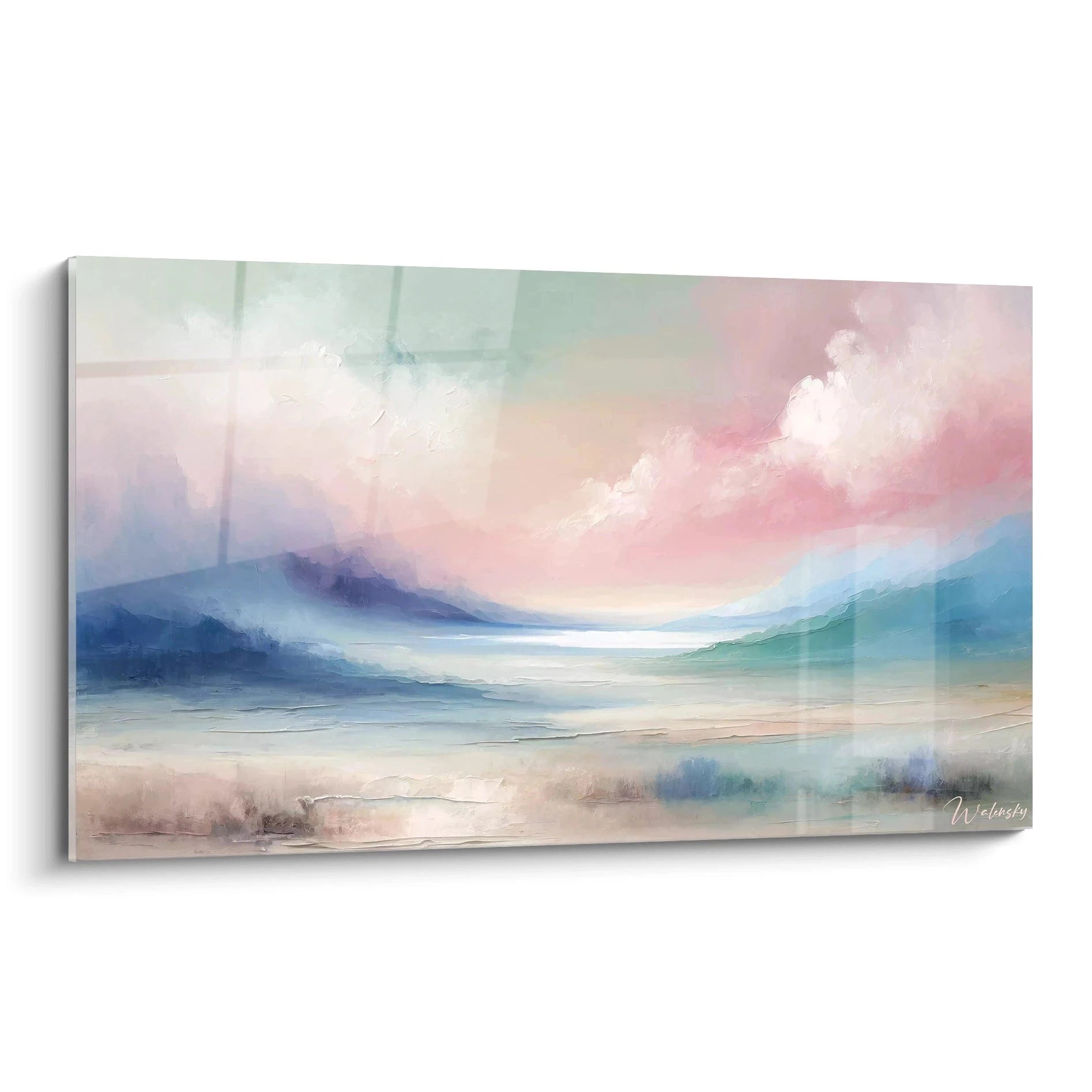
 Hunting Painting in the Marshes - Misty Watercolor - Hunting Edition242,90 €
 Hunter in Forest Painting - The Hunter's Dawn - Hunting Edition242,90 €
 Hunter in Ambush Painting - Morning Fog - Hunting Edition242,90 €
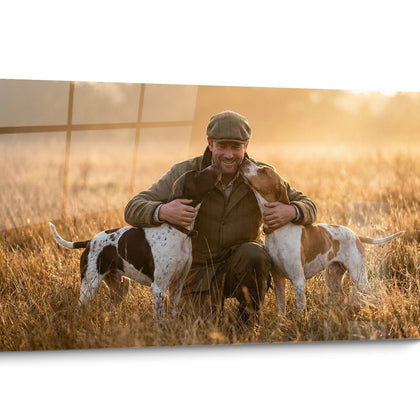
 Wall Art Hunter and Pointer Dog - Morning Mist - Hunting Edition242,90 €
 Hunters by the Fireplace Painting - Conviviality After the Hunt - Hunting Edition273,90 €
 Hunter in Blind with Dog Painting - Morning Companionship - Hunting Edition273,90 €
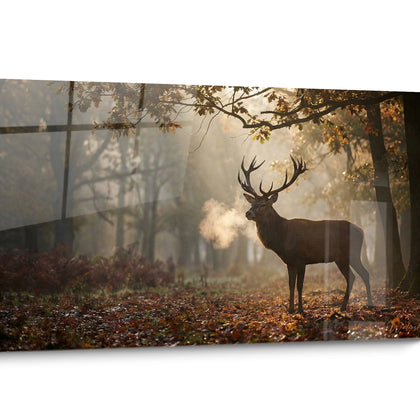
 Deer in Autumn Forest Painting - Majesty in the Mist - Hunting Edition273,90 €
 Hunter and Pointing Dogs Painting - Forest Autumn - Hunting Edition273,90 €
 Pheasant Hunting Painting - Smoke and Tradition - Hunting Edition273,90 €
 Hunter and Pack of Dogs Painting - Forest Hunting Scene - Hunting Edition273,90 €
 Hunters and Dogs in the Mountains Painting - Hunting Expedition - Hunting Edition273,90 €
 Pointing Dog in Marshland Painting - Pointer at Bay - Hunting Edition273,90 €
 Hunter and Dog Painting - Twilight Complicity - Hunting Edition273,90 €
 Hunting Dogs with Pheasants Painting - Full Flight Action - Hunting Edition273,90 €
 Pheasant Hunting Painting - Wild Flight - Hunting Edition273,90 €
 Hunter and Dog Painting - Complicity on the Terrace - Hunting Edition273,90 €
 Hunter with Hunting Dogs Painting - The Spirit of the Forest - Hunting Edition273,90 €
 Hunter with Hunting Dogs Painting - Complicity at Sunset - Hunting Edition273,90 €
 Hunter and Dog Painting - Highland Storm - Hunting Edition273,90 €
 Hunters Northern Lights Wall Art - Mystical Nocturnal March - Hunting Edition273,90 €
 Pheasant Hunting Wall Art - Autumn Driven Hunt - Hunting Edition273,90 €
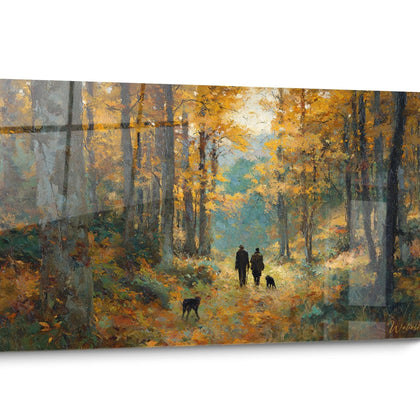
 Walk in Autumn Forest - Hunters and Dogs - Hunting Edition273,90 €
 Hunting with Pack - Hunting Tradition - Hunting Edition273,90 €
 Hunter in the Marsh at Golden Dawn - Hunting Edition273,90 €
Explore further
In Hunting Painting
In the same family
Also explore the theme Sports & Leisure
-
 View all2470
artworks
View all2470
artworks
-
 Athletics27
artworks
Athletics27
artworks
-
 Rowing18
artworks
Rowing18
artworks
-
 Foosball12
artworks
Foosball12
artworks
-
 Baseball29
artworks
Baseball29
artworks
-
 Basketball23
artworks
Basketball23
artworks
-
 Billiards19
artworks
Billiards19
artworks
-
 Bowling16
artworks
Bowling16
artworks
-
 Boxing36
artworks
Boxing36
artworks
-
 Breakdance101
artworks
Breakdance101
artworks
-
 Campervan and Van Life43
artworks
Campervan and Van Life43
artworks
-
 Cheerleading85
artworks
Cheerleading85
artworks
-
 Circus25
artworks
Circus25
artworks
-
 Jump Rope23
artworks
Jump Rope23
artworks
-
 Running28
artworks
Running28
artworks
-
 Cricket87
artworks
Cricket87
artworks
-
 Crossfit34
artworks
Crossfit34
artworks
-
 Cyclisme16
artworks
Cyclisme16
artworks
-
 Dance26
artworks
Dance26
artworks
-
 Acrobatic Dance18
artworks
Acrobatic Dance18
artworks
-
 Chess97
artworks
Chess97
artworks
-
 Equestrian39
artworks
Equestrian39
artworks
-
 Climbing18
artworks
Climbing18
artworks
-
 Fencing36
artworks
Fencing36
artworks
-
 Football27
artworks
Football27
artworks
-
 Formula 115
artworks
Formula 115
artworks
-
 Golf37
artworks
Golf37
artworks
-
 Gymnastics22
artworks
Gymnastics22
artworks
-
 Jetski23
artworks
Jetski23
artworks
-
 Karate34
artworks
Karate34
artworks
-
 Karting20
artworks
Karting20
artworks
-
 Kayak27
artworks
Kayak27
artworks
-
 Kite surf127
artworks
Kite surf127
artworks
-
 MMA17
artworks
MMA17
artworks
-
 Motorcycle2
artworks
Motorcycle2
artworks
-
 Moto cross78
artworks
Moto cross78
artworks
-
 Bodybuilding21
artworks
Bodybuilding21
artworks
-
 Swimming22
artworks
Swimming22
artworks
-
 Paddle10
artworks
Paddle10
artworks
-
 Parachute5
artworks
Parachute5
artworks
-
 Paralympic20
artworks
Paralympic20
artworks
-
 Paragliding10
artworks
Paragliding10
artworks
-
 Patinage artistique62
artworks
Patinage artistique62
artworks
-
 River Fishing6
artworks
River Fishing6
artworks
-
 Ping Pong15
artworks
Ping Pong15
artworks
-
 Poker27
artworks
Poker27
artworks
-
 Underwater Diving44
artworks
Underwater Diving44
artworks
-
 Polo17
artworks
Polo17
artworks
-
 Quad110
artworks
Quad110
artworks
-
 Whitewater Rafting28
artworks
Whitewater Rafting28
artworks
-
 Hiking85
artworks
Hiking85
artworks
-
 Rugby104
artworks
Rugby104
artworks
-
 Skateboard131
artworks
Skateboard131
artworks
-
 Skiing32
artworks
Skiing32
artworks
-
 Water Skiing15
artworks
Water Skiing15
artworks
-
 Snowboard220
artworks
Snowboard220
artworks
-
 Surf40
artworks
Surf40
artworks
-
 Tennis26
artworks
Tennis26
artworks
-
 Shot13
artworks
Shot13
artworks
-
 Archery18
artworks
Archery18
artworks
-
 Mountain Bike50
artworks
Mountain Bike50
artworks
-
 Wingsuit4
artworks
Wingsuit4
artworks
-
 Yoga31
artworks
Yoga31
artworks


All about Hunting Painting
- Presentation Hunting Artwork
- Hunting artwork: iconography and game
- Hunting artwork: decorative integration
- Hunting artwork: large format and impact
The hunting artwork embodies a decorative tradition deeply rooted in the French art of living. These venatorial representations celebrate the nobility of game, the beauty of forest landscapes and the intensity of hunting scenes. Whether it's a majestic deer frozen in the morning mist, a pack of hunting dogs launched on a trail or a game still life in the Flemish tradition, each work tells a story where man and nature meet. These wall decorations naturally find their place in hunting lodges, living rooms of country homes or offices with strong character, bringing an authentic atmosphere and remarkable visual presence.
Hunting Artwork: Choosing Your Venatorial Iconography and Game Symbolism
The hunting artwork is not just a simple animal representation. Each game has its own symbolism in the hunting universe, conveying values and social codes inherited from centuries of hunting tradition. Understanding this iconography allows you to select a work that truly resonates with your passion and identity as a hunter.
Why does the deer dominate hunting artwork iconography?
The deer has held a prominent place in hunting art since the Renaissance. Its imposing antlers, a symbol of regeneration and power, make it the undisputed king of hunting representations. A hunting artwork featuring a large cervid immediately evokes noble hunting, this mounted pursuit practiced by French aristocracy. The autumn rut, when the deer challenges its rivals, is a particularly sought-after subject for large wall formats.
Deer representations come in several registers. The classic animal portrait captures the nobility of the animal in its natural environment, often at the edge of a wood or near a forest pond. Stag hunt scenes celebrate the culmination of mounted pursuit, while more contemplative compositions show herds at twilight in sun-bathed glades.
The wild boar: symbol of strength and bravery in hunting art
Unlike the deer, the wild boar embodies popular hunting and French rurality. Its representation on a hunting artwork conveys strong territorial anchoring and passion for collective drives. The black beast, as hunters call it, fascinates with its raw power and unpredictable nature. Wild boar hunting scenes often capture the intensity of the moment when the animal faces the dogs, creating particularly striking dramatic compositions.
- Representations of solitary males evoke the solitude of the old boar and its acquired wisdom
- Scenes of groups on the move convey the vitality of forest populations
- Confrontations with the pack illustrate the legendary courage of the animal
- Portraits in undergrowth capture the mysterious atmosphere of oak forests
Game birds: pheasant, woodcock and partridge in hunting decoration
Feathered game offers an exceptional color palette for hunting artworks. The ring-necked pheasant, with its copper plumage and long tail, is a favorite subject for game still lifes. The woodcock, the mythical bird of the pigeon hunter, appears in more intimate compositions evoking autumn hunts. These representations are part of the tradition of Flemish and Dutch masters who elevated still life to the rank of major art.
How do hunting dogs enrich a hunting artwork?
No hunting artwork would be complete without the presence of the hunter's faithful auxiliaries. Hunting hounds, whether Poitevin, Billy or Tricolor French, bring an emotional dimension to compositions. Their expressive attitudes, captured in full action or at rest after effort, tell the story of an ancient complicity between man and animal. Setters and spaniels frequently appear in small game hunting scenes, their natural elegance perfectly complementing heathland and plain landscapes.
Hunting drive scenes versus animal portraits: which style to choose?
The choice between a narrative scene and a contemplative portrait depends on the atmosphere you're seeking. Drive representations, with their lines of beaters and shooting stands, create an intense visual dynamic suited to large reception rooms. Animal portraits, more restrained, are better suited to work spaces or bedrooms, where their calming presence invites contemplation. This decision directly influences the emotional impact of your hunting wall decoration.
Integrating Hunting Artwork into Your Interior: Lodge, Office and Rural Living Room
Acquiring a large-format hunting artwork represents a major decorative investment that radically transforms the atmosphere of a room. Beyond the aesthetic aspect, this hunting work must dialogue harmoniously with existing architecture and furniture to create a coherent whole celebrating the French art of living.
What location should you choose for hunting artwork in a hunting lodge?
The hunting lodge or cabin is the natural setting for accommodating a large-scale hunting representation. These characteristic buildings, often featuring high ceilings and exposed stone walls, provide the volume needed to enhance an XXL hunting artwork. The ideal location is generally above the monumental fireplace, the traditional focal point of these interiors where participants gather after a day in the forest.
The trophy room, an emblematic space in the hunting lodge, naturally welcomes hunting representations. The wall work then dialogues with the displayed collections, creating a coherent staging of hunting passion. Corridors leading to guest bedrooms can also feature intermediate formats representing local game or surrounding hunting landscapes.
Association with traditional furniture: leather, woodwork and noble materials
A hunting artwork fully flourishes in an environment dominated by authentic materials. Patinated leather club chairs, solid oak desks and bookshelves filled with old leather bindings create the ideal setting for showcasing a hunting scene. This synergy between the wall work and traditional furniture generates a particularly sought-after gentleman-farmer atmosphere in rural secondary residences.
- Chesterfield sofas in fauve leather echo the autumn tones of underwood
- Walnut root coffee tables evoke the wild nature celebrated by the work
- Parchment-shaded lamps diffuse warm light that enhances pigments
- Persian carpets with geometric motifs visually anchor the ensemble
The hunting office: creating a masculine and assertive space
The personal office represents a privileged territory of expression for the hunter. An imposing hunting artwork positioned facing the work chair accompanies its owner daily, reminding them of their passions and values. Representations of solitary deer or forest mist landscapes promote concentration while asserting a strong identity. This intimate space allows you to fully assume your taste for hunting in a controlled professional context.
How to harmonize hunting artwork with contemporary decoration?
Contrary to common assumptions, hunting art is not limited to rustic interiors. Modern interpretations of hunting scenes, playing with contrast and bold framing, integrate remarkably into minimalist designed spaces. The key lies in choosing a work with controlled tones that dialogues with contemporary architectural lines without creating visual discord.
The importance of autumn palettes in overall ambiance
The characteristic tones of hunting artwork, dominated by ochres, browns and deep greens, naturally influence surrounding decoration. These earthy colors, evocative of autumn forests, call for coordinated textiles and accessories in the same color ranges. Bronze velvet curtains, tweed cushions and Scottish wool plaids harmoniously complement the visual universe created by the main work.
Secondary residences and country homes: affirming rural character
In a Norman cottage or Provençal farmhouse, the hunting artwork reinforces the property's territorial anchoring. It testifies to a deep connection with the land and its traditions, while bringing major artistic presence to the main living room. These rural properties, often inherited and passed down, find in hunting art an echo to their own family history and their vocation for welcoming guests during hunting weekends.
Large Format Hunting Artwork: Visual Impact and Exceptional Decorative Presence
Opting for a large-scale hunting artwork radically transforms the perception of a space. These monumental works, often exceeding two meters in width, create a striking focal point that immediately captures the eye. This powerful visual presence meets the expectations of enthusiasts wishing to make their hunting decoration a true artistic statement.
Why choose large format for a hunting scene?
Hunting representations gain considerably in impact when reaching generous dimensions. A rutting deer in an autumn glade or a pack launched through thickets need space to deploy their full evocative power. Large format allows you to appreciate every detail of the composition, from reflections in the animal's fur to light effects filtering through foliage. This visual immersion literally transports the observer to the heart of the represented scene.
XXL dimensions also respond to the architectural constraints of traditional rural homes. The high ceilings of manor houses, the vast living rooms of master homes and reception halls of hunting lodges call for works capable of visually furnishing these imposing volumes without appearing insignificant.
Premium finishes to enhance hunting art
The quality of finishes directly determines the final rendering of a high-end hunting artwork. Printing on aluminum Dibond support gives elegant modernity to traditional representations, while acrylic glass brings exceptional depth and luminosity to forest scenes. These premium treatments guarantee optimal durability and resistance to hygrometric variations frequent in secondary residences heated intermittently.
- Aluminum Dibond offers perfect flatness and appreciated lightness for large formats
- Acrylic glass intensifies colors and creates a striking depth effect
- Matte finishes avoid parasitic reflections in brightly lit rooms
- Anti-UV treatments preserve pigment integrity over several decades
Hunting art as family heritage and transmission
Beyond its decorative function, the large-format hunting artwork is part of a patrimonial transmission logic. These works accompany families through generations, testifying to a shared passion for hunting and respect for nature. Investing in a museum-quality piece is offering descendants a décor element loaded with history and meaning, far beyond its simple aesthetic value.
How does hunting artwork dialogue with existing collections?
In an interior already featuring hunting trophies, collections of antique weapons or objects related to hunting, the monumental hunting artwork becomes the masterpiece that unifies the ensemble. Its imposing format gives it visual authority that naturally structures space, other decorative elements gravitating around this central work. This hierarchization clarifies the interior's reading and reinforces overall thematic coherence.
Forest atmospheres and natural luminosity of undergrowth scenes
Representations of deep forests, with their characteristic light play, possess an almost meditative quality that influences the general ambiance of a room. Sunrays filtering through the canopy, morning mists blanketing valleys, dramatic backlighting at day's end create particularly appreciated contemplative atmospheres in relaxation spaces. A hunting artwork representing these suspended moments brings welcome serenity after an intense day in the forest.
FAQ on hunting artworks
Is hunting artwork suitable for an urban apartment?
Absolutely. Contemporary interpretations of hunting scenes adapt perfectly to city interiors. Prioritize streamlined compositions highlighting a single subject, such as a close-up deer portrait or a raptor silhouette, which will add character and originality without visually overloading the space.
What minimum size is recommended for impactful hunting artwork?
To create a true decorative focal point, formats starting from 120x80 cm constitute the recommended minimum. Complex hunting drive scenes or panoramic forest landscapes fully express their potential from 180x120 cm, dimensions that allow complete immersion in the represented universe.
How to maintain hunting artwork in a secondary residence?
Premium finishes like aluminum Dibond or acrylic glass remarkably resist temperature and humidity variations. Simple regular dusting with a microfiber cloth is sufficient. Avoid prolonged direct sun exposure and maintain minimal room ventilation even during non-occupancy periods.
Can multiple hunting artworks be combined in the same room?
This approach works particularly well in generous spaces like lodge corridors or large reception halls. Maintain stylistic coherence between works and vary represented subjects to create an enriching visual journey rather than monotonous repetition.


