









Black and White Luxury Hotel Wall Art
Our Painting for Luxury Hotel Black and White collection embodies absolute elegance for prestigious establishments. These monochrome artistic creations bring a touch of timeless refinement to your reception areas. Designed to enhance high-end hotel decor, they create a sophisticated and modern atmosphere. Each work in this collection combines contemporary black and white art for hotels with a clean aesthetic. Perfect for exceptional halls, suites and lounges.
 Sunlit Glow Artwork - Abstract Face Edition273,90 €
 Treble Clef Painting No. 1 - Abstract Music Edition273,90 €
 Clarinet Painting N°2 - Abstract Music Edition273,90 €
 Urban Mists Canvas - Black and White Abstract Edition273,90 €
 Torn Chords Painting - Abstract Music Edition273,90 €
 Keys of Silence Wall Art - Abstract Music Edition273,90 €
Explore further
In Black and White Luxury Hotel Wall Art
-
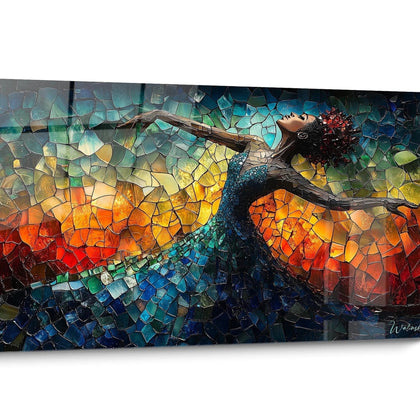 Wall Art for Luxury Hotels820
artworks
Wall Art for Luxury Hotels820
artworks
-
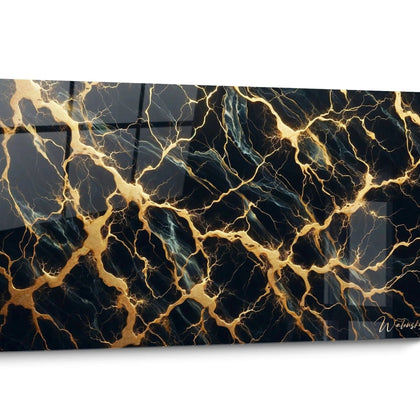 Golden Luxury Hotel Wall Art23
artworks
Golden Luxury Hotel Wall Art23
artworks
-
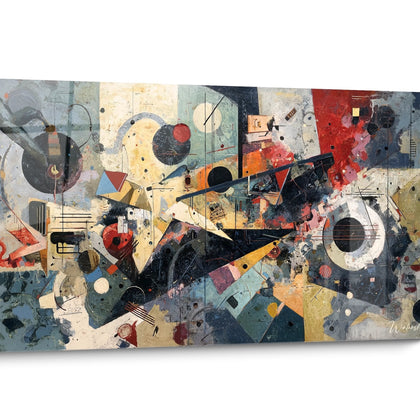 Geometric Luxury Hotel Wall Art24
artworks
Geometric Luxury Hotel Wall Art24
artworks
-
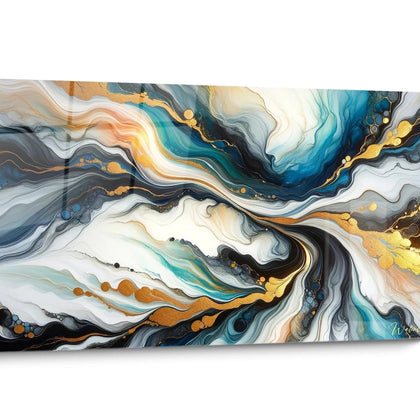 Luxury Hotel Wall Art Fluid23
artworks
Luxury Hotel Wall Art Fluid23
artworks
-
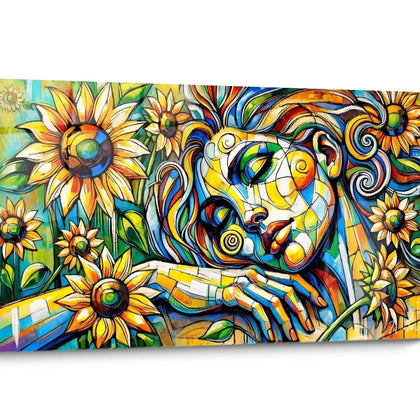 Luxury Hotel Portrait Wall Art15
artworks
Luxury Hotel Portrait Wall Art15
artworks
-
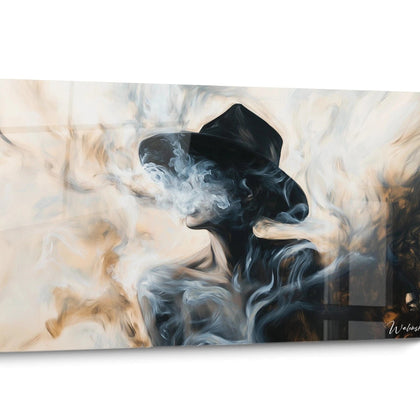 Luxury Hotel Wall Art Silhouette12
artworks
Luxury Hotel Wall Art Silhouette12
artworks
-
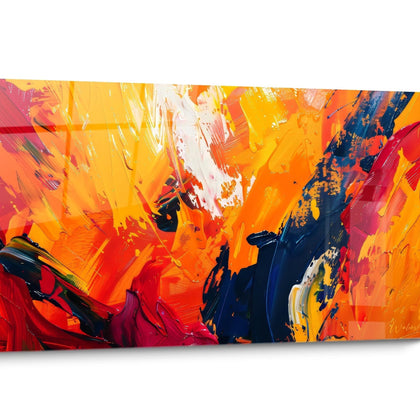 Wall Art for Luxury Hotel Explosion12
artworks
Wall Art for Luxury Hotel Explosion12
artworks
-
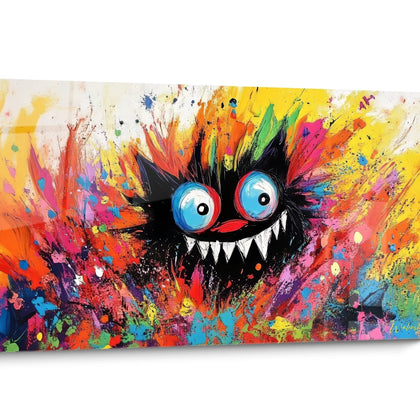 Multicolor Luxury Hotel Wall Art23
artworks
Multicolor Luxury Hotel Wall Art23
artworks
-
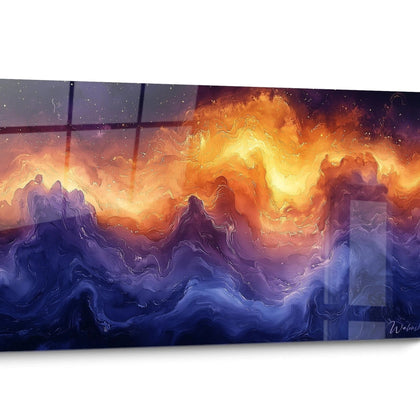 Expressionist Painting for Luxury Hotel9
artworks
Expressionist Painting for Luxury Hotel9
artworks
-
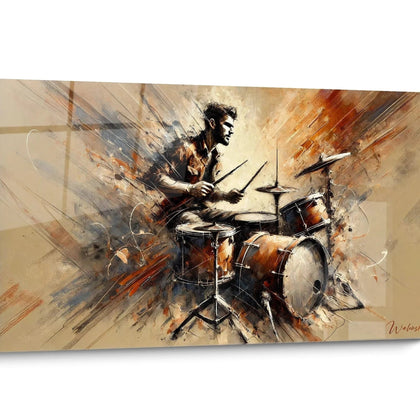 Wall Art for Luxury Hotel Music11
artworks
Wall Art for Luxury Hotel Music11
artworks
-
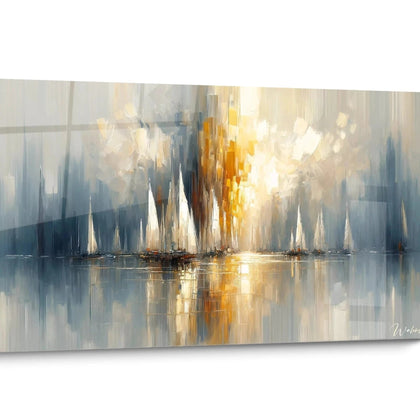 Blue Luxury Hotel Wall Art24
artworks
Blue Luxury Hotel Wall Art24
artworks
-
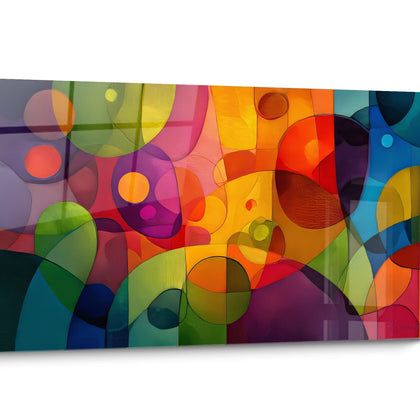 Wall Art for Luxury Orange Hotel24
artworks
Wall Art for Luxury Orange Hotel24
artworks
-
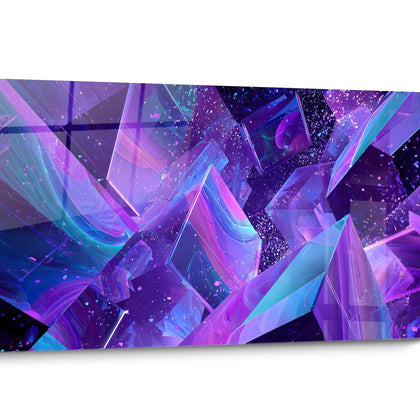 Futuristic Luxury Hotel Wall Art12
artworks
Futuristic Luxury Hotel Wall Art12
artworks
-
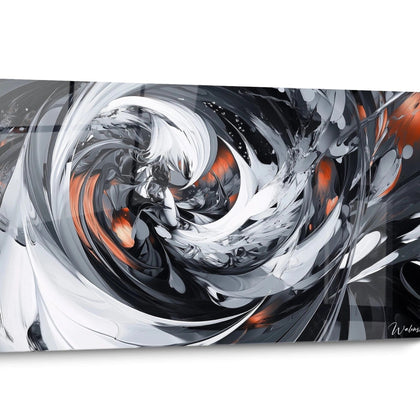 Luxury Hotel Wall Art Spiral5
artworks
Luxury Hotel Wall Art Spiral5
artworks
-
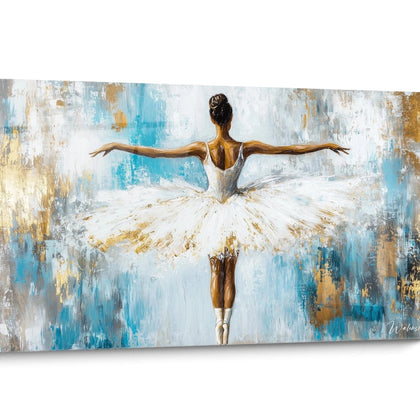 Wall Art for Luxury Hotel Dancer4
artworks
Wall Art for Luxury Hotel Dancer4
artworks
-
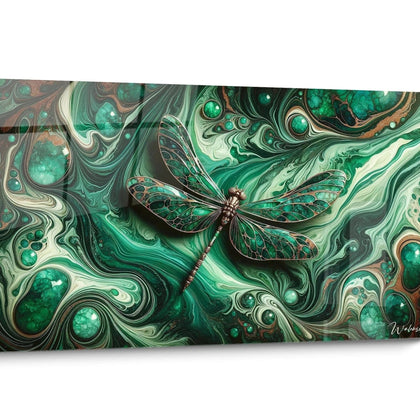 Dragonfly Luxury Hotel Wall Art4
artworks
Dragonfly Luxury Hotel Wall Art4
artworks
All about Black and White Luxury Hotel Wall Art
- Presentation Black and White Luxury Hotel Wall Art
- Premium Monochrome Elegance
- High-End Visual Impact
- Strategic Decoration Choice
The black and white wall art for luxury hotel stands as the visual signature of five-star establishments seeking a distinctive and timeless identity. This radical chromatic approach transcends ephemeral trends to create a sophisticated atmosphere that resonates with the demanding standards of an international clientele accustomed to contemporary luxury codes. Prestigious establishments favor this binary palette for its immediate evocative power and its ability to structure space without chromatic competition. The grand dimensions of these monumental wall pieces amplify their architectural presence in entry halls, distribution corridors, and presidential suites, transforming each passage area into a memorable visual experience.
Monochrome Aesthetics in Service of Hotel Prestige
The black and white wall art for luxury hotel meets the specific requirements of art directors in high-end establishments who seek absolute visual coherence. This chromatic neutrality eliminates any risk of dissonance with seasonal textile rotations or variations in natural lighting depending on space orientation. Monumental formats amplify architectural presence while preserving the restraint compatible with international standards of subtle luxury.
Why do luxury palace hotels favor black and white contrast?
Premium hotel groups adopt this approach for its capacity to create a distinctive visual identity without generating aesthetic fatigue among regular guests. Chromatic duality facilitates integration into environments where light marble, dark woodwork, and polished metals coexist. This versatility enables artwork rotation between different establishments within the same chain without requiring major decorative reconfiguration. Architecture photographers particularly appreciate this palette that emphasizes volumes and textures without compromising spatial clarity.
Synergy with noble luxury hotel materials
The interaction between these monochrome large-format compositions and premium finishes creates exceptional visual depth. Against walls covered in gray natural stone or charcoal polished concrete, the contrast intensifies dramatically. Facing the off-white lacquered wood paneling in junior suites, these works provide structuring graphic punctuation. The black granite bases of reception counters find visual resonance in the dark masses of the mural composition, creating aesthetic continuity that strengthens the perception of overall cohesion. This material harmony fully justifies investment in large-scale pieces that dialogue with surrounding architecture.
List of technical advantages for facility managers:
- Optimal resistance to fading under high-intensity LED lighting
- Easy maintenance by staff with no risk of chromatic deterioration
- Compatibility with space color management systems
- Aesthetic longevity against partial decoration overhauls
- Enhanced photographic value for digital marketing supports
For establishments exploring more dynamic chromatic ambiances, discovering our luxury hotel blue wall art collections can offer complementary alternatives for differentiating floors or creating distinct identities between public spaces and private zones.
Visual Power of Black and White in Premium Reception Spaces
The psychological impact of a large-format black and white wall art for luxury hotel rests on its capacity to generate an immediate impression of refinement without ostentation. This chromatic restraint amplifies the perception of material contrasts and natural light interplay throughout the day. General managers of five-star establishments observe that these monumental compositions significantly modify spatial perception in transition zones, transforming a simple corridor into an exhibition gallery.
How do these artworks influence guest behavior?
Behavioral studies in luxury hospitality reveal that large-format monochrome compositions slow visitor circulation, encouraging contemplative pauses that promote emotional connection with the space. This dilated temporality contrasts with the hectic pace of business travel, creating a decompression bubble upon entering the main hall. Guest experience managers observe increased spontaneous photography before these wall installations, generating organic social media visibility without promotional campaigns.
Placement strategies in high-traffic areas
Optimal positioning of a monumental monochrome artwork requires precise analysis of traffic flow and privileged viewing angles. In double-height lobbies, installation above the reception zone creates an immediately perceptible focal point from the main entrance. For corridors leading to elevators, a series of vertical-format compositions naturally guides the eye and adds dynamism to perspective. Interior architects specializing in this field recommend a minimum clearance of five meters for comfortable reading of large-scale abstract compositions, a distance that precisely corresponds to standards for main circulation in luxury hotels.
Technical criteria for maximizing visual impact:
- Luminous contrast adapted to natural and artificial lighting variations
- Graphic composition readable from variable distances
- Balance of dark and light masses to avoid monotony
- Surface texture optimizing diffuse light reflection
- Vertical or horizontal format according to architectural configuration
This minimalist approach to luxury hotel black and white wall art addresses the expectations of independent owners seeking marked differentiation from standardized chains, while maintaining the universal aesthetic accessibility essential for a diverse international clientele.
Strategic Investment in High-End Monochrome Wall Art
The acquisition of black and white wall art for luxury hotel constitutes a heritage decision for hotel investors conscious of the added value of a strong visual identity. Unlike seasonal color trends, this timeless option endures across decades without requiring frequent replacement, thus optimizing return on artistic investment. Real estate asset managers now integrate these permanent decorative elements into property valuations of establishments, recognizing their contribution to overall value enhancement.
What durability can these monumental wall installations offer?
Large-format monochrome compositions provide exceptional resistance to visual alterations linked to aging, precisely because of the absence of organic pigments susceptible to color shifts. Technical managers observe that these pieces maintain their initial visual impact even after fifteen years of continuous exposure in high-traffic environments. This technical longevity justifies premium pricing and transforms the initial purchase into progressive amortization rather than recurring expense.
Coherence with cyclical renovation programs
Prestigious establishments typically plan partial overhauls every five to seven years to maintain competitive appeal. Integrating monumental black and white artworks considerably simplifies these operations by serving as a visual constant around which new choices of finishes and furnishings are articulated. This decorative stability reduces design costs since designers work within a preexisting chromatic constraint that structures their proposals. Facility directors particularly appreciate this predictability that facilitates multi-year budget planning.
Decision-making arguments for investment committees:
- Cultural neutrality suited to diverse international clienteles
- Absence of potentially divisive symbolic connotations
- Easy integration with existing graphic charters
- Immediate space enhancement in commercial materials
- Reduced design timelines during renovations
Frequently asked questions about black and white wall art for luxury hotels
Which hotel spaces benefit most from black and white wall art for luxury hotels?
Entry halls, distribution corridors to suites, and private lounges derive the greatest benefit from these monumental compositions that visually structure transition spaces while creating memorable navigation landmarks for guests in large-scale establishments.
How can black and white wall art for luxury hotel be integrated into existing decor?
The monochrome approach facilitates gradual integration by beginning with priority renovation zones, then extending this visual signature during successive refreshes of different floors, thus creating evolving aesthetic coherence without abrupt rupture with existing identity.
Are black and white wall art for luxury hotels suitable for establishments with panoramic views?
In establishments benefiting from exceptional views, these monochrome compositions serve as neutral framing that showcases the external landscape without visual competition, while adorning blind walls in technical zones and interior corridors where chromatic restraint compensates for the absence of natural openings.
Further reading


