


Luxury Hotel Portrait Wall Art
Our Painting for Luxury Hotel Portrait collection enhances prestigious spaces with exceptional portrait artworks. Each creation brings sophistication and character to high-end lobbies, suites, and lounges. These elegant portraits for prestige hospitality capture attention with their artistic finesse and magnetic presence. Perfect for creating an exclusive atmosphere, these luxury portrait decorative paintings transform your walls into true contemporary art galleries.
 Wall Art Close to the Skin - Abstract Face Edition233,90 €
 Unfinished Beauty Canvas - Abstract Face Edition233,90 €
 Vintage Brilliance Canvas - Abstract Pop Art Edition233,90 €
 Inner Bloom Wall Art - Abstract Face Edition233,90 €
 Sunlit Glow Artwork - Abstract Face Edition233,90 €
 Faded Beauty Canvas - Abstract Face Edition233,90 €
 Graphic Soul Canvas - Abstract Face Edition233,90 €
 Two Faces Wall Art - Abstract Surrealism Edition233,90 €
 Soul Radiance Canvas - Contemporary Abstract Painting Edition233,90 €
 Divinity in Colors Painting - Contemporary Abstract Painting Edition233,90 €
 Woman with Sunflowers Painting - Abstract Fauvism Edition233,90 €
 Beyond the Gaze Wall Art - Abstract Face Edition233,90 €
 Touch of Darkness Artwork - Abstract Face Edition233,90 €
 Linear Softness Painting - Abstract Face Edition233,90 €
 Abstract Essence Wall Art - Abstract Cubism Edition233,90 €
Explore further
In Luxury Hotel Portrait Wall Art
-
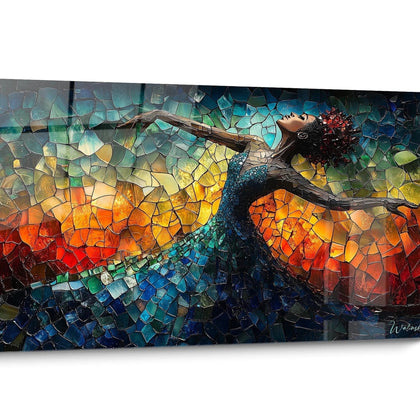 Wall Art for Luxury Hotels820
artworks
Wall Art for Luxury Hotels820
artworks
-
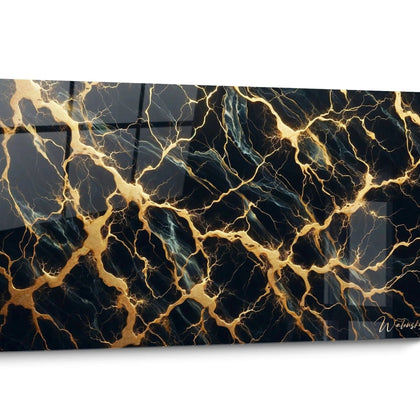 Golden Luxury Hotel Wall Art23
artworks
Golden Luxury Hotel Wall Art23
artworks
-
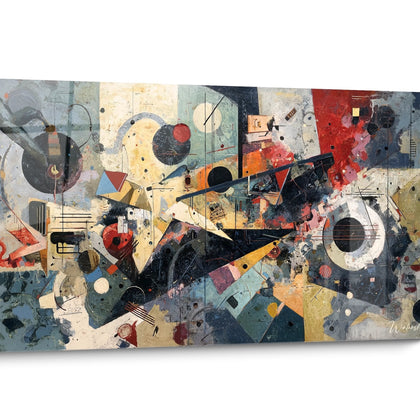 Geometric Luxury Hotel Wall Art24
artworks
Geometric Luxury Hotel Wall Art24
artworks
-
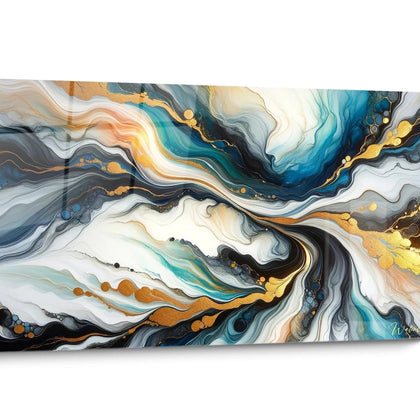 Luxury Hotel Wall Art Fluid23
artworks
Luxury Hotel Wall Art Fluid23
artworks
-
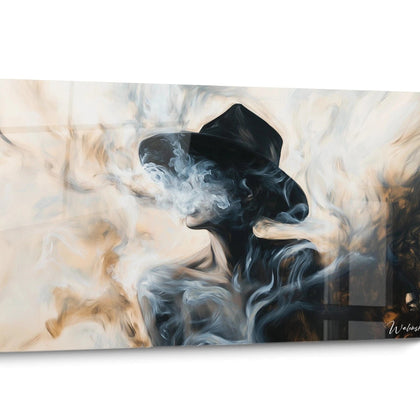 Luxury Hotel Wall Art Silhouette12
artworks
Luxury Hotel Wall Art Silhouette12
artworks
-
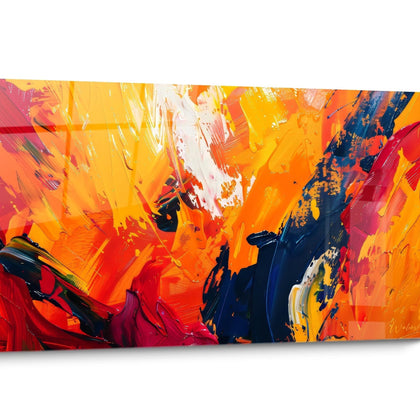 Wall Art for Luxury Hotel Explosion12
artworks
Wall Art for Luxury Hotel Explosion12
artworks
-
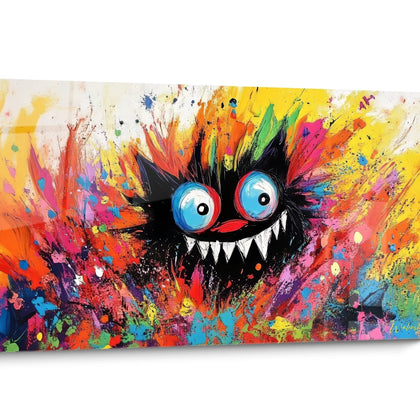 Multicolor Luxury Hotel Wall Art23
artworks
Multicolor Luxury Hotel Wall Art23
artworks
-
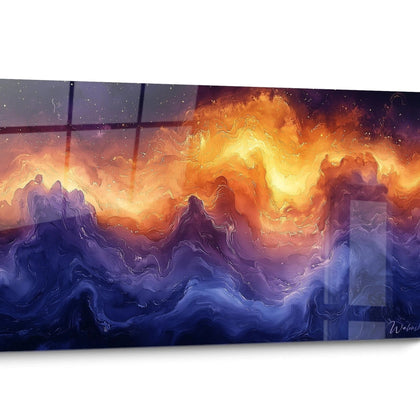 Expressionist Painting for Luxury Hotel9
artworks
Expressionist Painting for Luxury Hotel9
artworks
-
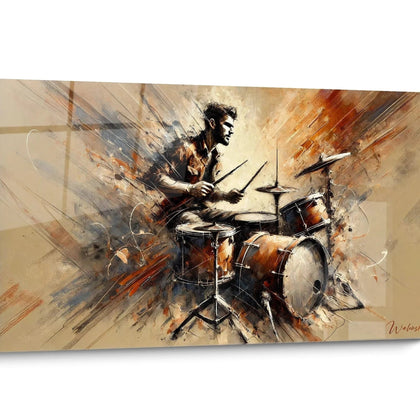 Wall Art for Luxury Hotel Music11
artworks
Wall Art for Luxury Hotel Music11
artworks
-
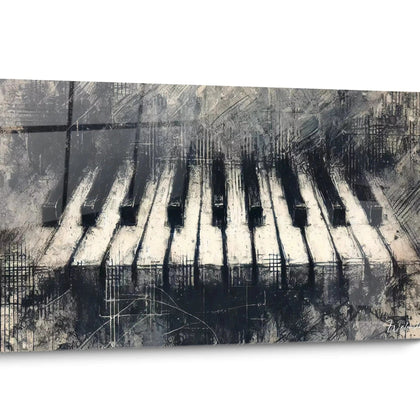 Black and White Luxury Hotel Wall Art6
artworks
Black and White Luxury Hotel Wall Art6
artworks
-
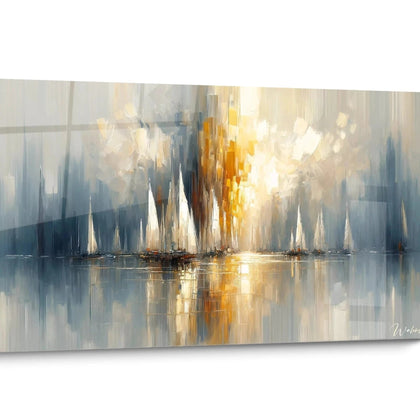 Blue Luxury Hotel Wall Art24
artworks
Blue Luxury Hotel Wall Art24
artworks
-
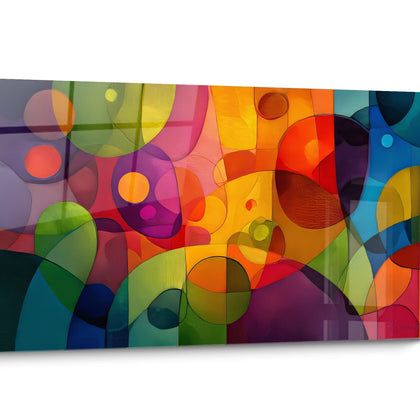 Wall Art for Luxury Orange Hotel24
artworks
Wall Art for Luxury Orange Hotel24
artworks
-
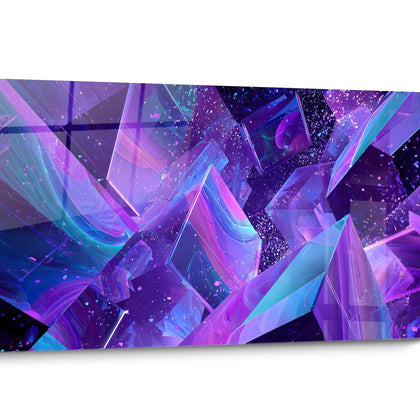 Futuristic Luxury Hotel Wall Art12
artworks
Futuristic Luxury Hotel Wall Art12
artworks
-
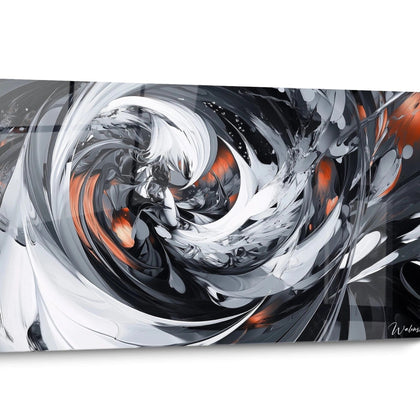 Luxury Hotel Wall Art Spiral5
artworks
Luxury Hotel Wall Art Spiral5
artworks
-
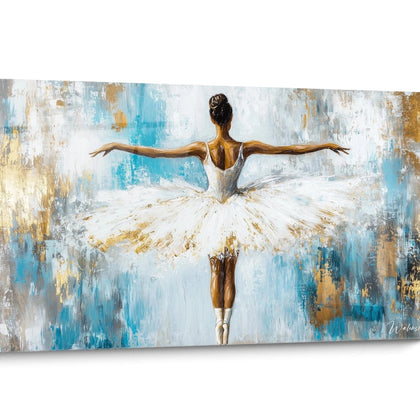 Wall Art for Luxury Hotel Dancer4
artworks
Wall Art for Luxury Hotel Dancer4
artworks
-
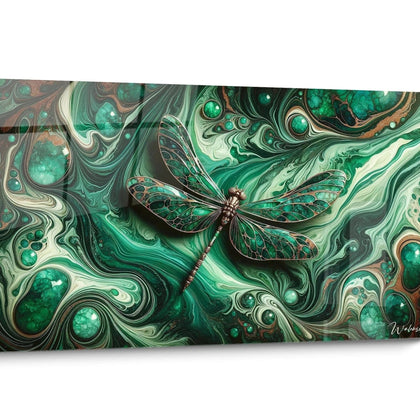 Dragonfly Luxury Hotel Wall Art4
artworks
Dragonfly Luxury Hotel Wall Art4
artworks
All about Luxury Hotel Portrait Wall Art
- Portrait Wall Art Presentation for Luxury Hotels
- Visual Codes of Prestige Establishments
- High-End Acquisition Strategies
- Profitability and Asset Enhancement
The acquisition of a portrait wall art for luxury hotel represents far more than a simple decorative element in a high-end interior design strategy. These vertical artworks embody a distinctive visual signature that directly influences the perception of prestige and the memorable experience of affluent guests. In the ultra-competitive world of five-star hospitality, every architectural and artistic detail contributes to justifying premium pricing, where a strategically positioned portrait can increase the perceived value of a suite by several thousand euros per night. The monumental dimensions of these creations allow for an imposing presence in characteristic luxury hospitality spaces: cathedral-like reception halls, processional corridors leading to presidential suites, or private penthouse areas. The vertical format naturally aligns with the soaring architecture of prestigious establishments, amplifying the sensation of ceiling height and creating focal points that instinctively guide the eye upward, reinforcing the impression of grandeur. This particular orientation engages with human proportions in a unique way, establishing a more intimate psychological connection than the horizontal compositions traditionally favored in commercial spaces.
Visual Excellence Serving Prestige Hotel Identity
The portrait wall art for luxury hotel constitutes a major identity vector for establishments seeking differentiation in the ultra-premium segment. Unlike landscape formats that convey narrative stories, the vertical portrait imposes a statuesque presence evoking the tradition of European aristocratic galleries. This historical reference is not insignificant: it unconsciously activates in affluent clientele associations with Venetian palaces, Parisian mansions and British manor houses where full-length portraits of owners asserted power and refinement.
How do monumental portraits redefine hotel corridors?
In the long hallways serving luxury suites, the vertical portrait format radically transforms the movement experience. While a corridor can seem endless and impersonal, a rhythmic succession of portrait artworks creates visual intervals that psychologically fragment the distance. Avant-garde establishments position these large-scale works at regular intervals of 4 to 6 meters, generating a visual cadence comparable to great museum galleries. This strategy converts a simple functional pathway into an immersive cultural promenade, where each artwork becomes a spatial marker facilitating orientation while enhancing the journey.
Vertical psychology in prestigious reception spaces
The portrait orientation brilliantly exploits the physiology of human perception in monumental halls. Our natural visual field being wider than it is tall, a vertical artwork captures attention through its very exception, breaking expectations and prompting active rather than passive contemplation. International palace art directors favor portraits of 2.5 to 4 meters in height behind reception desks, creating a majestic backdrop that elevates staff interactions while immediately affirming the luxury positioning of the establishment.
Chromatic synergies with noble palettes
The portrait wall art for luxury hotel naturally coordinates with the materials favored in high-end hospitality: veined marble, precious woodwork, brushed metals and silken textiles. For establishments developing a sophisticated chromatic identity, the association with portrait wall art for luxury hotel blue allows for refined tonal dialogues, where indigo, cobalt and cerulean nuances evoke both the tradition of Asian porcelain and the modernity of contemporary abstract compositions. This bichrromatic strategy offers remarkable flexibility for differentiating floors or wings of an establishment while maintaining overall aesthetic coherence.
Acquisition Strategies to Maximize Commercial Impact
Investment in a portrait wall art for luxury hotel constitutes a strategic decision with multiple commercial ramifications. International hotel groups now allocate between 3% and 7% of their design budgets to monumental artworks, aware that these acquisitions generate measurable return on investment through several key indicators: premium occupancy rates, average length of stay, social media performance and competitive differentiation.
Which dimensional criteria should be prioritized for presidential suites?
Exceptional suites demand proportions that respect the architectural rule of thirds: a portrait artwork should occupy approximately one-third of the accent wall height to create optimal visual balance. In a suite with 3.6 meters of ceiling height, a format of 180 to 220 centimeters in height becomes naturally essential. This monumental dimension allows for effective visual reading from the king-size bed or seating areas, while maintaining sufficient breathing space around the work to avoid any impression of clutter. Large-scale creations positioned facing the bed become the last and first visual elements contemplated by guests, powerfully anchoring the emotional memory of their stay.
The photographic argument in the Instagram era
A portrait wall art for luxury hotel in vertical format integrates perfectly into standard smartphone framing, which has become the dominant sharing tool for affluent clientele. Visionary establishments now design strategic "Instagram points" where these works serve as premium backdrops for selfies and social publications. This organic virality generates considerable free visibility: a single well-positioned portrait can appear in several hundred monthly publications, each exposing the hotel brand to targeted, qualified audiences. Geolocated metadata transforms each artwork into a traffic generator, exponentially amplifying the value of the initial investment.
Seasonal rotations to refresh the experience
The most innovative establishments develop quarterly or semi-annual rotation strategies for their portrait artworks, creating revisit reasons for loyal clientele. This museum-like approach transforms the hotel into a living gallery, justifying regular communications with previous guests and generating public relations opportunities around "new acquisitions". A portfolio of 15 to 20 monumental works allows for complete visual ambiance renewal in main spaces twice yearly, maintaining perceptual freshness that combats psychological fatigue inherent to repeat stays.
Asset Enhancement and Long-Term Profitability
The acquisition of a portrait wall art for luxury hotel transcends simple decoration to become a strategic patrimony investment. Museum-quality monumental works typically appreciate 4% to 12% annually, depending on artists and movements, offering inflation protection while enriching guest experience daily. This dual function—operational and financial—positions monumental art as one of the rare hotel expenditures generating simultaneously increased revenues and asset appreciation.
Measurable impact on premium pricing
Comparative studies from international hotel groups demonstrate that a suite equipped with authentic, monumental artworks can command a pricing premium of 18% to 35% compared to equivalent spaces with standardized decoration. The vertical portrait format, through its particular prestige, significantly contributes to this value perception. Ultra-affluent clients—a segment representing 40% of palace revenues despite only 15% of nights—regularly cite artistic quality of spaces as a major decision criterion, often before technological amenities or concierge services.
What preservation guarantees for sustainable investment?
Large-dimension artworks intended for luxury hotel environments require specific protections against intensive usage: thermal variations from climate systems, prolonged light exposure, structural vibrations and variable humidity. Contemporary creations specifically designed for luxury hospitality integrate UV-protective varnishes, reinforced supports resistant to deformation and pigment techniques guaranteeing chromatic stability over several decades. This technical resilience allows establishments to amortize the investment over 15 to 25 years while maintaining impeccable visual quality, unlike textile or furniture elements requiring frequent renewal.
Certification and traceability for patrimony resale
Sophisticated hotel groups meticulously document their artistic acquisitions with authenticity certificates, condition reports, provenance histories and biannual professional appraisals. This rigorous traceability greatly facilitates later resales during renovations or strategic repositionings, with some works selling at significant multiples of their initial purchase price. The secondary market for monumental works remains particularly dynamic, fueled by continuous expansion of the ultra-luxury hotel sector in emerging Asian and Middle Eastern markets, where demand for pieces instantly establishing cultural credibility far exceeds available supply.
Can a portrait wall art for luxury hotel adapt to future renovations?
Absolutely. Vertical portrait formats offer remarkable flexibility during redesigns, their standard orientation naturally integrating into most wall configurations. Unlike monumental horizontal compositions requiring specific open walls, a portrait can migrate between different spaces—suites, corridors, lounges—according to stylistic evolution, maximizing the useful life of the investment and enabling creative reconfigurations without value depreciation.
What is the ideal size for a portrait artwork in a boutique hotel lobby?
For a boutique establishment with ceiling heights of 3 to 4 meters, a format of 200 to 280 centimeters in height creates necessary visual impact without overwhelmingly dominating the space. This dimension allows comfortable reading from throughout the lobby while letting surrounding architecture breathe. Boutique hotels typically favor one signature monumental piece rather than multiple medium works, concentrating investment on a memorable focal point that instantly defines the establishment's character.
How to evaluate return on investment for a portrait wall art for luxury hotel?
ROI evaluates across three complementary axes: measurable increase in average daily room rates in equipped spaces, visibility value generated via client publications (calculable through impressions and advertising equivalent), and the asset appreciation of the work itself. Performing establishments document these metrics quarterly, typically observing complete investment return between 4 and 7 years, after which the work generates continuous net contribution while maintaining full or appreciated resale value.
Further reading


