The scene repeats every week in my art conservation workshop: distraught collectors confide in me their paintings marred by mysterious stains, their canvases dulled by accumulated dust, their frames oxidized by humidity. After twenty-three years of restoring and preserving works in environments as varied as medical offices, family homes or corporate offices, I have understood an essential truth: the beauty of a painting only survives if its maintenance remains simple and its design hygienic.
Here's what easy-to-clean paintings bring concretely: lasting decoration that stands the test of time without alteration, peace of mind in the face of domestic accidents, and above all, a healthy environment where art flourishes without becoming a breeding ground for dust or bacteria.
You love decorating your walls, but dread the moment when a splash, a fingerprint or simply dust compromises the brilliance of your works. You hesitate between that magnificent watercolor and this aluminum print, unsure which will survive better to the constraints of everyday life. This uncertainty hinders your decorative impulses.
Rest assured: choosing hygienic and easy-to-maintain paintings does not imply any aesthetic compromise. Current techniques allow combining artistic beauty and exceptional practicality. I am going to pass on to you the decisive criteria that I systematically apply when making recommendations for spaces requiring rigorous maintenance.
Surface materials: the first line of defense against dirt
When I advise a painting for a medical waiting room or an open kitchen, my first question is always about the type of surface. This characteristic determines 80% of future maintenance ease.
Acrylic glass prints represent the pinnacle of hygiene in wall decoration. This smooth, non-porous and totally impermeable surface naturally repels dust and tolerates repeated wet cleaning without flinching. A simple pass of a slightly damp microfiber cloth is enough to eliminate fingerprints, splashes or particle accumulations. I recommend them systematically for care areas, food preparation zones or children's rooms.
Varnished canvases with UV protection are an excellent alternative for those who prefer traditional textile texture. The varnish creates a protective barrier that considerably facilitates dusting and prevents stains from penetrating the fibers. However, be careful: not all varnishes are created equal. Prefer satin or glossy varnishes rather than matte ones, as they retain more particles in their micro-roughness.
Aluminum Dibond prints seduce with their modernity and remarkable resistance. This metallic surface perfectly supports wet wiping and resists superficial scratches. I find them particularly suitable for passageways or professional spaces where paintings are subjected to occasional handling and friction.
Surfaces to avoid for easy maintenance
Some supports, however aesthetically pleasing they may be, drastically complicate maintenance. Unvarnished raw canvases absorb dust, humidity and odors like sponges. Unprotected watercolor papers yellow with repeated contact with cleaning products, even mild ones. Textured relief surfaces inevitably accumulate dirt in their recesses, turning each cleaning into a torment.
The frame: a decisive choice for overall hygiene
An easy-to-clean painting is not limited to its visible surface. The frame plays a crucial role in the hygienic preservation of the whole. After restoring hundreds of moldy, dusty or deformed frames, I have identified the optimal configurations.
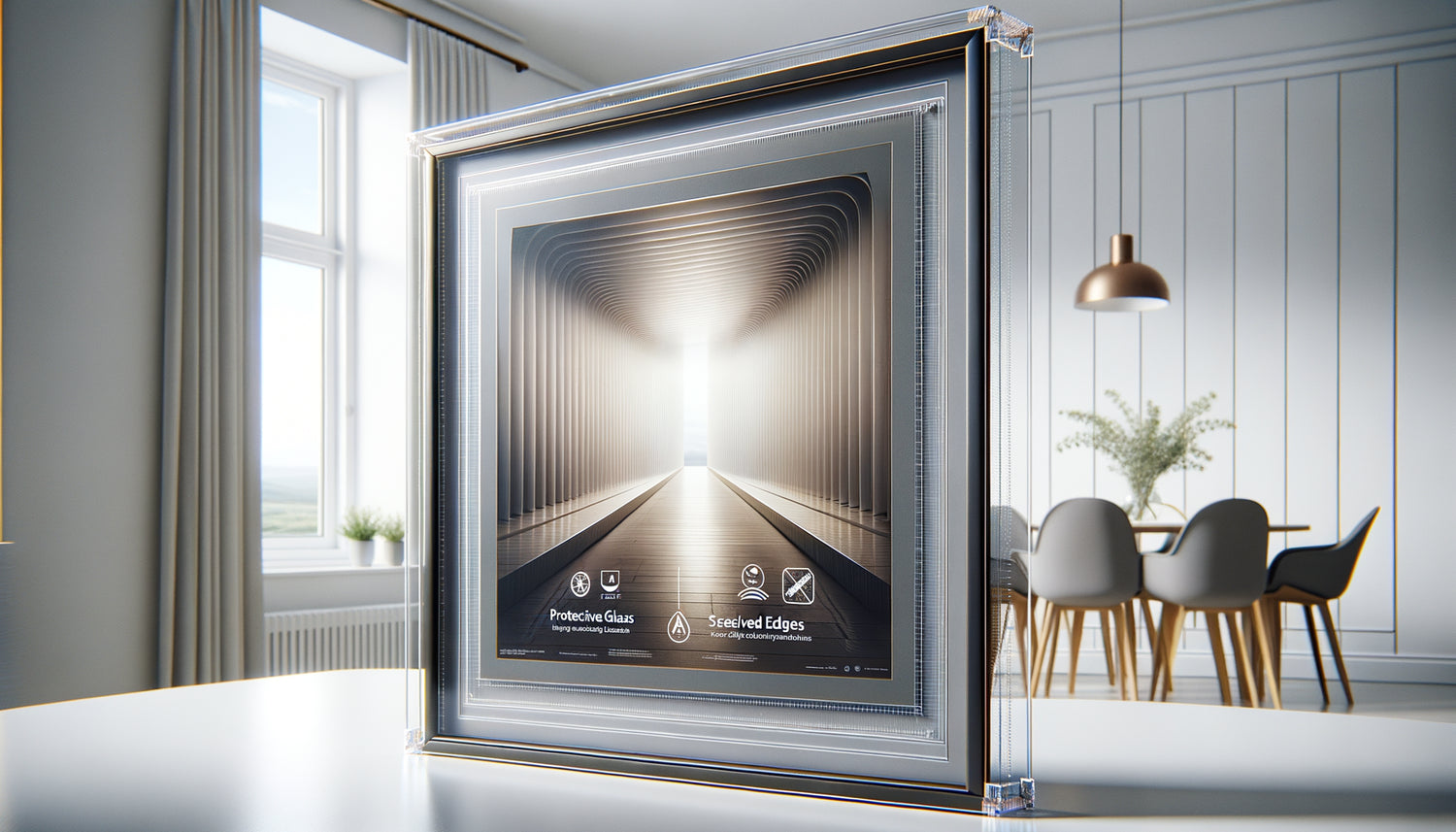
Aluminum or lacquered wood frames offer effortless maintenance. Their smooth surface cleans with a single gesture, without crevices where grime can accumulate. Well-sealed corner joints prevent dust infiltration between the frame and the protective glass.
Beware of raw or artificially aged wood frames: their roughness retains dirt and moisture. Ornamental sculpted frames, however beautiful they may be, turn dusting into a meticulous archaeological session. For a space requiring impeccable hygiene, prioritize simplicity of lines.
The presence of a protective glazing radically changes the hygienic equation. This transparent shield completely isolates the artwork from external aggressions. Opt for anti-glare glass or UV acrylic: these materials clean instantly while preserving perfect visibility of the image. In my workshop, I systematically offer glazing to customers concerned about the longevity and cleanliness of their acquisitions.

Why the printing technique directly influences ease of maintenance
Few people realize that the reproduction method of an image significantly impacts its resistance to cleaning. My experience in conservation has taught me to distinguish between durable techniques and fragile processes.
Giclée prints on treated canvas combine artistic quality and robustness. Pigment ink penetrates deeply into the fibers, creating a durable chemical bond that resists repeated wiping of the fabric. These prints can even tolerate slight damp cleaning if properly varnished.
Photographic prints on premium paper under glass are also an excellent hygienic choice, provided they are properly protected. Glass prevents direct contact with the image, guaranteeing its preservation even during vigorous cleaning of the glass surface.
Absolutely avoid untreated posters or low-end inkjet prints. Their water-soluble inks dissolve at the slightest damp contact, creating irreversible streaks. I have seen too many inexpensive paintings ruined after a simple sponge wipe that was slightly too wet.
The certifications that guarantee durability
Look for mentions of 'lightfastness ISO 9706' or 'archival pigment inks'. These certifications ensure that colors will not degrade, even after years of regular cleaning and light exposure. Paintings meeting these standards retain their initial vibrancy, fully justifying their investment.
The formats and mountings that simplify daily maintenance
An often-neglected aspect: the ease of removal for thorough cleaning. Some configurations make this operation a nightmare, while others turn it into a simple gesture.
Tableaux equipped with quick-release wall fixings allow the artwork to be removed in seconds for complete cleaning of the surface and the underlying wall. This practicality encourages regular maintenance rather than spacing cleanings due to the complexity of handling.
The format of the painting also influences the feasibility of maintenance. A monumental panoramic 2 meter wide requires two people and scaffolding for a thorough cleaning. Conversely, several medium-sized paintings (60x80 cm) offer the same visual presence while remaining individually manageable for easy maintenance.
Prefer flush mounting systems that hold the painting against the wall without an intermediate space. This configuration prevents dust accumulation behind the artwork, that no man's land of hygiene that nobody ever cleans until an ambitious spider chooses it as a home.

Strategic Placement: Anticipating Maintenance Constraints
Even the most durable artwork is subject to different constraints depending on its location. After analyzing the conservation status of thousands of artworks, I have established a map of risk areas in each living space.
In a kitchen, prioritize glass or acrylic surfaces. Greasy vapors settle insidiously on all surfaces, and only these materials tolerate the mild detergents necessary to dissolve invisible but tenacious oily films.
For a bathroom, constant humidity requires artworks that are perfectly sealed. Prints on aluminum or sealed acrylic glass resist this hostile atmosphere perfectly. Permanently ban unprotected canvases which will inevitably warp under the combined effect of steam and temperature variations.
In a passageway, paintings are subjected to accidental friction, repeated contacts and accumulation of dust carried by air currents. Opt for hard surfaces and robust frames that absorb these daily micro-aggression without flinching.
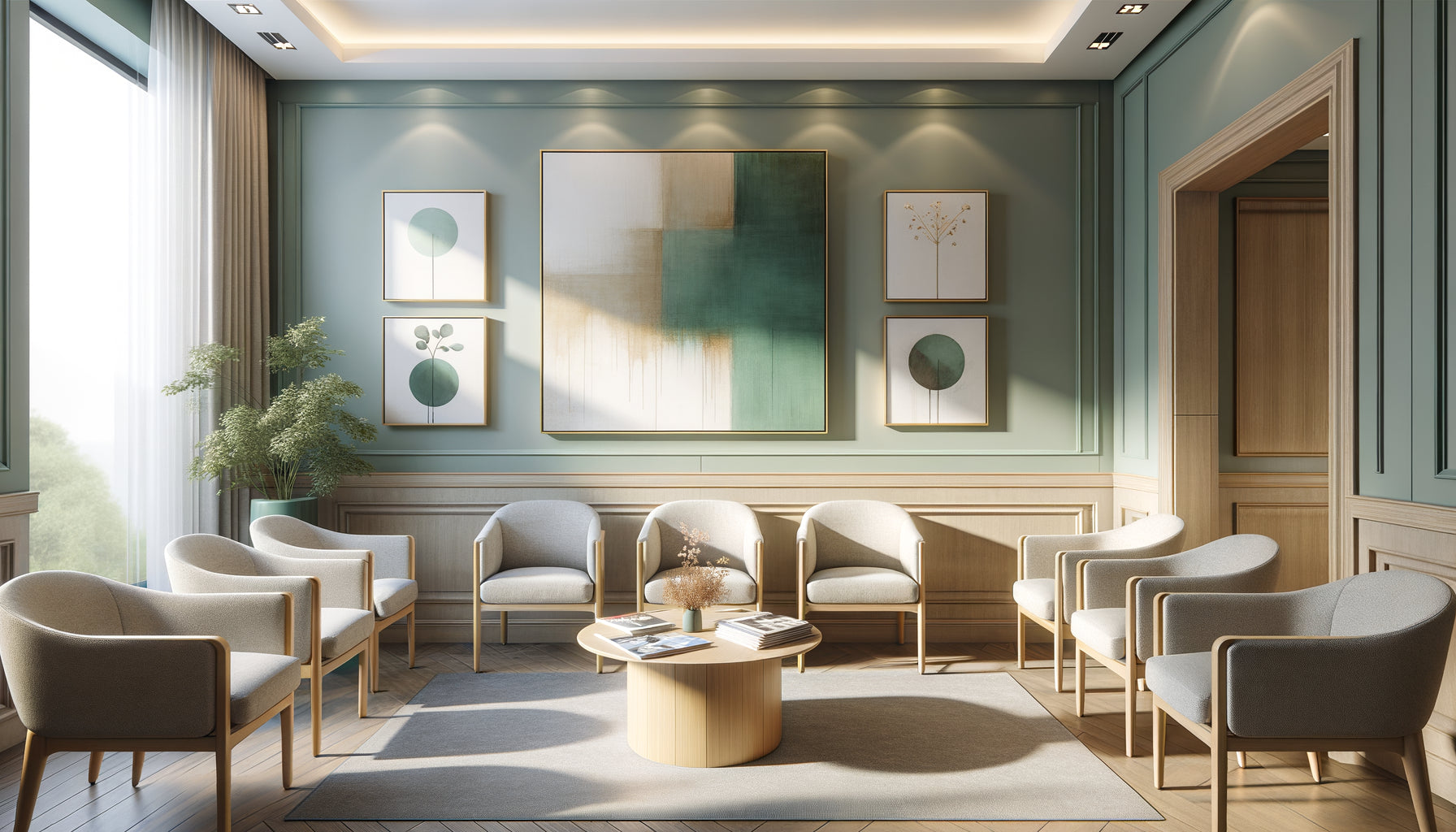
In professional spaces such as medical offices, waiting rooms or shared offices, artworks require a combination of maximum resistance and ease of disinfection. Hygiene standards are strict there, and only totally smooth and non-porous surfaces meet these requirements.
Placement Height: A Factor of Accessibility
Install your artworks at a height allowing comfortable cleaning without a ladder. The ideal area is between 1m40 and 1m80 from the floor. Beyond that, maintenance becomes restrictive and cleanings dangerously space out, leaving grime to settle permanently.
Transform your spaces with decor that stays impeccable
Discover our exclusive collection of wall art for Waiting room that combines artistic beauty and exceptional ease of maintenance.
Maintenance Gestures That Preserve Your Easy-to-Clean Paintings
Owning a hygienic artwork is not enough: you also need to adopt good cleaning practices. My years of restoration have revealed that 70% of premature degradation comes from unsuitable maintenance methods.
For weekly dusting, use only a dry or very slightly dampened microfiber cloth. This material captures particles by electrostatic effect without dispersing them into the air or scratching delicate surfaces. Avoid feather dusters which simply redistribute dust.
For stubborn stains on glazed or acrylic surfaces, spray a non-ammonia glass cleaner onto the cloth (never directly onto the artwork) and wipe in gentle circular motions. Ammonia can alter some varnishes and dissolve adhesives over the years.
On varnished canvases, limit yourself strictly to dry dusting. If a stain persists, lightly dampen a cotton swab and gently tap the area concerned without rubbing. Abrasive friction irreparably damages the protective varnish layer.
Schedule a complete cleaning every three months: take down the artwork, clean its surface, dust the frame in every nook and cranny, and above all, clean the wall underneath which also accumulates dust and dirt. This complete maintenance dramatically extends the lifespan of your artworks.
Regularly inspect the back of the artwork. Dust accumulation on the back can gradually migrate to the front by capillarity, insidiously dulling the brilliance of your decor. A gentle vacuum from a reasonable distance is enough to prevent this phenomenon.
Imagine your interior transformed by artworks that remain impeccable
Visualize your living room, office or professional space adorned with magnificent works that retain their initial freshness year after year. No more frustration with stubborn stains, no more hesitation before hanging this artwork in the kitchen for fear of splashes, no more compromises between aesthetics and practicality.
Easy-to-clean and hygienic artworks free your creative decor. They allow you to dare bold locations, regularly renew your decoration without fearing that you have damaged your acquisitions, and above all, fully enjoy the beauty of art without this nagging afterthought of complex maintenance.
Start today: assess your current artworks according to these criteria, identify those that need replacing, and when making your next purchase, systematically ask these essential questions about materials, printing techniques and maintenance possibilities. Your future self will thank you every time you wipe the cloth in a few seconds rather than long laborious minutes.
Frequently asked questions about easy-to-clean artworks
Can disinfectants be used on all easy-to-clean artworks?
No, compatibility with disinfectants strictly depends on the surface material. Prints on acrylic glass and aluminum perfectly tolerate alcohol-based or mild disinfectant solutions, making them ideal for medical environments where hygiene is paramount. On the other hand, varnished canvases, even protected ones, may see their varnish altered by overly aggressive products. For these latter, limit yourself to a cloth slightly dampened with clear water. If you absolutely must disinfect a canvas painting, first test the product on a discreet area of the frame to check for any reaction. When in doubt, always prefer regular dusting which mechanically eliminates particles and microorganisms rather than an aggressive chemical cleaning.
Do easy-to-clean paintings necessarily cost more?
Not necessarily, but the slightly higher initial investment pays off quickly. A painting on acrylic glass or aluminum can indeed cost 20 to 40% more than a standard print on unprotected canvas. However, this difference is amortized over the considerably extended lifespan of the artwork. I have found that a quality hygienic painting retains its new appearance for 10 to 15 years with minimal maintenance, while an economical print often requires replacement after 3 to 5 years due to irreversible degradation. Moreover, you save significantly on maintenance time: a few seconds of weekly cleaning versus several minutes for complex surfaces. Also calculate the emotional cost of seeing a painting you love gradually degrade: this intangible factor amply justifies the investment in quality.
How do you know if a painting is really easy to clean before buying it?
Systematically ask the seller four questions: What is the material of the printed surface? Does the painting have glass protection or varnish? Which printing technique was used? What are the recommended maintenance instructions? A professional salesperson should be able to answer these questions precisely. Be wary of vague or evasive answers that often betray poor quality. Also, ask to touch the surface (with clean hands!) : a smooth, non-porous texture generally indicates easy cleaning. If possible, find out about the guarantees offered: manufacturers confident in the durability of their paintings often offer 5 to 10 year warranties against discoloration and defects. Finally, check customer reviews that specifically mention the maintenance aspect: these experiences are worth a thousand sales pitches.