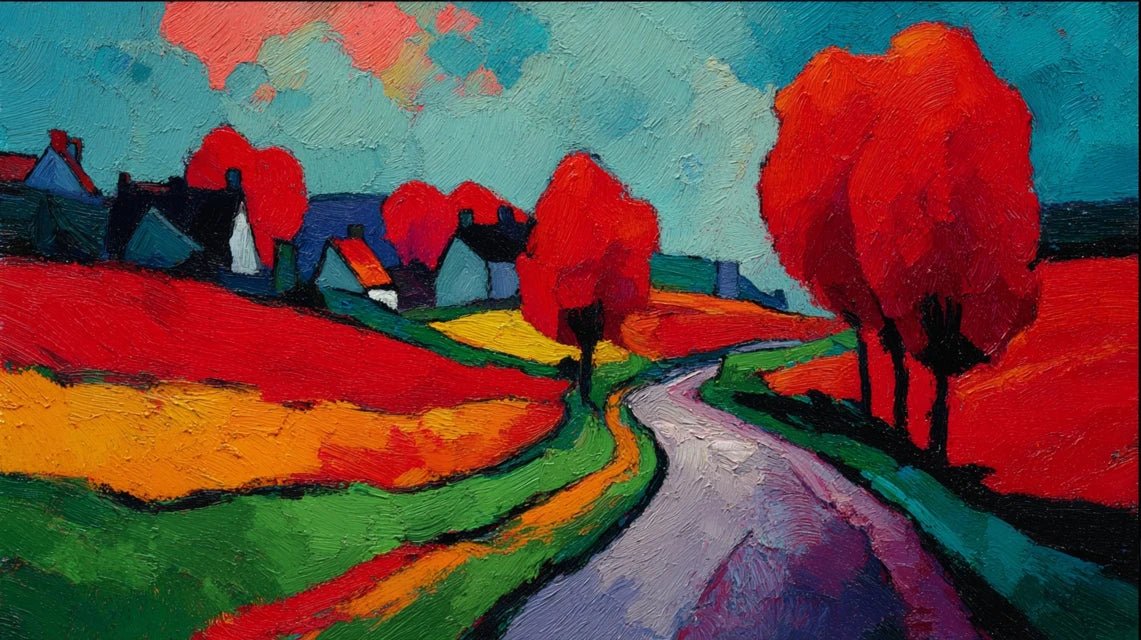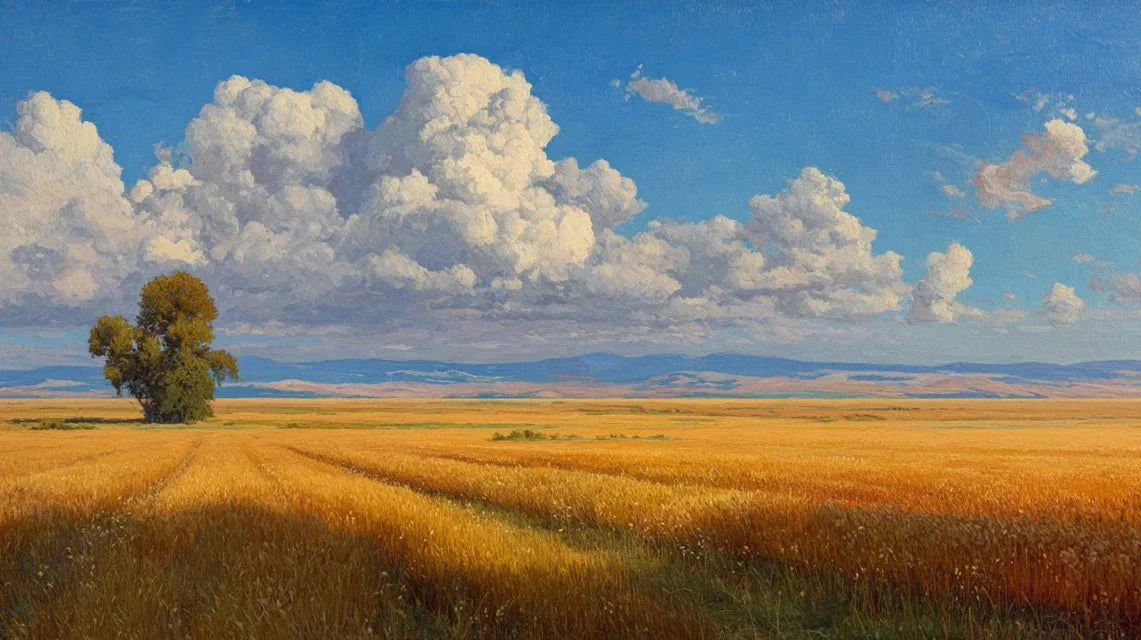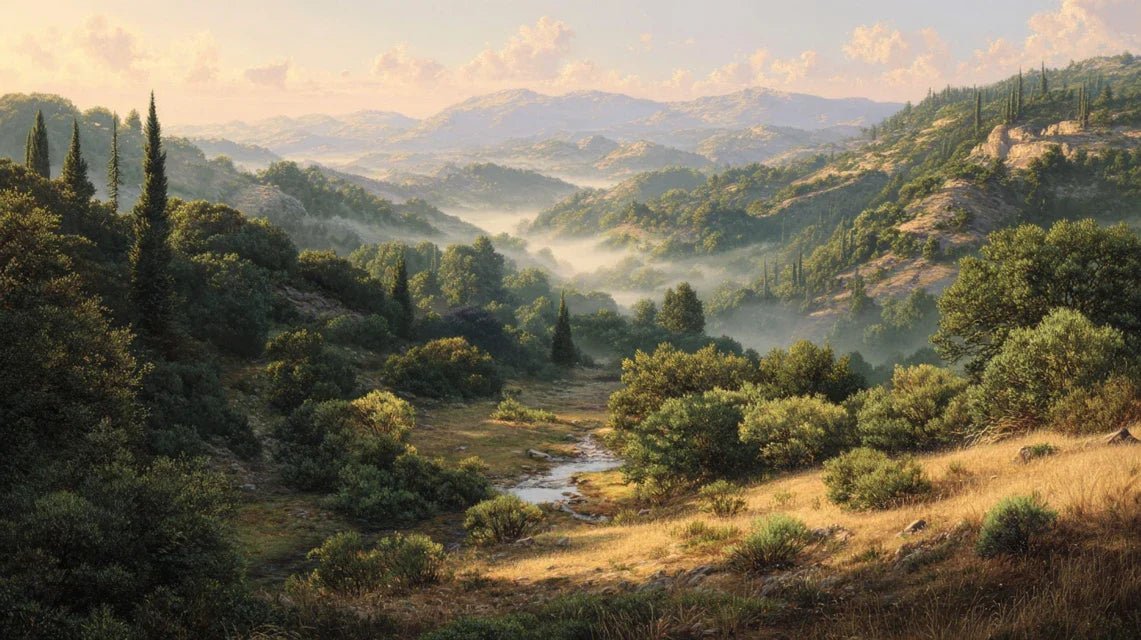
Imagine yourself in the middle of a forest on a sweltering summer day. As soon as you pass under the trees, the temperature drops. You breathe. This is the power of a microclimate, those small bubbles of atmospheric conditions distinct that create unique atmospheres in every corner of nature.
Characteristics of microclimates in landscape compositions
A microclimate is an area where the weather differs from that of its surroundings. Sometimes within just a few meters. In landscape representations, these microclimatic variations become essential visual elements. How to spot them?
Landscape artists scrutinize several clues:
- Water which softens temperatures
- Relief that blocks or channels the wind
- Trees that create islands of coolness
- Orientation which determines where the sun strikes
Take forests. Under their canopy, it is up to 4°C cooler than in an open field (Source: Zellweger et al. study, Science journal). This drop in temperature creates totally different atmospheres that artists seek to capture. In valleys, cold air accumulates like in a bowl, while at height, the wind circulates freely.
Techniques for representing microclimates in landscape composition
How to paint or draw what you feel but don't really see? Creators have developed tricks for this visual thermal zoning. The most well-known: atmospheric perspective. The further an element is, the paler and bluer its colors become, as if the humidity in the air filtered our gaze.
Light also tells the story of the climate. A south-facing wall? It accumulates heat all day long and releases it at night. Result: a pocket of warmth around it. A north-facing wall remains cool and humid. These contrasts are reflected in marked shadow play.
Landscape elements become climatic actors. A hedge cuts the wind while keeping the ground cool. In landscape paintings, this dance between vegetation and climate is read through textures and nuances of color. A mound modifies sunlight and creates cascading microclimates.
Visually translating climatic variations in landscape compositions
The best artists do not show the climate directly. They suggest it through landscape microreliefs. A low cloud drifting? It announces humidity. The morning mist? It betrays a cool night. Some plants only grow under specific conditions.
Even the color of the soil speaks. Light surfaces reflect light and remain cool. Dark tones absorb heat. This science of colors allows representations to silently tell the climate of a place.
Scale is enormously important. Zooming in on the shadow of a tree reveals a zone of thermal comfort. A pond creates humidity for several meters around it. These details transform a landscape into a true climatic map.
Integrating microclimatic elements into modern landscape compositions
Today, creators are going further with climate design. They no longer just represent microclimates; they design them. Landscape architect Bas Smets speaks of "augmented landscapes." At the LUMA park in Arles, he analyzed sunlight, winds, and humidity to plant vegetation that generates its own microclimates.
A concrete example? The aromatic spiral. In one square meter, it creates several climatic zones. At the top, full sun for thyme. At the bottom, shade and coolness for parsley. Between the stones, refuges for insects. Simple and brilliant.
In cities, these bioclimatic strategies combat heat islands. Well-placed trees, a water feature, and worked topography create life-saving cool islands during heatwaves.
It all starts with observation. Where does the snow melt first? Where does frost linger longest? These clues allow us to map microclimates and integrate them intelligently into creations. It is this knowledge of the terrain that gives life and depth to represented landscapes.
FAQ
How to recognize a microclimate in a landscape?
There are many visual clues: specific vegetation that grows only in this area, differences in soil color, the presence of persistent morning mist, or areas where snow melts more quickly. Observing shadows and ambient humidity also reveals these local climatic variations.
Why represent microclimates in landscape compositions?
Microclimates add depth and authenticity to landscape representations. They allow us to communicate the atmosphere and feeling of a place beyond its simple appearance. For modern creators, they also become design tools to create more comfortable and resilient spaces in the face of climate change.
What elements create microclimates in a landscape?
Water moderates temperatures, relief blocks or channels winds, dense vegetation generates shade and coolness, solar exposure determines warm zones, buildings accumulate or reflect heat. The combination of these elements over just a few meters can create significant climatic variations of several degrees.