I spent fifteen years scouring auction rooms from Antwerp to Brussels, authenticating oak panels under raking light, tracking down discreet signatures on the backs of frames. And if I've learned one thing, it’s that Flemish school has never betrayed its collectors. Unlike ephemeral trends that shake the contemporary market, historical Flemish paintings cross the centuries with extraordinary consistency. Their value does not fluctuate with the whims of fashion, but appreciates with the patience of a good Burgundy wine.
Here's what investing in Flemish paintings brings: a proven heritage protection dating back four centuries, remarkable liquidity on the international market, and that cultural prestige which transforms your interior into a private gallery. The problem? Faced with the profusion of works on the market, how to distinguish a solid investment from simple expensive decoration? Between prolific workshops, contested attributions and clumsy restorations, the risk of error exists. Rest assured: certain objective criteria make it possible to identify pieces that will increase in value. I am going to reveal the secrets I have learned by rubbing shoulders with museum curators and dealers from Place du Grand Sablon.
The Flemish Golden Age: understanding the periods that matter
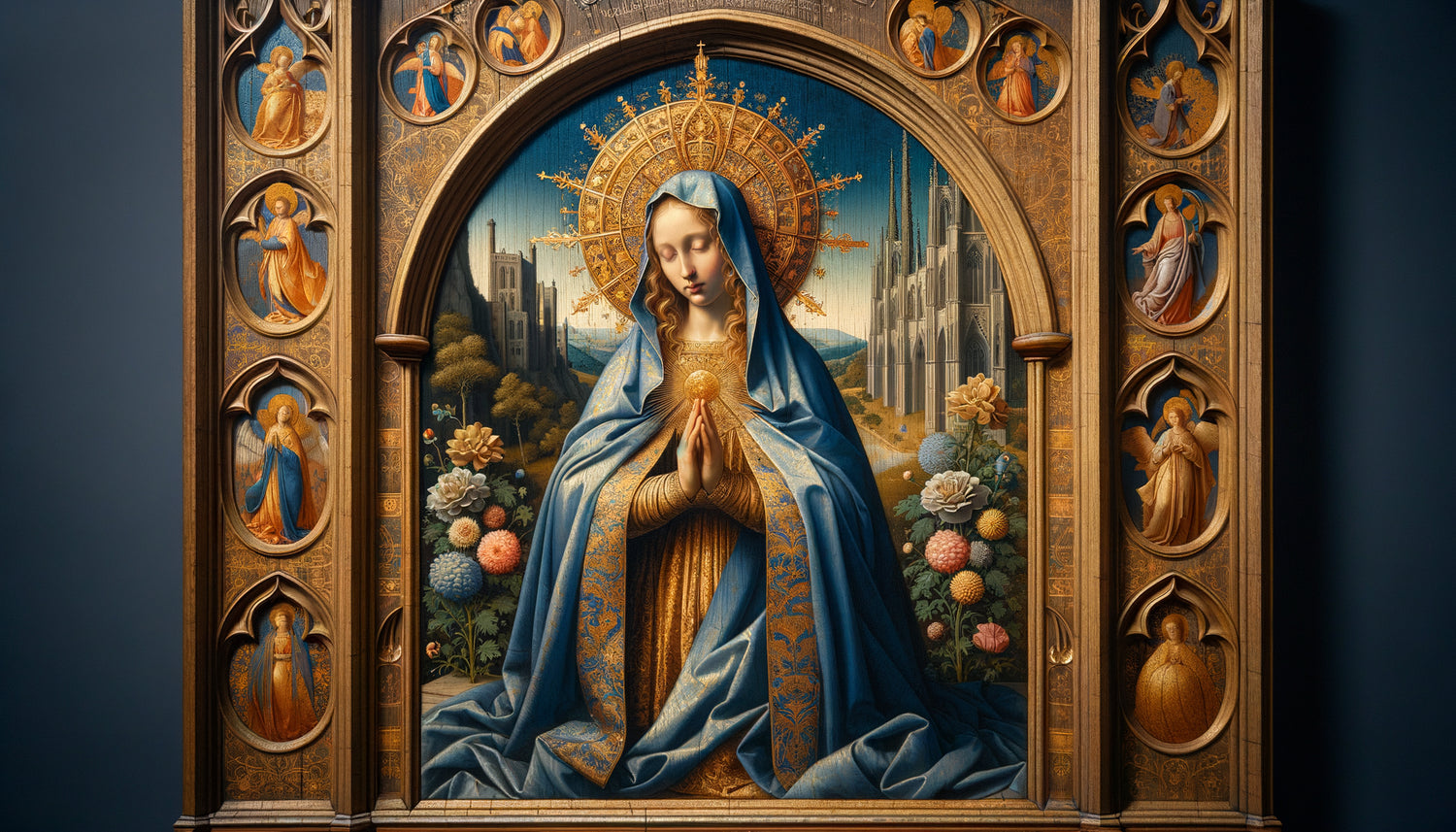
Not all centuries are equal in the history of Flemish painting. The period from 1400 to 1700 represents the beating heart of this investment. I have found that the Flemish Primitives of the 15th century (Van Eyck, Van der Weyden, Memling) today reach peaks inaccessible to most private collectors. A small Virgin and Child attributed to a follower of Memling can exceed €200,000 at auction.
The 16th century offers a more affordable ground while maintaining excellent safe value. Genre scenes by Pieter Brueghel the Younger, winter landscapes of the Brueghel dynasty, or even symbolic still lifes are experiencing constant demand. I saw a small panel by Joos de Momper depicting a mountain landscape go from €35,000 to €58,000 in just eight years.
The 17th century Baroque remains my favorite for reasoned investment. Rubens and Van Dyck obviously dominate, but their workshops produced hundreds of accessible works. A workshop sketch by Rubens, even partially autograph, constitutes a remarkable placement. Historical paintings from this period combine technical virtuosity and market stability.
The four pillars of safe value
Documented provenance
A Flemish painting without provenance is like an aristocrat without a genealogy: suspicious. I always examine the archives before the support. A work that appears in an 18th-century inventory, has passed through a recognized collection, or is listed in a critical catalogue possesses a traceable DNA. This provenance sometimes multiplies the value by three. I refused to authenticate a superb Teniers solely because its history presented an eighty-year gap. Three months later, doubts about its authenticity emerged.
Condition
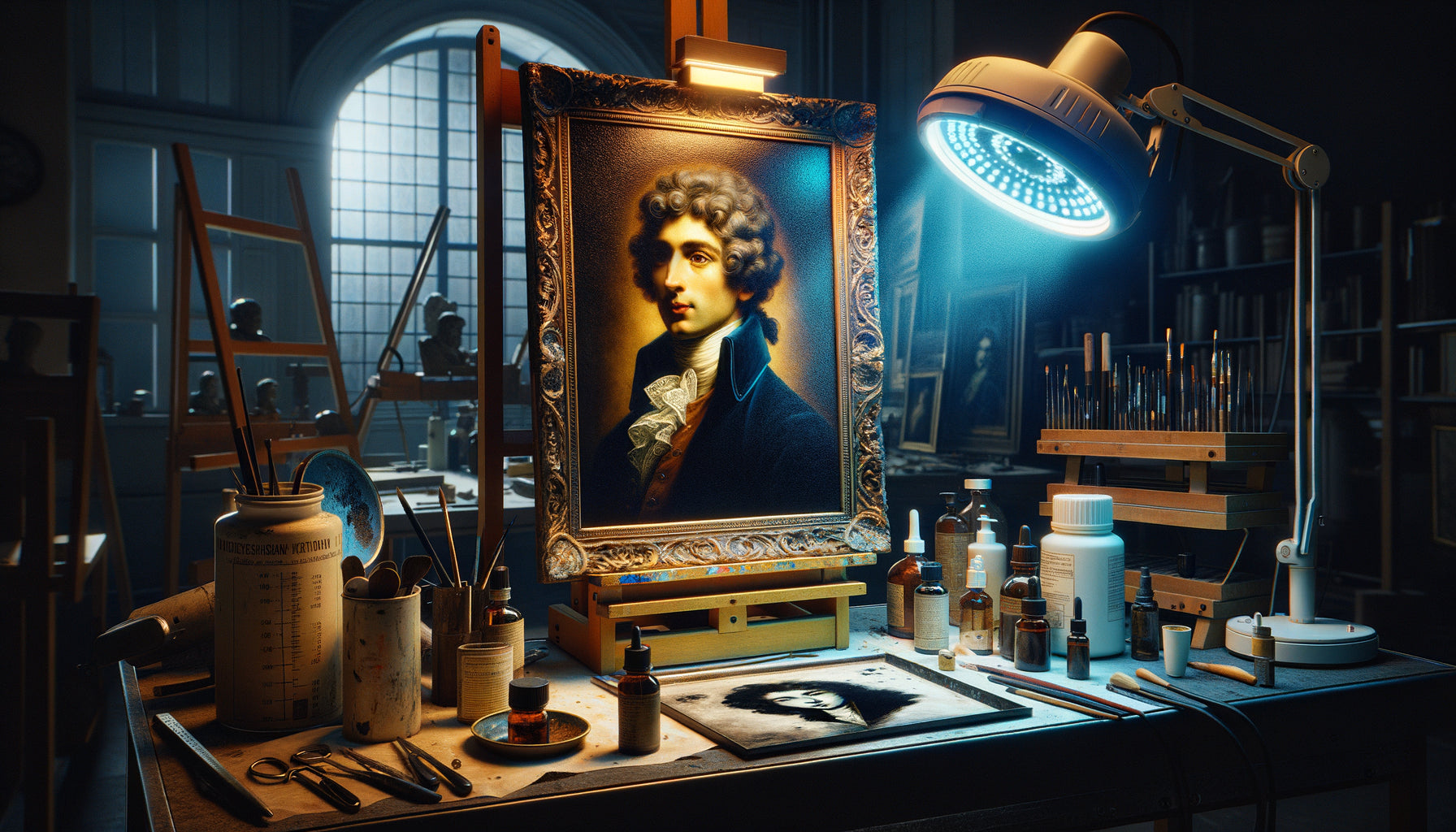
Heavy restorations destroy value. A panel with 40% of the surface repainted will always lose out to an intact but slightly dirty work. During my appraisals, I systematically use UV light to detect repaints. A well-preserved Flemish painting, even modest, consistently outperforms a masterpiece massacred by a 19th-century restorer. Look for natural cracking in the form of scales, a sign of authentic aging on wood support.
The signature of the support
Flemish painters painted on Baltic oak panels with characteristic growth rings. Dendrochronology can date the wood to within a few years. This scientific analysis, which costs between 500 and 800 euros, is your best assurance. I have unmasked several forgeries thanks to wood cut after the supposed death of the artist. For canvases from the 17th century, check the weave and the brown-red ground preparation typical of the era.
Thematic rarity
Some subjects sell better than others. Tavern scenes by Adriaen Brouwer, winter landscapes with skaters, game still lifes and cabinets of curiosities enjoy stable international demand. Conversely, large complex religious compositions mainly attract institutions. For private investment, prioritize medium formats (40x60 cm to 80x120 cm) which appeal to both collectors and high-end interior decorators.

Accessible rising masters
There's no need to aim for a Rubens to invest wisely. Several second-tier artists offer excellent value for money. David Teniers the Younger remains my favorite: prolific (more than 2000 works recorded), consistent in quality, and with a rating that has progressed by 3 to 5% per year for twenty years. His kermesse scenes are negotiated between 15,000 and 80,000 euros depending on the format.
Landscape artists deserve attention. Lucas van Uden, Jacques d'Arthois or Lodewijk de Vadder produced views of Brabant forests of extraordinary poetry. Their historical paintings start at 8,000 euros and reach 40,000 euros for the finest examples. I observe a growing demand since American collectors have become interested.
Specialists in still lifes such as Osias Beert, Clara Peeters or Alexander Adriaenssen also offer opportunities. Their floral compositions or served tables combine decorative beauty and investment solidity. A signed and dated still life is always a safe placement, especially if it has been exhibited in a museum retrospective.
Where to find these Flemish pearls?
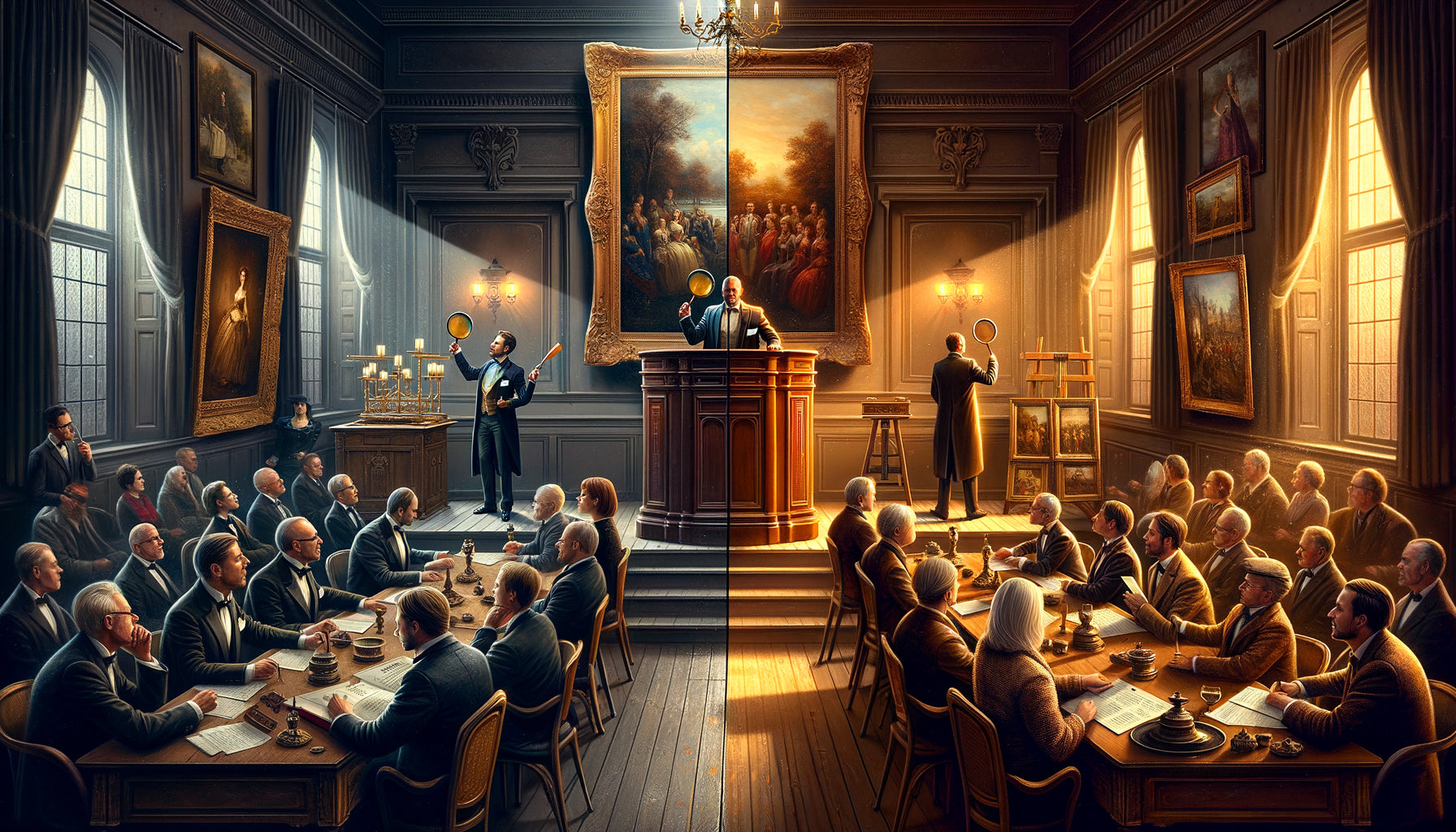
The major Parisian auction houses (Drouot, Christie's, Sotheby's) regularly organize sales of old masters. I have acquired some of my finest pieces there. The advantage is the serious expertise and the possibility of examining the works during the preliminary exhibitions. Count on a purchase commission of 20 to 28% depending on the houses.
Specialized galleries in old masters, particularly in Belgium and the Netherlands, are an excellent alternative. Admittedly, prices are slightly higher than at auctions, but you benefit from solid guarantees and often a certificate of authenticity. In Brussels, rue de la Madeleine concentrates several reputable establishments where I have established relationships of trust.
Beware of flea markets and provincial auction rooms: miraculous discoveries exist, but so do fanciful attributions. Without in-depth expertise, you risk buying a 19th century pastiche. I have developed a simple rule: if the price seems too good, it probably is. An authentic Flemish painting from that era is rarely negotiated below 5,000 euros, even for a minor artist.

The traps to avoid at all costs
Misattribution represents the number one danger. A panel sold as a "Rubens workshop" is worth twenty times less than an "autograph Rubens." Be wary of vague formulas: "school of," "manner of," "follower of" indicate works by students or imitators. Only mentions of "attributed to" (with reservations) or better yet, simply the artist's name, guarantee reasonable authorship.
Invasive restorations are the second pitfall. I have seen novice collectors buy historical paintings completely revarnished, with repainted carnations, losing all authenticity. Always request a detailed condition report, ideally with UV photographs. A good restorer costs money (expect 150 to 300 euros per hour), but a bad one permanently destroys the value.
Finally, be aware of scientifically sophisticated modern forgeries. Forgers now use old panels recovered from minor works, period pigments, and artificially age cracks. Only multidisciplinary expertise (technical painting analysis, dendrochronology, pigment analysis) offers absolute security. Never hesitate to invest 1,500 to 3,000 euros in a complete authentication before buying.
Turn your passion into a lasting heritage
Discover our exclusive collection of historical paintings that combine timeless beauty and a safe haven value for future generations.
Start your collection wisely
If I were to advise a beginner collector, I would recommend starting with a budget of 10,000 to 25,000 euros. This range allows you to acquire an authentic Flemish painting by a secondary master in good condition. Prioritize quality over size: it is better to have a small signed panel than a large canvas of uncertain attribution.
Gradually build a documentary file for each acquisition: detailed invoice, certificate of expertise, photographs before and after any restoration, provenance history. These documents multiply the resale value and facilitate insurance procedures. I have seen heirs unable to prove the authenticity of family historical paintings due to this lack of traceability.
Finally, think about preservation. Flemish panels hate variations in humidity. Maintain a stable temperature between 18 and 22°C and relative humidity of 50 to 55%. Avoid direct sunlight and spotlights too close. Good period framing (or a faithful copy) protects and enhances the work. These precautions preserve your investment for decades to come.
Investing in antique Flemish paintings is not a short-term speculation, but a multigenerational heritage strategy. The works I advised on fifteen years ago have all increased in value, some spectacularly. Beyond the figures, you own a fragment of European history, a testament to the golden age of Flanders. Every morning, contemplating this winter landscape or genre scene, you engage in dialogue with an artisan from the 17th century. What financial investment offers such emotional richness?
Frequently Asked Questions
What is the minimum budget to acquire a genuine antique Flemish painting?
Allow for a minimum of 5,000 to 8,000 euros for an authentic historic painting from Flanders by a minor artist or workshop, in correct condition. Below this threshold, you will mainly find 19th-century copies or heavily restored works. For a recognized master such as Teniers, Brueghel the Younger, or a rated landscape painter, allow for 15,000 to 30,000 euros instead. Masterpieces signed by major artists obviously exceed 100,000 euros. My advice: it is better to save a few months more to acquire a solid piece rather than rushing into a questionable work. Quality always prevails over quantity in this field. Do not forget to add to your budget the cost of expertise (1,000 to 2,000 euros) and possibly light restoration if necessary.
How to verify authenticity before buying?
Several essential steps secure your acquisition. First, physically examine the work: natural craquelure forms an irregular network impossible to perfectly imitate. Always request a condition report written by an independent restorer. Then, check the documented provenance: old sale catalogs, inventories, publications. Have a dendrochronological analysis carried out if the work is on oak panel (600 to 800 euros, two-month lead time). For important attributions, consult an expert approved by the courts specializing in Flemish masters. Photograph the work under UV light to detect repaints. Finally, be wary of pressured or reluctant sellers to provide documents. A serious dealer understands your precautions and facilitates them. This due diligence represents 10% of the purchase price, but it protects 100% of your investment.
Do Flemish paintings really increase in value?
In the long term, absolutely. I have analyzed sales results over forty years: authentic Flemish historical paintings increase by an average of 3 to 6% per year, with remarkable stability even during economic crises. Unlike contemporary art subject to trends, old Flemish painting benefits from constant international demand (European, American, and for ten years, Asian collectors). Museum-quality works even experience spectacular increases: some Teniers have tripled in twenty years. However, be careful: this performance concerns authentic, well-preserved and documented pieces. Works of questionable attribution or heavily restored stagnate or lose value. Liquidity remains excellent: a good Flemish painting always finds a buyer within eighteen months, unlike other segments of the art market. It is a patient investment, not a quick speculation, but historically, it has always rewarded its informed collectors.