The best ideas for pairing an expressionist painting with a contemporary zen bedroom
11 October 2025 · 6 min read · by Walensky
Marrying Expressionism and Zen: A Bold and Successful Stylistic Challenge
Expressionism, with its vibrant colors, bold shapes, and intense exploration of emotions, seems at first glance diametrically opposed to the serene minimalism of a contemporary zen bedroom. Yet, far from being incompatible, this bold association can give birth to a unique interior, rich in contrasts and harmony. This complete guide offers innovative ideas and expert advice for integrating an expressionist painting into your contemporary zen bedroom, transforming a stylistic challenge into a true decorative success. Dive into this universe where serenity and emotion meet, creating a personal space that is both soothing and captivating.
Decoding Expressionism for Harmonious Integration into Your Zen Bedroom
Before embarking on this decorative adventure, it is crucial to understand the nuances of expressionism. Born in the early 20th century, this artistic movement is characterized by a raw expression of emotions, a voluntary distortion of forms, a bold and sometimes dissonant use of colors, and a rejection of realistic representation. To integrate an expressionist painting into the serene setting of a contemporary zen bedroom, a careful selection of the work is essential. It is not simply a matter of choosing a work that you like, but of choosing a piece that will resonate with the serene atmosphere you want to preserve.
Contrary to popular belief, expressionism is not always synonymous with visual chaos. Some works are distinguished by a restricted color palette, balanced compositions, or even contemplative subjects. The key is to find a subtle balance between the emotional intensity of the painting and the zen tranquility of the environment. The goal is to create a creative tension, a dialogue between these two seemingly antagonistic styles, rather than to provoke a visual dissonance.

Choosing the Ideal Expressionist Painting: A Guide for Harmonious Selection
The choice of expressionist painting is the determining step of your project. Several essential criteria must guide your selection to ensure harmonious integration into your contemporary zen bedroom. Consider the following points:
- The Color Palette: Prioritize artworks dominated by soothing and natural colors, such as deep blues, calming greens, warm beiges, soft grays, or earthy tones. Avoid overly bright, saturated, or aggressive colors that could disrupt the tranquility sought in a zen bedroom.
- Shapes and Compositions: Even though the distortion of shapes is a characteristic of expressionism, look for balanced compositions, avoiding overly busy or agitated scenes. Abstract paintings, minimalist landscapes, or introspective portraits with flowing lines are often excellent choices.
- Painting Size: The scale of the painting is a fundamental element. A painting that is too large risks overwhelming the space and breaking the zen balance, while a painting that is too small will get lost in the decor. Choose a size proportional to the surface of the room and the available wall space. A modestly sized work can sometimes be more effective than an imposing one.
- Subject Matter: Contemplative subjects, such as moonlit nocturnal landscapes, meditative portraits, refined still lifes, or abstract compositions inviting reflection, will blend ideally into a contemporary zen bedroom. Avoid violent, disturbing, or symbolically heavy subjects.
- Texture and Material: The texture of the paint itself can influence the atmosphere. A soft and subtle texture can contribute to a feeling of calm and peace, while a too rough or coarse texture could clash with the serene ambiance.
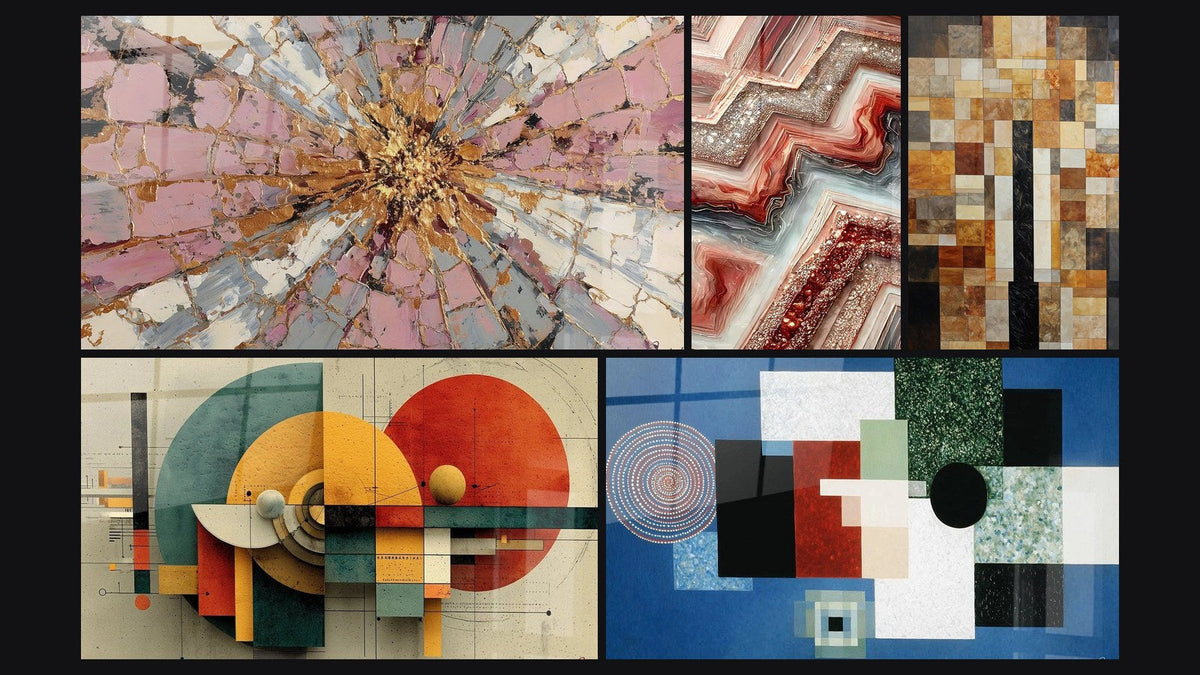
— Our selection


Integrating the Expressionist Painting into Your Zen Haven: Harmony Tips
Once the expressionist painting has been carefully selected, the next step is to integrate it harmoniously into your contemporary zen bedroom. The goal is to create a subtle complementarity, a visual dialogue between the two styles, playing on contrasts and harmonies.
- Subtle Contrast Game: Bet on the subtle contrast between the pure simplicity of the zen decor and the emotional intensity of the expressionist painting. Clear and neutral walls, natural wood, soft textiles, and clean lines will perfectly highlight the artwork and create an ideal setting for its expression.
- Chromatic Harmony: Choose decorative elements, such as cushions, bedding, rugs, or curtains, that pick up one or two colors from the painting. This chromatic consistency will contribute to unifying the entire decoration and avoiding any visual dissonance.
- Strategic Placement: The placement of the painting is a key element. To avoid disturbing your sleep, avoid placing it directly opposite the bed. A side wall, above a dresser or vanity, is often a more judicious choice. The placement should highlight the painting without making it too dominant.
- Importance of Lighting: Soft and indirect lighting, such as recessed lighting or bedside lamps emitting a dimmed light, will highlight the colors and nuances of the painting without making it aggressive or too intense. Avoid direct and too powerful lighting that risks distorting the colors and creating an unpleasant effect.
- Consistency of Decoration: Ensure that the other decorative elements in your bedroom are in harmony with the painting and the zen spirit. Opt for natural materials such as bamboo, linen, cotton, wood; clean lines and minimal decoration, prioritizing quality over quantity.
Inspiring Examples for a Successful Integration:
Here are some concrete examples to illustrate the potential of this unique combination:
- Expressionist painting in blue and green tones: A stylized nocturnal landscape, with touches of deep black, hung above a light wood dresser, in a bedroom with white walls, enhanced by teal cushions and a natural fiber rug. The atmosphere will be soothing and harmonious, with a striking contrast between the zen calm and the emotional intensity of the painting.
- Abstract expressionist painting with shades of beige and gray : An abstract composition in neutral tones, but with a few touches of black, placed above the bed, complemented by a light gray linen bedspread, natural bamboo curtains and a light wood floor. This combination will bring a touch of understated elegance and zen sophistication.
- Painting expressionistically depicting a stylized human figure : A portrait with warm colors and clean lines, hung on a white wall, with a simple ceramic vase containing a bamboo branch and a green plant. The balance between expressionism, with its expressive force, and zen minimalism is perfectly successful.
- Expressionist painting depicting a simplified urban landscape : An urban landscape with stylized buildings and a palette of contrasting but harmonious colors (navy blue, light gray, rust orange), hung on a white wall. This painting can bring a little more dynamism to the room while remaining in a zen spirit thanks to the choice of colors and the minimalist style of the painting.

Conclusion: Sublime Your Zen Bedroom with the Expressiveness of Expressionism
Integrating an expressionist painting into a contemporary zen bedroom is a stylistic challenge that, when carried out with care and attention, can lead to a spectacular result. By following these tips, you will create a unique bedroom, reflecting your artistic sensibility and your search for harmony. Remember that the key is to find the perfect balance between the emotional intensity of expressionism and the peaceful serenity of zen. Dare to be bold, let your creativity run wild, and create a space where calm and emotion meet in a fascinating symbiosis.
Frequently Asked Questions
Where to hang a painting in a bedroom to sleep well?
Avoid placing it directly opposite the bed, to avoid disturbing your sleep. A side wall, above a dresser or vanity, is often a more judicious choice: the artwork is highlighted without becoming dominant in the room.
What colors of painting for a zen bedroom?
Prioritize soothing and natural colors: deep blues, soft greens, warm beiges, tender grays or earthy tones. Avoid overly bright, saturated or aggressive hues, which would break the sought-after tranquility. A soft texture also maintains this impression of calm.
What subject of painting favors calm in a bedroom?
Contemplative subjects blend in best: night landscapes, meditative portraits, purified still lifes or abstract compositions that invite reflection. Avoid violent or distressing scenes, as well as overly loaded compositions, and prefer a balanced ensemble with flowing lines.
How to coordinate bedding with a colorful artwork?
Pick up one or two colors from the artwork in your cushions, bedding, rug, or curtains: this chromatic consistency unifies the decor and avoids any dissonance. Complement with natural materials like linen, cotton, bamboo, or wood.
Explore our collections