

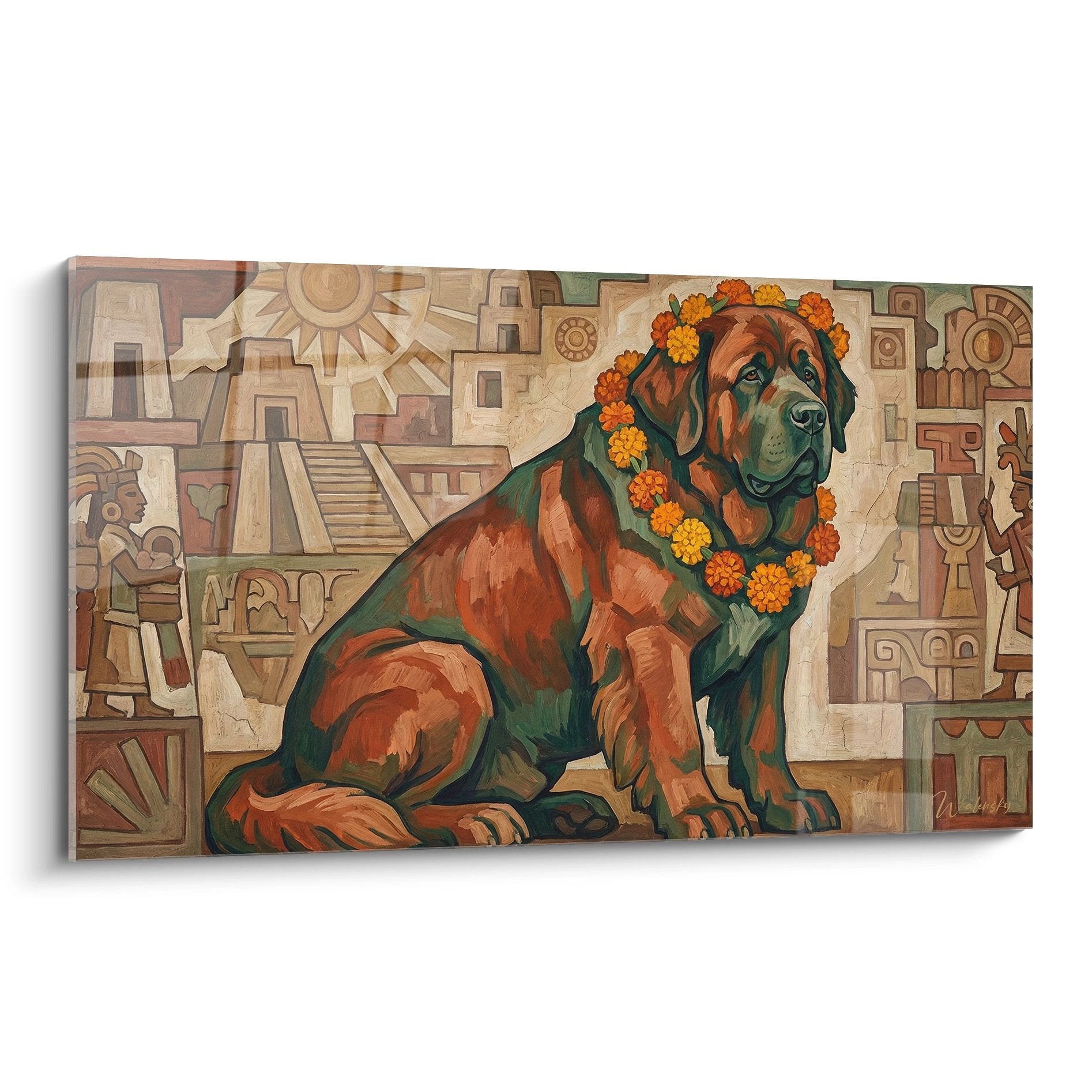
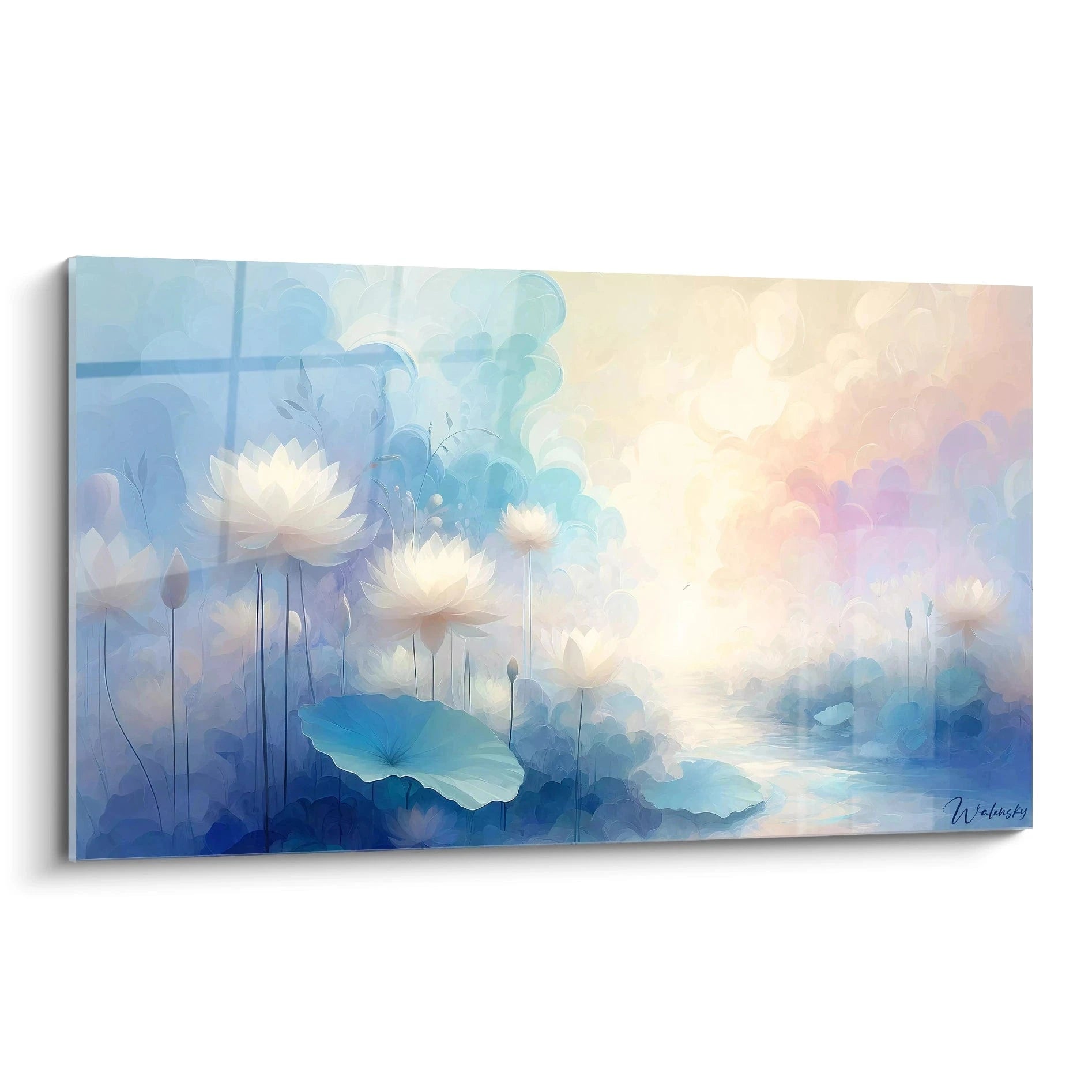
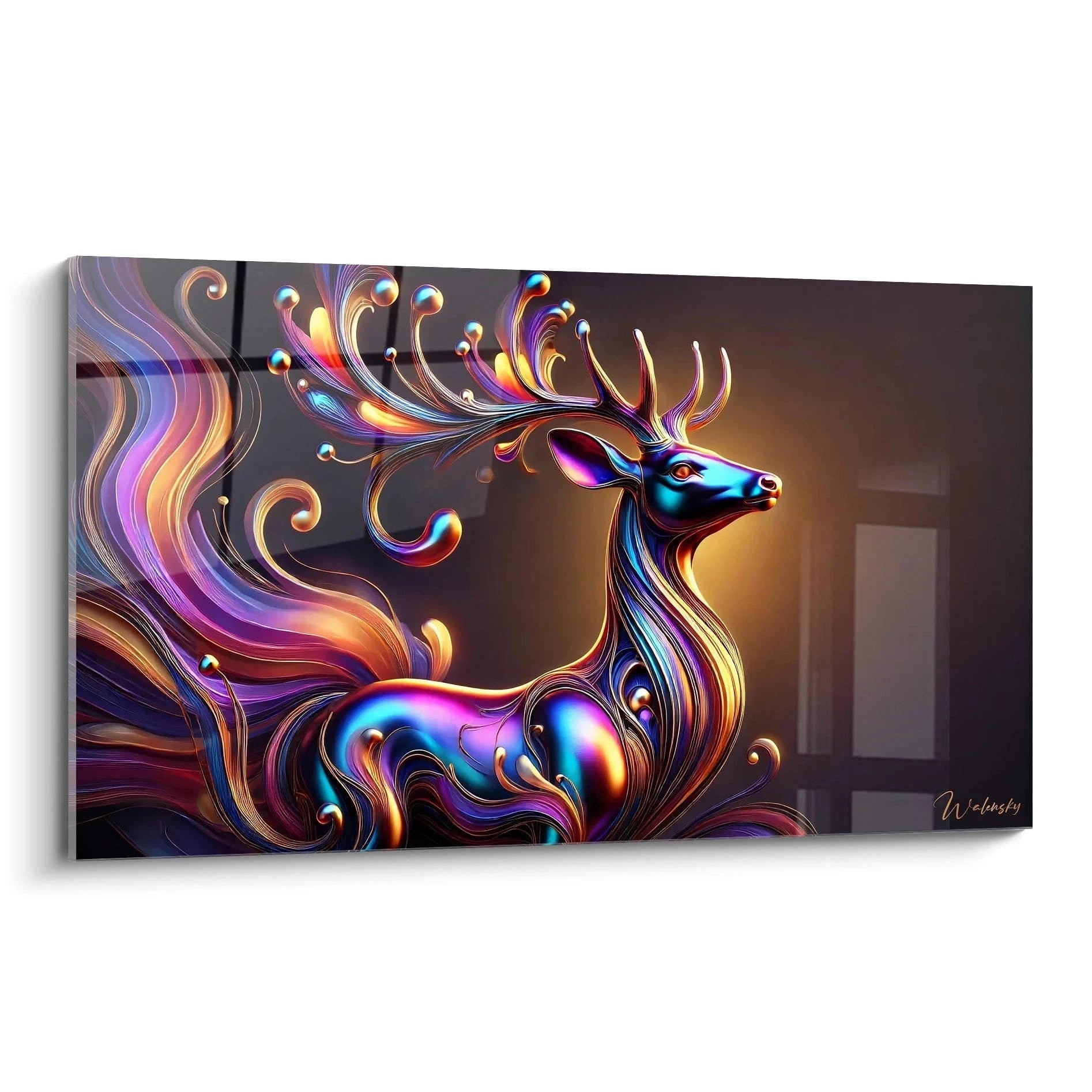
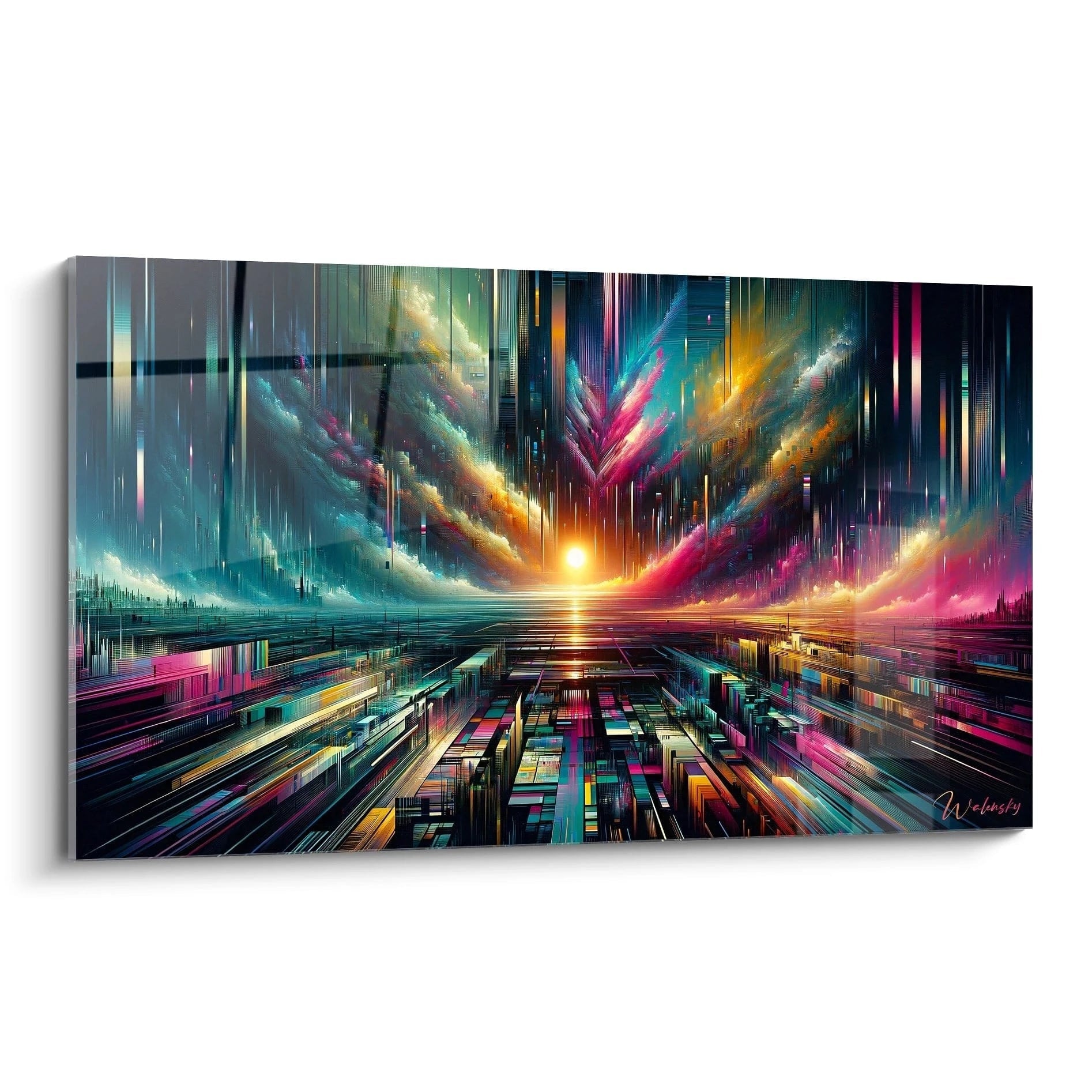
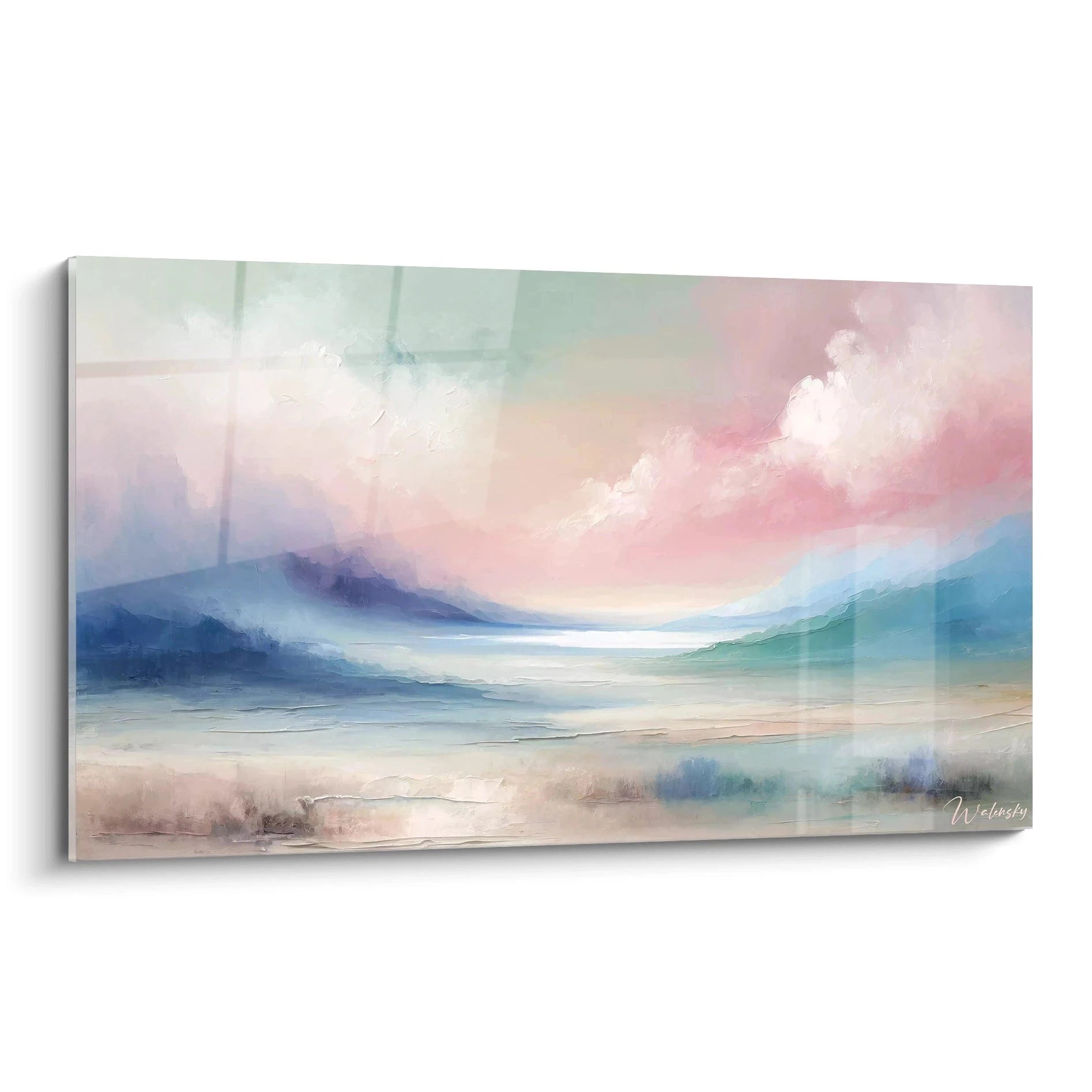

How Wall Art Influences Well-being at Work?
December 22, 2025 · 9 min read · by Walensky
Monday morning, 9 AM. Marc pushes the door of the agency and his gaze immediately catches this large-format photograph installed last week: a bamboo forest crossed by light. Something changes. The air seems more breathable, shoulders relax. For fifteen years I have been supporting companies in transforming their workspaces, I have seen entire teams regain their energy simply by changing what they saw eight hours a day.
Here's what wall art brings concretely to well-being at work: a measurable reduction in daily stress, stimulation of collective creativity, and significant improvement of emotional attachment to the professional space.
Yet, how many open spaces still look like impersonal waiting rooms? How many offices only display promotional calendars and safety instructions? This visual neutrality is costly in terms of motivation, concentration, and humanity. The good news: transforming a professional environment does not require pharaonic works or extravagant budgets. A few thoughtful visual choices are enough to create a space where you breathe better, think differently, and enjoy staying.
I will show you how wall art becomes an unsuspected lever of well-being, with measurable effects on the daily life of your teams.
When walls breathe, minds calm
The psychological impact of wall art on well-being at work goes far beyond simple decoration. A study conducted by the University of Exeter showed that employees working in visually enriched offices were 17% more productive than those in sterile spaces.
I supported a Parisian technology startup in full turnover crisis. Their offices? White walls, neon lighting, zero personality. We started by installing a series of large-format photographs representing natural landscapes: Icelandic mountains, Breton coasts at sunrise, autumnal undergrowth. Six months later, their internal survey revealed a 23% decrease in stress reports and a noticeable improvement in collective atmosphere.
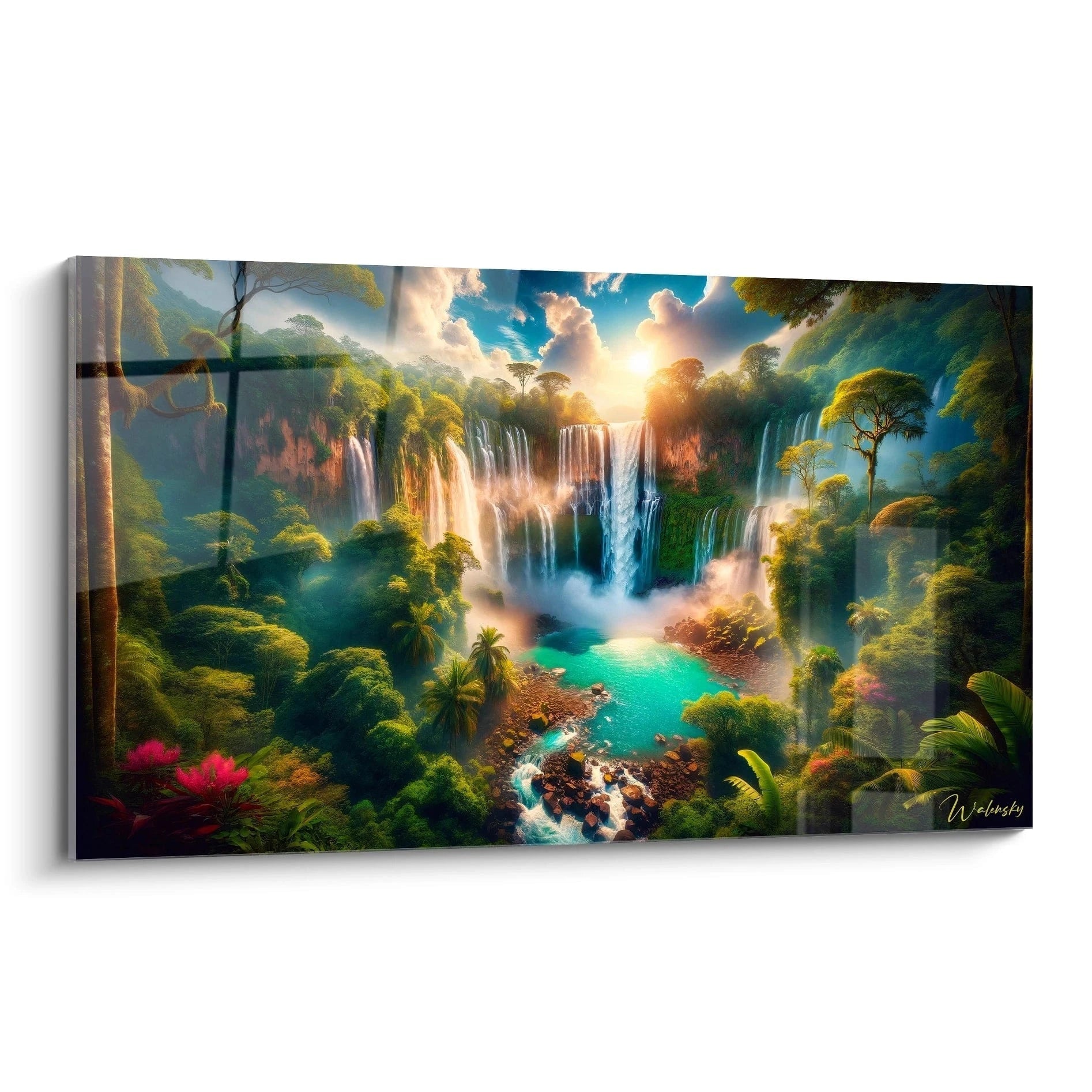
Natural representations activate our parasympathetic nervous system, which regulates relaxation and recovery. Faced with a waterfall or meadow, our heart rate naturally slows down. This is biophilia: our physiological need for connection with living things. In a professional environment often saturated with screens and solicitations, wall art becomes virtual windows to nature, visual breathing spaces that reduce cognitive fatigue.
Colors are not neutral
The chromatic choice of wall art directly influences well-being in the workplace. Blue promotes concentration and soothes tension, which is why I systematically recommend it for meeting rooms. Green stimulates balance and reduces eye fatigue, ideal for spaces where people spend long hours in front of screens. Yellow, in measured doses, energizes creativity without being aggressive.
A Lille-based communication agency replaced its generic advertising posters with a collection of abstract paintings in ocean tones. Unexpected result: their brainstorming sessions became more fluid, and exchanges less tense. The chromatic environment subconsciously modulates our emotional states.
Creativity is nourished by what it looks at
Wall art in workspaces act as silent catalysts of creativity. I have observed this phenomenon in dozens of companies: teams exposed daily to visually stimulating works develop a more divergent and bolder way of thinking.
A Nantes-based architecture firm had this recurring problem: their projects lacked originality, reproducing conventional schemes. We invested their walls with photographs of atypical architectures: troglodyte dwellings, biomimetic structures, Japanese buildings blending tradition and modernity. Three months later, their client proposals had radically changed in tone. Their creative director confided to me: 'It was as if the walls were finally allowing us to think differently'.
Wall art act as associative triggers. Our brains constantly establish connections between what they perceive and what they construct. A photograph of an urban landscape taken from an unusual angle can inspire a new marketing approach. An abstract composition can unlock the solution to a technical problem. Well-being at work also depends on this mental freedom, this feeling that innovation is not only possible but encouraged by the environment itself.
Break visual monotony
Visual repetition engenders cognitive boredom. Our brains are wired to seek novelty and surprise. In an office where nothing ever changes, the mind gradually fades away. Wall art introduce this essential visual variety for maintaining mental engagement.
I often advise a six-month rotation of artworks. A Lyon coworking space applies this principle: every quarter, a different selection of art photographs invests their walls. Their regular members testify to a constant renewal of their motivation, as if the space itself evolved with them.

The visual identity that creates belonging
Wall art powerfully contributes to forging a company's cultural identity, and this visual consistency strengthens the sense of belonging, a fundamental pillar of well-being at work.
A sustainable development consulting firm wanted to visually embody its values without falling into corporate jargon. We co-created a gallery of documentary photographs showing concrete ecological initiatives around the world: Tokyo urban farms, Scandinavian autonomous villages, African reforestation projects. Each new employee now evokes these images during onboarding interviews. The walls tell their collective story.
This consistency between proclaimed values and visual environment reduces cognitive dissonance. When what you see corresponds to what the company defends, you feel aligned, legitimate, included. Wall art then becomes shared identity markers, visual landmarks that say 'you are home here'.
Conversations that start in front of an image
I have observed a fascinating collateral effect of wall art on well-being at work: they generate micro social interactions. Two colleagues who don't know each other exchange their impressions in front of an intriguing photograph. A manager discovers a collaborator’s artistic tastes during a coffee break. These seemingly trivial moments create connections, humanize professional relationships.
A Toulouse-based insurance company installed a series of photographic portraits of customers testifying to authentic life moments. These images have transformed common areas into places of spontaneous discussion, breaking down silos between departments. Well-being at work also plays out in these informal connections, conversations that would never have taken place without this visual pretext.
— Our selection


Break zones deserve their personal gallery
If I had to prioritize a single space to maximize the impact of wall art on well-being at work, I would choose without hesitation the break zones. These decompression areas, often aesthetically neglected, possess considerable regenerative potential.
A Breton veterinary clinic was facing chronic burnout among its caregivers. Their break room? Functional but sterile. We transformed it into a true visual sanctuary with large-format photographs of animals in their natural habitats: foxes in the morning mist, Icelandic horses under the aurora borealis, birds in flight. The feedback was immediate: 'For the first time, I really feel like I can disconnect during my break.'
Wall art in these spaces serves a specific psychological function: it signals to the brain that it can switch to recovery mode. A contemplative image becomes an invitation to slow down, to breathe differently. In a professional world where breaks are often guilt-ridden, these works visually legitimize the right to regeneration.
Art as an antidote to burnout
Well-being at work goes hand in hand with preventing burnout. Wall art provides what I call 'visual micro-vacations': those few seconds where the gaze wanders towards a distant landscape, where the mind projects itself elsewhere, where the pressure imperceptibly subsides.
A Parisian call center integrated this approach after a wave of departures related to stress. Between each workstation, photographs of vast open spaces: deserts, oceans, Mongolian steppes. This visual breathing space, however symbolic it may be, has helped significantly reduce absenteeism rates. Wall art obviously doesn't solve everything, but it helps create a less oppressive, more humane environment.
Ready to transform your professional environment?
Discover our exclusive collection of wall art for coworking that combines inspiring aesthetics and well-being on a daily basis.

— You may also like


Choosing your artwork like composing an atmosphere
The frequent mistake is to select wall art solely for its aesthetics, without considering its psychological function in the workspace. Each professional area calls for a specific visual typology to optimize well-being at work.
For individual focus areas, prioritize clean images with balanced compositions and soothing palettes. Minimalist landscapes and soft geometric abstractions work remarkably well. They maintain a visual presence without overwhelming attention.
In collaborative creativity rooms, dare to be bolder: vibrant colors, dynamic compositions, unexpected subjects. A Bordeaux digital agency wallpapered its brainstorming room with urban photographs taken from a low angle, creating a sense of upward energy. Their creative sessions gained intensity.
Passage areas deserve narrative artworks that capture the eye even in motion: photographic series, immersive panoramas. A Strasbourg law firm installed in its corridors a frieze of photographs tracing the urban evolution of their city over a century. Beyond aesthetics, these wall murals create a territorial anchor that strengthens the sense of belonging.
Size matters as much as subject
A painting that is too small gets lost, too large overwhelms. For optimal impact on well-being at work, respect this rule of thumb: the artwork should occupy approximately 60 to 75% of the width of the furniture or wall it overlooks. In an open space, think big format: small images disappear in the volume.
I've observed that a panoramic photograph of 120x80 cm generates an incomparable immersive effect in a medium-sized meeting room. It almost becomes a virtual window, psychologically transforming the perception of space. Well-being at work also comes from this feeling of amplitude, spatial breathing.

Imagine next Monday
Visualize this moment: you arrive at the office and your gaze naturally catches that new photograph of a Nordic forest bathed in golden light. Something changes within you, imperceptibly. The day starts differently. During the morning meeting, the atmosphere seems more relaxed, exchanges are smoother. At lunchtime, a colleague comments on the artwork, a conversation begins, a connection is made.
Wall murals will not revolutionize your company culture alone, but they quietly contribute to building an environment where well-being at work becomes tangible, daily, experienced. Start modestly: one area, one artwork, one intention. Observe how the space breathes differently. How people linger in it. How the walls, finally, tell something worth looking at.
Because ultimately, we spend a third of our lives at work. Let that third be visually nourishing.
Frequently Asked Questions
What type of wall art should I choose for a modern open space?
For an open space, prioritize large-format artworks with soothing compositions that do not visually overload the already dense space. Large-format photographs of natural landscapes work remarkably well: forests, oceans, mountains. Opt for color palettes consistent with your visual identity, favoring blues and greens which reduce stress. Avoid subjects that are too busy or aggressive, which would add visual noise. A series of three coordinated artworks creates more impact than a multitude of small works scattered around. Also consider the viewing distance: in a large volume, fine details are lost, so prioritize compositions that are readable even from afar. Well-being at work comes from this visual consistency that structures the space without cluttering it.
Can wall art really reduce team stress?
Absolutely, and scientific data confirms it. Studies in environmental psychology demonstrate that exposure to natural representations reduces cortisol, the stress hormone, and lowers blood pressure. In my corporate support services, I have systematically observed measurable positive feedback: a decrease in reports of stress in internal surveys, improved atmosphere, reduced absenteeism. Wall art acts as virtual windows offering a mental escape from environments that are often confined and saturated with screens. They do not replace a supportive HR policy or respectful management, but they constitute an accessible and effective lever to concretely improve well-being at work. The investment is modest compared to the impact on social climate and employee engagement.
How often should artworks be renewed in a professional space?
I generally recommend a semi-annual or annual rotation, depending on the size of your collection and your budget. Our brains get used to repeated stimuli, a phenomenon called habituation. A work that initially amazed you eventually becomes invisible after several months of daily exposure. Regularly renewing your wall art maintains visual interest and symbolically signals that the space is evolving, that it is alive. Some companies create rotating collections between different floors or departments, maximizing their investment. Others collaborate with local galleries or photographers for temporary exhibitions, adding a cultural dimension to their well-being approach. The essential thing is to avoid total visual stagnation which gradually transforms artworks into wallpaper. Well-being at work also feeds on the environment's ability to surprise, to renew its sensory offering.


