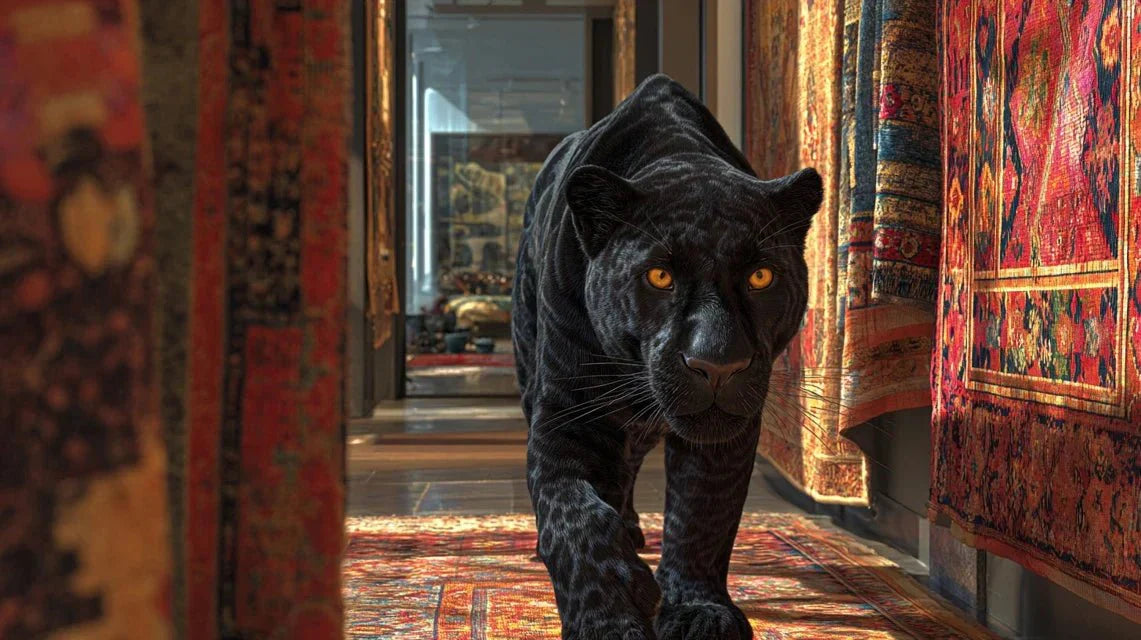
Imagine a black panther emerging from the shadows of a contemporary art gallery in Lagos. Its golden eyes fix the viewer as its powerful silhouette is drawn on a vibrant canvas of traditional colors. This scene, far from being fictional, perfectly illustrates the current fascination with African contemporary art for these majestic felines.
This attraction is not superficial. It reveals profound issues that touch upon the heart of modern African identity.
The black panther: a symbol of regained power
In today's African creative universe, the black panther tells a story of rebirth. The time when Africa was content to be subjected to Western representations is over. Now, artists take up the pen - or rather the brush - to tell their own story.
Take Abdoulaye Konaté, this Malian master who transforms traditional textiles into monumental works. In his creations, feline silhouettes leap between tradition and modernity. These panthers are not just animals: they embody a strong, sovereign Africa, capable of rivaling any global power.
This symbolism resonates in every artist's studio, from Dakar to Johannesburg. The panther becomes a metaphor for creative resistance, a continent that refuses erasure and claims its place on the world art scene.
Innovative techniques to capture the feline essence
How to represent the mortal grace of a panther with acrylic paint? Contemporary African artists have found their own answers. They skillfully play on contrasts: the deep black of the fur explodes on backgrounds of shimmering colors, creating a striking visual effect.
But innovation goes further. In African art galleries in Abidjan or Lagos, you will discover panthers made from recycled bottle caps, braided copper wire or ancient bogolan fabrics. This creative recycling aesthetic gives birth to hybrid creatures, both ancestral and futuristic.
Photography is no exception. African photographers use models and sets to evoke feline grace, creating compositions where humans and animals merge in an enchanting visual dance. This animal symbolism runs through all contemporary art mediums.
A fascination that translates a desire for positive representation
Why this obsession with black panthers? The answer is in the numbers: since 2018, 65% of works presented at the Dakar Biennale have incorporated feline references (Source: Dakar Biennale 2022 Report). This proportion reveals a fundamental trend in African biennials.
The explanation? For decades, Africa has been confined to negative stereotypes in the Western imagination. War, famine, poverty: these images have long dominated. Today, African artists are taking control of their visual narrative.
The global success of "Black Panther" amplified this movement. Suddenly, Africa discovered a superhero, a technologically advanced kingdom, a desirable aesthetic. African art galleries also report a 40% increase in sales of panther-themed artworks since 2018 (Source: African Art Market Report 2023).
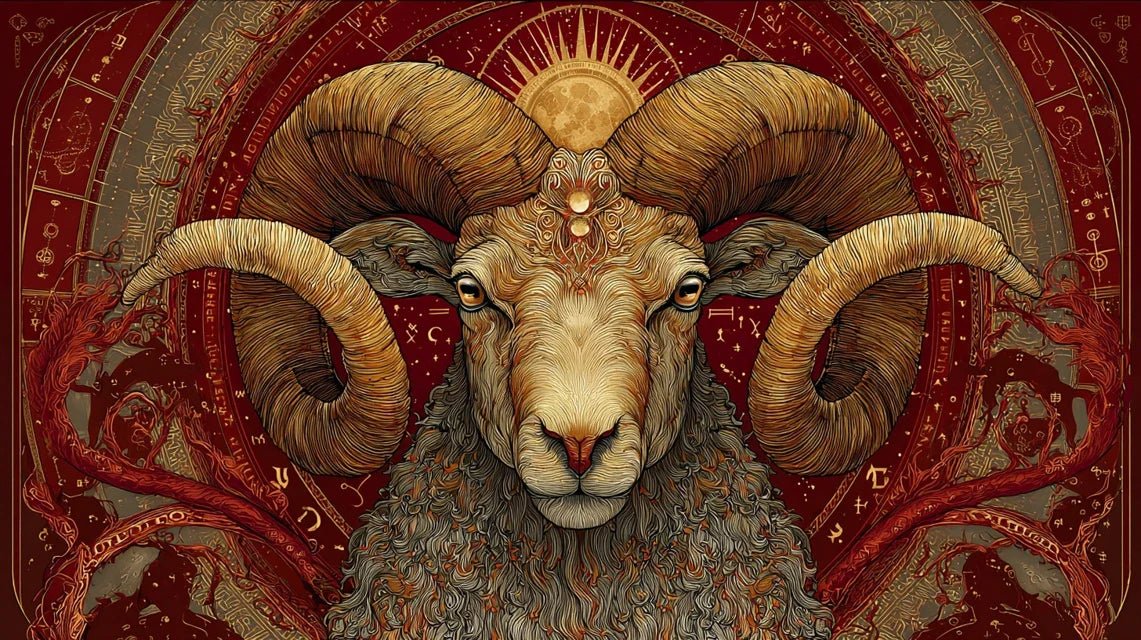
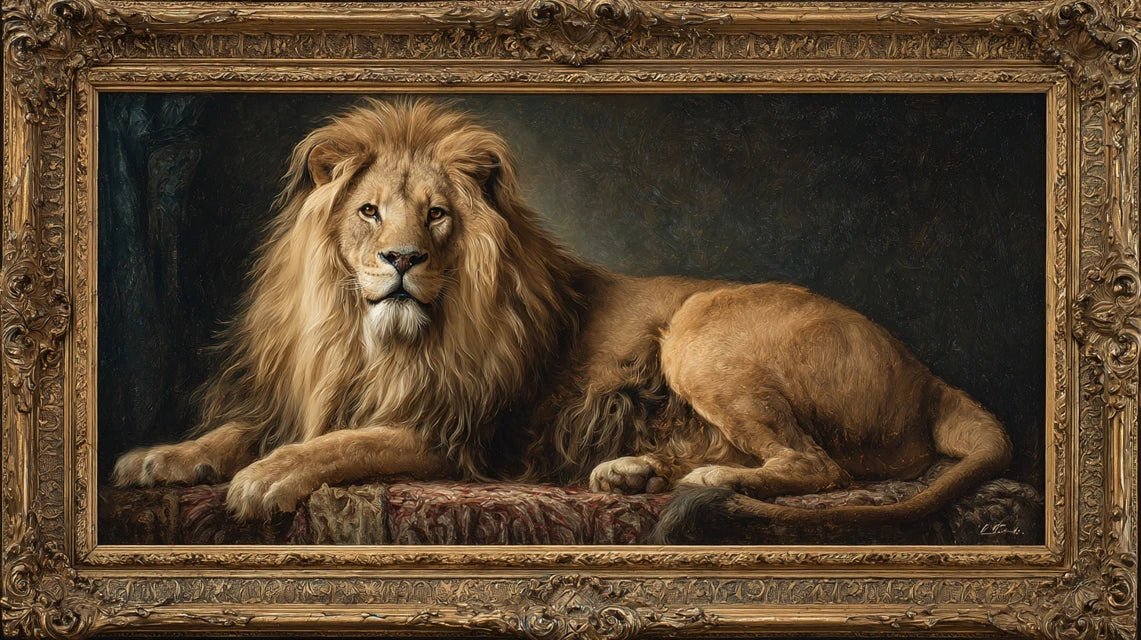
This creative appropriation finds its expression in a remarkable selection of animal paintings that celebrate this renewed artistic force.
The Black Panther legacy reinvented by African art
The Black Panther movement - both historical and cinematic - permeates contemporary African creation. But be warned: it is not a simple imitation. African artists appropriate these codes to create their own visual language.
The Afrofuturist aesthetic born from this influence blends fictional technologies and authentic cultural references. In Parisian workshops of artists from the diaspora as well as in African cultural centers, this hybridization produces fascinating works.
These creations question the present as much as the future: what would Africa be like without colonization? How to reconcile ancestral heritage with modern ambitions? The black panther becomes the vehicle for these fundamental questions.
When the panther questions modern African identity
At the heart of this artistic fascination lies an existential question: what does it mean to be African in the 21st century? The black panther offers a striking visual answer.
It embodies an idealized Africa - powerful, technologically advanced, respected - which contrasts sharply with the usual miserable representations. This alternative vision nourishes the imagination of a generation of artists seeking identity, often grouped in pan-African artistic collectives.
Reasons for this artistic fascination:
- Reappropriation of authentic African symbols of power
- Creative dialogue between ancestral traditions and globalized modernity
- Transformative influence of the international Afrofuturist movement
- Artistic response to persistent Western stereotypes
- Expression of an assumed and contemporary Pan-African identity
This approach is part of a broader dynamic of cultural decolonization. African artists impose their own aesthetic codes, create their own references and enrich the African visual heritage. The black panther then becomes much more than a decorative motif: it symbolizes a creative revolution in progress.
FAQ - Black Panthers and Contemporary African Art
Q: Why are black panthers so present in contemporary African art?
R: Black panthers symbolize power, sovereignty and cultural resistance. They allow African artists to create positive representations of Africa, contrasting with the usual Western stereotypes.
Q : Has the influence of the film "Black Panther" really impacted African art?
R : Absolutely. Since 2018, African art galleries have reported a 40% increase in sales of panther-themed artworks. The film amplified an existing trend by popularizing Afrofuturist aesthetics.
Q : What techniques do African artists use to represent black panthers?
R : Techniques vary: acrylic painting playing on contrasts, mixed installations using recycled materials, conceptual photography and assemblages of traditional textiles. This diversity reflects the creative richness of contemporary African art.