This morning, while passing in front of a Parisian shop window, I observed a salesperson despairing in front of his collapsed display. The adhesives had left sticky traces on the glass, and his Christmas decor lay on the floor. I've seen this scene dozens of times in my career as a visual merchandiser. Yet, the solution exists, and it is simpler than you might imagine.
Here's what a well-chosen suction cup fixing system brings to your shop windows: a reversible traceless installation, total flexibility to change your compositions every week, and reliability that protects your displays even in the face of temperature variations.
You may have already tried hanging decorative elements with standard suction cups, only to see them slide pathetically a few hours later. Or worse, you resigned yourself to drilling your shop windows, sacrificing their integrity for seasonal display. I intimately understand this frustration: in retail, every centimeter of window space counts, and every failed installation represents a missed opportunity to attract attention.
Rest assured, today's suction cups are nothing like those fragile bathroom accessories. Professional technologies now offer impressive load capacities and durable adhesion on all glass surfaces. I will guide you through the essential criteria for transforming your shop windows into infinitely renewable spaces of creative expression.
Professional suction cups: much more than a basic accessory
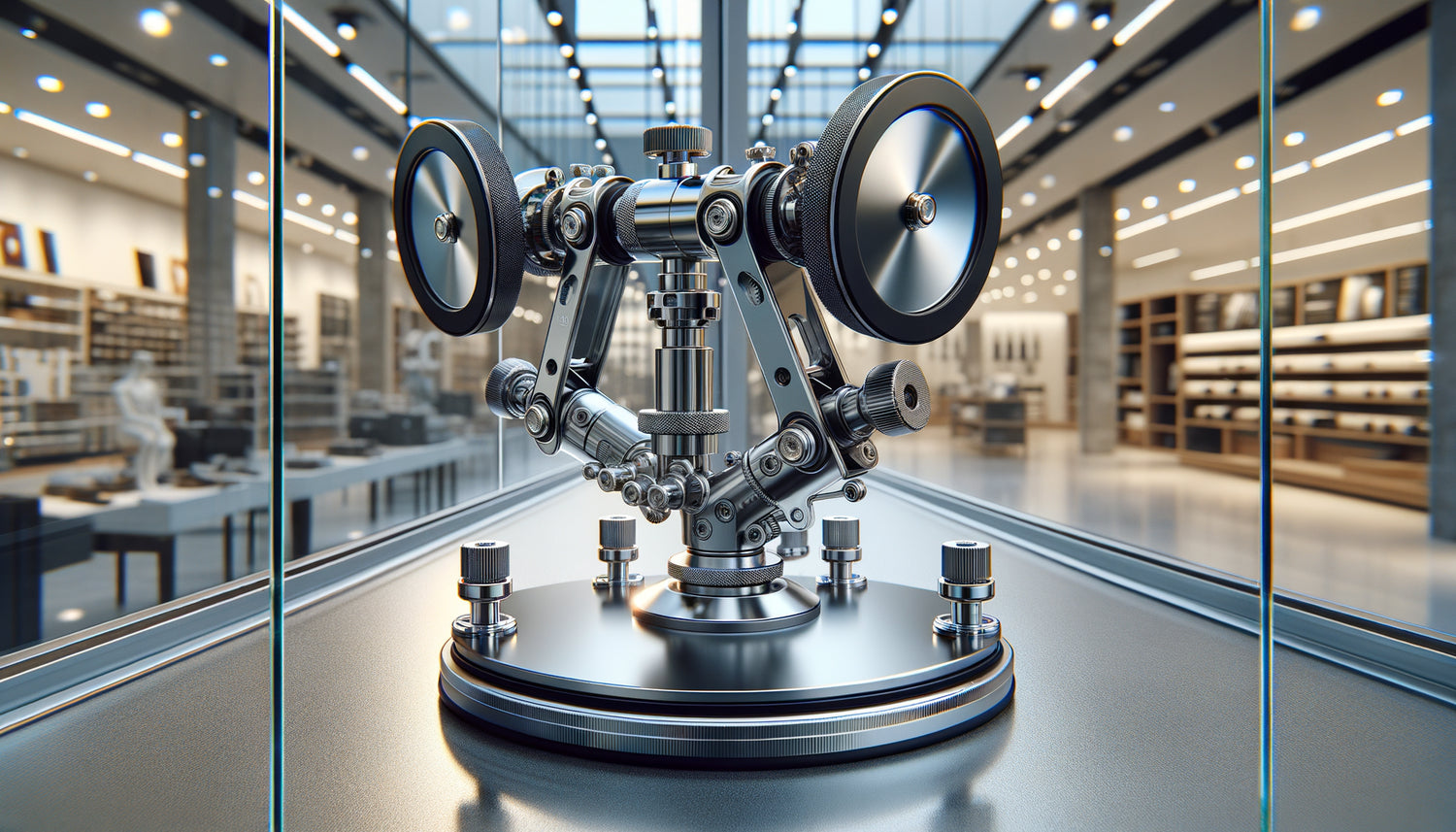
When training merchandising teams, the first question is always about load capacity. A standard suction cup supports approximately 500 grams, which is barely enough for a light frame. Leverage professional suction cups, on the other hand, can hold up to 10 kilograms on a perfectly smooth surface.
The secret lies in their mechanism: unlike classic suction cups that simply create a vacuum by compression, lever models generate a controlled depression. This technical difference completely transforms their performance. I have seen installations of decorative panels measuring 80 centimeters hold for six months in a row, resisting the drafts from automatic doors and temperature differences.
The material quality also makes all the difference. Medical silicone or high-density polyurethane retain their flexibility even after dozens of repositionings. Cheap PVC suction cups quickly harden, losing their adhesion capacity within just a few weeks. For a temporary installation that needs to last for several months, this initial investment quickly proves worthwhile.
The optimal diameter according to your project
Each project requires a specific size. For light suspensions such as string lights or posters, 40 to 60 mm suction cups are more than sufficient. They have the advantage of remaining discreet while ensuring stable fixation.
For decorative frames or more imposing structures, opt for suction cups with a diameter of 80 to 120 mm. Their wider contact surface distributes stress better and guarantees lasting hold. I recently equipped a concept store window with hanging plants weighing 3 kilos each: four 100 mm suction cups were enough to create a spectacular, changeable aerial composition every month according to the seasons.
Preparing the surface: the step everyone neglects
You can have the best suction cups on the market, they will systematically fail on a poorly prepared surface. This step, which I have too often seen rushed, determines 80% of your installation's success.
Start with a meticulous cleaning of your window display. Use a specific degreaser for professional glass cleaners, not just a standard household product. Invisible residues – fingerprints, microscopic dust, greasy film from urban pollution – create an imperceptible but prohibitive barrier to adhesion.
Then dry with a non-fluffy microfiber cloth. Moisture traces prevent the necessary air vacuum from being created. Wait a few minutes for the surface to reach room temperature if it was cold. I learned this lesson at my expense during a winter installation: suction cups slid relentlessly on the icy glass, despite their impeccable quality.
The water droplet test
Before any final fixing, perform this simple test: place a drop of water on your clean window display. If it spreads evenly, the surface is perfectly degreased. If it forms small beads, greasy residues persist. This trivial detail has saved me from countless failed installations over the years.

Rotating hook systems: the embodiment of versatility
For commercial windows where compositions change frequently, suction cups equipped with rotating hooks represent a remarkable solution. Their orientable fixing point allows you to adjust the suspension angle without detaching the suction cup, thus preserving initial adhesion.
These systems come in several configurations: single hooks for frames, double hooks for tensioned structures, or with closed loop for cables. I particularly use models with screw locking: once the perfect orientation is found, a simple turn of the screw locks the position permanently.
The beauty of these suction cups lies in their adaptability. Last summer, I transformed a storefront into an ephemeral gallery with eight rotating hook suction cups. We changed the arrangement every fifteen days without losing stability, creating a dynamic space that attracted passersby with its constant metamorphosis.
When conditions become extreme
Storefronts are not stable environments. Full south exposure generates temperatures exceeding 40°C in summer, while air currents from air conditioning systems create brutal variations. These constraints require reinforced suction cups specifically designed for extreme conditions.
Models with a reinforced peripheral seal offer superior resistance to thermal differences. Their double-layer structure compensates for material expansion, maintaining the vacuum seal even during temperature changes of 20°C. For heavily exposed storefronts, this feature is not a luxury but an absolute necessity.
I also discovered the effectiveness of integrated pump suction cups for long-term installations. They allow you to recreate the vacuum without disassembly, compensating for the slight natural loss that occurs after several weeks. A simple monthly activation guarantees impeccable hold for six months.
The pressure indicator: your invisible ally
Some professional suction cups incorporate a vacuum indicator, typically a small colored window that turns green when the depression is optimal. This function, seemingly anecdotal, eliminates any uncertainty during installation. You instantly know if your fixing is reliable or needs repositioning.

Composing with aesthetics: when the fixing becomes invisible
The main problem with suction cup fixings remains their visibility. In a carefully designed storefront, these technical elements can weigh down the overall look and harm visual harmony. Several strategies allow them to be integrated harmoniously.
Transparent suction cups blend naturally into the glass, becoming almost imperceptible from a few meters away. For aerial compositions, they create an illusion of levitation that is particularly striking. I created a suspended photographic frame installation that seemed to float in space, captivating viewers throughout the duration of the exhibition.
For installations where suction cups remain visible, turn this constraint into a creative asset. Colourful models coordinated with your graphic charter reinforce the visual identity. Black suction cups on a monochrome composition add an assumed industrial touch. The key is consistency: if your fixings are visible, they should actively participate in the aesthetic language of your storefront.
Systems with transparent cables extend this logic of invisibility. Combined with discreet suction cups, they allow you to create complex multi-level compositions without visually weighing down the space. For textile or plant suspensions, this solution offers an unparalleled lightness.
Transform your professional spaces into exceptional showcases
Discover our exclusive collection of wall art for real estate agencies that captures attention and instantly enhances your visual presentations.
Maintenance: extending the life of your suction cups indefinitely
A well-maintained professional suction cup can last for several years. After each disassembly, clean it carefully with warm soapy water, removing all accumulated dust. Dry it completely before storing it in a place away from direct light.
Flat storage preserves the shape of the suction cup and prevents permanent deformations. Absolutely avoid extreme temperatures: a garage in winter or an attic in summer irreparably deteriorates the material. A simple box at room temperature is sufficient to keep your suction cups in perfect working order.
Regularly inspect the contact edge. The slightest notch compromises the airtightness of the air vacuum. If you detect even a minor crack, replace the suction cup immediately. The cost of a new suction cup remains derisory compared to the potential damage of a decorative element that collapses in your storefront.
Visualize your transformed storefront
Imagine your next installation: decorative elements perfectly suspended, without drilling, without traces, modifiable at will according to your inspirations. Passers-by stop, intrigued by these compositions that seem to defy gravity. Your storefront becomes a living space, renewed with the seasons, collections, and your creativity.
The suction cup fixing system is not just a technical solution; it's an invitation to creative freedom. Start modestly: test with a small composition in a corner of your storefront. Observe the stability, adjust your techniques, then gradually amplify your ambitions. Each installation will teach you something new about the infinite possibilities of these small accessories with amazing capabilities.
The next time you walk past a captivating storefront where elements seem to float in space, look closely: you’ll probably discover these discreet suction cups that make the magic possible. And you'll know exactly how to create your own.
Frequently Asked Questions
How long can a professional suction cup last on a storefront window?
With proper installation on a perfectly clean surface, a quality professional suction cup can maintain its hold for 6 to 12 months without intervention. Lever or pump systems offer the best longevity. The duration mainly depends on three factors: initial cleaning quality, exposure to temperature variations, and the weight of the suspended item. For installations lasting more than three months, I recommend monthly checks with air vacuum reactivation if necessary. Suction cups with pressure indicators greatly facilitate this preventative monitoring. In my experience, premature failures almost always stem from insufficient surface preparation rather than a defect in the system itself.
Do suction cups work on all glass surfaces?
Suction cups adhere perfectly to smooth, non-porous surfaces: standard glass, polished acrylic, mirrors, glazed tiles. They consistently fail on textured, matte or porous surfaces that do not allow the necessary airtight vacuum to be created. Pay particular attention to storefronts with anti-reflective treatment or protective films: some microscopically rough coatings significantly reduce adhesion. Before any major project, always test a suction cup on your specific surface, leaving it under load for 48 hours. This simple precaution will prevent disappointments. Double glazing and tempered glass, commonly used in stores, offer excellent surfaces for suction cup fixings.
What is the maximum weight that can be suspended with a suction cup?
The load capacity varies enormously depending on the type of suction cup. Basic models support 500 grams to 1 kilo, while professional lever suction cups can reach 10 to 15 kilos per unit on a perfectly smooth surface. To determine the number of suction cups needed, systematically apply a safety factor of 2: if your item weighs 4 kilos and your suction cups each support 2 kilos, use 4 suction cups rather than 2. This margin compensates for temperature variations, progressive material wear, and dynamic stresses such as vibrations. For installations at height or above fragile items, I even recommend a safety factor of 3. Safety should never be compromised to save a few euros on additional fixings.