


The Influence of Artificial Intelligence on Contemporary Abstract Creation
October 11, 2025 · 3 min read · by Walensky
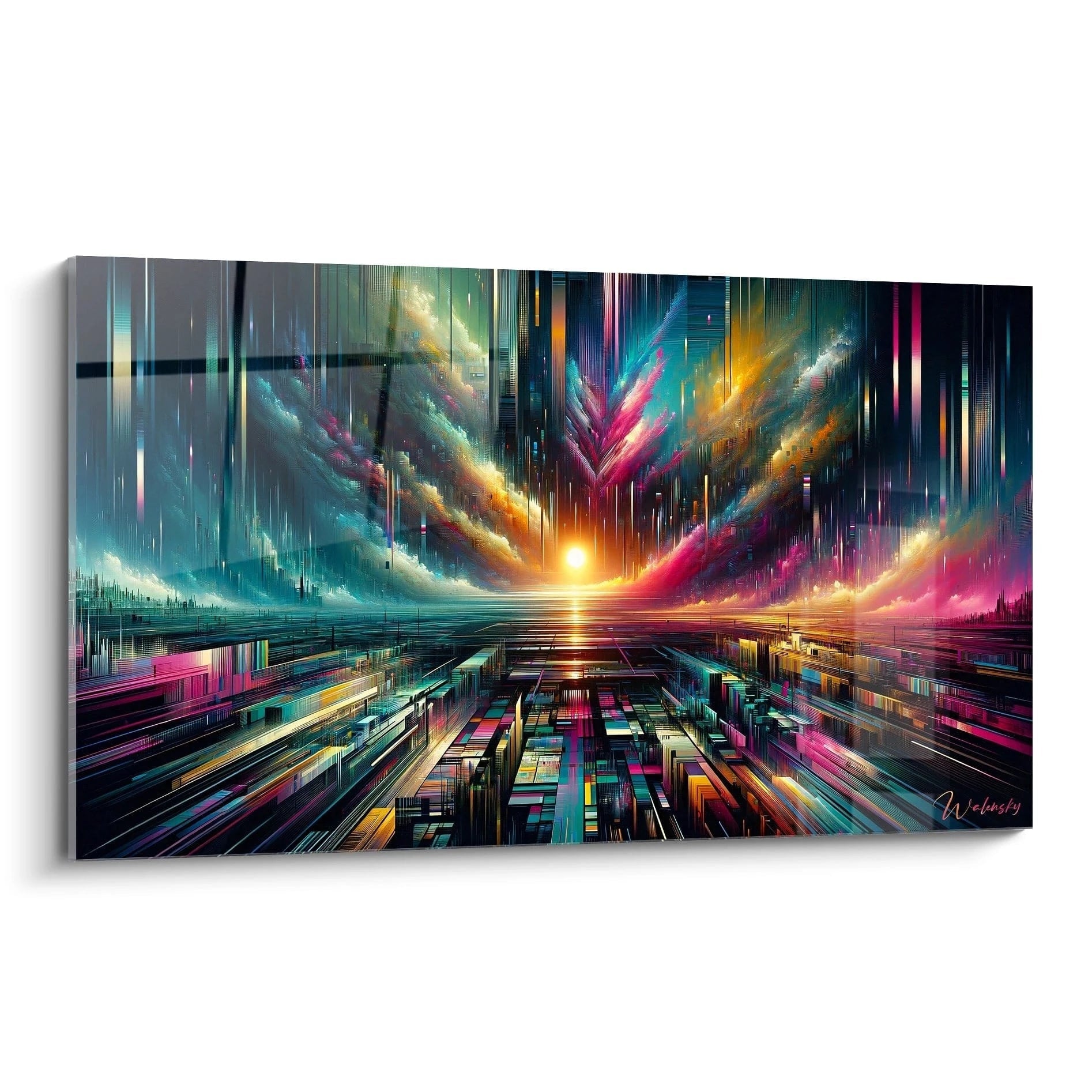
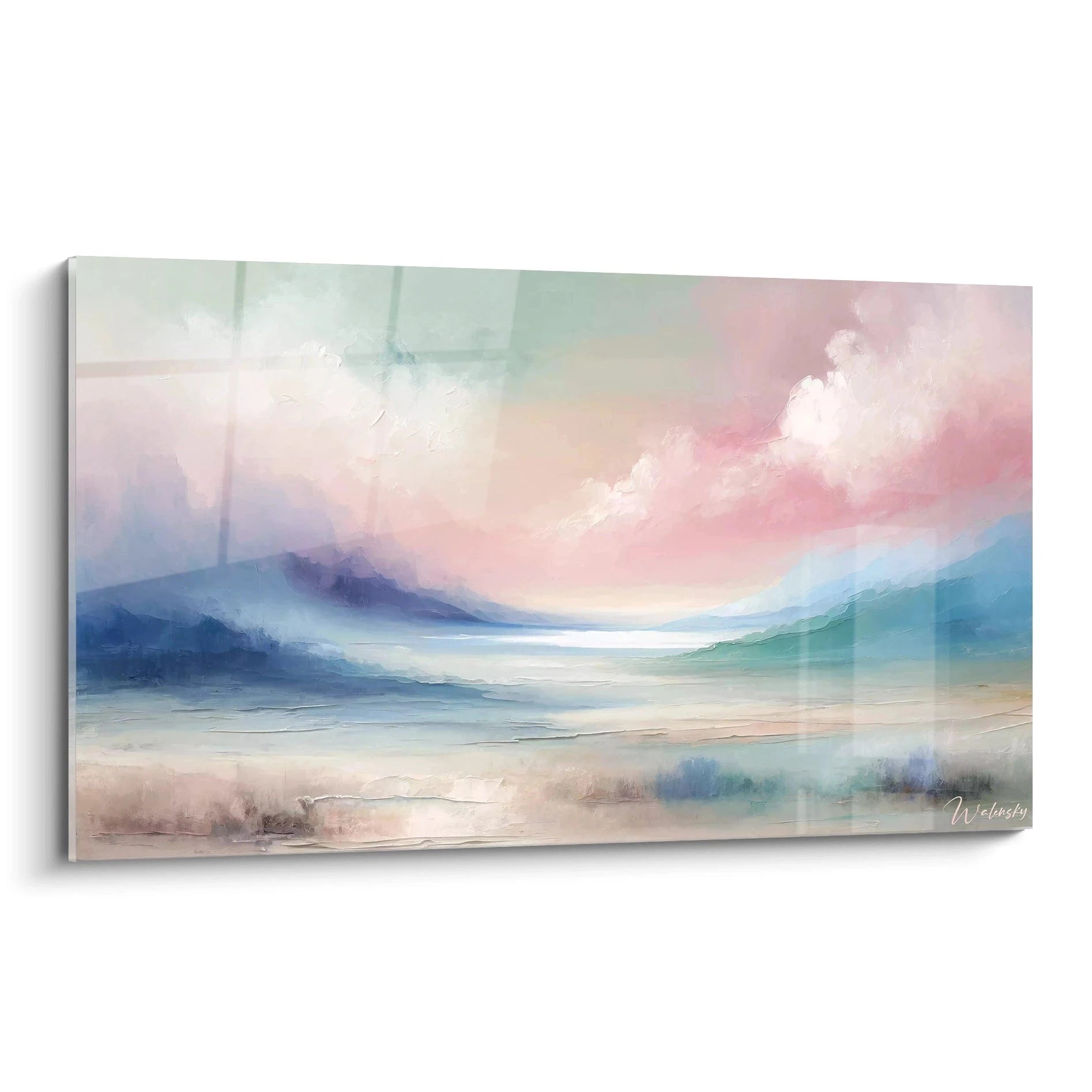
Artificial intelligence is radically transforming contemporary abstract creation, redefining the boundaries of artistic expression. This technological revolution disrupts traditional creative processes and opens up new avenues for aesthetic exploration that artists could never have imagined before.
Algorithms revolutionize contemporary abstract creation
Generative adversarial networks (GANs) are at the heart of this major contemporary artistic transformation. These sophisticated algorithms make it possible to generate unprecedented abstract compositions by analyzing thousands of existing works with remarkable and constant precision. According to recent statistics, 59% of galleries consider non-figurative art, including contemporary abstraction, as their primary genre (Source: Artsy 2023).
Artificial intelligence effectively automates the production of abstract forms by analyzing complex and nuanced visual patterns. Generative algorithms create infinite variations from defined parameters, allowing exploration of aesthetic territories completely unexplored by traditional methods. This revolutionary approach definitively frees the artist from the traditional technical constraints that previously limited their natural creativity.
The AARON system, developed by Harold Cohen as early as the 1960s, historically represents one of the first examples of artificial intelligence applied to abstract creation. This visionary precursor demonstrated that machines could generate original visual compositions, systematically paving the way for today's most advanced contemporary developments.
Artificial intelligence techniques to generate contemporary abstract works
Deep learning models meticulously analyze the compositional structures of thousands of abstract works in order to extract the underlying fundamental principles. These intelligent systems precisely identify subtle relationships between colors, shapes and textures characteristic of contemporary abstract art.
Advanced techniques strategically include:
- Neural style transfer which applies existing abstract aesthetics to new original compositions
- Variational autoencoders which generate creative variations on pre-existing abstract themes
- Evolutionary algorithms which evolve shapes according to precisely defined aesthetic criteria
- Diffusion models which create works of exceptional visual complexity
These revolutionary tools allow contemporary artists to create abstract paintings of unparalleled visual complexity, harmoniously combining human creative intuition and advanced computational power.

Practical Applications of Artificial Intelligence in Contemporary Abstract Art
Visionary artists like Mario Klingemann use artificial intelligence daily to create abstract portraits in real time, demonstrating the infinite possibilities of this revolutionary emerging technology. Interactive installations allow viewers to directly influence the generation of contemporary abstract works, creating a unique and captivating immersive experience.
Practical applications consistently include automatic generation of harmonious color palettes, optimization of compositions according to classic rules of visual balance, and creation of coherent series of abstract artworks. Artificial intelligence also analyzes market trends to predict future aesthetic orientations with remarkable increasing accuracy.
Refik Anadol recently exhibited an artificial intelligence-generated abstract work at the Museum of Modern Art in New York, intelligently using the museum's collection as a learning base. This major institutional recognition definitively confirms the artistic legitimacy of these new contemporary creative practices.
Optimization of Abstract Creative Processes by Artificial Intelligence
Artificial intelligence significantly accelerates the most demanding contemporary creative experimentation phases. Artists can now test thousands of compositional variations in just a few minutes, drastically optimizing their usual traditional creative process. This remarkable efficiency allows for in-depth exploration of particularly complex and sophisticated abstract concepts.
Optimization algorithms systematically analyze public reactions to contemporary abstract artworks, providing valuable data on the emotional impact of artistic compositions. This quantified feedback intelligently guides artistic choices towards greater resonance with demanding contemporary viewers.
The Evolution of Contemporary Abstract Creation with Artificial Intelligence
The <online art market> reached $10.8 billion in 2022, with a growth of 6% (Source: Hiscox 2023). Artificial intelligence significantly contributes to this remarkable expansion by democratizing access to contemporary abstract creation for new diverse audiences.
The progressive integration of artificial intelligence into contemporary abstract creation fundamentally redefines traditional notions of originality and artistic authenticity. Hybrid works, the result of collaboration between human and artificial intelligence, emerge as a perfectly legitimate new artistic category in the international contemporary landscape.
This major technological evolution foreshadows a future where artificial intelligence and contemporary abstract creation will completely merge to give birth to entirely new forms of artistic expression, constantly pushing the boundaries of human creative imagination towards unexplored horizons.
— Our selection


Explore our collections


