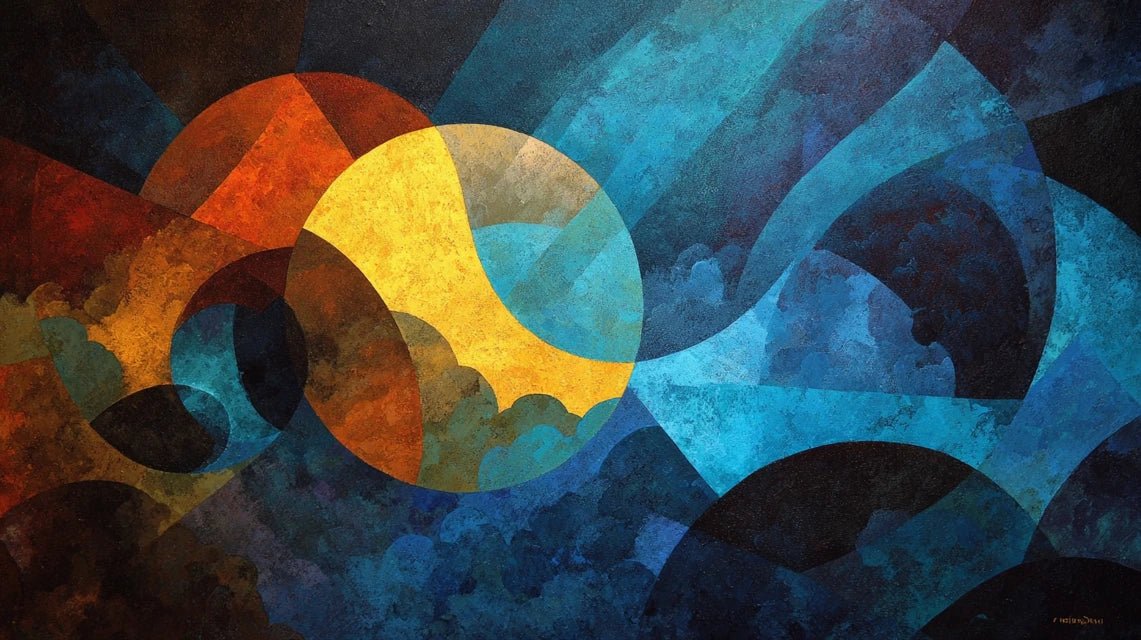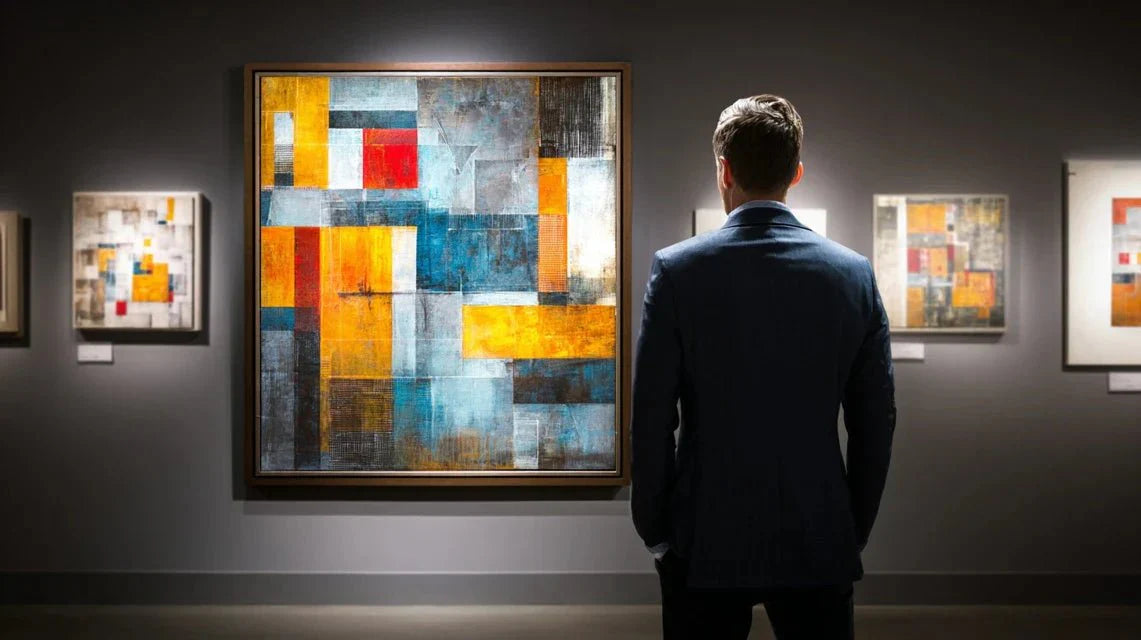
Investing in abstract art is now a major heritage opportunity, provided you master the valuation criteria that determine the success of an artistic investment. Unlike figurative works, abstract art requires a specific analytical approach to assess its growth potential and anticipate market trends.
Fundamental authentication criteria for investing in abstract art
Authentication is the first pillar for confidently investing in abstract art. Abstract works present particular authentication challenges due to their non-figurative nature and the constant stylistic evolution of artists.
- Mandatory certificate of authenticity: Each piece of abstract art must be accompanied by its certificate, issued by the artist, their heirs or a recognized expert in the field
- In-depth technical analysis: Careful verification of the materials, painting techniques and supports used helps to confirm the authenticity of the abstract work
- Documented provenance: The complete history of ownership and exhibition constitutes an essential guarantee for any investment in abstract art
Expert assessments reveal that 15% of contemporary artworks (Source: Artprice Report 2024) circulating on the market have authentication problems. This statistic underscores the crucial importance of verification before any investment.
Valuation techniques specific to abstract art
The valuation of abstract art relies on criteria distinct from figurative art, requiring sharp expertise to identify investment potential and growth opportunities.
- Creation period is decisive: Works from the artist's key periods (early abstraction, stylistic maturity) generally have the best valuations on the market
- Rarity and uniqueness: Unique pieces or very limited editions of abstract art benefit from a higher valuation potential and sustained demand
- Optimal condition: Any alteration or poorly executed restoration can drastically reduce the value of an abstract art investment
The price index of abstract artists such as Kandinsky or Mondrian has increased by 8.9% annually since 2000 (Source: Artprice100 Index), demonstrating the solidity of these investments in the long term. To enrich your collection and discover exceptional pieces, explore this selection of abstract paintings that perfectly illustrate these valuation criteria.
Combining quality criteria and investment potential for abstract art
Qualitative assessment of abstract art requires cross-referencing several indicators to determine the valuation potential of a work and its relevance in a heritage strategy.
- Artist's reputation: International recognition, museum exhibitions and presence in institutional collections directly influence future valuation
- Technical execution quality: Mastery of color games, geometric or gestural compositions determines the excellence and uniqueness of an abstract work
- Stylistic innovation: Works marking a break or major evolution in the artist's career have exceptional valuation potential
Market analyses indicate that abstract art works from the 1950s-1980s have recorded the best investment performance, with average valuations of 12% per year (Source: Art Market Report 2024).
Optimizing purchase criteria to maximize valuation
The purchase strategy should integrate all valuation parameters to optimize the return on investment in abstract art and minimize risks.
- Strategic acquisition timing: Acquiring before a major exhibition or retrospective can multiply valuation by two or three depending on media impact
- Optimal size and format: Medium formats (80-120 cm) generally offer the best balance between accessibility and market valuation potential
- Recognized galleries and intermediaries: Relying on established professionals guarantees authenticity and greatly facilitates future resale
Maintaining the valuation of abstract art investments
The preservation of value requires constant attention to conservation conditions and the dynamic evolution of the art market.
- Professional conservation: Controlled temperature, humidity and exposure to light preserve the physical integrity of the work over time
- Specialized insurance: Appropriate coverage protects the investment against risks of theft, degradation or natural disaster
- Regular price tracking: Evolution of auction and gallery prices allows for intelligent adjustment of asset management strategy
Investment in abstract art, framed by these rigorous valuation criteria, constitutes a relevant diversification. Average annual returns of 6 to 8% (Source: Art Basel & UBS Global Art Market Report) observed in this segment, coupled with the decorrelation from traditional financial markets, make it a choice investment for informed investors wishing to enrich their portfolio.