Abstract art revolutionizes contemporary urban planning by transforming our cities into open-air galleries. This aesthetic approach redefines urban beautification through artistic interventions that transcend traditional codes of territorial development. European metropolitan areas are massively adopting this innovative creative approach to revitalize public spaces and create a distinctive visual identity.
Abstract forms in modern urban architecture
Abstract art is now established as a universal architectural language in contemporary international urban planning. Geometric lines and colorful compositions radically transform the perception of urban spaces. This sophisticated artistic integration goes beyond simple decoration to become a structuring element of modern cities.
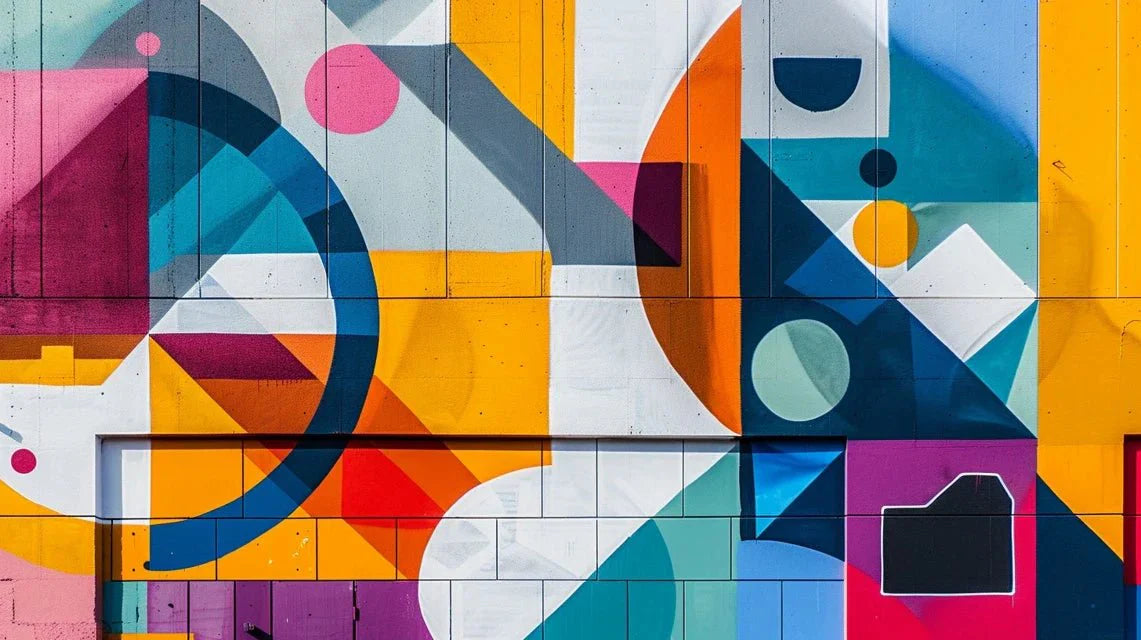
Building facades are now adorned with monumental abstract motifs that harmonize with the existing architectural environment. These creative interventions create a sophisticated visual harmony between old buildings and contemporary constructions, generating a unique and recognizable urban identity. Parametric architecture directly influences these contemporary urban abstract creations.
Blank surfaces of industrial buildings become privileged supports for these bold artistic expressions. This aesthetic transformation enhances the built heritage while modernizing the image of entire neighborhoods.
Techniques for integrating abstract art into public spaces
The successful integration of abstract art in urban planning relies on several proven and innovative techniques:
- Abstract mural painting on large urban surfaces
- Geometric sculptures in pedestrian areas
- Light installations with clean and interactive shapes
- Floor coverings with colorful and resistant abstract motifs
These techniques allow for a harmonious appropriation of public spaces by citizens of all ages. Abstract art creates distinctive visual landmarks that facilitate urban orientation while enhancing the daily lives of residents. Innovative materials such as photocatalytic paints contribute to urban depollution while maintaining the brilliance of the artworks.
Abstract art as a tool for beautifying urban facades
Abstract urban facades represent 65% of municipal beautification projects according to recent data (Source: Urban Art Observatory 2024). This trend illustrates the remarkable effectiveness of abstract art in revitalizing neighborhoods that have lost economic and social appeal.
The strategic use of vibrant colors and geometric shapes on blank walls instantly transforms the atmosphere of an entire street. These artistic interventions generate a measurable positive economic impact: a 23% increase in commercial traffic in areas enhanced by abstract art (Source: Economic Impact Study of Urban Art 2024).
Local authorities are massively adopting this approach to beautify their cities at a lower cost compared to traditional renovations. A collection of abstract artworks can inspire these large-scale urban projects and guide municipal color choices.
Concrete applications of abstract art in urban renovation
Urban renewal projects now systematically integrate abstract art as a lever for social and spatial transformation. Public squares redesigned around monumental abstract compositions become privileged meeting places and intergenerational socialization spaces.
Abstract art is massively used in:
- Urban signage with clean and functional visual codes
- Play areas equipped with colorful and geometric, secure equipment
- Public gardens structured by permanent abstract sculptural works
- Pedestrian crossings decorated with contemporary anti-slip graphic patterns
These concrete applications demonstrate the exceptional versatility of abstract art in sustainable urban beautification. Each intervention scrupulously respects the historical identity of the neighborhood while bringing an assumed modernity and renewed attractiveness.
Optimizing the visual impact of abstract works in cities
The visual optimization of abstract artworks in urban environments requires a rigorous and multidisciplinary scientific approach. Calculated color contrasts and balanced geometric proportions directly determine the effectiveness of beautification on urban behavior.
Behavioral studies reveal that balanced abstract compositions reduce pedestrian stress by 18% (Source: Institute of Environmental Psychology 2024). This objective and measurable data fully justifies public investment in urban abstract art as a public health policy.
The durability of outdoor abstract works requires materials specifically resistant to weathering and urban pollution. High-resistance acrylic paints and anti-UV coatings guarantee lasting beautification of the city for decades.
Abstract art thus definitively transcends its traditional decorative function to become a urban planning tool in its own right, actively participating in the construction of a harmonious, stimulating and economically viable quality of life.