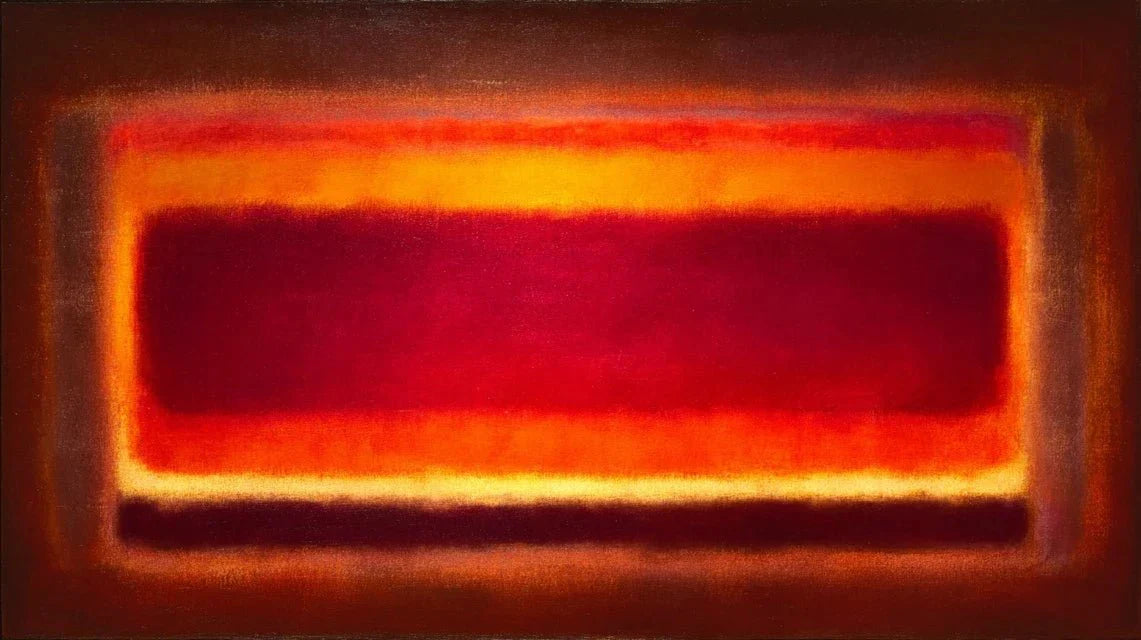
Abstract art in disability support revolutionizes traditional therapeutic approaches by offering total freedom of expression to people with disabilities. This innovative artistic practice, devoid of figurative constraints, allows participants to break free from the limitations imposed by their condition to access an authentic and deeply liberating form of non-verbal communication.
Specifics of abstract art in disability support
Abstract art fundamentally distinguishes itself from representational art in the specialized context of disability support. Unlike realistic representations, which can generate frustration in some disabled people, abstract expression eliminates the pressure to perform and conventional aesthetic standards. This liberating approach allows participants not to faithfully reproduce an object or a scene, thus eliminating the fear of failure while promoting creative fulfillment.
This method is particularly beneficial as it only solicits the preserved abilities of the person, without emphasizing their deficiencies. Art therapy has scientifically demonstrated its benefits for people with intellectual disabilities and for those suffering from physical or psychological distress. Abstract art amplifies these benefits by allowing a spontaneous expression of emotions through colors, shapes and textures, creating a personal and authentic visual language.
Abstract art techniques adapted to different types of disability
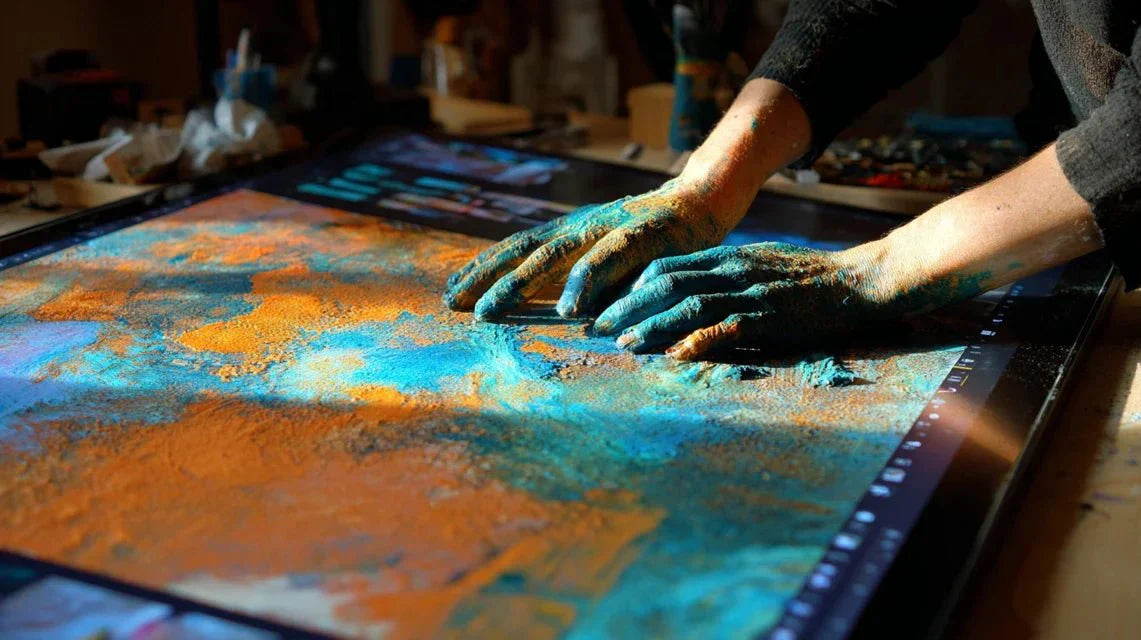
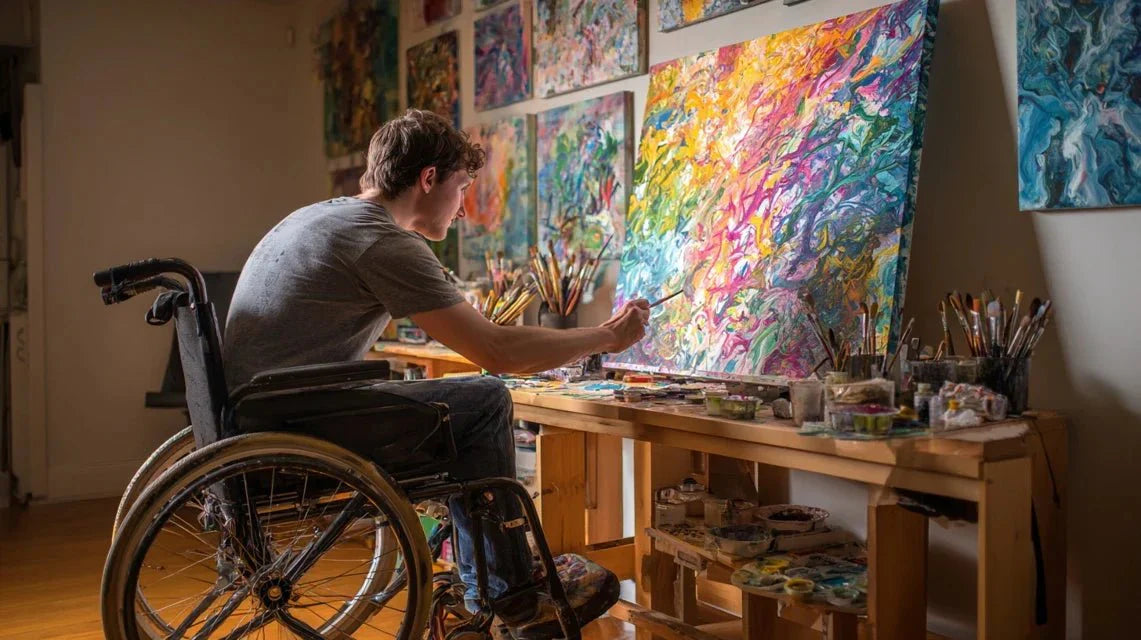
In this therapeutic perspective, adapting techniques is a major challenge. For people with motor disabilities, abstract art adapts perfectly to specific physical limitations. Projection painting techniques, stamping or the use of ergonomic tools allow rich works to be created without requiring precise fine motor skills. The abstract paintings created during these workshops often testify to a remarkable emotional intensity and striking authenticity.
The approach is adapted according to specific needs:
- Psychological disability: Abstraction allows the expression of complex feelings difficult to verbalize
- Mental disability: Simple shapes and bright colors stimulate cognitive abilities
- Sensory disability: The tactile exploration of materials enriches the creative experience
According to statistics from AFRATAPEM, 97% of patients who have followed art therapy programs show a significant improvement in their well-being (Source: AFRATAPEM).
Practical applications of abstract art in disability support
These techniques find application in various institutional settings. In medical care homes, abstract art naturally integrates into personalized support programs. The art therapist accompanies individuals on their productions while adapting the tools to their deficits. Structured sessions can include diverse creative approaches adapted to individual needs.
Gesture painting particularly promotes the release of bodily tension in people with spasticity. The broad movements necessary for abstract creation constitute a natural therapeutic exercise that gradually improves motor coordination and overall body expression.
Parallel to this, the use of various supports (canvases, boards, fabrics) allows adapting the activity to individual capabilities. Some participants prefer large surfaces for expansive gestures, while others favor reduced formats corresponding to their specific motor possibilities.
Optimizing abstract art sessions for disability support
To maximize therapeutic effectiveness, assessing progress in abstract art relies on adaptive criteria rather than conventional aesthetic standards. The art therapist must ensure that their proposals are adapted to the disability. That they are neither too demanding nor too far below the subject's actual capabilities.
This personalization translates into a progressive evolution of therapeutic objectives according to the phases of support. The first step aims at familiarization with materials, then spontaneous expression develops, culminating in the emergence of a personal plastic language. This progression scrupulously respects the individual pace of each participant.
Furthermore, environmental adaptation plays a crucial role in the success of sessions: appropriate lighting, comfortable temperature, optimal accessibility of materials. These elements directly condition the effectiveness of abstract art sessions in disability support.
Sustainability and evolution of abstract art in disability support
The sustainability of these approaches requires a long-term vision. Maintaining achievements requires regular practice and constant evolution of innovative artistic proposals. The WHO recognizes the benefits of art therapy for mental and physical health, confirming the strategic importance of sustaining these therapeutic approaches.
Prospects for development are oriented towards the integration of digital technologies allowing people with reduced mobility to create abstract works by voice or eye command. These technological innovations open up new horizons for abstract art in disability support, guaranteeing ever greater accessibility and a truly limitless artistic expression.