


Zen Watercolor Lotus Wall Art
The Zen Watercolor Painting Lotus embodies the quintessence of Asian serenity. This collection celebrates the delicate beauty of the lotus through creations where watercolor nuances blend into perfect harmony. Each work captures the essence of meditation and calm, offering a zen watercolor decoration for your interior. Soft hues and refined compositions invite contemplation. Ideal for creating a soothing atmosphere, this lotus painting soothing transforms every space into a sanctuary of peace and elegance.
 Lotus Painting Pure Grace - lotus flower edition213,90 €
 Lotus Inner Peace Wall Art - lotus flower edition213,90 €
 Lotus Flower Eternal Grace Painting - Lotus Flower Edition233,90 €
 Spiritual Harmony Artwork - Zen Buddha Edition233,90 €
Explore further
In Zen Watercolor Lotus Wall Art
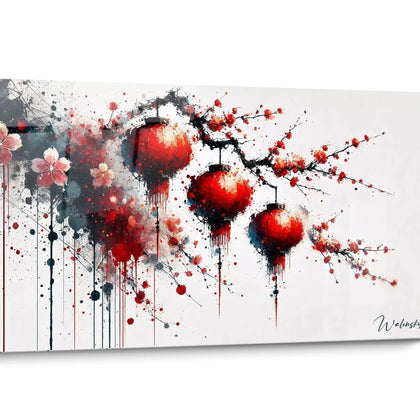
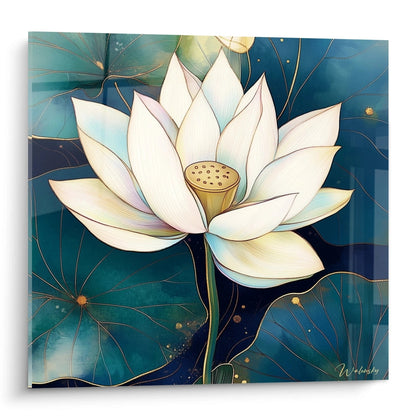
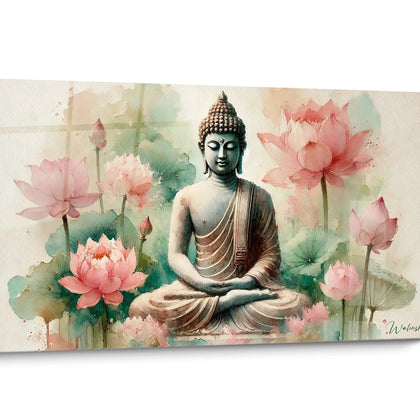
All about Zen Watercolor Lotus Wall Art
- Zen Watercolor Lotus Wall Art Presentation
- Symbolism and Energy
- Meditation and Serenity
- Wellness Spaces
A zen watercolor lotus painting represents far more than simple wall decoration: it embodies the spiritual purity and inner awakening inherent to the Buddhist tradition. The delicate watercolor nuances capture the ethereal essence of this sacred flower, a universal symbol of rebirth and transformation. Each translucent gradient evokes the natural purity of the lotus emerging immaculate from troubled waters, a powerful visual metaphor for any space dedicated to rejuvenation. These large-scale artistic creations instantly transform yoga studios, alternative therapy offices, meditation rooms or bedrooms into true sanctuaries of peace. The watercolor painting approach imparts an organic fluidity that distinguishes these works from digital or photographic representations, creating an authentic emotional connection with zen philosophy.
The Symbolism of Lotus in Watercolor Zen Art
The zen watercolor lotus painting draws its strength from the millennia-old symbolic richness of this aquatic plant revered throughout Asia. In Buddhist tradition, the lotus represents the soul's capacity to rise above material desires, its roots anchored in mud symbolizing earthly attachment while its immaculate flower embodies spiritual illumination. This duality finds perfect visual expression in watercolor techniques, where translucent pigments create subtle transitions between deep shadows and ethereal lights.
Why choose a watercolor representation of the sacred lotus?
Watercolor possesses an intrinsic meditative quality that resonates deeply with zen philosophy. Unlike opaque mediums, it reveals layers of transparency where light appears to traverse the delicate lotus petals. Artists specialized in this style exploit fusion and granulation effects to evoke the impermanence dear to Buddhism. Each wash suggests the movement of water, the natural element inseparable from the lotus, creating a visual harmony that instantly soothes the observer.
Chromatic nuances bearing spiritual significance
In our collection of zen watercolor paintings, the lotus color variations are never arbitrary. The pink lotus evokes spiritual devotion and represents Buddha himself, while the white lotus embodies mental purity and spiritual perfection. The blue lotus, rarer, symbolizes wisdom and knowledge, particularly prized in spaces dedicated to study or contemplative practice. Artists use natural pigments that retain their luminosity over the years, ensuring that your decorative investment maintains its visual and energetic impact.
Integrating wabi-sabi into watercolor aesthetics
The Japanese concept of wabi-sabi, which celebrates the beauty of imperfection and the ephemeral, finds its ideal expression in a zen watercolor lotus painting. Spontaneous drips, variations in intensity and preserved white areas are not flaws but testimonies to artistic authenticity. This approach contrasts radically with the mechanical perfection of digital prints, offering a unique work whose subtleties reveal new details with each contemplation. For discerning collectors, these controlled irregularities become the signature of a genuine creation, increasing the emotional and spiritual value of the acquisition.
Cultivating Deep Meditation with Watercolor Lotus
A zen watercolor lotus painting acts as a meditative focal point in daily contemplative practices. Meditation masters have recommended floral visualization as an anchoring technique for centuries, and the physical presence of a watercolor representation considerably amplifies this practice. Soft gradients naturally guide the gaze toward the composition's center, fostering the mental concentration necessary for deep meditative states. The imposing formats available create an immersive visual field that facilitates disconnection from external stimuli.
How does the watercolor lotus influence mindfulness sessions?
During mindfulness meditation, attention alternates between breathing and a contemplation object. The lotus, with its natural spiral geometric structure and concentric petal layers, offers visual complexity that sustains attention without over-stimulating it. Watercolor techniques create areas of variable clarity where the eye can gently wander, mimicking the mental process of releasing thoughts. Practitioners report significant improvement in their ability to maintain concentration when such a visual support structures their practice space.
The chromotherapeutic effect of watercolor tints
Diluted watercolor colors exert documented chromotherapeutic influence on the nervous system. Emerald green tones of lotus leaves promote emotional balance and stimulate the heart chakra, while delicate pinks soothe anxiety by naturally lowering heart rate. This therapeutic palette proves particularly beneficial in holistic care environments: naturopathy offices, reiki centers, energetic massage rooms. The absence of aggressive or saturated colors protects the sensitivity of people undergoing emotional healing processes.
Ritualizing space with permanent plant presence
Unlike living plants that demand maintenance and renewal, a zen watercolor lotus painting offers a permanent plant presence that ritually structures space. Its fixed position creates a spatial landmark for daily practices: morning yoga, evening meditation, qi gong exercises. This visual consistency anchors spiritual routines in the physical environment, reinforcing the neural associations between location and practice. The generous dimensions available allow you to create a true visual altar without clutter or maintenance, the ideal solution for restricted urban spaces where every square meter counts.
Transform Wellness Spaces with Watercolor Lotus
Wellness professionals recognize that a zen watercolor lotus painting constitutes a strategic investment for the therapeutic atmosphere of their premises. In a yoga studio, it instantly establishes spiritual intention upon entry, mentally preparing participants for practice. Meditation centers use it as a focal architectural element that visually structures space without requiring physical partitions. Natural light interacts beautifully with semi-transparent watercolor surfaces, creating subtle variations throughout the day that keep the space alive and breathing.
What size should you choose for maximum impact in a therapeutic space?
Imposing formats, starting from 100 cm width, generate the immersion necessary in spacious professional environments. A large-scale zen watercolor lotus painting creates a visual landscape that fills the peripheral visual field, a crucial element for mental disconnection. In collective meditation rooms, position it facing participants at eye level in seated position, typically 80-100 cm from the floor. This elevation allows natural contemplation without neck tension during extended sessions. Individual therapists often prefer vertical formats (portrait orientation) that accompany the energetic elevation sought during treatments.
Creating synergy with Oriental energy practices
The watercolor lotus integrates harmoniously with traditional Chinese medicine and Ayurveda protocols. Its universal symbolism of purification resonates with the energetic detoxification objectives of shiatsu and acupuncture. Feng shui practitioners recommend its placement in the health zone (east) or spirituality zone (northeast) of the bagua to amplify therapeutic intentions. The water element inherent to the lotus balances spaces dominated by fire element (heated Bikram yoga rooms) or earth element (massage rooms with earthy tones), creating the five-element harmony sought for optimal chi.
The sustainable alternative to living plant installations
Wellness spaces facing humidity constraints, insufficient lighting or allergen issues find in the zen watercolor lotus painting the ideal aesthetic solution. No watering, no repotting, no dead leaves to clean, while maintaining the soothing presence of the plant kingdom. This permanence guarantees impeccable visual consistency for professional photographs intended for marketing materials, with no risk of withered plants compromising brand image. The large formats available visually compensate for the absence of three-dimensional volume with their imposing wall presence, creating a focal point as powerful as a complex botanical installation.
Where should you place a zen watercolor lotus painting in a bedroom?
Favor the wall facing the bed to benefit from its soothing presence upon waking and before sleep. This position promotes subconscious integration of the lotus's symbolic qualities during sleep, a period of optimal mental regeneration.
Is a zen watercolor lotus painting suitable for commercial relaxation spaces?
Absolutely, urban spas, holistic beauty institutes and zen tea salons adopt it to create a differentiating atmosphere that reflects premium positioning. Its sophisticated aesthetic reassures demanding clients about the quality of services offered.
How do you maintain a large-scale zen watercolor lotus painting?
Simple monthly dusting with a dry microfiber cloth suffices. Avoid direct exposure to intense sunlight which could alter the delicate pigments. In humid environments like bathrooms adjoining bedrooms, ensure adequate ventilation to preserve the support's integrity.
Further reading
Our articles on this topic
- Zen Wall Art: Beyond the Cliché, a True Source of Centering
- Why Do Zen Wall Art Avoid Superfluous Details?
- Why a Zen Artwork is an Excellent Decor Gift?
- Zen Artwork and Lighting: The Importance of Light Play
- How to Position a Zen Artwork to Optimize Its Calming Effect?
- How to Choose Calming Wall Art for a Zen Bathroom?


