


Zebra Luxury Golden Wall Art
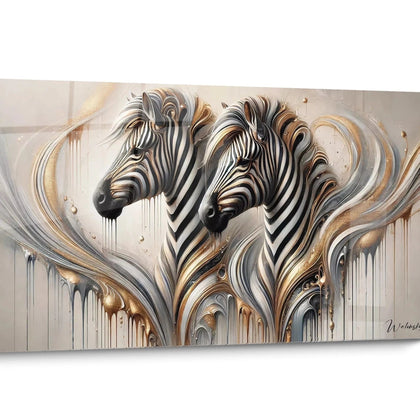
The Painting Luxury Zebra Golden embodies the perfect alliance between wild majesty and precious elegance. This collection celebrates the iconic beauty of the zebra enhanced by refined golden touches, creating a high-end wall decoration for sophisticated interiors. Each artwork captures the natural grace of the iconic animal while imbuing it with a luxurious and contemporary dimension. Perfect for bringing a touch of golden safari chic to your living room, office or bedroom, this unique style transforms your walls into an exclusive art gallery.
 Zebra Drinking - Golden Reflections - African Animals Edition273,90 €
 Zebra Drinking - Golden Reflections - African Animals Edition273,90 €
 Golden Stripes Wall Art - Zebra Animals Edition273,90 €
 Poetry in Black and White Wall Art - Zebra Animals Edition273,90 €
Explore further
In Zebra Luxury Golden Wall Art

All about Zebra Luxury Golden Wall Art
- Golden Luxury Zebra Painting Presentation
- Prestigious Golden Decoration
- High-End Ambiances
- Selection and Installation
The golden luxury zebra painting establishes itself as a centerpiece to enhance demanding spaces. This reinterpreted animal representation with golden finishes transcends simple wall decoration to become a genuine contemporary art object. The alliance of the zebra, symbol of character and wild elegance, with the precious brilliance of gold creates a distinctive work that instantly captures attention and dialogues with the noble materials of your interior.
The Excellence of Gilded Zebra in Contemporary Decoration
When Golden Finishes Meet African Wildlife
The golden luxury zebra painting combines the graphic intensity of zebra stripes with the sophistication of golden metallic accents. These golden applications can take different forms: luminous reflections on black stripes, patinated background with aged gold tones, or brilliant highlights emphasizing the animal's musculature. This technique transforms a classic animal representation into a high-end creation that rivals investment art pieces.
The variations in gilding determine the overall atmosphere: rose gold evokes refined modernity, classic yellow gold reinforces the majestic aspect, while champagne gold brings muted elegance. For prestigious commercial spaces such as luxury boutiques or five-star hotel lobbies, this type of representation immediately establishes premium positioning.
Harmonization with Noble Materials of Interior Architecture
The successful integration of a golden luxury zebra painting relies on coherence with existing finishes. In an environment featuring polished brass fixtures, golden handles, or mirrors with copper frames, this work establishes natural color continuity. Interior designers favor this association to create visual threads that unify the space without falling into uniformity.
White marbles veined with gold, cerused oak flooring, and pearl gray velvet constitute ideal partners. The golden luxury zebra painting collection offers different interpretations of this theme to adapt to varied color palettes. For large wall surfaces in duplexes or professional spaces, prioritize imposing formats that assert their presence without requiring multiplication of decorative elements.
How does gilding transform the perception of the zebra?
Adding gold radically modifies the symbolic reading of the animal. While the traditional zebra evokes wild Africa and natural authenticity, its gilded version convokes the universe of luxury, rarity, and prestige. This visual metamorphosis creates a fascinating aesthetic tension between raw nature and urban sophistication, particularly sought after in high-end contemporary interiors that flee conventional decorative codes.
Creating Exceptional Ambiances with the Gilded Zebra Theme
Prestigious Residential Spaces and Real Estate Value Enhancement
In exceptional properties, the golden luxury zebra painting acts as a standing marker. Interior architects use it strategically in reception spaces to create a memorable focal point. A cathedral salon with double ceiling height finds its visual balance thanks to a large-scale golden animal representation that compensates for vertical emptiness and anchors the gaze.
Urban penthouses particularly benefit from this aesthetic that dialogues with panoramic city views. The contrast between represented wild nature and external urban environment generates creative tension appreciated by contemporary art collectors. For transition spaces such as private entrance halls or wide corridors, this luxurious work immediately establishes the refinement level of the residence.
Which commercial environments valorize this gilded aesthetic?
Premium hotel establishments massively adopt this theme for their common spaces. Boutique hotel lobbies, sophisticated cocktail bars, and fine dining restaurants find a distinctive visual signature. A panoramic-format golden luxury zebra painting can structure an entire bar wall, creating an ambiance that is simultaneously animal and glamorous, distinguishing itself from conventional décors.
High-end automotive showrooms, premium beauty institutes, and VIP spaces use this representation to reinforce their exclusive positioning. The zebra-gold association simultaneously evokes power, elegance, and rarity – values sought by luxury brands. Business law firms and international group headquarters integrate it to humanize professional spaces while maintaining a prestigious image.
Chromatic Associations to Amplify Visual Impact
The deep black of zebra stripes significantly enriches when surrounded by charcoal gray, navy blue, or deep forest green. These dark tones create a setting that makes golden elements stand out with maximum intensity. For a particularly striking dramatic effect in formal dining rooms, combine a golden luxury zebra painting with textured wallpaper in these deep shades.
Conversely, on an immaculate white wall or very light gray, the work asserts itself as a powerful graphic punctuation. This minimalist approach suits renovated industrial lofts where maximum contrast structures the space. The addition of golden decorative accessories – vases, sculptures, photo frames – in the same area reinforces coherence without visual overload, provided you respect the proportion rule: the main work must visually dominate its complements.
Selecting and Showcasing Your Golden Zebra Painting
Selection Criteria for Durable Decorative Investment
The quality of golden finishes constitutes the decisive criterion. Superior-grade metallic applications resist tarnishing and preserve their brilliance for decades, unlike cheap imitations that oxidize rapidly. Examine the depth of black in the stripes: a deep, almost velvety black offers optimal contrast with gold and guarantees powerful visual presence even in well-lit spaces.
For large spaces, prioritize imposing formats that assert their status as the main work rather than multiplying small pieces. A single monumental golden luxury zebra painting creates far more impact than a dispersed gallery wall. Internal composition also matters: a close-up representation of zebra hide maximizes graphic effect, while a full-body view of the animal in movement brings dynamism and fluidity.
Location Optimization to Maximize Presence
The ideal location benefits from indirect natural lighting that makes golden elements vibrate without creating bothersome reflections. Walls perpendicular to windows offer this optimal configuration. In spaces without sufficient natural light, install an architectural lighting system with adjustable spotlights at warm color temperature (2700-3000K) that enhances golden tones without denaturing deep blacks.
Positioning height follows specific rules for monumental formats: the visual center of the work should sit slightly above the standing eye line, creating an impression of majesty. For spaces with low furniture (contemporary living rooms with sleek sofas), this elevation reinforces vertical balance. Absolutely avoid locations above heat sources or in narrow passages where the work cannot be contemplated with necessary distance.
What mistakes to avoid when installing a golden zebra painting?
The main error consists of undersizing the work relative to available space. A small golden luxury zebra painting on a large wall creates frustrating visual imbalance. Calculate available wall surface and aim for a work occupying 50 to 75% of this width for optimal impact. Decorative overload constitutes the second pitfall: this strong piece requires breathing space around it to fully deploy its visual power.
Also avoid conflicting chromatic associations: bright oranges, flash pinks, or lemon yellows create visual cacophony with the gilding. Privilege monochromatic harmonies or sharp black-white-gold contrasts. Finally, do not neglect mounting system quality: for large-format works, imperatively use professional wall fixings adapted to weight and certified to support the load over time.
How to maintain the golden finishes of a golden luxury zebra painting?
Golden elements require minimal but regular maintenance. Use a dry microfiber cloth to remove dust every two weeks, without chemical products that could alter metallic finishes. For less accessible areas, an antistatic feather duster works perfectly. Absolutely avoid aggressive cleaning products, alcohol, or solvents that could irreversibly tarnish the gold.
Does a golden luxury zebra painting suit all interior styles?
This work naturally integrates into contemporary, revisited art deco, modern glamor, and chic maximalist universes. It can also create striking contrast in streamlined minimalist interiors where it becomes the sole remarkable decoration element. Conversely, it accommodates poorly with traditional rustic, pure Scandinavian, or shabby chic styles that privilege opposing aesthetics.
What dimension to choose for a golden luxury zebra painting in a living room?
For a standard living room of 270-380 square feet, aim for dimensions of at least 47x31 inches to create sufficient visual impact. In large spaces of 540 square feet and more, privilege formats of 59x39 inches minimum, or even panoramic compositions exceeding 79 inches in width. The fundamental rule: the work must visually dominate its immediate environment without overwhelming the entire room.


