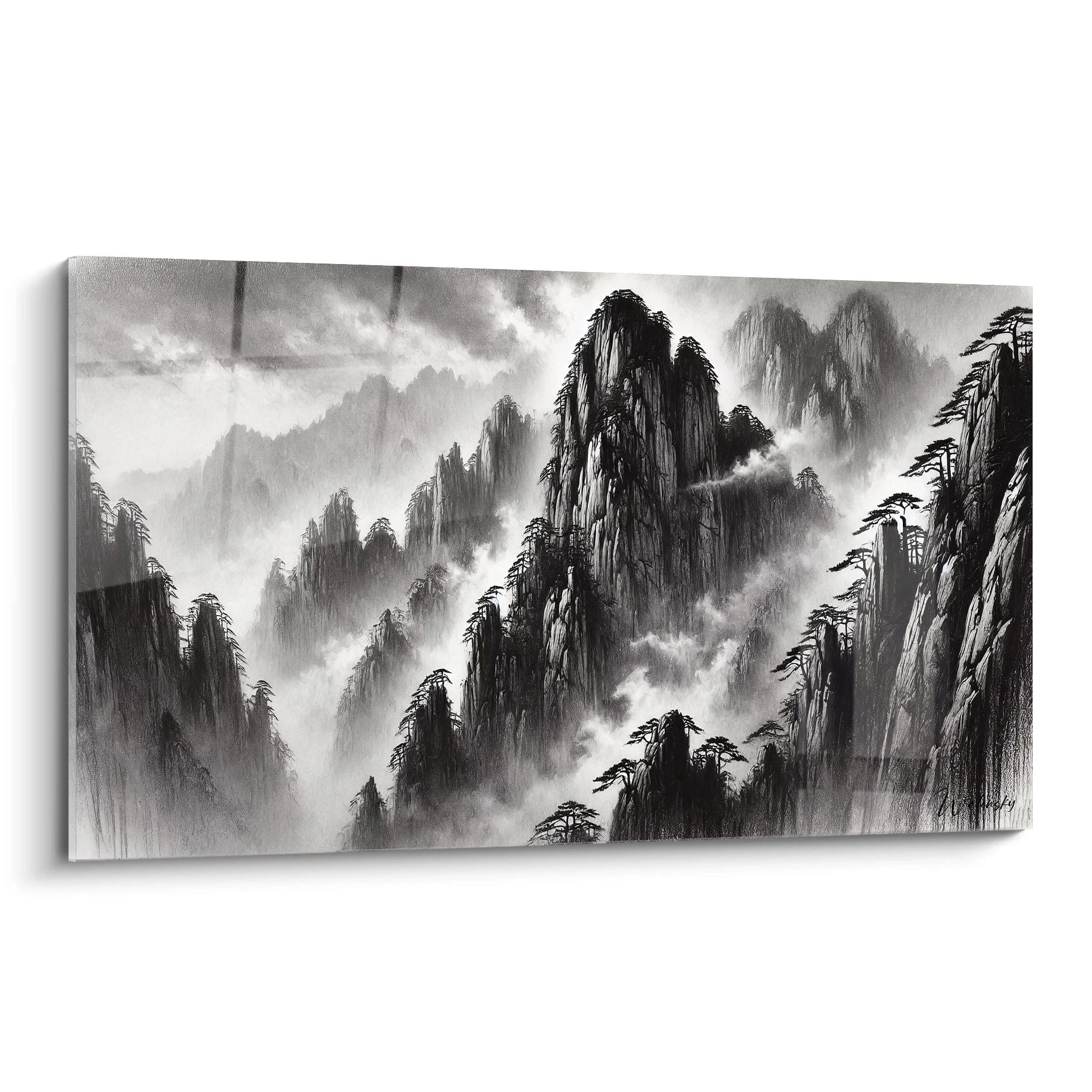
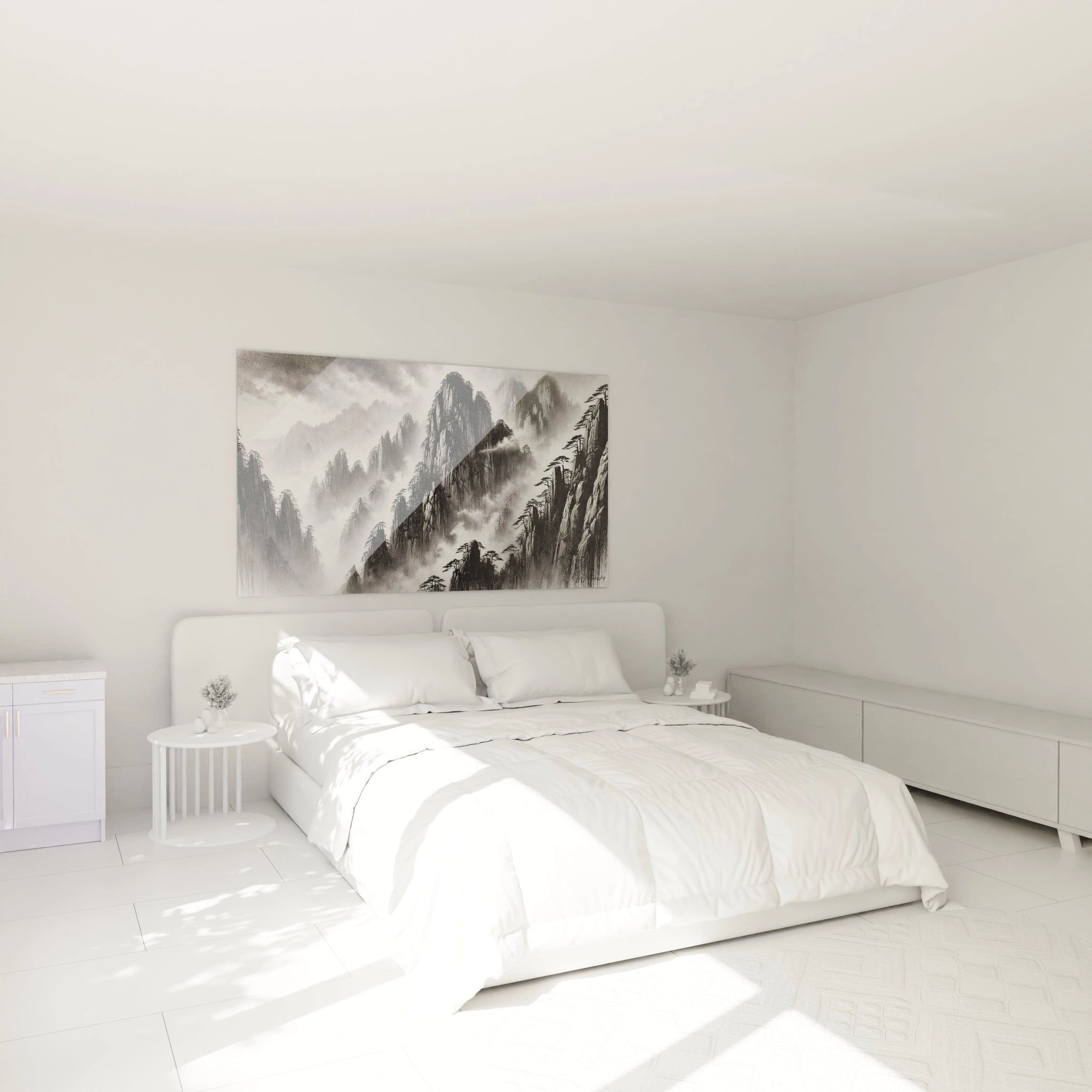
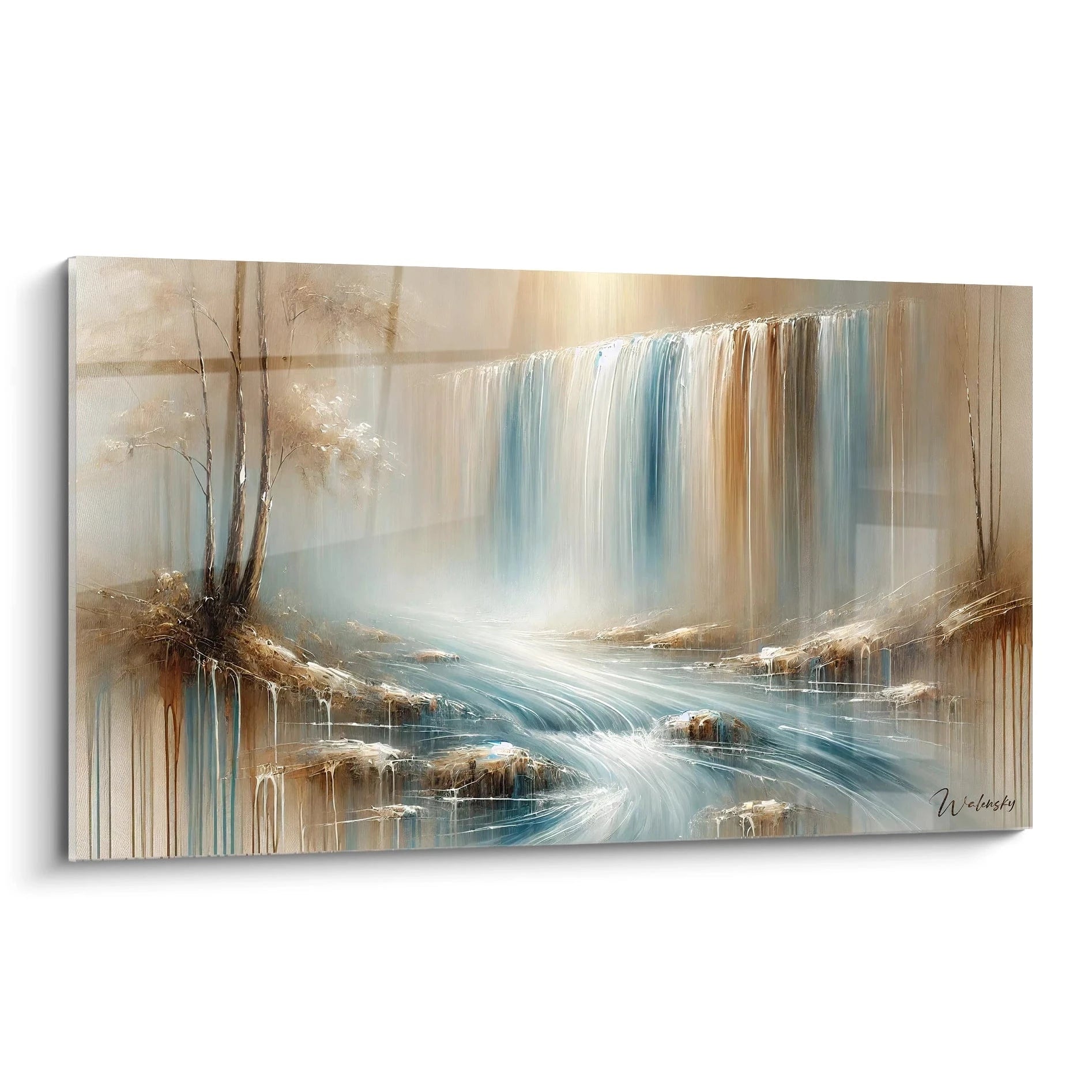
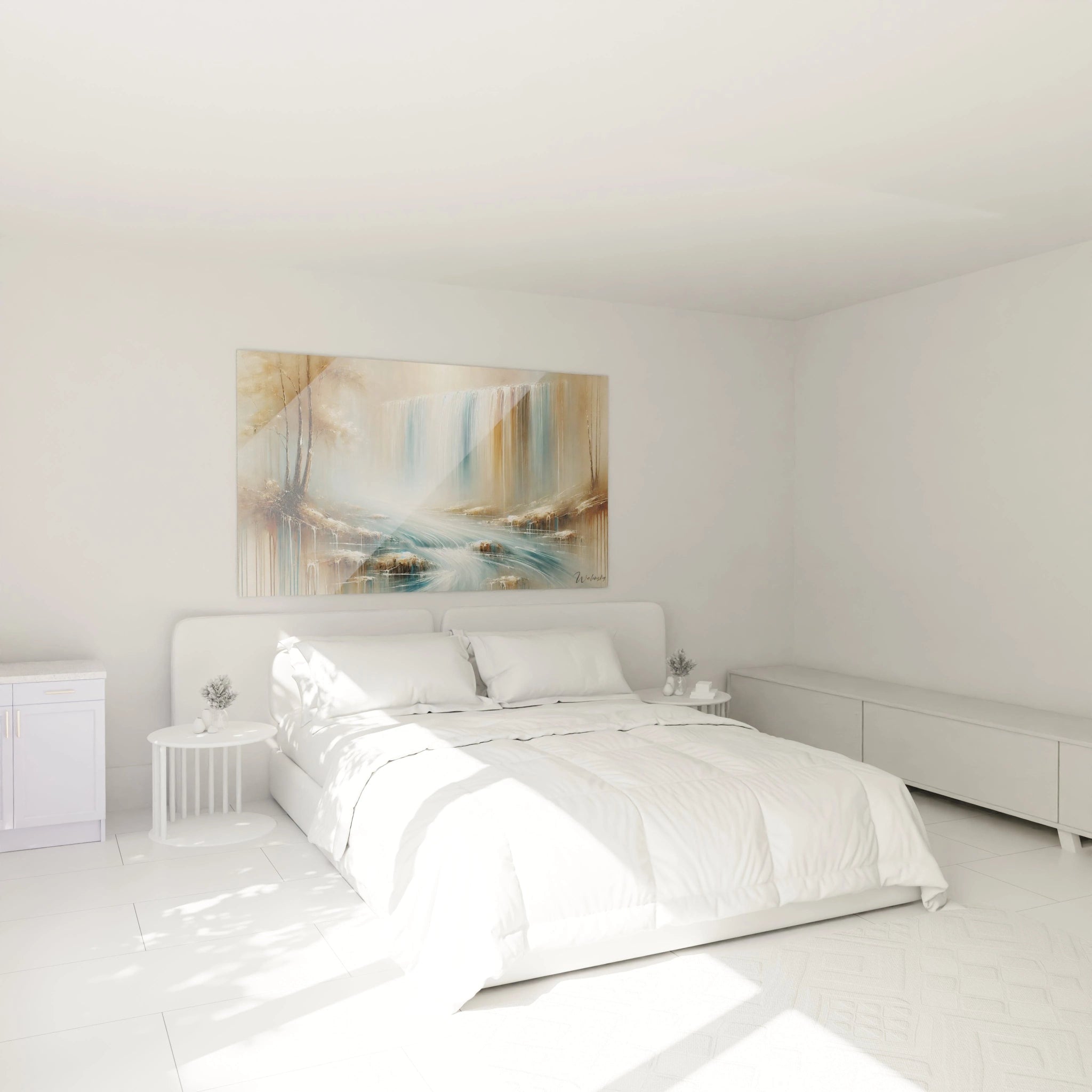
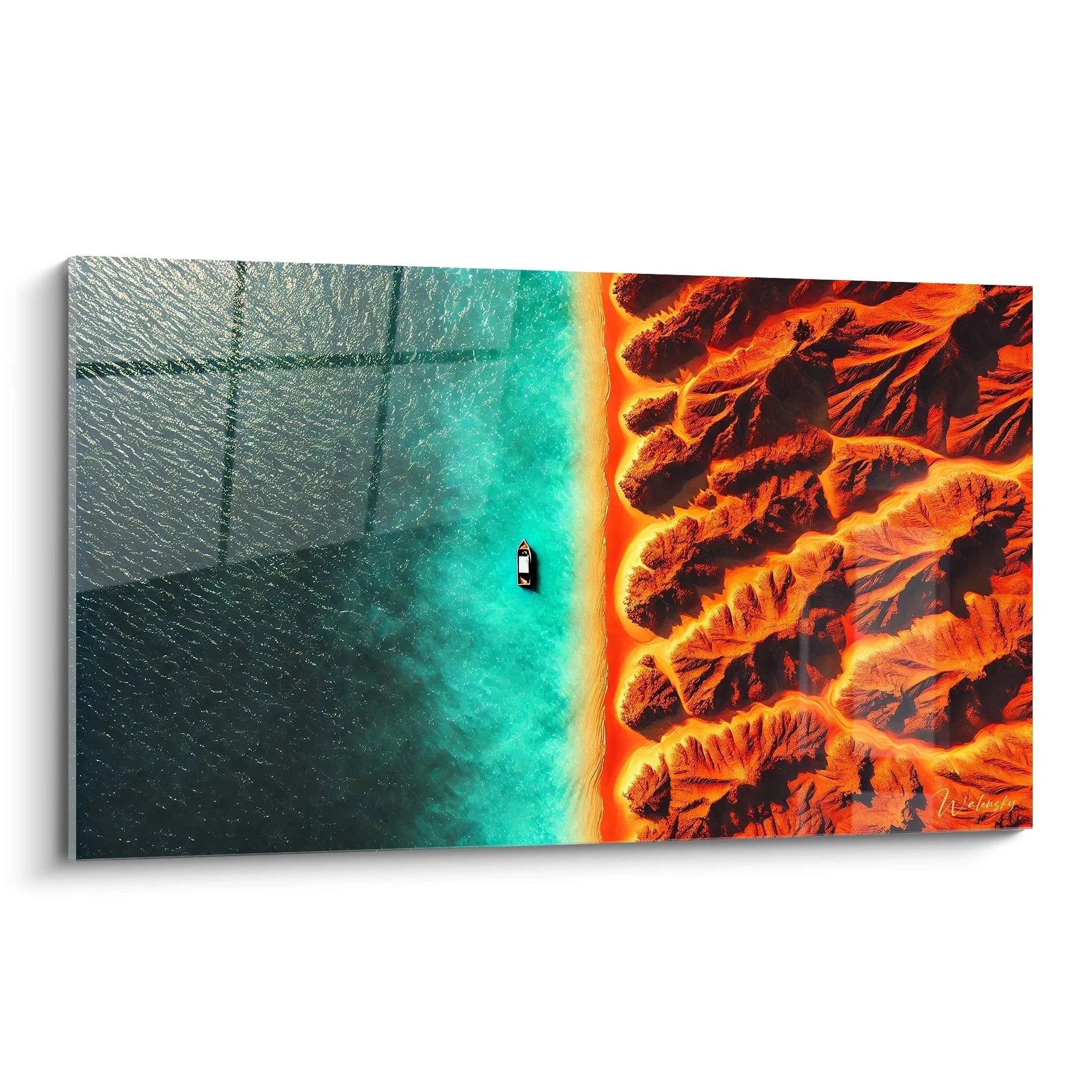
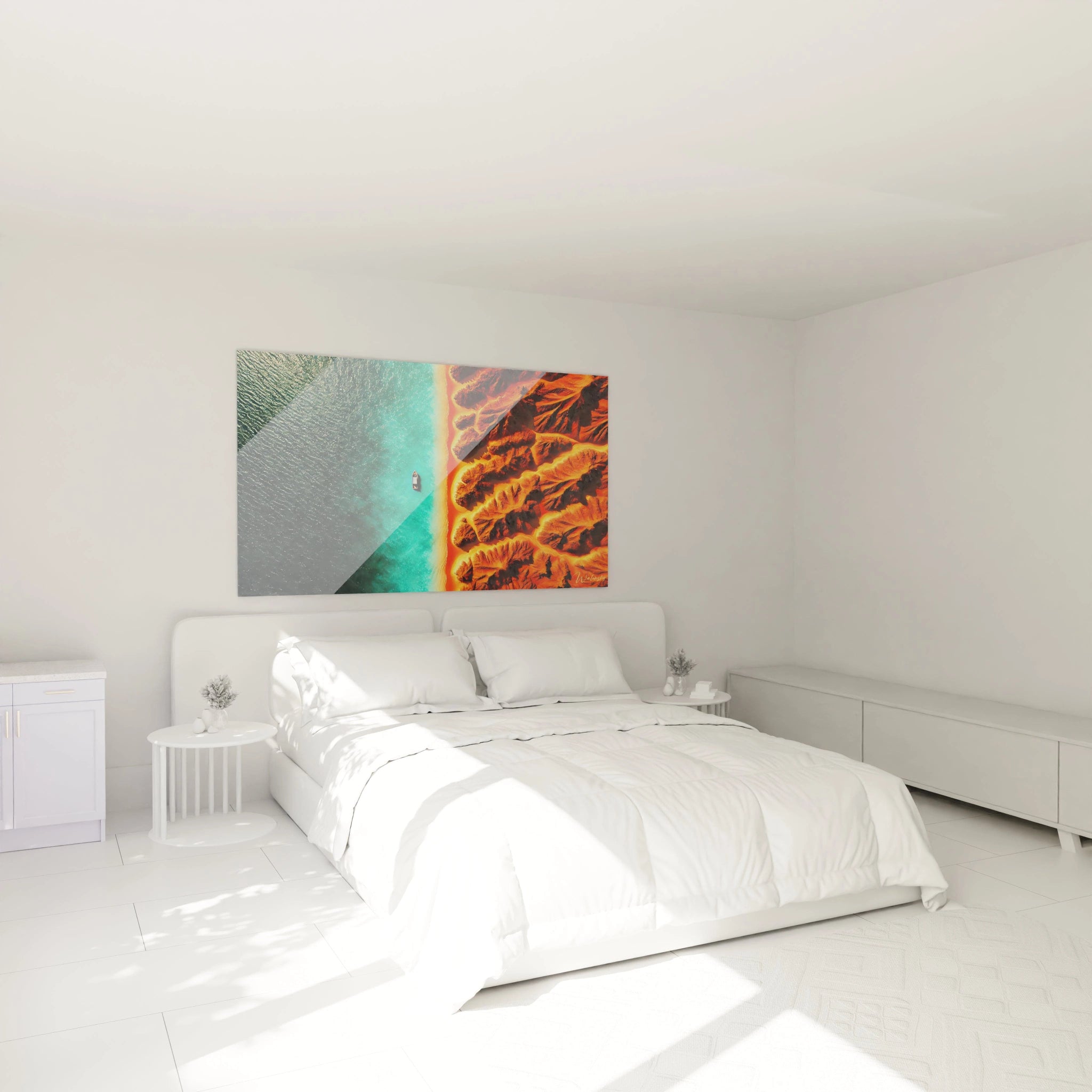
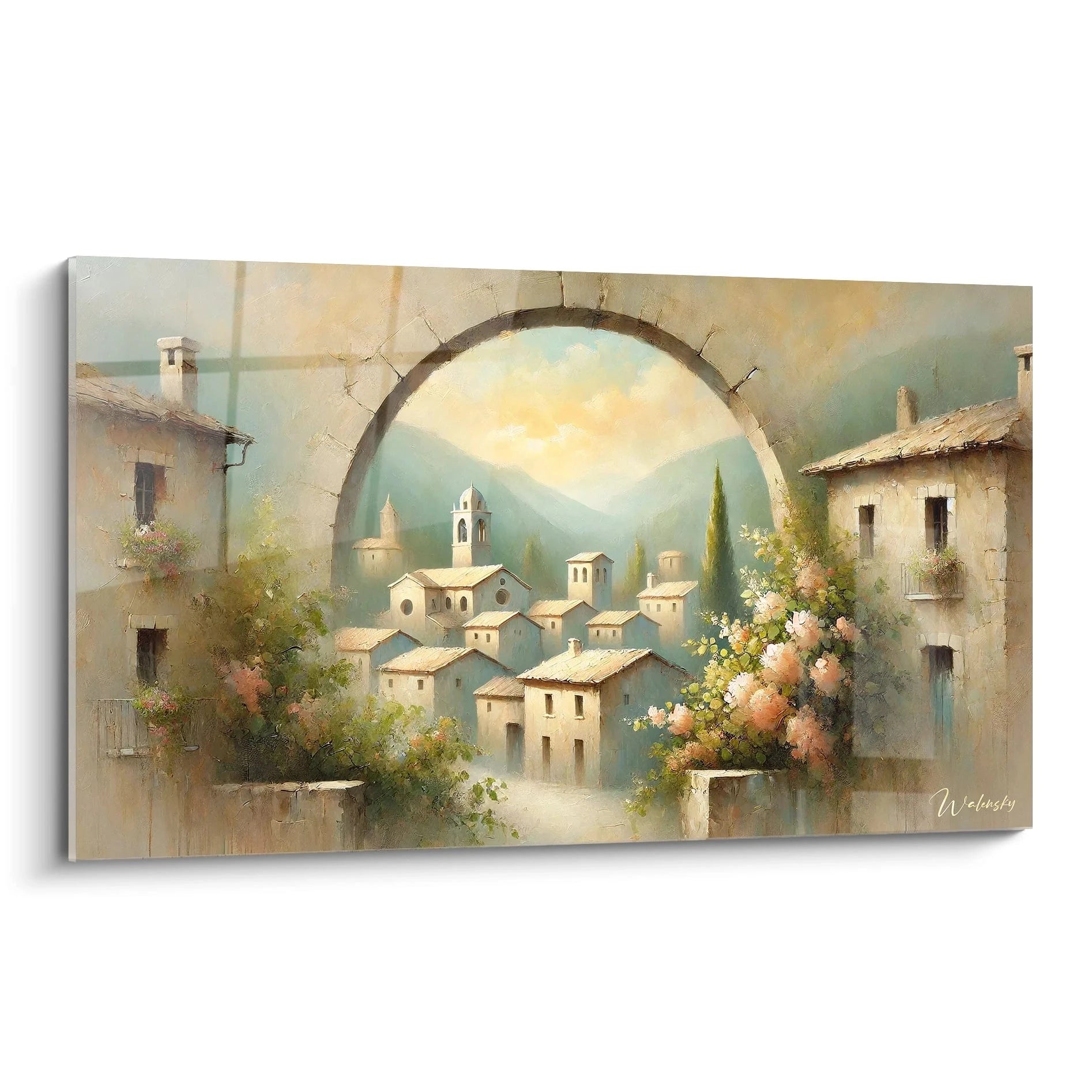
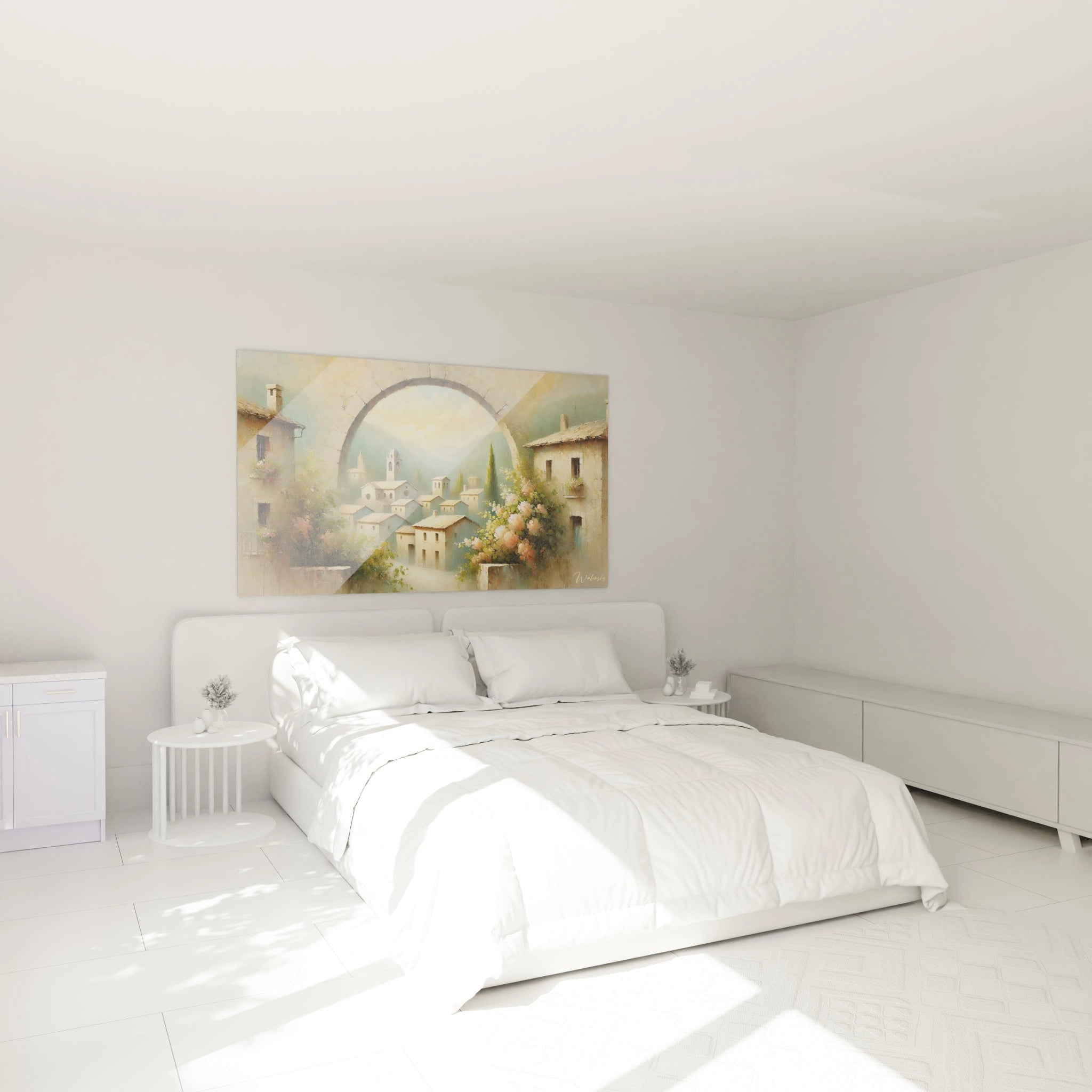
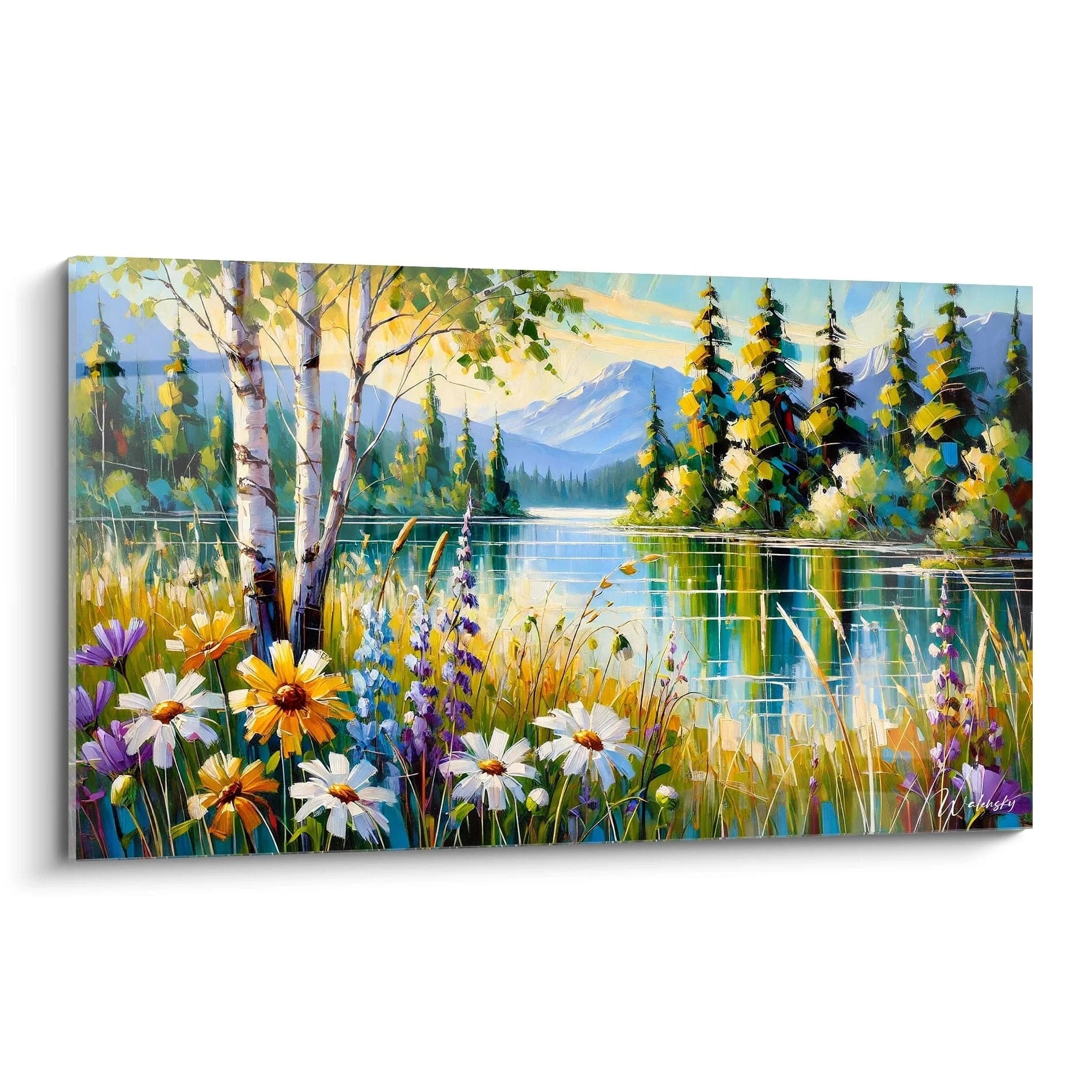
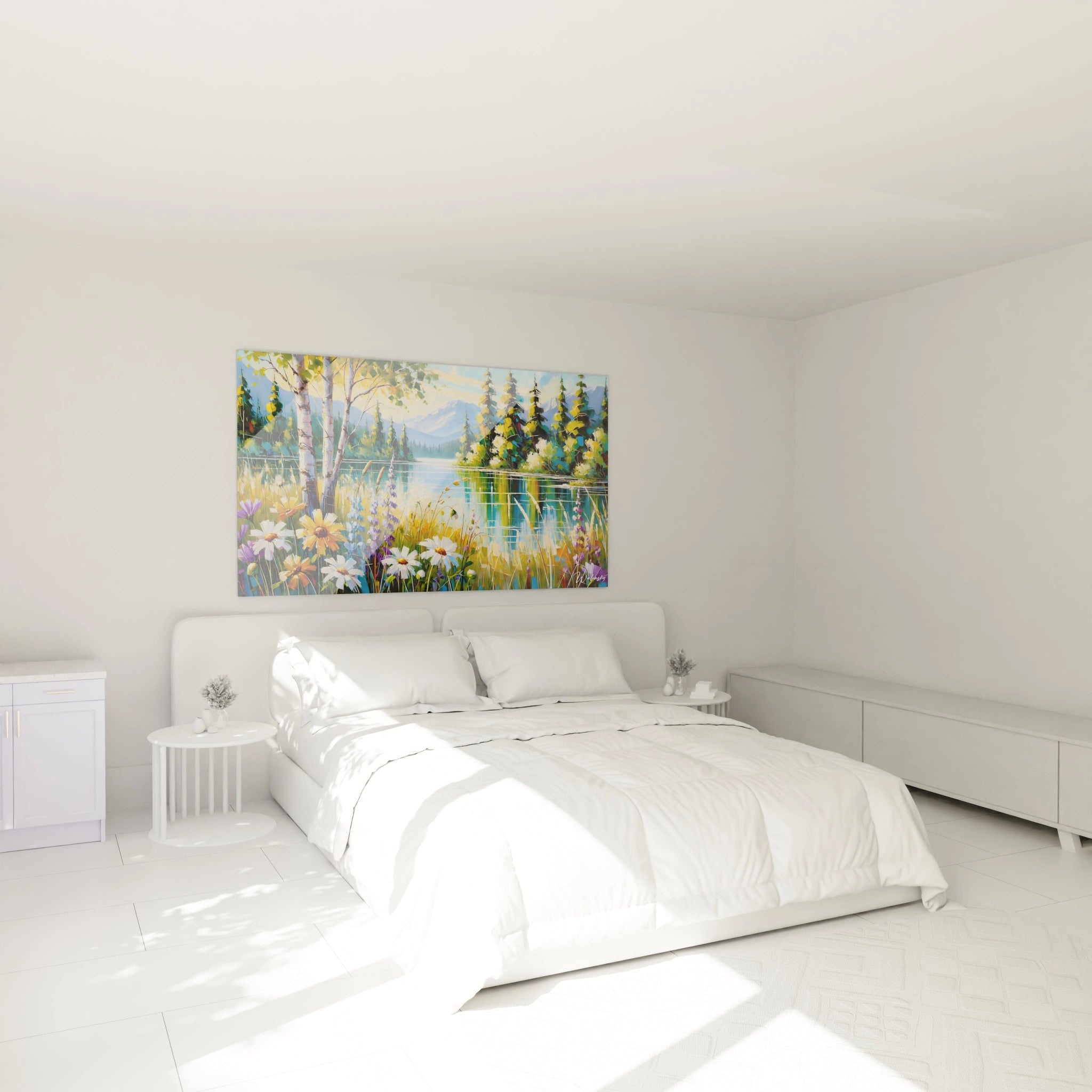
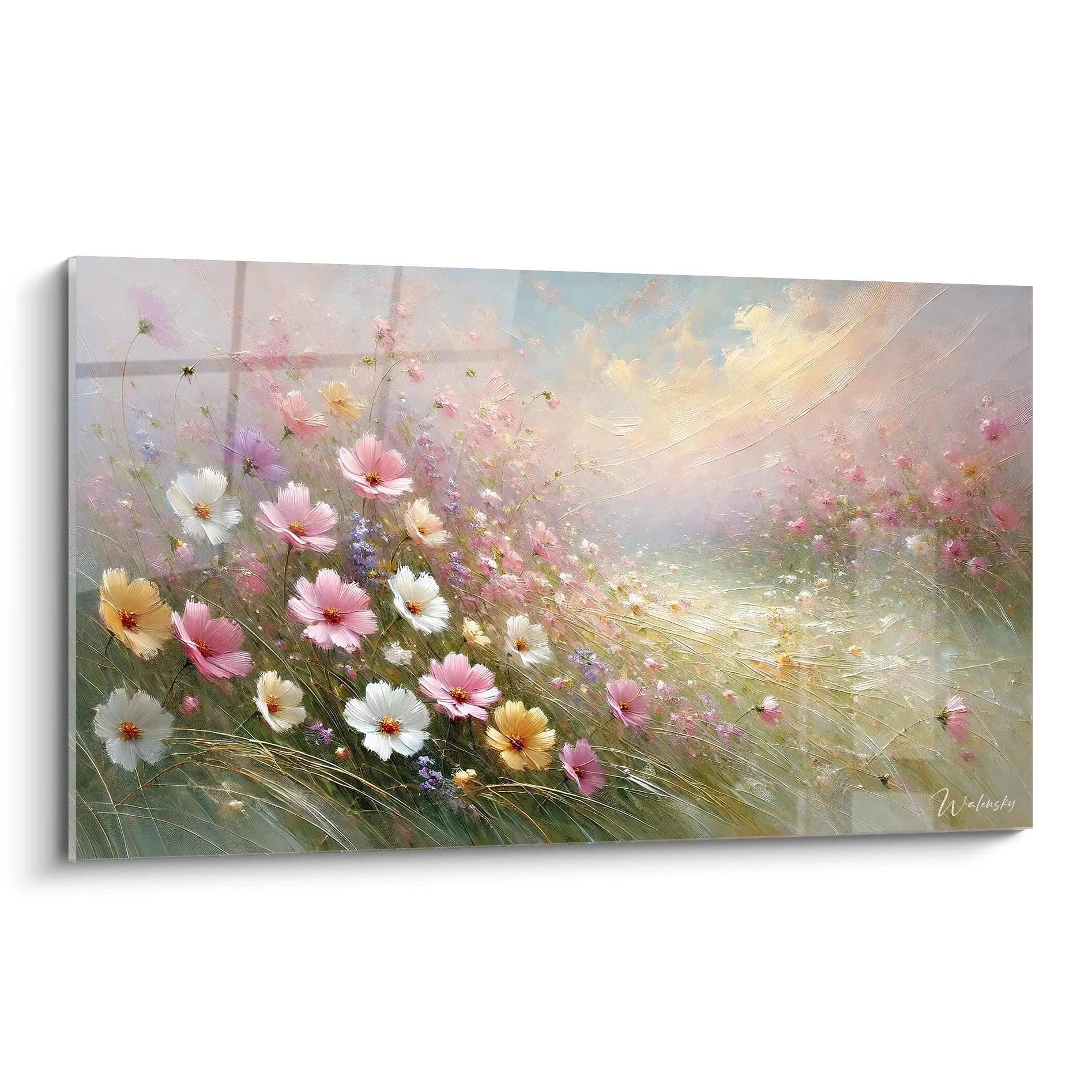
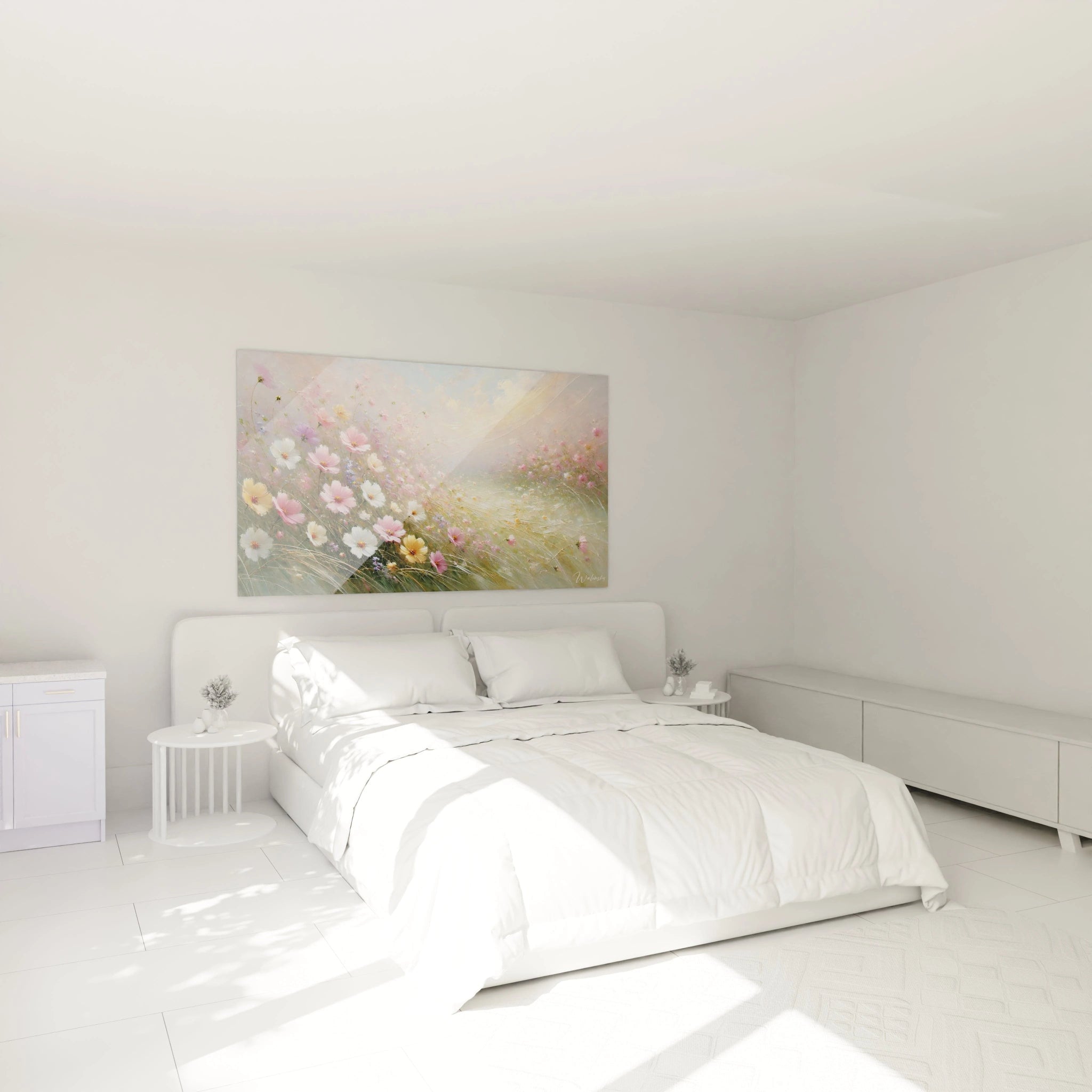
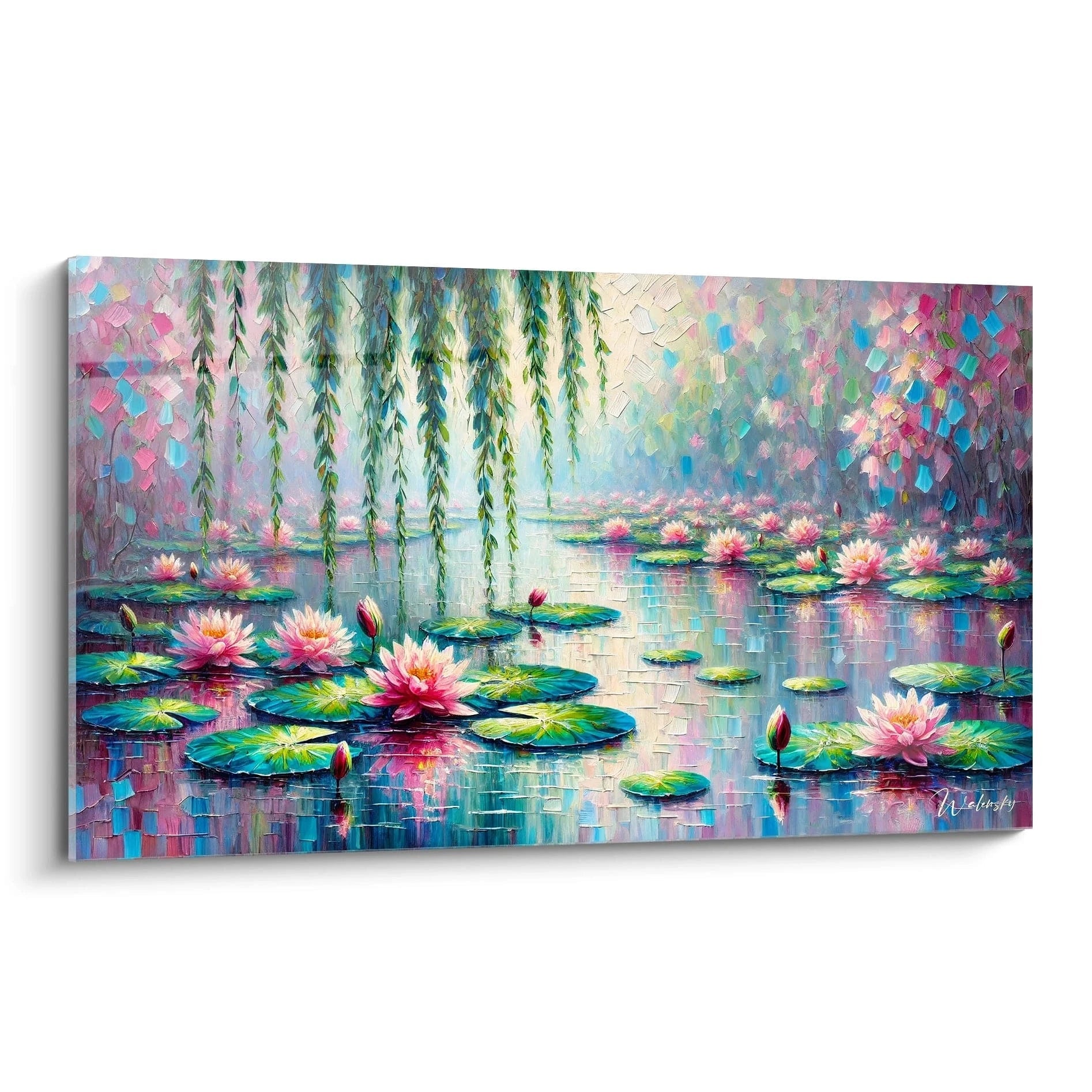
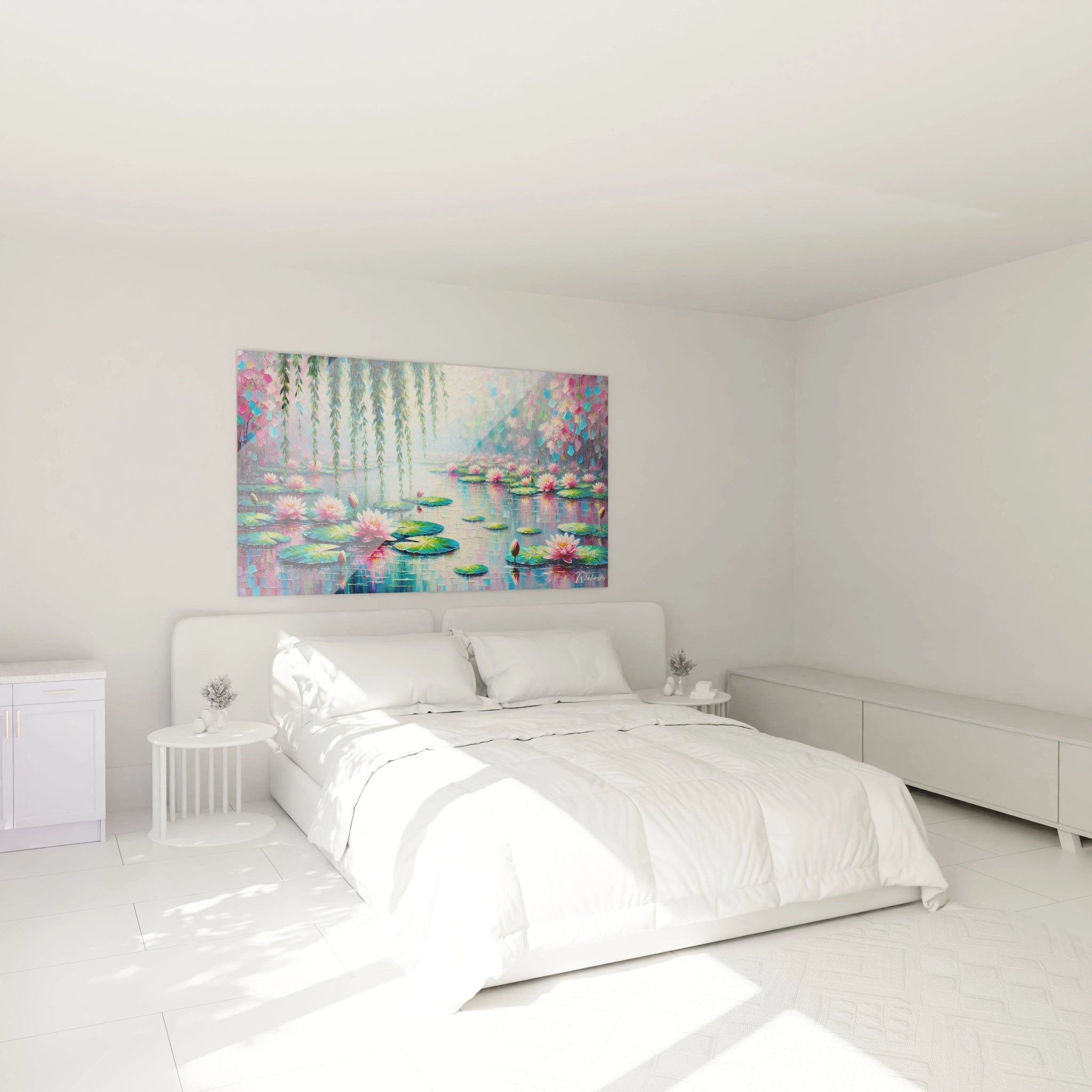
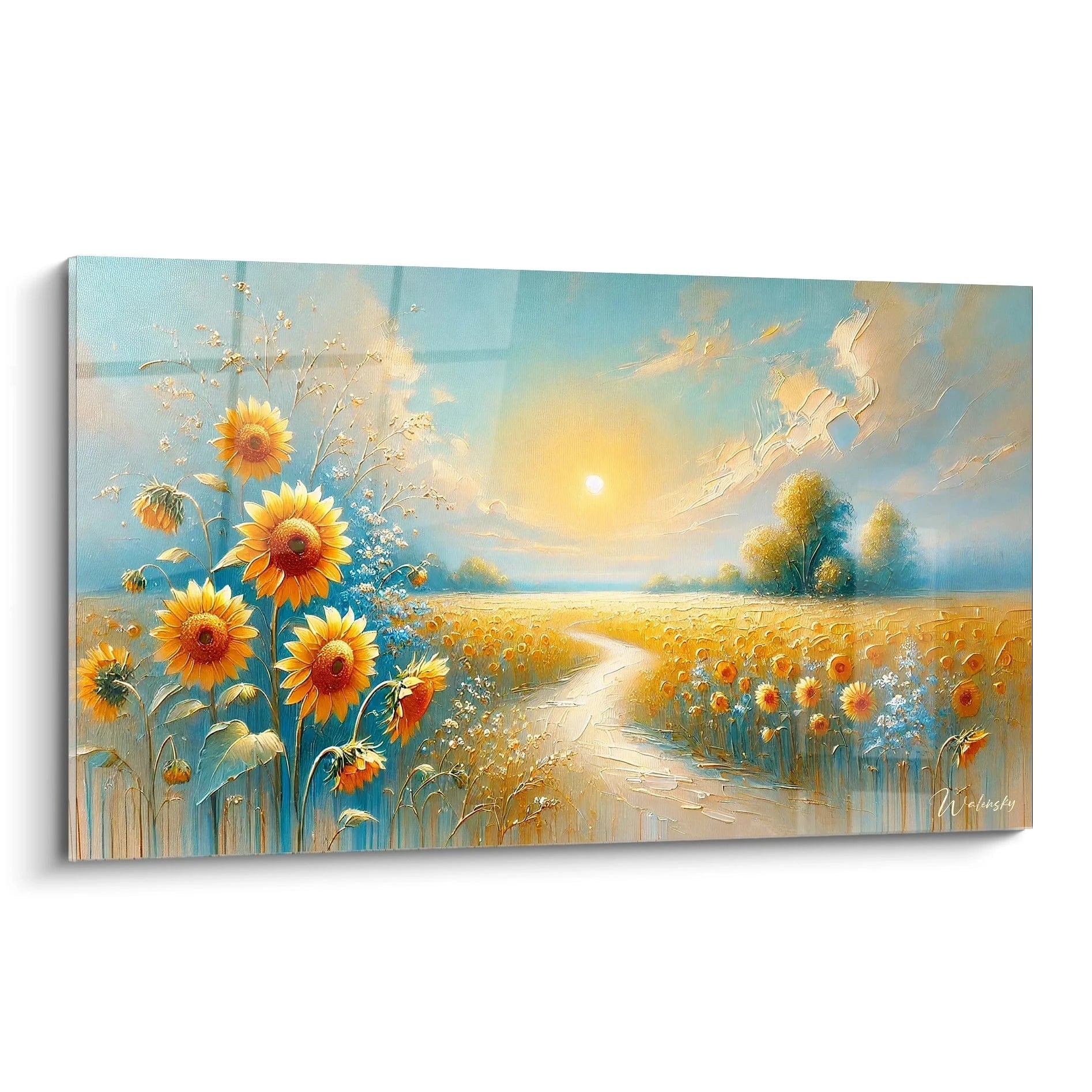
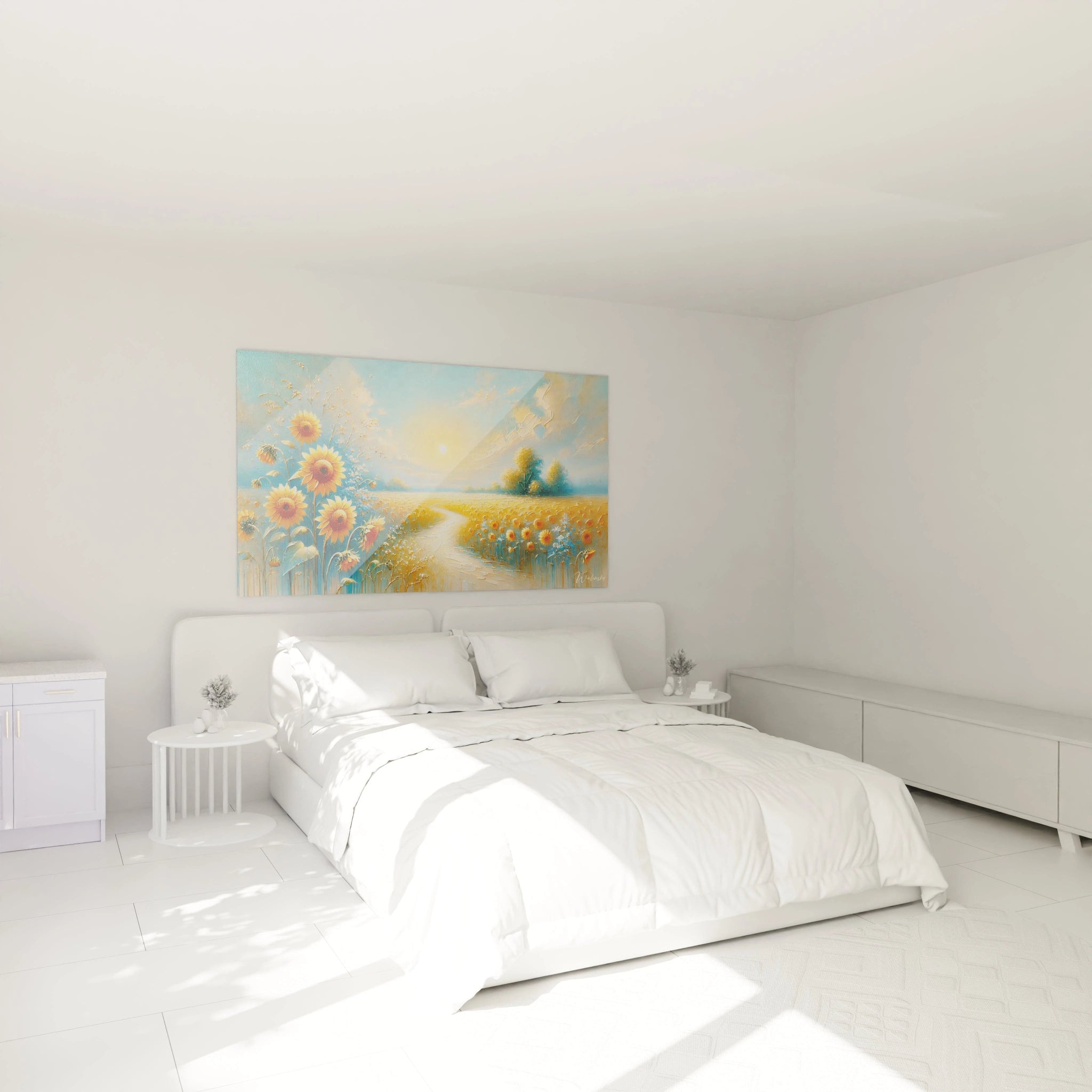
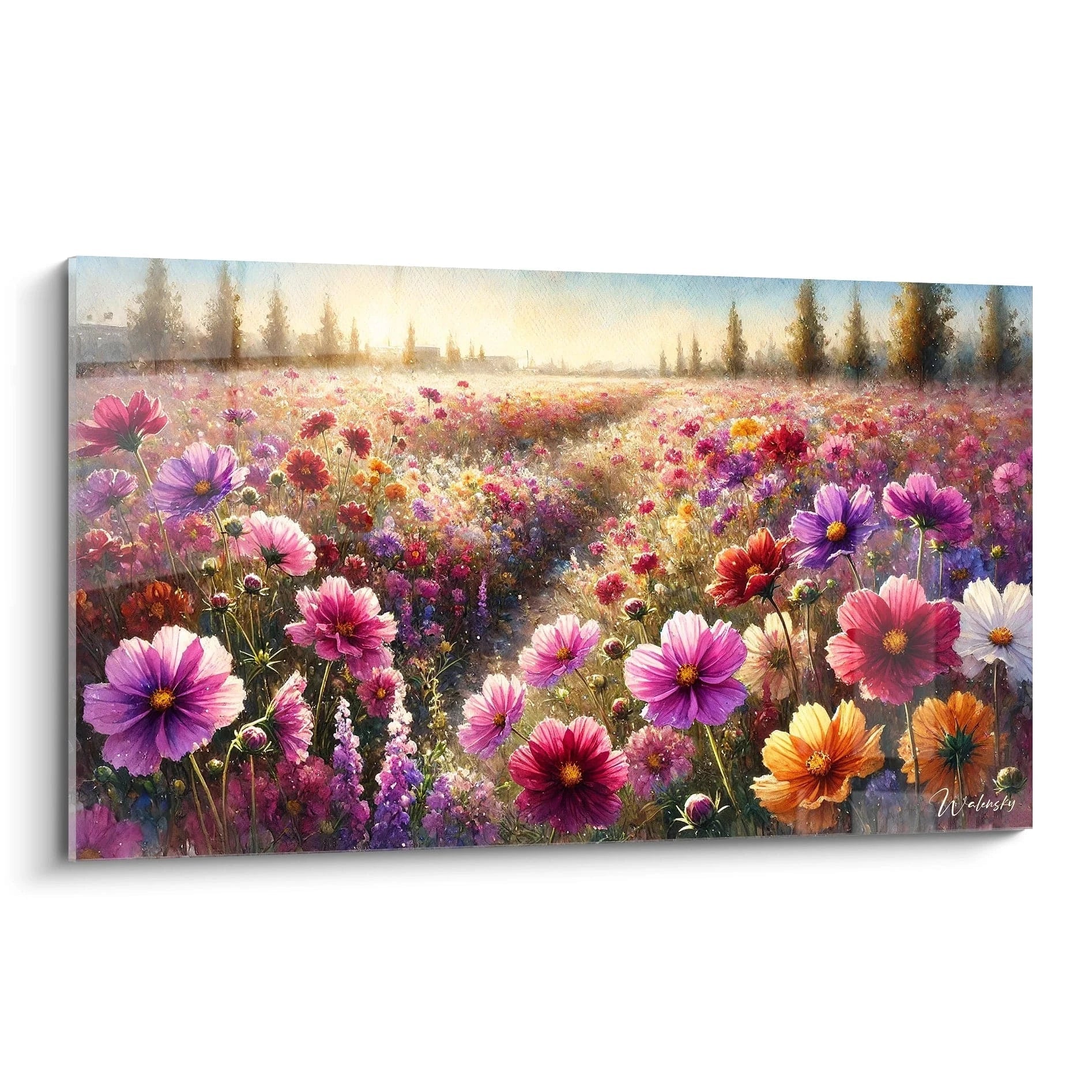
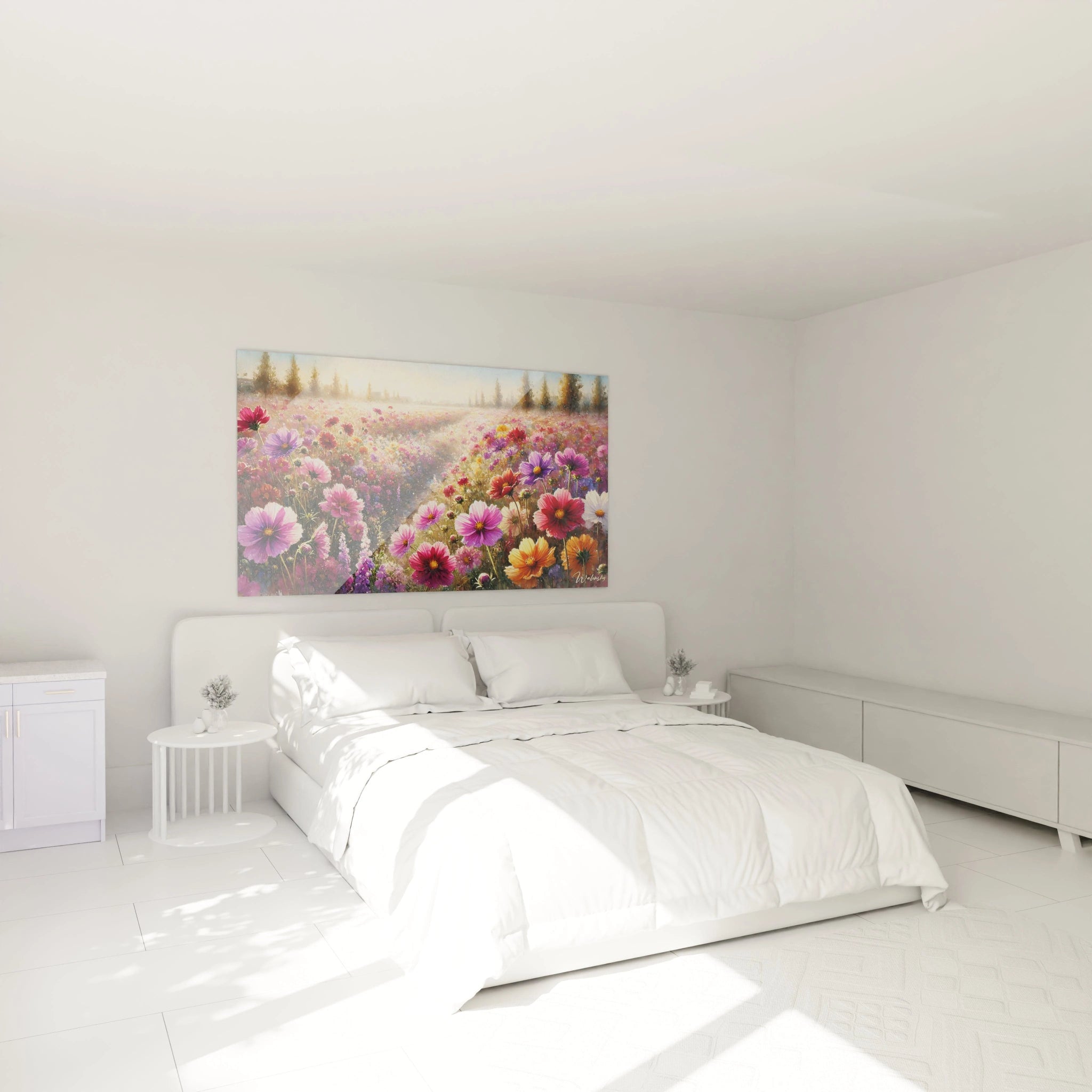
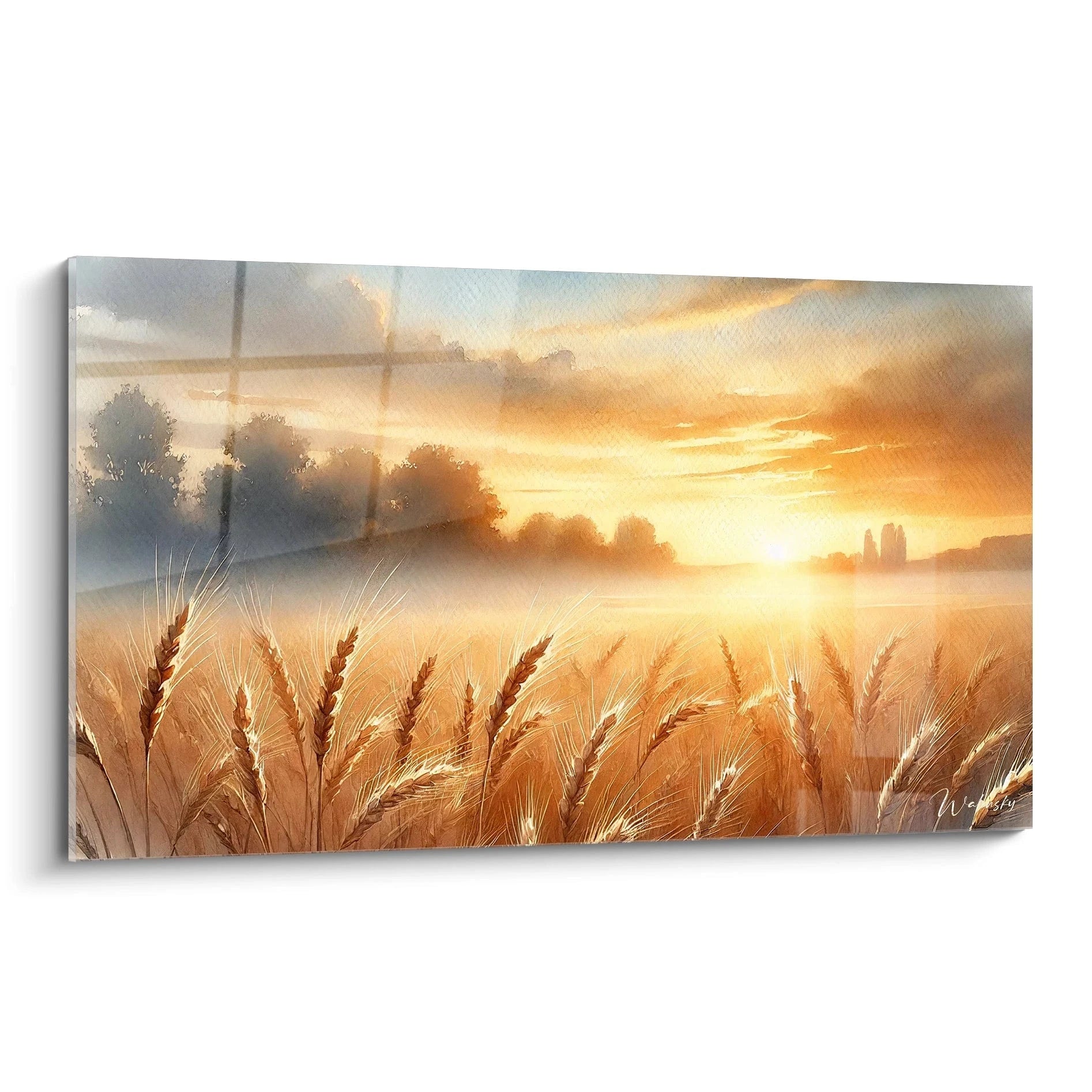
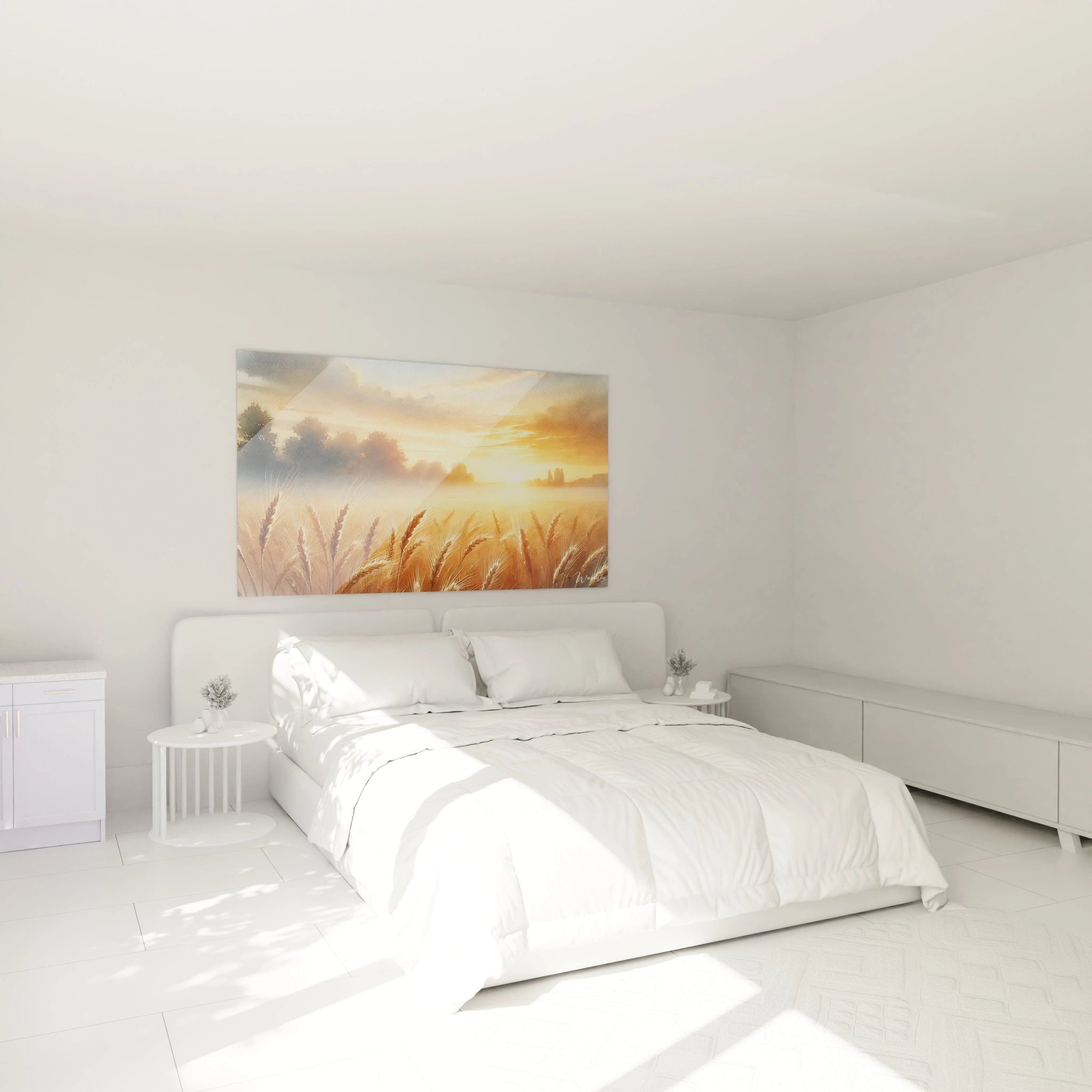
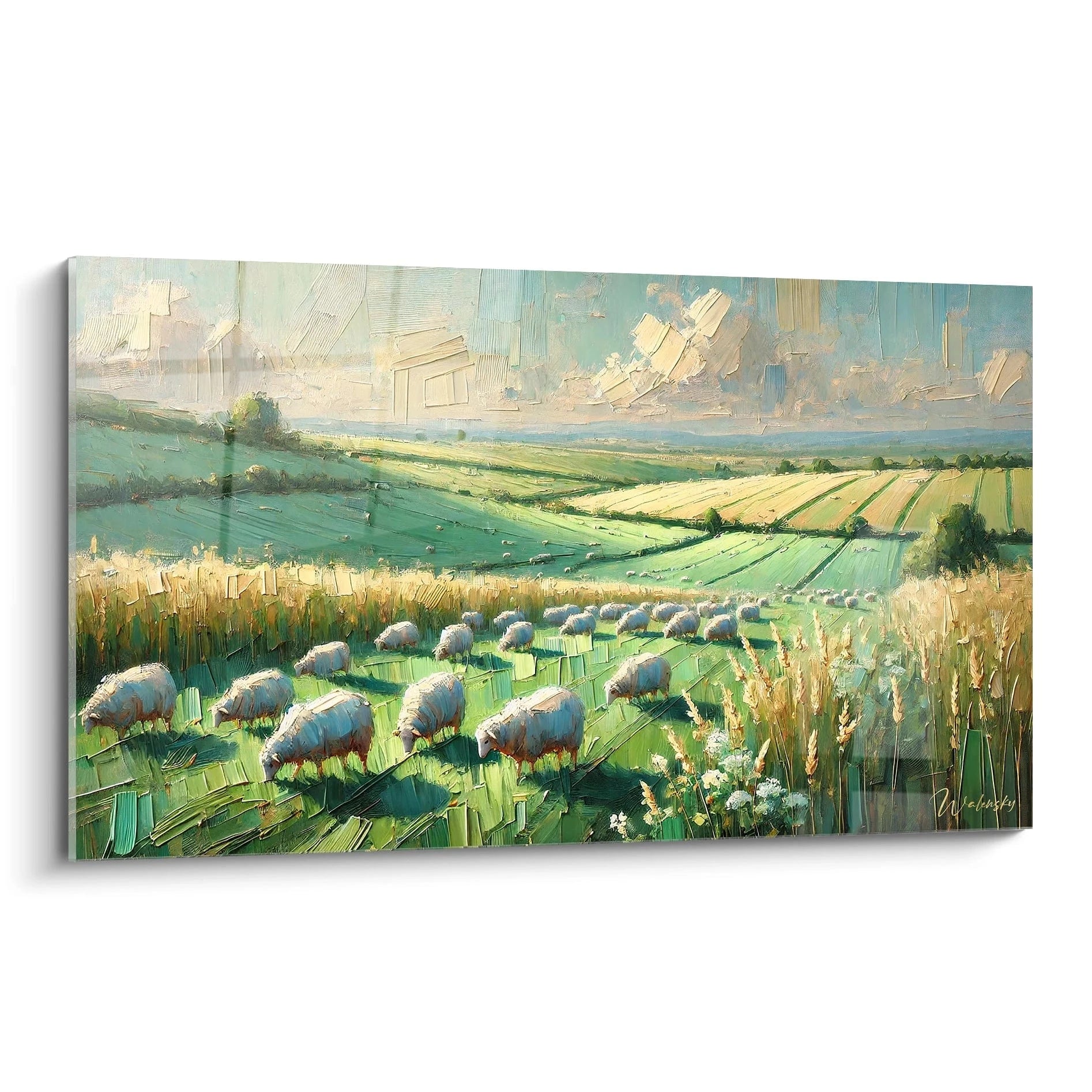
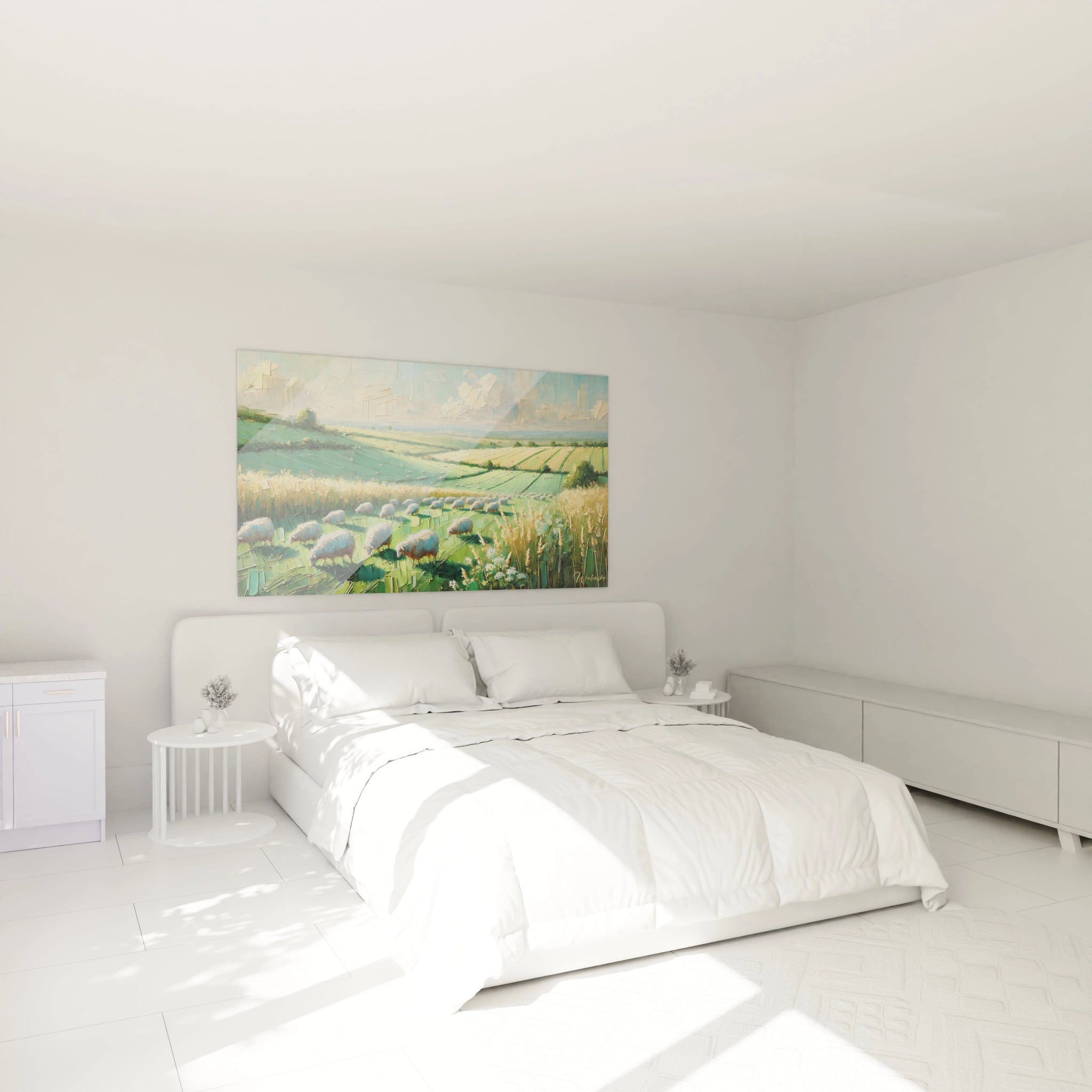
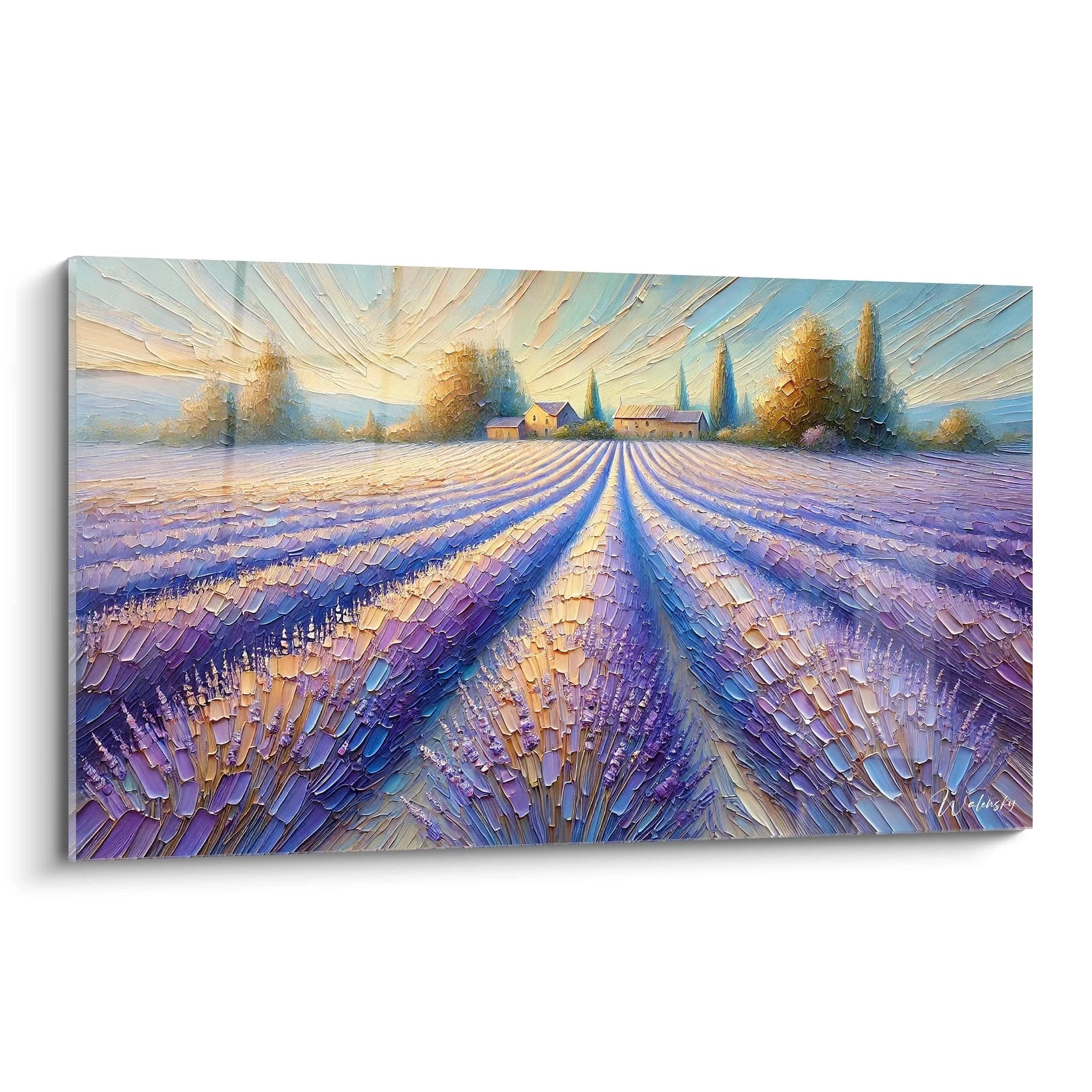
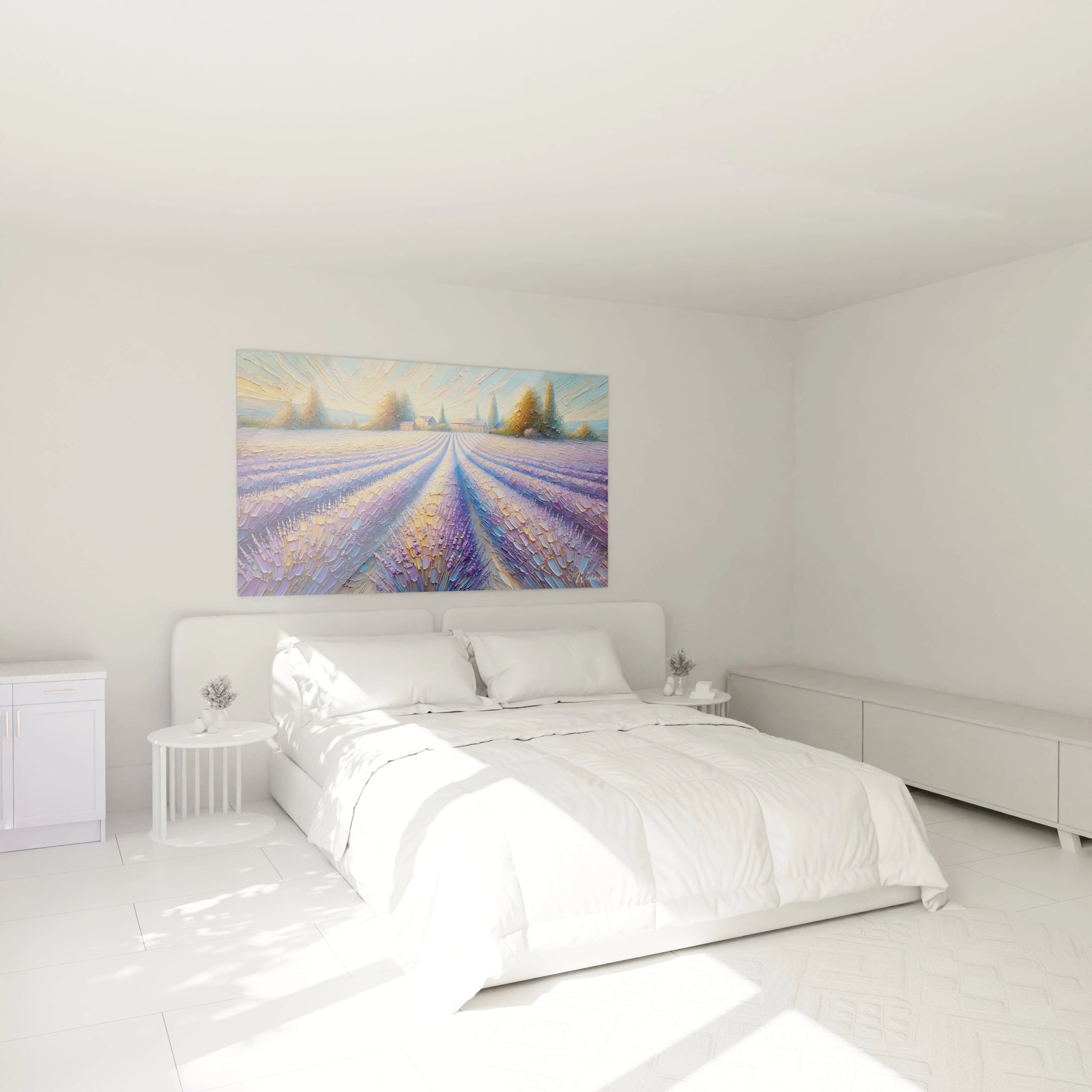
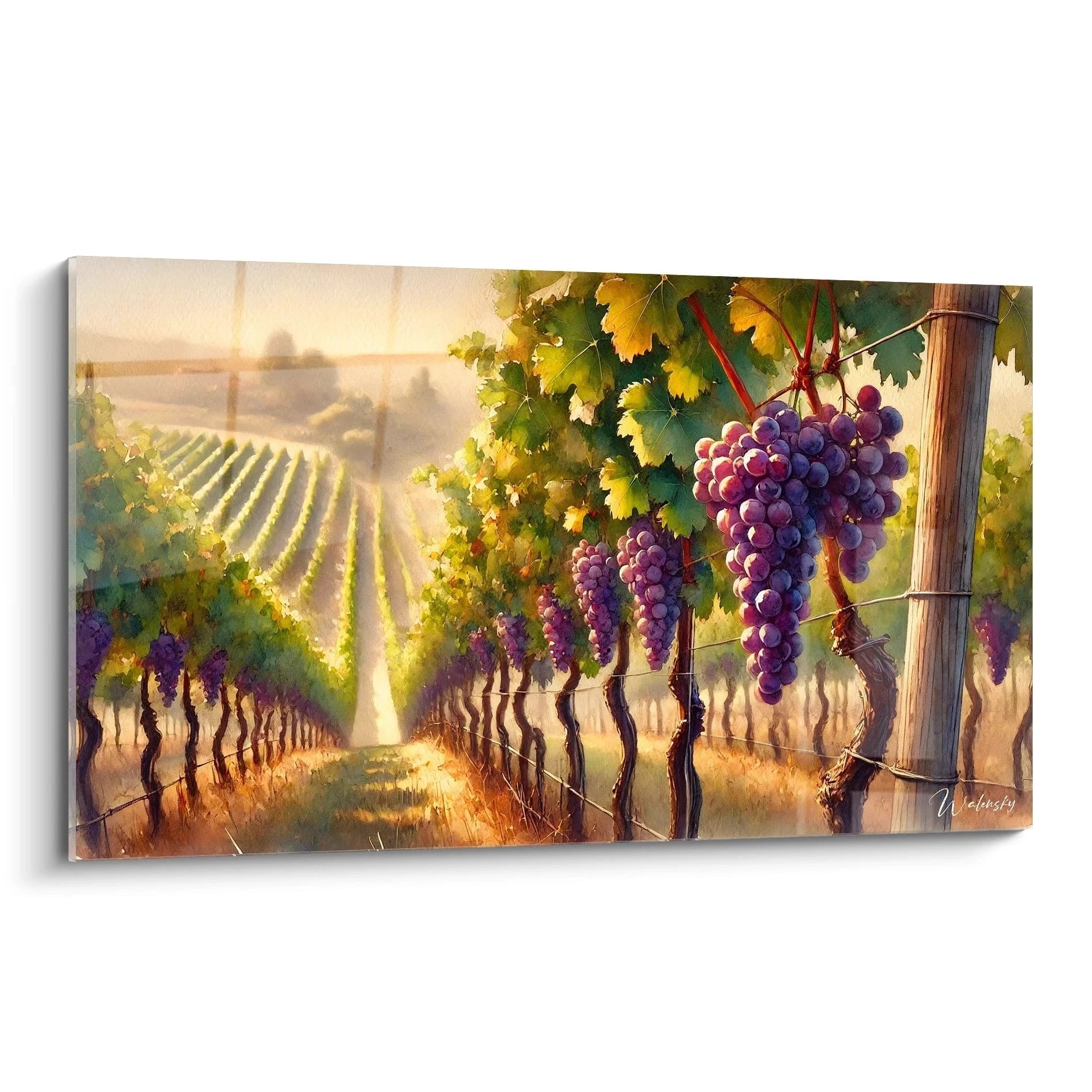
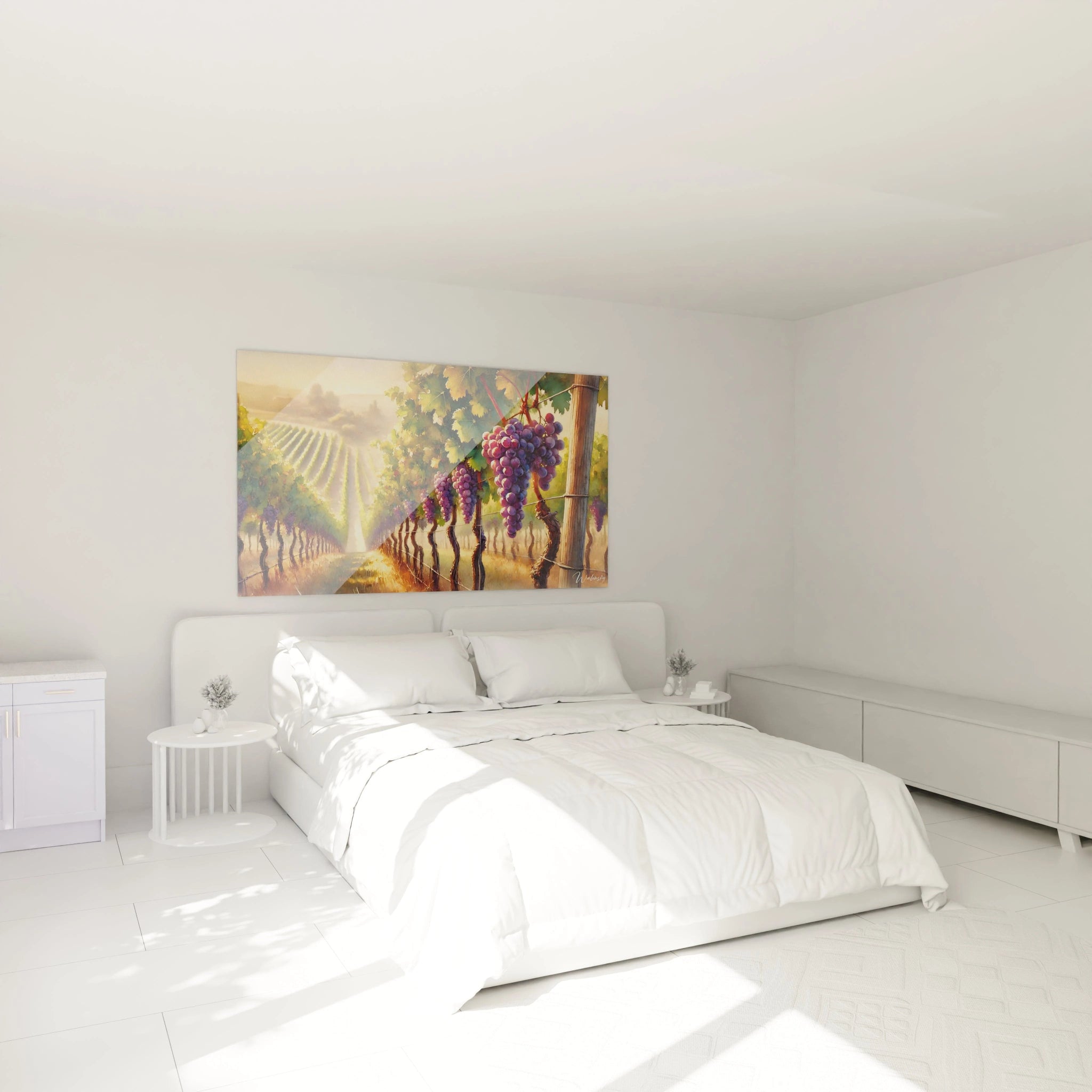
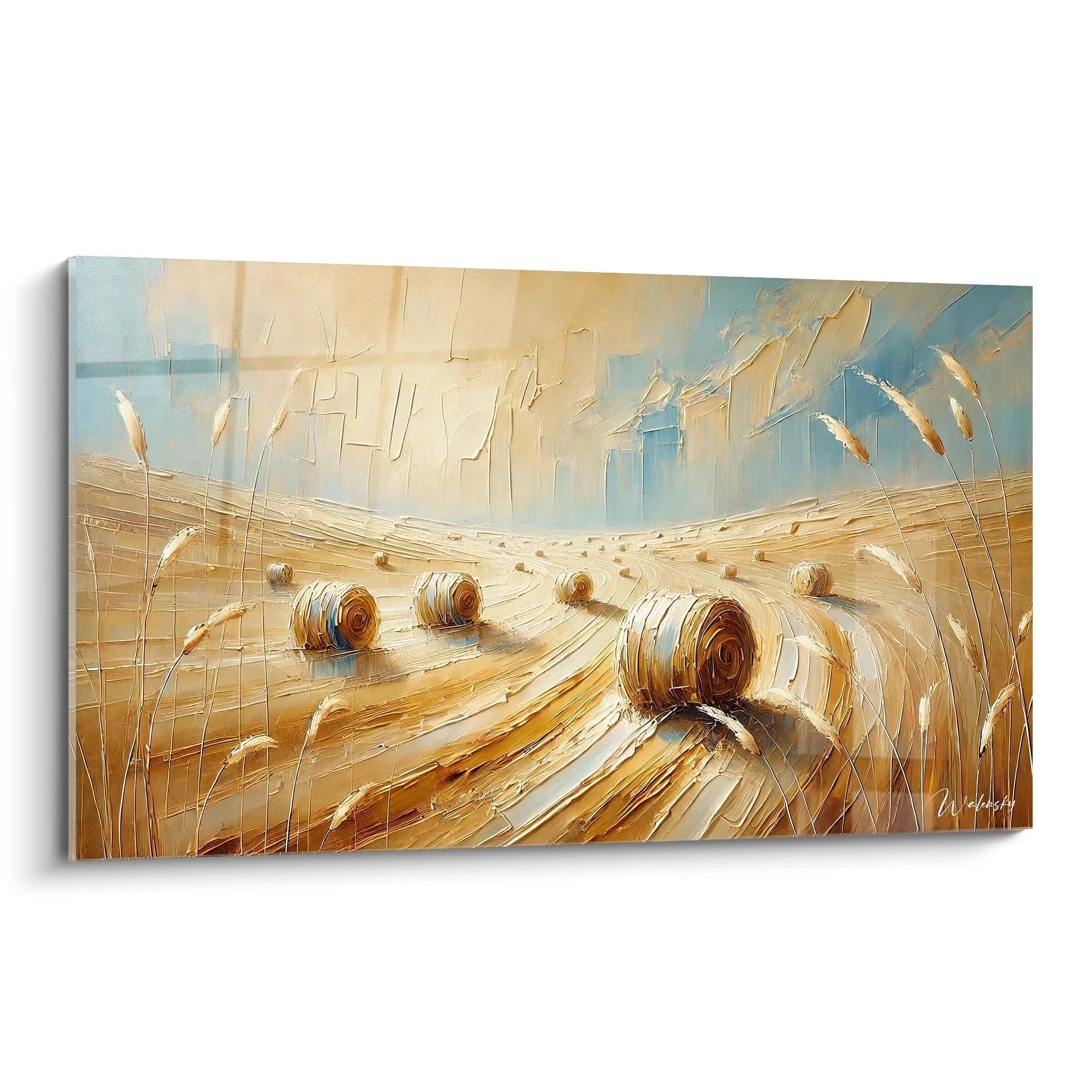
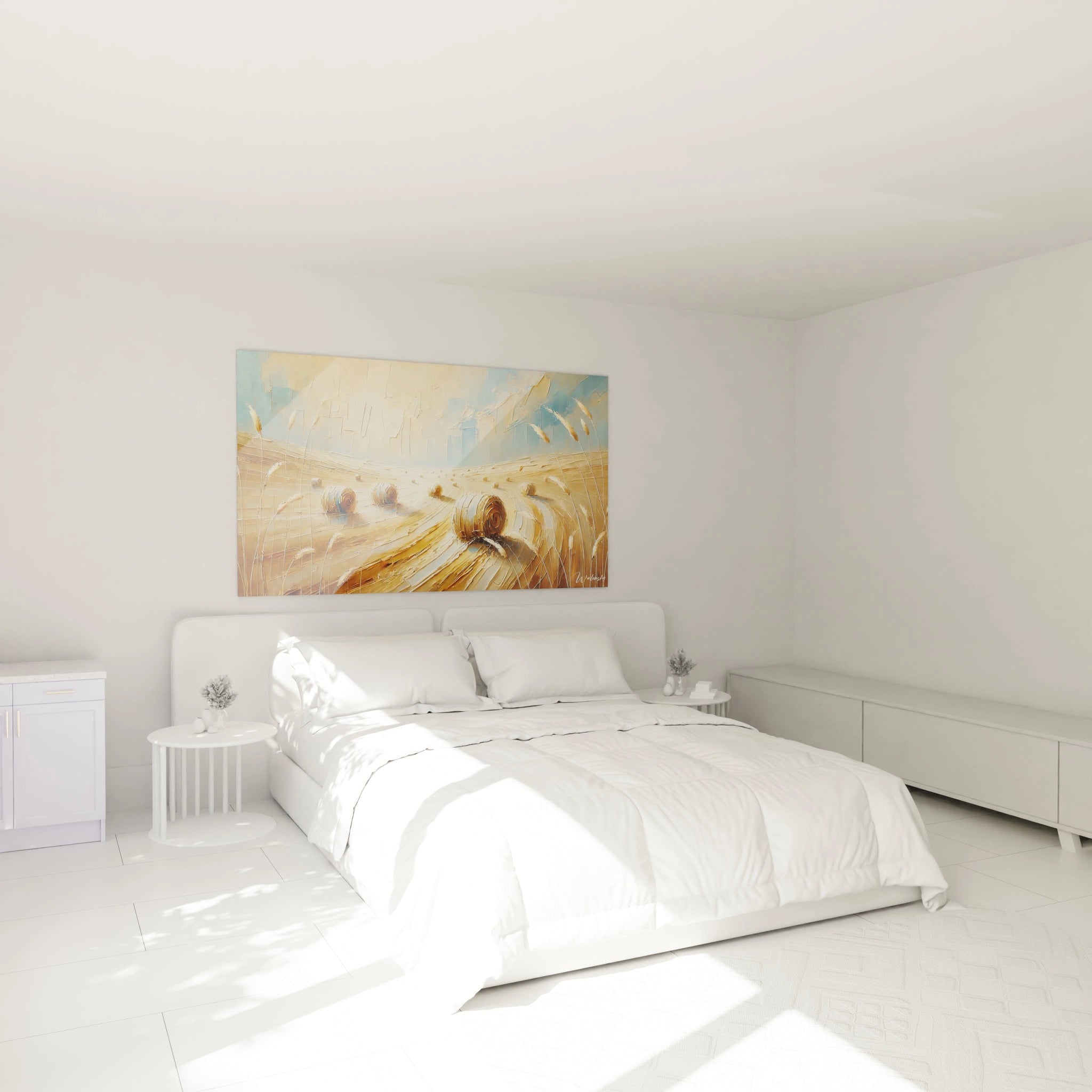
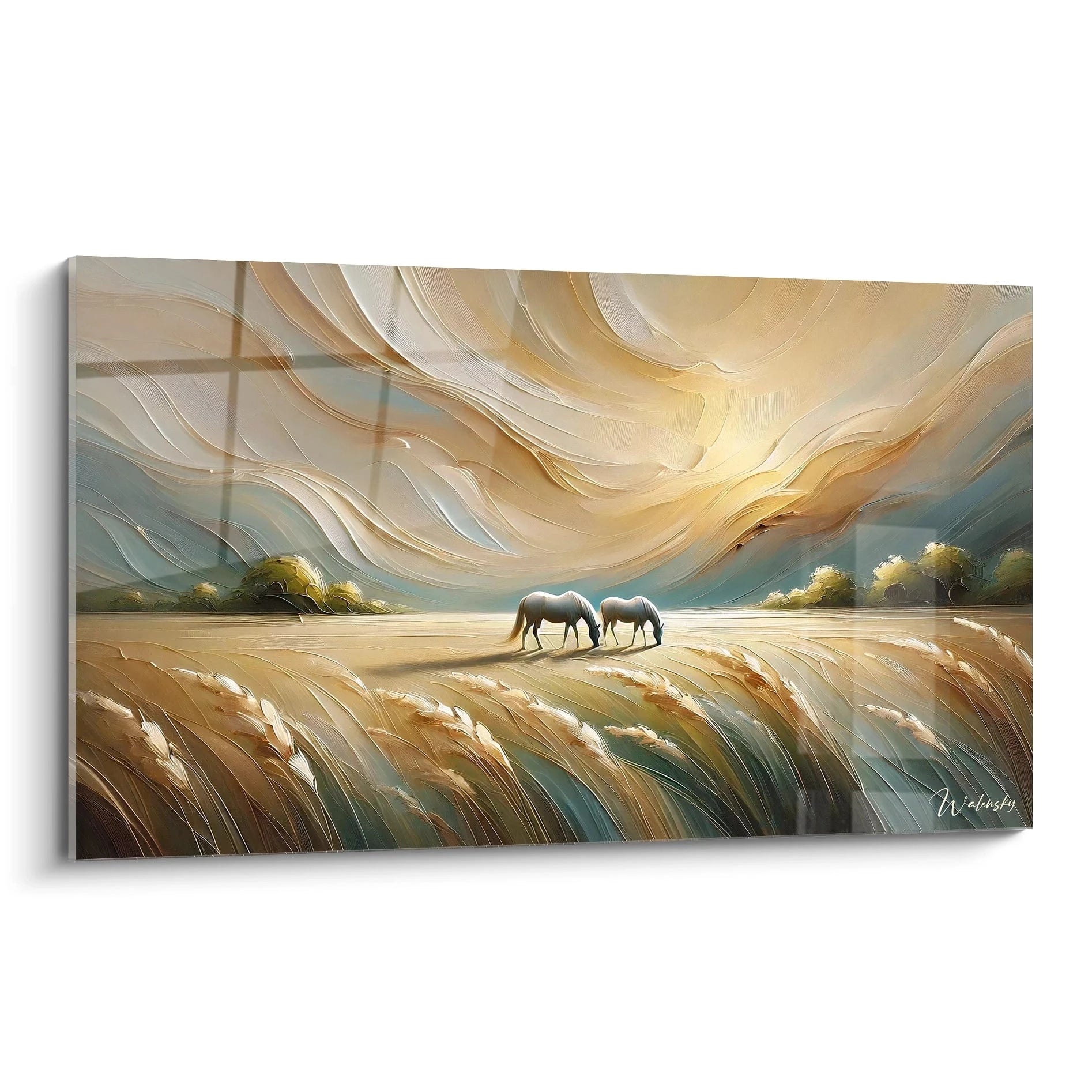
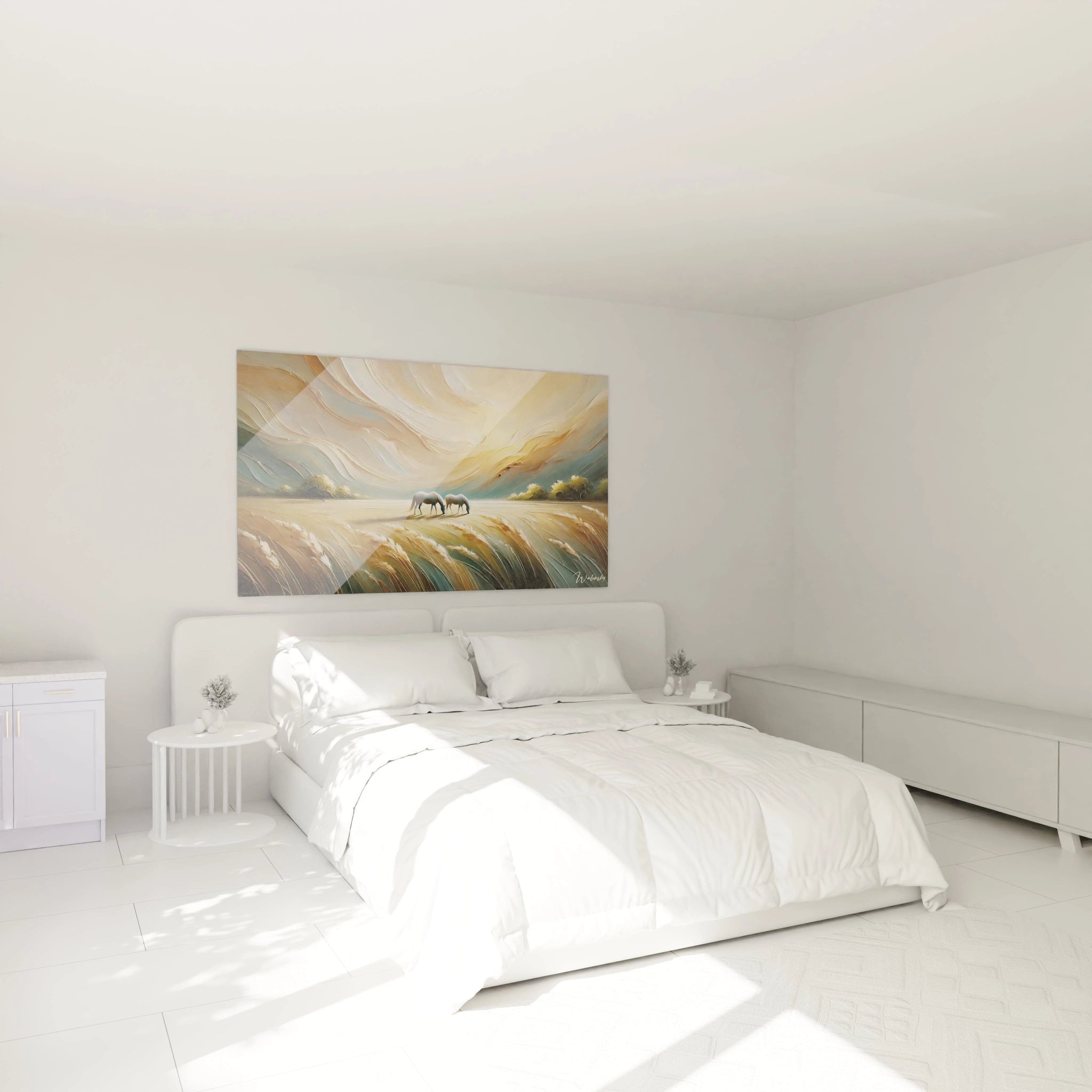
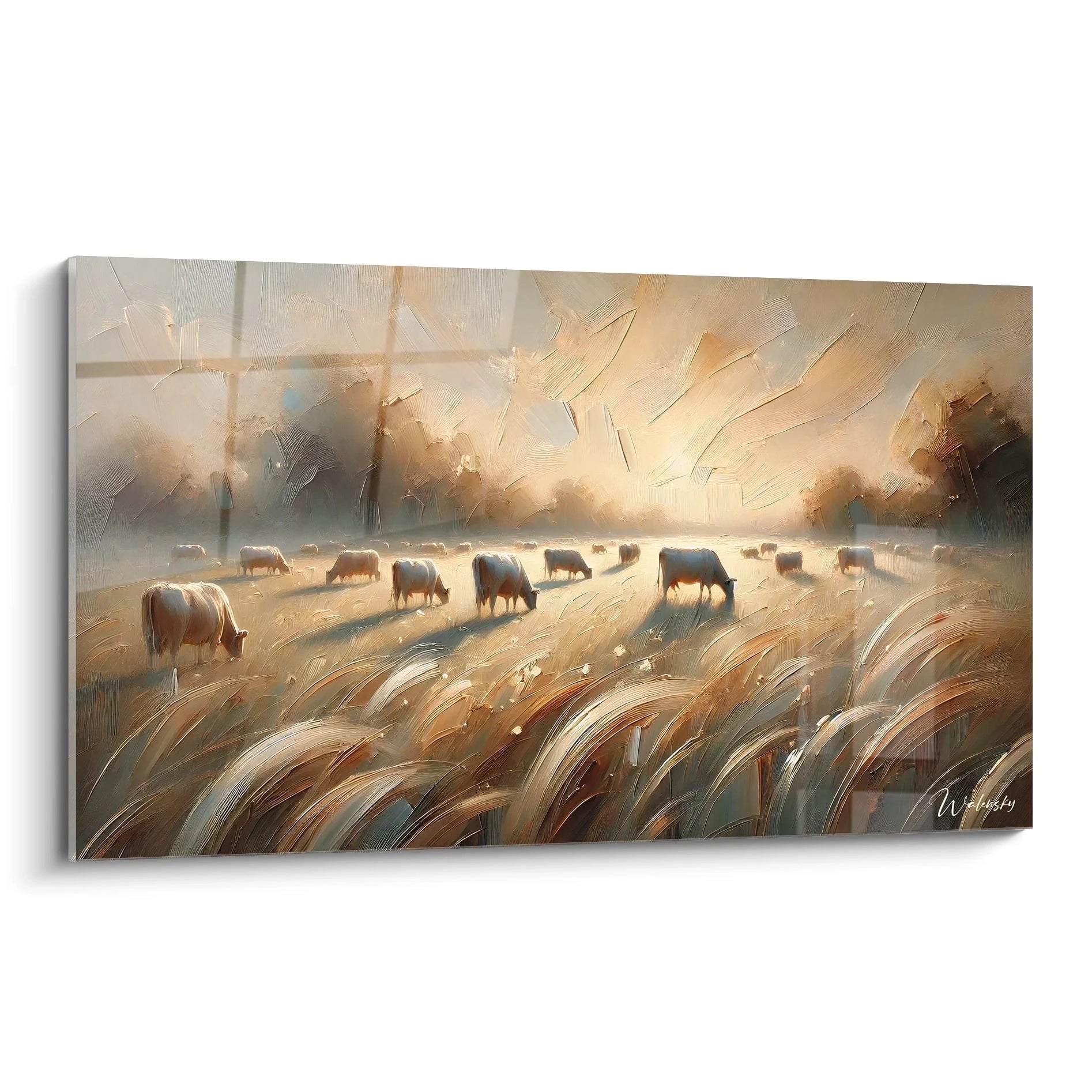
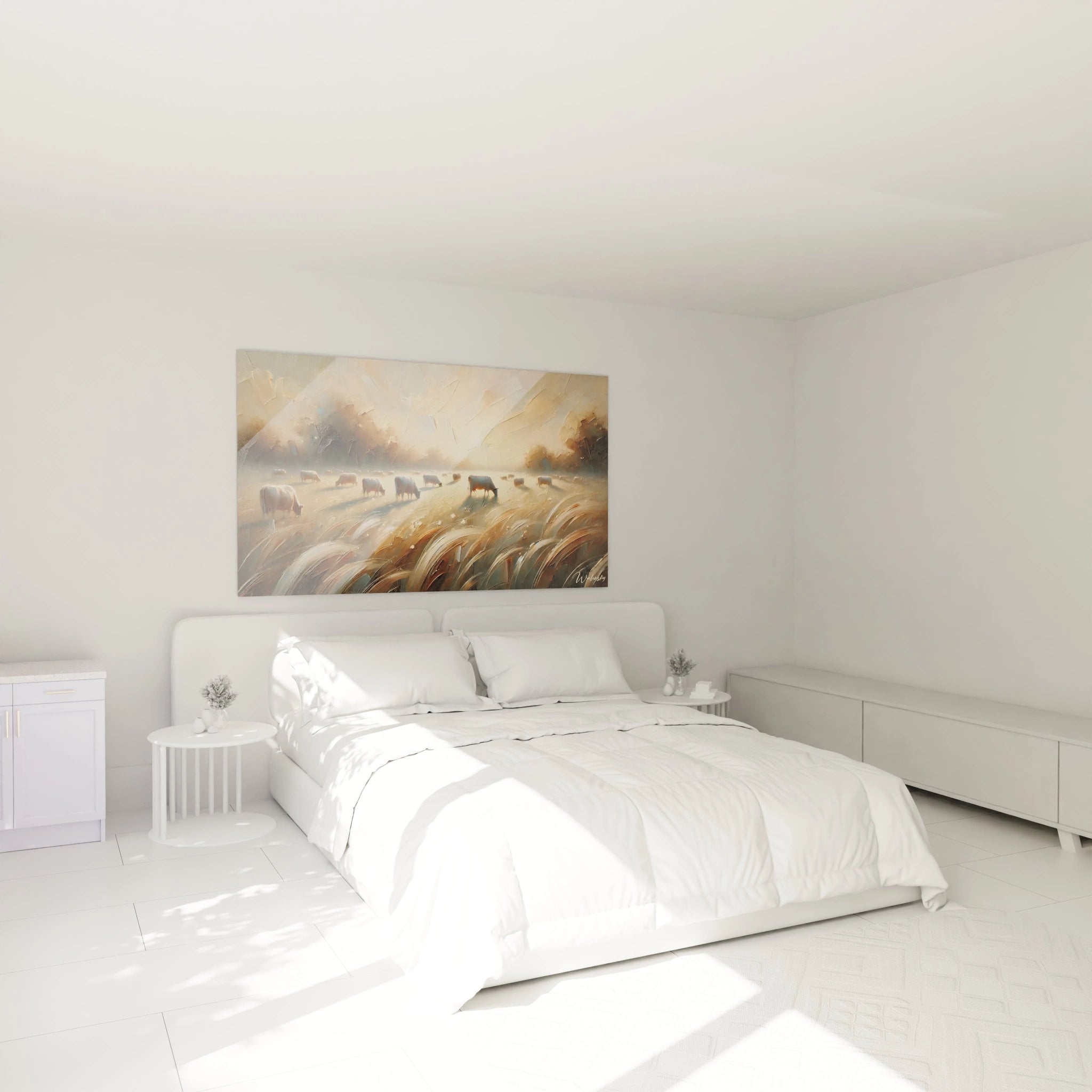
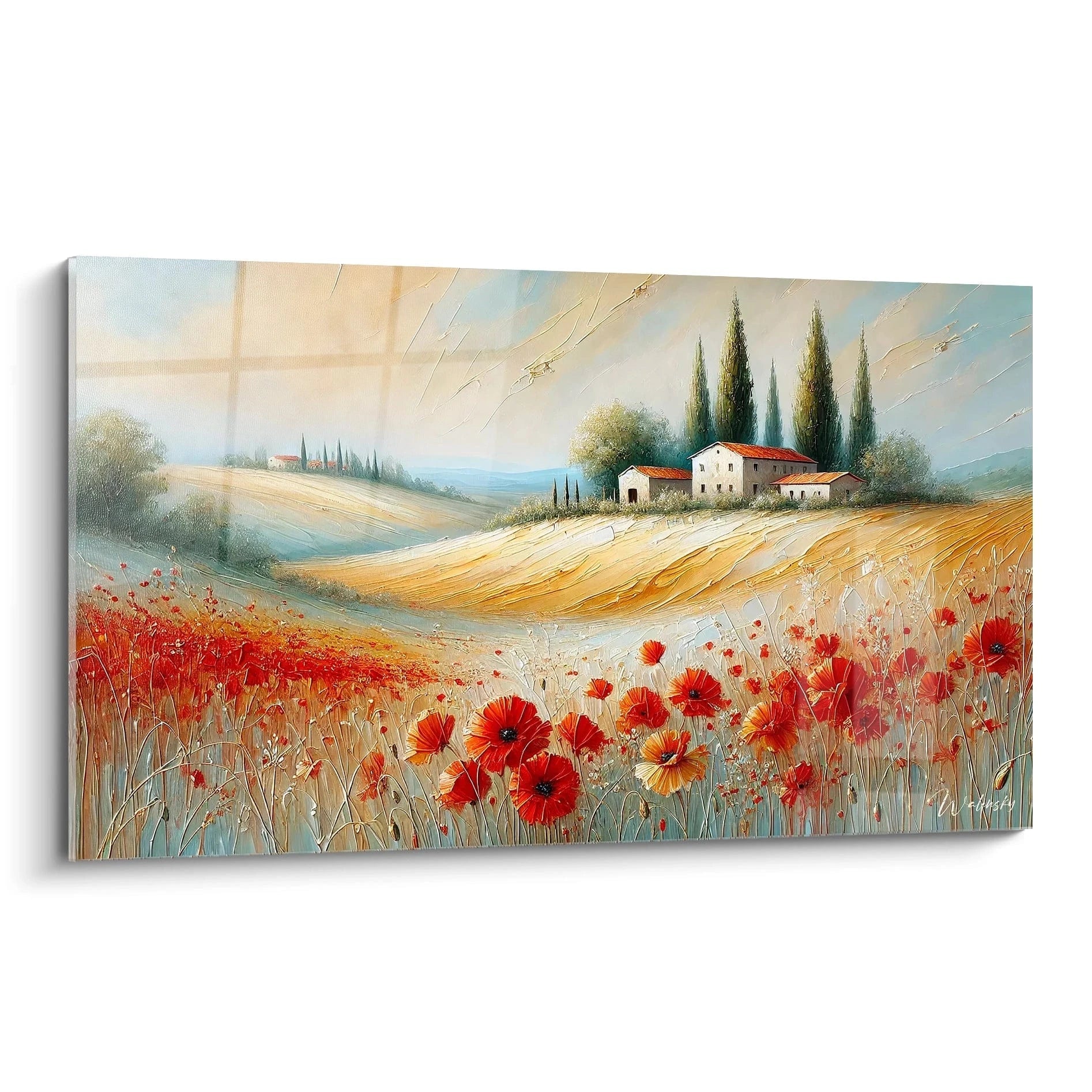
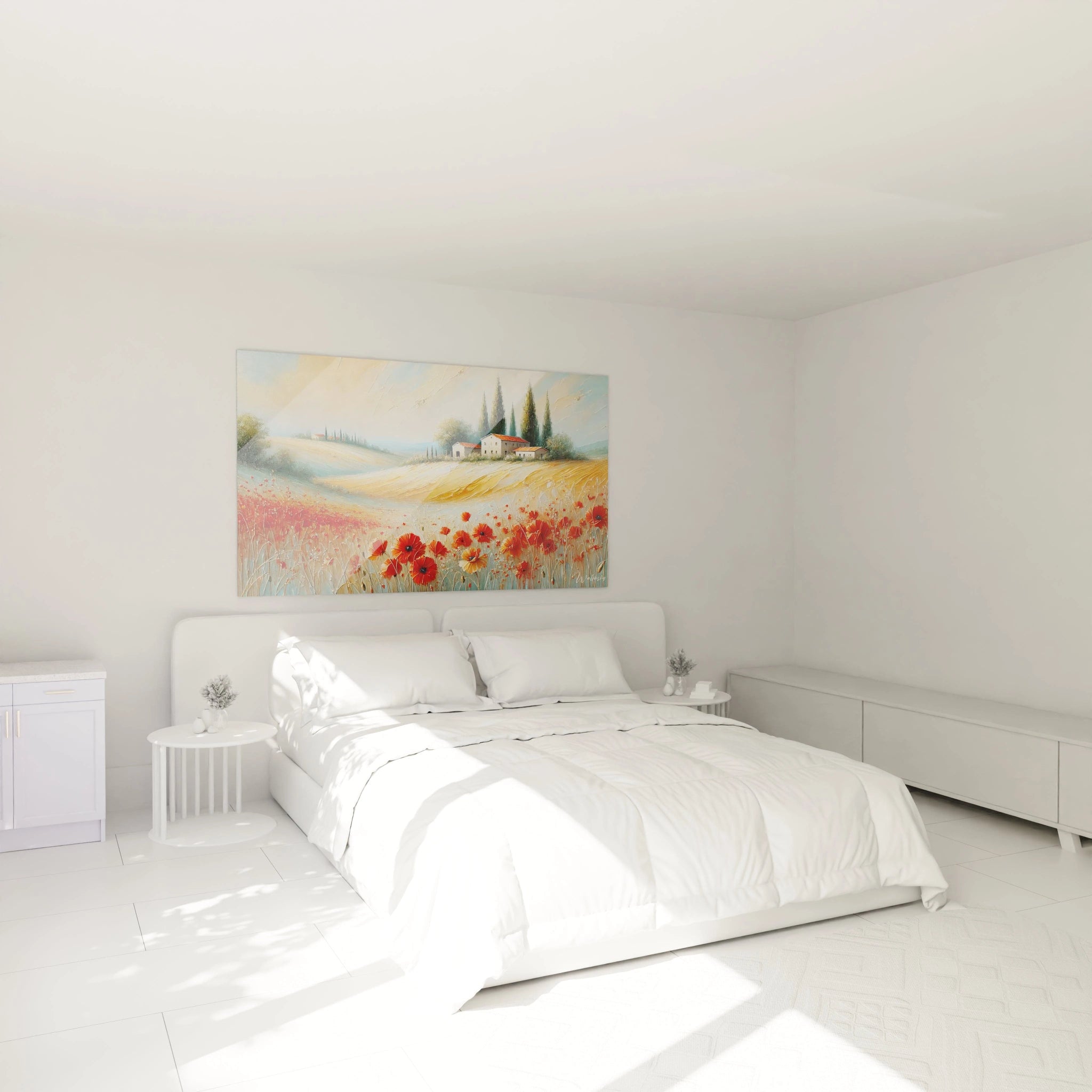
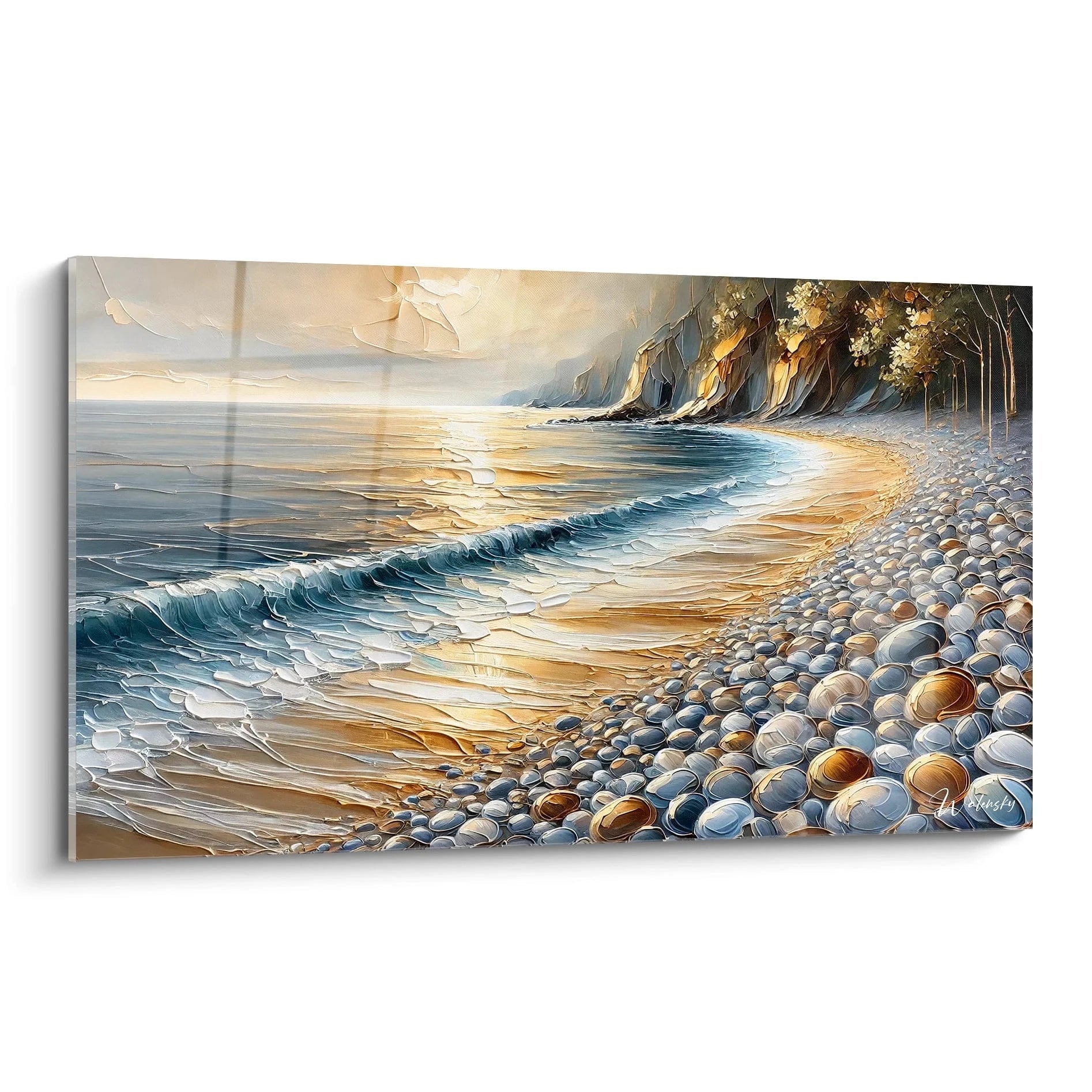
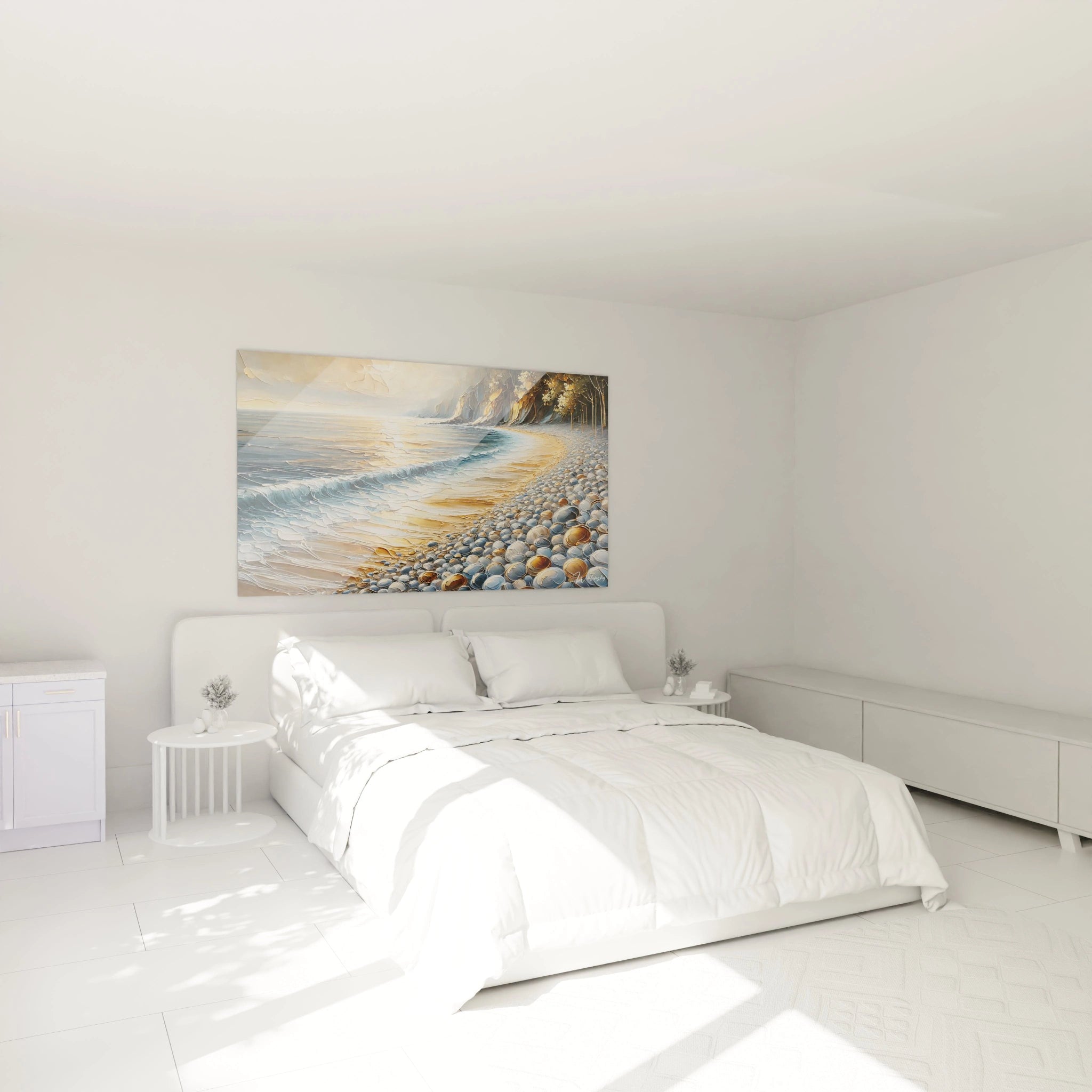
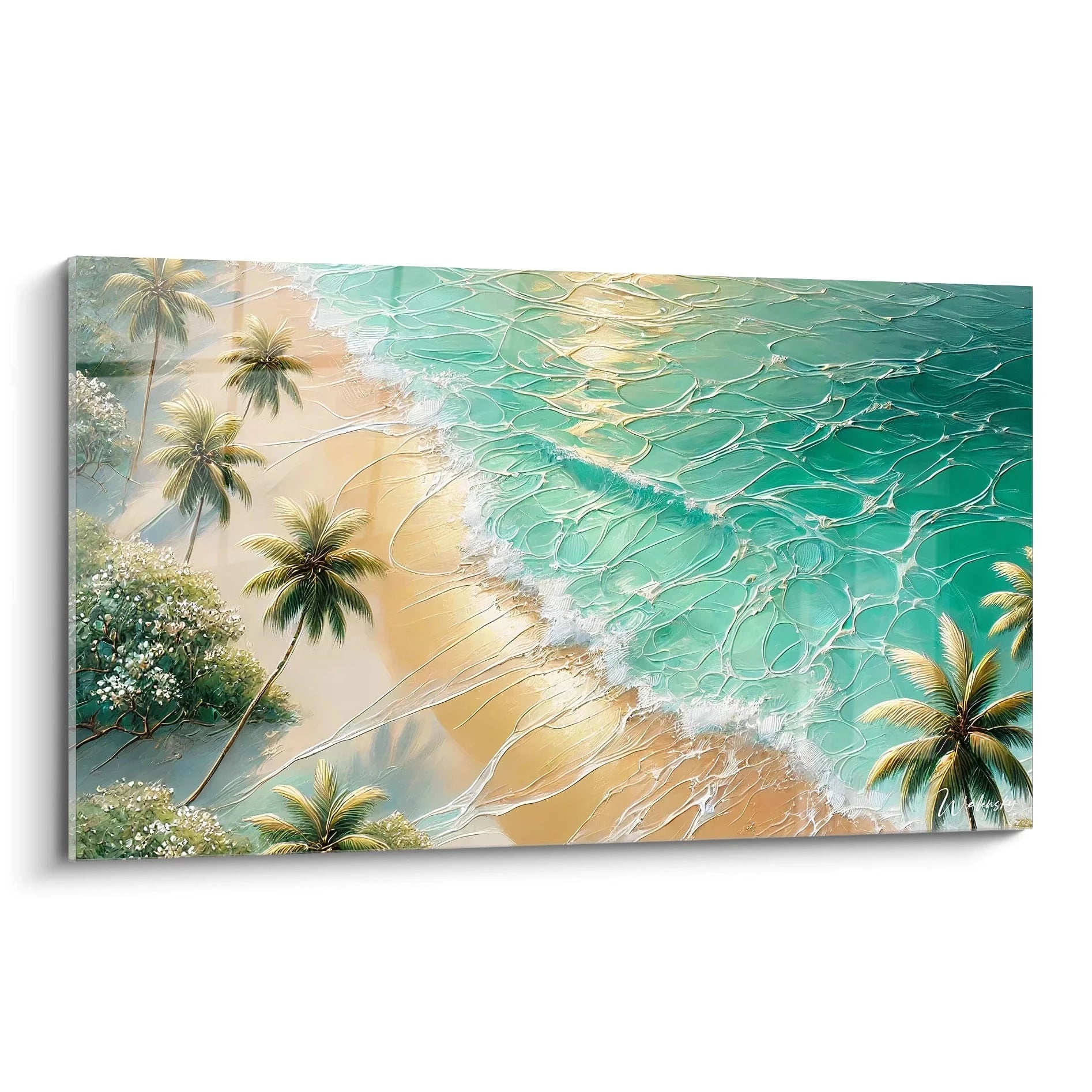
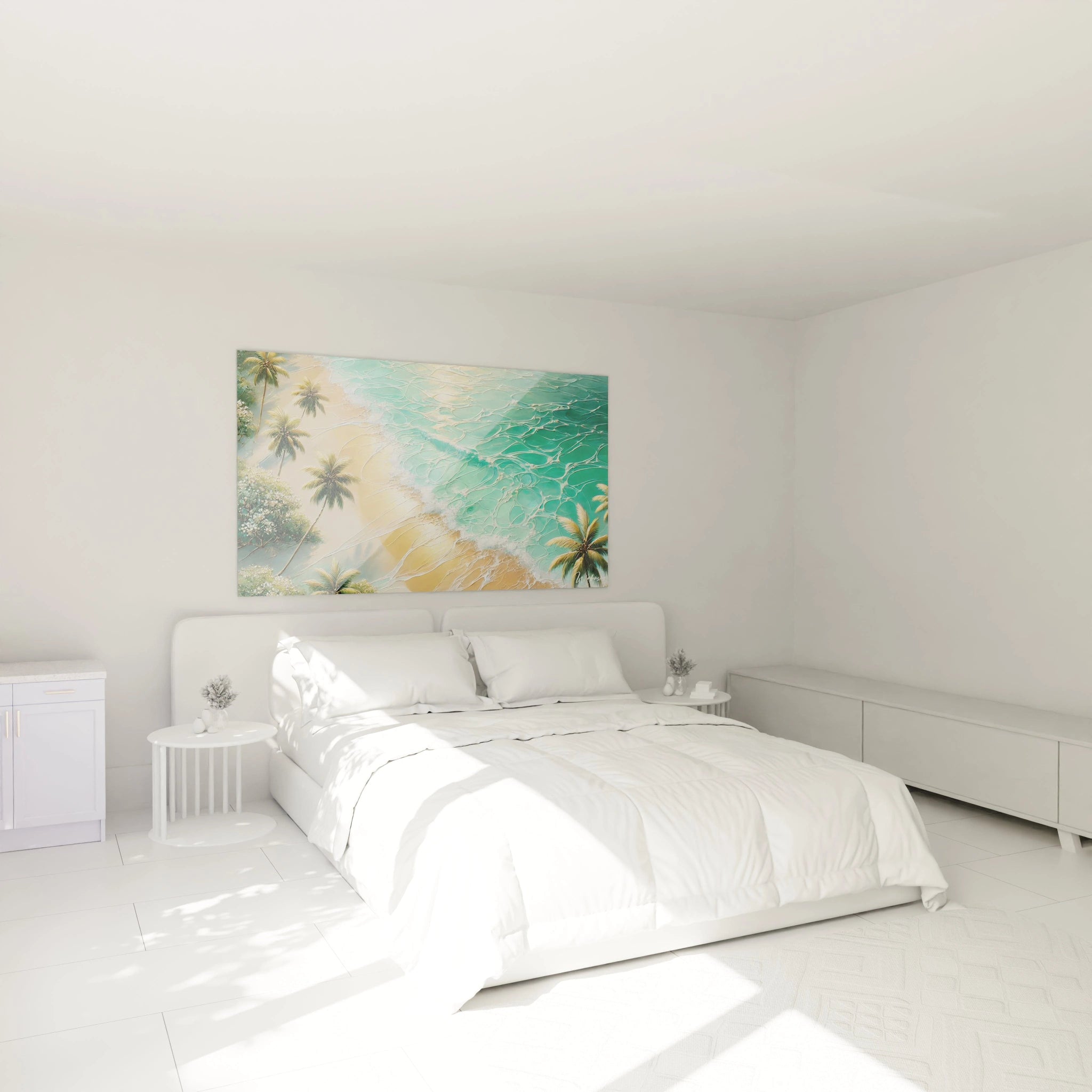
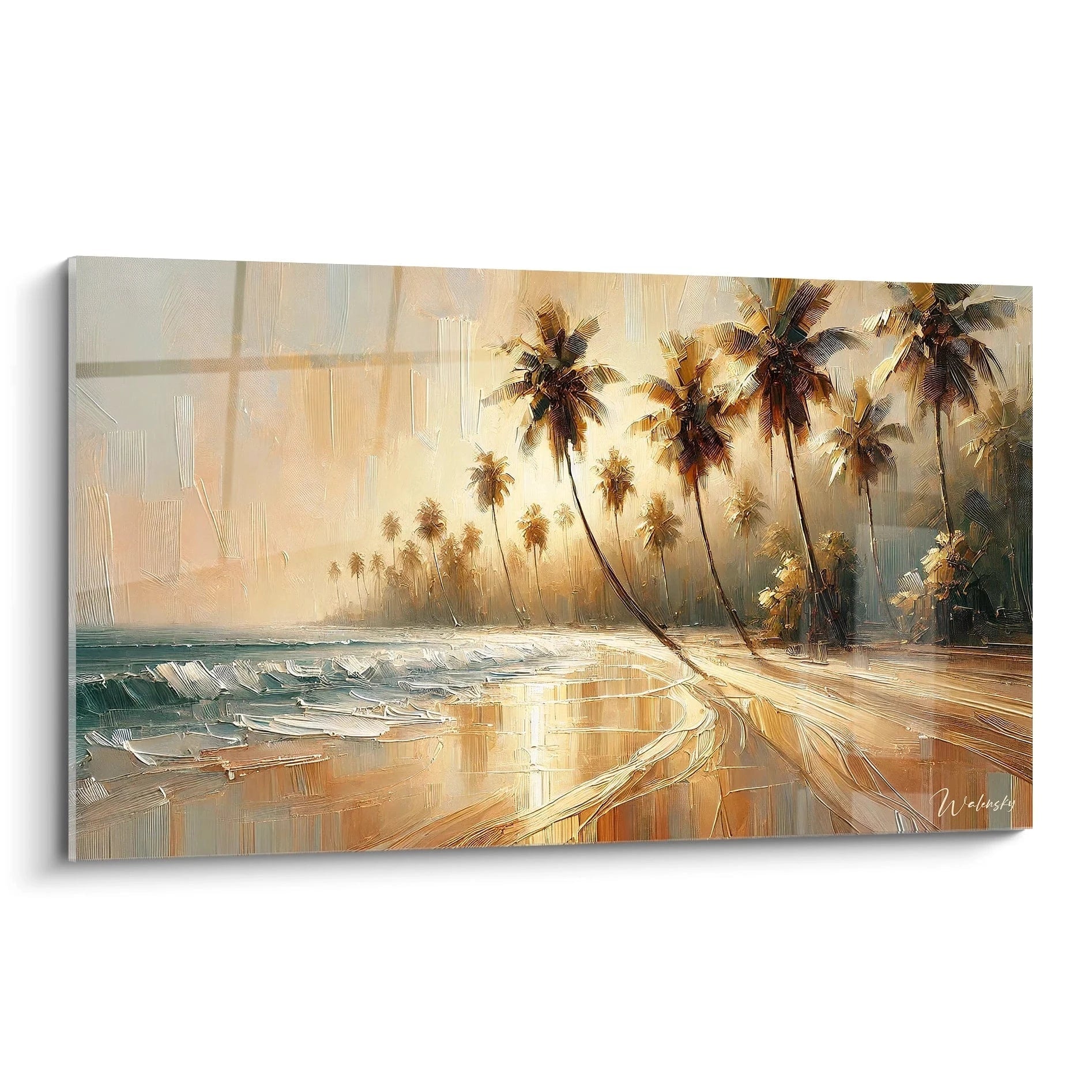
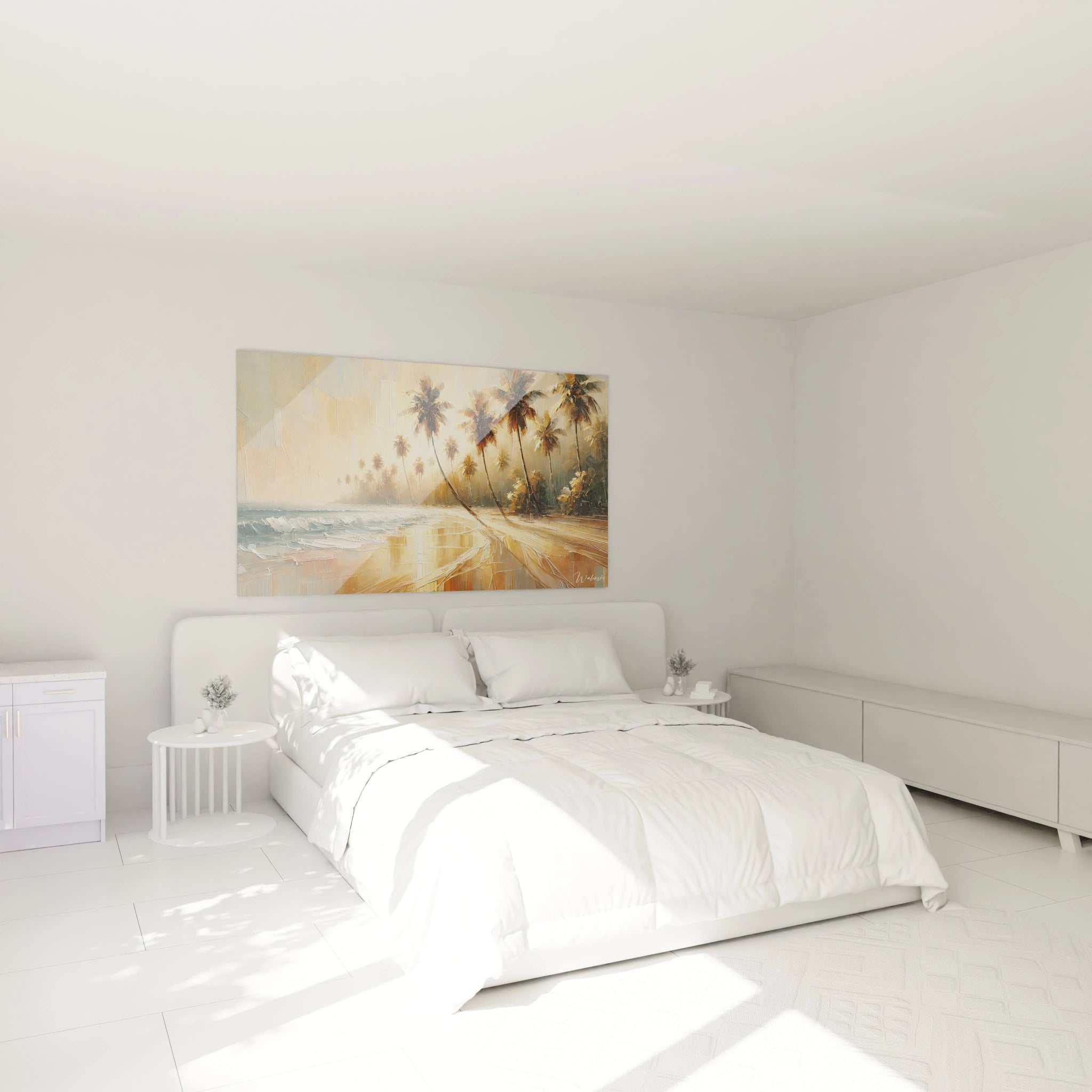
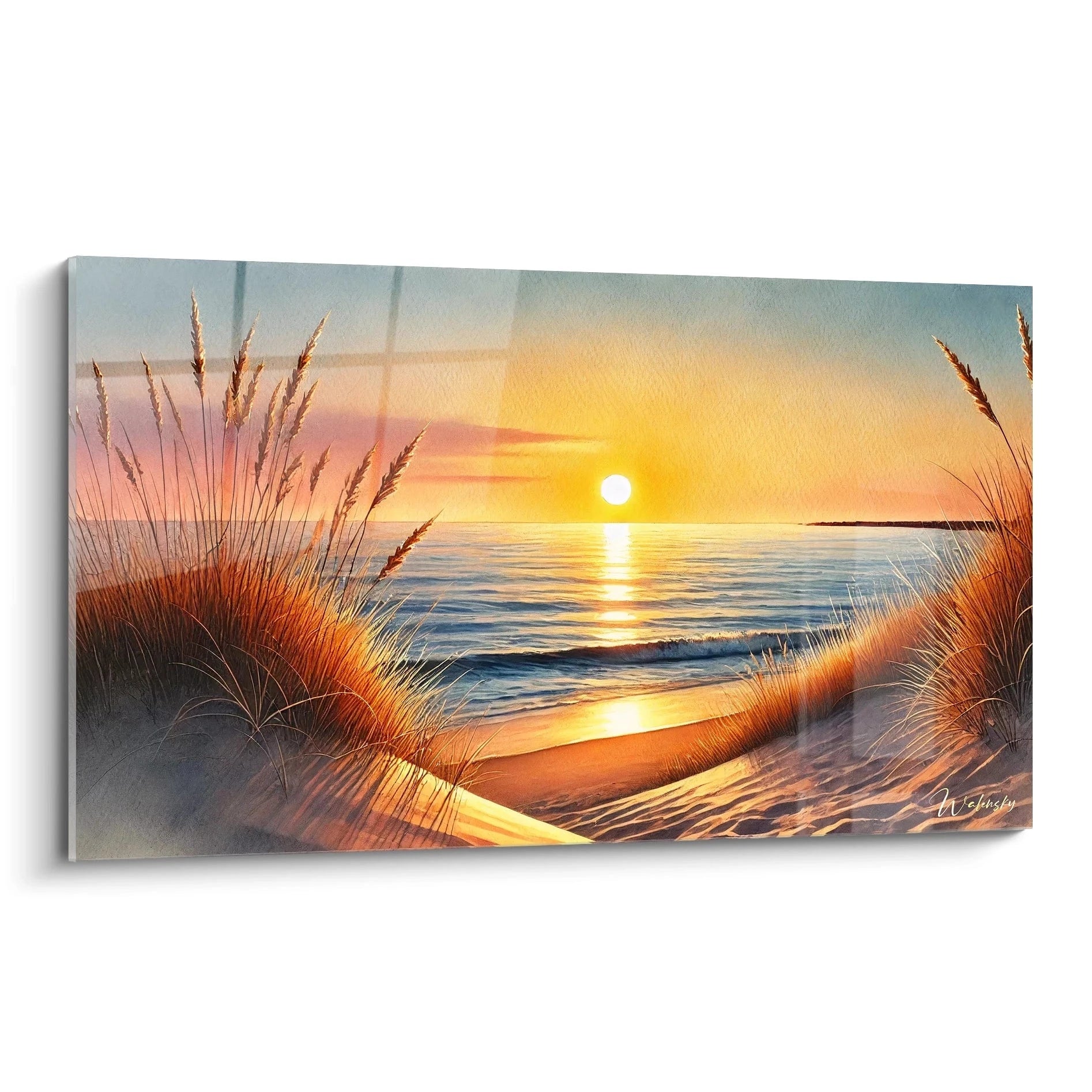
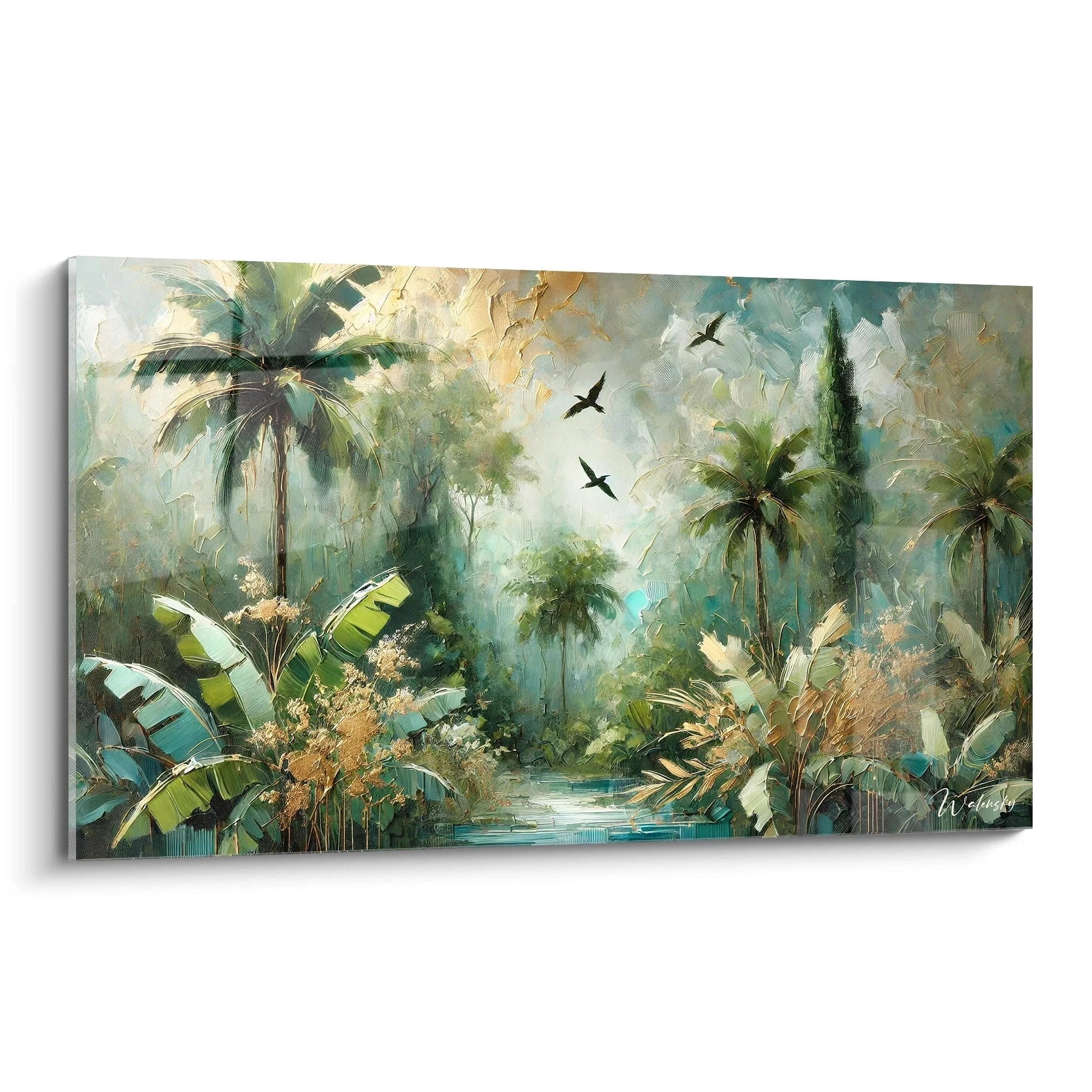
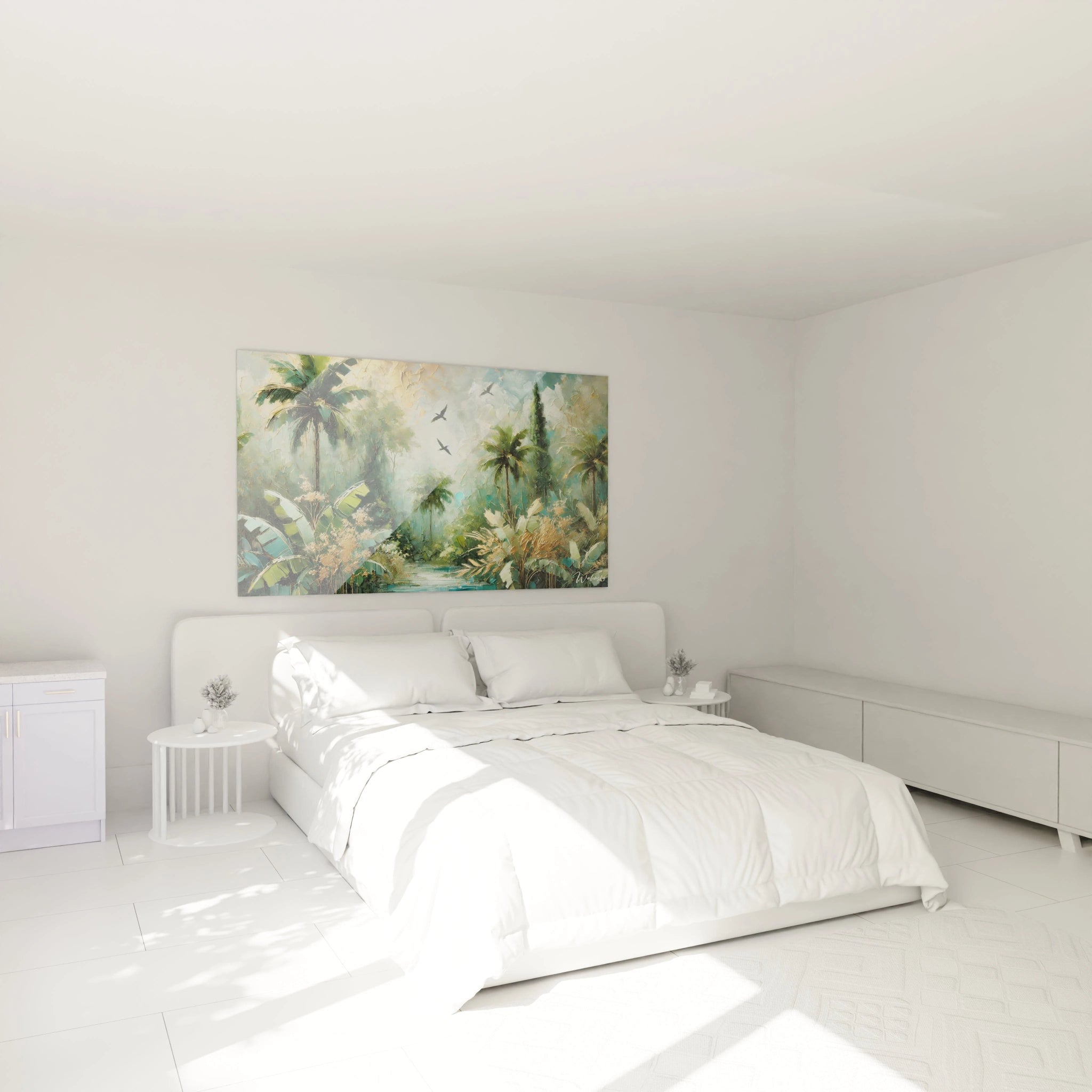
Discover our exclusive collection of spa wall art designed specifically to withstand the humid environments of wellness centers and relaxation spaces. Each wall decoration combines soothing aesthetics with technical performance adapted to hygiene constraints and permanent humidity conditions in body care facilities.
Technical Performance of Spa Wall Art in Humid Environments
Installing spa wall art requires a thorough understanding of environmental constraints specific to wellness spaces. Unlike standard wall decorations, these artworks must resist relative humidity regularly exceeding 70%, constant temperature variations between 22°C and 32°C, and splashes of chlorinated or salt water depending on hydrotherapy installations.
Which materials durably resist spa humidity?
High-performance spa wall decoration incorporates multilayer hydrophobic surface treatments that create an impermeable barrier against water vapor. The inks used for humidity-resistant spa printing undergo stability testing in climate chambers reproducing 500 humidification cycles. This resistance preserves color intensity even after three years of exposure to daily moisture saturation in treatment rooms.
The supporting structure benefits from anti-corrosion treatment essential because standard metal fasteners degrade in 18 months in humid rooms. Hanging systems for spa environments use marine-grade stainless steel alloys that maintain structural integrity despite permanent contact with saturated air. This technical design ensures client safety during extended relaxation sessions.
Protection Against Mold and Bacteria
Wellness centers must comply with strict hygiene protocols to prevent microbial proliferation. High-performing spa wall art incorporates fungicidal agents in its surface finish, creating an environment hostile to mold spores that naturally thrive in high-humidity areas. These antimicrobial treatments remain active for a minimum of five years.
Daily maintenance of relaxation space decoration is performed with the same disinfectant products used for therapeutic equipment, without color alteration or substrate degradation. This chemical compatibility allows facilities to maintain hygiene standards while preserving the soothing aesthetics essential to the client experience. Smooth surfaces facilitate quick wiping after each session.
Panoramic Formats and Peripheral Vision
The generous dimensions of modern spa wall art meet specific visualization needs from reclined positions. When clients are positioned on massage tables or in hydrotherapy baths, their natural field of vision focuses on wall areas located between 1.2m and 2.5m in height. Horizontal formats exceeding 150cm in width offer continuous visual presence throughout the treatment duration.
This extended dimension creates an immersive effect particularly sought for guided meditation protocols and energy healing treatments. The client's eye can progressively explore composition details without focusing effort, promoting deep relaxation. Therapists report a 30% reduction in time needed to achieve optimal muscle relaxation when the visual field incorporates these soothing large formats.
Dimensional Stability Against Hygrometric Variations
Daily humidification and drying cycles create significant dimensional stress on traditional substrates. Professional spa visuals use composite substrates with low moisture expansion coefficients that absorb less than 0.3% humidity even with prolonged exposure to saturation. This stability prevents warping, distortion, and peeling observed on non-adapted decorations after weeks of use.
Cold lamination techniques under pressure guarantee molecular adhesion between different layers of the waterproof spa wall art, eliminating delamination risks caused by condensation. This multilayer construction also protects the image from capillary infiltration that would create unsightly water stains. Longevity thus reaches 8 to 10 years under intensive spa facility conditions.
Certification and Regulatory Compliance
Facilities receiving public clients for body care must comply with strict standards concerning materials installed in humid areas. Compliant wellness wall decoration carries M1 or B-s1,d0 fire-resistance certifications according to European regulations. These classifications attest to flame non-propagation and absence of toxic emissions in case of fire.
Component traceability used in manufacturing allows professionals to compile regulatory documentation during health inspections. Large-format spa printing also meets VOC (Volatile Organic Compounds) requirements limiting emissions of potentially irritating substances in confined treatment room atmospheres. This compliance protects both clients and staff exposed daily.
Chromotherapy and Psychological Influence of Spa Wall Art
Integrating spa wall art into a wellness facility's sensory strategy far exceeds simple decoration. Neuroscience demonstrates that visual stimuli directly influence neurotransmitter production associated with relaxation, particularly serotonin and endorphins. Appropriate chromatic selection can reduce salivary cortisol levels by 23% in just 15 minutes of passive visual exposure.
Which color palette promotes deep relaxation?
Aquatic tonalities form the foundation of effective spa relaxation ambiance. Turquoise blue shades between 480 and 495 nanometers of wavelength stimulate the parasympathetic system responsible for heart rate decrease. These hues unconsciously evoke natural aquatic environments where humans instinctively feel soothing security from evolutionary origins.
Zen spa decoration also incorporates emerald and celadon greens that reproduce light frequencies of tropical humid forests. These colors activate visual receptors associated with lush nature, triggering a relaxation response comparable to immersion in natural environments. The combination of these two color families creates particularly powerful therapeutic synergy for stress management protocols.
Contrast and Minimized Eye Strain
Unlike dynamic environments, therapeutic spaces require gentle color transitions demanding no visual accommodation effort. High-performing relaxation wall art presents progressive gradients with tonal variations below 15% between adjacent areas. This low contrast allows the visual system to remain in parasympathetic mode, avoiding activation of alert mechanisms that would counteract sought relaxation.
Compositions for therapeutic spa visualization exclude angular graphic elements or repetitive patterns generating involuntary cognitive stimulation. Fluid organic forms inspired by aquatic movements or plant structures promote passive contemplation. The brain can thus allocate resources to physiological recovery processes rather than visual analysis.
How do aquatic visuals influence sensory perception?
Representations of aquatic elements on spa wall art create multisensory coherence with hydrotherapy treatments. When clients observe stylized waves or light reflections evoking water while bathing in a bubbling bath, their brain integrates this convergent information by amplifying well-being sensation. This perceptual reinforcement phenomenon increases subjective treatment quality evaluation by 40%.
Mineral themes like polished pebbles or underwater rock formations establish symbolic connection with therapeutic properties attributed to natural elements. This mental association strengthens perceived treatment efficacy, a determining factor in client satisfaction and loyalty rates. Facilities observe average 18% increase in recurring reservations after installing coherent immersive spa decoration.
Adapted Brightness and Controlled Light Reflection
The dimmed lighting characteristic of modern treatment rooms modifies color perception compared to standard observation conditions. Professional wellness visuals are designed with pigments whose reflectance remains harmonious even under 150 to 300 lux lighting typical of therapeutic environments. Colors retain their soothing power without becoming dull or creating anxiety-inducing shadowed areas.
Satin or matte finishes prevent specular reflections that might distract clients during sessions. In spaces where candles or indirect lighting create hushed atmosphere, spa wall art surfaces must generate no blinding light spots. This mastery of photometric interactions participates in the total sensory envelopment sought in advanced relaxation protocols.
Influence on Perceived Treatment Duration
Temporal psychology demonstrates that visual environment modifies subjective time perception. Soothing spa compositions with horizontal elements and slow visual rhythms create temporal dilation where 45-minute treatments seem shorter to clients. This phenomenon reduces impatience and mental restlessness, enabling deeper therapeutic immersion.
Premium facilities use this property to optimize pricing structures. By increasing perceived satisfaction without extending actual treatment duration, they improve operational profitability. Investment in strategically selected wall decoration for relaxation typically pays for itself in less than 18 months through improved satisfaction and client recommendation metrics.
Strategic Integration of Spa Wall Art in Treatment Journeys
Positioning spa wall art in wellness space architecture follows meticulously orchestrated client journey logic. From entry into preparation zones, wall decoration initiates psychological transition between stressful external environment and protected regeneration space. This progressive visual sequence accompanies each therapeutic protocol step to maximize physiological and emotional benefits.
Positioning Based on Spa Functional Zones
Changing rooms and transition spaces require spa welcome decoration with gently soothing tonalities that initiate mental disconnection. Vertical formats from 120cm to 180cm height adapt to architectural constraints of restricted circulation zones. Selected visuals present moderate complexity that captures attention without requiring prolonged contemplation, respecting natural movement rhythm.
Individual treatment rooms benefit from immersive large-format spa decoration that becomes the primary visual focal point during 60 to 90-minute treatments. Positioned in the client's direct field of vision while reclined, these artworks must offer sufficient compositional depth to sustain repeated observation without boredom. Therapists report clients keep eyes open 70% of the time when visual support is engaging, promoting optimal conscious relaxation state.
Which Visual Coherence Between Different Therapeutic Spaces?
Effective wellness facility decoration strategy maintains chromatic and thematic continuity through all spaces. This coherence reinforces the facility's sensory identity and amplifies cumulative calming effect. Rather than disparate artworks, a harmonized collection of spa relaxation wall art creates recognizable visual signature participating in premium positioning.
Subtle variations between zones still allow adapting emotional intensity to treatment type. Deep massage spaces can tolerate slightly higher contrast than meditation areas where passive contemplation should be favored. This graduation allows client journeys to progressively modulate consciousness according to therapeutic objectives of each station.
Adaptation to Specialized Treatment Protocols
Centers offering Ayurvedic or Traditional Chinese Medicine treatments benefit from holistic wall art integrating associated cultural symbolism. Lotus representations, stylized bamboo, or zen mineral elements reinforce protocol credibility while remaining accessible to Western clientele. This visual authenticity values technical expertise without creating cultural barriers.
Facilities focused on thalassotherapy naturally privilege oceanic themes with marine spa decoration evoking abyssal depths or preserved shorelines. This coherence between therapeutic medium (seawater) and visual environment creates total immersion potentializing benefits attributed to marine trace elements. Health psychology demonstrates this congruence increases protocol adherence by 35%.
How to Optimize Visual Impact Based on Massage Table Orientation?
Treatment room architecture imposes circulation and ergonomic constraints determining therapeutic equipment orientation. High-performing wellness visual must be positioned perpendicular to table axis to remain within client's natural vision cone while reclined. Panoramic formats exploit entire available wall width, creating virtual window perceptually enlarging space.
In configurations where multiple tables share collective space (post-treatment relaxation zones), large-format spa artworks serve as visual separators delimiting privacy bubbles. This architectural function adds to aesthetic dimension addressing layout challenges inherent to contemporary thermal facilities. Resulting space economy allows increased capacity without compromising private calm sensation.
Thematic Renewal and Client Loyalty
Premium facilities partially refresh therapeutic relaxation decoration according to seasonal or biannual cycles maintaining regular client interest. This rotation adapts ambiances to emerging wellness trends without heavy architectural investment. Modular formats facilitate changes constituting marketing communication opportunities with existing clientele.
Visual freshness achieved through periodic updates combats sensory habituation progressively diminishing static environment emotional impact. Neuroscience confirms moderate novelty stimulates brain reward circuits, increasing overall experience satisfaction. This decorative rotation strategy directly contributes to repurchase rates and spontaneous recommendations.
FAQ - Frequently Asked Questions About Spa Wall Art
Does spa wall art require maintenance different from other wall decorations?
Yes, surfaces must be wiped weekly with compatible disinfectant solutions to eliminate vapor deposits and prevent microbial colonization, unlike dry environment decorations requiring only occasional dusting.
Do spa wall art formats really influence client relaxation perception?
Behavioral studies demonstrate horizontal formats exceeding 150cm create visual immersion effect reducing heart rate by 8-12 additional beats per minute compared to standard formats, thus optimizing relaxation protocol efficacy.
What optimal distance should be maintained between massage table and installed spa wall art?
Ideal distance is between 2.5m and 3.5m to enable clear vision without accommodation effort from reclined position, facilitating passive contemplation essential to deep relaxation states during extended treatments. If this theme inspires you, you'll appreciate our complete wall art collection to find creations perfectly harmonizing with these compositions.
How to choose spa wall art adapted to your facility's humidity constraints?
Prioritize supports certified for humid environments with multilayer hydrophobic treatment and marine-grade stainless fasteners, verifying antimicrobial certifications guaranteeing durability and compliance with public body care facility sanitary standards.