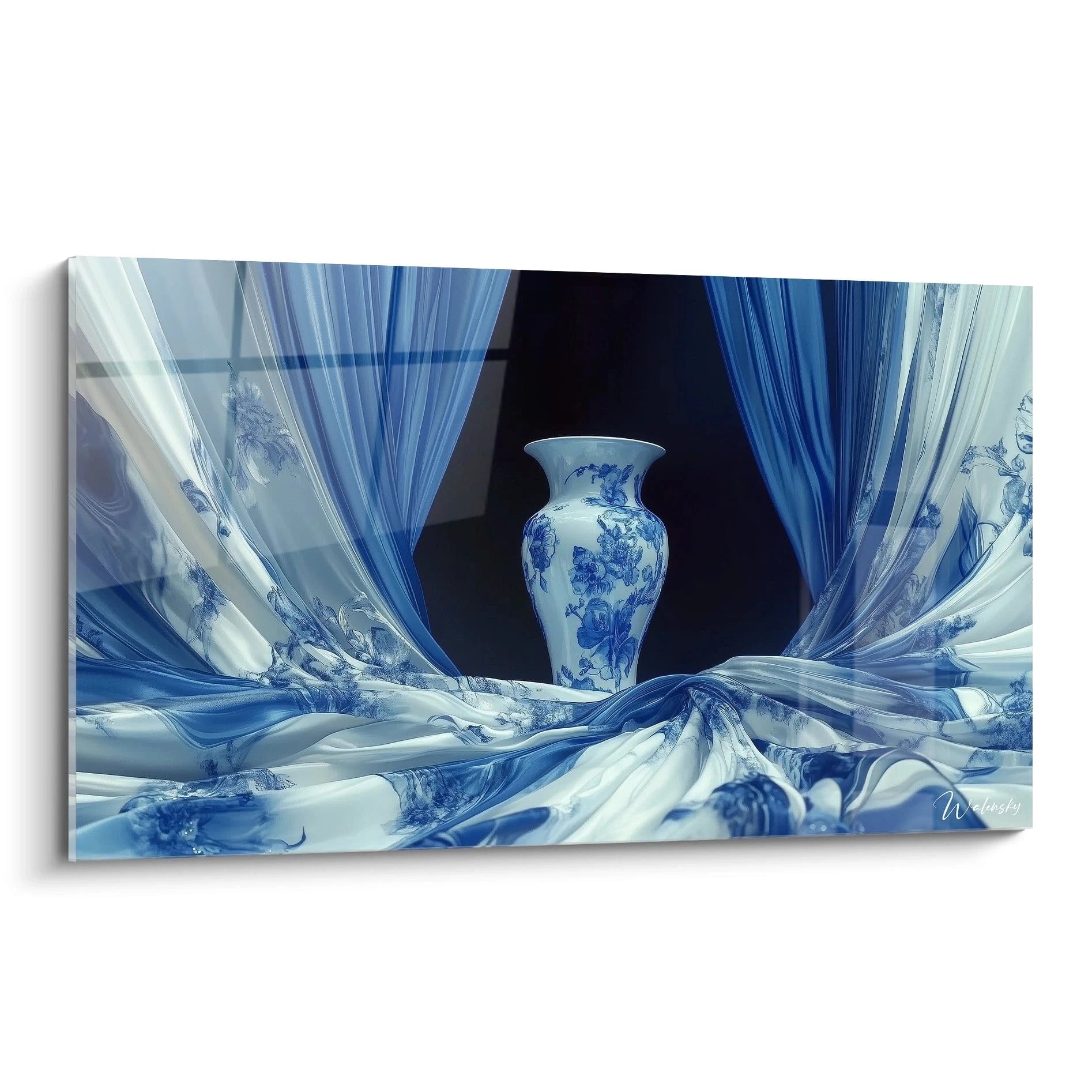
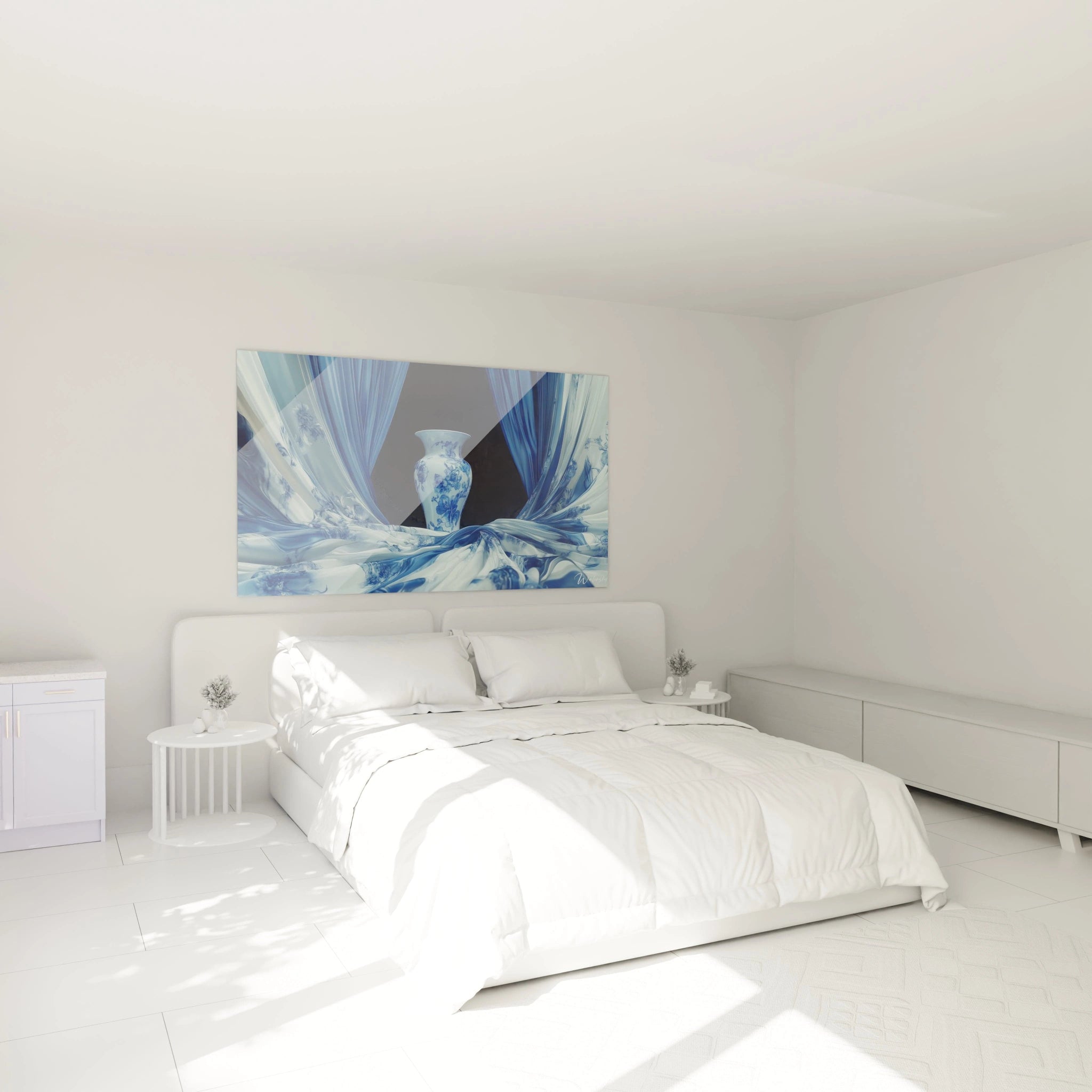
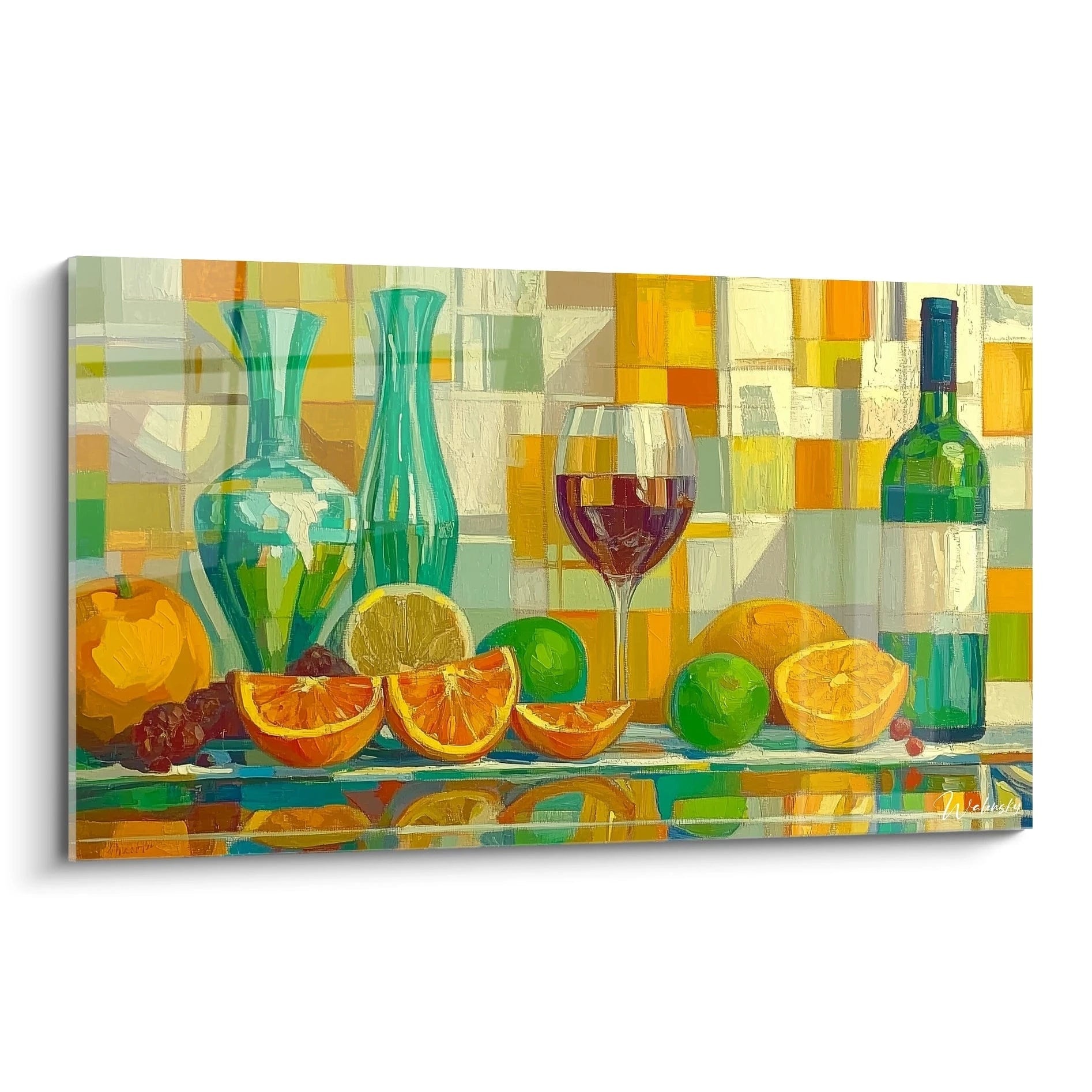
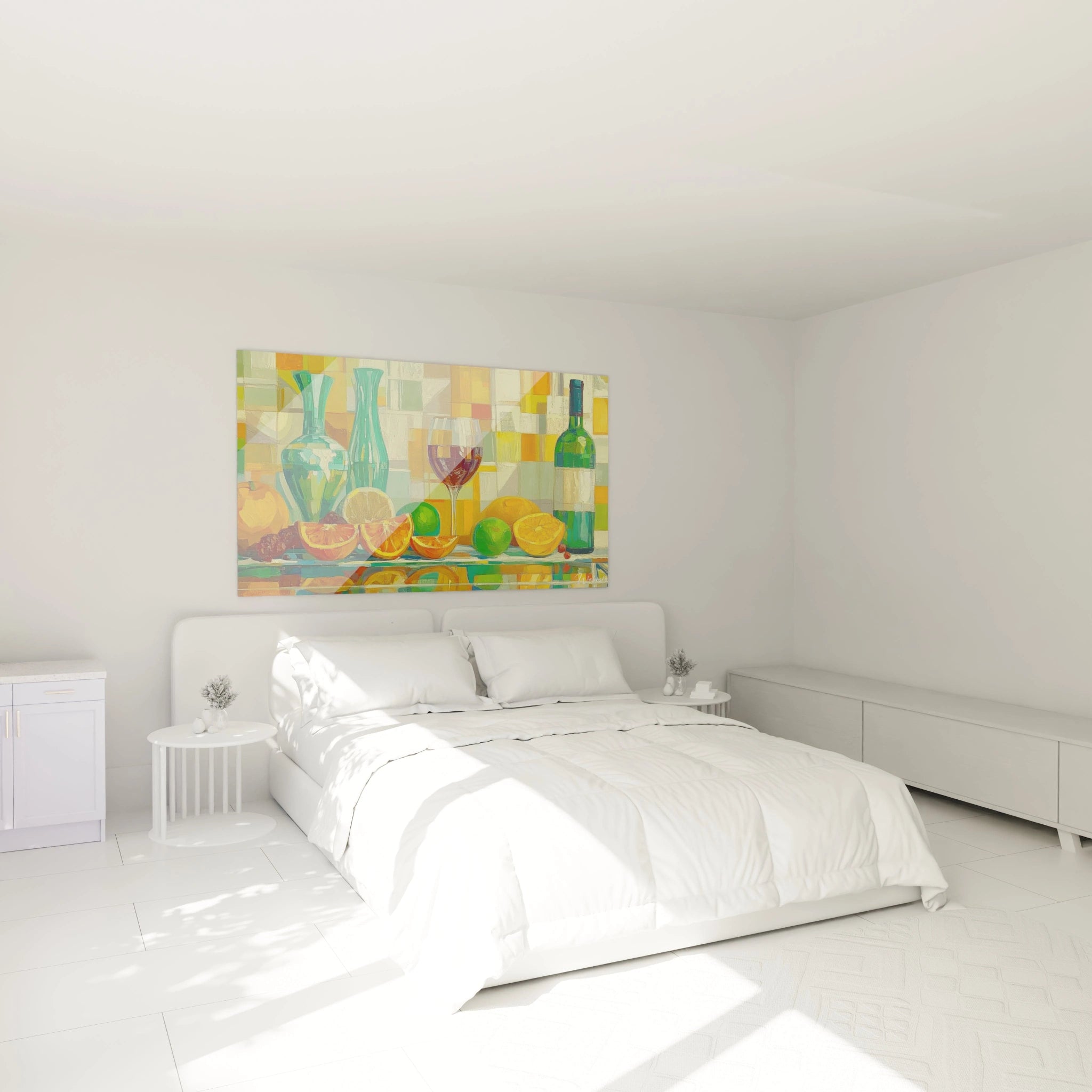
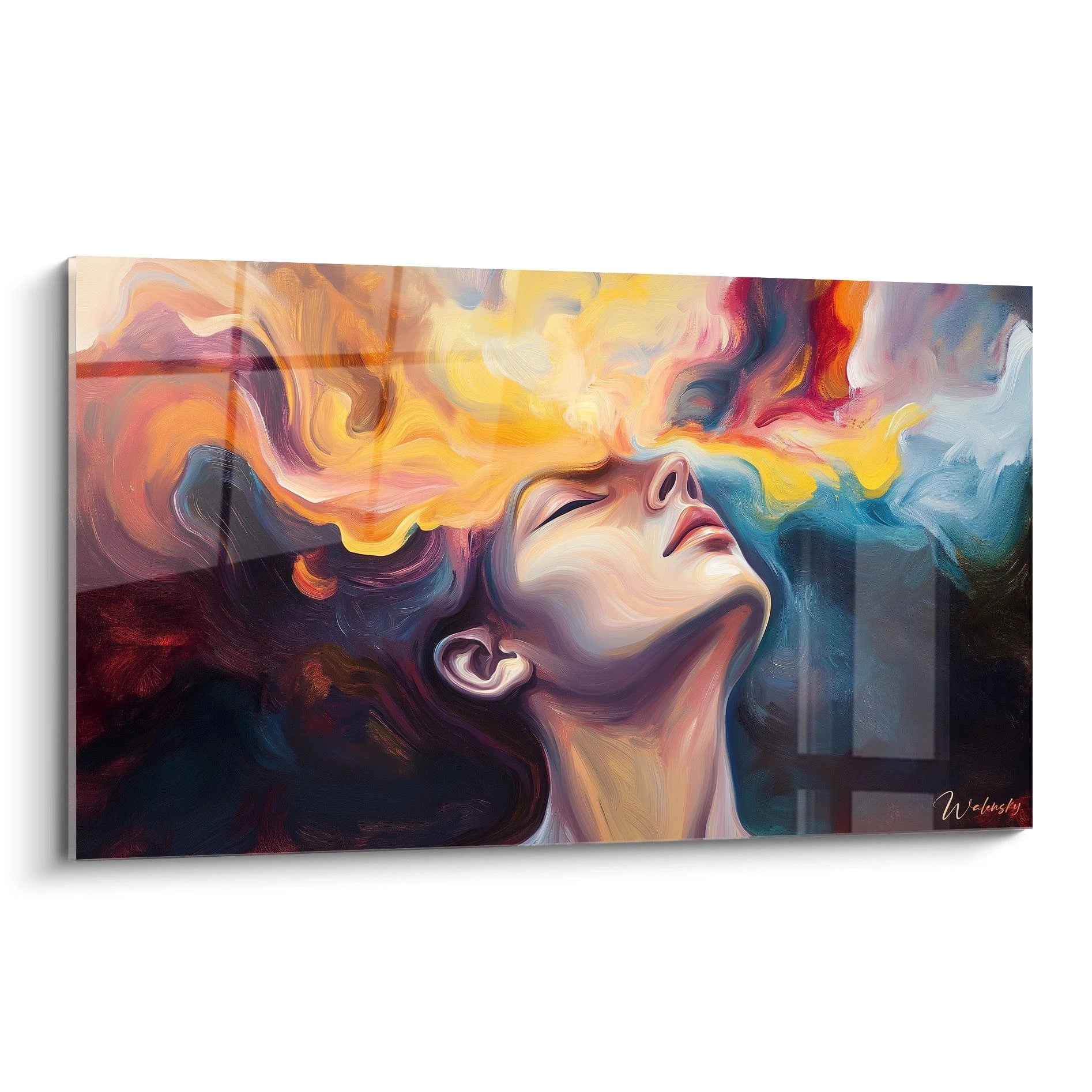
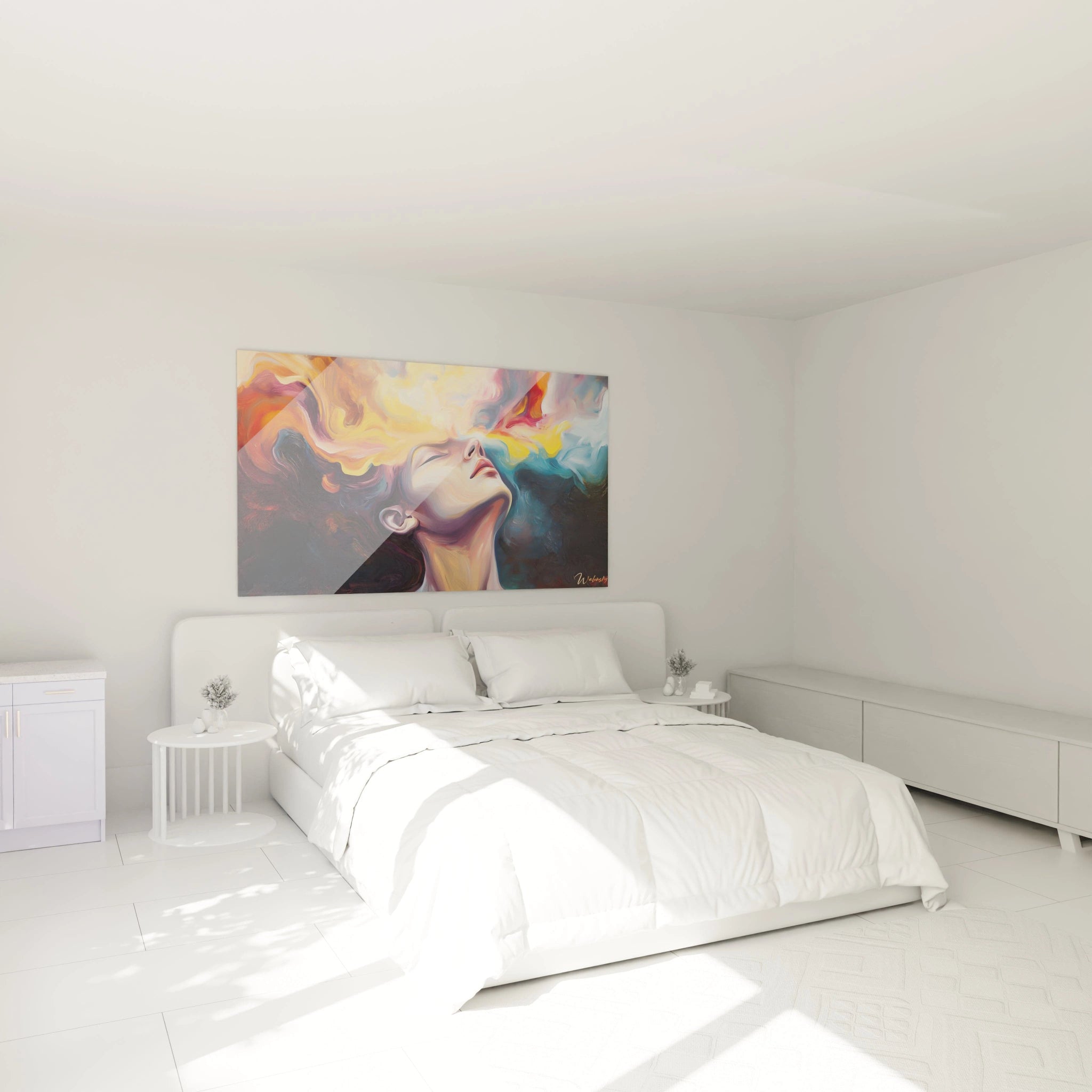
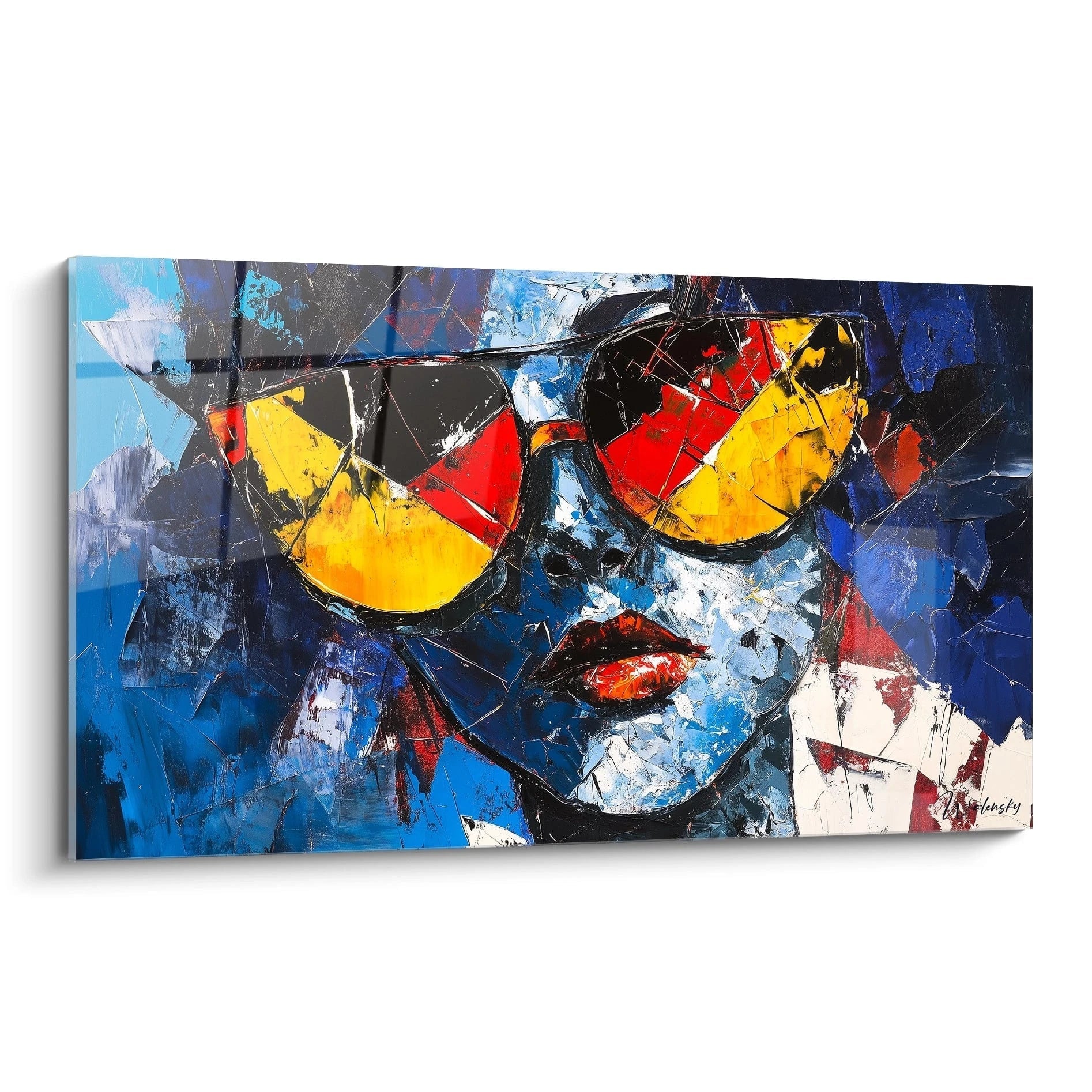
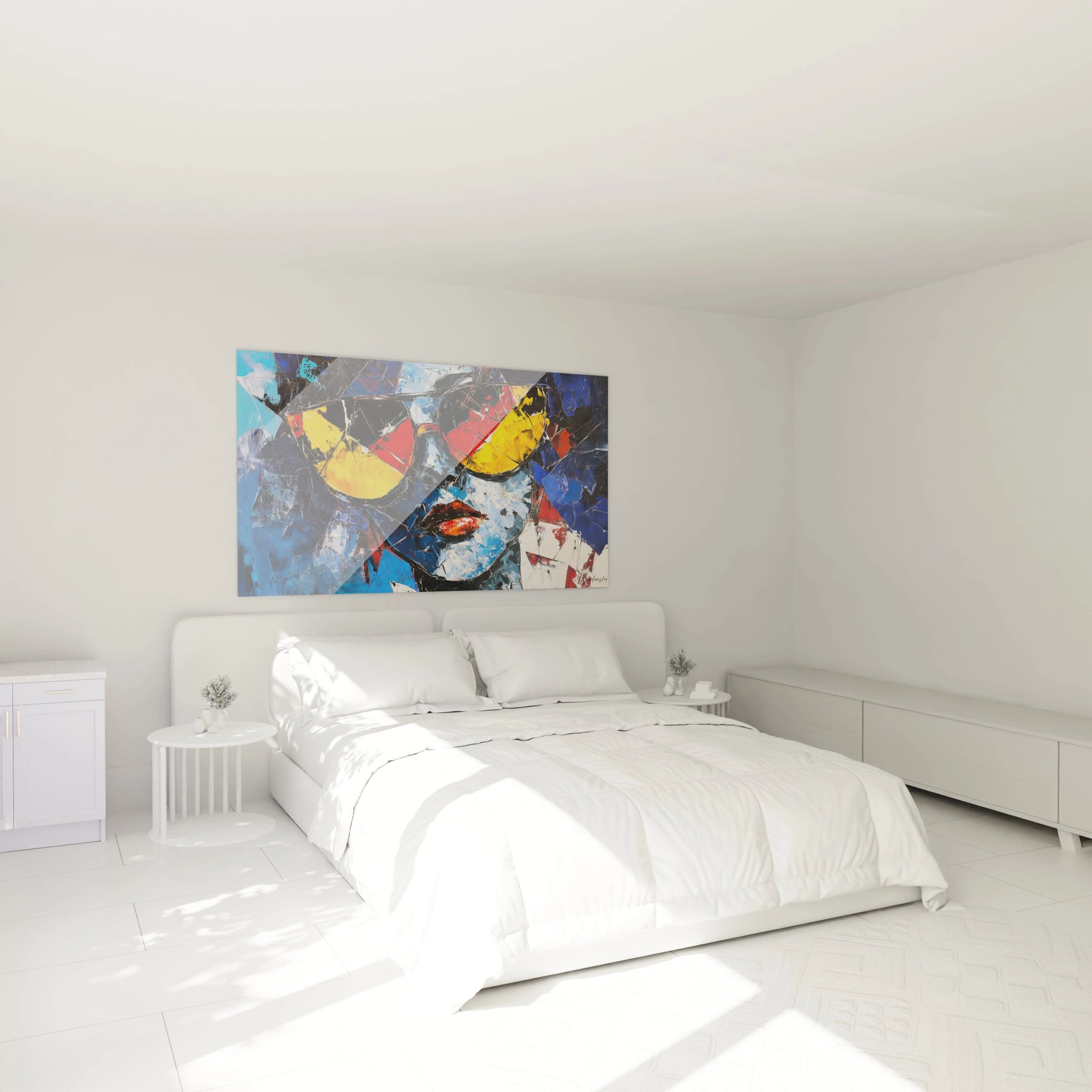
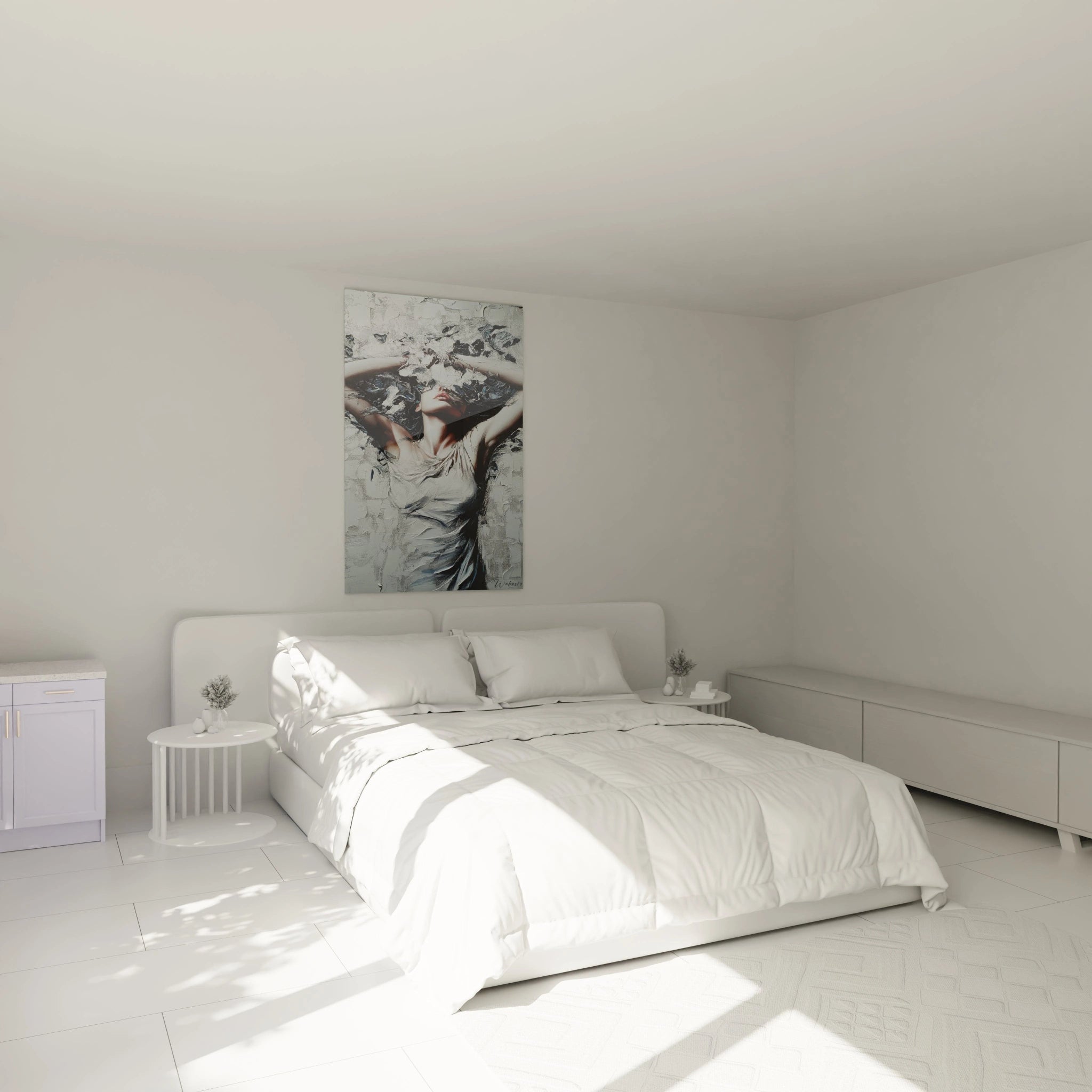
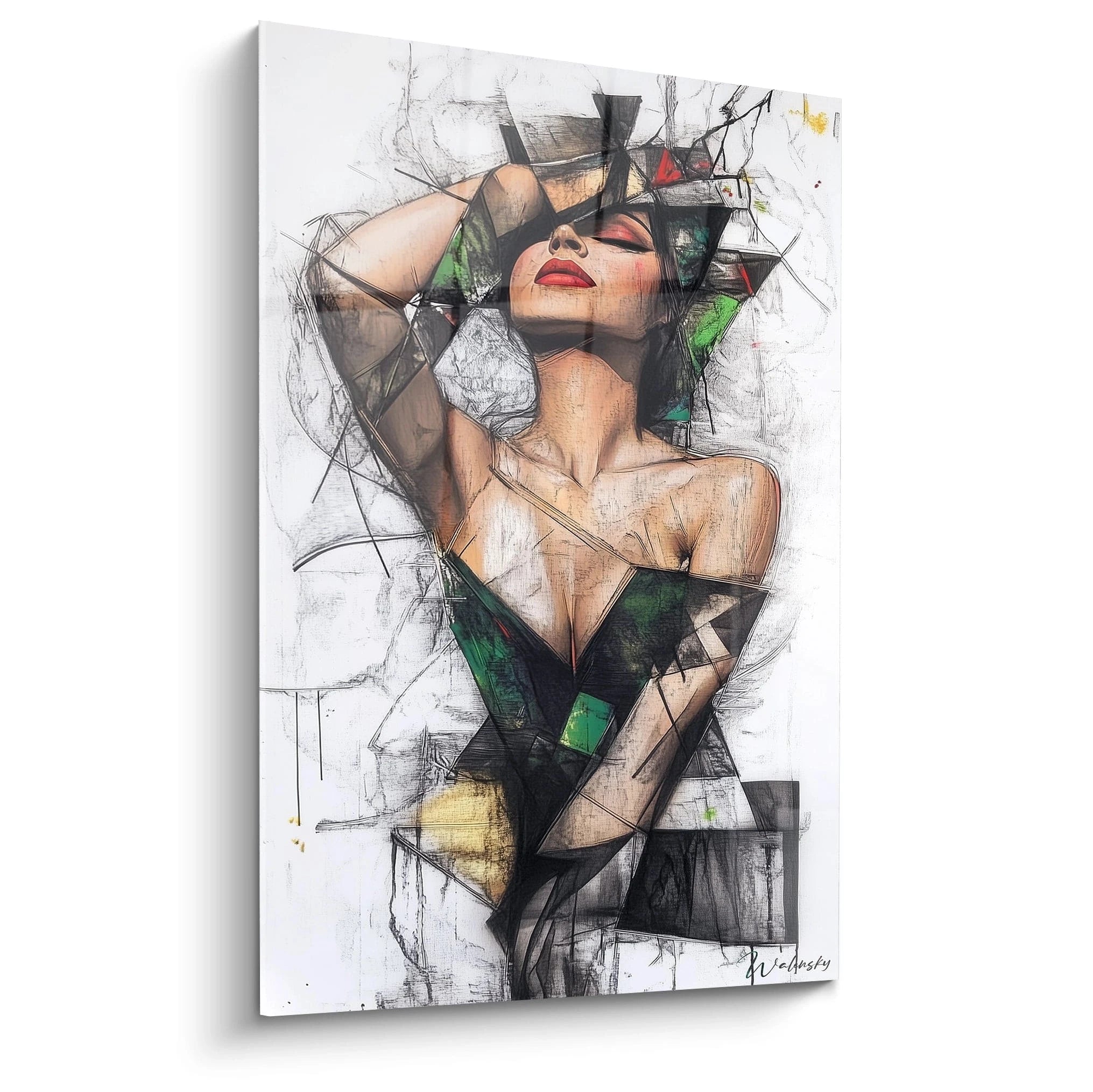
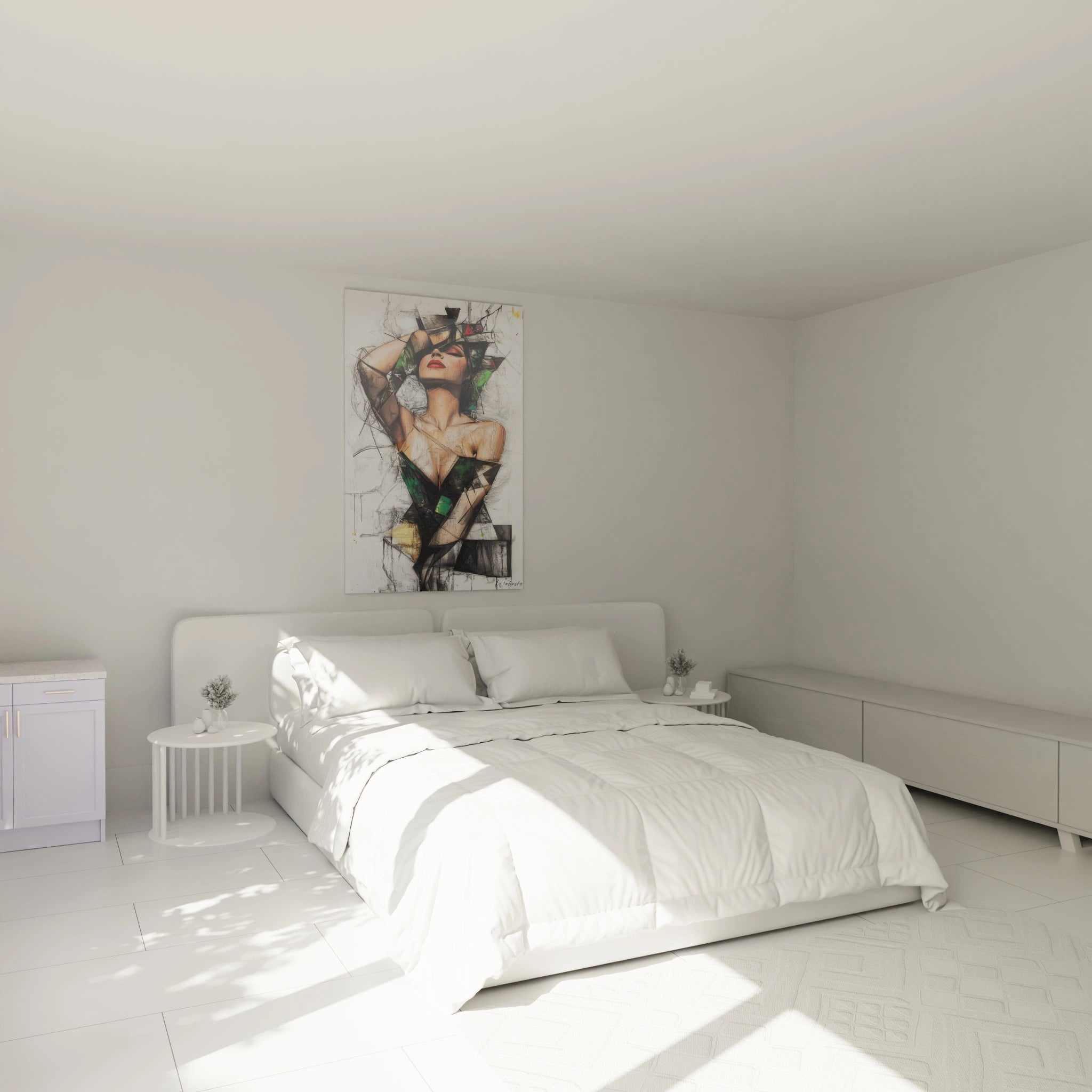
- Presentation Lawyer Office Wall Art
- Professional Visual Credibility
- Specialized Legal Identity
- Optimal Client Experience
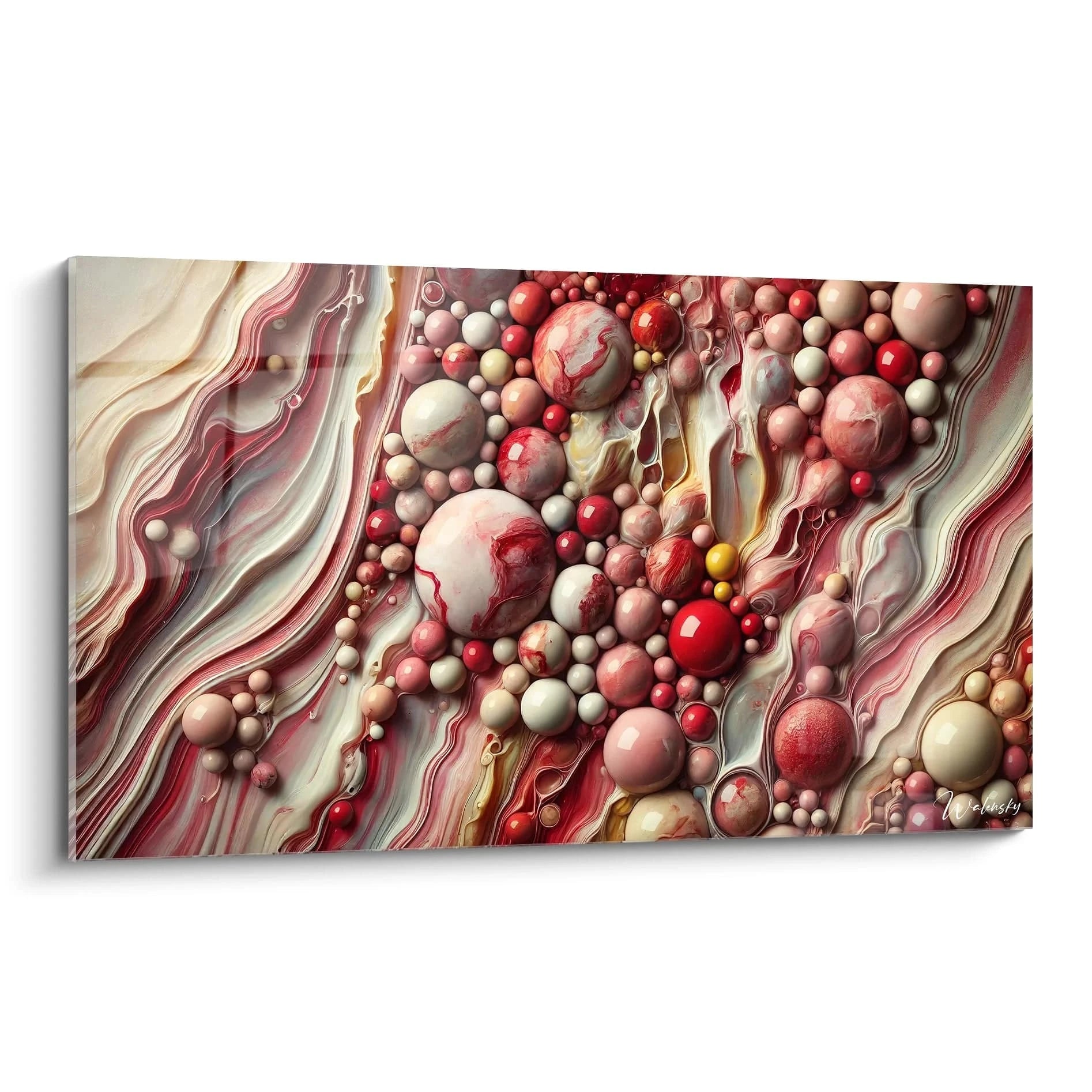
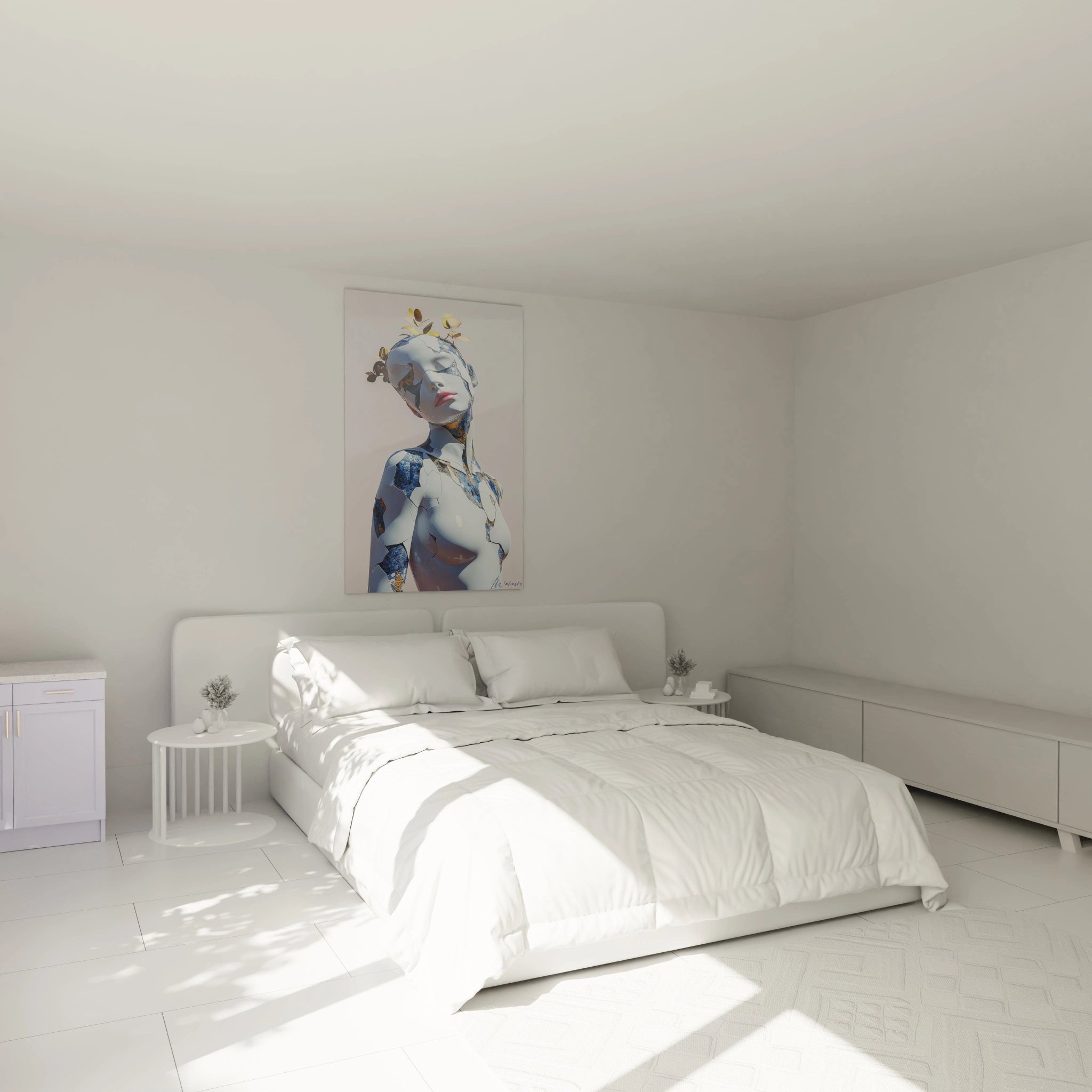
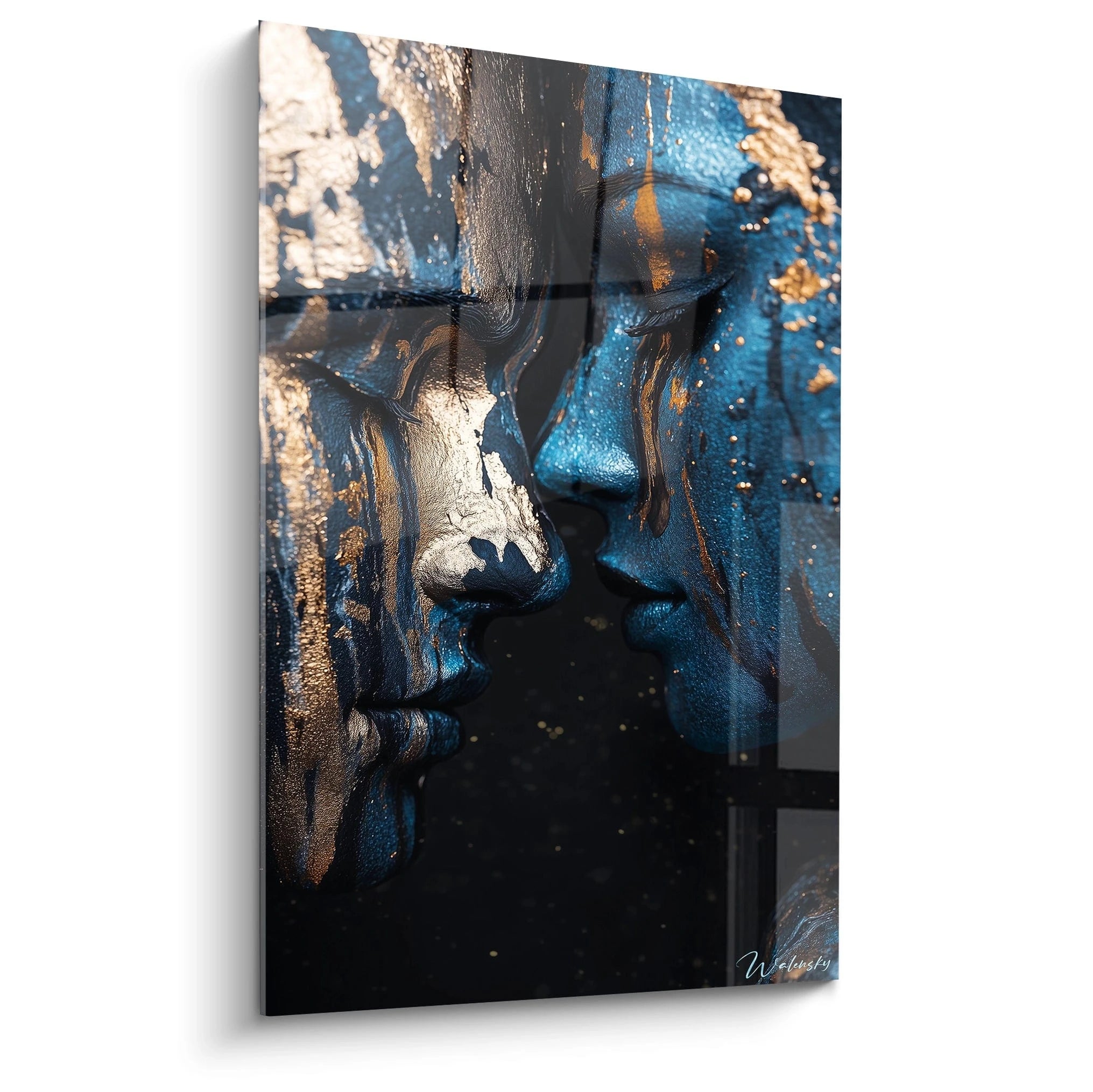
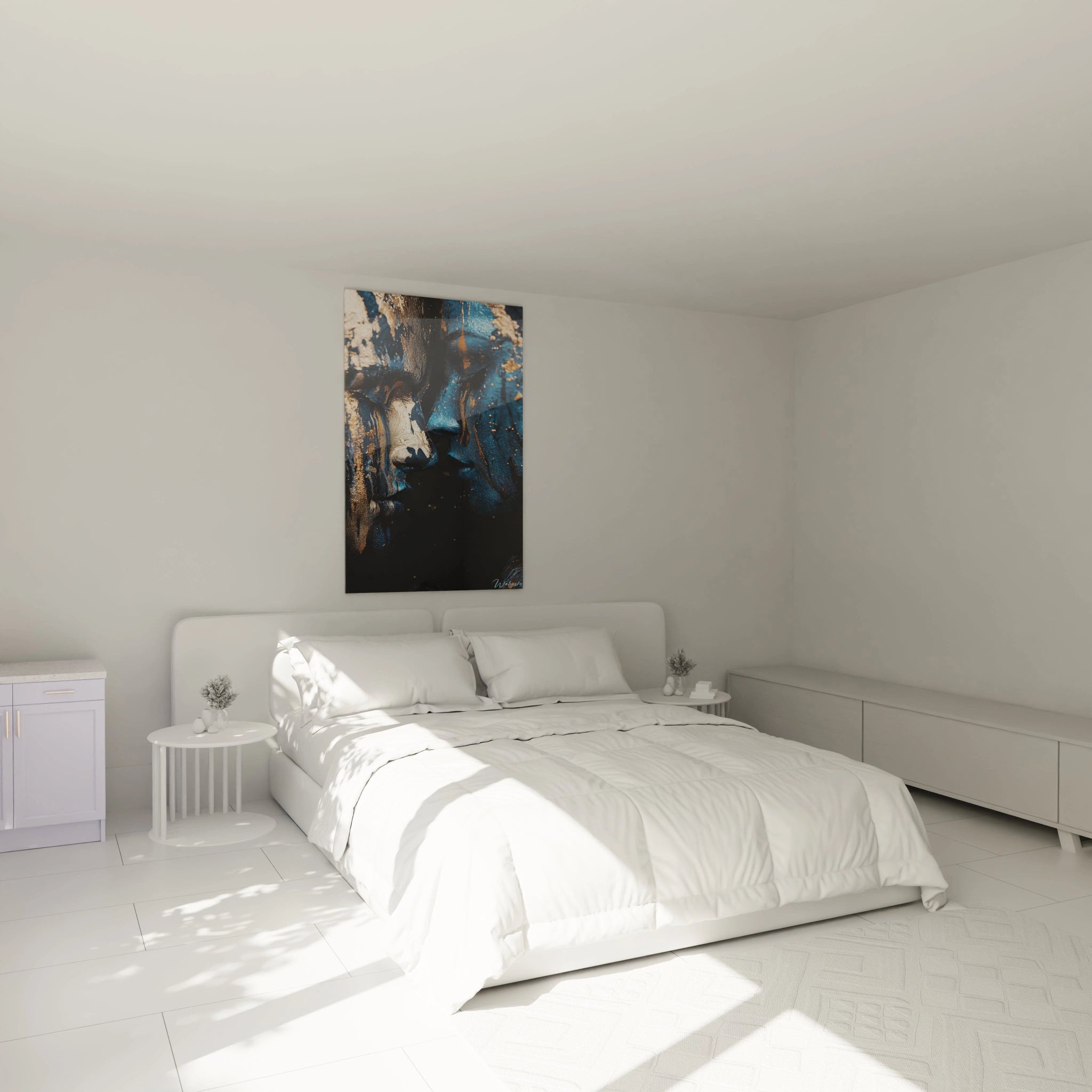
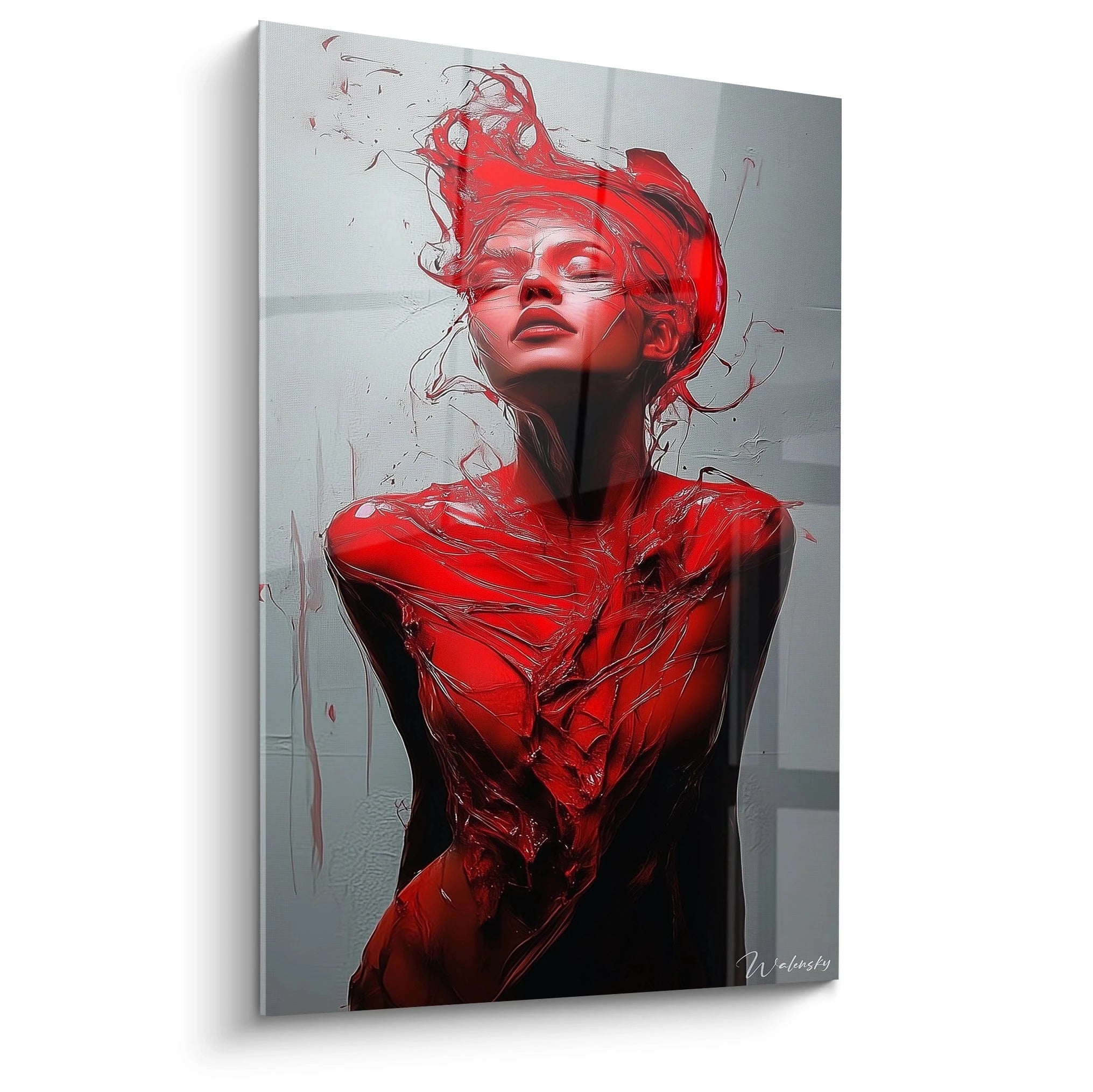
A wall art piece for a lawyer's office represents far more than a simple decorative element. In the legal world where first impression often determines the lawyer-client relationship, the choice of professional wall decoration constitutes a strategic investment. Lawyers who furnish their consultation spaces and waiting rooms with appropriate visual representations observe measurable improvement in client confidence from the first minutes of meeting. This psychological dimension, rarely addressed in legal training, directly influences the perception of competence and expertise.
Modern legal practices recognize that their visual environment immediately communicates their professional positioning. A well-selected large-format wall piece transmits subtle yet powerful messages about the firm's values, legal specialization, and level of excellence. Unlike typical commercial spaces, the legal environment demands a delicate balance between reassuring authority and human accessibility, between legal tradition and modern practice.
The three essential dimensions explored in this guide examine how professional legal wall decoration shapes perceived credibility, reinforces the firm's specialized identity, and optimizes client experience during moments often charged with anxiety. Each angle reveals concrete strategies for transforming a professional space into a silent yet remarkably effective communication tool.
Building Professional Authority Through Strategic Legal Decoration
Wall art for a lawyer's office functions as a visual certificate of expertise before any verbal exchange. Research in judicial psychology demonstrates that clients evaluate a legal professional's competence within the first 90 seconds, primarily through environmental cues. A strategically positioned large-format wall piece behind the consultation desk instantly creates a visual hierarchy of authority. This placement is not insignificant: it positions the lawyer before a background that symbolically reinforces professional stature.
How does legal symbolism influence client perception?
Visual representations in a legal space are never chosen randomly. Classic symbols of law – scales of justice, judge's gavel, neoclassical columns, legal libraries – unconsciously activate mental associations with rigor, fairness, and legal tradition. A criminal law practice benefits from imagery evoking the defense of fundamental rights, while a business law firm values geometric compositions evoking structure and strategy. This visual semantics speaks directly to the client's limbic brain before any rational argumentation.
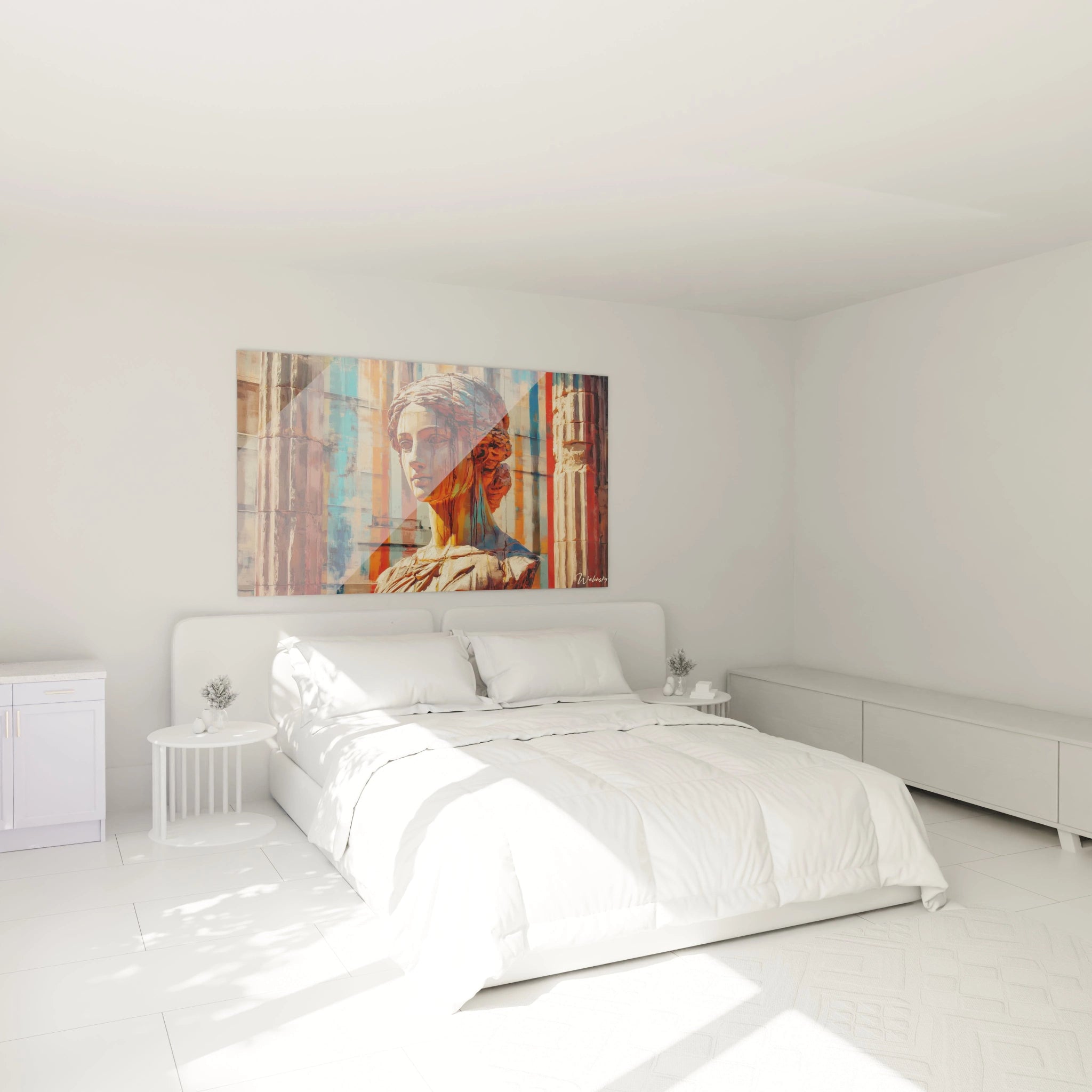
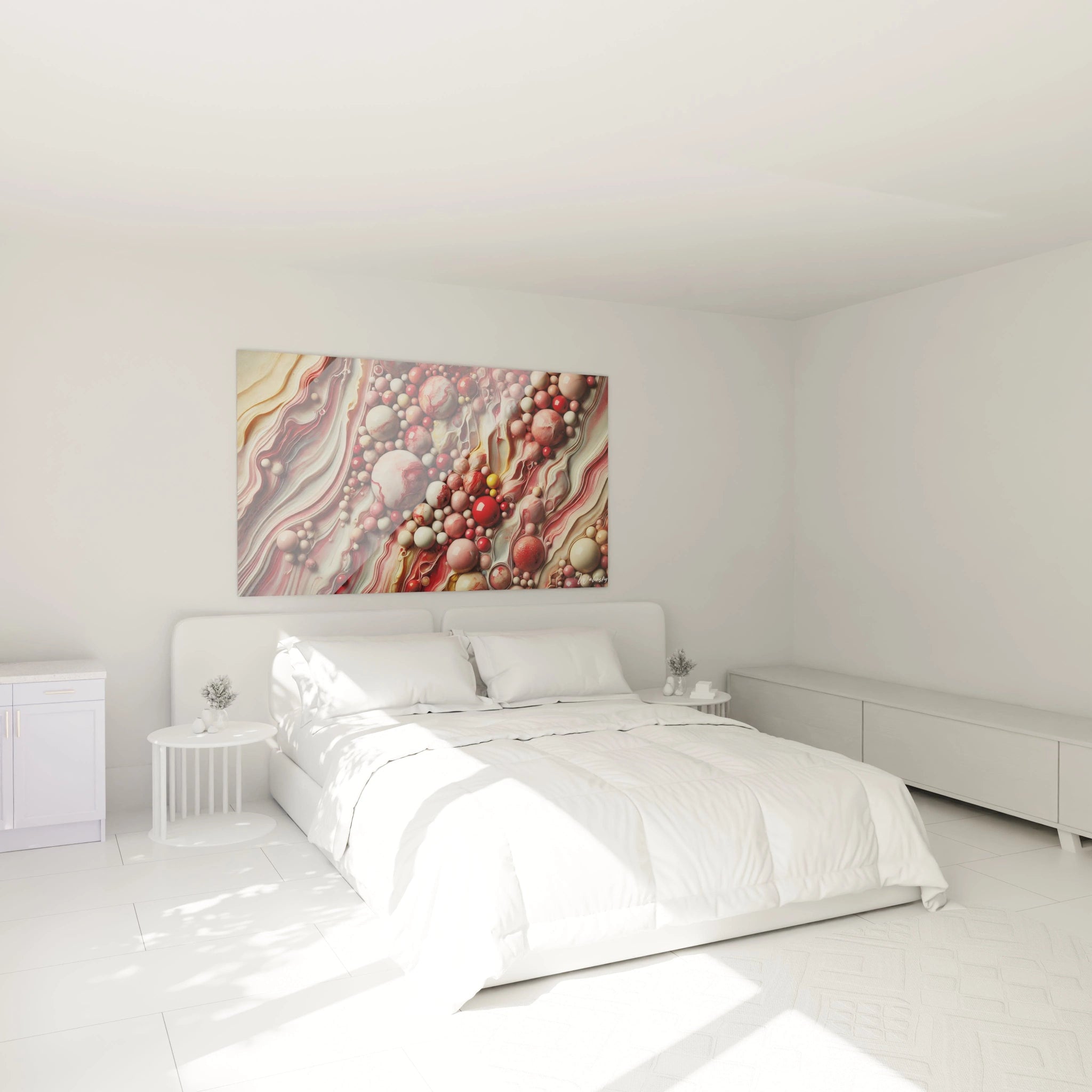
Imposing dimensions play a crucial role in establishing this visual authority. A minimum format of 120x80 cm guarantees sufficient presence to mark the space without appearing pretentious. In meeting rooms where negotiations and mediations occur, an XXL format of 180x120 cm literally transforms the atmosphere, instilling gravity appropriate to the legal stakes discussed. This monumental scale subtly reminds all parties present of the importance of decisions made in this space.
Which visual codes reinforce professional legitimacy?
Color palette constitutes a powerful subliminal language. Navy blue and anthracite gray tones dominate established practices because they communicate stability and reliability. These cool tones contrast with the warm wood of traditional legal furniture, creating balance between professional distance and human accessibility. Deep burgundy or aged gold accents add a dimension of prestige without falling into ostentation, particularly suited to historic practices capitalizing on their longevity.
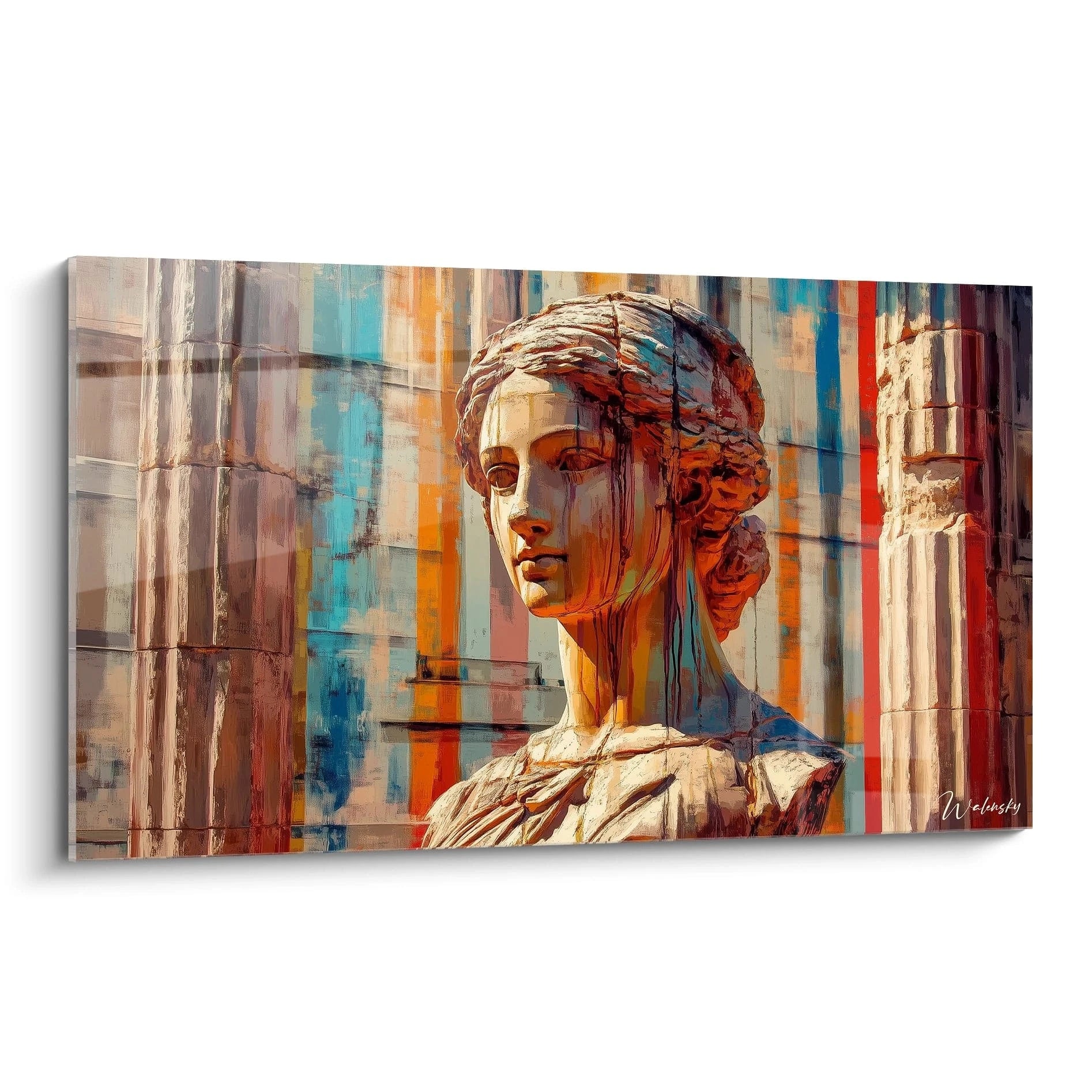
Legal architectural imagery – court building facades, interior views of supreme courts, column perspectives – visually anchors the practice within the judicial institution itself. This association by visual proximity suggests the lawyer naturally evolves within these spheres of power. A client facing an intimidating procedure paradoxically finds comfort in these representations, as they demonstrate their lawyer masters this complex universe perfectly.
Impact on perceived value of legal services
The correlation between professional environment and accepted fees is documented in marketing studies applied to liberal professions. A practice investing in sophisticated wall decoration implicitly signals it can afford such investments thanks to satisfied and recurring clientele. This circular logic works: potential clients infer that high fees reflect superior expertise, justified visually by the professional environment.
Large wall formats in the reception area psychologically prepare clients for fee discussions. When the environment breathes accomplished professionalism, the announcement of substantial fees seems coherent rather than shocking. This strategy proves particularly effective for practices targeting high-end clientele, corporations or wealthy individuals accustomed to evaluating quality through visual markers of standing.
Competitive differentiation in a saturated market
Facing the proliferation of law practices, particularly in dense urban areas, visual memorability becomes competitive advantage. Distinctive wall art for a lawyer's office transforms the space into recognizable visual signature. Clients recommend a practice more easily when they remember it visually: "You know, the one with the impressive representation of an old legal library". This memory anchor far exceeds the effectiveness of traditional business cards.
Practices adopting bold visual identity – contemporary geometric abstraction for an innovative tech law practice, or majestic classic representations for a heritage practice – clearly position themselves on their market segment. This visual clarity naturally filters clientele, attracting those who identify with conveyed values while discouraging potential mismatches. This implicit selection optimizes lawyer time by concentrating consultations on better-aligned prospects.
- Imposing formats (120-200 cm) establishing immediate authority presence
- Legal symbolism activating unconscious institutional confidence
- Professional color palettes (blues, grays, burgundy) signaling seriousness and stability
- Strategic positioning behind consultation zone maximizing psychological impact
Visual Expression According to Legal Specialties and Practice Positioning
Each legal field possesses its own semantic universe that professional wall decoration can strategically amplify. Wall art for a lawyer's office becomes visual extension of claimed expertise, creating coherence between legal specialization and spatial environment. This congruence reinforces perceived credibility: a family law client should experience a different atmosphere than a corporate law client, and wall imagery constitutes the most immediate vector of this differentiation.
What imagery corresponds to different legal specializations?
Criminal law requires protective and combative imagery. Representations evoking the defense of fundamental freedoms – silhouettes of justice brandishing scales or sword, prison doors in backlighting symbolizing liberation, dramatized courtrooms – resonate with the concerns of criminal clients. These visuals communicate determination and fighting spirit, primary qualities sought when choosing a defender. Monumental scale (minimum 160x100 cm formats) amplifies this message of strength.
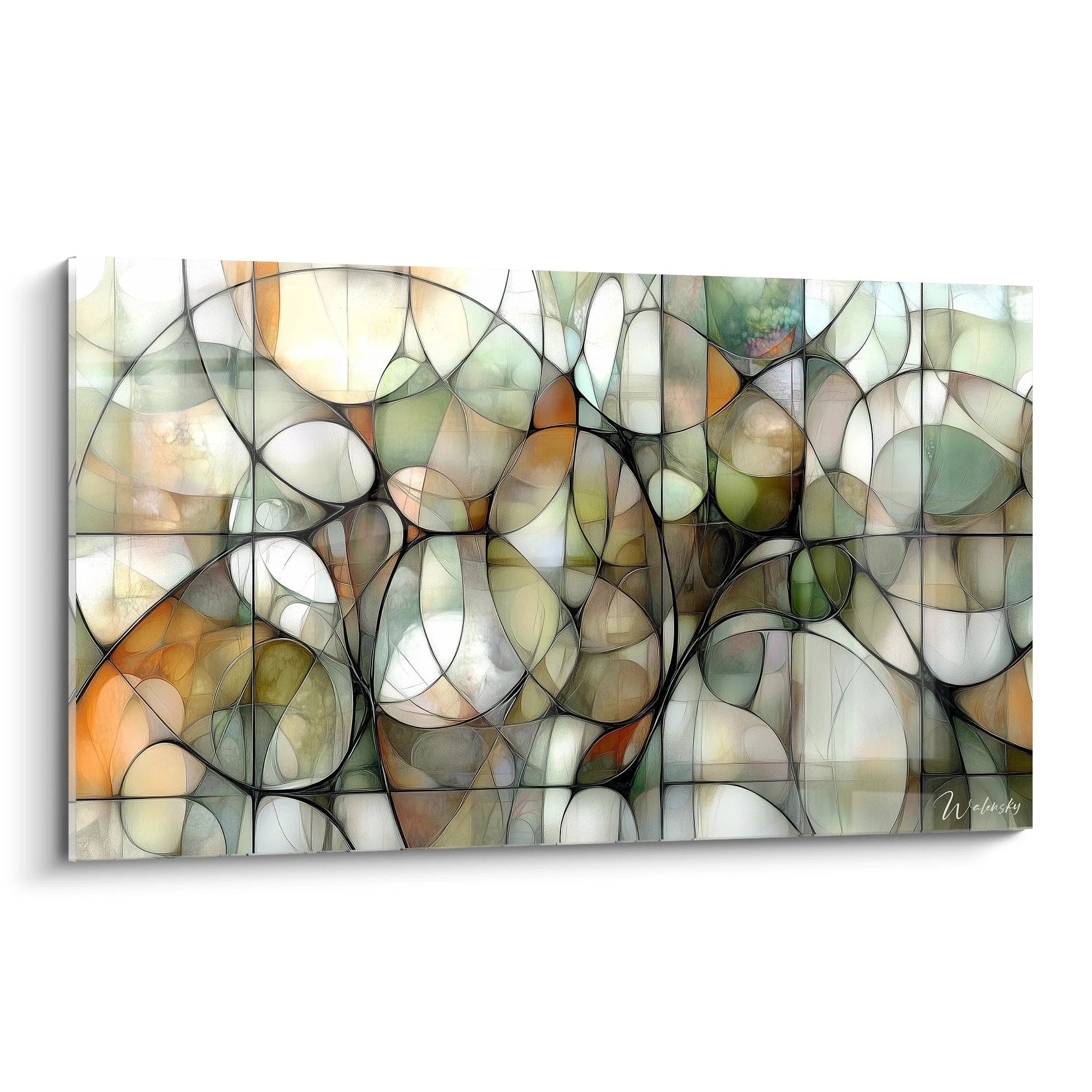
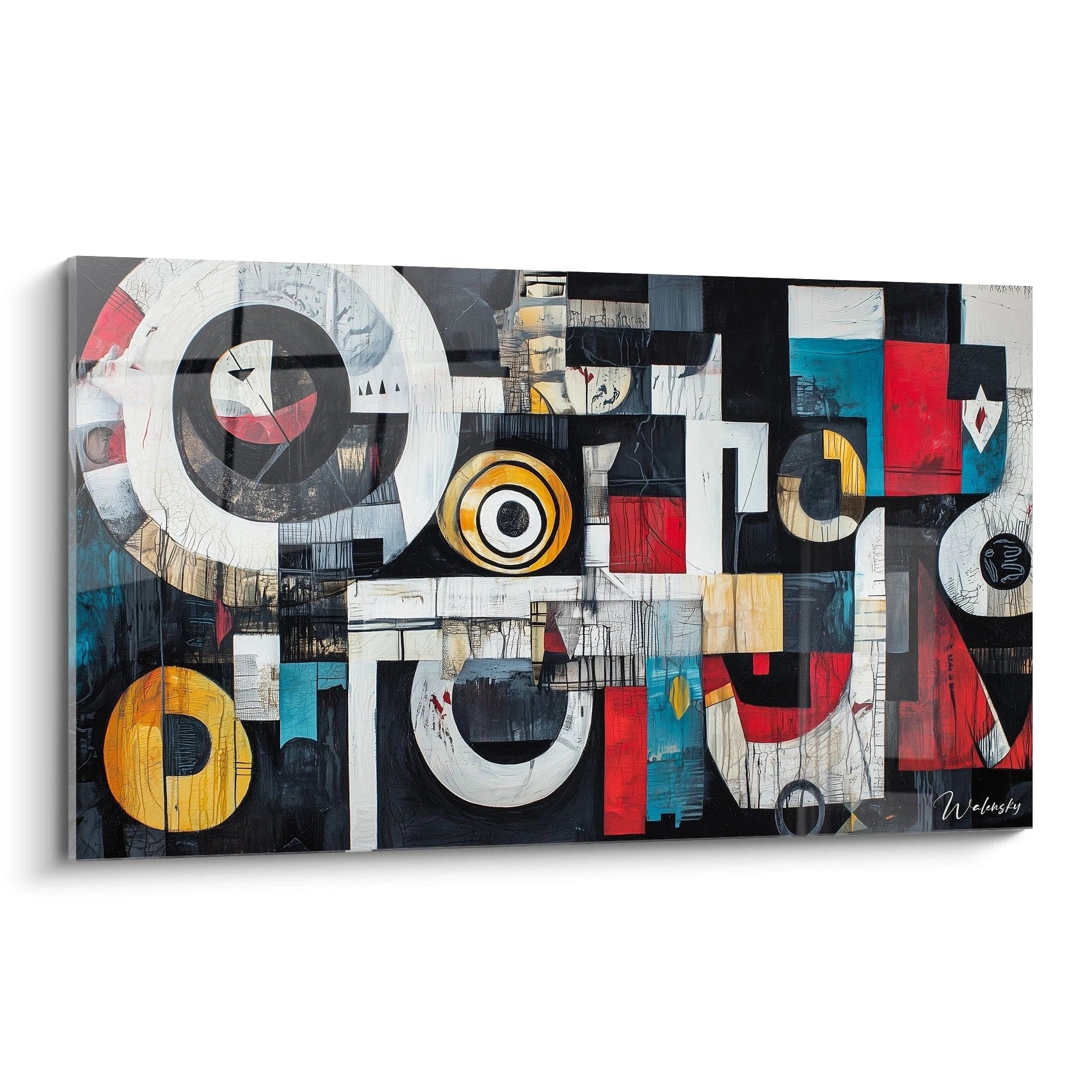
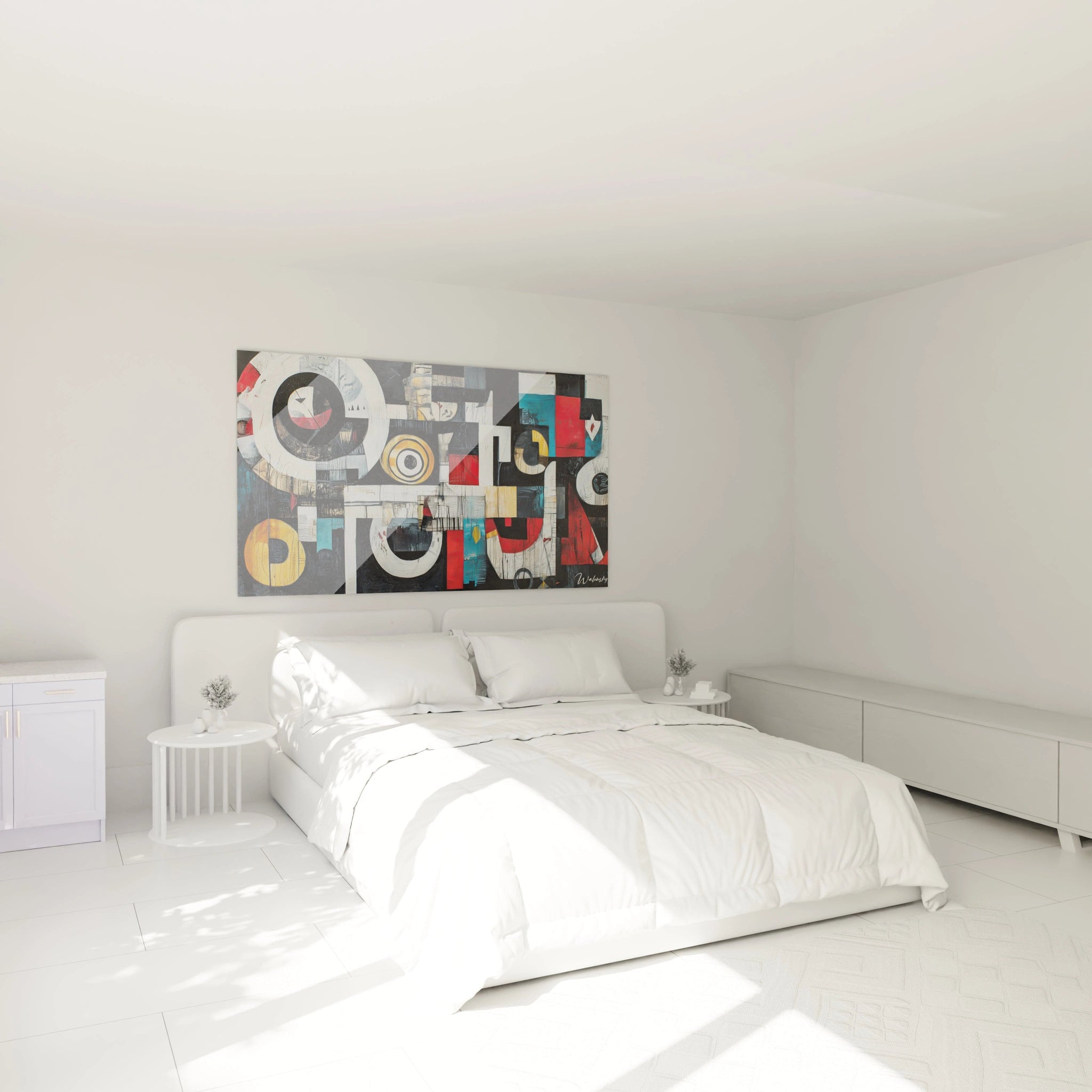
Business law and commercial law favor sophisticated geometric abstraction and contemporary architectural compositions. These visuals evoke structure, strategy, comprehensive vision – essential competencies in commercial negotiation and transaction structuring. Streamlined lines and audacious perspectives speak the language of business executives, target clientele of this specialty. Metallic tones, deep blues and graphic grays reinforce this corporate seriousness atmosphere.
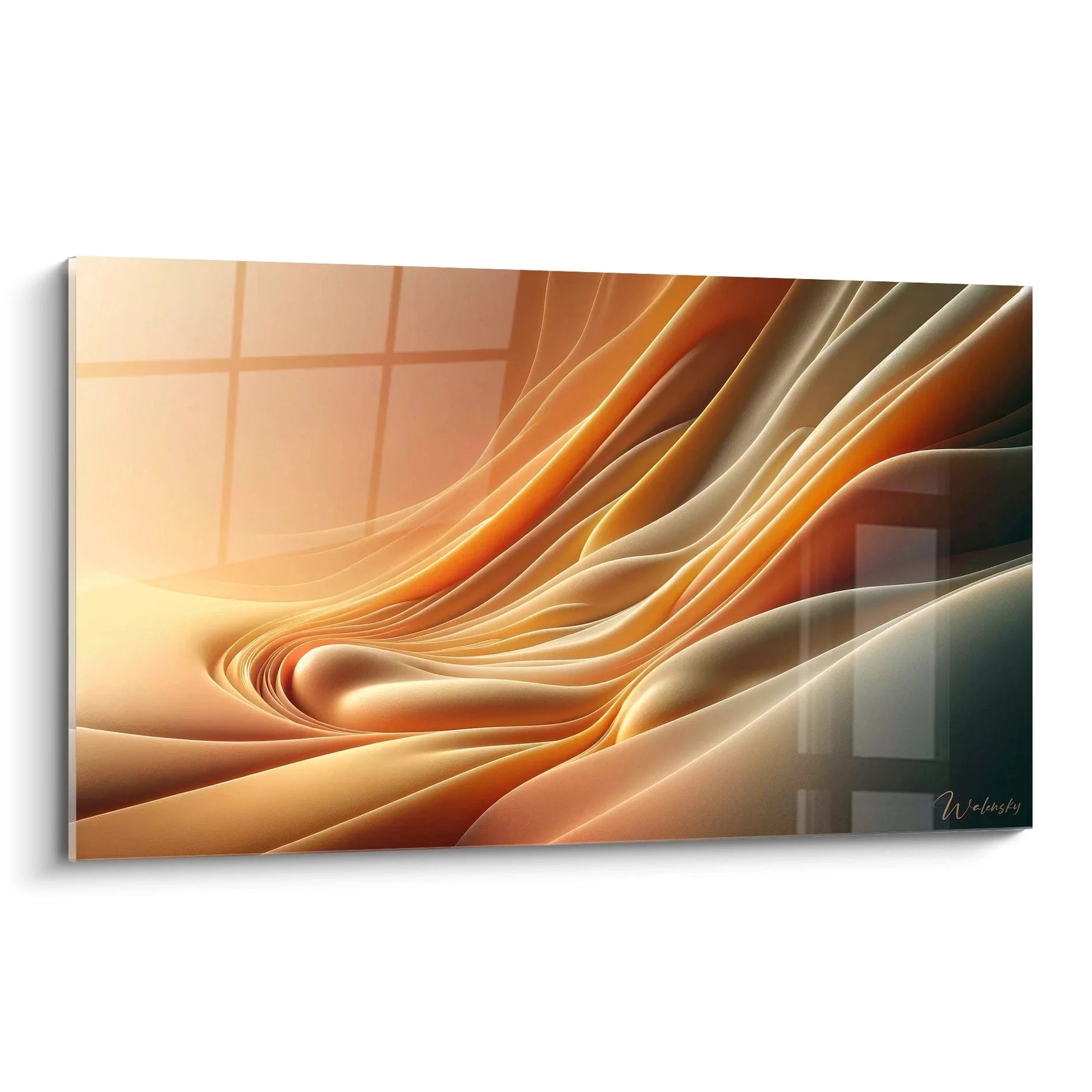
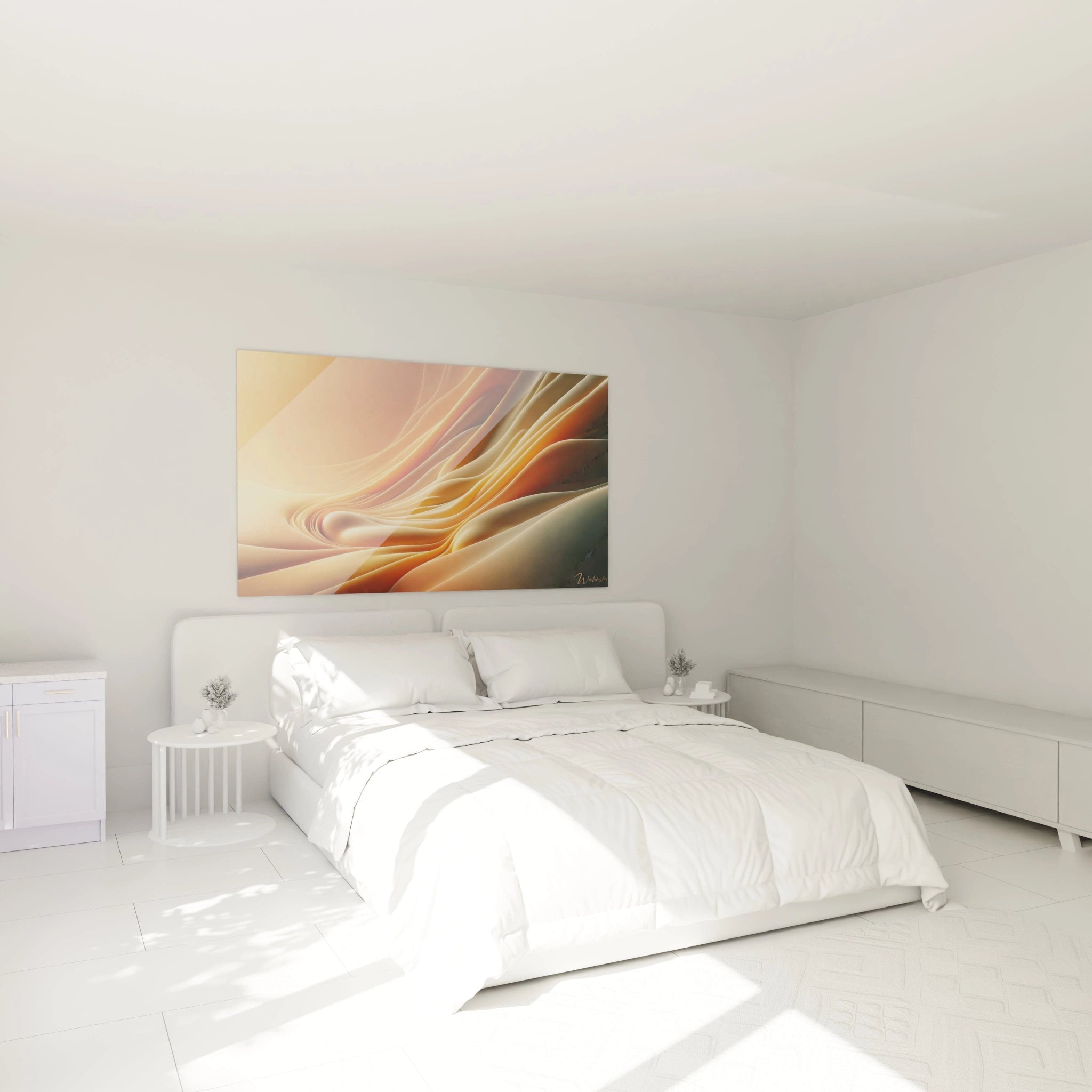
Family law requires delicate balance between legal professionalism and human sensitivity. Clients undergoing divorce, custody disputes or conflictual succession arrive emotionally vulnerable. Overly cold representations would alienate them, while overly warm visuals would undermine legal credibility. Calming architectural landscapes, stylized floral compositions in muted tones, or soft organic abstractions create this reassuring atmosphere without patronizing. Medium formats (100x70 cm) avoid excessive intimidation.
How does visual identity attract target clientele?
Specialized boutique practices build their reputation on hyper-specialization. Their wall decoration must shout this pointed expertise. A practice exclusively dedicated to maritime law will naturally display port imagery, historic ships, or abstract compositions evoking ocean and international commerce. This visual specificity functions as filter: occasional clients immediately understand the specialization, while target clientele feels instantly understood and in capable hands.
General proximity practices face the inverse challenge: communicating versatility without expertise dilution. Their visual strategy relies on timeless classic representations of law – legal libraries, universal symbols of justice, historic judicial architecture. These visuals evoke legal tradition overall rather than a particular niche. Harmonious formats and neutral palettes enable this inclusive approach reassuring all client types.
Premium positioning versus accessible
High-end business practices invest in large-format wall pieces immediately communicating their premium positioning. XXL dimensions (200x140 cm), sophisticated framing and complex visual compositions establish a visual standard coherent with high fees. This coherence avoids the pretentious practice syndrome where the environment promises more than service delivery achieves. Investment in professional wall decoration signals the practice's financial capacity and therefore success with satisfied clients.
Practices positioned on accessibility and justice for all adopt professional but sober decoration. Medium formats (120x80 cm), clear compositions without excessive sophistication, and imagery directly related to legal fundamentals – equality, access to justice, fundamental rights – communicate seriousness without elitism. This approach reassures clientele sometimes intimidated by the legal universe, suggesting the lawyer remains connected to everyday realities of ordinary citizens.
Evolution of visual identity according to practice growth
Young solo practitioners launching their practice use wall decoration to compensate for lack of longevity. One or two strategically positioned large formats instantly create an established professional atmosphere, masking the practice's youth. This initial investment, though significant, represents a fraction of other credibility markers' costs while generating immediate impact on every visitor.
Practices expanding toward associated or integrated structures must harmonize visual identity between individual offices and shared spaces. Wall decoration then becomes unified visual language: matching dimensions, coherent palettes, complementary themes. This coherence reinforces the impression of organized structure rather than juxtaposition of individuals, reassuring institutional clients seeking stability and established processes.
- Precise thematic adaptation to each legal specialty (criminal, corporate, family, maritime)
- Natural client filtering through visual specialization signals
- Differentiation between premium positioning (XXL formats, sophistication) and accessible (professional sobriety)
- Visual harmonization in associated practices creating organizational coherence
Optimizing Client Experience and Anxiety Management in Legal Environment
Legal consultation often constitutes a moment of intense stress for clients. Contentious divorce, criminal procedures, commercial disputes, succession problems – these situations generate anxiety, confusion and emotional vulnerability. Wall art for a lawyer's office plays an underappreciated therapeutic role in managing these emotional states. Waiting rooms and consultation spaces are not merely functional containers but psychological environments where the lawyer-client trust relationship is prepared.
How does visual environment reduce client anxiety?
Environmental neuroscience reveals that structured and symmetrical visual compositions measurably reduce cortisol, the stress hormone. A large-format wall piece presenting balanced architectural composition – symmetrical columns, ordered perspectives, harmonious geometries – activates brain areas associated with order and predictability. This phenomenon is particularly powerful in waiting rooms where clients anxiously anticipate their consultation.
Generous dimensions (minimum 140x100 cm in waiting rooms) offer a meditative focal point allowing the gaze to rest and the mind to calm. Unlike small formats that fragment attention, a large wall piece creates an immersive visual window. Clients report that these few minutes of contemplative observation before consultation reduce nervousness, making them more receptive and communicative during the legal exchange itself.
Which visuals promote concentration during consultations?
In the consultation office, wall decoration should avoid excessive distraction while maintaining reassuring presence. Monochromatic or bichomatic abstractions in soothing tones (midnight blue, pearl gray, deep sage green) create a sober backdrop that doesn't monopolize conscious attention but maintains visually rich environment. This subtle richness prevents the room from appearing cold or institutional while preserving focus on the legal exchange.
Strategic positioning behind the lawyer rather than behind the client exploits eye psychology. During consultation, the client naturally gazes at the lawyer, peripherally perceiving the wall piece in the background. This peripheral presence unconsciously enriches the experience without becoming distraction. Conversely, a wall piece behind the client would force the lawyer to choose between direct eye contact and visual observation, creating less connected dynamic.
Impact on consultation duration and client satisfaction
Practices that have invested in optimized professional wall decoration observe more efficient consultations. Less anxious clients communicate their situations more clearly, ask more pertinent questions, and better assimilate complex legal explanations. This efficiency translates to more productive initial consultations, reducing the need for follow-up appointments for clarifications, thus optimizing lawyer billable time.
Client satisfaction improves mechanically. Post-consultation surveys reveal clients memorize the physical environment as positively as the legal content of the exchange. This positive memory directly influences recommendation decisions: a client satisfied with overall experience – not just legal outcome – becomes active ambassador for the practice. Wall art for a lawyer's office thus directly participates in word-of-mouth marketing, the most profitable client acquisition channel for legal professions.
What role for decoration in multifunctional spaces?
Meeting rooms serving mediations, negotiations and collective consultations require particularly thoughtful visual approach. A large emotionally neutral wall piece – abstract architectural landscape, balanced geometric composition – avoids implicitly favoring one party or perspective. This visual neutrality paradoxically becomes an asset in conflictual discussions, creating a psychologically neutral terrain where all voices can express themselves equitably.
Imposing dimensions (minimum 180x120 cm) transform these spaces into places of appropriate gravity. Parties in divorce mediation or complex commercial negotiation must perceive the process's importance. The visual environment establishes this gravity without resorting to excessive intimidation that would block dialogue. This is the delicate balance between institutional seriousness and human accessibility that only a visually mastered environment can achieve.
FAQ: Frequently Asked Questions on Professional Legal Wall Art
Does wall art for a lawyer's office really influence client decisions?
Absolutely. Studies in environmental psychology demonstrate that 85% of first impression forms through non-verbal visual signals. Professional wall decoration shapes this impression before any verbal exchange, establishing credibility and trust that facilitate subsequent acceptance of recommended legal advice and proposed fees.
What minimum size to prioritize for legal consultation space?
For an individual consultation office, a minimum format of 120x80 cm guarantees sufficient presence without excessive domination. Waiting rooms and meeting spaces benefit from larger dimensions (140x100 cm to 200x140 cm) creating visual impact proportional to the stakes discussed in these spaces.
How to choose between classic legal imagery and contemporary abstract composition?
This decision directly reflects your professional positioning. Practices valuing tradition, established expertise and conservative clientele favor classic legal symbols and historic architecture. Innovative tech law practices, legal startups or digital law specialists adopt contemporary abstractions signaling modernity and avant-garde approach. Analyze your target clientele and their implicit expectations. If this theme inspires you, you'll also appreciate exploring our complete collections to find creations that harmonize perfectly with these compositions.
Do wall representations in legal space require regular replacement?
Unlike ephemeral decorative trends, professional legal decoration relies on timelessness. Quality initial investment in classic compositions or sophisticated abstractions remains relevant for minimum 8-12 years. Replacement becomes necessary during strategic practice repositioning, merger/association, or major specialization evolution rather than aesthetic obsolescence.
- Measurable reduction in client anxiety through structured and soothing visual compositions
- Consultation concentration optimization through strategic positioning behind lawyer
- Overall satisfaction improvement influencing recommendations and client loyalty
- Creation of neutral multifunctional spaces for balanced mediation and negotiation