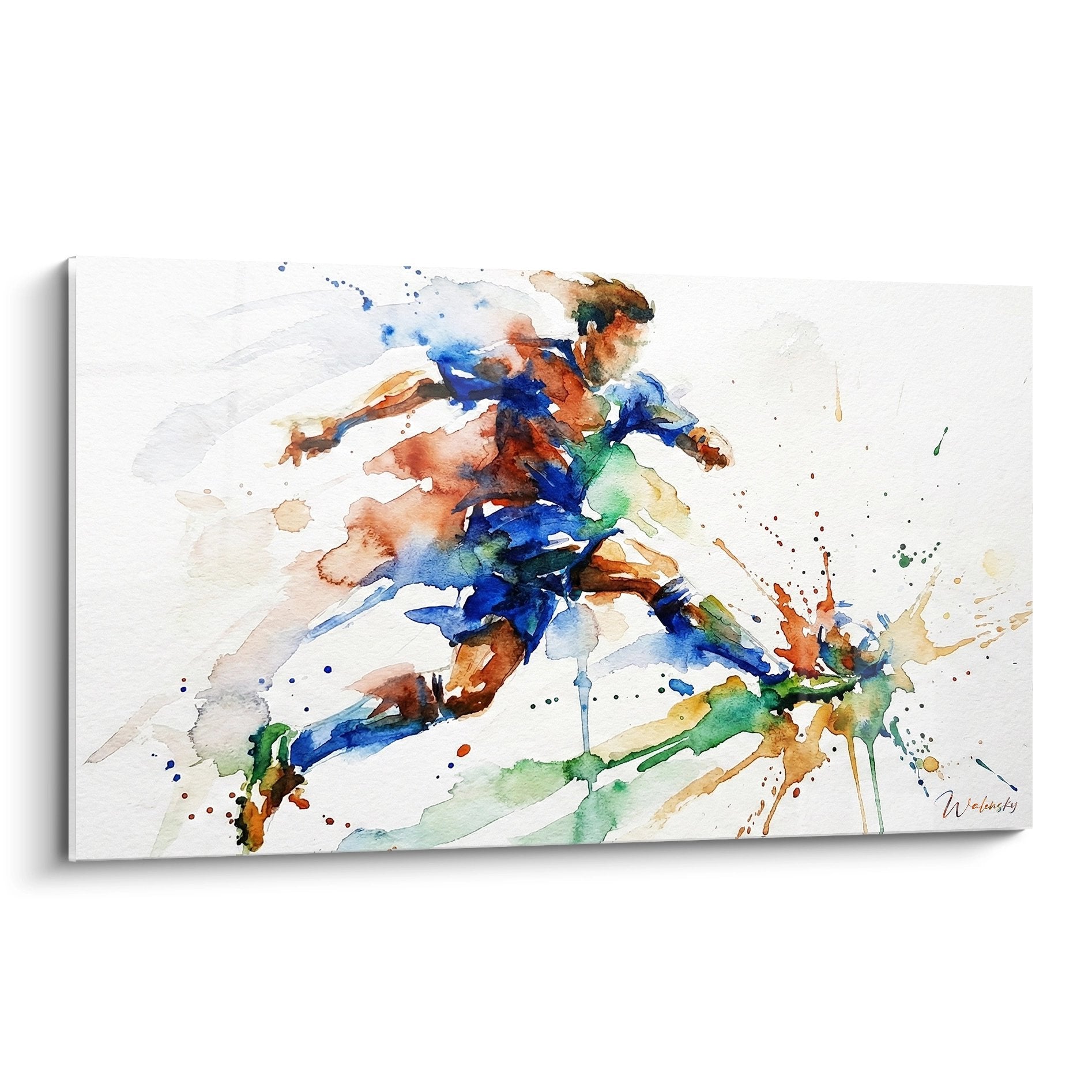
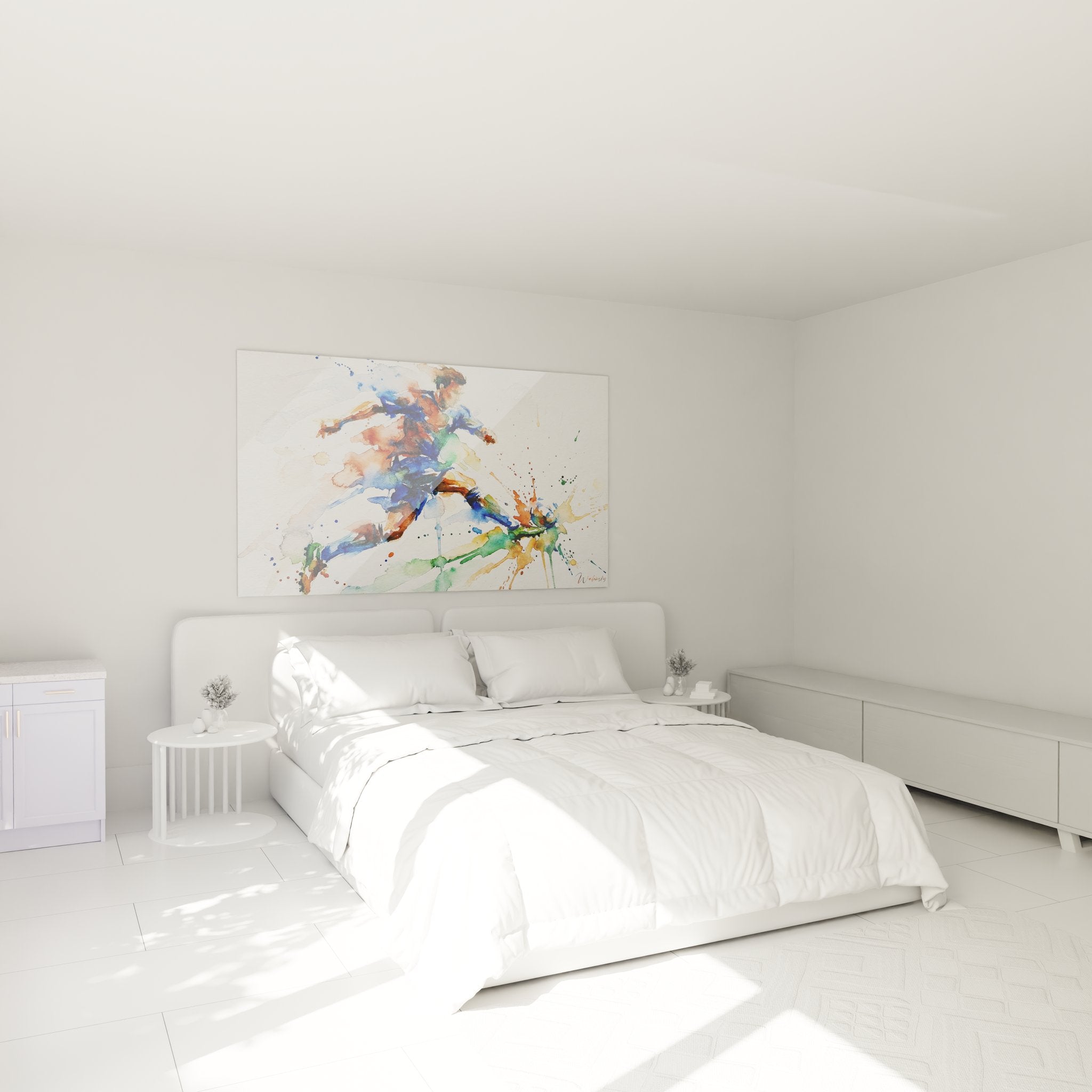
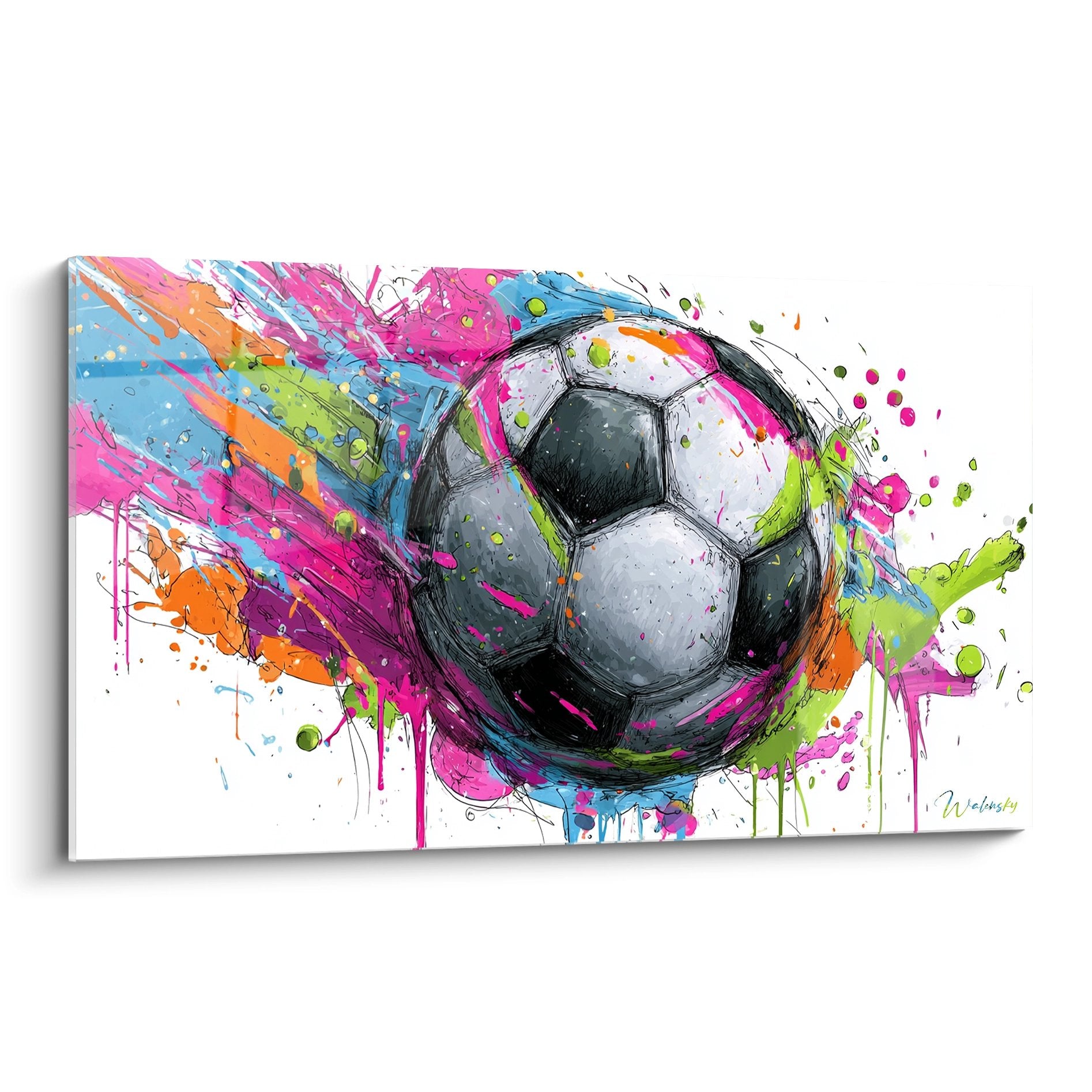
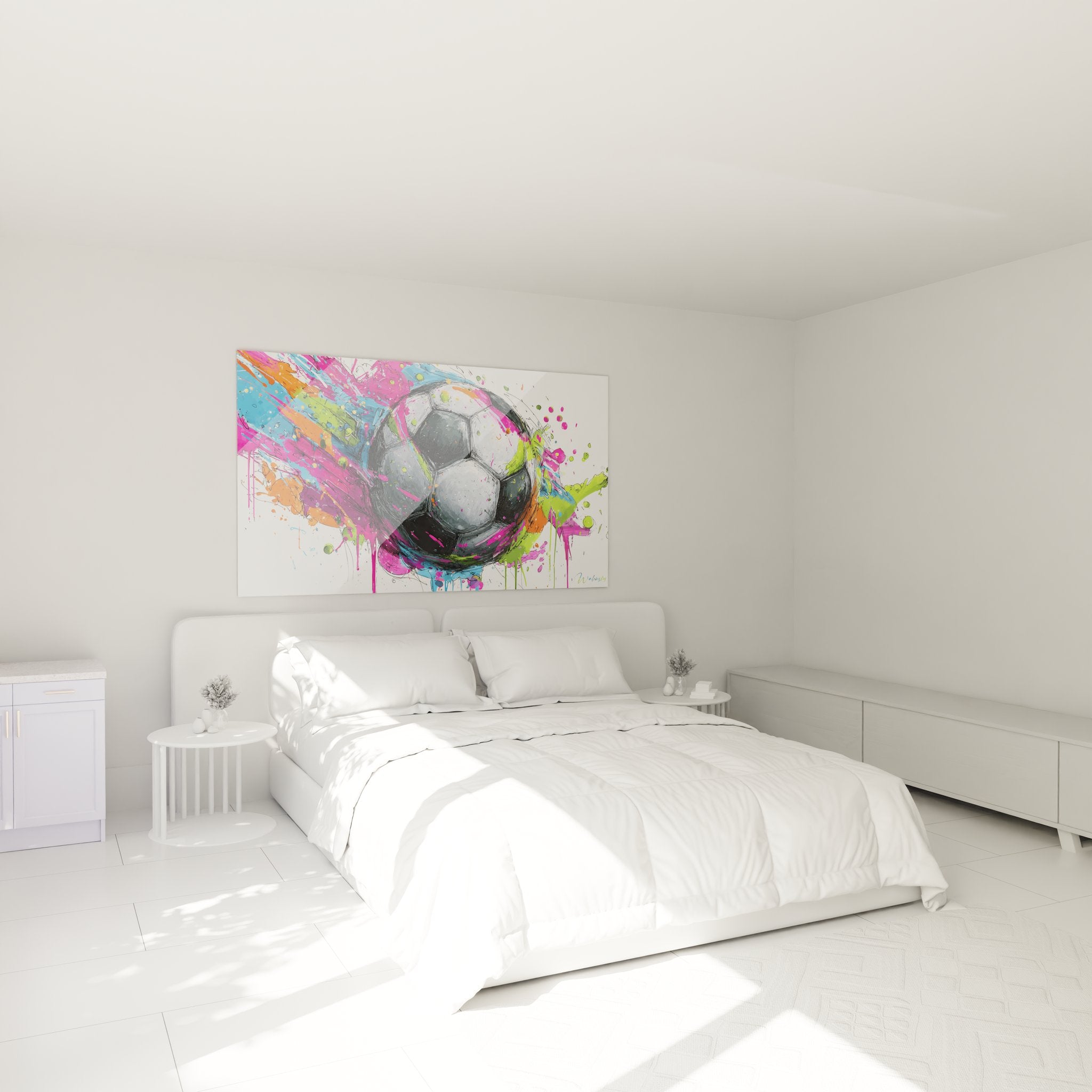
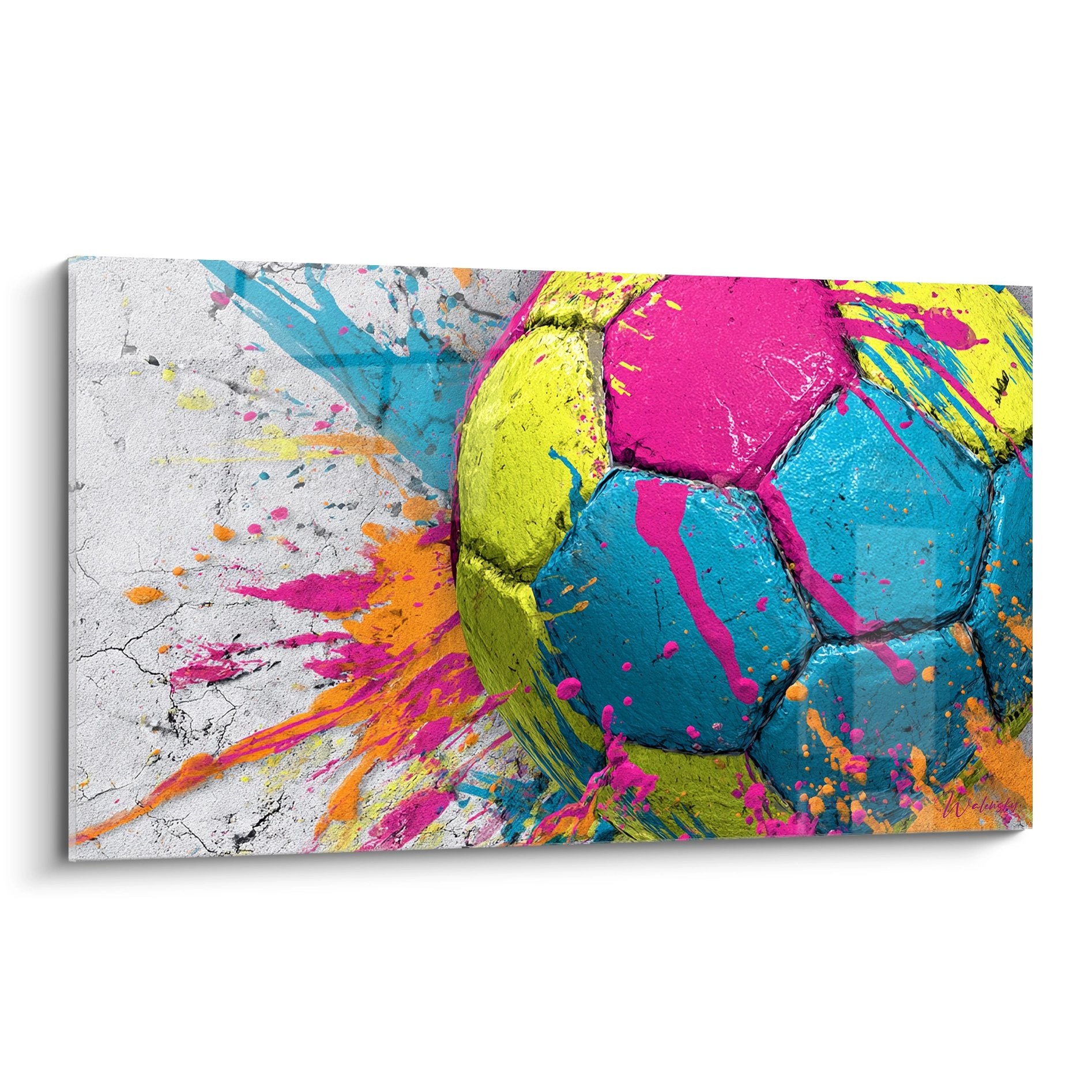
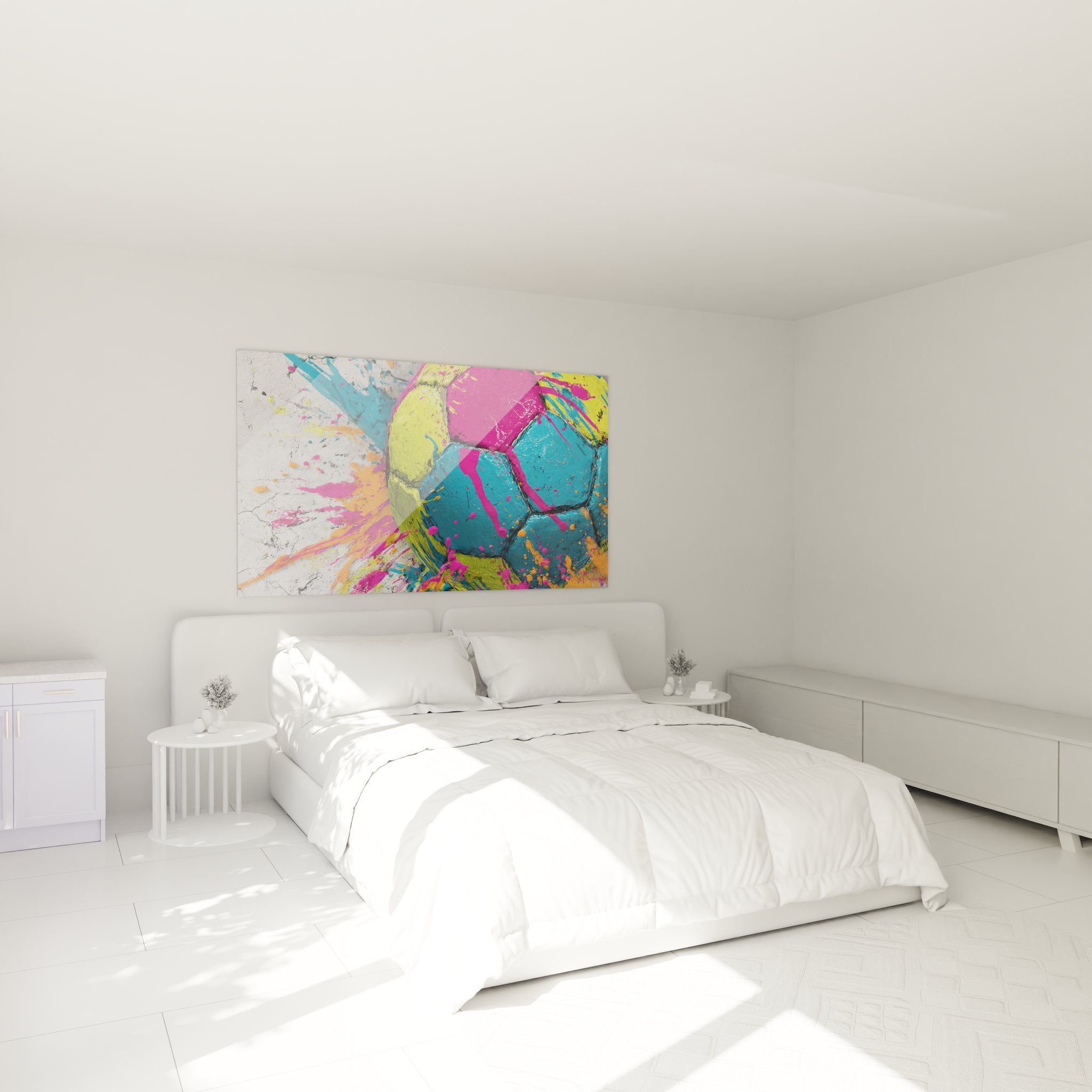
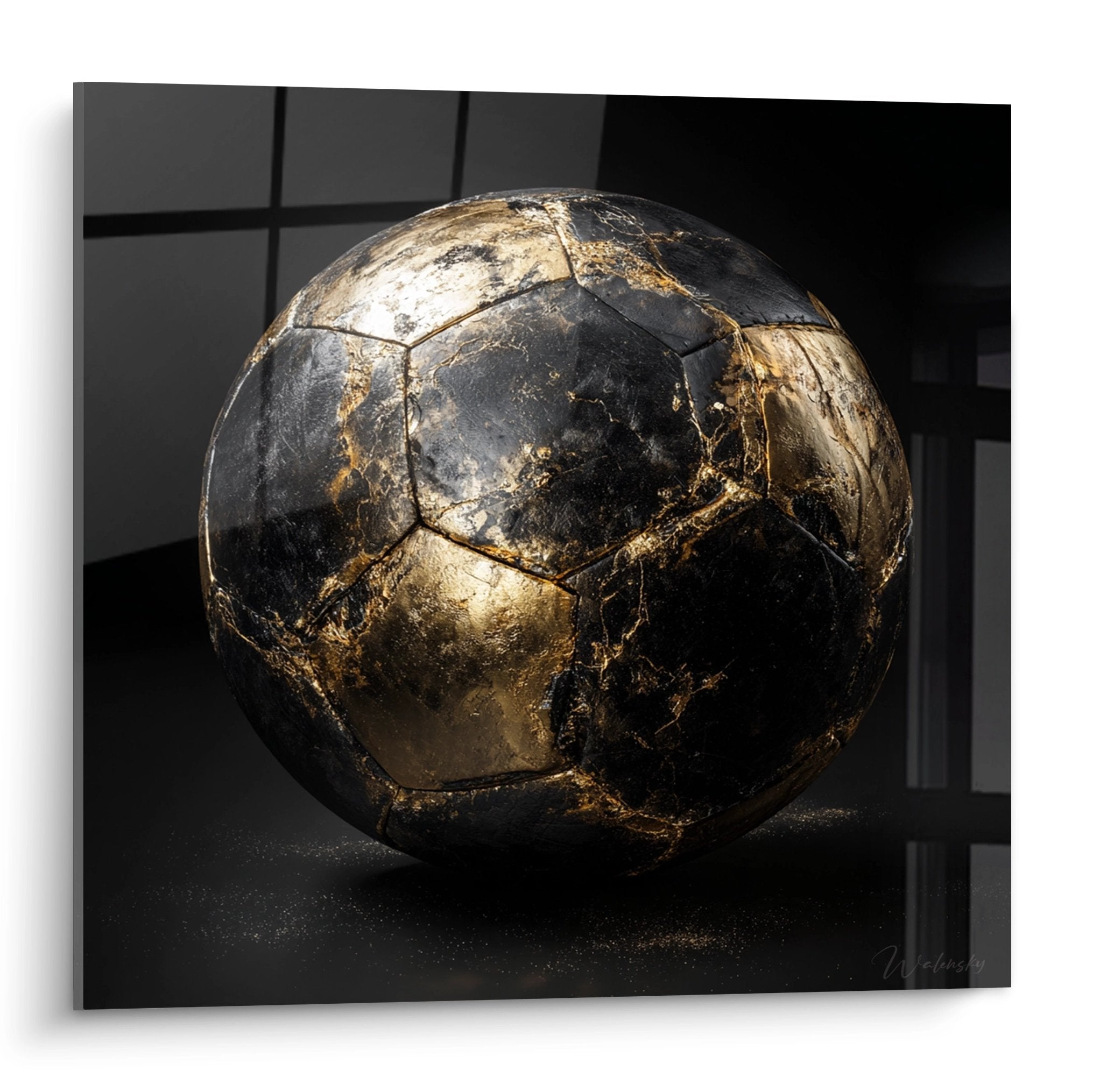
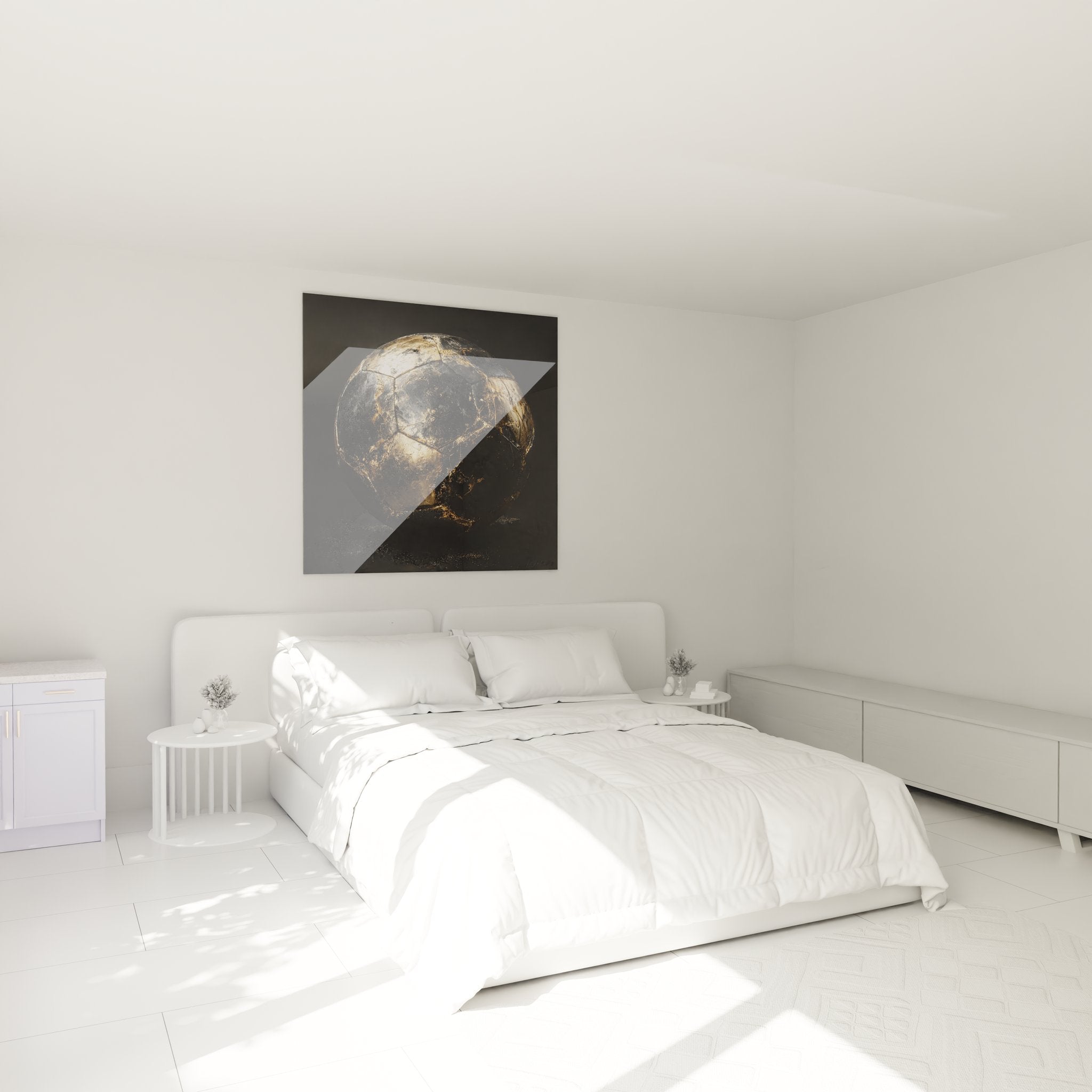
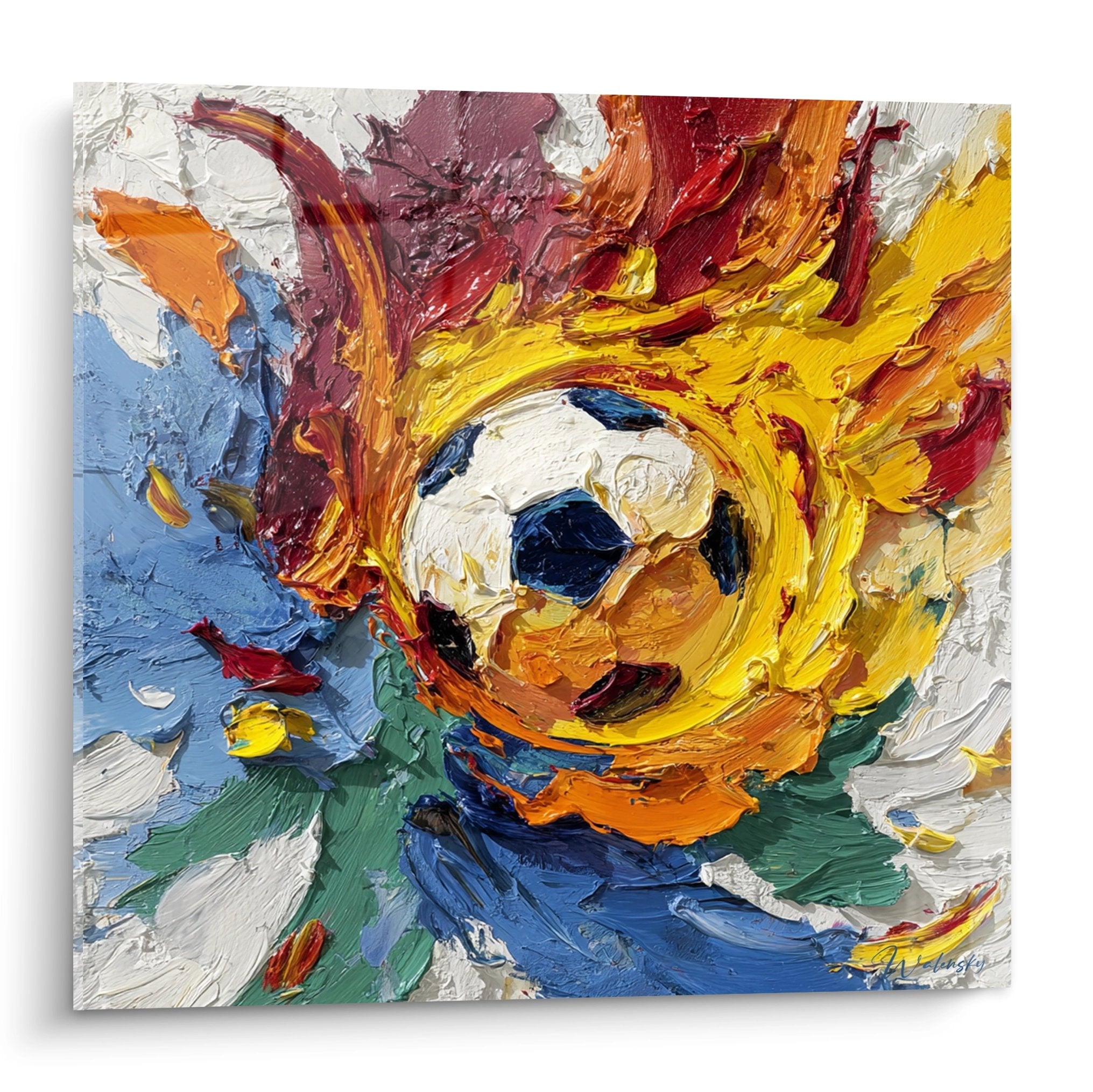
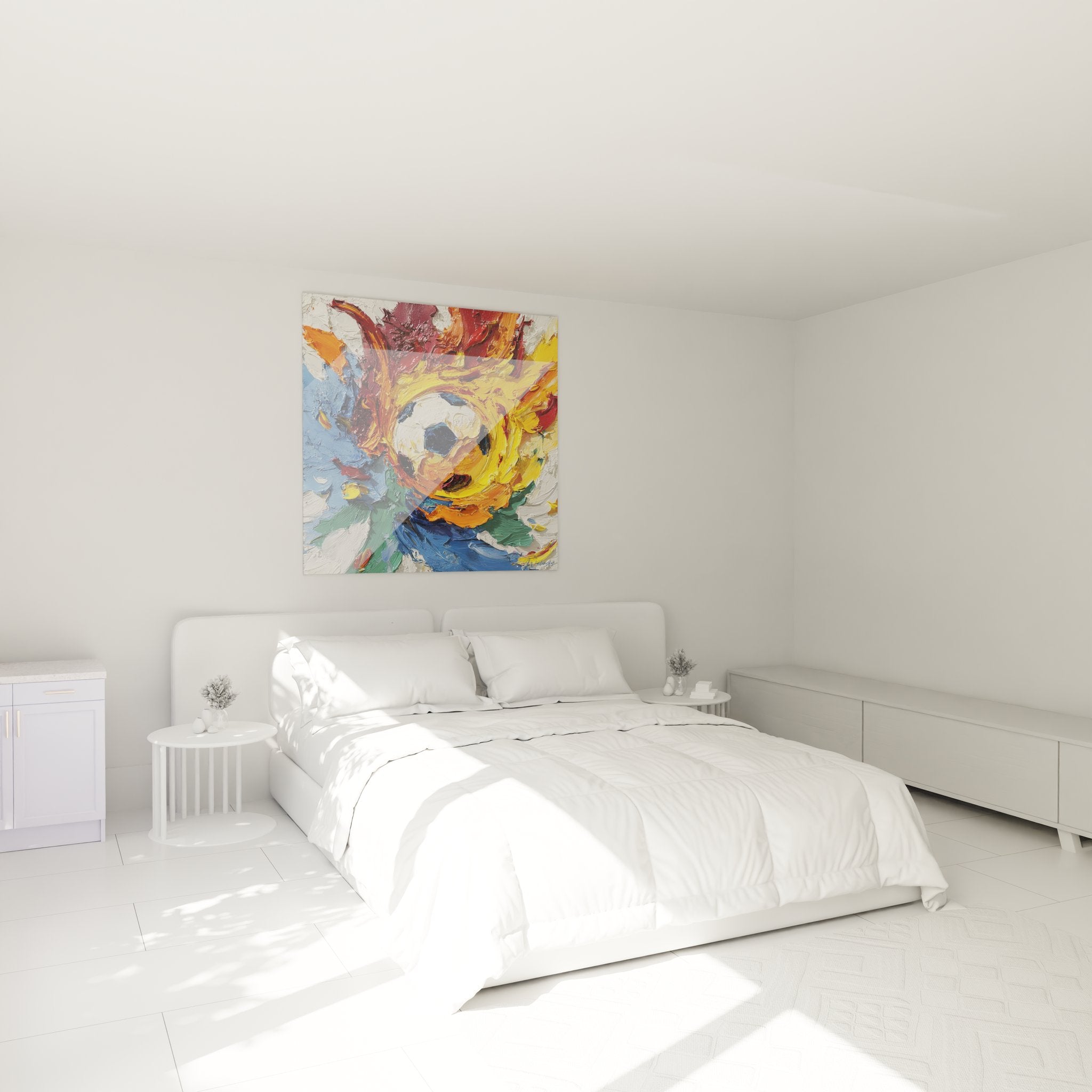
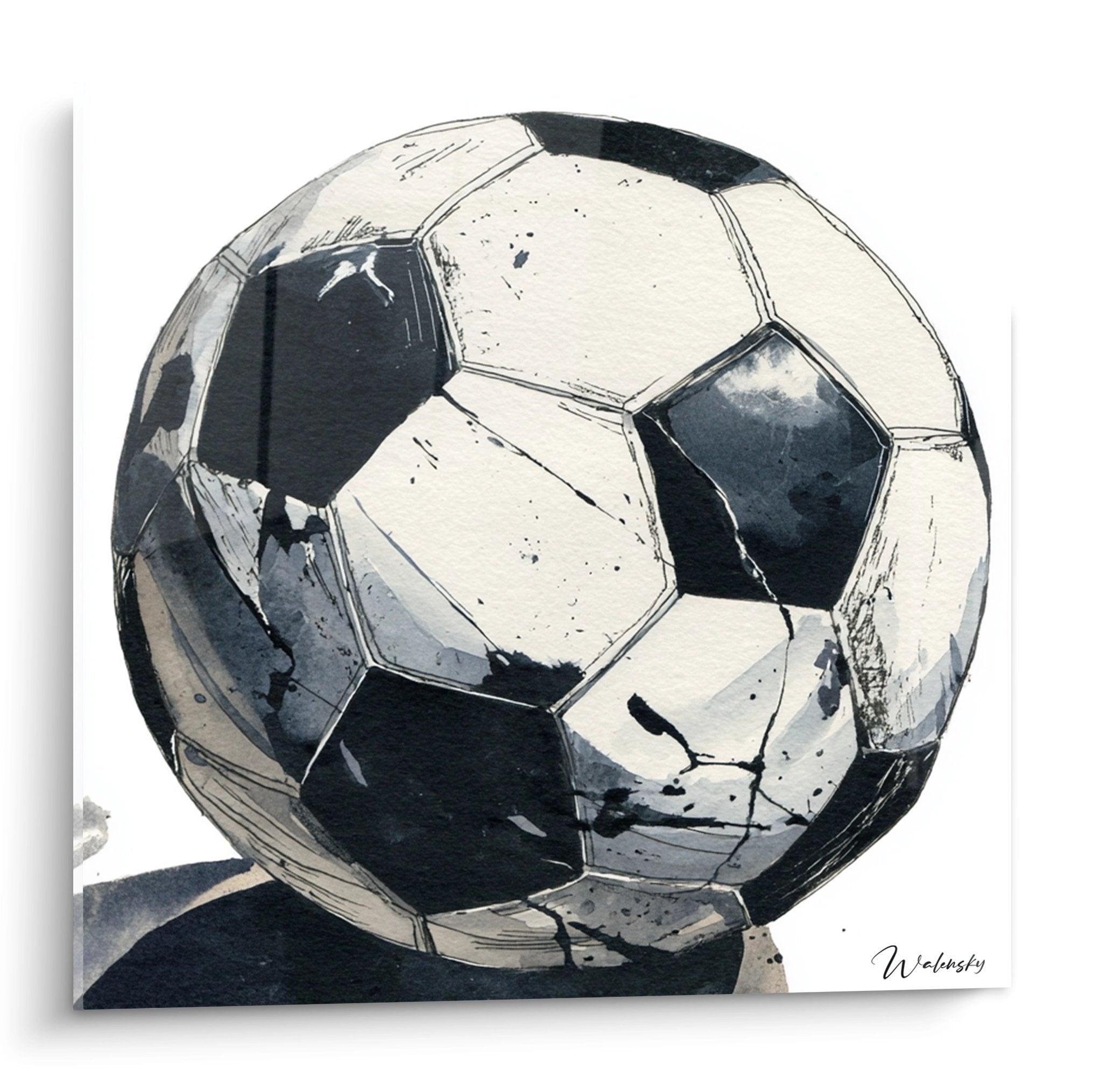
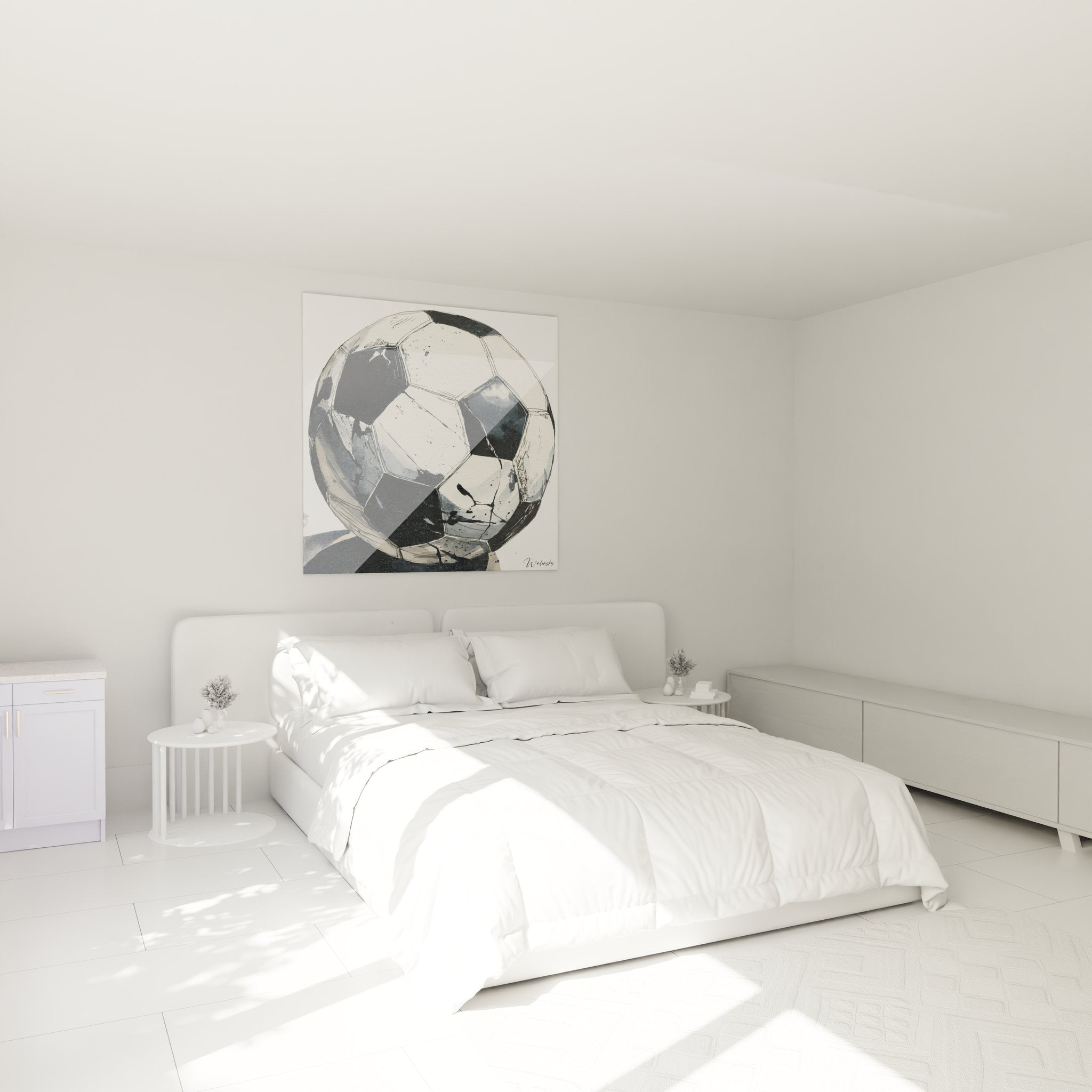
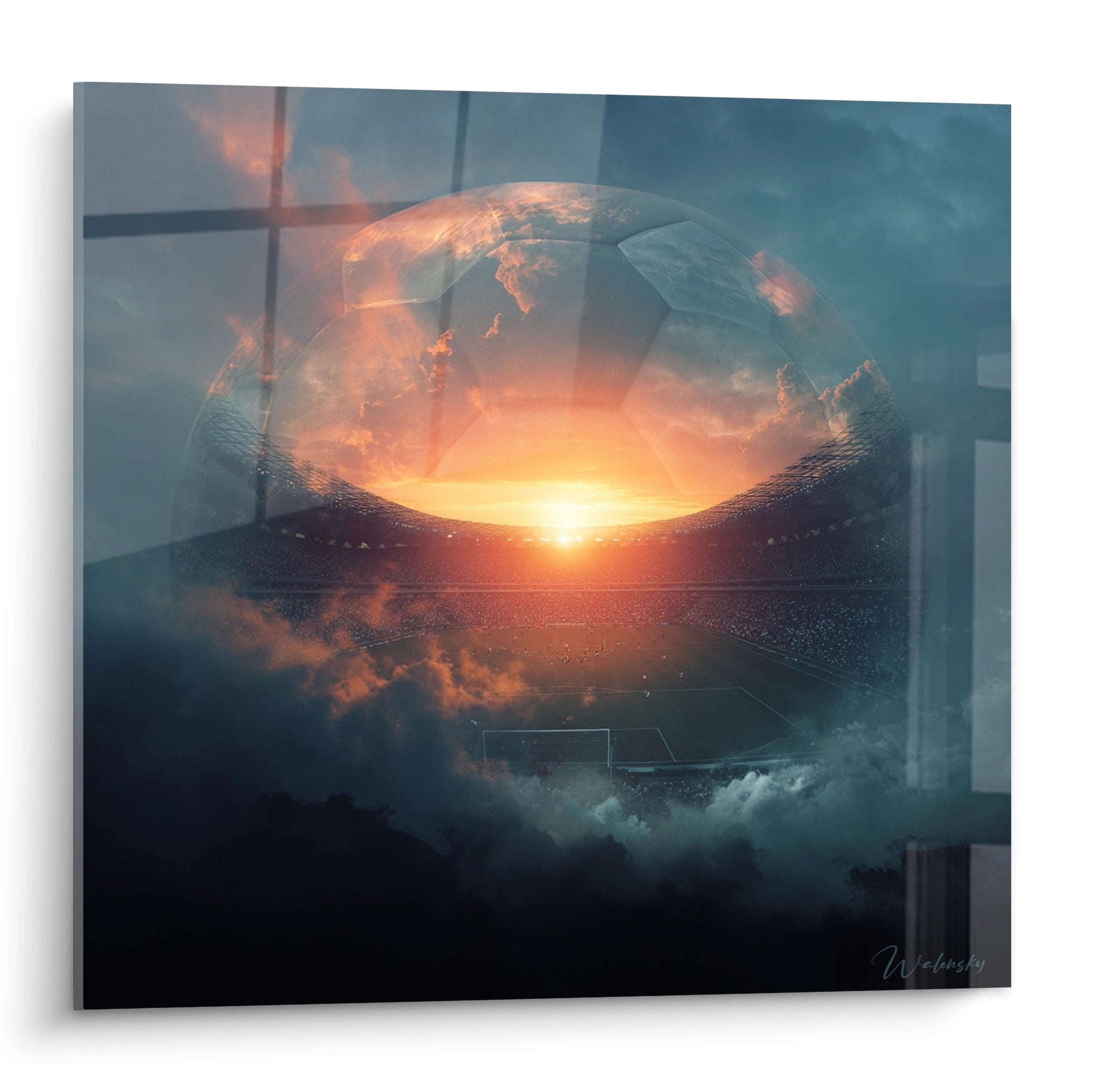
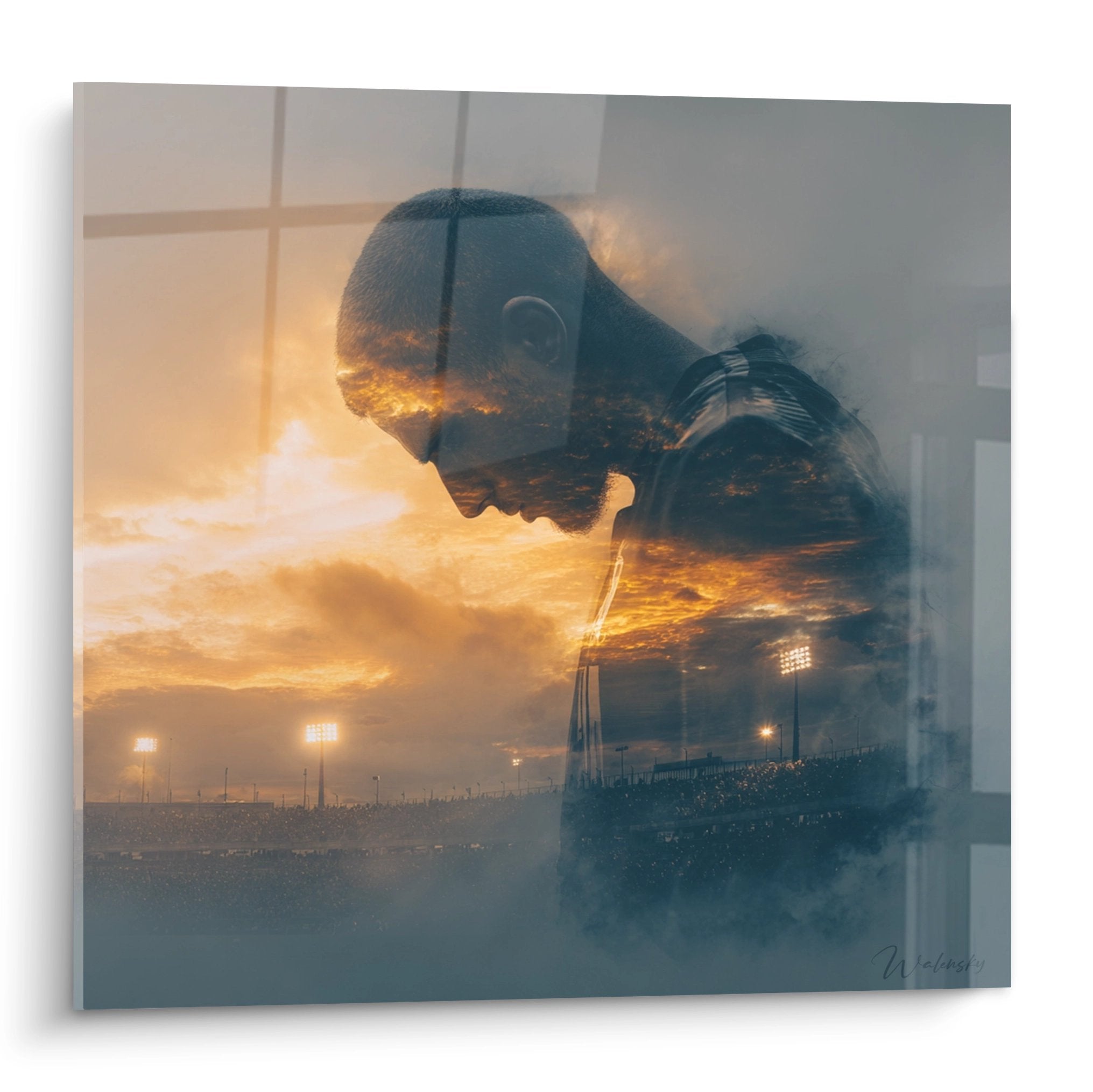
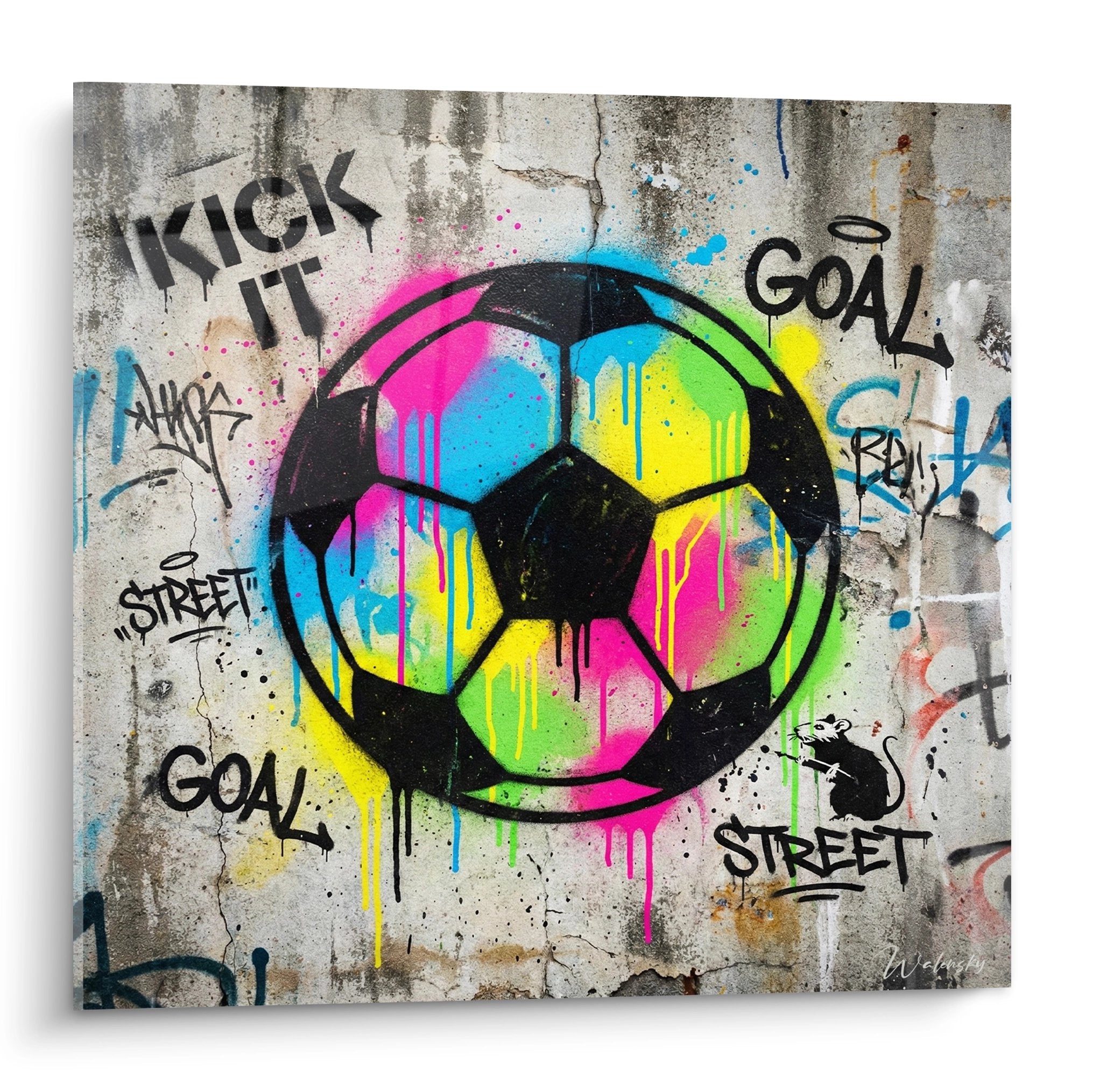
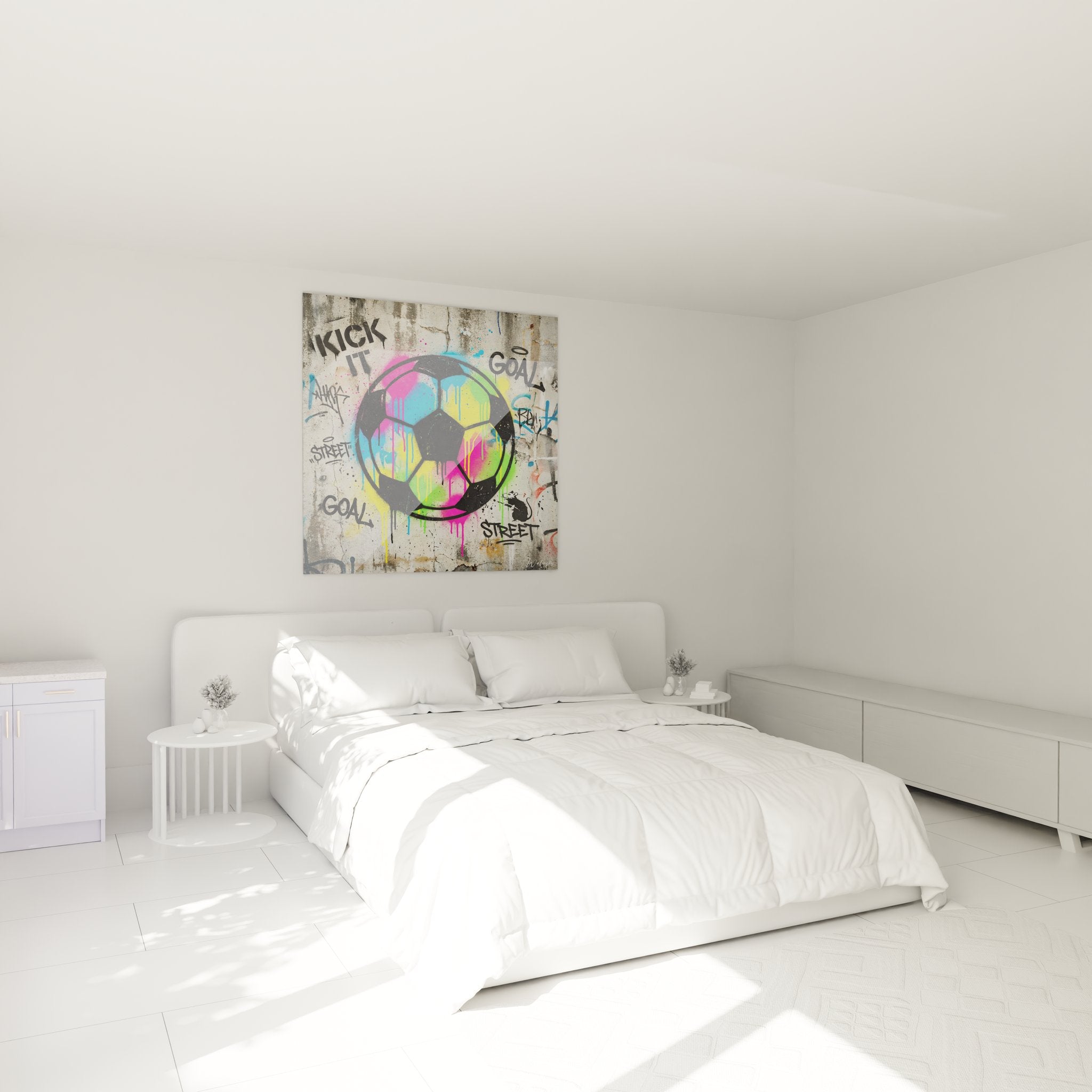
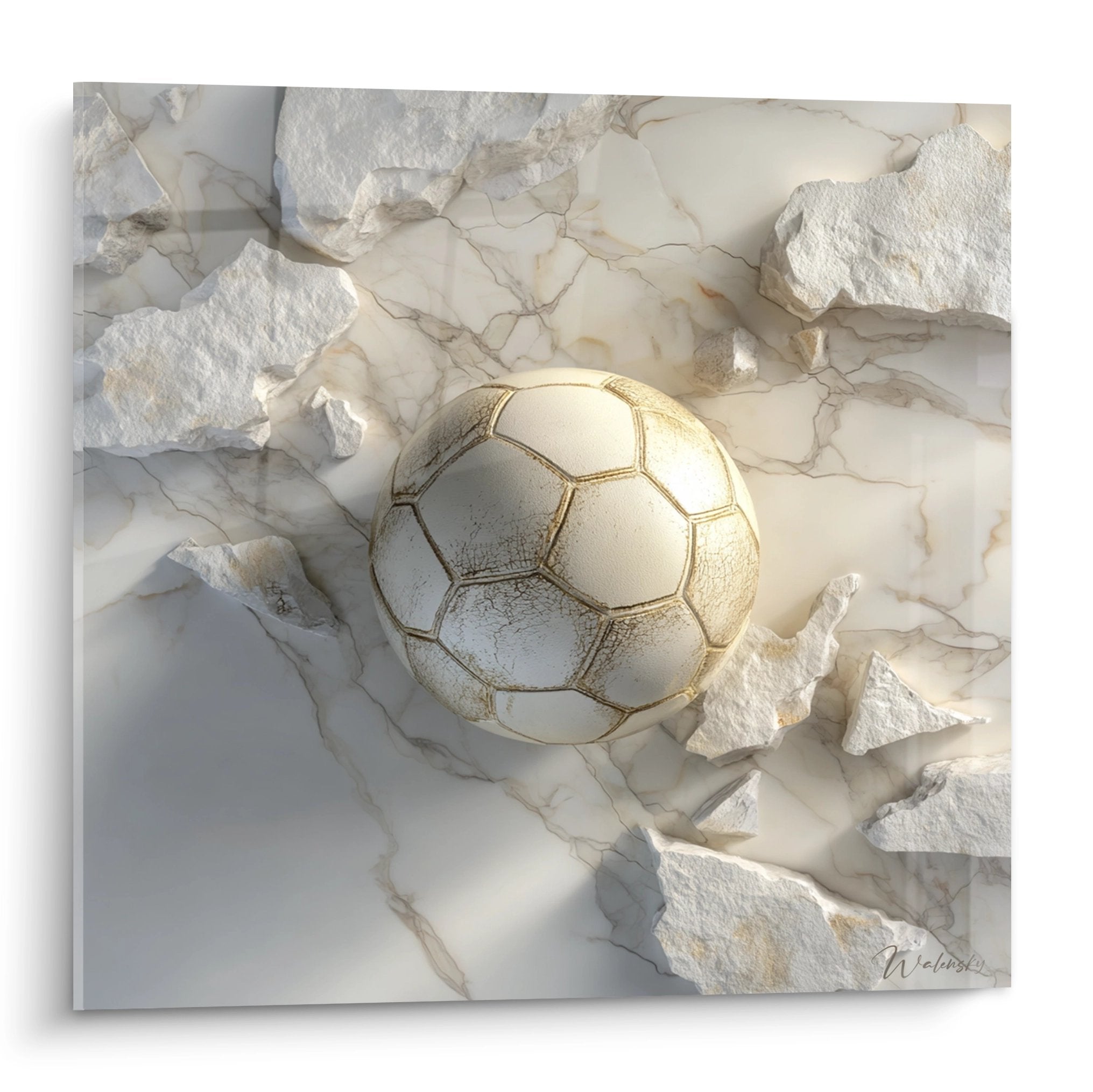
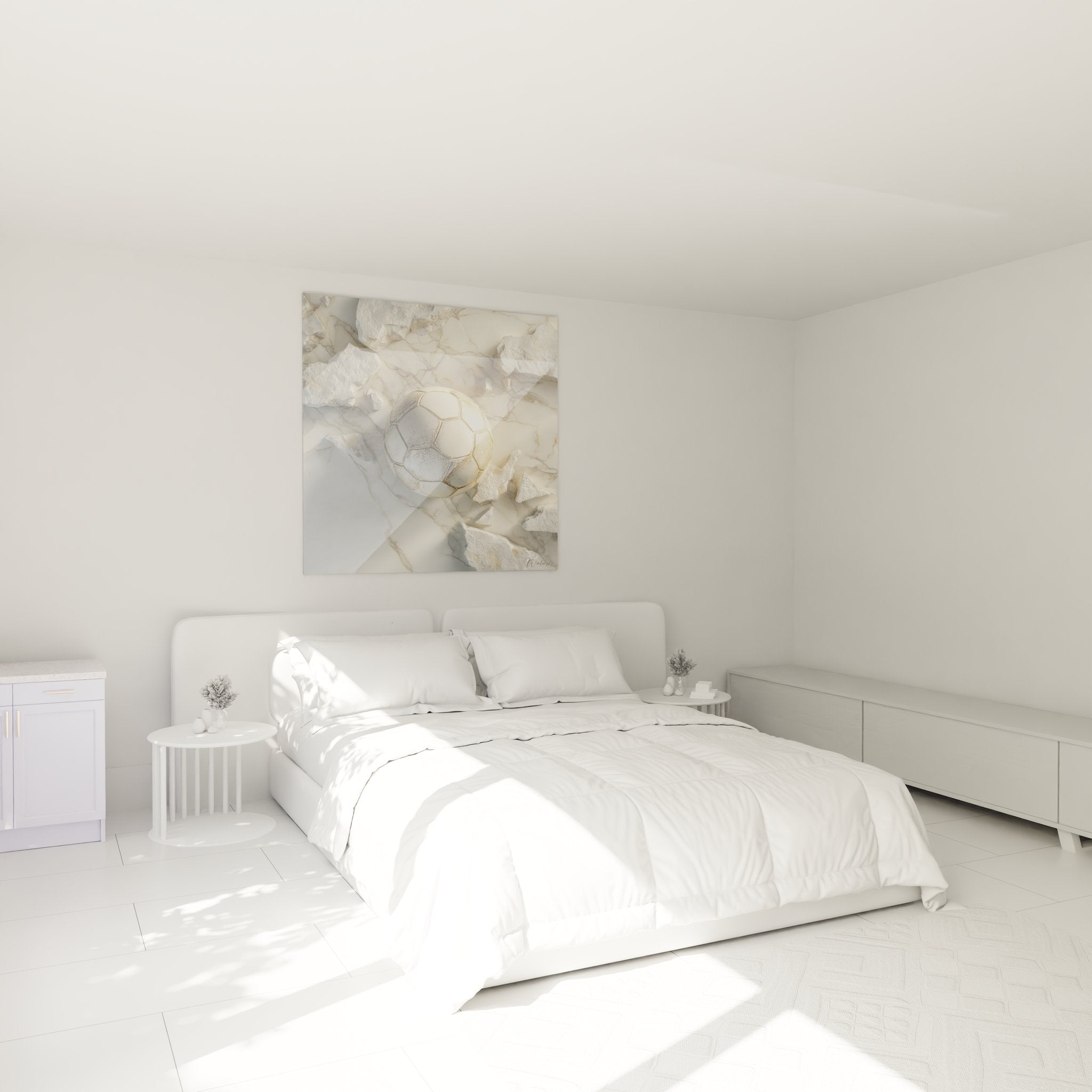
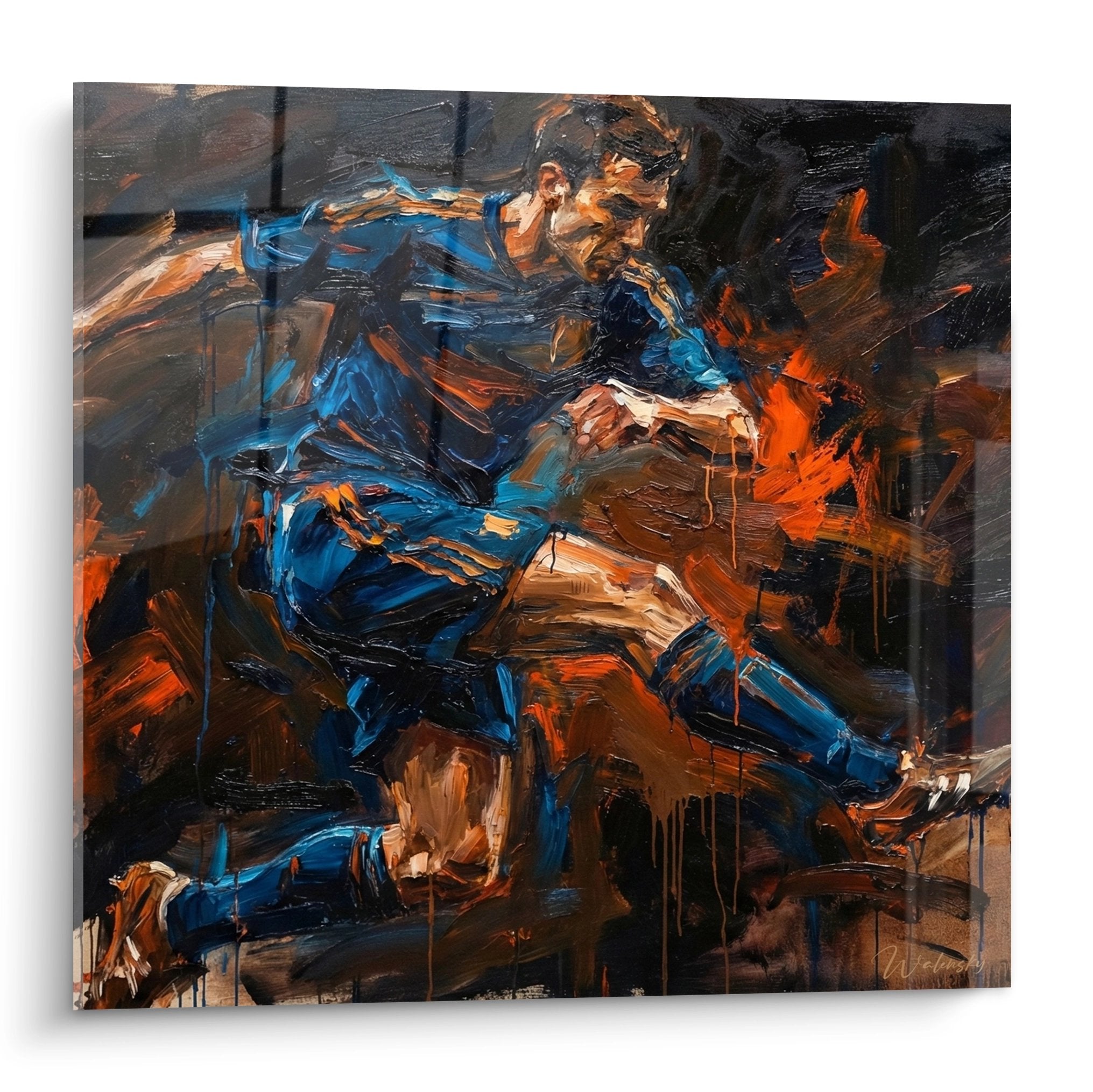
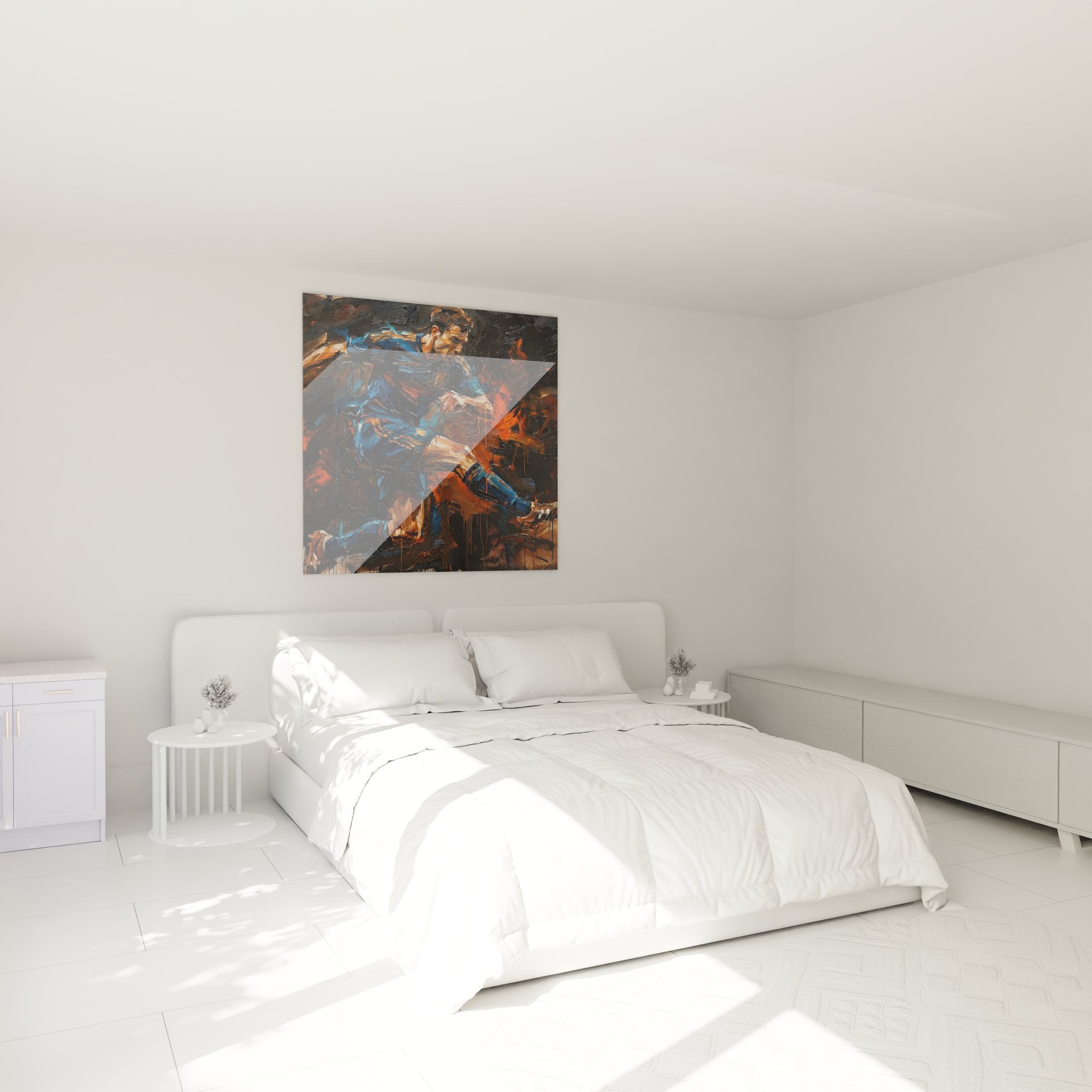
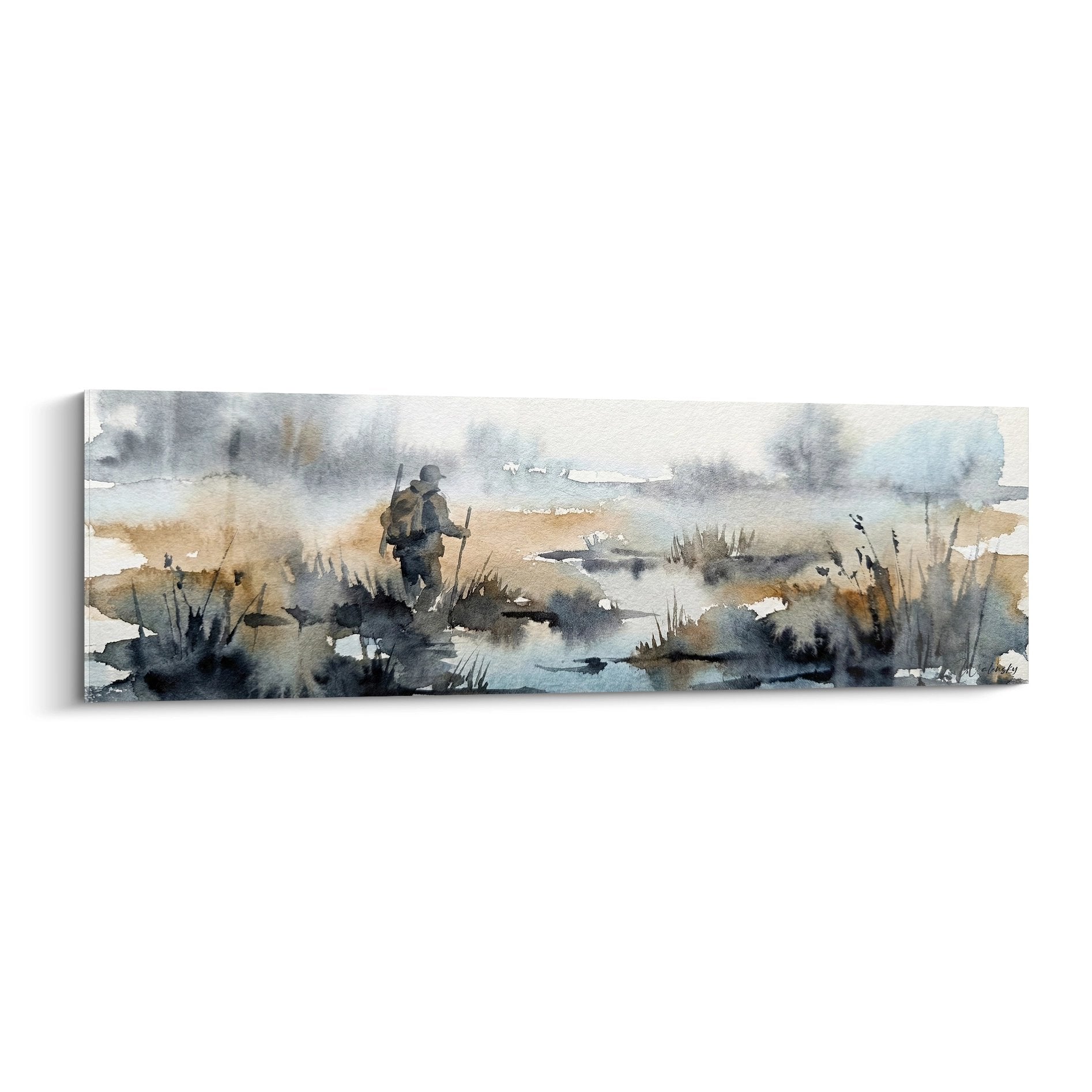
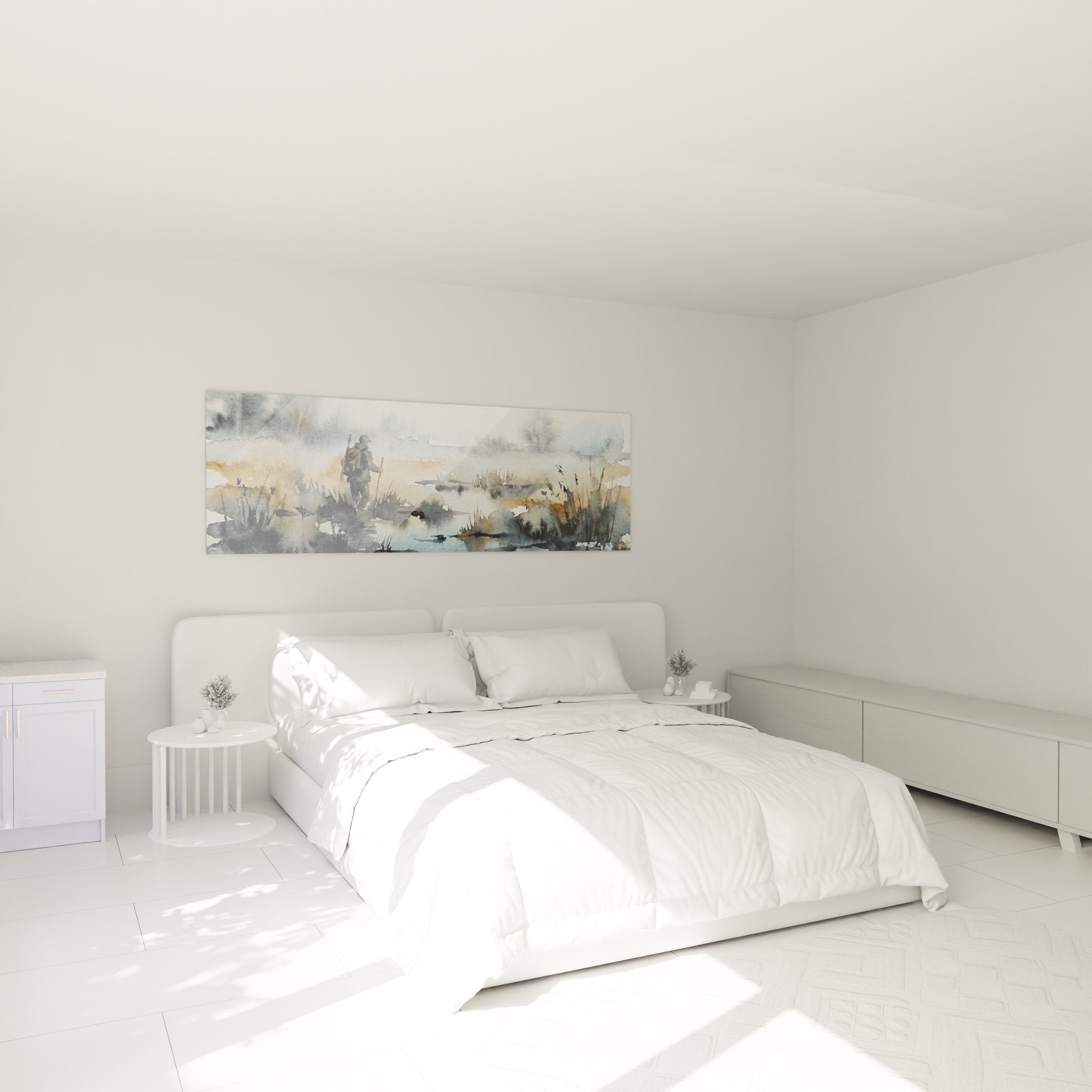
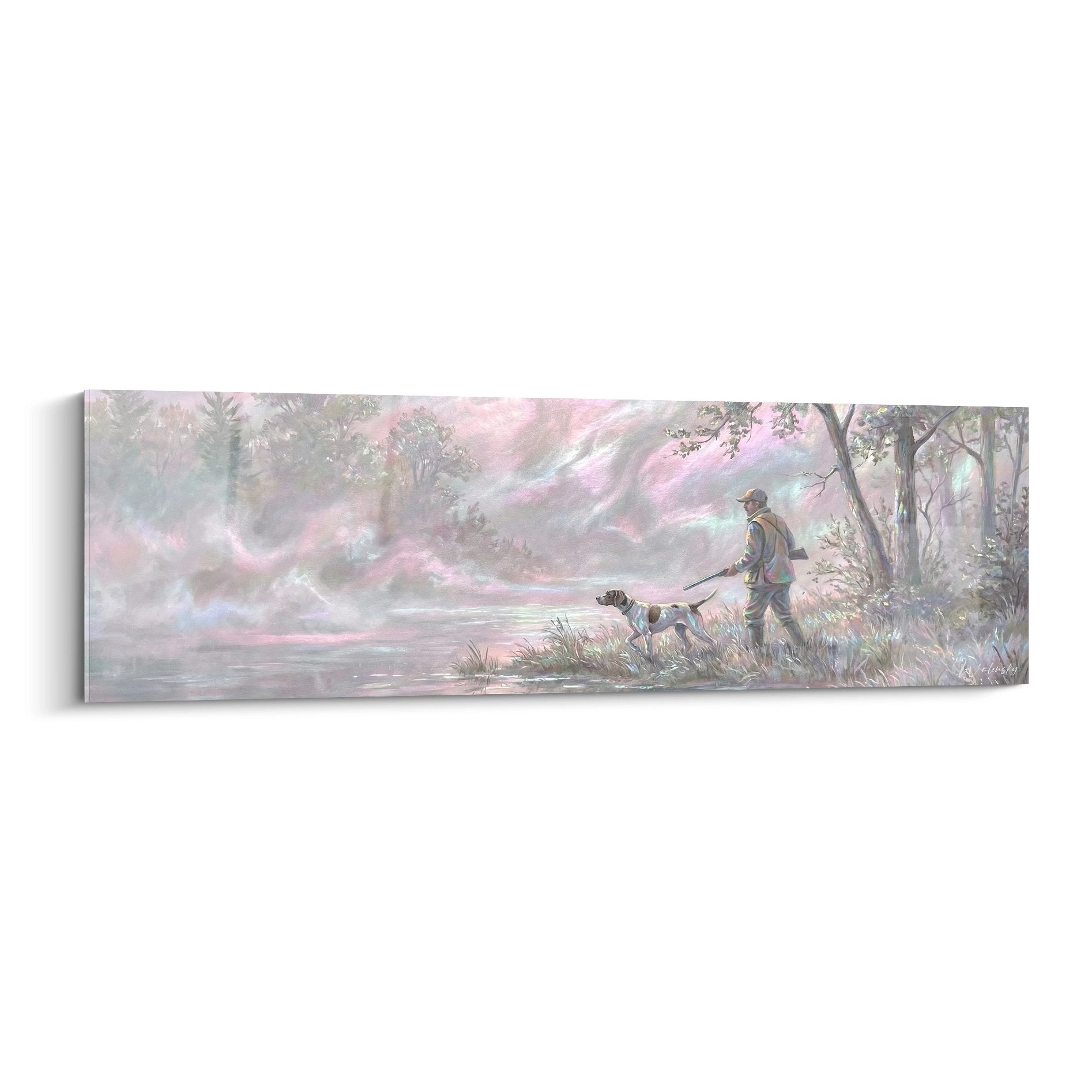
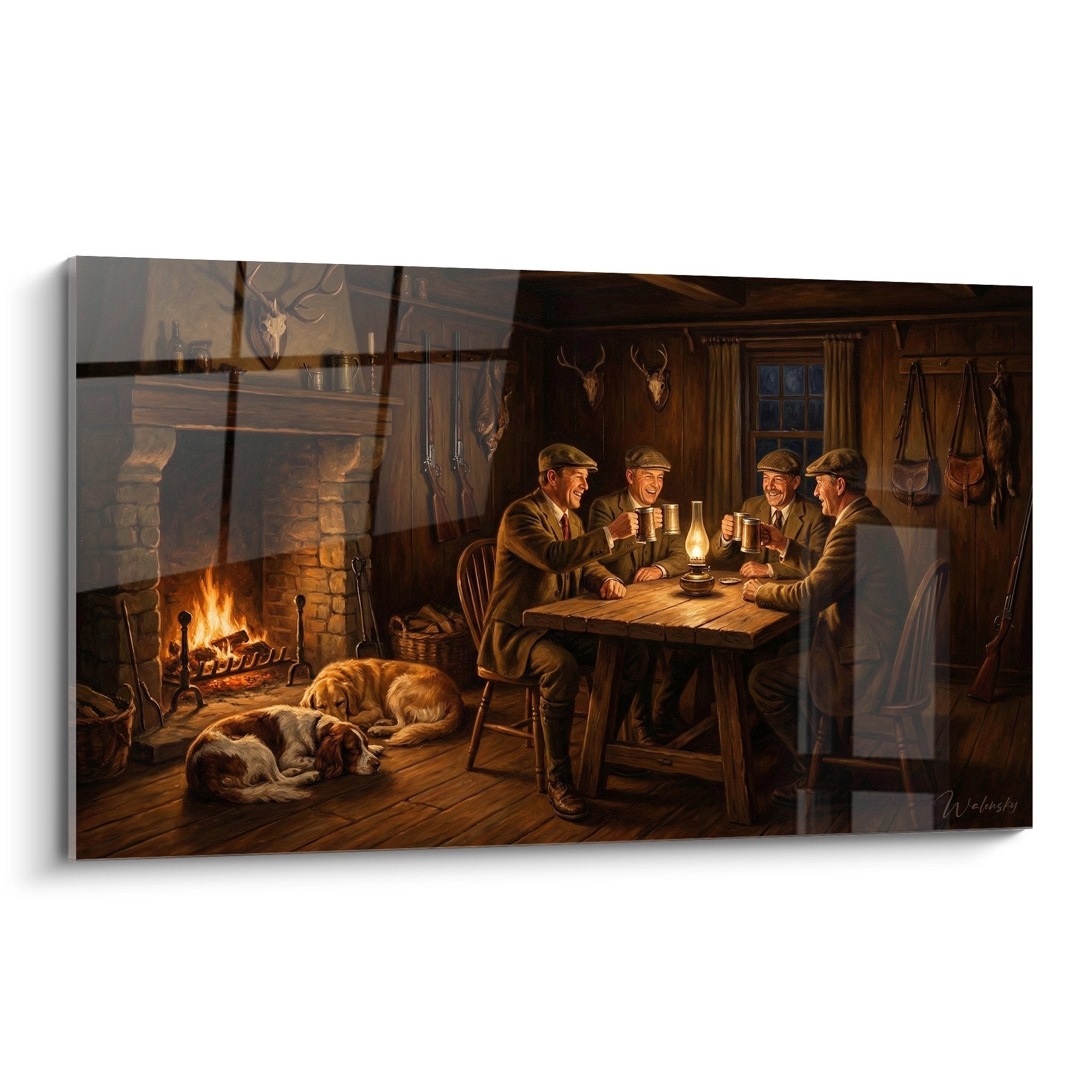
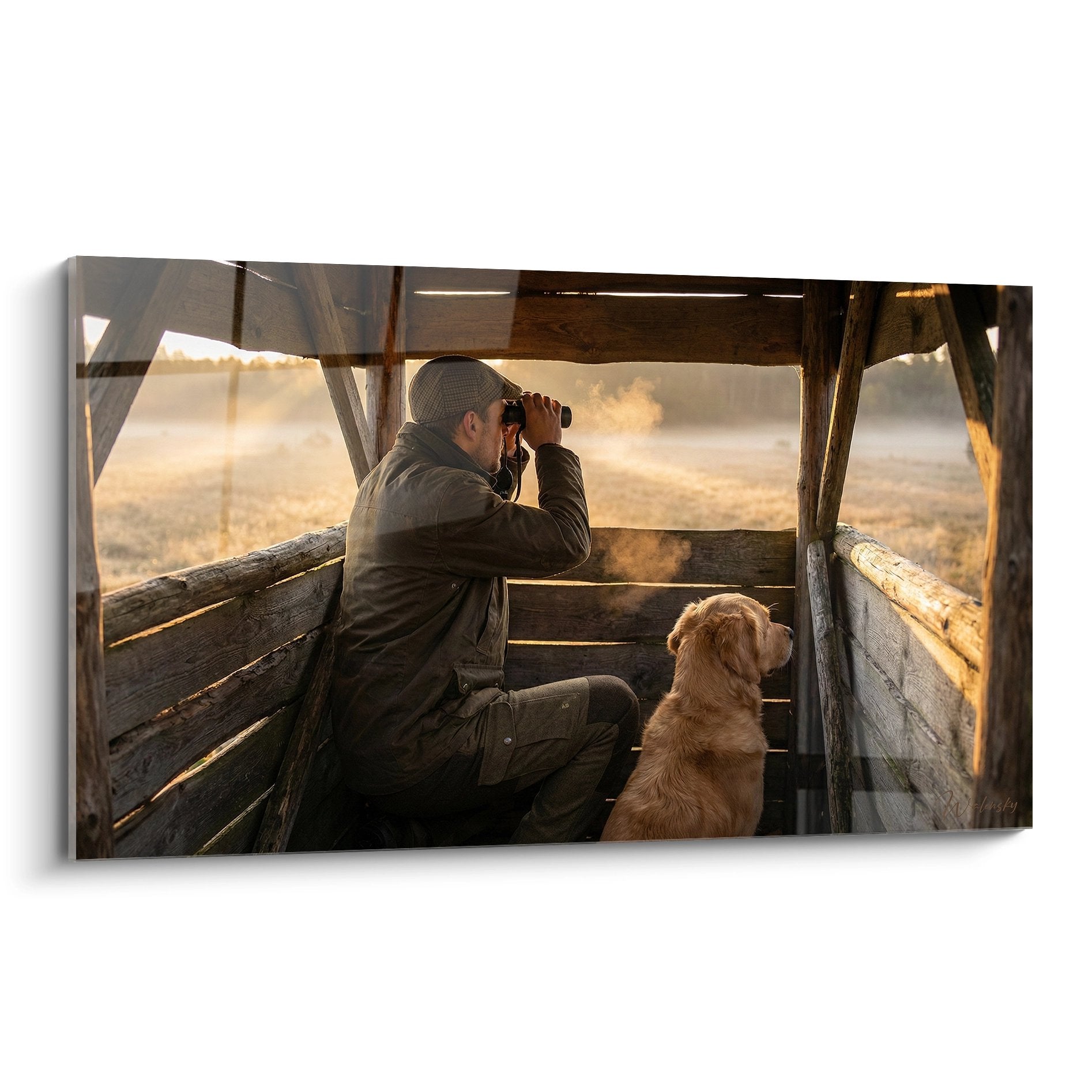
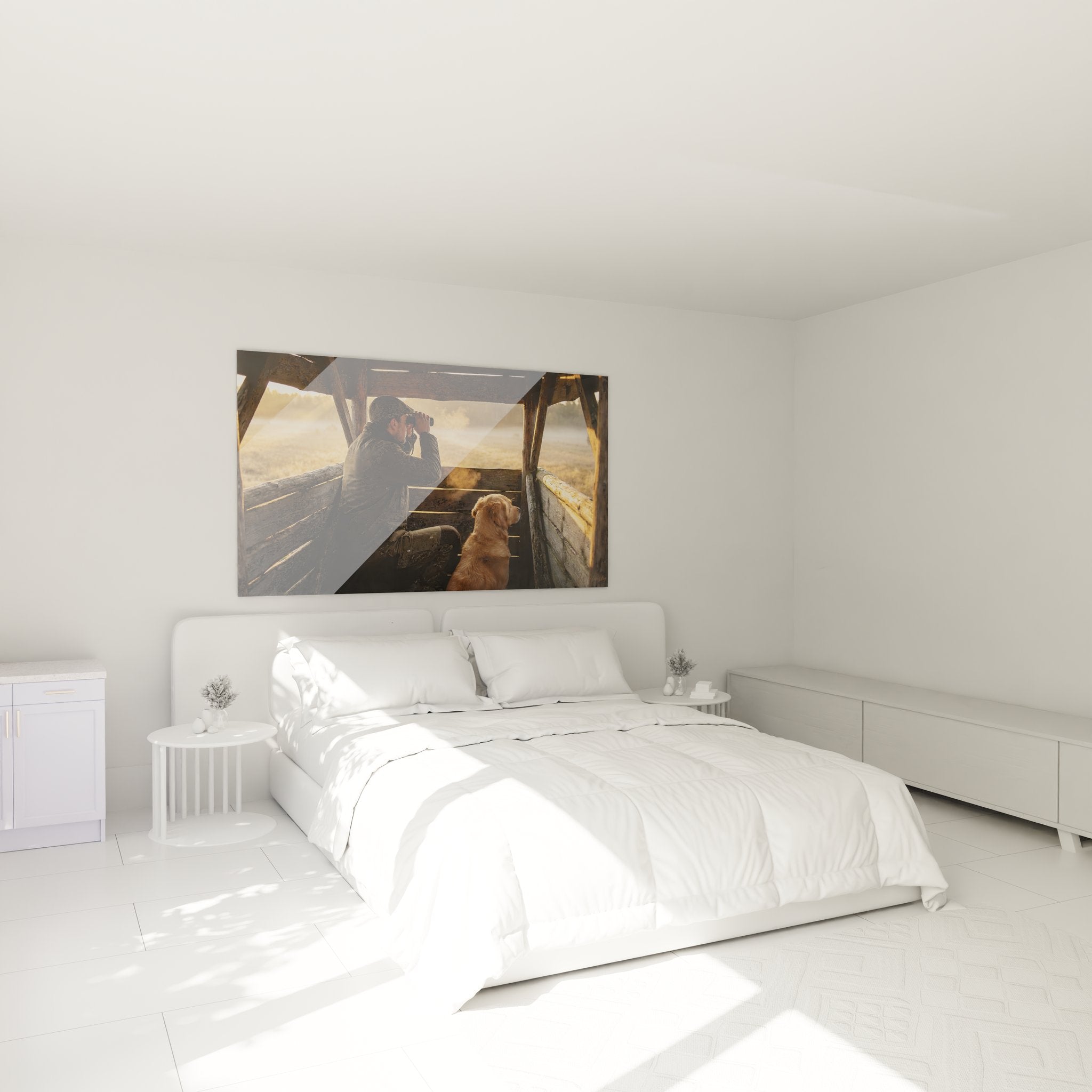
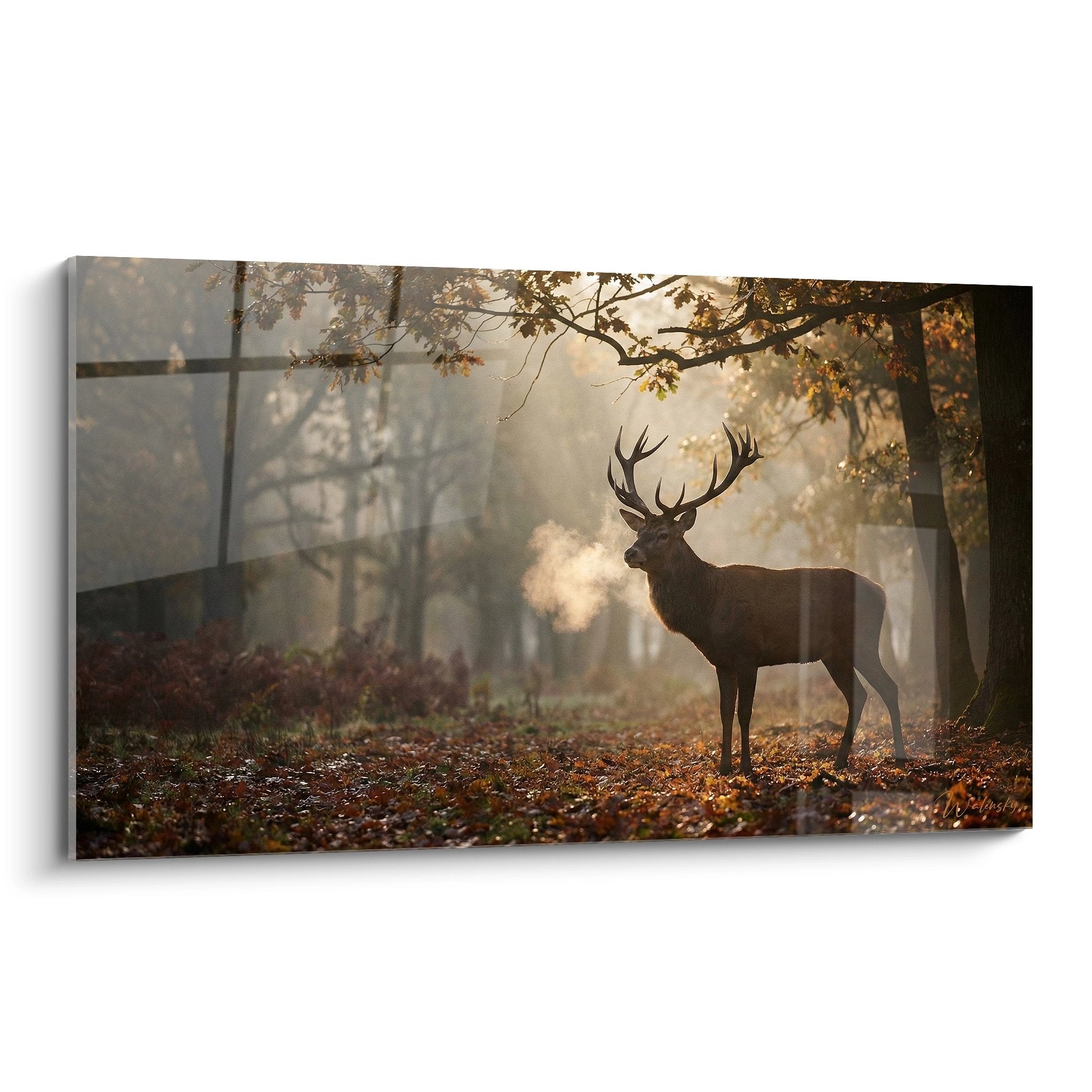
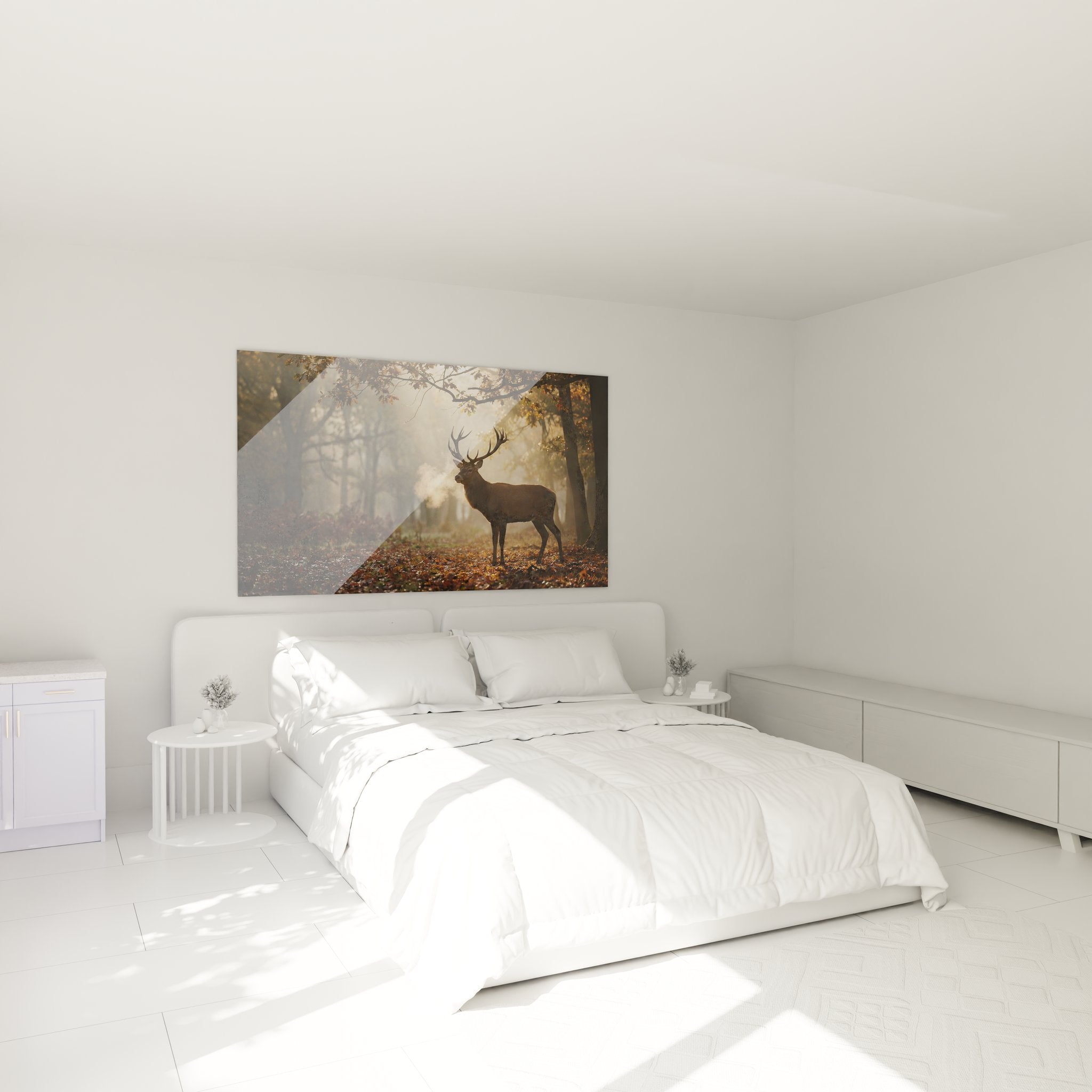
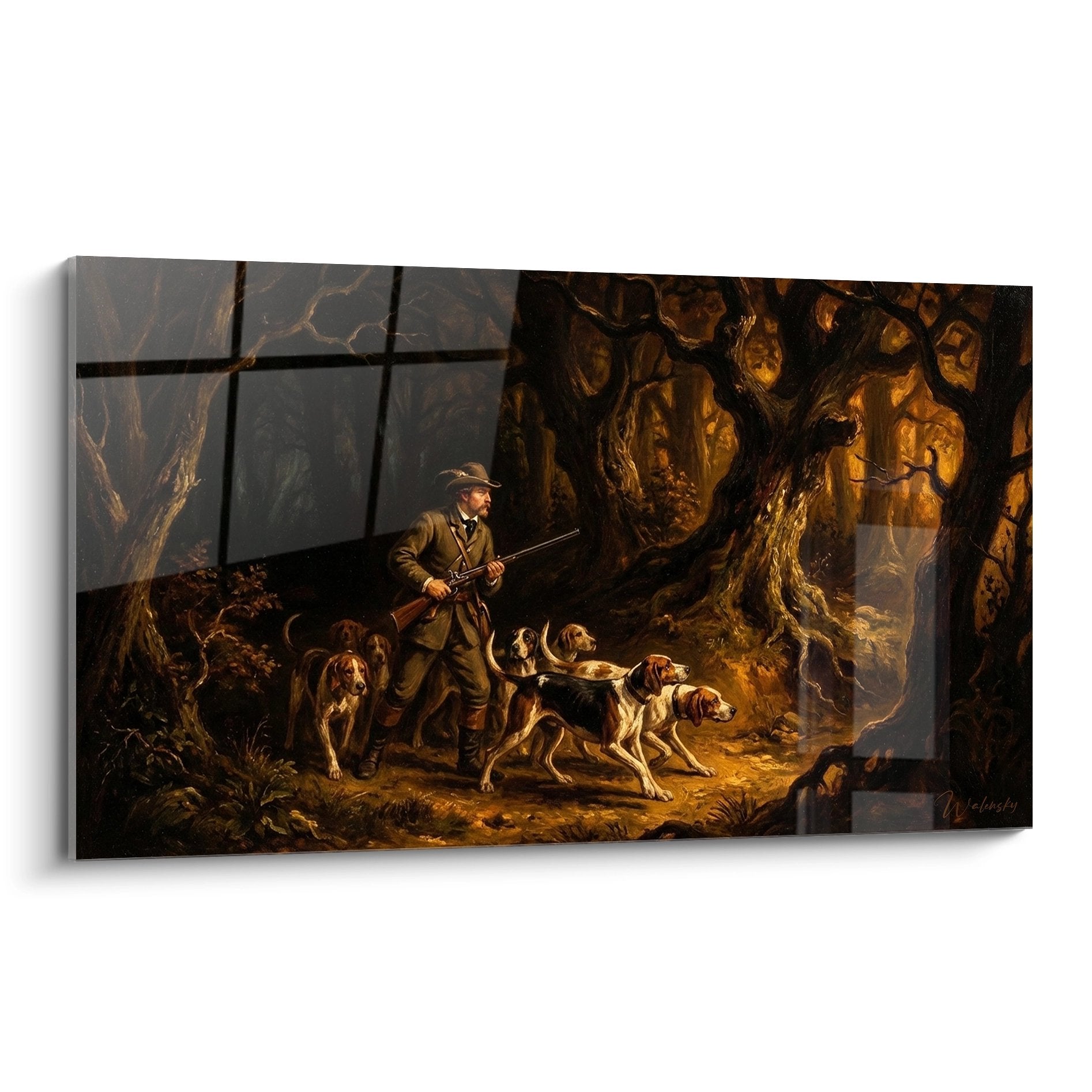
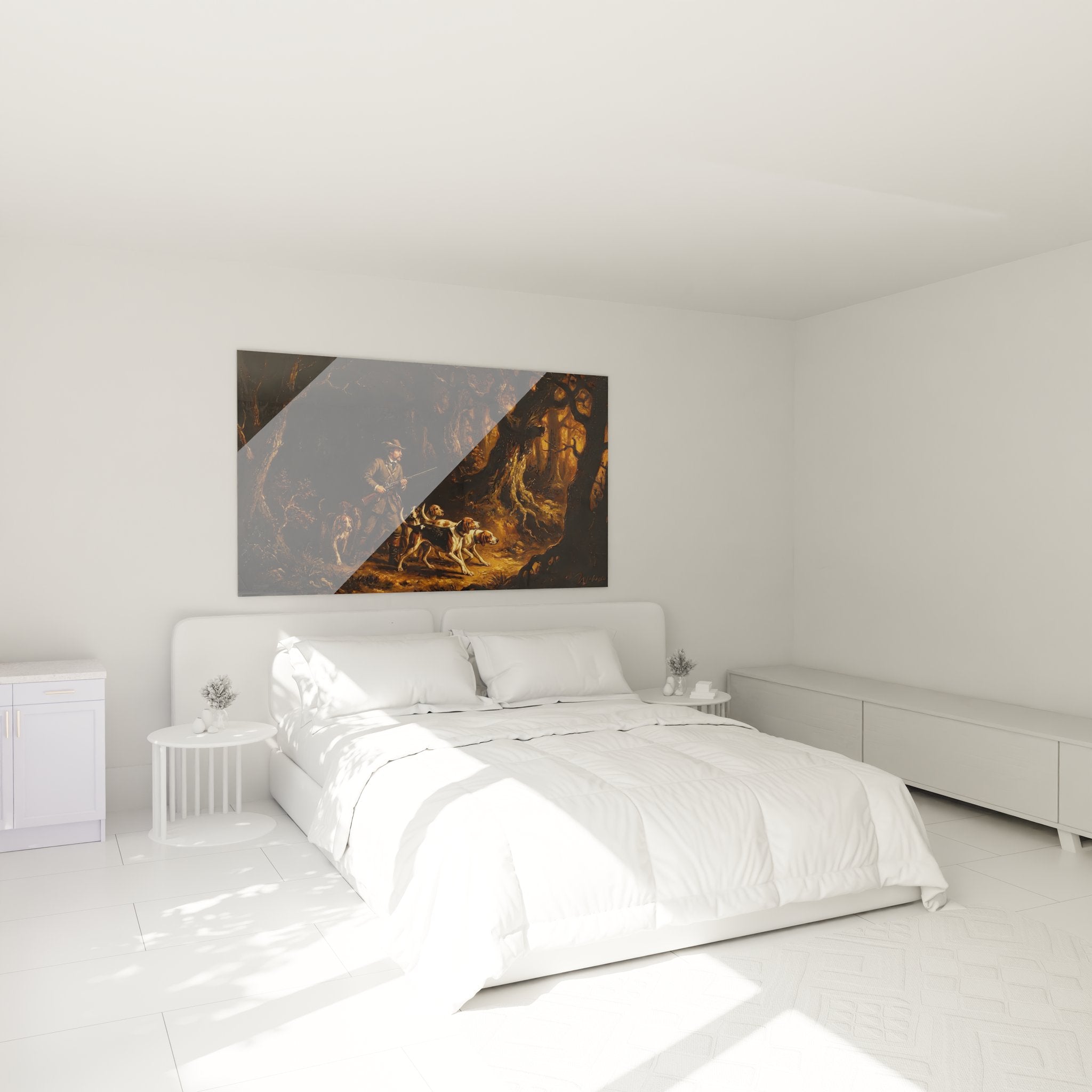
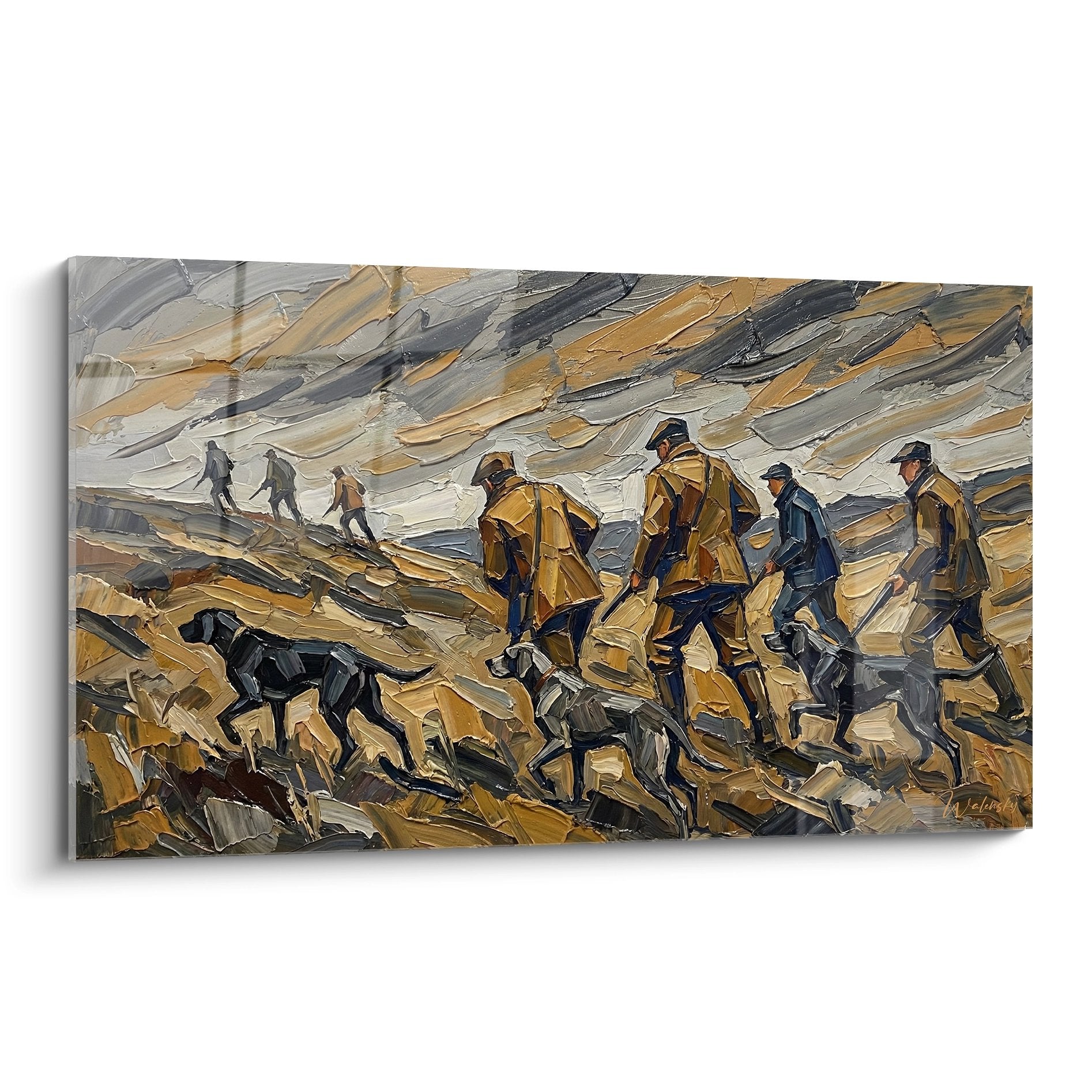
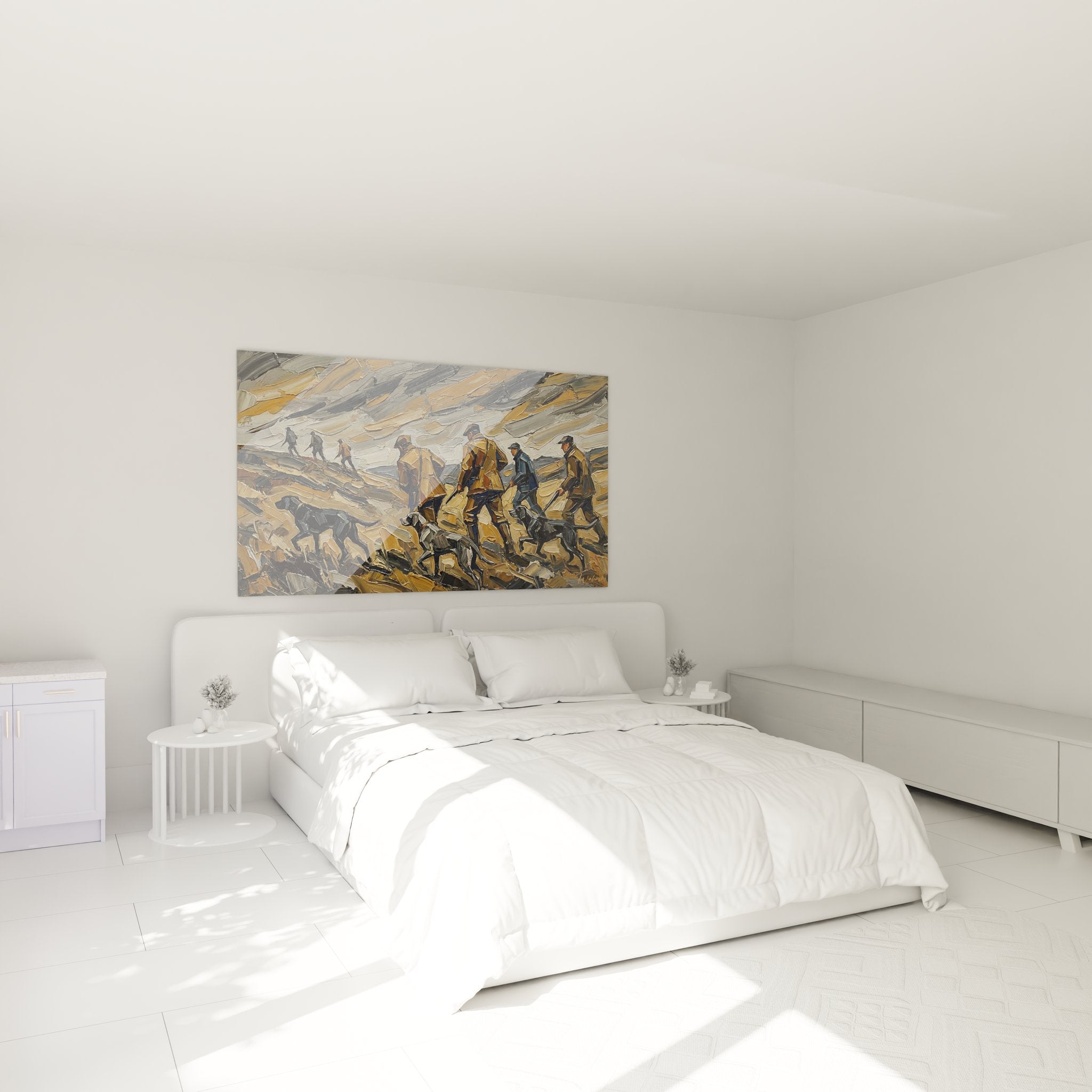
- Sports and Leisure Wall Art Presentation
- Wall Decoration for Sports Facilities
- Motivation and Performance Visuals
- Sports Clubs Visual Identity
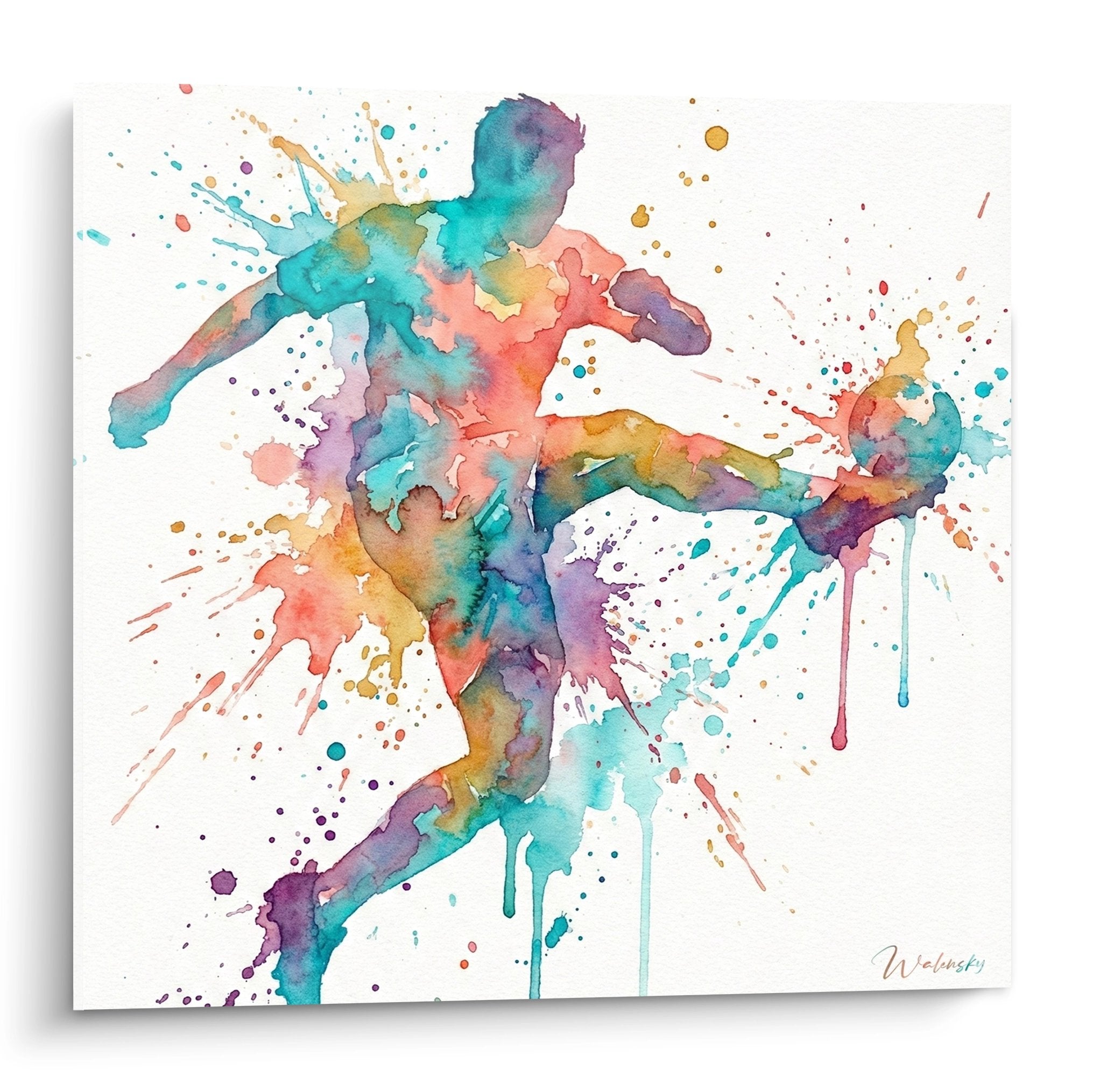
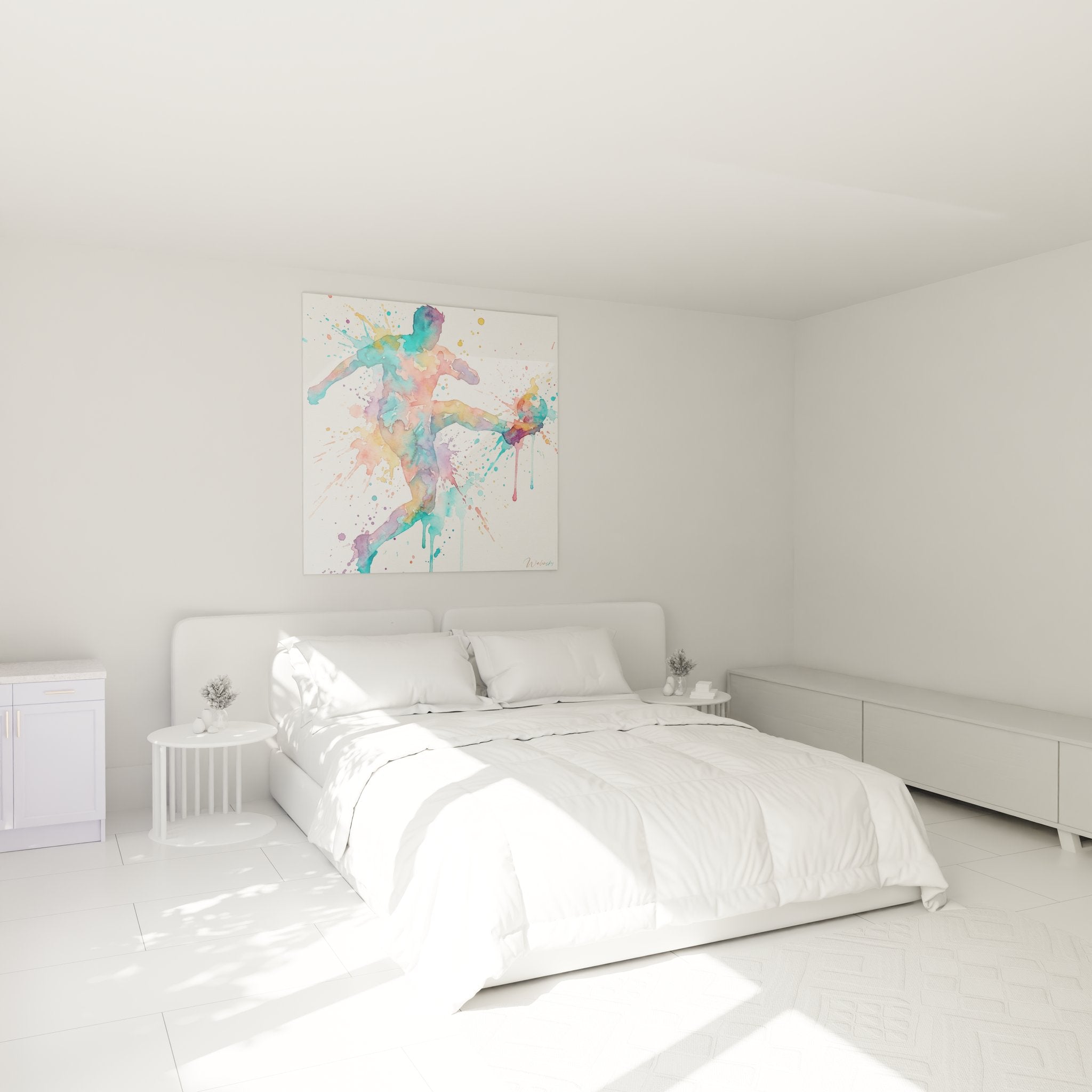
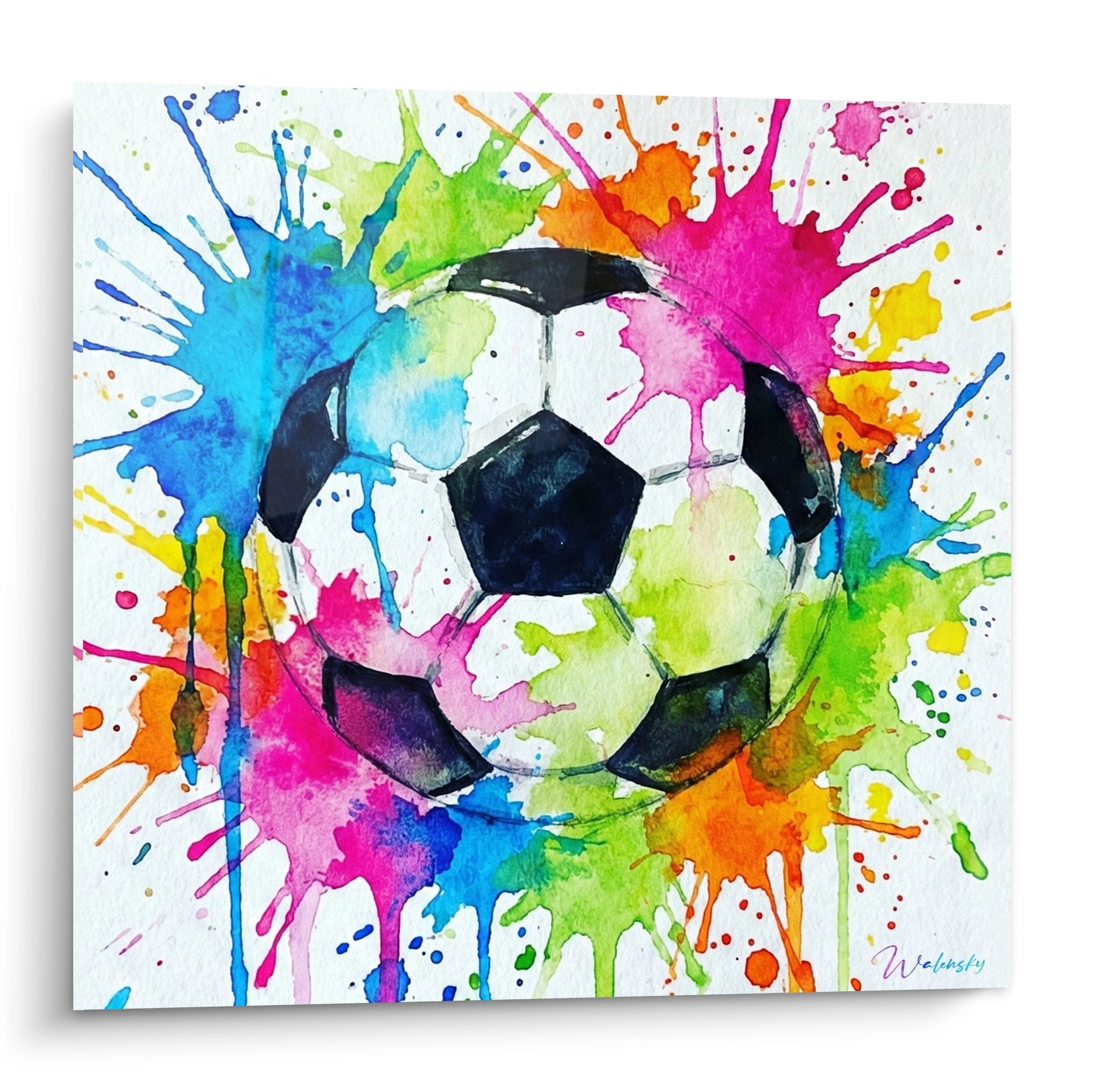
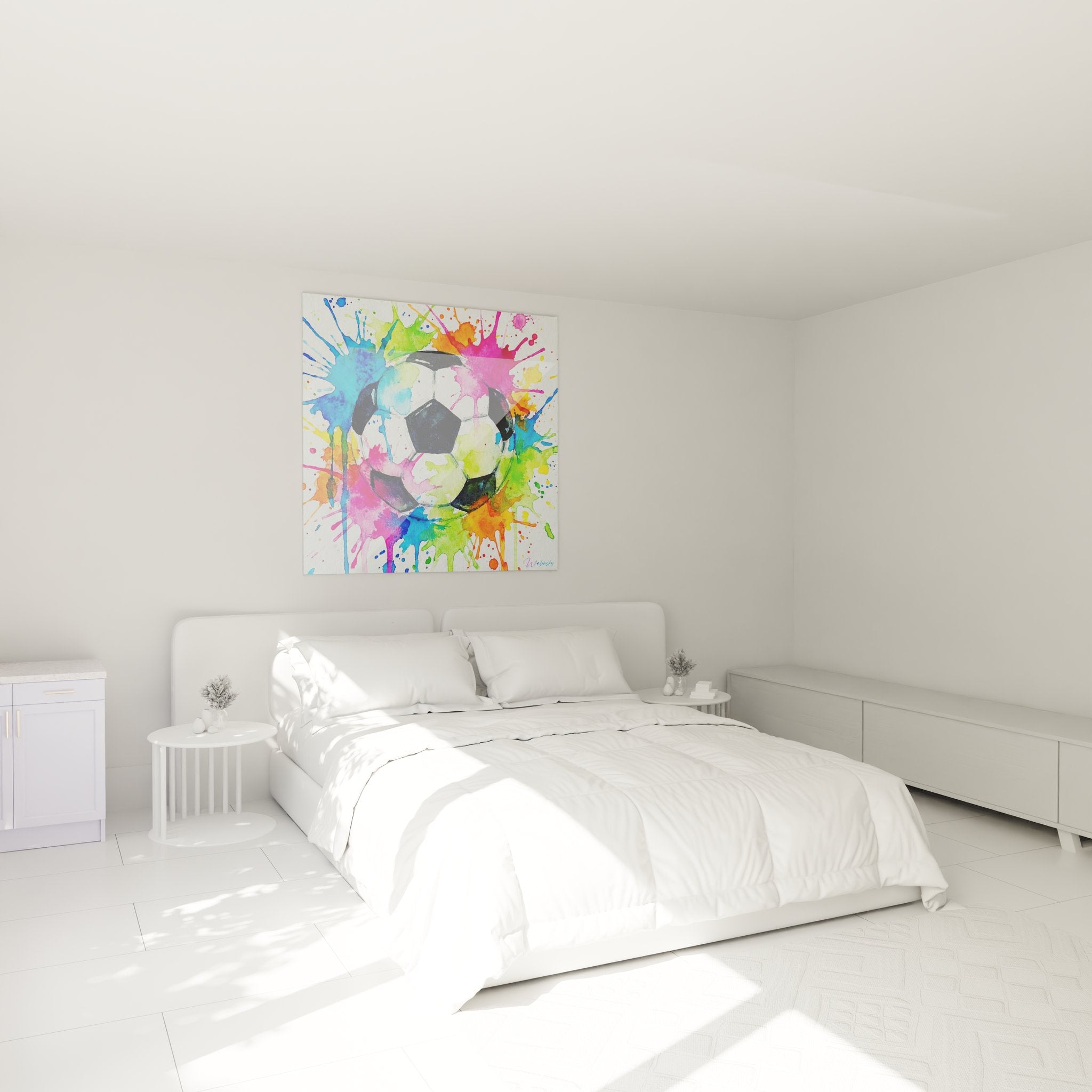
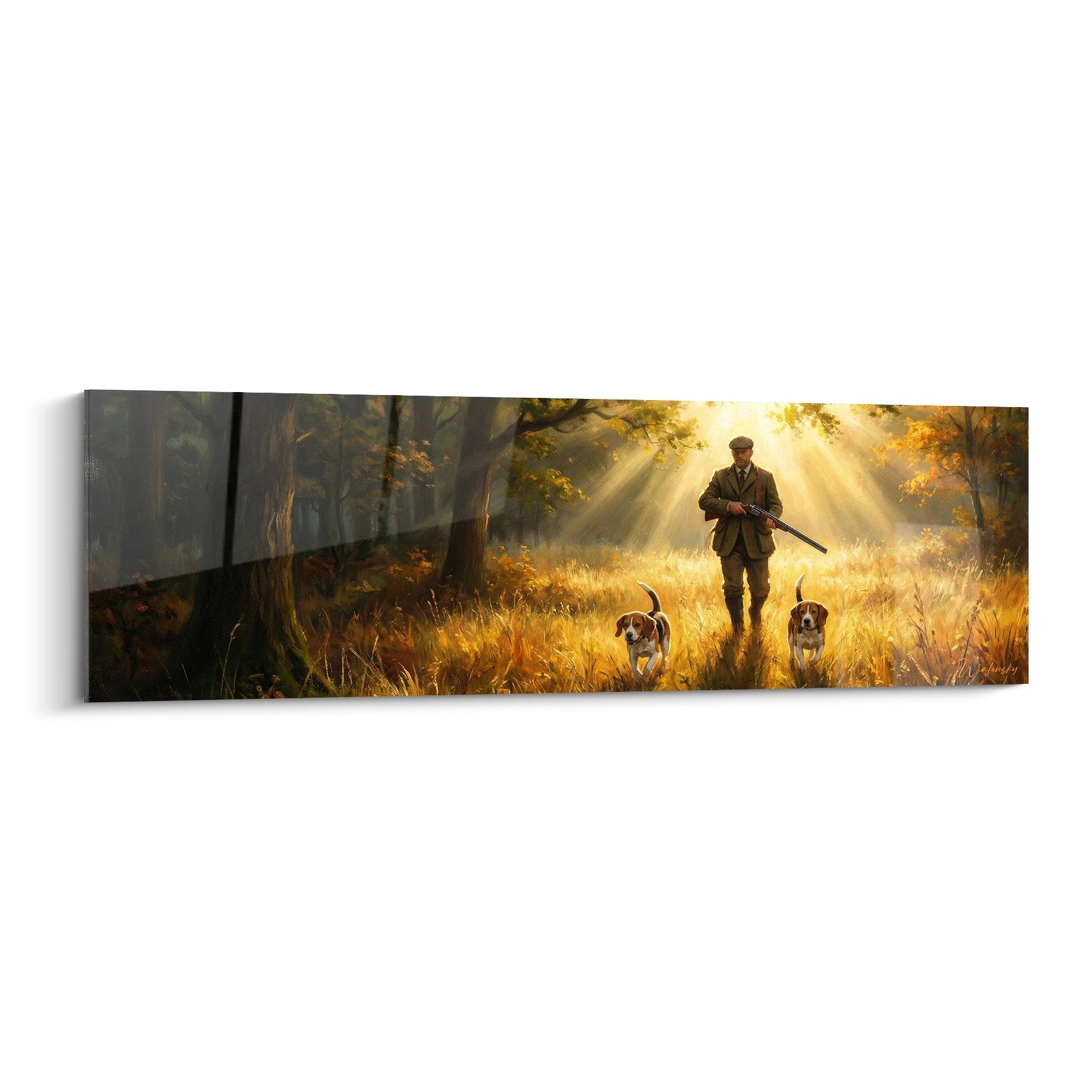
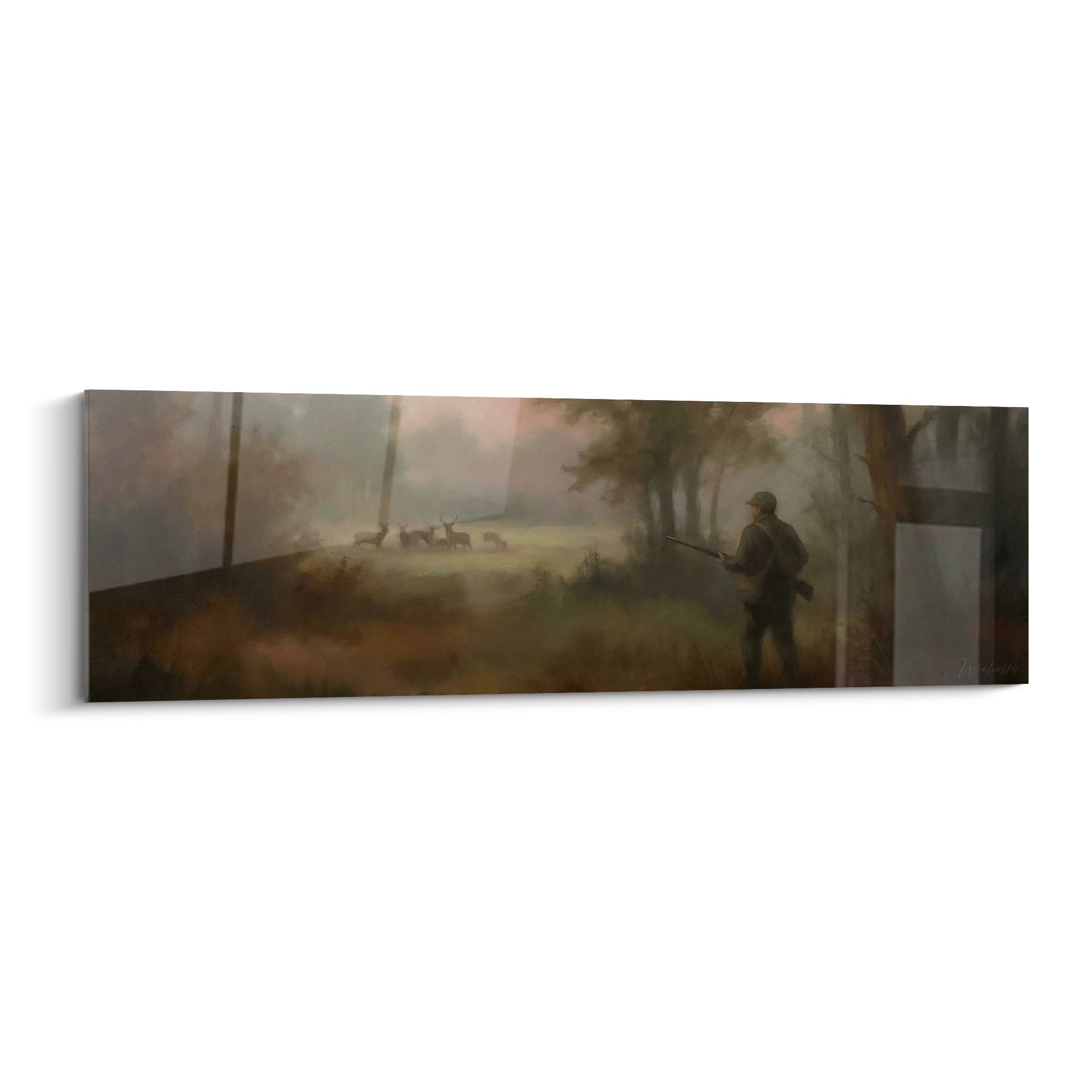
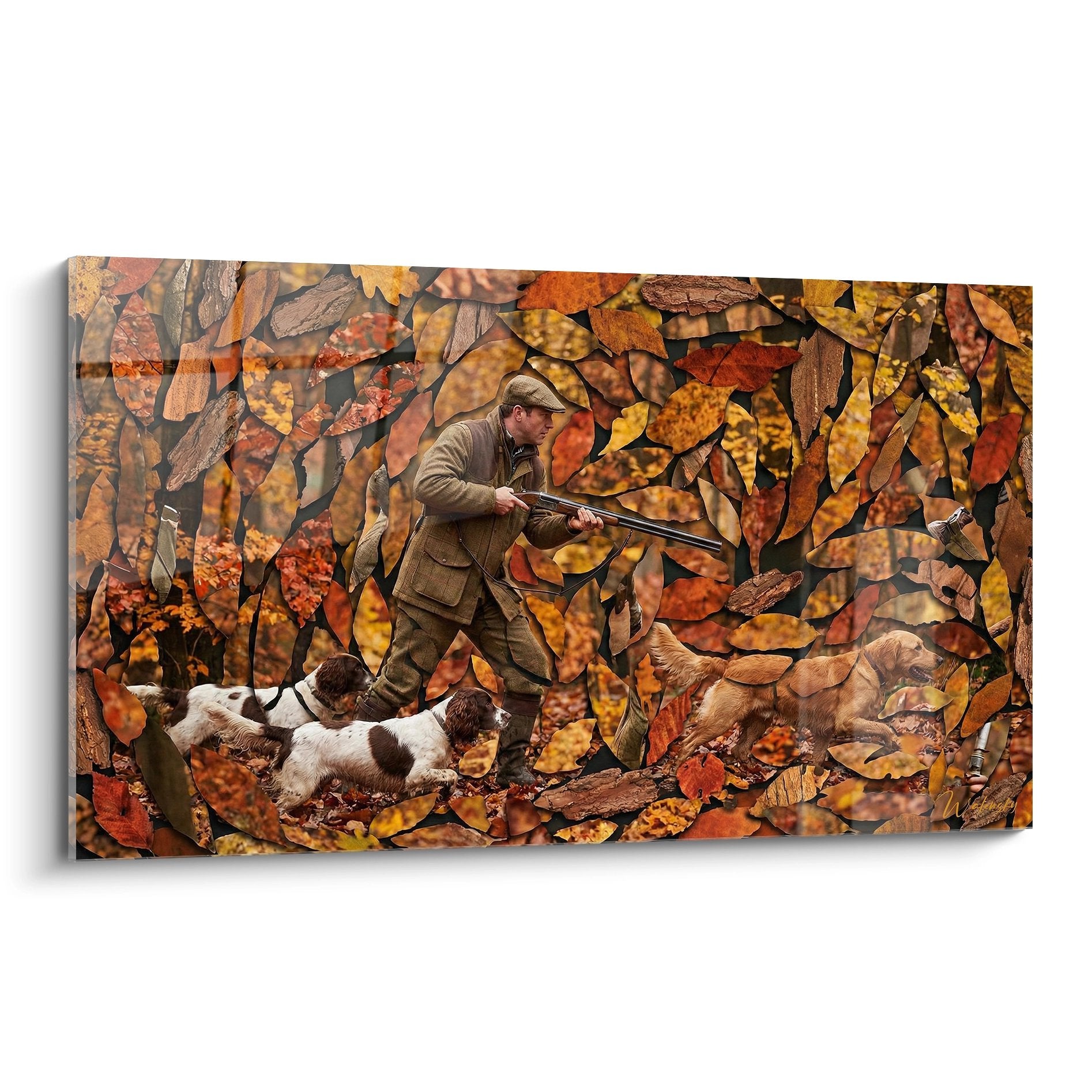
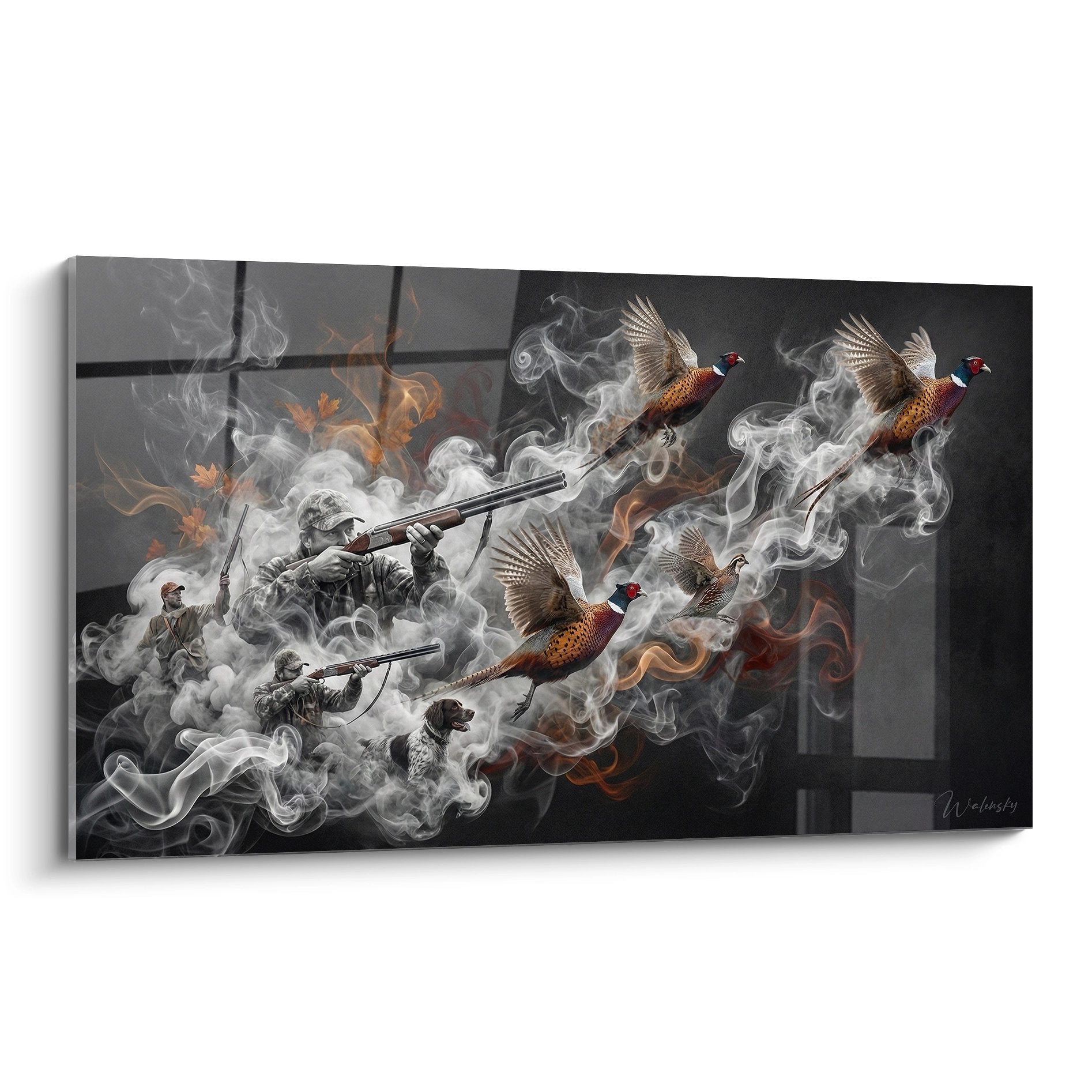
Sports and leisure wall art dramatically transforms the atmosphere of spaces dedicated to physical activity and recreational passions. These large-format mural creations capture the very essence of movement, adrenaline, and sports culture to create visually stimulating environments. Unlike conventional decorative solutions, these graphic representations meet the specific requirements of high-energy-intensity spaces: enhanced durability, psychological impact on motivation, and the ability to define distinct functional zones within the same area. Whether for a private training room, fitness center, sports club, or leisure space, these mural elements become true catalysts for performance and engagement. Their design incorporates the latest research in sports psychology regarding the influence of visual stimuli on athlete determination and endurance.
Wall Decoration Adapted to Sports Facility Constraints
Large-format sports and leisure wall art addresses unique environmental challenges never encountered in other wall decoration categories. In training facilities, these installations must simultaneously resist high humidity generated by collective perspiration, constant vibrations caused by ground impacts, and significant temperature variations between heat-generating activity zones and rest areas. This triple constraint requires technical design rarely necessary elsewhere in interior decoration.
Resistance to Permanent Humidity in High-Intensity Activity Zones
The moisture-saturated atmosphere of weightlifting rooms, hot yoga studios, or aquatic centers imposes exceptional durability standards. Sports and leisure mural representations integrate hydrophobic surface treatments that prevent premature degradation, unlike standard decorative solutions that warp or stain after weeks of exposure. This resilience ensures your investment maintains its visual impact even in the most demanding environments, where humidity-laden air continuously attacks materials.
Acoustic Absorption for Multi-User Spaces
An overlooked aspect of large-format mural installations in sports complexes concerns their contribution to environmental acoustics. Wall art dedicated to large-scale physical activities creates surfaces that attenuate the sound reverberation typical of spaces with hard walls and reflective flooring. This property significantly improves audio comfort in group exercise rooms where rhythmic music and vocal instructions mix, reducing auditory fatigue for both participants and instructors.
Which Visuals Work Best in Warm-Up Areas?
Preparation spaces require graphic representations that facilitate mental transition toward effort. Compositions featuring athletes in pre-performance concentration phases, natural landscapes evoking outdoor adventure, or dynamic geometric abstractions create this atmosphere of progressive focus.
Visual Zoning by Discipline in Multi-Activity Centers
Facilities offering various sports disciplines strategically use thematic mural decorations to intuitively delimit spaces without resorting to physical partitions. Large-format climbing imagery instantly signals the functional training zone, while a cycling-themed composition identifies the spinning area.
Impact Resistance in High-Traffic Zones
Corridors leading to changing rooms, rest areas, and reception areas of sports centers experience intense pedestrian traffic with frequent manipulation of bulky equipment. Wall installations designed for these environments integrate structural resistance to accidental impacts.
- Anti-moisture surface treatment extending lifespan up to 10 years in saturated environments
- Acoustic absorption properties reducing sound reverberation by 30 to 45%
- Structural resistance tested to withstand repeated impacts without visible deformation
- Visual zoning codes facilitating intuitive navigation in complex spaces
Psychological Impact of Motivation Visuals on Sports Performance
Behavioral science applied to training environments reveals that strategically positioned visual representations directly influence effort intensity, session duration, and practice regularity. Sports and leisure wall art functions as motivational anchors that activate neural circuits associated with determination and perseverance.
Neuroscience of Visual Motivation During Physical Exertion
Sports psychology research demonstrates that exposure to images of athletes in full effort or landscapes evoking breakthrough activates the dorsolateral prefrontal cortex, the brain region involved in regulating voluntary effort. A large-format visual placed in the field of vision during prolonged cardiovascular exercise can increase discomfort tolerance by 12 to 18%.
Visual Programming of Training Objectives
Representations of specific sports disciplines serve as constant visual reminders of personal conditioning goals. A trail running enthusiast confronted daily with mountain running imagery unconsciously reinforces their commitment to their preparation.
How Do Energizing Colors Affect Effort Intensity?
The chromatic compositions of sports visuals play a direct physiological role. Red-orange tones increase perceived heart rate and stimulate adrenaline production, ideal for high-intensity zones. Deep blues promote the mental focus necessary for precision-based technical exercises.
Visual Pre-Performance Mental Preparation Rituals
Professional athletes use visualization routines before competition. Large-format thematic sports wall art in warm-up areas facilitates these rituals by providing visual focus points that anchor optimal mental state.
Influence on Time Perception During Exertion
A fascinating aspect concerns time perception distortion during monotonous exercise. Dynamic and complex visual compositions capture peripheral attention sufficiently to reduce awareness of passing time, making cardio sessions appear 15 to 20% shorter.
- Prefrontal cortex activation increasing effort tolerance by 12-18%
- Visual priming reinforcing engagement toward personal sports objectives
- Energizing color palettes stimulating natural adrenaline production
- Focus points facilitating pre-performance visualization rituals
- Time perception distortion reducing monotony of repetitive exercises
Creating Distinctive Visual Identity for Sports Clubs and Centers
Commercial sports facilities use large-format wall installations as central elements of their competitive differentiation strategy. In a market saturated with standardized equipment, visual identity becomes the decisive factor for member attraction and retention.
Visual Brand Architecture in Commercial Spaces
High-performing fitness chains understand that every wall surface represents an opportunity to reinforce their unique positioning. Custom sports wall visuals integrating the brand's graphic codes, values, and philosophy create total environmental cohesion.
Differentiation Through Thematic Visual Specialization
Centers specializing in specific niches - CrossFit, martial arts, combat sports, or functional training - use mural compositions to instantly communicate their sector expertise.
Which Visual Atmospheres Attract High-End Clientele?
Members paying premium rates seek a sophisticated experience far from utilitarian aesthetics. Large-format photographic compositions of extreme landscapes in refined black and white visual treatments create an elegant and inspiring atmosphere.
Strategic Instagrammability of Training Spaces
The social media era transforms wall installations into organic marketing tools. Members spontaneously photograph their sessions in front of impactful visuals, generating continuous free promotion.
Seasonal Evolution of Visual Environment
Innovative operators periodically refresh their wall installations to maintain sensory novelty and engagement of regular members.
Why Invest in Monumental Formats for Collective Spaces?
XXL dimensions generate emotional impact disproportionate to modest formats. A 4x3 meter representation immediately captures attention by creating a monumental presence that leaves lasting impressions on visitors.
- Total visual cohesion reinforcing perception of facility quality
- Deep cultural thematization attracting targeted passionate communities
- Sophisticated aesthetics justifying premium pricing positioning
- Instagrammable zones generating continuous free organic promotion
- Seasonal rotation combating habituation while maintaining long-term engagement
FAQ - Frequently Asked Questions About Sports and Leisure Wall Art
Are large-format mural representations suitable for small private training rooms?
Absolutely, even in a reduced space of 15-20m², an imposing wall installation creates visual depth that perceptually enlarges the room.
How do you maintain the visual impact of installations in highly demanding environments?
The key lies in selecting materials specifically designed to resist the extreme conditions of sports spaces. Gentle monthly cleaning is generally sufficient to preserve their original appearance.
Can multiple sports themes be combined on different walls of the same space?
This multi-thematic approach works excellently in multipurpose rooms. The strategy involves assigning each wall to a different discipline while maintaining overall chromatic cohesion. To enrich your interior decoration, also consider discovering all our collections.
Do sports visuals work equally well in relaxation spaces as in active zones?
Recovery areas require a different visual approach than intense training areas. Favor more contemplative compositions - natural landscapes associated with outdoor leisure, calming water sports scenes, or soft abstractions evoking fluid movement.