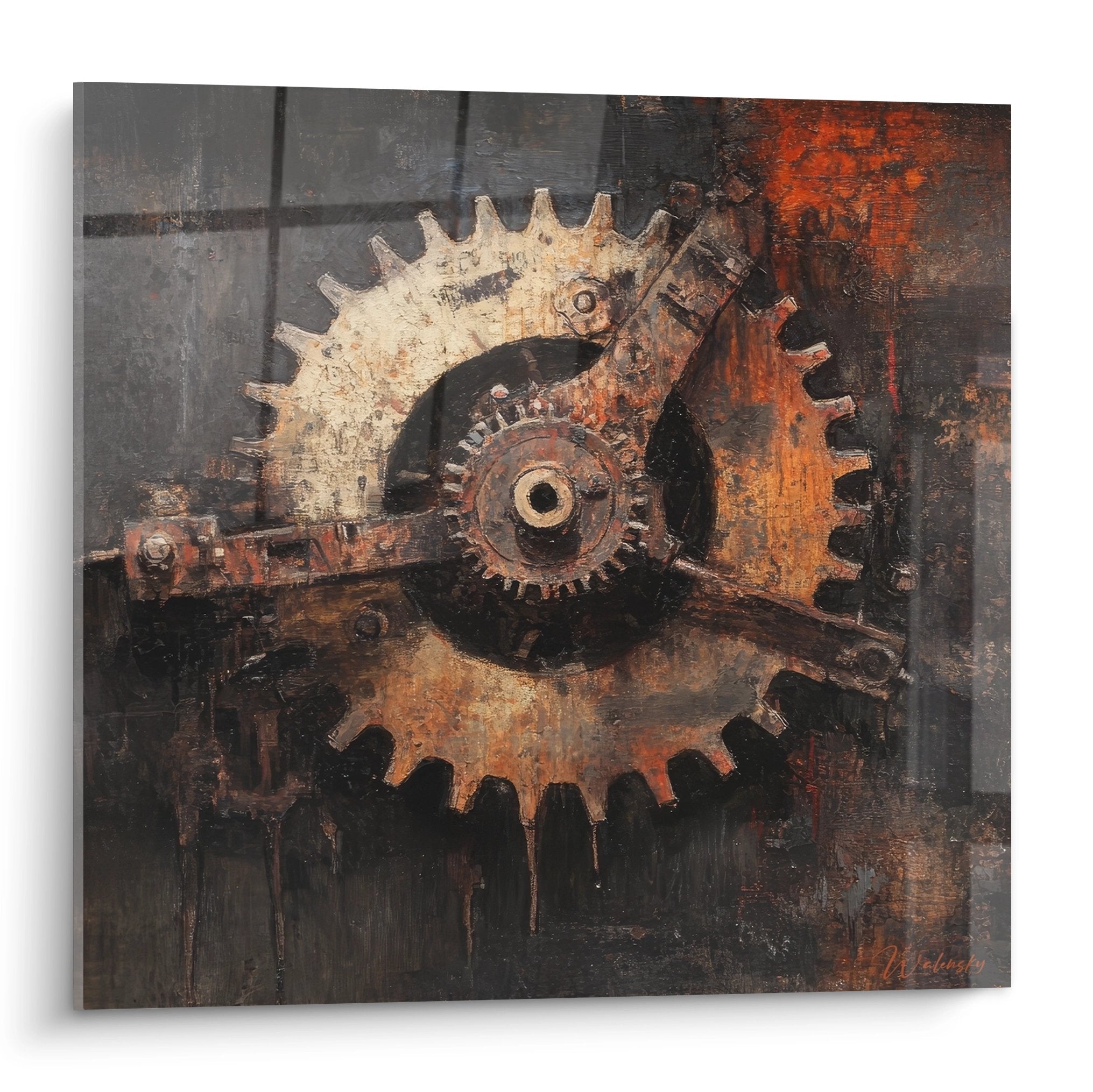
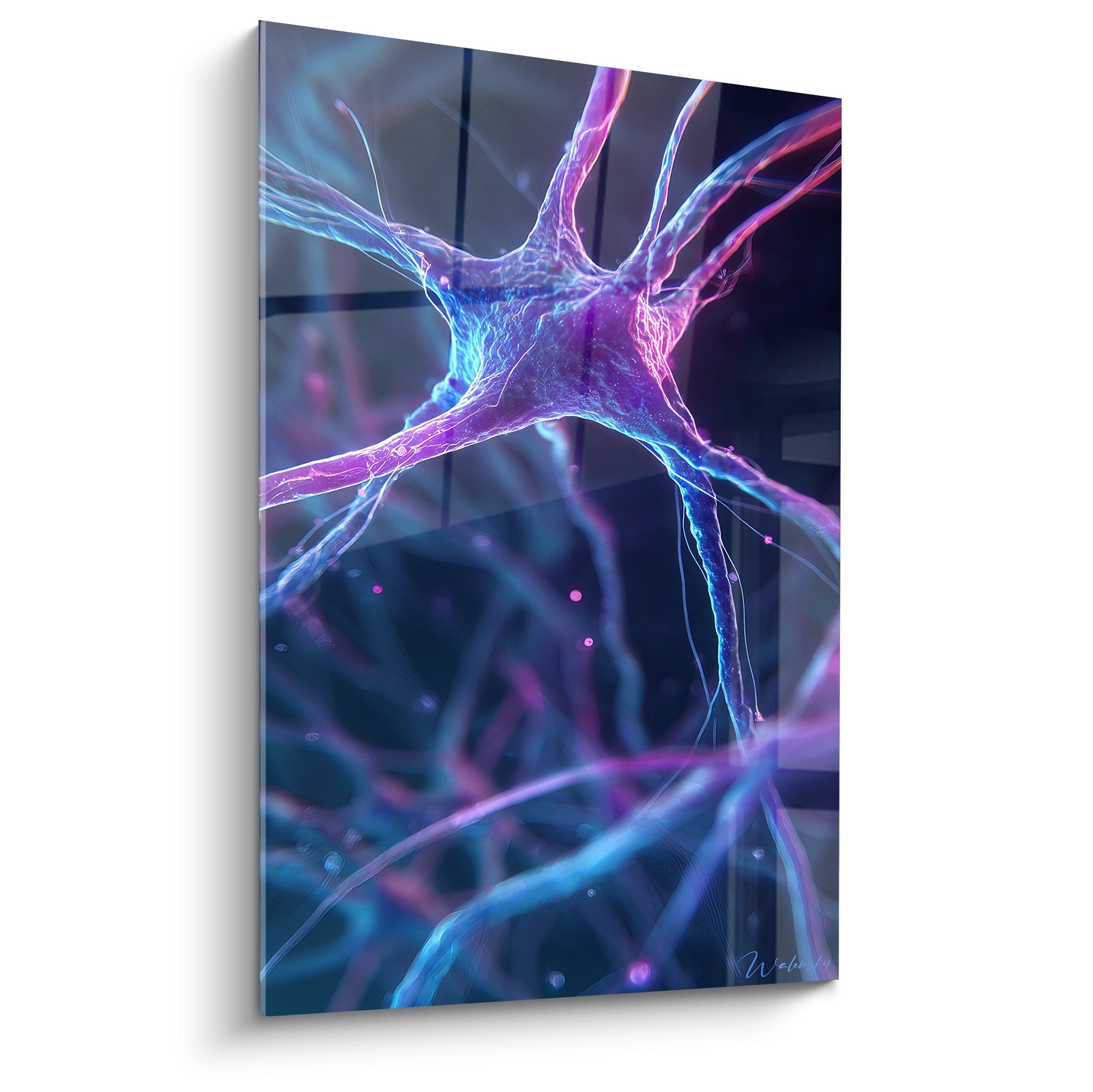
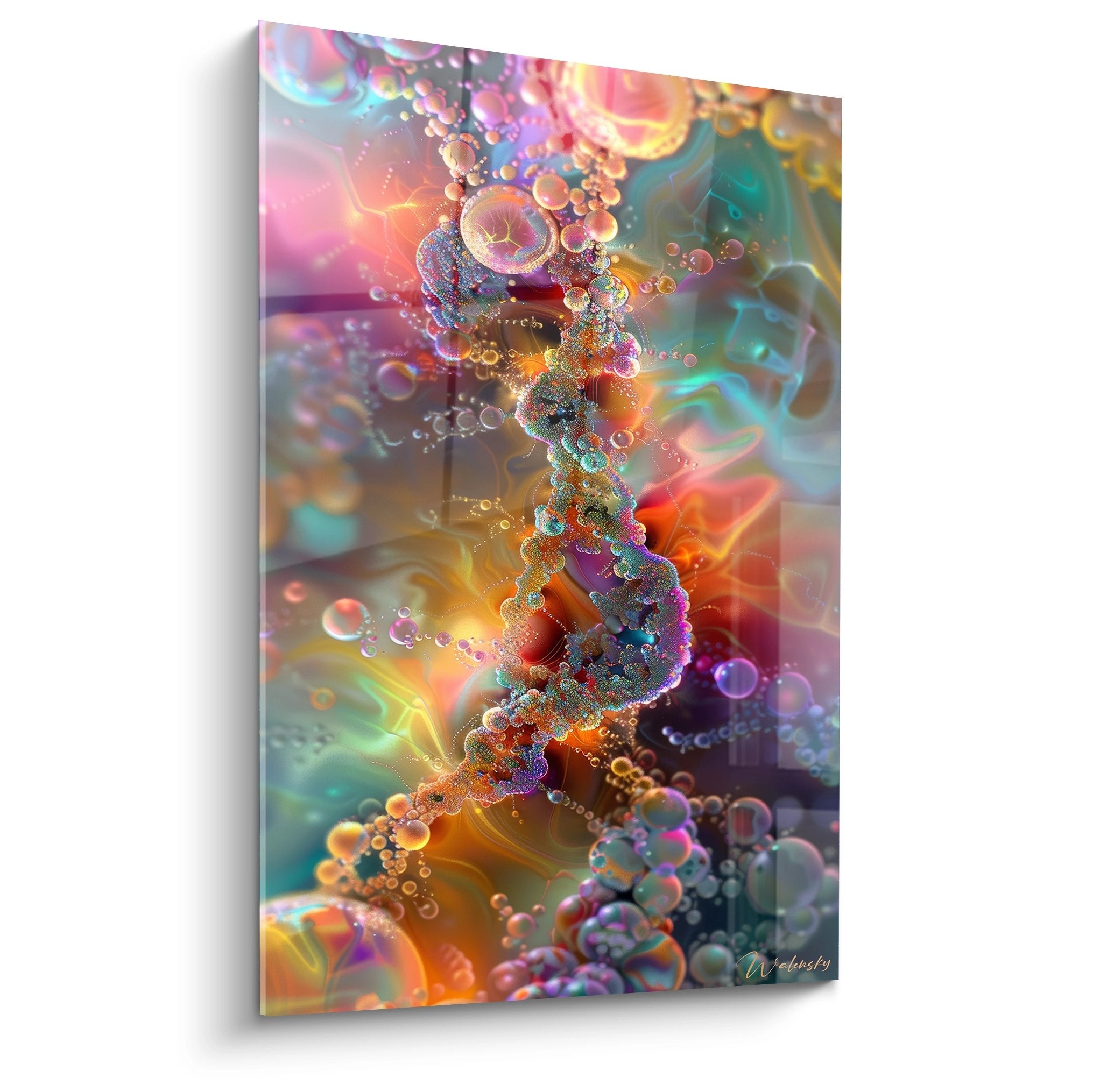
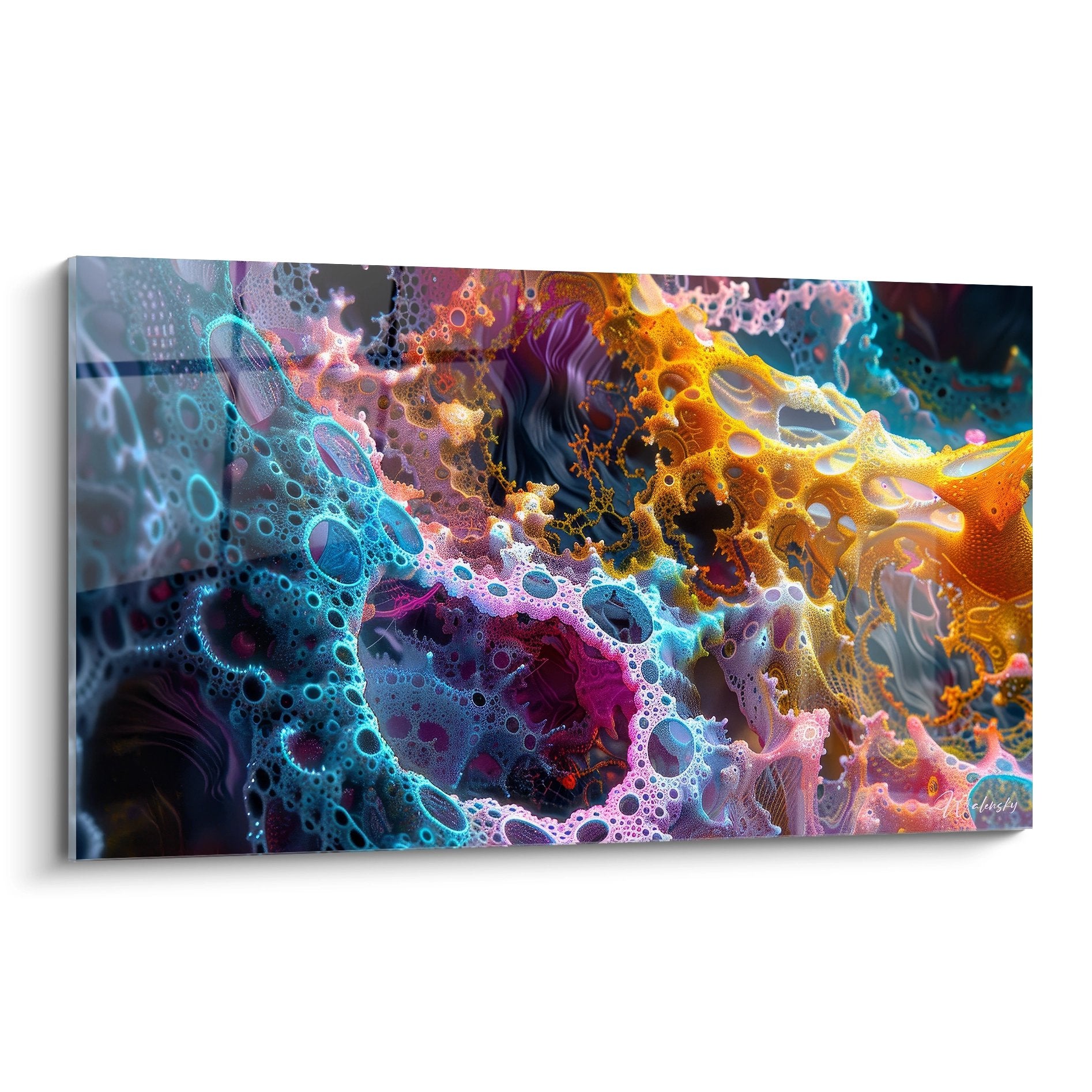
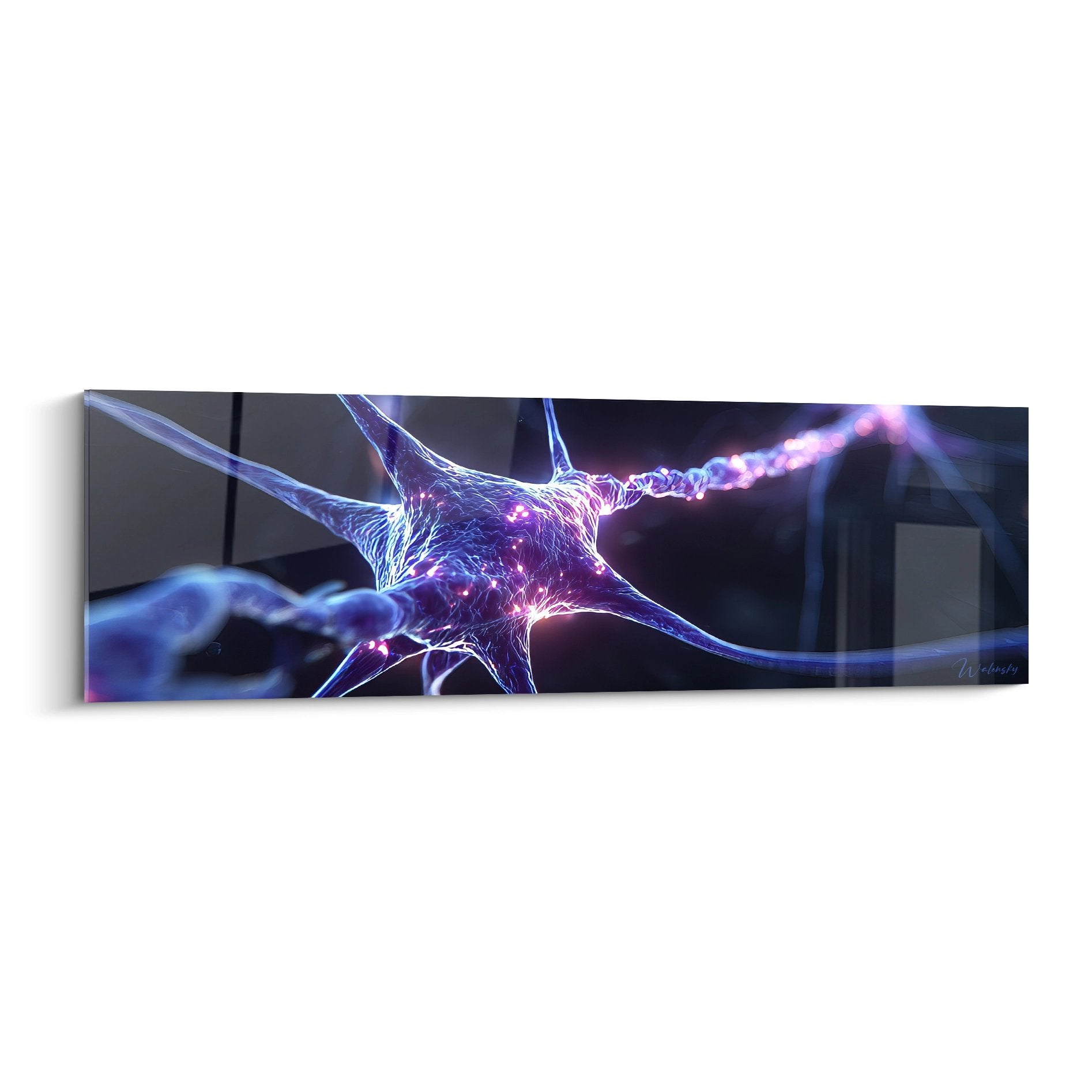
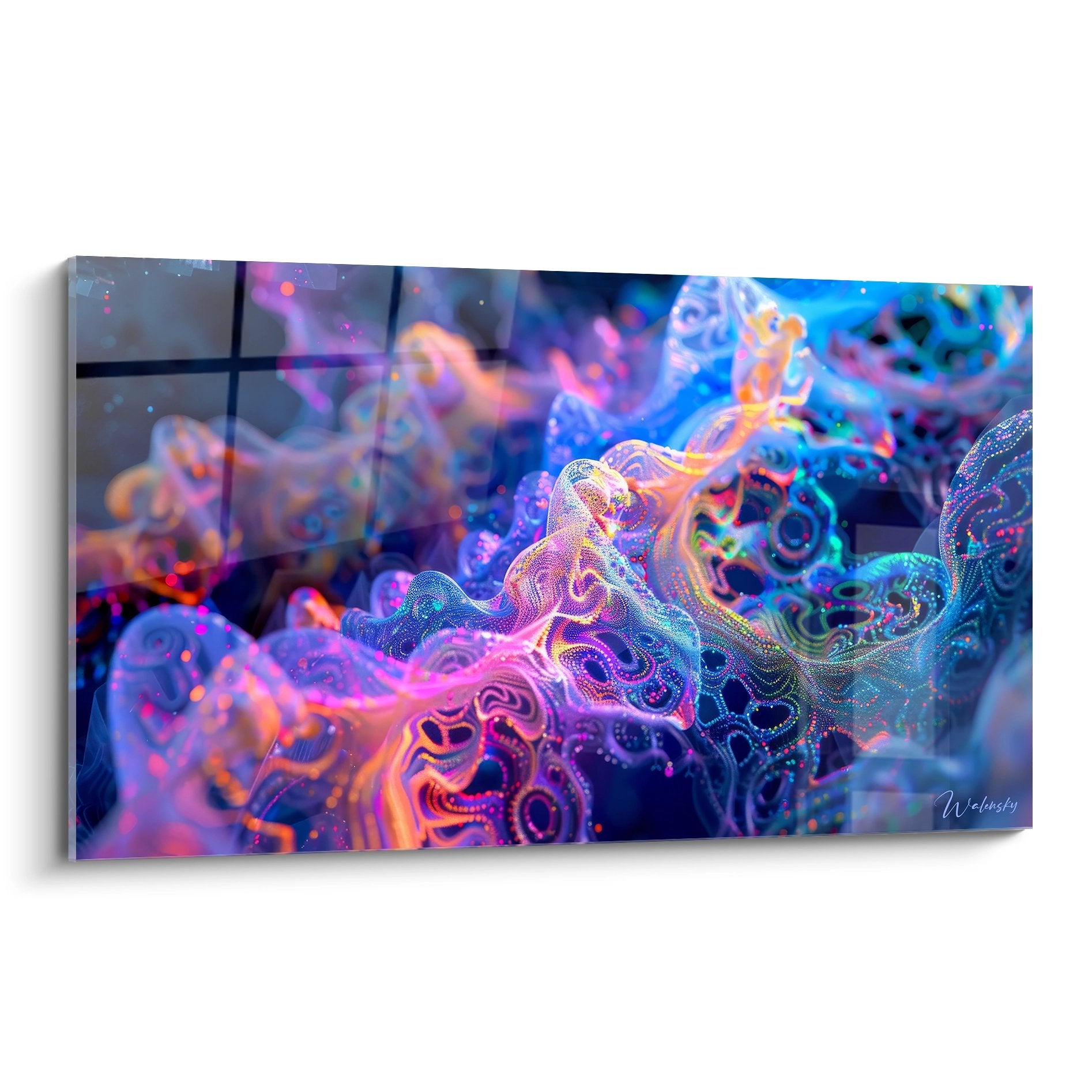
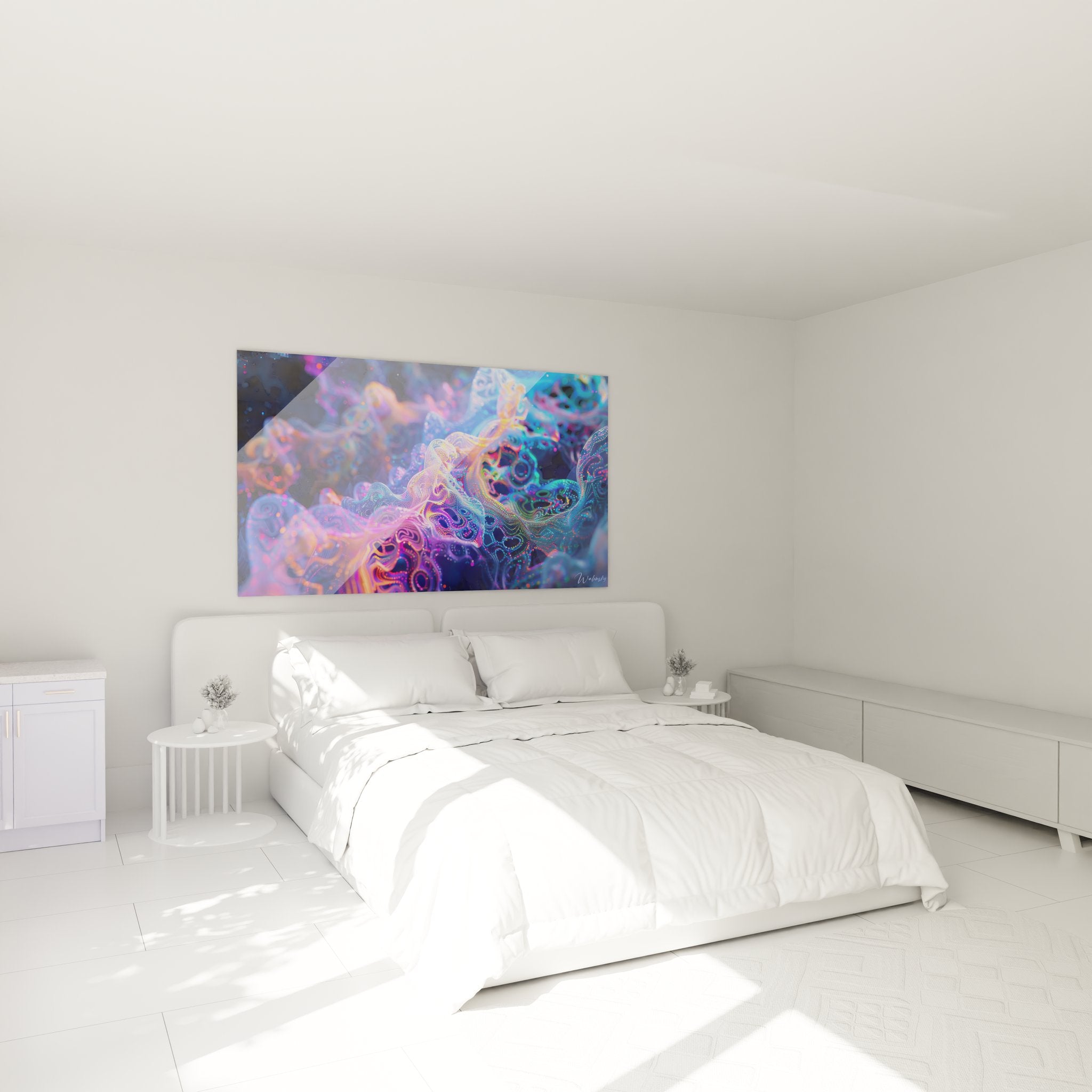
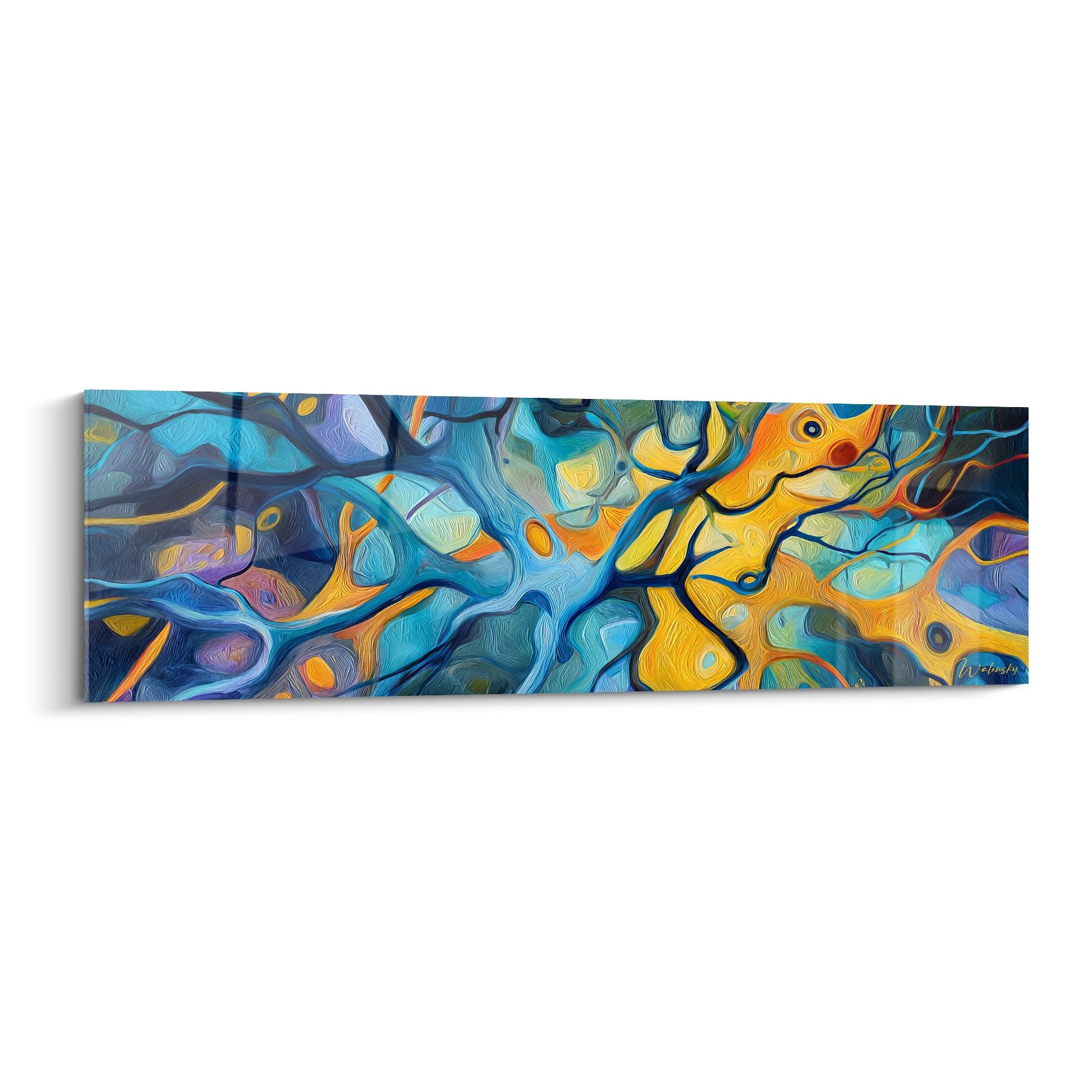
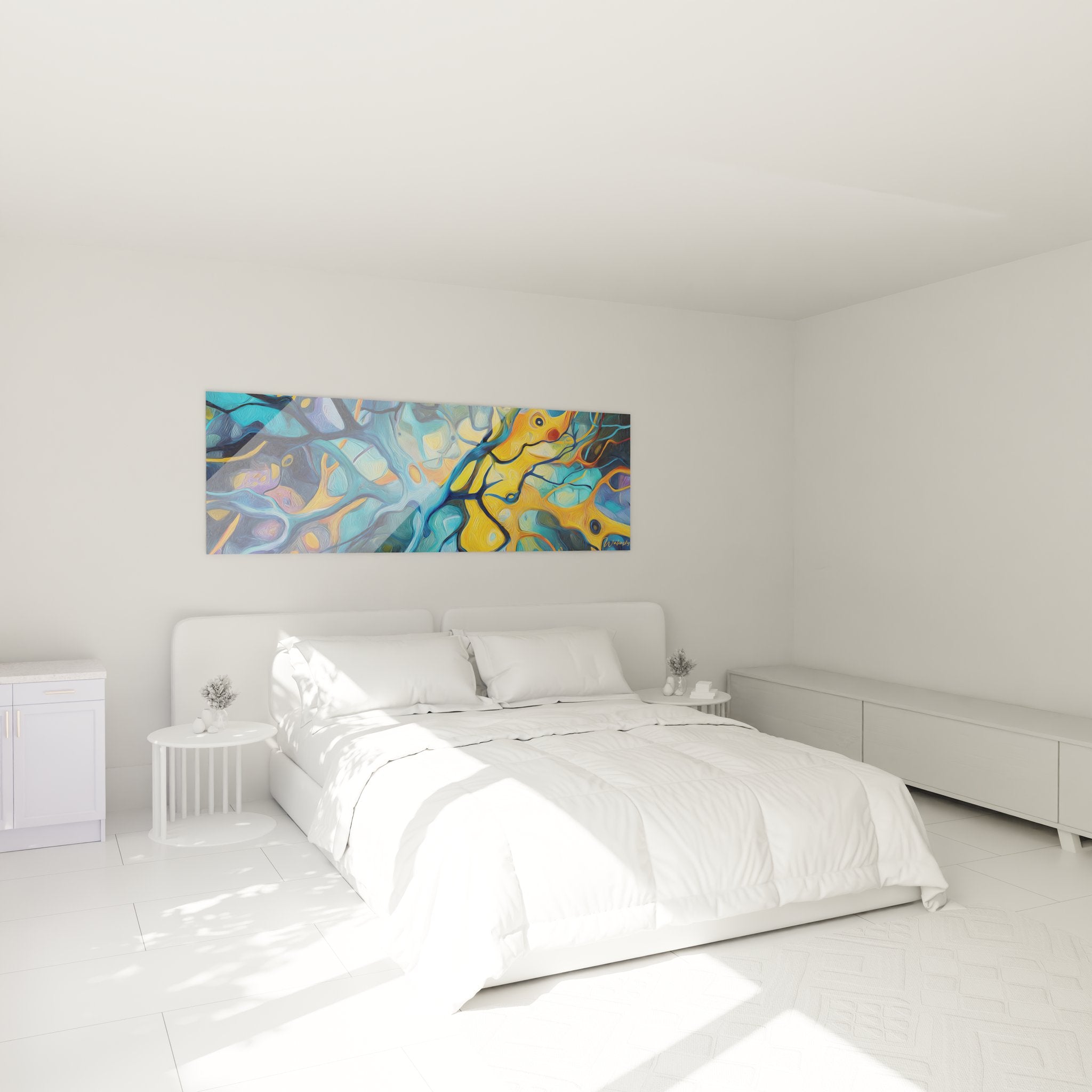
- Science and Mathematics Wall Art Presentation
- Monumental Formulas and Cognition
- Timeline of Scientific Discoveries
- Environments for Complex Visualizations
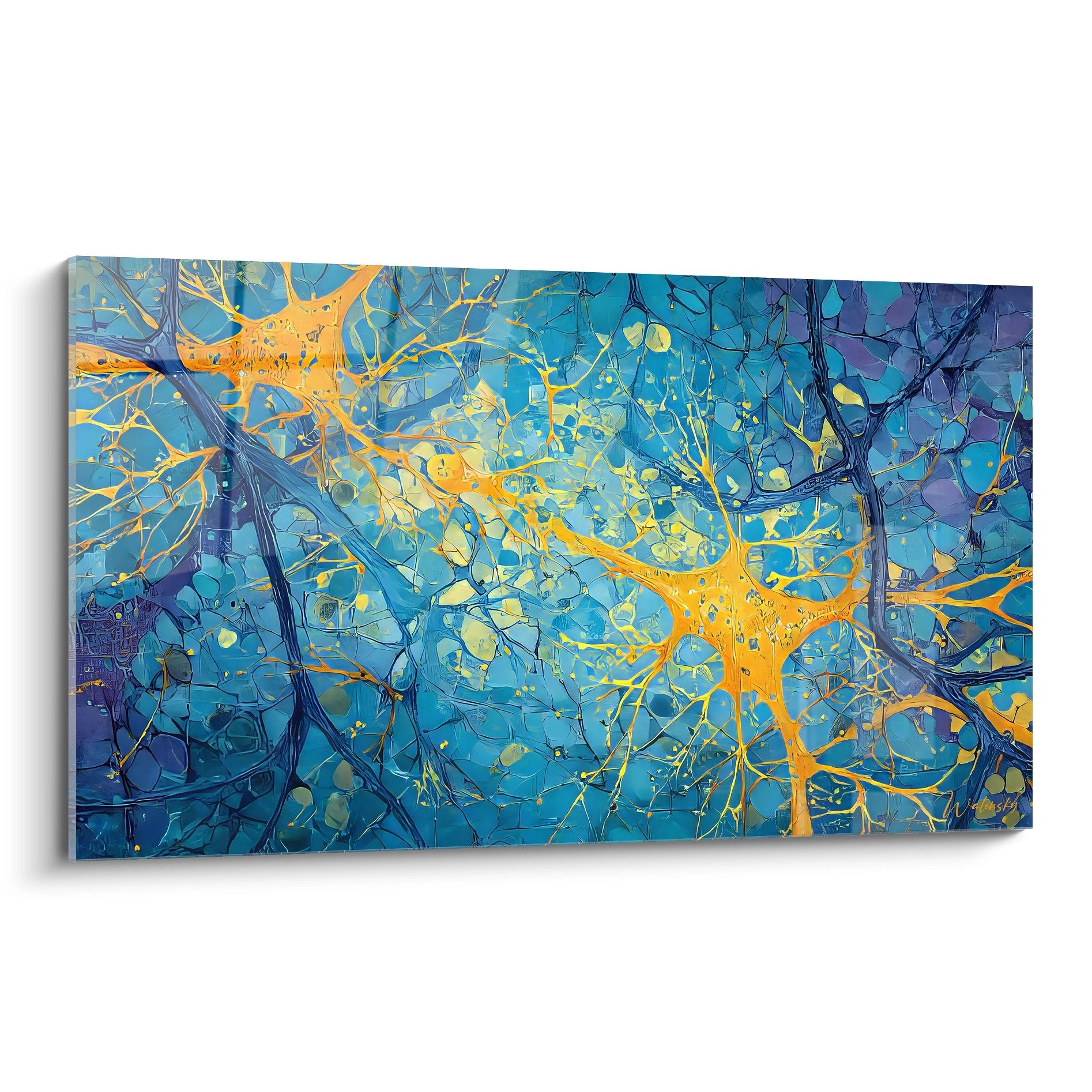
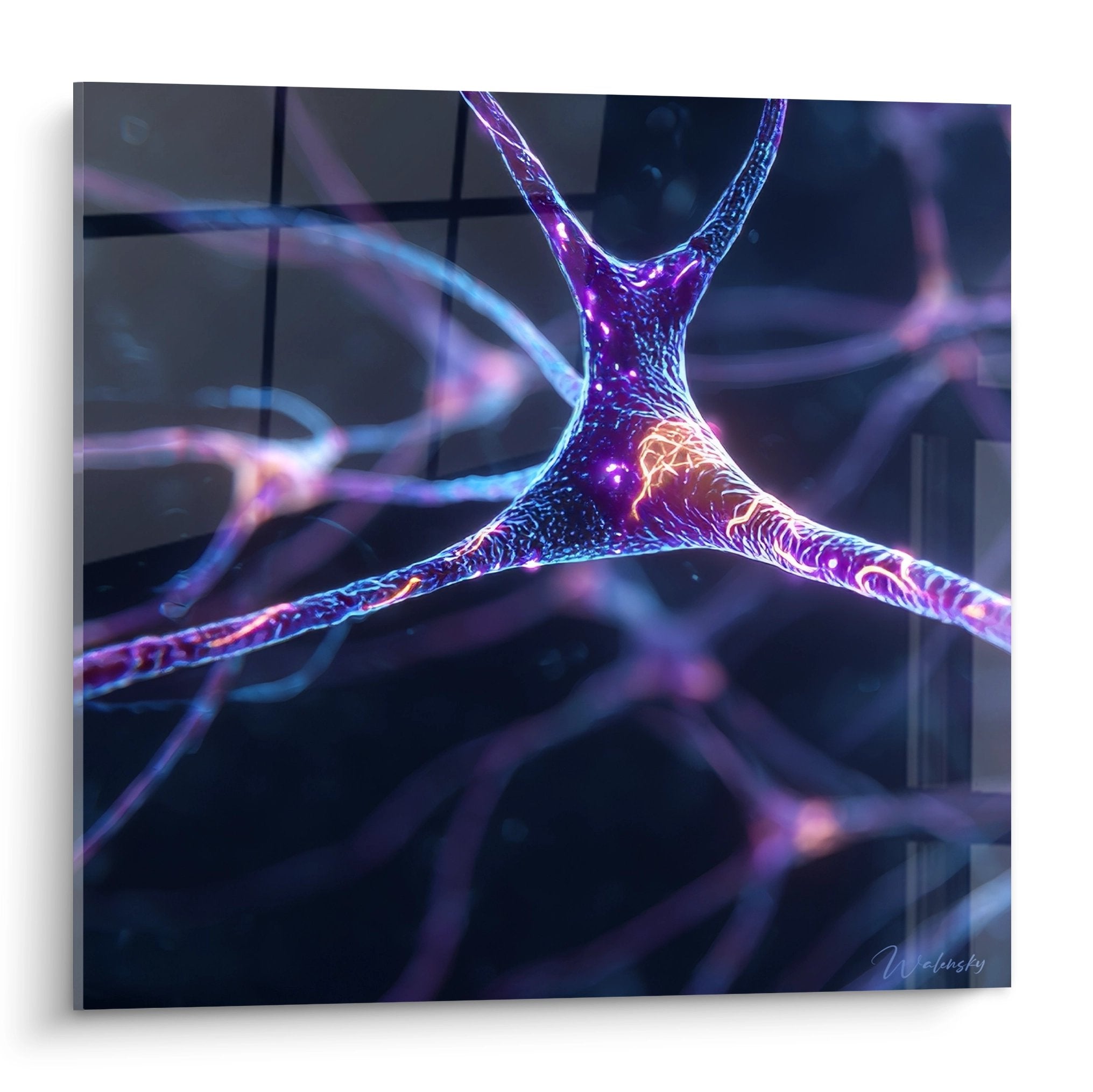
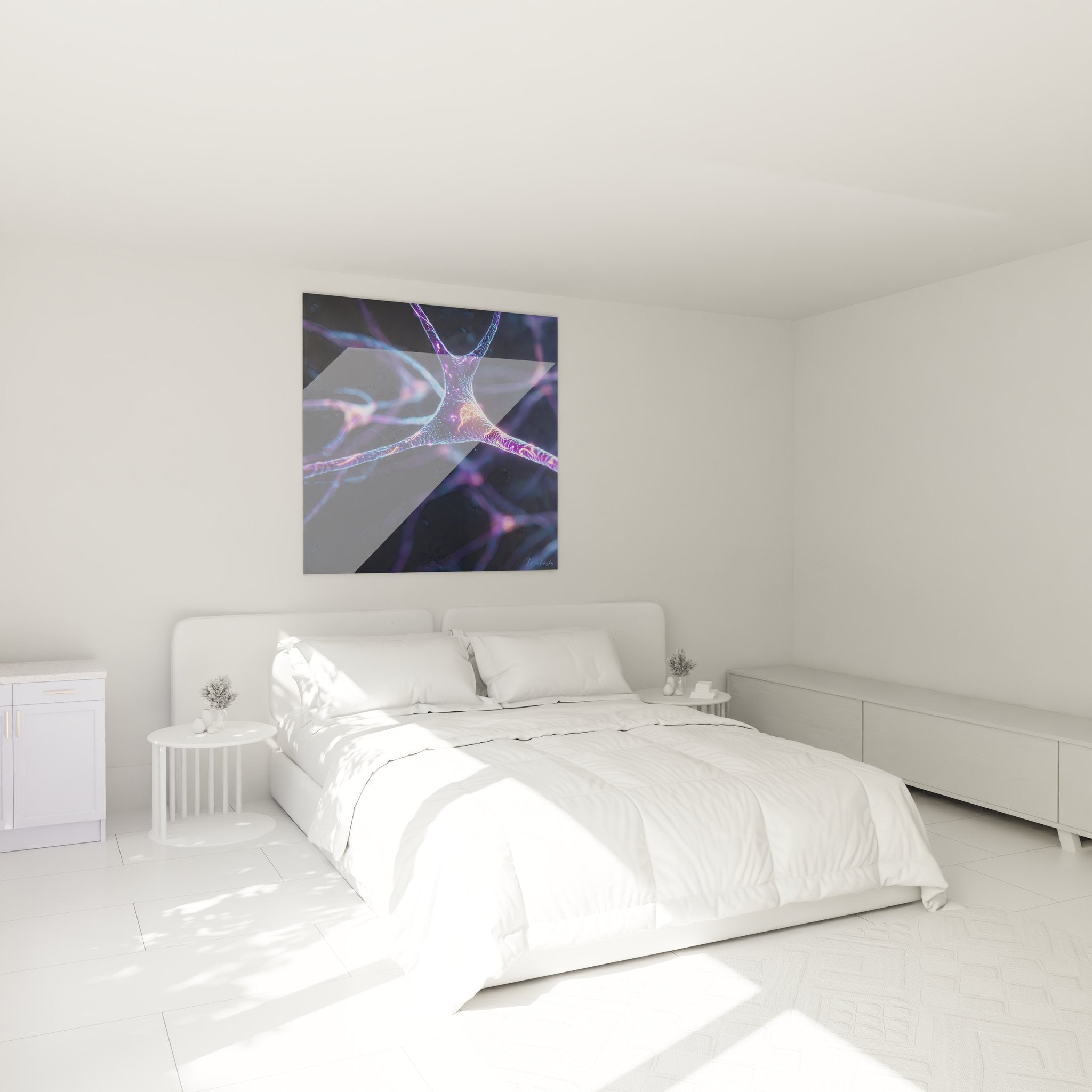
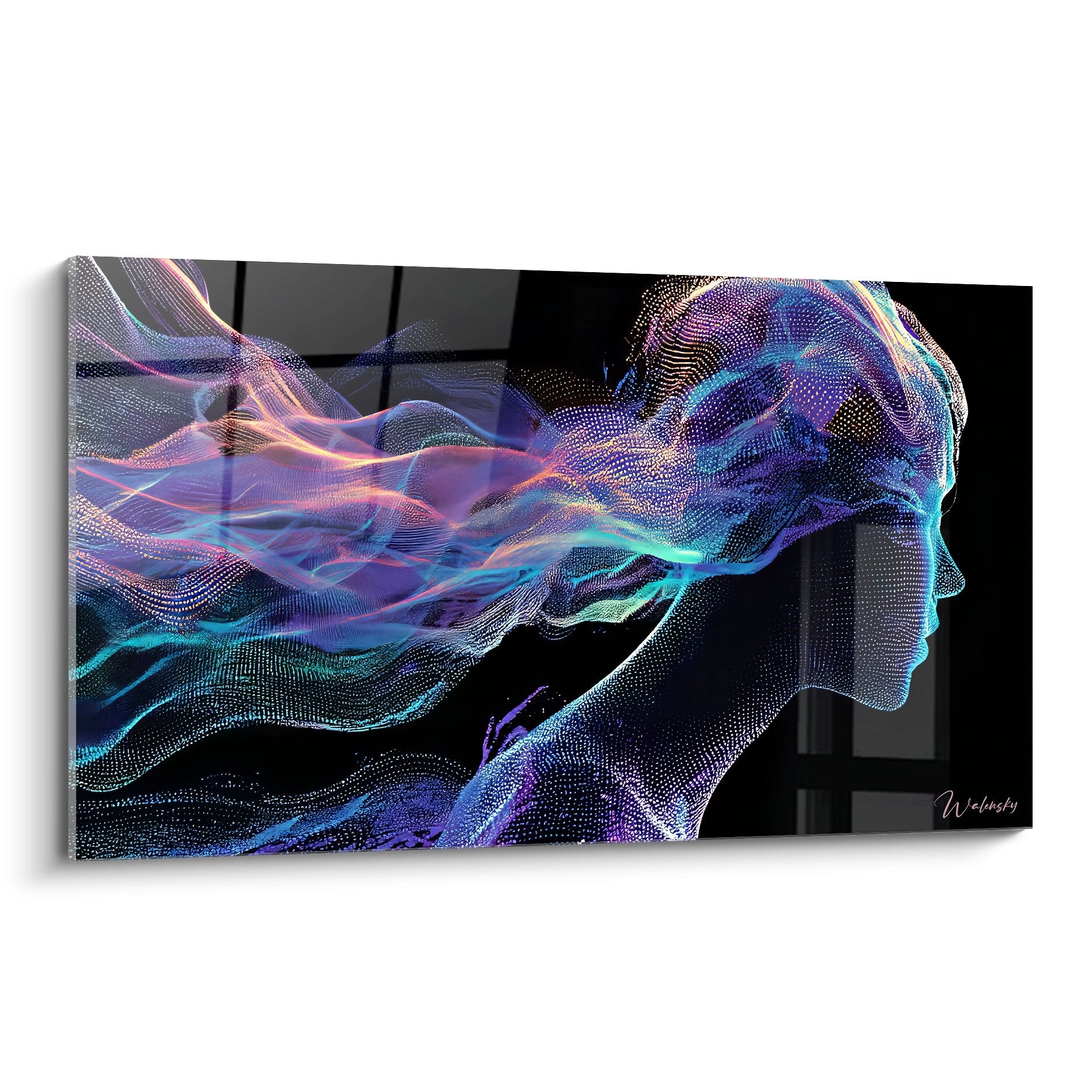
A science and mathematics wall art is far more than simple wall decoration. This form of visual expression transforms abstract concepts into tangible presence, creating a permanent dialogue between the observer and the foundations of our universal understanding. Spaces dedicated to intellectual reflection, whether research laboratories, engineering offices or private libraries, find in these monumental representations a powerful symbolic anchor. The imposing dimension of these creations, frequently exceeding conventional formats, amplifies their capacity to structure the cognitive atmosphere of a place. Unlike traditional educational supports, these large-format works engage in an aesthetic approach as much as an intellectual one, valuing the intrinsic beauty of differential equations, fundamental constants and geometric architectures that govern our physical reality.
The impact of monumental scientific formulas on cognitive performance in professional environments
The integration of a science and mathematics wall art in an intellectual work environment responds to a fascinating neuropsychological dynamic. Research in cognitive sciences demonstrates that recurrent exposure to visual representations of complex concepts facilitates their mnemonic integration and strengthens synaptic connections related to problem-solving. When an equation like Schrödinger's or Maxwell's equations occupy a monumental format over several square meters, they cease to be mere formulas to become architectural presences that structure mental space.
Why do large dimensions amplify conceptual retention?
The imposing dimensions of a scientific representation create a visual anchoring phenomenon impossible to reproduce with reduced formats. A researcher working daily facing Euler's equation displayed across three meters of width develops tactile familiarity with the very structure of this mathematical relationship. Symbols become spatial entities: Euler's number occupies a precise geographic position in their visual field, the imaginary constant possesses measurable physical presence, the complex exponential inscribes itself in a memorizable trajectory. This spatialization of abstract information constitutes considerable cognitive advantage for professionals manipulating advanced mathematical concepts daily.
The visual hierarchy of universal constants
A well-designed science and mathematics wall art establishes a perceptual hierarchy among the different elements composing a formula. Planck's constant, the golden ratio, the speed of light or the gravitational constant possess not only numerical values: they carry distinct symbolic and historical charges. In large format, the creator can modulate their relative presence, accentuating certain mathematical relationships through typographic contrast, spatial layout or chromatic emphasis. This conceptual staging allows observers to intuitively grasp relationships of dependence between variables, even without conscious analytical engagement.
Theoretical physics laboratories have thus adopted monumental representations of Lorentz transformations, where each matrix term occupies sufficient space to reveal its internal structure. Tensor indices become readable at distance, differential operators display themselves in their complete complexity, and boundary conditions find their place without visual compression. This representational exhaustiveness avoids pedagogical simplifications which, though useful for initial learning, impoverish deep understanding of physical systems.
What is the effect of differential equations on analytical creativity?
Partial differential equations, particularly those governing fluid dynamics or wave propagation, possess intrinsic aesthetics often neglected. When presented in their complete form, including non-linear terms usually omitted in introductory manuals, they reveal mathematical architecture of extraordinary richness. A tableau dedicated to Navier-Stokes equations in monumental format exposes the tension between convection and diffusion, the competition between pressure forces and viscous effects, creating a conceptual landscape that scientists can explore visually.
Symbolic notations as autonomous visual language
Beyond strict mathematical content, a science and mathematics wall art functions as a system of symbolic communication possessing its own visual syntax. Integral operators with their integration bounds, tensor products with Einstein notations, covariant derivatives with Christoffel symbols: each notational element carries precise communicative intent. In large format, these symbols acquire quasi-calligraphic presence, transforming analytical rigor into aesthetic expression.
This aesthetic dimension does not contradict scientific precision. On the contrary, it reinforces it by creating multisensory mnemonic anchors. A mathematician specialized in differential topology will immediately recognize the structure of a vector bundle not through analytical reading, but through visual pattern recognition, exactly as a musician identifies a harmonic progression before consciously analyzing its intervals.
Integration in scientific collaboration spaces
Seminar rooms and scientific brainstorming spaces derive particular benefit from monumental representations of mathematical concepts. When a team discusses a theoretical model, the presence of a complete and visible formulation for all participants creates an immediately accessible common reference. Rather than mentally reconstructing or writing on a whiteboard the terms of an equation, researchers can directly point to pertinent elements of the mural representation, considerably accelerating technical dialogue.
This shared visual reference function proves particularly valuable in discussions involving multiple sub-disciplines. A particle physicist and a cosmologist observing together the Schwarzschild metric displayed monumentally can quickly identify terms relevant to their respective expertise, facilitating interdisciplinary exchanges that often constitute the most fertile sources of scientific innovation.
- Activation of spatial memory for complex abstract concepts
- Reduction of cognitive load during symbolic manipulations
- Creation of visual landmarks for conceptual navigation
- Stimulation of mathematical pattern recognition
- Facilitation of technical discussions through shared visual reference
The chronological narrative of scientific discoveries through monumental representations
A science and mathematics wall art can transcend its function as simple formal representation to become a historical narrative of intellectual advances that have shaped our understanding of the world. This narrative approach transforms equations into landmarks of a cognitive epic, where each formula marks an epistemological rupture, a conceptual revolution or the emergence of a new paradigm. Monumental formats allow orchestrating these discoveries according to temporal, thematic or philosophical logics that reveal the guiding threads of scientific thought.
How to visually structure the evolution of mathematical paradigms?
The chronological visualization of mathematical advances requires sophisticated informational architecture, particularly adapted to large formats. A conceptual timeline can extend over several meters, presenting the progression from Euclid's axioms to non-Euclidean geometries, illustrating how each generation of mathematicians built on foundations established by predecessors while daring to question them. This dialectic between continuity and rupture constitutes the very heart of the scientific adventure.
Monumental representations allow exposing multiple temporal strata simultaneously. A single surface can juxtapose Newtonian mechanics and its Lagrangian reformulation, then Hamiltonian, then quantum, revealing how the same physical phenomenon can be described by increasingly abstract mathematical formalisms yet also increasingly powerful ones. This conceptual stratification, impossible to grasp in reduced formats, offers observers a panoramic perspective on the evolution of ideas.
Scientific revolutions as visual ruptures
Certain discoveries marked ruptures so profound they merit distinctive visual treatment. The introduction of complex numbers, long considered mathematical artifacts devoid of physical reality, then their recognition as foundations of quantum mechanics: this conceptual trajectory can be visualized as a stylistic transition within the science and mathematics wall art. Changes in notation, symbolic convention or mathematical formalism become visual markers of these paradigmatic transformations.
Einstein's special relativity perfectly illustrates this dynamic. Moving from Galilean to Lorentz transformations is not mere technical correction: it is a complete overhaul of our conceptions of space and time. A monumental tableau can materialize this rupture by juxtaposing both formalisms, visually revealing how the introduction of a universal constant (the speed of light) into transformation equations revolutionizes the entire theoretical structure.
Which mathematical discoveries merit monumental presence?
Selecting content for a science and mathematics wall art intended to narrate intellectual history requires thoughtful editorial choices. The Pythagorean theorem, despite apparent simplicity, represents the emergence of deductive demonstration and thus merits a place of honor. The fundamental theorem of calculus, establishing the link between differentiation and integration, marks the birth of modern analysis. Fermat's Last Theorem, enigmatic for three centuries before Wiles' proof, symbolizes intellectual perseverance and the evolution of mathematical tools.
Einstein's field equations occupy a particular position in this intellectual pantheon. Their compact tensorial form conceals stupefying complexity: they actually constitute a system of ten coupled non-linear partial differential equations. Representing them in their complete development requires considerable space, but this expansion reveals the mathematical sophistication required to describe gravitation as geometry of spacetime.
Interconnection of disciplines in unified representations
A fascinating aspect of large formats resides in their capacity to reveal unexpected connections between apparently distinct scientific domains. A tableau can illustrate how group theory, initially developed to solve algebraic equations, finds applications in crystallography, particle physics and information theory. These interdisciplinary bridges, often invisible in conventional discipline-compartmentalized presentations, naturally emerge when space allows synthetic vision.
The Fourier transform exemplifies this transversality. Initially conceived to solve the heat equation, it proved fundamental in optics, signal processing, quantum mechanics and medical imaging. A science and mathematics wall art can visualize this conceptual migration, showing how the same mathematical structure underlies radically different physical phenomena, unifying our understanding of apparently unrelated processes.
Scientific portraits integrated into mathematical formulations
Some monumental creations enrich formal representations through integration of portraits of scientists associated with presented discoveries. This historical personalization recalls that equations are not pre-existing Platonic truths discovered by chance, but the fruit of intellectual endeavors undertaken by individuals in specific social and historical contexts. Newton developing infinitesimal calculus in isolation during the London plague, Gauss discovering non-Euclidean geometries but not daring publish for fear of controversy, Ramanujan producing extraordinary mathematical identities without formal academic training: these narratives humanize mathematical abstractions.
- Visualization of epistemological continuities and ruptures
- Materialization of major paradigmatic evolutions
- Exposure of unexpected interdisciplinary connections
- Historical contextualization of theoretical advances
- Revelation of long-term conceptual trajectories
Environmental optimization for displaying complex scientific visualizations
The effectiveness of a science and mathematics wall art depends critically on its display environment. Unlike conventional artistic works, these representations require specific conditions related to their cognitive function and the informational density they convey. Professional spaces dedicated to research, technological development or advanced training present particular constraints that installation of these monumental creations must anticipate and resolve.
Which professional spaces benefit maximally from these installations?
Fundamental research laboratories constitute the paradigmatic environment for monumental science and mathematics wall art. These spaces where new physical theories are developed, where innovative mathematical models are designed, find in these representations a constant source of intellectual stimulation. A theoretical physics laboratory can install a monumental representation of the Standard Model Lagrangian, exposing the roughly nineteen free parameters determining all known fundamental interactions. This permanent presence fosters intuitive deepening of relationships between quantum fields.
Advanced engineering offices, particularly in aerospace, pharmaceutical or energy sectors, intensively use complex mathematical models. A tableau presenting equations of turbulent transport or systems of equations governing nuclear reactor dynamics creates an environment visually coherent with intellectual activities conducted. This environmental coherence reinforces professional team identity and materially symbolizes sophistication of their technical work.
Managing informational density in large format
A specificity of monumental scientific representations concerns the symbiotic density between information and space. A complete partial differential equation, including all source terms and boundary conditions, can contain dozens of interconnected symbols. Compressing this information in reduced format compromises legibility; excessive expansion dilutes visual impact. Formats exceeding two meters width allow resolving this tension by allocating sufficient space to each mathematical component while maintaining overall visual coherence.
This scale question becomes particularly critical for tensor representations. Curvature tensors in general relativity, energy-momentum tensors or Maxwell tensors require precise index notations. In large format, each index can be distinctly identified, summation conventions explicitly indicated, tensor symmetries visually apparent. This notational clarity transforms intimidating mathematical objects into visually analyzable structures.
How do lighting conditions affect perception of mathematical symbols?
Professional scientific spaces often present specific lighting conditions, particularly in environments involving optical or sensitive computing equipment. A science and mathematics wall art must function effectively under standard fluorescent lighting, indirect natural light or even reduced lighting used during projected presentations. This versatility requires particular attention to contrast between symbols and background, avoiding chromatic combinations producing visual interference or eye strain.
Seminar rooms equipped with projectors benefit particularly from permanent mural representations. When a speaker projects simulation results or experimental data, the presence of a monumental theoretical framework in the background creates conceptual continuity. The audience can mentally connect empirical observations discussed with mathematical foundations permanently exposed, facilitating intellectual integration.
Interaction with laboratory technical infrastructures
Modern scientific environments integrate complex technical infrastructures: network cabling, specialized ventilation systems, environmental sensors, safety equipment. A monumental science and mathematics wall art must integrate harmoniously into this technical ecosystem without compromising installation functionality. Very large formats may require spatial planning anticipating circulation constraints, equipment accessibility and safety regulation compliance.
Some laboratories develop innovative approaches, installing monumental scientific representations on mobile or modular surfaces. This flexibility allows reorganizing spaces according to research project phases, temporarily exposing the most pertinent mathematical formulations for ongoing work. A laboratory working alternately on different physical theories can thus visually adapt its environment to successive intellectual focus.
Doctoral training spaces and their cognitive specificity
Rooms dedicated to doctoral training present distinct needs. Doctoral students, in intensive phase of advanced theoretical skills acquisition, benefit enormously from continuous exposure to complete mathematical formulations. A tableau systematically presenting full developments, without habitual pedagogical simplifications, accelerates transition toward intellectual autonomy. Students learn navigating actual notational complexity rather than dumbed-down versions.
These spaces can also integrate evolving representations, where different tableaux present increasing levels of mathematical sophistication. A visual trajectory can thus materialize the conceptual progression expected during doctoral studies, from introductory formulations to frontiers of contemporary research. This stratification helps doctoral students contextualize their learning within coherent intellectual trajectory.
- Adaptation to variable lighting conditions in technical environments
- Harmonious integration with existing scientific infrastructures
- Optimization for repeated readings and progressive deepening
- Compatibility with presentation equipment and collaborative discussion
- Modularity allowing thematic evolutions according to research projects
FAQ
How to choose formulas to represent on science and mathematics wall art for a multidisciplinary laboratory?
Favor transversal formulations appearing in multiple domains: Fourier transforms, variational principles, fundamental theorems of calculus. These representations create conceptual bridges between specialties and foster interdisciplinary discussions fertile for scientific innovation.
Is science and mathematics wall art suitable for spaces receiving non-scientific public?
Absolutely. These installations visually demonstrate intellectual sophistication of conducted activities, valorizing organizational expertise. They stimulate visitor curiosity and materialize commitment toward scientific excellence, particularly effective in reception halls of research institutes or innovation centers.
What longevity can be expected from a monumental scientific representation given knowledge evolution?
Fundamental equations remain pertinent for decades, even centuries. Maxwell's equations date from 1865 and remain perfectly current. Favor established formulations rather than speculative models to guarantee lasting relevance of your intellectual decorative investment. If this theme inspires you, you will also appreciate exploring all our tableau collections to find creations that harmonize perfectly with these compositions.
Do large formats of science and mathematics wall art pose specific challenges during professional space redesigns?
Monumental dimensions require logistical planning during installations or relocations. However, their structuring presence often justifies designing redesigns around them rather than conversely, testifying to their symbolic and functional value in scientific space identity.