




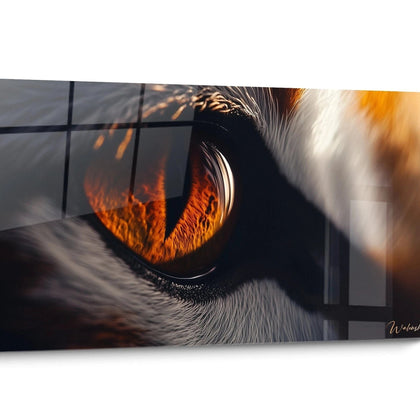
Realistic Animal Eye Wall Art
The Painting Animal Eye Realistic captures the fascinating intensity of the wild gaze with exceptional artistic precision. Each artwork reveals the emotional depth and hypnotic beauty of the eyes of majestic animals, from tigers to wolves to eagles. These hyperrealistic animal art creations transform your interior into a captivating gallery. Ideal for lovers of intense nature wall decoration, these paintings bring character and authenticity to your space.
 Wolf Wall Art Northern Echo - Animal Eye Edition273,90 €
 Owl Queen of Shadows Canvas - Animal Eye Edition273,90 €
 Feline Blazing Interior Canvas - Animal Eye Edition273,90 €
 Feline Captivating Glow Painting - animal eye edition228,90 €
Explore further
In Realistic Animal Eye Wall Art

All about Realistic Animal Eye Wall Art
- Realistic Animal Eye Wall Art Presentation
- Hyperrealistic Animal Gaze
- Visual Intensity and Décor
- Choosing Your Animal Eye Artwork
A realistic animal eye wall art captures the intensity of a wild gaze with striking photographic precision. Every anatomical detail of the iris, pupils, and light reflections is reproduced to create an immediate visual connection with the observer. These large-format mural representations transform any space into a contemporary gallery where nature asserts itself with power. Animal hyperrealism privileges close-up framing that reveals the texture of ocular fibers, microscopic blood vessels, and chromatic nuances impossible to perceive in nature. This artistic approach appeals to naturalistic art enthusiasts seeking authentic animal presence without slipping into decorative stylization. The monumental dimensions of these mural creations amplify the effect of presence and create a magnetic focal point in spacious interiors.
Photographic Hyperrealism Serving the Animal Gaze
A realistic animal eye wall art relies on meticulous reproduction of the ocular structures that characterize each species. The reduced depth of field concentrates attention on the iris while creating an artistic peripheral blur that reinforces the three-dimensional effect. Artists specializing in this genre capture microstructures such as the concentric rings of the feline iris, the horizontal pupils of herbivores, or the aqueous reflections of apex predators.
Which species offer the most captivating gazes in realistic format?
Wild felines dominate this segment with their multilayered multicolored irises and expressive vertical pupils. The gray wolf presents a cold intensity enhanced by amber tones contrasting with silvery fur. The golden eagle offers a piercing gaze characterized by a translucent nictitating membrane and an incandescent orange iris. Great apes fascinate through the emotional complexity readable in their profound gaze and dilated pupils. Each species imposes a different presence according to ocular physiology and associated behavioral expression.
The anatomical details that reinforce absolute realism
The faithful reproduction of specular reflections constitutes the major challenge of this artistic style. Directional lighting must be suggested in the composition to create asymmetrical light points on the convex cornea. Microscopic blood vessels visible in the sclera add a crucial organic dimension. The moist texture of the ocular surface requires subtle shine nuances to avoid a plastic appearance. Eyelashes, vibrissae, and peripheral pilous structures help anchor the eye in its anatomical context without diverting attention from the central gaze.
Why does animal hyperrealism surpass stylized approaches?
For discerning collectors, only integral realism restores the emotional presence of a wild animal. Graphic or minimalist interpretations dilute the intensity of visual contact that a photographic gaze provides. Large-format murals amplify this effect until creating a sensation of spatial cohabitation with the represented animal. This documentary approach inscribes itself in a naturalistic tradition where scientific accuracy meets aesthetic emotion. High-end professional spaces privilege this visual authenticity that avoids any decorative sentimentality.
The Monumental Visual Impact of the Animal Gaze in Interior Design
A realistic animal eye wall art of grand dimensions functions as a visual portal that radically modifies the perception of an architectural volume. The fixed and penetrating gaze creates dynamic spatial tension that animates inert walls. This permanent presence generates continuous cognitive stimulation unlike abstract or landscape compositions that progressively blend into the environment.
How does the animal gaze influence spatial circulation?
The direction of the animal's gaze unconsciously orients movements and establishes hierarchies in open interiors. A predator's eye gazing laterally naturally guides toward an adjacent hallway or opening. A direct frontal gaze creates a zone of interpellation that slows circulation and invites static contemplation. Dilated pupils communicate tension that energizes transit spaces, while half-closed gazes suggest serenity in rest areas. This unconscious spatial psychology transforms a simple decorative element into a subtle architectural organizer.
Depth of field and perceptual space expansion
The progressive blur characteristic of close-up animal photography creates an illusion of spatial depth that virtually pushes back the boundaries of the wall. This optical technique proves particularly effective in confined volumes where the addition of visual perspective compensates for physical restriction. The contrast between the absolute sharpness of the iris and the diffuse peripheral halo generates a visual hierarchy that structures the reading of the work. Contemporary interiors exploit this effect to create visual breathing spaces in streamlined configurations.
Specific decorative associations with realistic animal eye artworks
The intensity of a realistic animal eye wall art requires a sober environment that doesn't compete with its visual power. Raw materials like polished concrete, brushed steel, or charred wood reinforce the wild aspect without creating stylistic dissonance. Directional raking light should emphasize the internal contrasts of the work while creating dramatic shadow zones. For those who appreciate luxurious finishes, discovering a gold animal eye wall art can offer a refined alternative where metallic tones enhance certain species with warm irises. Vertical architectural vegetation constitutes an organic counterpoint that dialogues with the animal dimension without infantilizing the composition.
Selecting Animal Eye Art According to the Desired Spatial Message
Each animal species conveys a behavioral archetype anchored in the collective unconscious that subtly influences the atmosphere of an interior. A realistic animal eye wall art never constitutes a neutral choice but projects specific values according to the represented species and captured expression. This psychological dimension deserves thorough reflection before acquiring a monumental piece intended to visually structure a living or professional space.
Which gazes suit spaces of intellectual concentration?
Nocturnal raptors such as the Eurasian eagle-owl offer contemplative intensity suited to libraries and strategic offices. Their fixed and analytical gaze evokes the patience, perspicacity, and piercing vision necessary for demanding intellectual activities. Solitary felines like the snow leopard communicate silent concentration and gestural economy that resonate with reflection environments. These species avoid frontal aggression while maintaining a magnetic presence that structures mental space.
Gazes suited to representation and reception spaces
Great African felines like the male lion impose natural authority that enhances corporate entrance halls and negotiation spaces. Their assured gaze without open hostility projects confidence and territorial mastery. The African elephant offers ancestral wisdom and a calming presence despite its obvious physical power. Great apes create emotional proximity that humanizes spaces while preserving wild dignity. The choice depends on the desired identity positioning and the subliminal message intended for visitors.
Why prioritize monumental formats for animal eye artworks?
An animal eye reproduced at actual or enlarged scale generates an immersive visual confrontation impossible to achieve with modest dimensions. Oversized pupils create a hypnotic effect that literally captures observers' gazes upon entering the space. This monumentality transforms decorative representation into a marked sensory experience that anchors spatial memory. Contemporary interiors with generous volumes require this amplitude to avoid the timid effect of undersized works that get lost on large wall surfaces. Investment in an imposing format guarantees lasting impact and superior patrimonial value.
Does a realistic animal eye wall art suit private bedrooms?
The intensity of the animal gaze can disturb rest in sleep spaces depending on individual sensitivity. Species with gentle expressions like the deer or red fox offer a more peaceful presence compatible with nocturnal intimacy. Prioritize side or slightly averted gazes rather than direct frontal confrontations.
How do you maintain a large-format realistic animal eye wall art?
Monthly dusting with antistatic microfiber is sufficient for smooth surfaces. Avoid aggressive chemical products that would alter pigments and protective varnishes. Positioning away from direct sunlight preserves chromatic saturation over the long term.
What budget should you plan for museum-quality realistic animal eye wall art?
High-resolution art reproductions in large format typically start around several hundred euros depending on dimensions and printing technologies. Original works signed by recognized hyperrealist artists reach several thousand euros depending on the artist's reputation and execution complexity.


