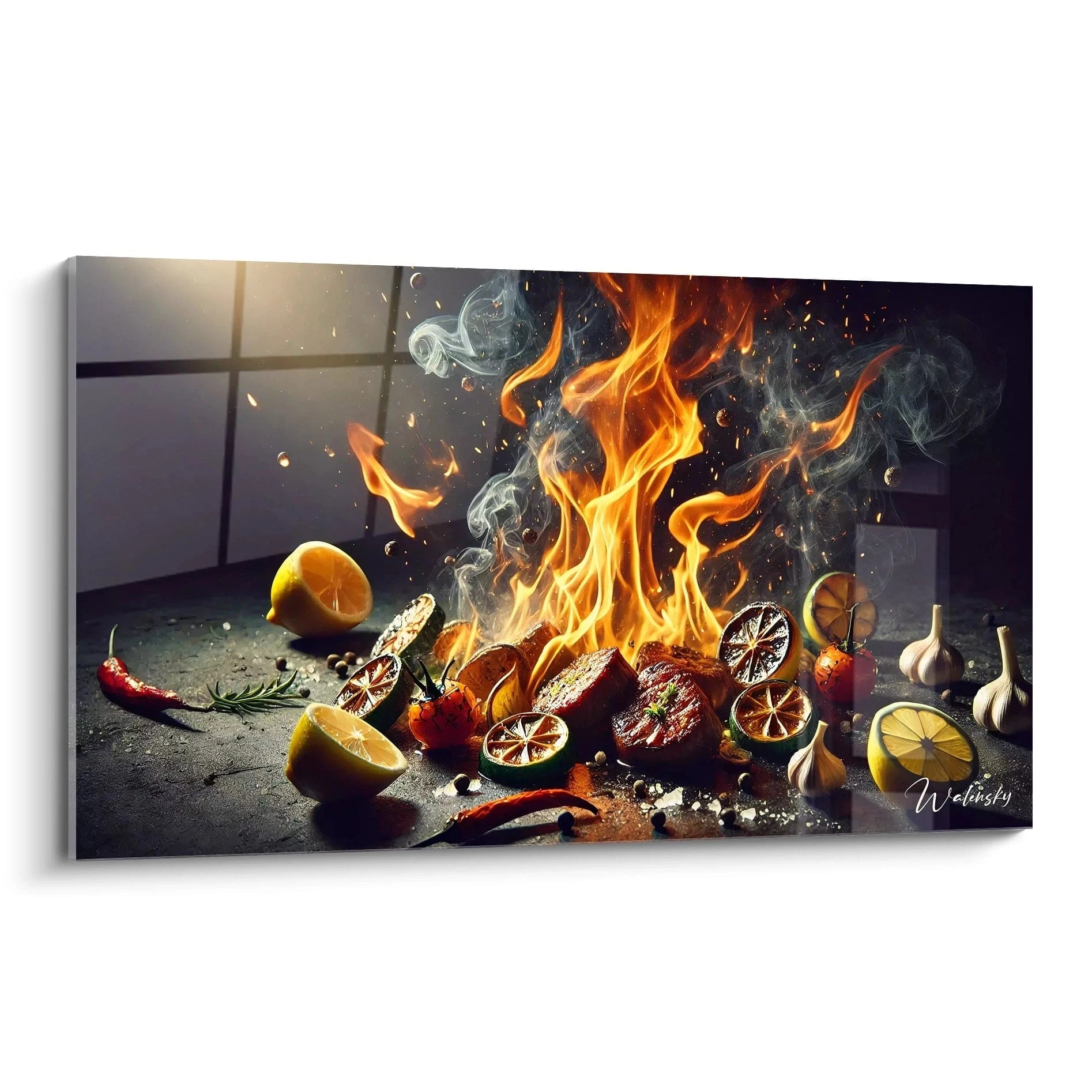
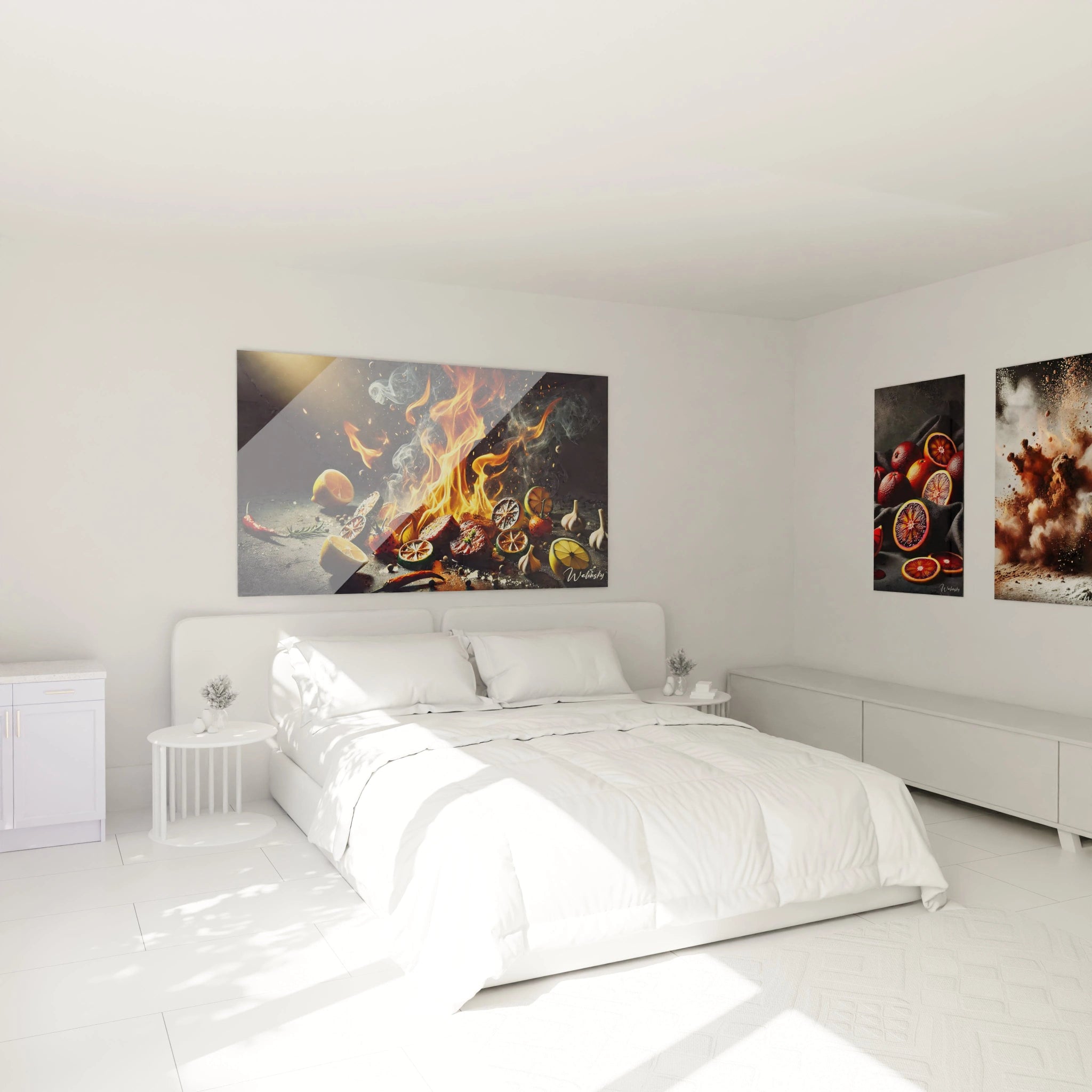
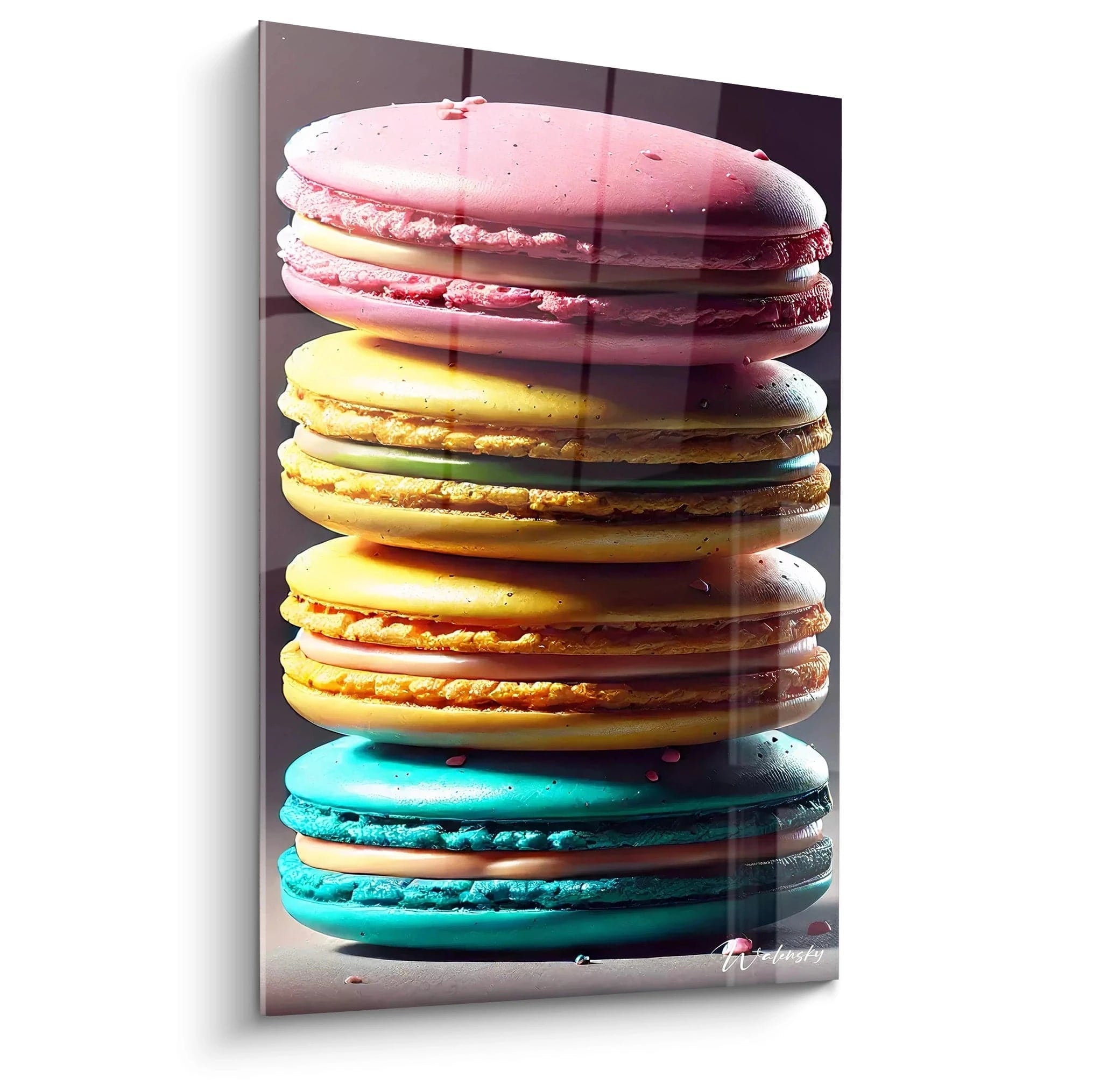
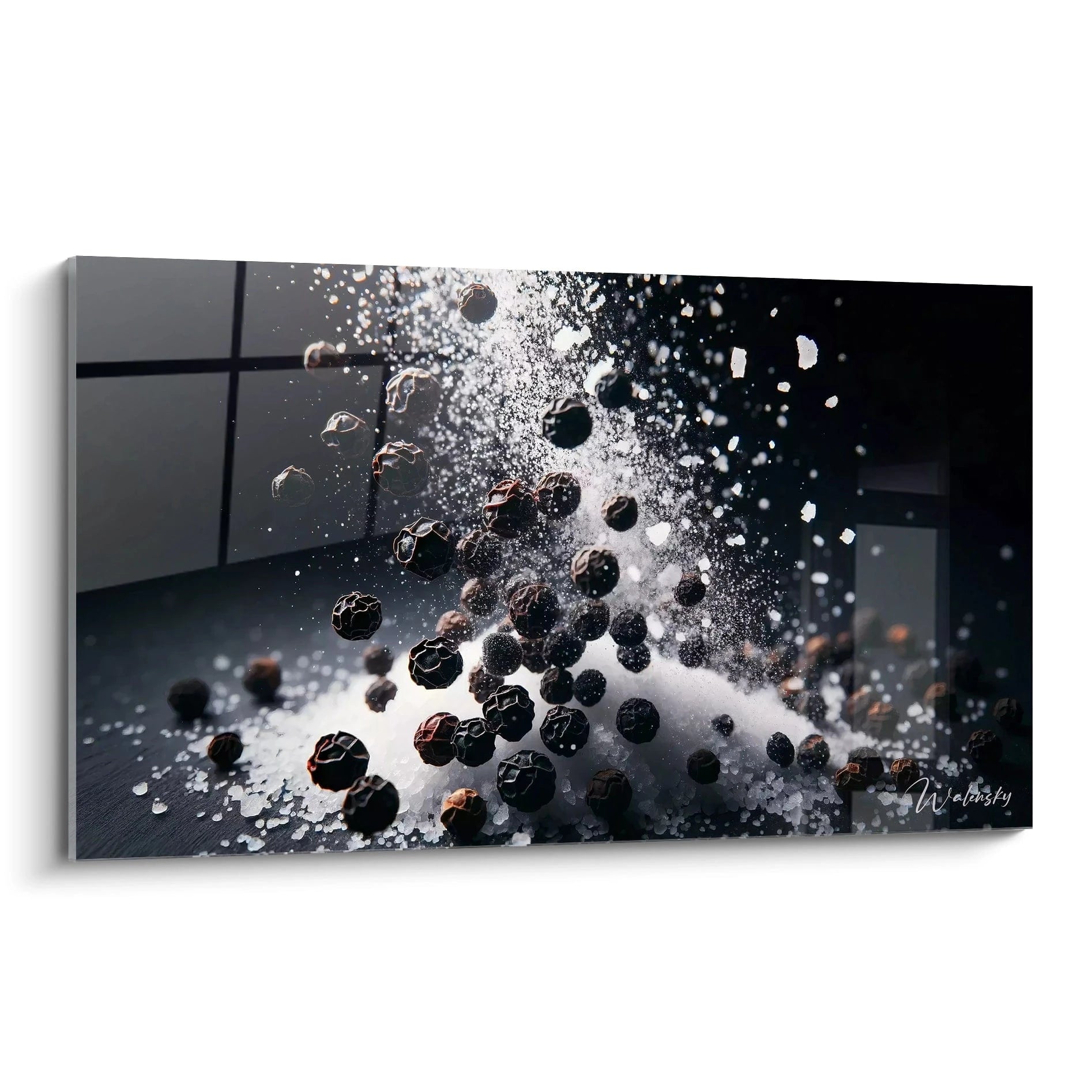
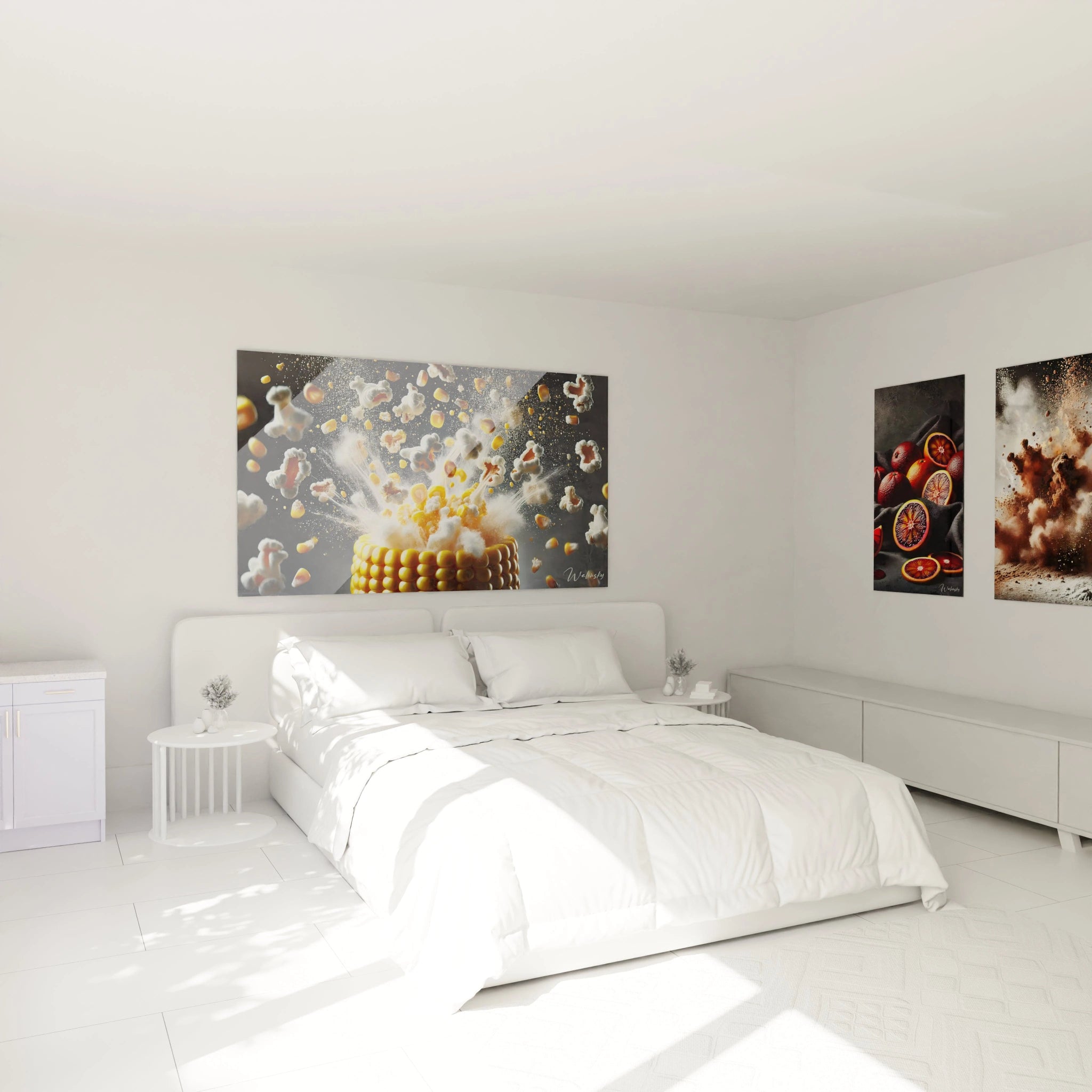
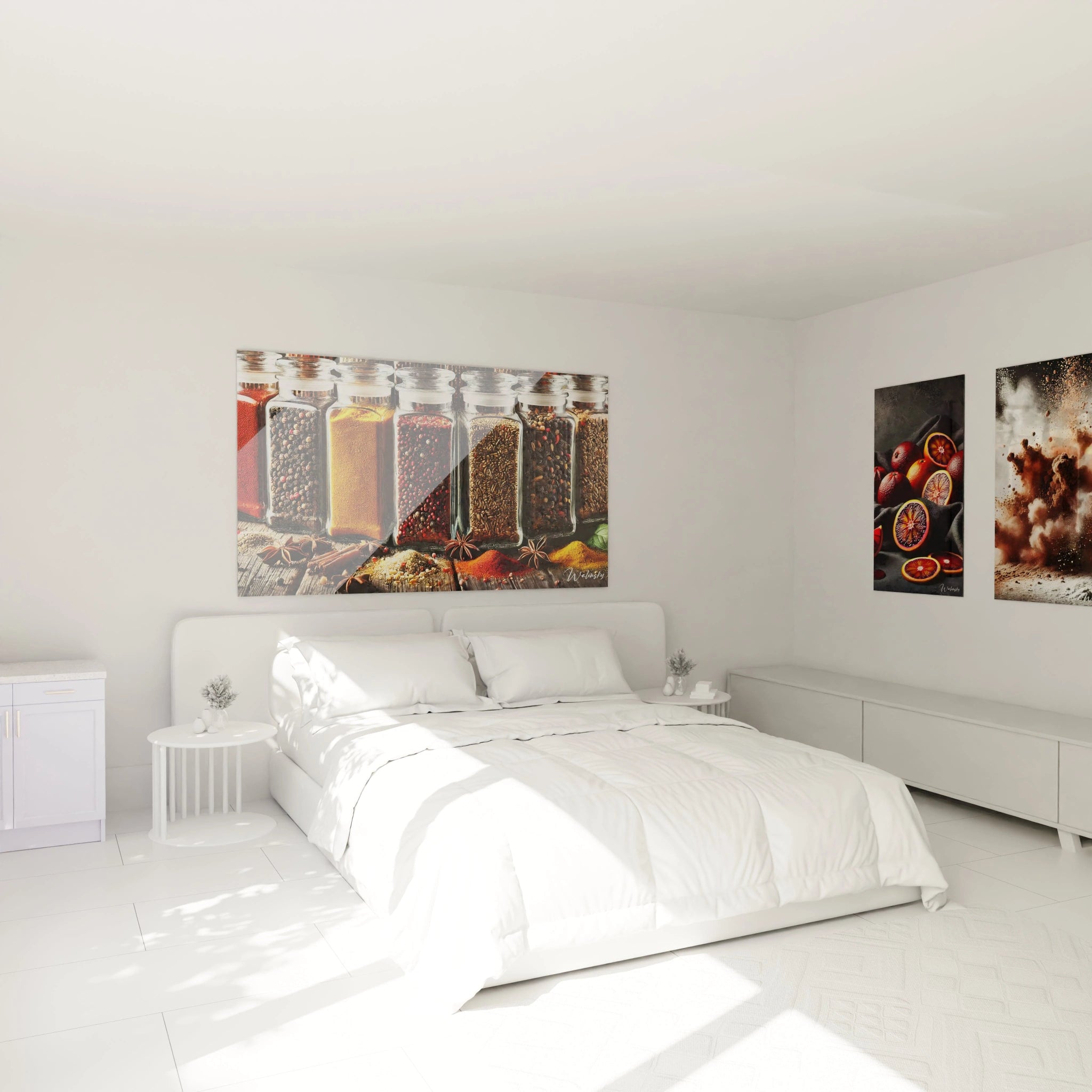
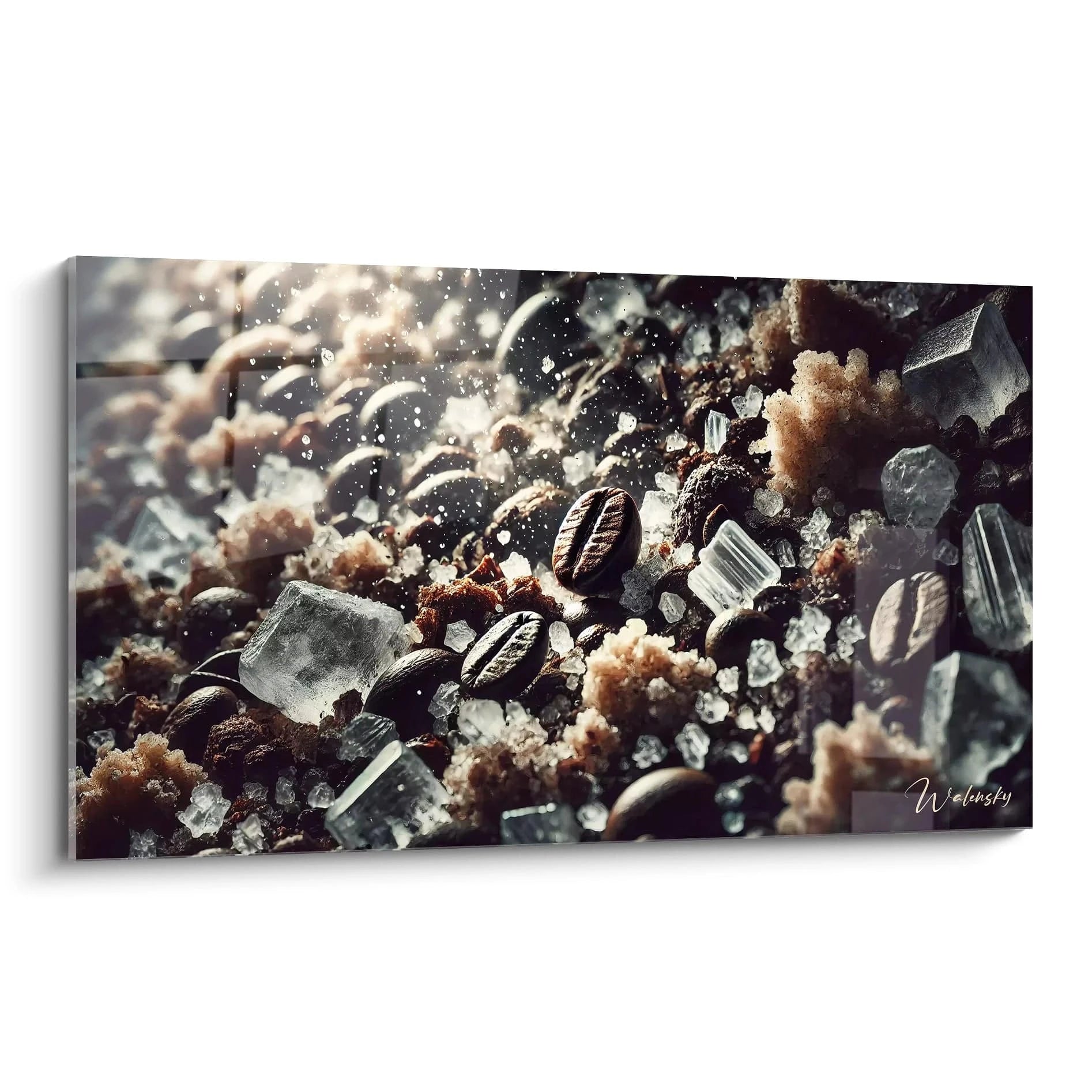
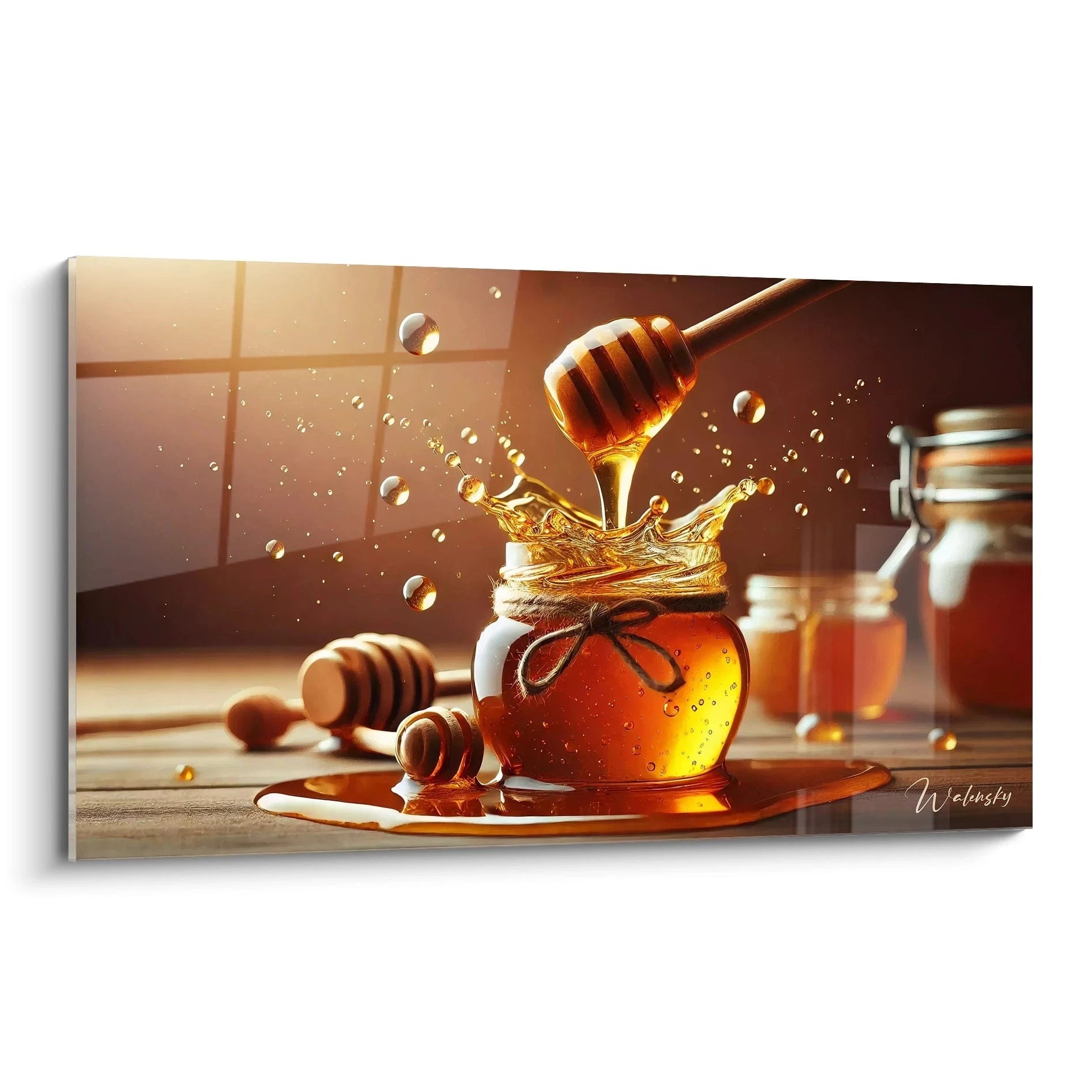
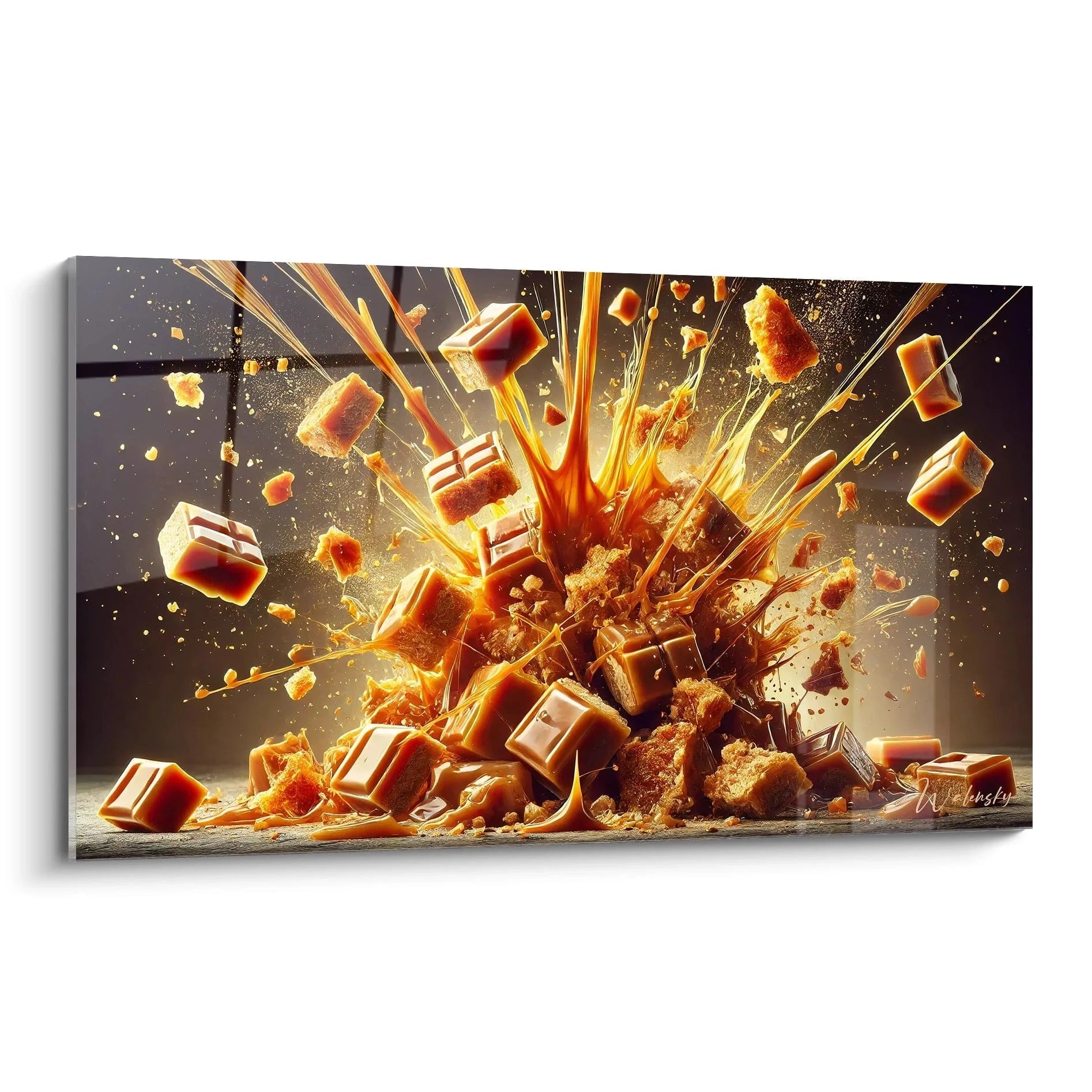
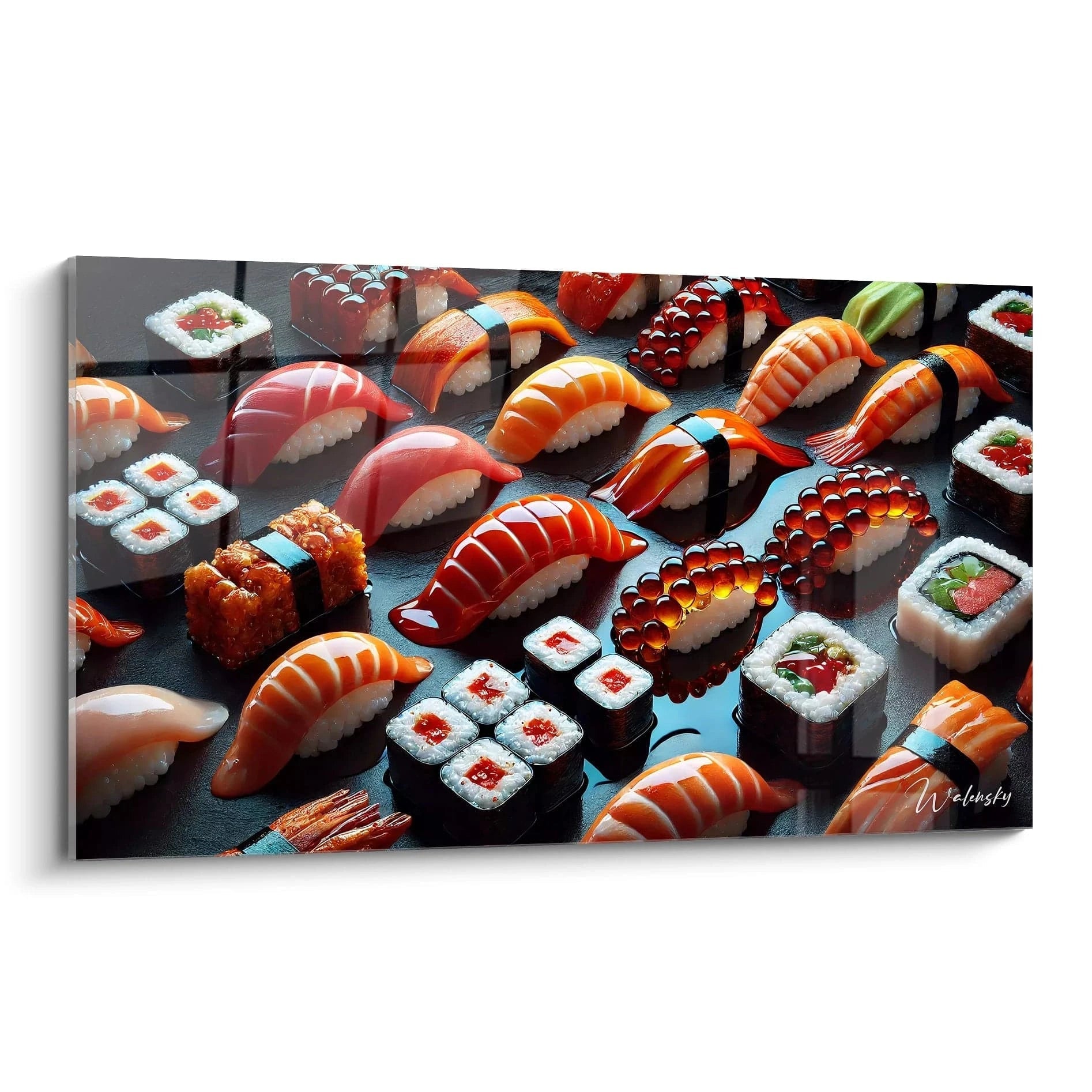
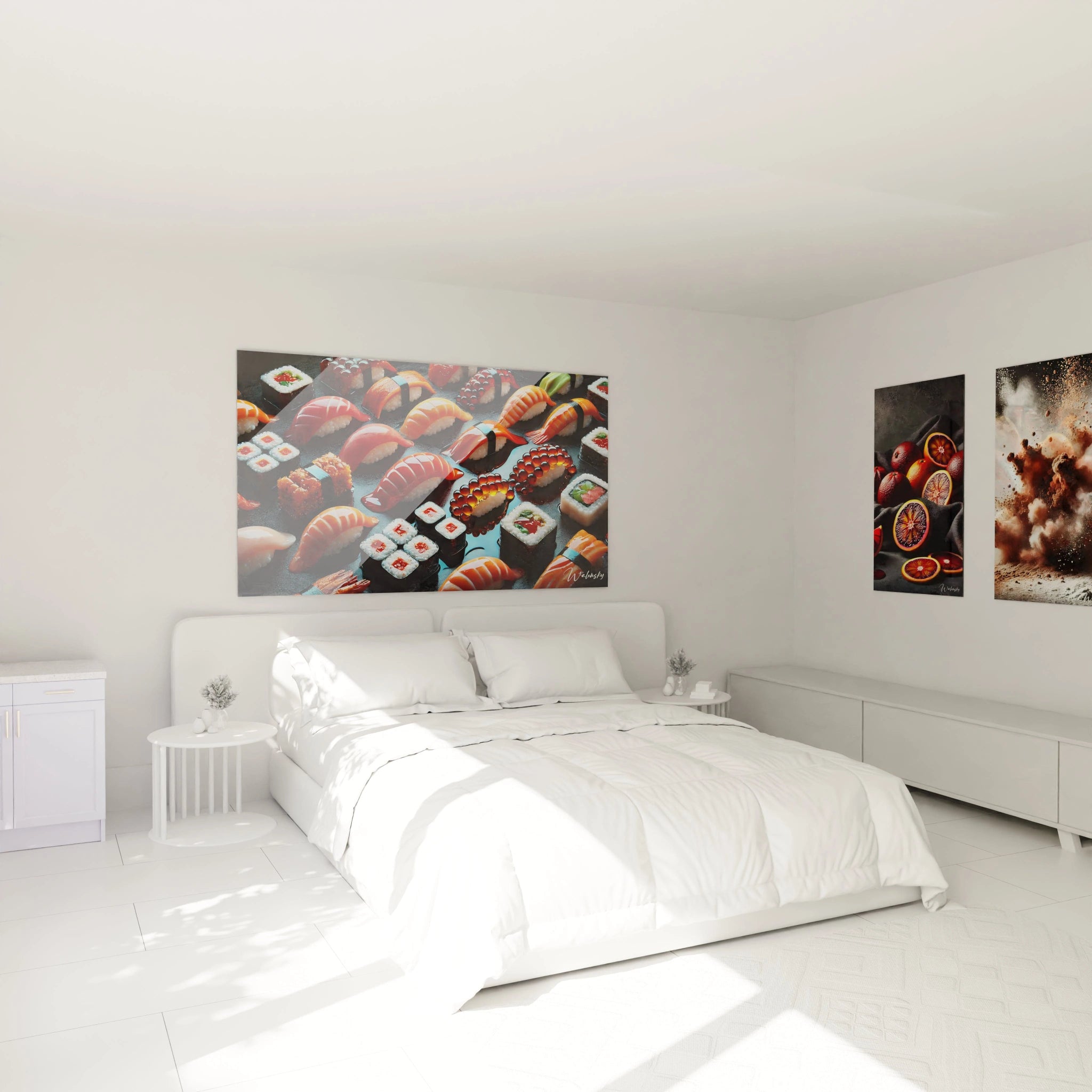
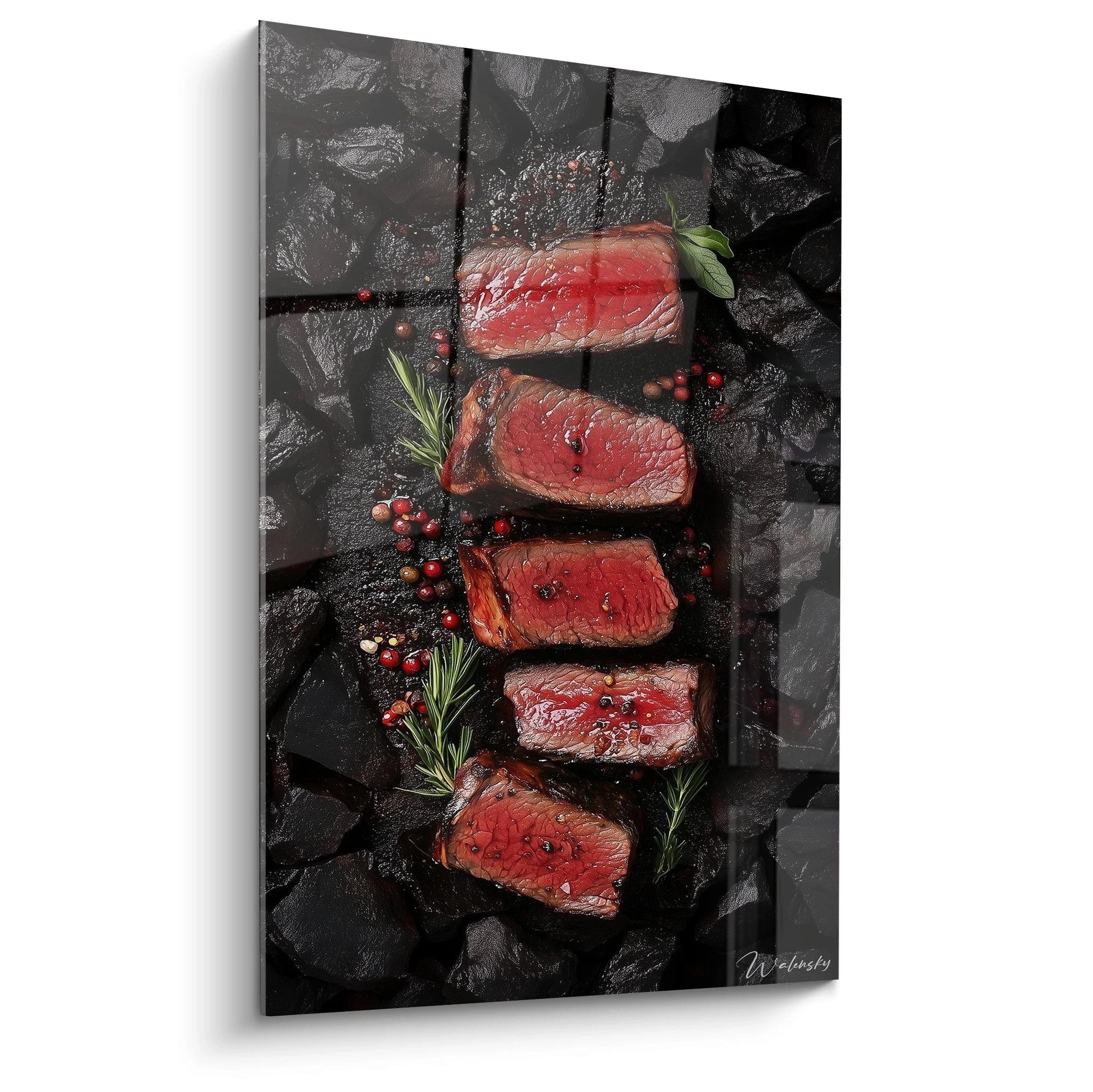
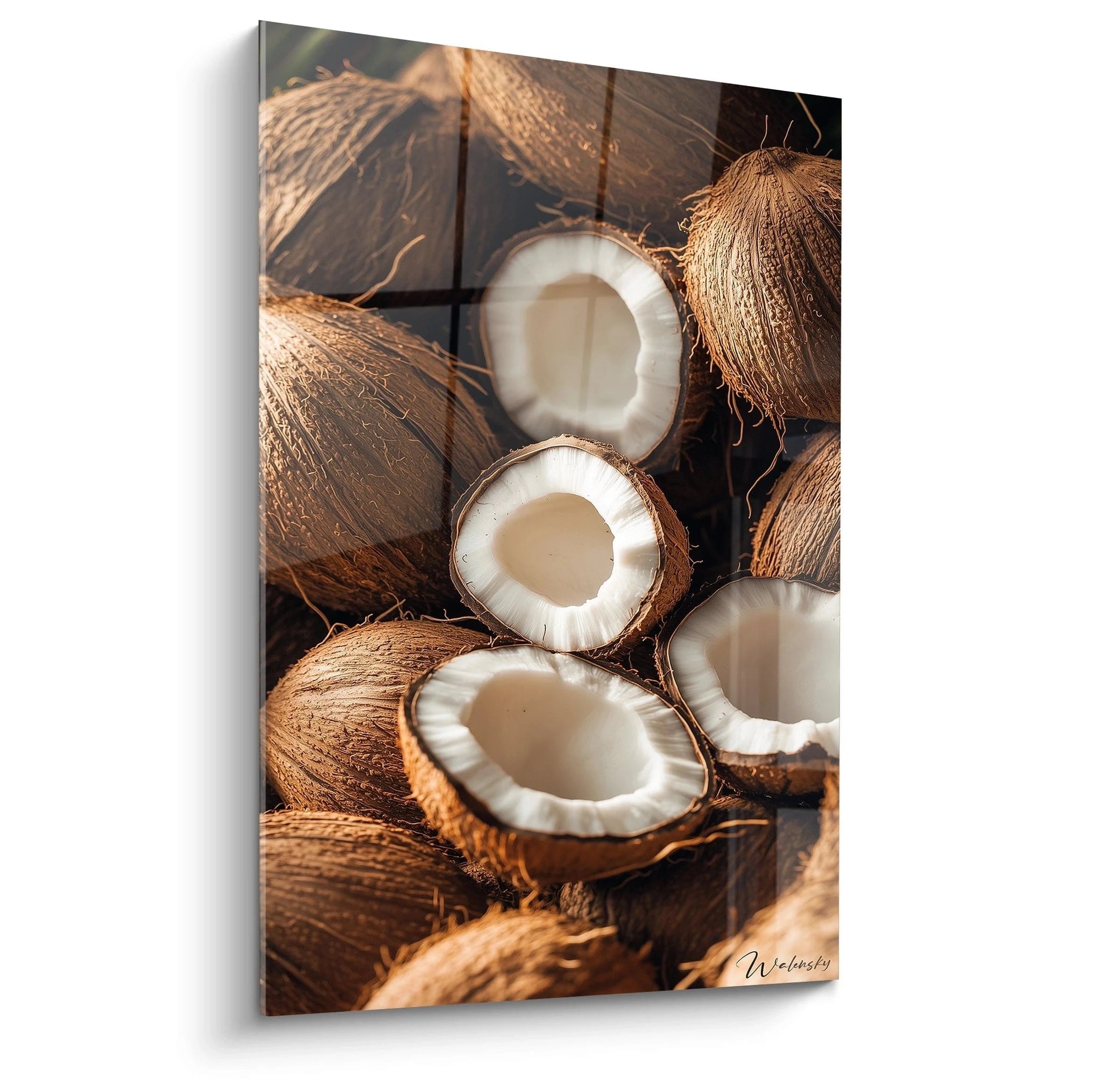
- Other Foods Wall Art Presentation
- Other foods wall art and regional gastronomy
- Other foods wall art and cultural influence
- Other foods wall art and culinary decoration
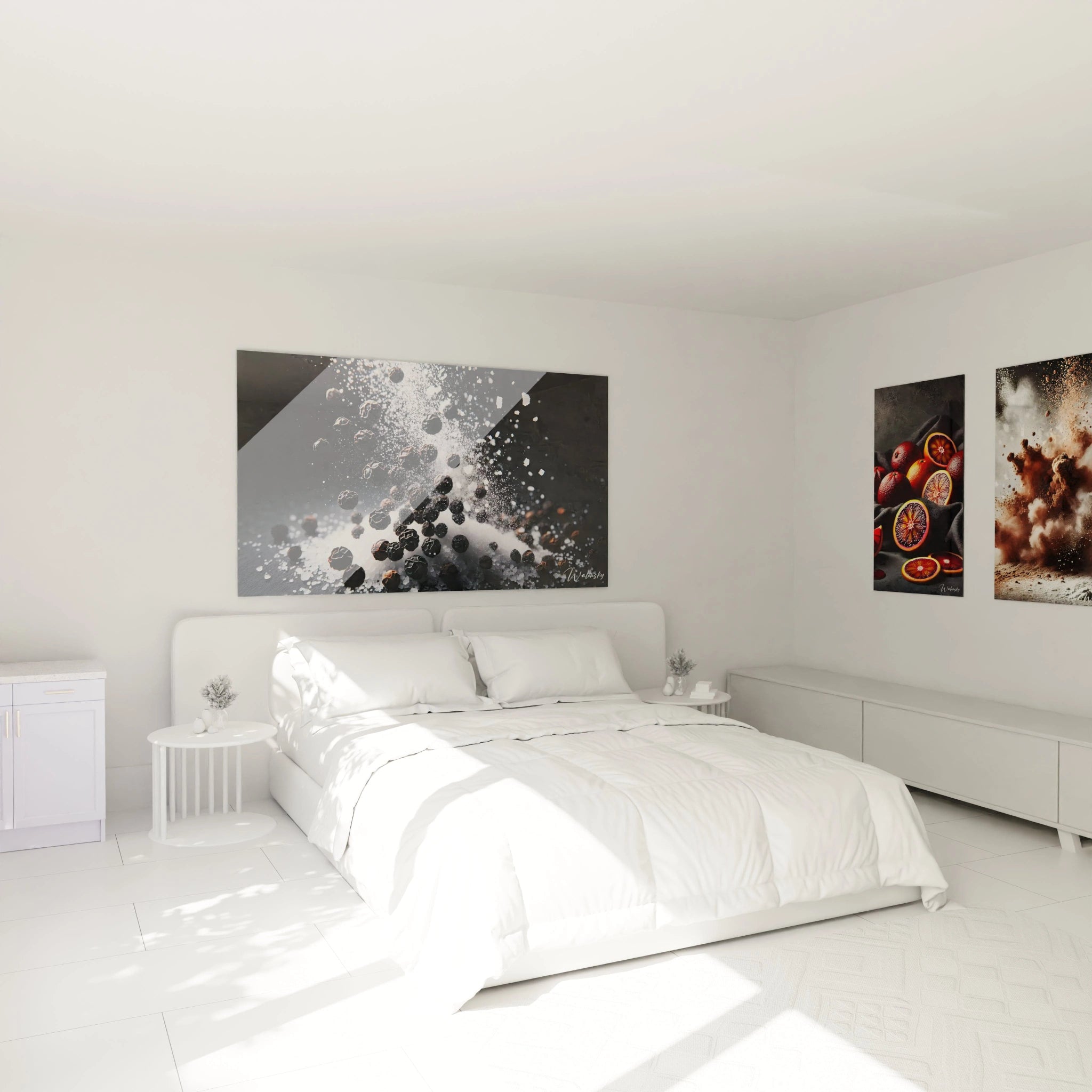
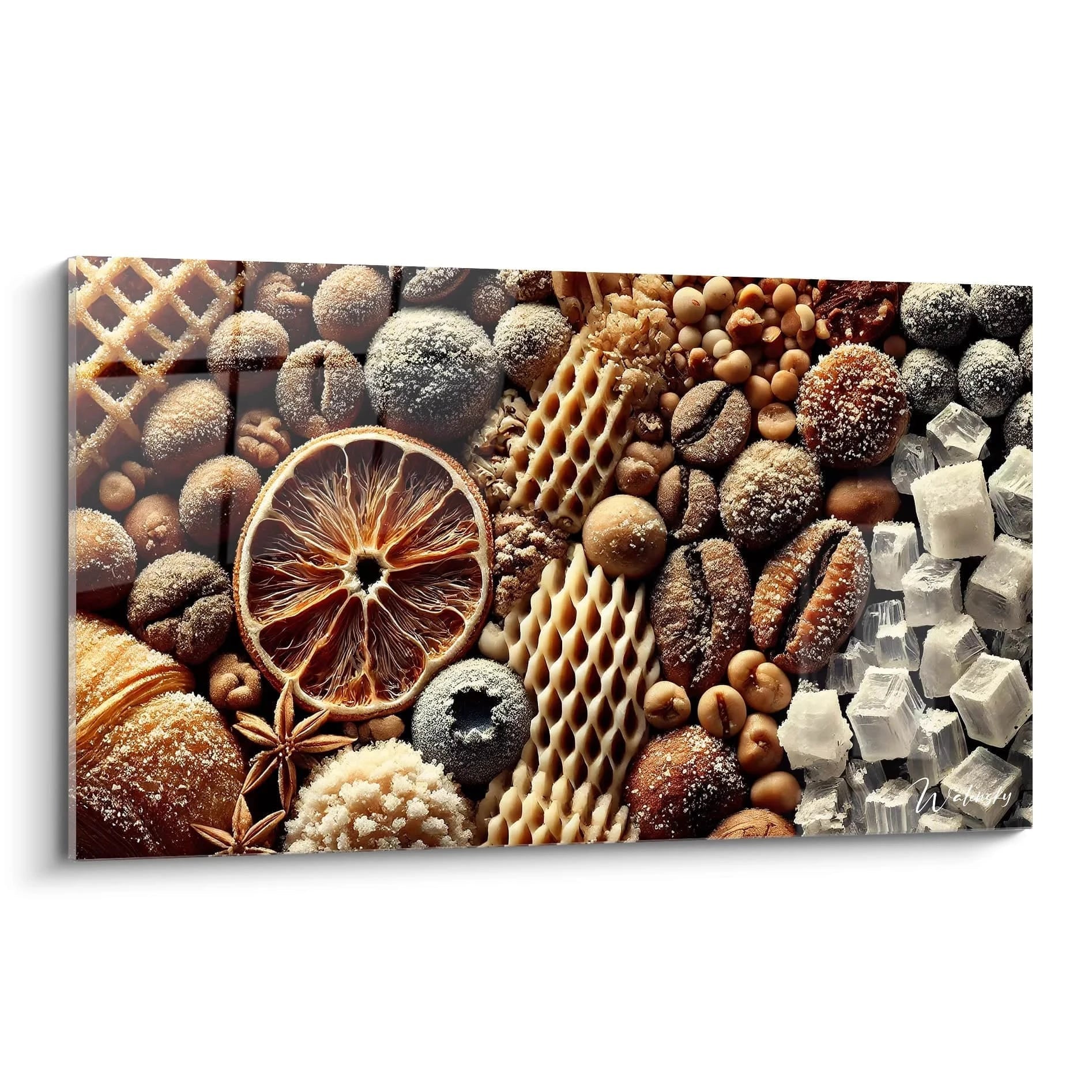
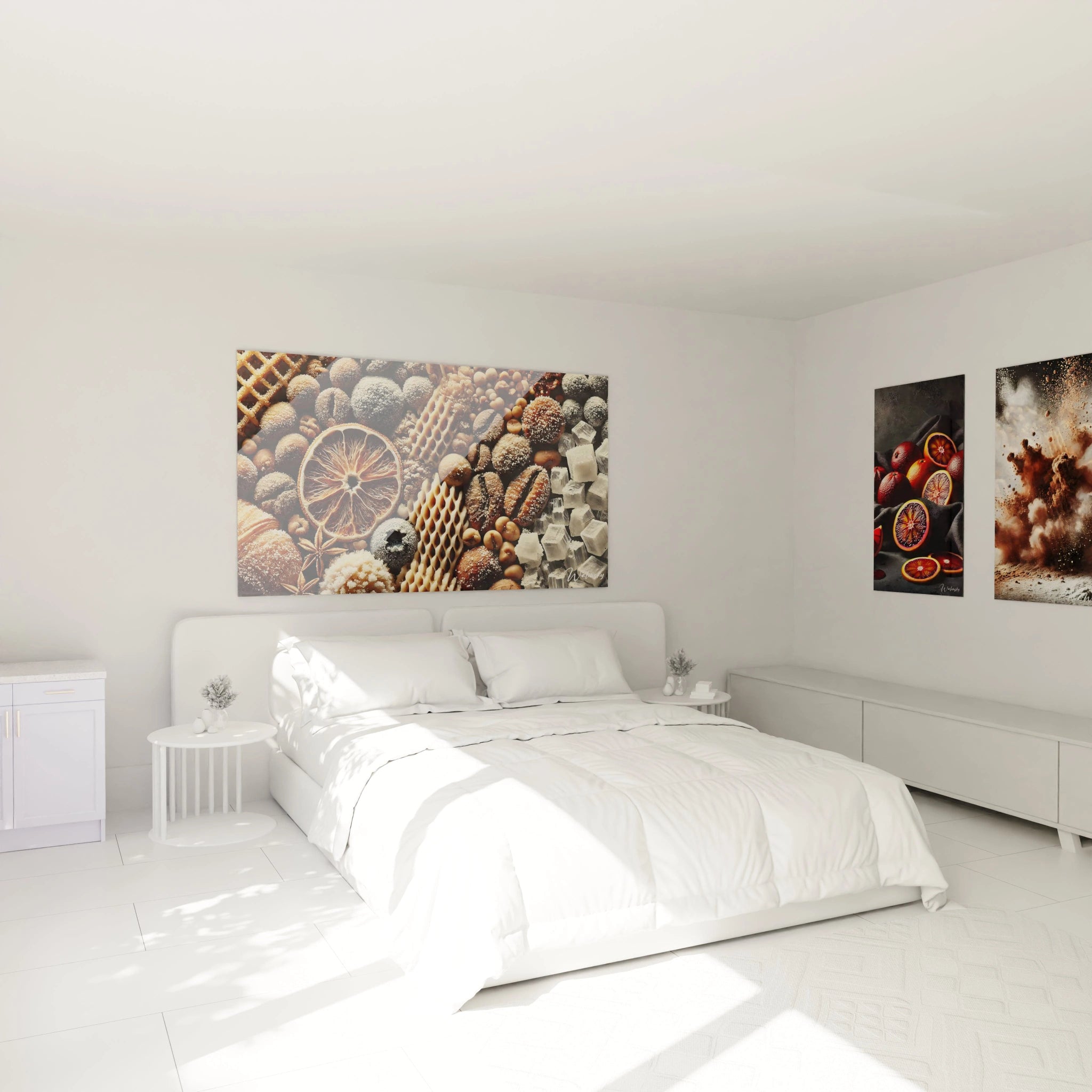
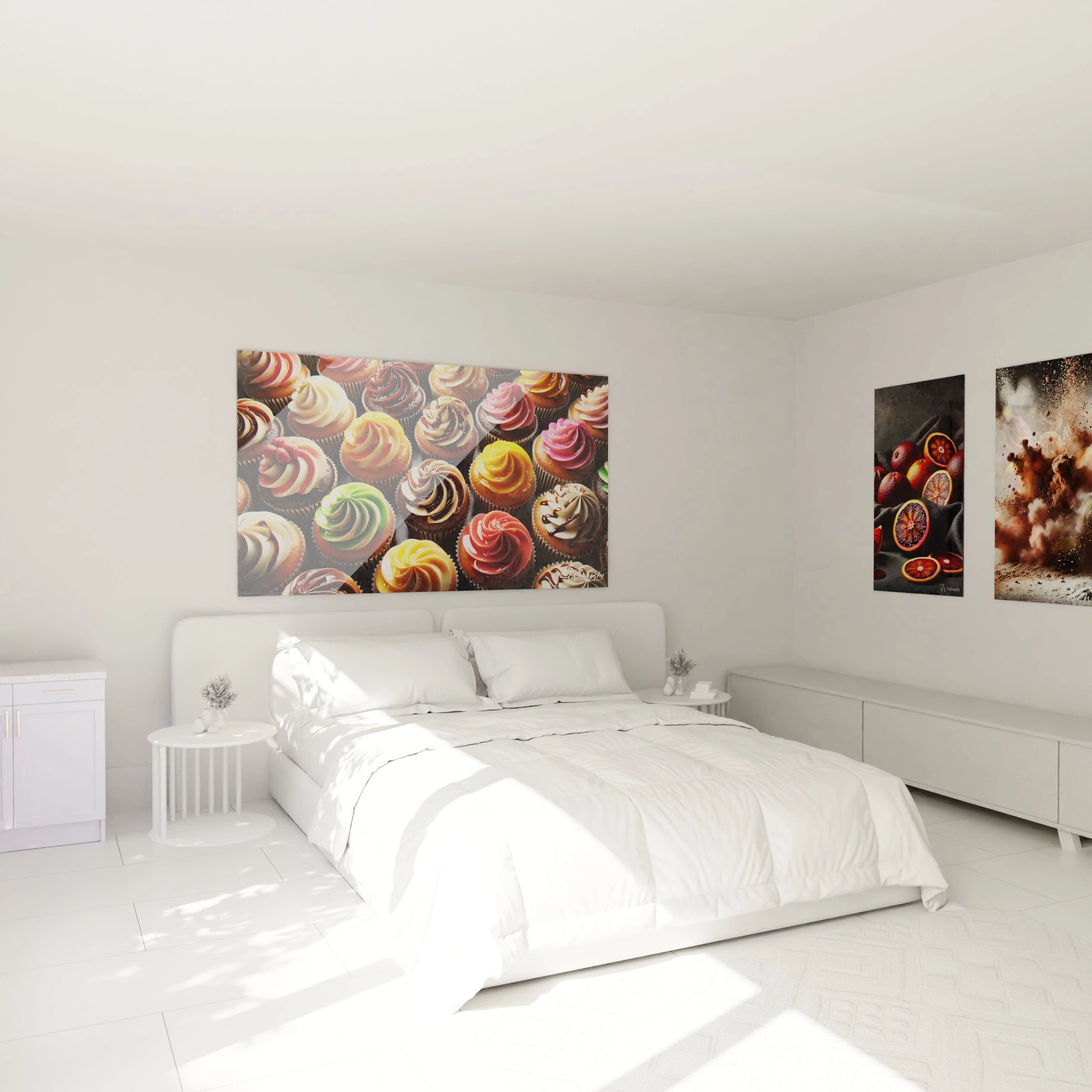
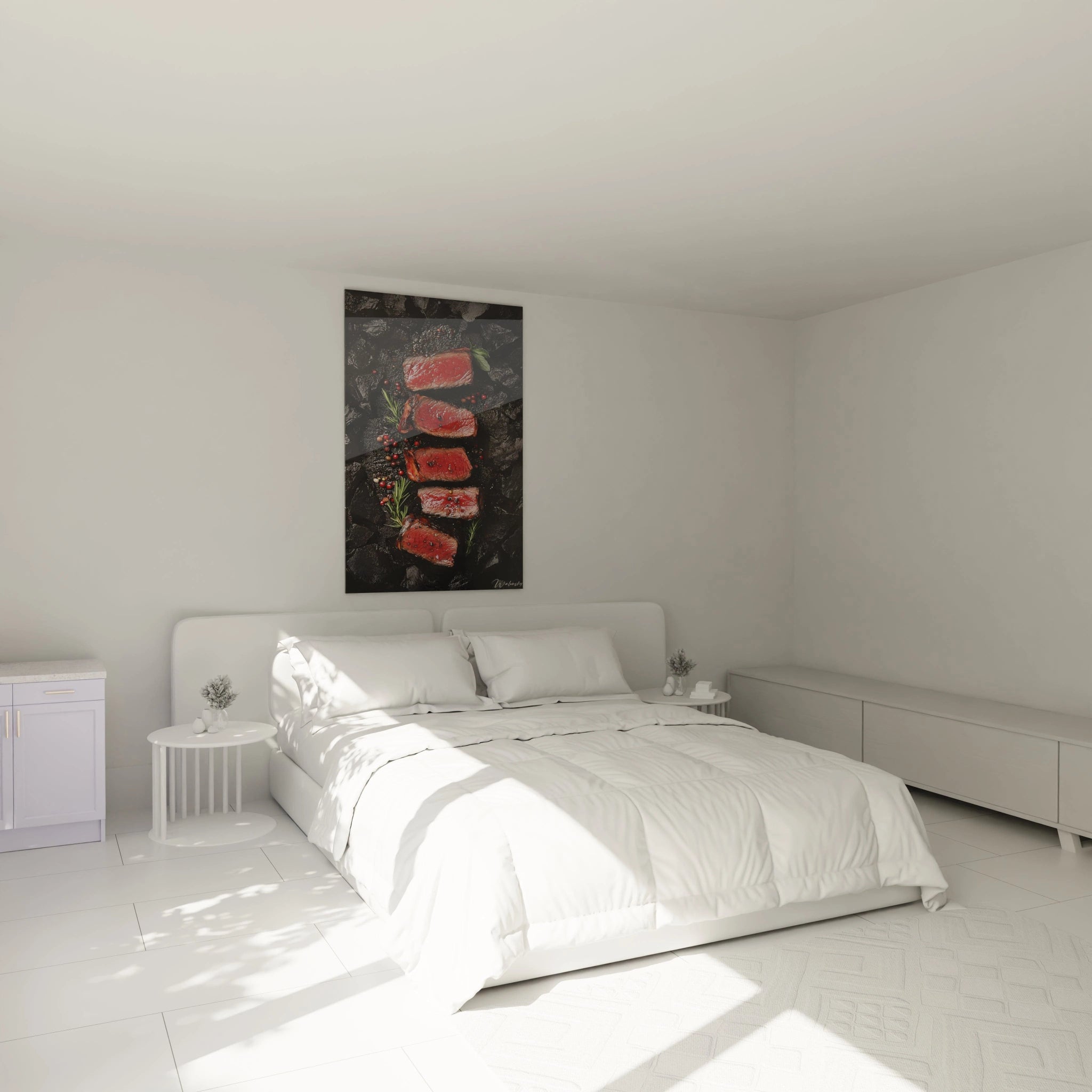
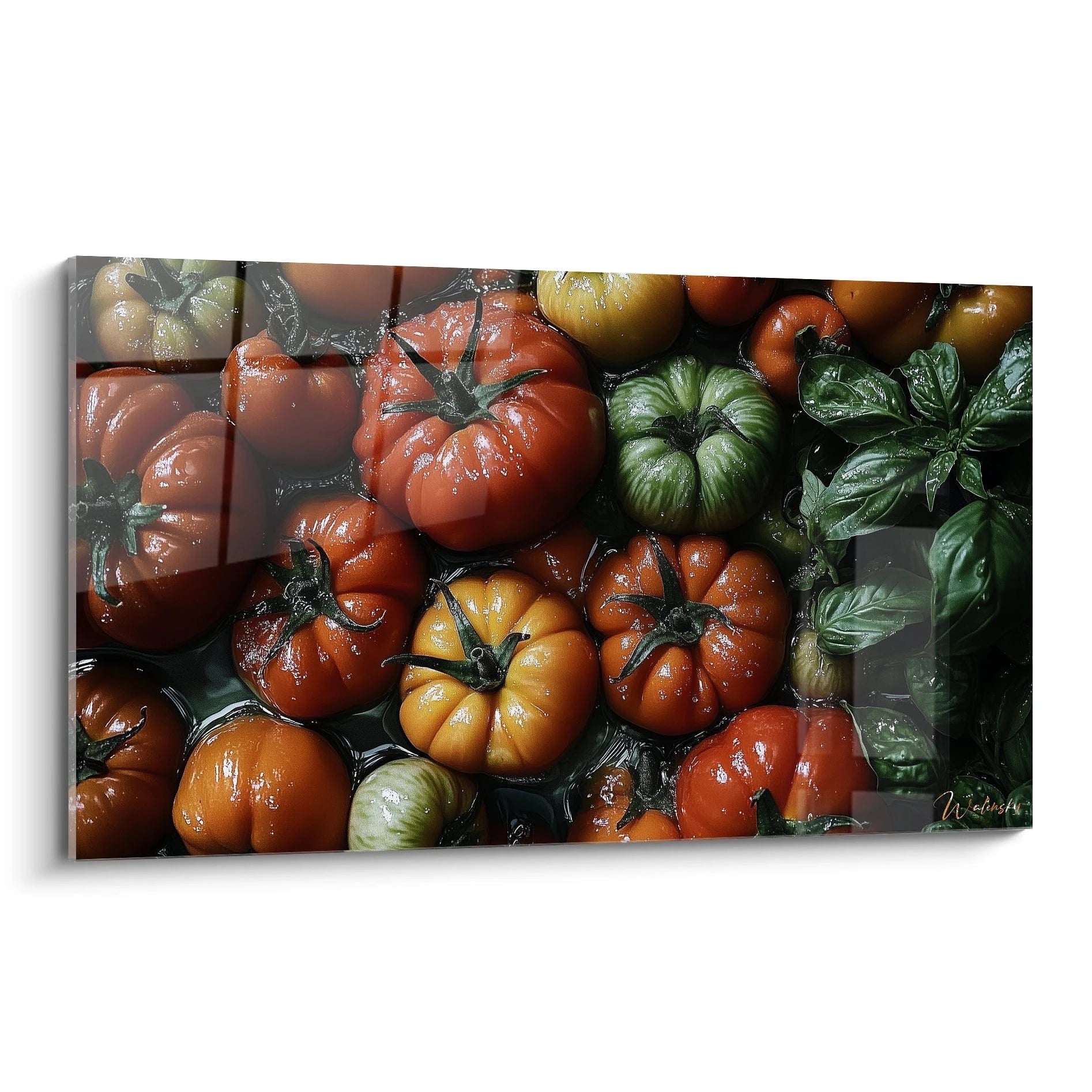
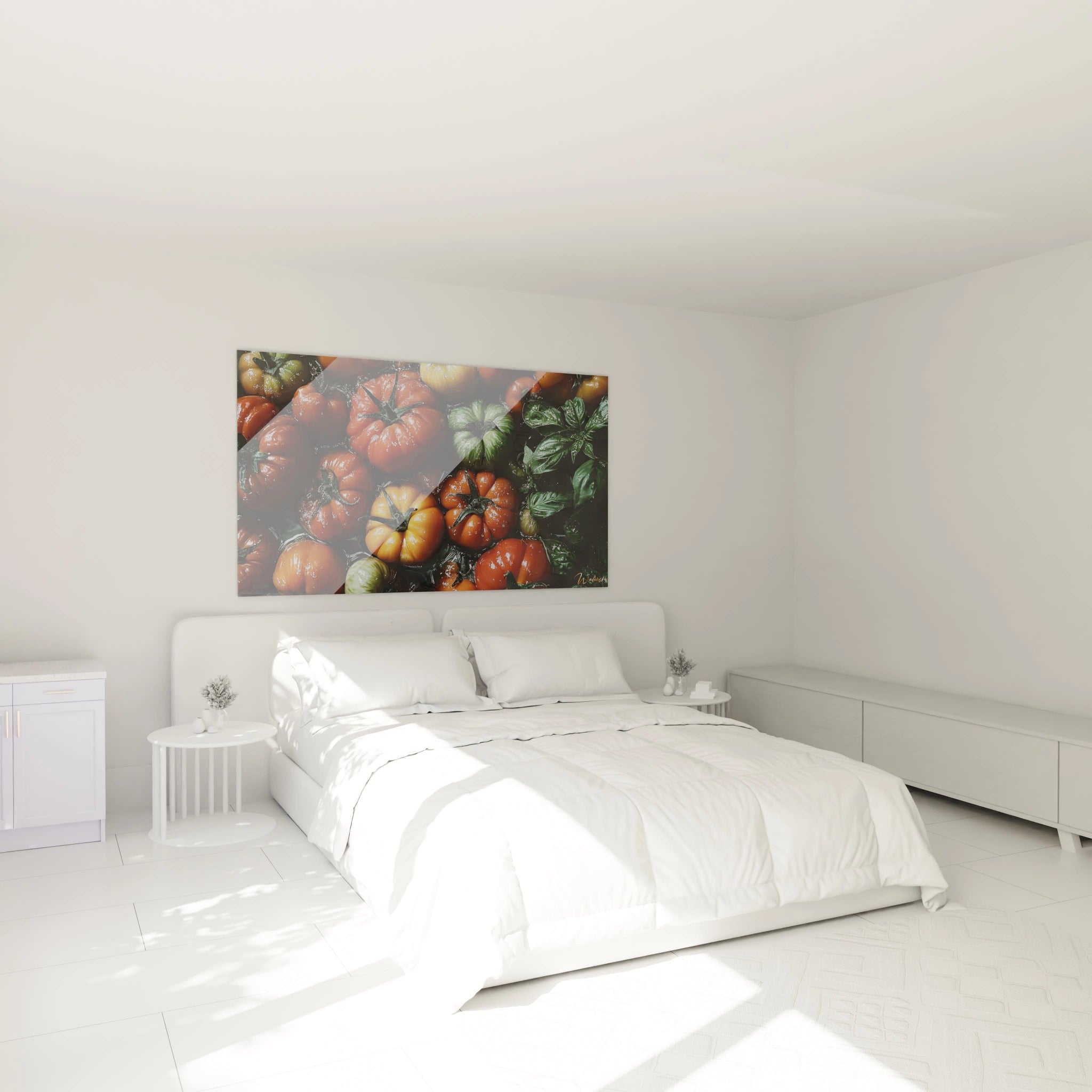
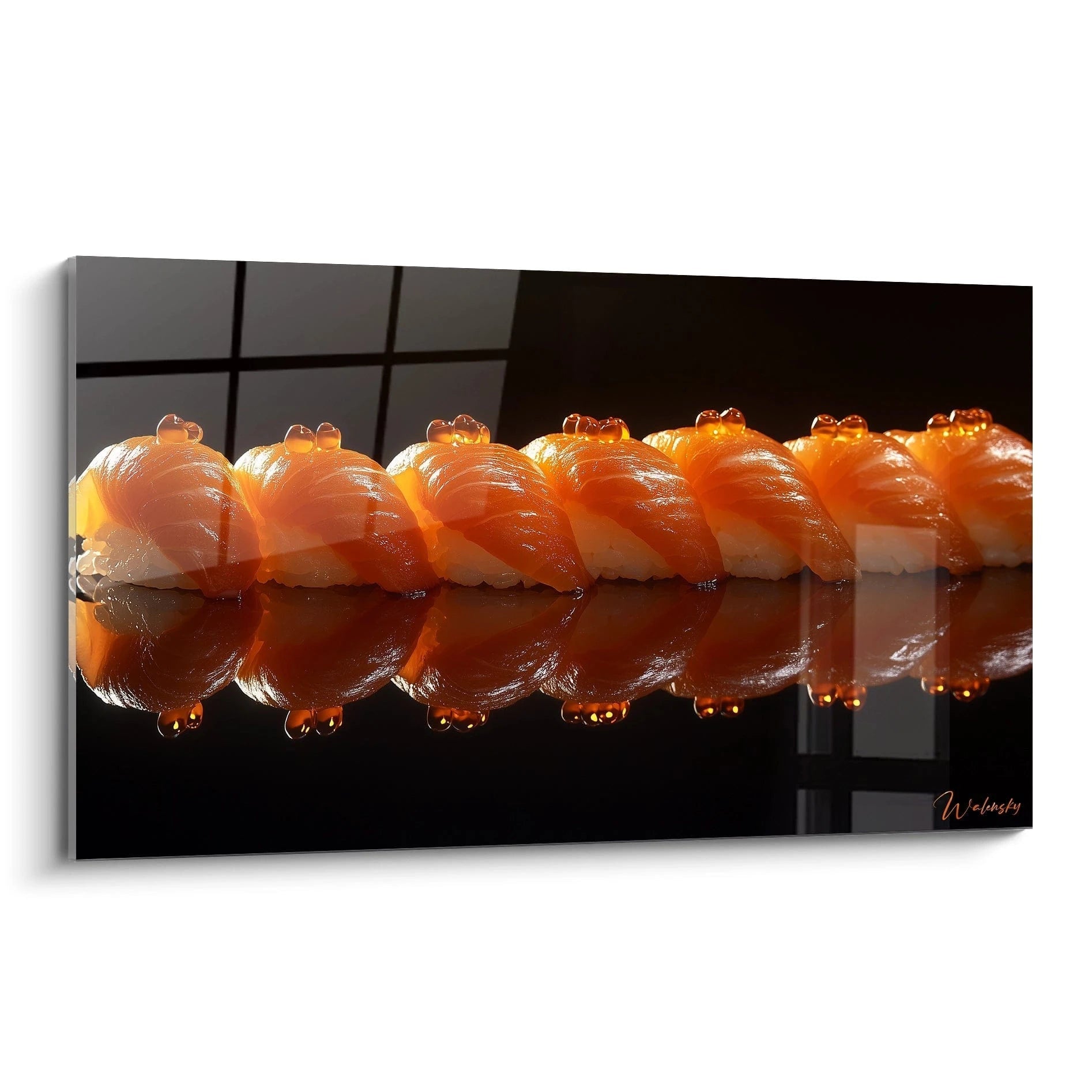
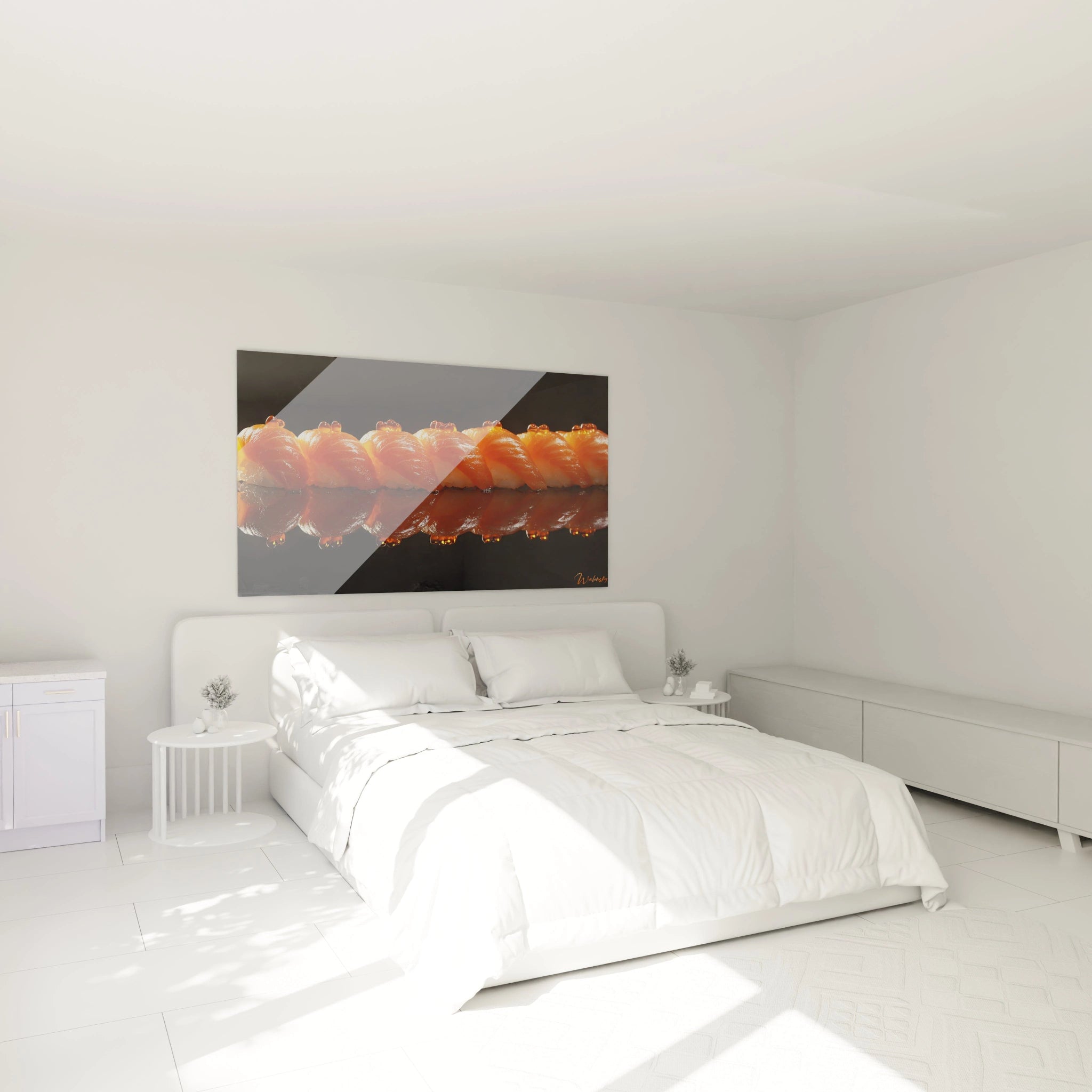
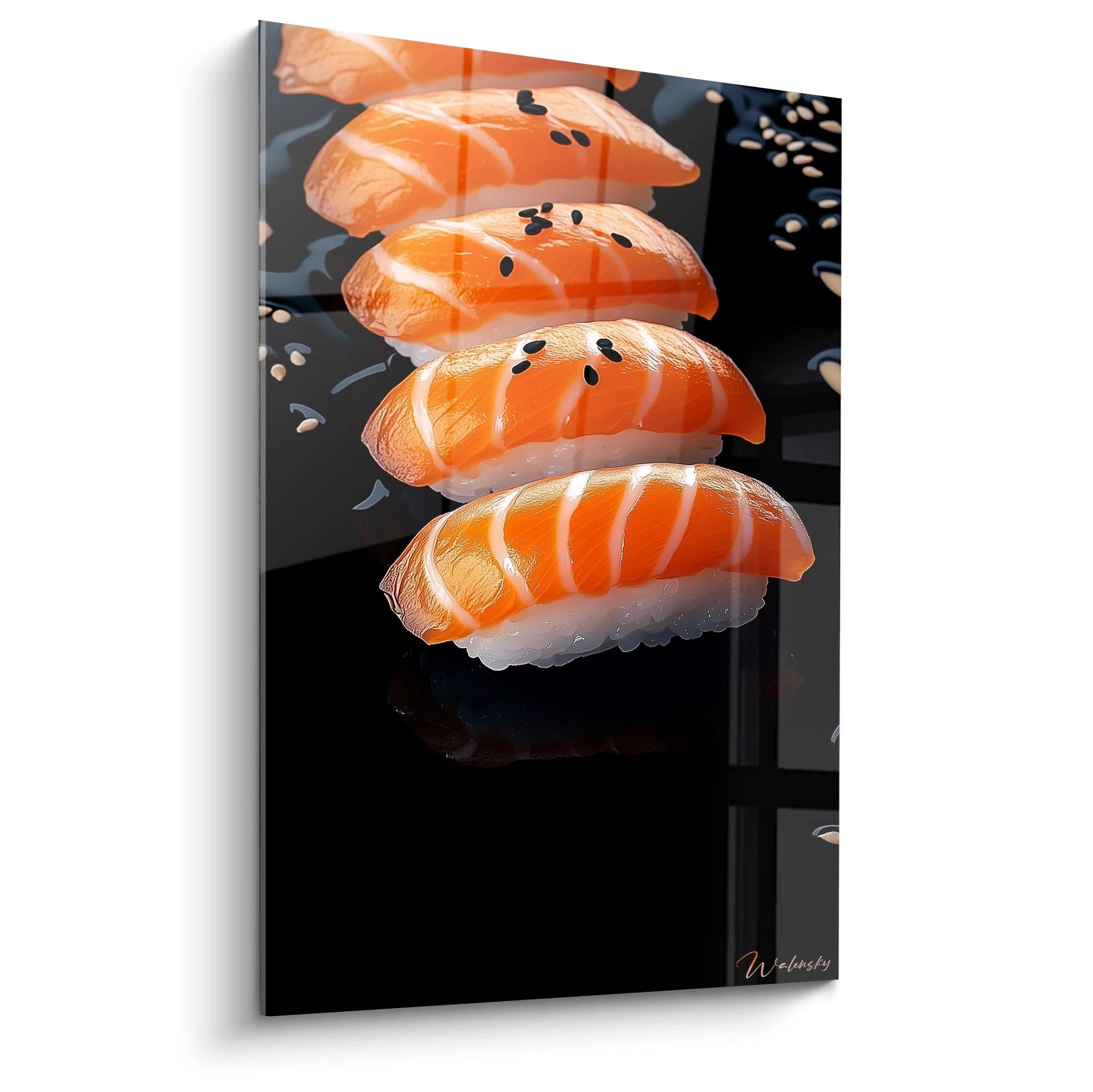
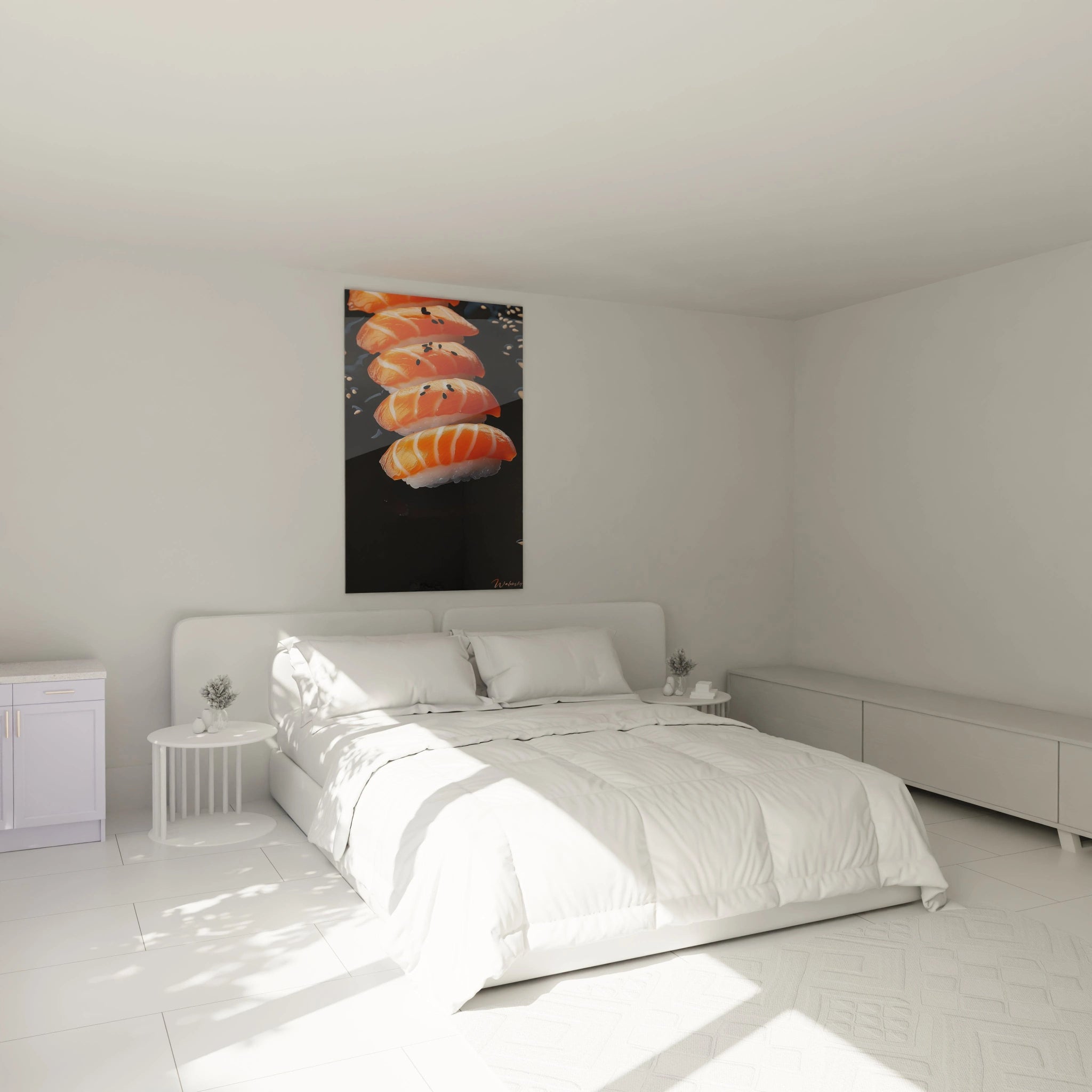
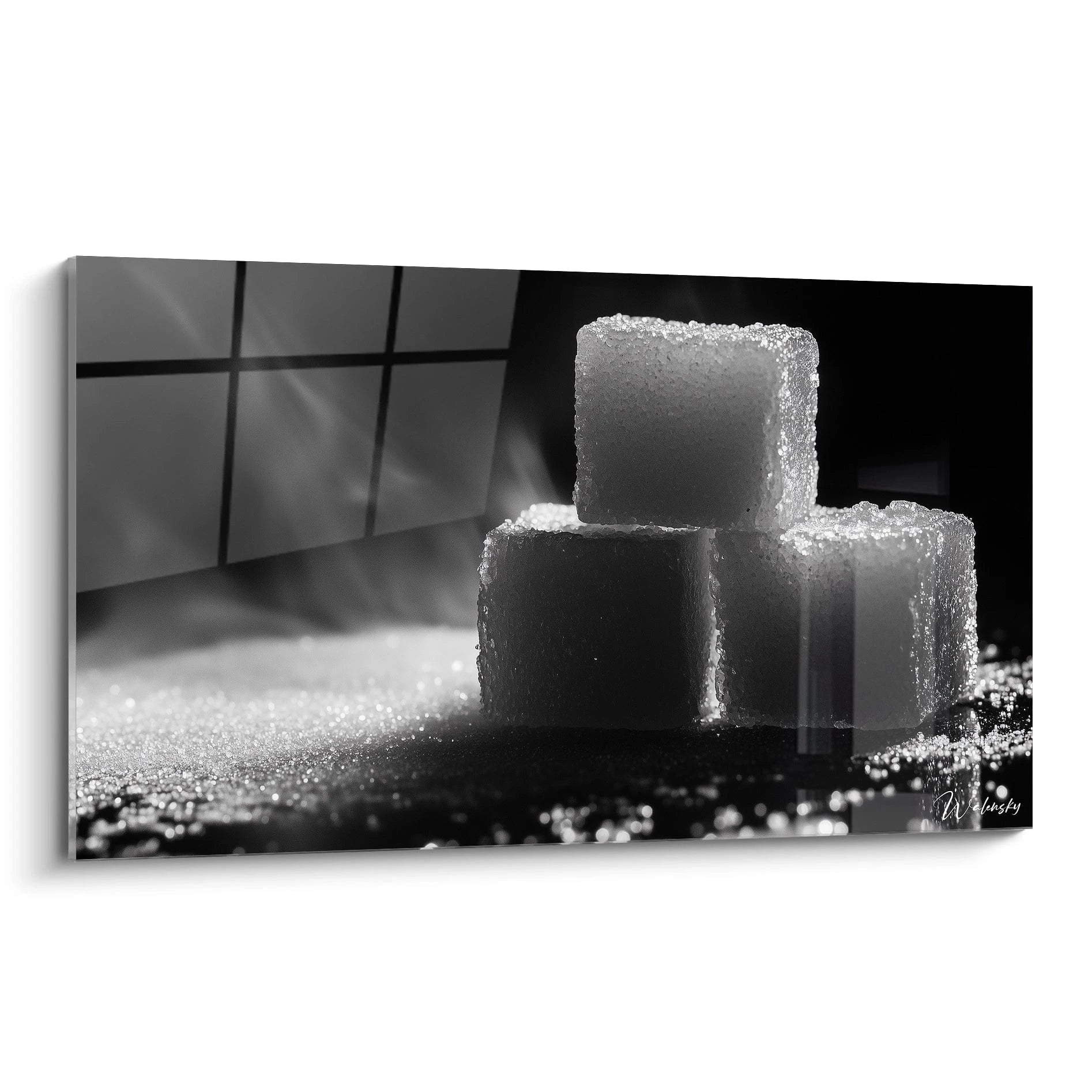
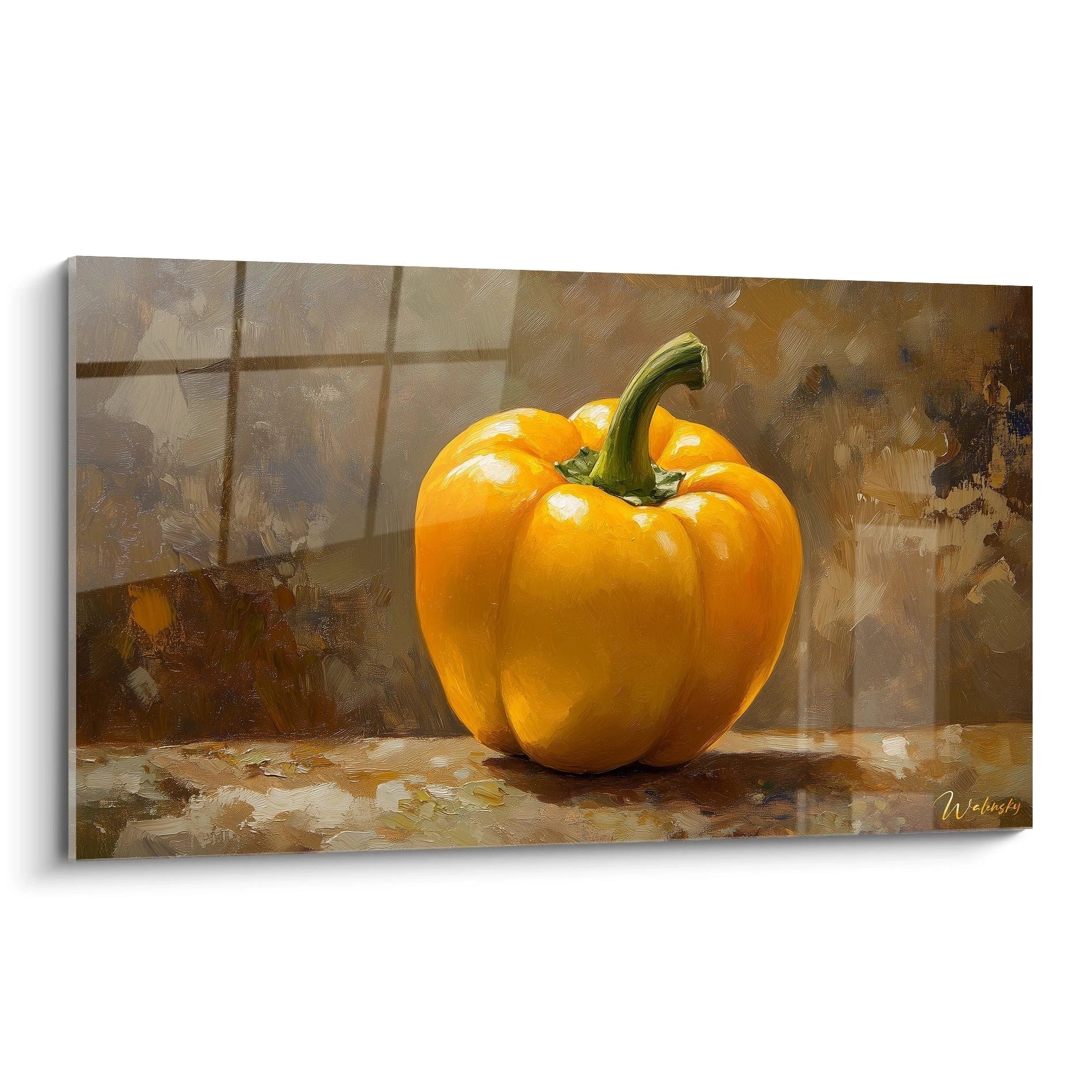
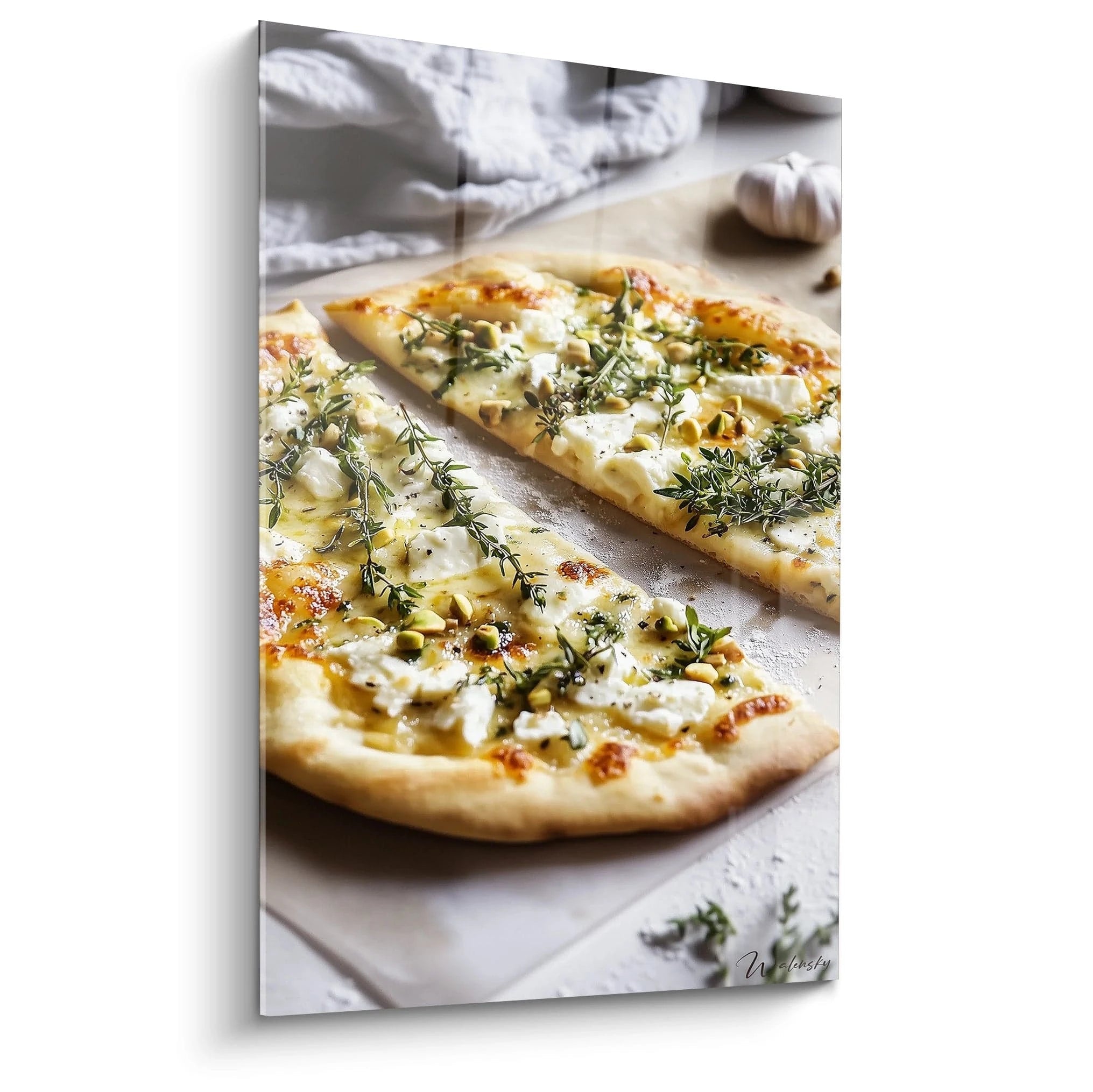
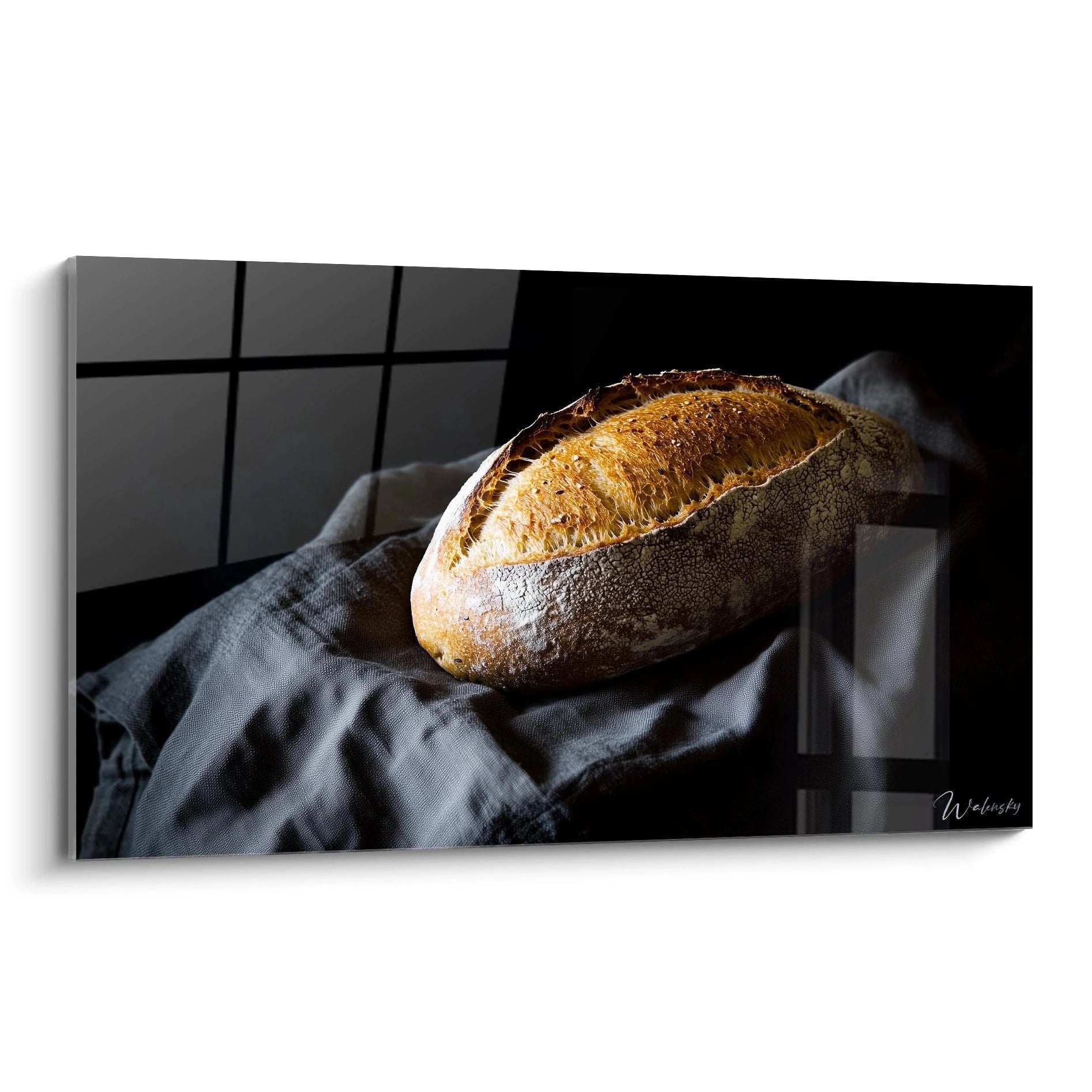
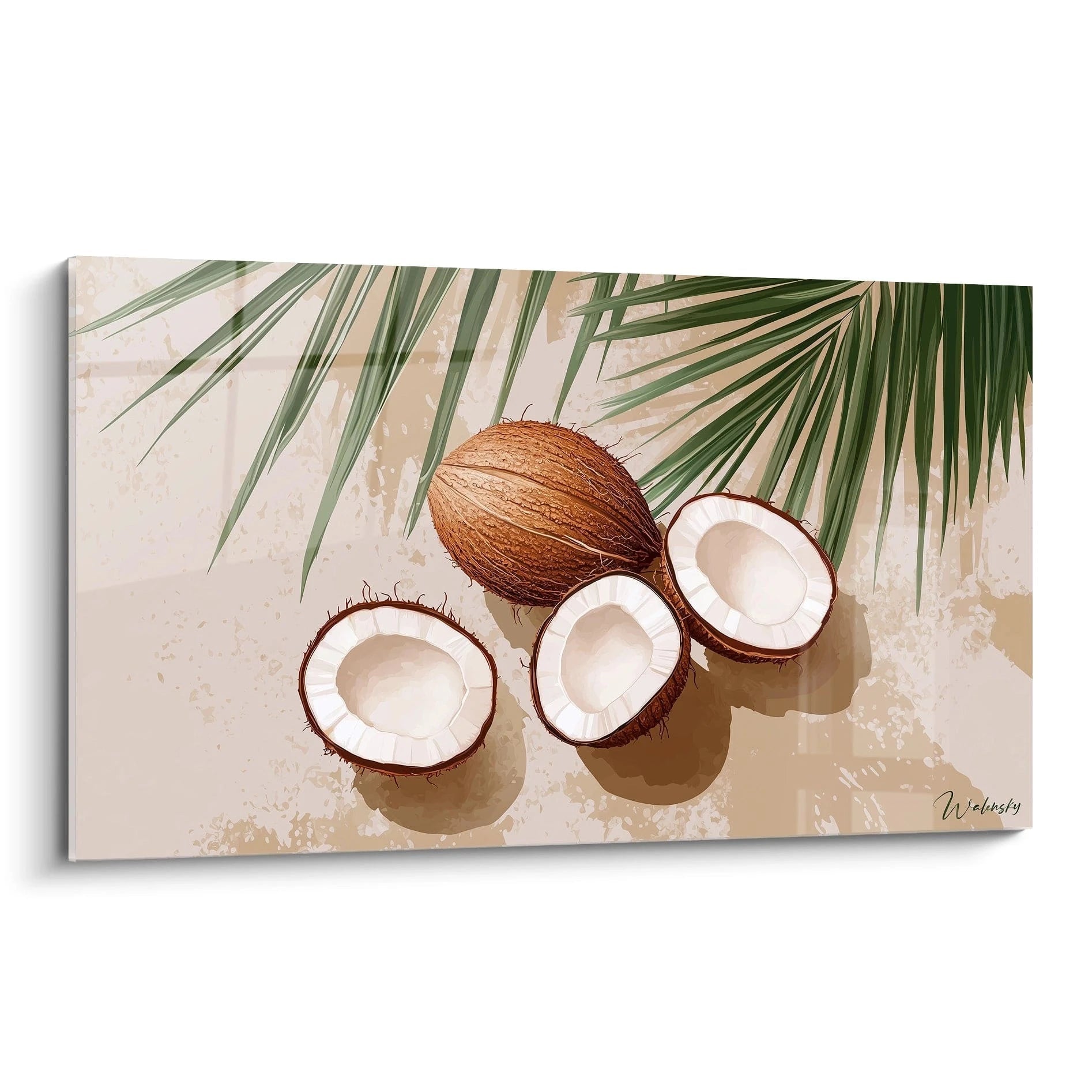
Other foods wall art represents a distinct artistic category that goes beyond classical representations of fruits and vegetables. These works showcase unconventional gastronomic products such as spices, cheeses, cured meats, and traditional pastries, offering a unique perspective on our cultural relationship with food. Their presence radically transforms a room's atmosphere by infusing it with an evocative gustatory dimension and an immediate sensory journey. Discover our kitchen wall art collection to enhance your culinary space with artistic creations that celebrate these often-neglected foods in contemporary decorative art.
Other Foods Wall Art: Artistic Expressions of Regional Gastronomic Heritage
Other foods wall art constitutes a fascinating artistic segment that celebrates culinary treasures often eclipsed by traditional still lifes. These pictorial works highlight the richness of world gastronomy through striking representations of emblematic regional foods, thus creating a visual bridge between art and culinary heritage.
How does other foods wall art preserve local gastronomic traditions?
Other foods wall art plays a crucial role in the visual preservation of regional culinary heritage. Unlike generic representations of common foods, these works capture the specificities of products emblematic of particular territories. A painting depicting Auvergne cheeses, Provençal spices, or Basque charcuteries does more than illustrate these dishes—it also immortalizes production techniques, traditional presentations, and the cultural contexts in which these foods are situated.
The evocative power of these artworks lies in their ability to transcend mere food representation to become cultural testimonies. By fixing these regional specialties on canvas, artists contribute to the visual documentation of culinary practices sometimes threatened with disappearance in the face of global food habit standardization.
The influence of seasons on other foods wall art
Seasonal variation constitutes a fundamental aspect in the composition of other foods wall art. Unlike representations of industrially-produced foods available year-round, these works often celebrate the natural rhythm of artisanal food harvests and production.
Seasonal variations manifest not only in the choice of foods represented—autumn mushrooms, winter preserves, spring's first vegetables, or summer fruits—but also in the lighting, hues, and overall atmosphere of the painting. This temporal dimension adds additional depth to the work, transforming a simple decorative painting into a cyclical marker of food traditions.
* Autumn-winter paintings: dominance of preserves, cured meats, aged cheeses
* Spring paintings: first vegetables, fresh herbs, traditional Easter preparations
* Summer paintings: abundance, harvests, preserve preparations, vibrant markets
What role do regional culinary narratives play in these artistic representations?
Each other foods painting tells a unique culinary story, deeply rooted in a specific regional context. Beyond aesthetic appeal, these works transmit visual narratives of local food practices, from preparation rituals to consumption traditions.
A painting depicting a regional feast table, with its characteristic dishes arranged according to tradition, becomes a valuable ethnographic document. It captures not only the foods themselves, but also their spatial arrangement, their culturally significant associations, and the social codes governing their consumption.
These visual narratives are particularly valuable for collectors attached to specific regions, who find in these paintings an echo of their own gustatory memories and family traditions. Purchasing such a painting thus involves as much artistic appreciation as emotional connection to a specific culinary heritage.
The visual impact of traditional food preservation techniques
Traditional food preservation methods offer artists specializing in other foods wall art an extraordinarily rich visual repertoire. Drying, smoking, salting, fermentation—these techniques profoundly transform the appearance of foods, creating fascinating textures, colors, and forms to represent.
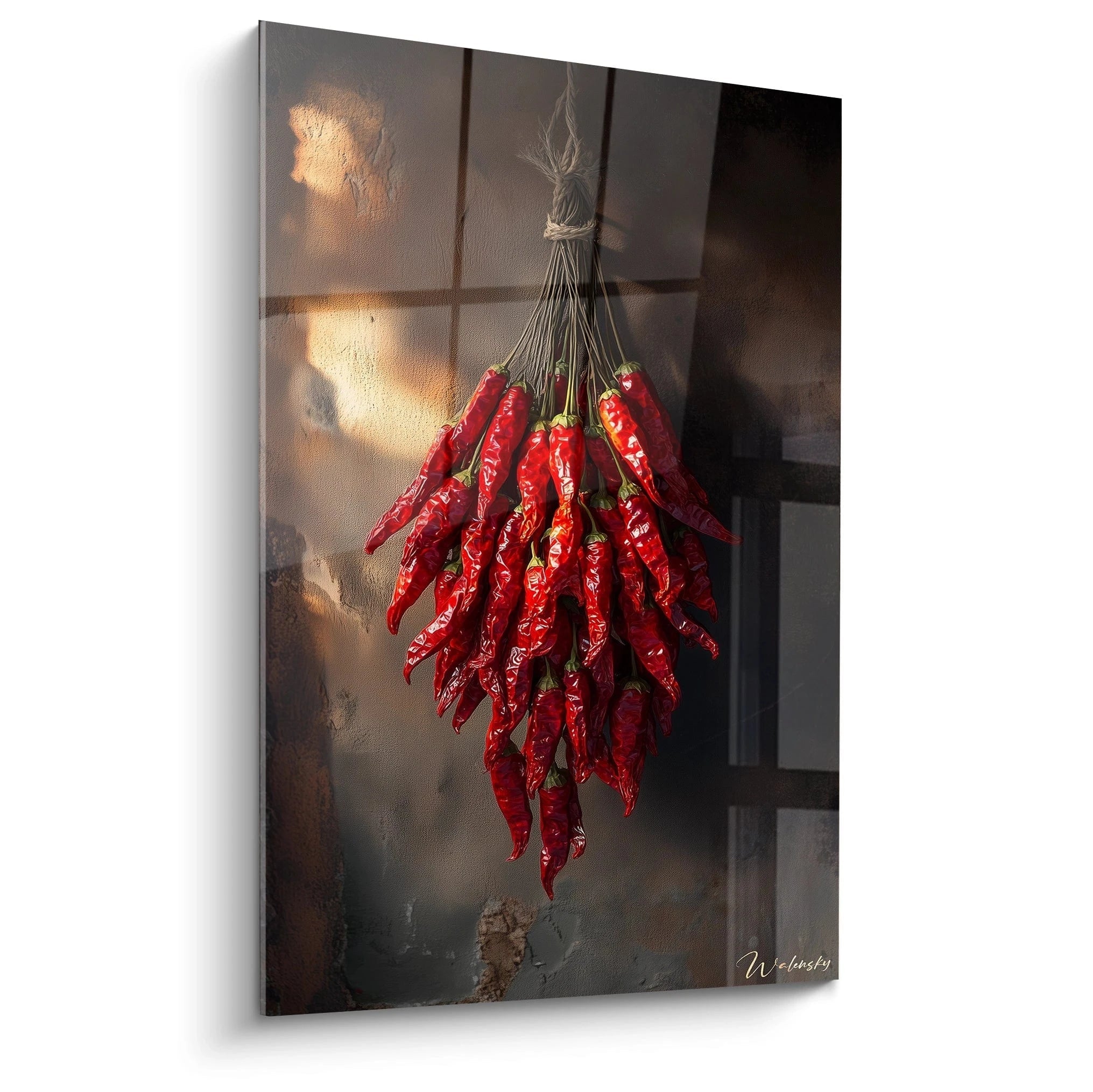
A ham suspended for drying, peppers strung in garlands, jars of fermented vegetables, or salted fish thus become complex pictorial subjects where the artist can explore play of shadows, patinas of time, and transformations of organic matter. These representations celebrate not only the ingenuity of preservation methods developed over centuries, but also their intrinsic aesthetic qualities.
In contemporary interiors, these paintings bring historical depth and cultural grounding that representations of modern industrial foods cannot offer. They constitute visual bridges between ancestral practices and current living spaces.
The art of composition in other foods wall art
Spatial composition holds paramount importance in other foods wall art, often reflecting the specific cultural codes of each region. Unlike the standardized arrangements of classical still lifes, these paintings respect the food hierarchies particular to each culinary tradition.
In Mediterranean representations, olive oil typically occupies a central position, while Nordic paintings often foreground bread or dairy products. These compositional choices are never arbitrary—they reflect the relative cultural importance of each food in its original context.
Discerning collectors particularly seek these paintings for their compositional authenticity, which testifies to genuine knowledge of represented food traditions. An artist who incorrectly positioned certain elements would immediately betray lack of familiarity with the gastronomic culture being depicted.
The evolution of regional food representations over time
Other foods wall art also constitutes valuable testimony to the evolution of regional food practices through time. By comparing works representing the same culinary traditions but created at different periods, one can observe subtle transformations in ingredients, utensils, and presentations.
These pictorial evolutions reflect broader societal changes: the introduction of new foods following commercial exchanges, adaptation of traditional recipes to modern constraints, or the influence of migration movements on local food practices.
For gastronomy history enthusiasts, a curated collection of other foods paintings from diverse periods offers a unique perspective on transformations in our relationship with food and regional traditions over time.
Other Foods Wall Art: Interfaces Between Culinary Heritage and Cultural Identities
Other foods wall art transcends its decorative function to become a genuine cultural ambassador. Far from standardized representations of fruits and vegetables, these works explore the symbolic, ritual, and identity dimensions of unconventional foods, offering visual immersion into world culinary heritage.
The cultural symbolism of represented foods
Each other foods painting functions as a portal to the value systems and beliefs of cultures it represents. The symbolic charge of chosen foods far exceeds their simple nutritional value to reveal meanings deeply anchored in the collective imagination of specific societies.
A painting depicting Eastern European ceremonial bread (korovai), Japanese mochis, or North African ceremonial spices captures far more than foods—it immortalizes vectors of cultural identity and ritual objects charged with ancestral significance. These representations allow appreciation of the sacred or ceremonial dimension of certain foods, too often reduced to their sole gastronomic value in contemporary discourse.
In domestic space, these paintings create a silent yet powerful dialogue with the observer, inviting consideration of the spiritual, social, and identity dimensions of food beyond the nutritive act.
How does other foods wall art reflect culinary migrations?
Other foods wall art constitutes fascinating visual testimony to cultural exchanges and population movements throughout history. By representing foods from mixed culinary traditions, these works narrate the history of trade routes, colonization, diasporas, and cross-influences that have shaped our current food heritage.
A painting illustrating Portuguese pastries with Arab influences (pastéis de nata), British curries inspired by Indian cuisine, or Mexican tacos al pastor with Lebanese origins thus becomes a historical document of human migration and resulting culinary adaptations. These representations allow concrete visualization of transmission, appropriation, and transformation processes characterizing food tradition evolution.
For collectors interested in cultural exchange history, these paintings offer unique perspective on how foods travel, transform, and integrate into new contexts while retaining visible traces of their origins.
The impact of food rituals on artistic composition
Rituals surrounding food preparation, service, and consumption deeply influence the visual structuring of other foods wall art. Unlike generalist still lifes, these works often respect the specific cultural choreography associated with represented food traditions.
* Hierarchical arrangement of foods according to ritual importance
* Presence of utensils or containers specific to food ceremonies
* Representation of culturally significant preparatory gestures
* Inclusion of non-food elements essential to the ritual (textiles, ornaments, ceremonial objects)
These paintings thus become visual guides to cultural protocols surrounding food, offering immediate and intuitive understanding of values underlying these practices. They effectively transmit the performative dimension of food, often neglected in more conventional food representations.
Other foods wall art as archives of traditional culinary knowledge
Beyond aesthetic value, other foods wall art functions as visual reservoirs of ancestral culinary knowledge. By representing specific preparation techniques, traditional utensils, or culturally significant ingredient combinations, these works participate in preservation and transmission of knowledge sometimes threatened with disappearance.
A painting detailing artisanal cheese production, regional charcuterie preparation, or ceremonial pastry elaboration can contain sufficient visual information to understand the essential process steps. These representations thus constitute valuable ethnographic documents, complementary to oral or written transmission of culinary techniques.
For dining spaces or culinary schools, these paintings represent far more than simple decorative elements—they function as permanent visual aide-mémoires of the gestures and knowledge founding gastronomic tradition identity.
The temporal dimension in representations of cultural foods
Other foods wall art often captures precise moments in the life cycle of represented foods, thus revealing cultural conceptions of time linked to food traditions. Unlike static representations of already-prepared foods, these works can illustrate transformation, maturation, or degradation processes integral to many culinary traditions.
A painting showing cheeses at different aging stages, fruits fermenting for traditional alcohol preparation, or meats undergoing drying visually narrates the patience required in elaborating certain food products. These temporal representations oppose the immediacy of contemporary food culture and remind of natural cycles' importance in traditional gastronomy.
In a world dominated by instantaneity, these paintings invite contemplation of slow processes characterizing many traditional food preparations, thus offering a soothing visual counterpoint to modern life's accelerated rhythms.
The influence of food prohibitions on pictorial aesthetics
Food taboos and restrictions specific to each culture significantly shape other foods wall art composition. These cultural or religious constraints do not limit artistic creativity but orient it toward specific visual solutions respecting the sensitivities of represented communities.
In paintings illustrating Jewish or Muslim culinary traditions, the visible absence of certain prohibited foods is often compensated by elaborate presentation of permitted alternatives. Similarly, representations of Hindu or Buddhist ritual meals celebrate plant abundance visually without resorting to animal products prescribed in these contexts.
These aesthetic adaptations to cultural food constraints contribute to the genre's richness and diversity while testifying to artists' respect for traditions they represent.
Other Foods Wall Art: Catalysts for Gustatory and Sensory Experiences in Culinary Spaces
Other foods wall art exerts profound sensory influence on spaces where it is displayed, transforming the culinary experience far beyond its simple decorative presence. These works act as amplifiers of gastronomic emotions, creating synesthetic bridges between vision and taste.
The synesthetic effect of other foods wall art on gustatory experience
The food synesthesia phenomenon provoked by other foods wall art constitutes its primary distinctive power. Research in neuroscience has demonstrated that viewing realistically represented foods triggers neurobiological reactions similar to those provoked by foods' actual presence.
A painting depicting foods rich in umami (aged cheeses, dried mushrooms, matured meats) subtly stimulates the same brain areas as their tasting, physiologically preparing diners for gustatory experience. This visual primer measurably increases perceived flavor intensity when similar dishes are subsequently consumed in this environment.
This neurobiological dimension explains why gourmet restaurateurs strategically select other foods wall art harmonizing with their menus—these works actively participate in the overall sensory experience offered to clients.
How does other foods wall art transform dining space acoustics?
Other foods wall art's influence on culinary environment extends beyond visual to affect dining space sound dimensions. Large-format paintings, particularly those depicting market food scenes or traditional banquets, subtly modify acoustic properties of spaces where they are installed.
These expansive pictorial surfaces act as natural acoustic regulators, absorbing certain sound frequencies while reflecting others. This modulation creates microacoustic environments favoring intimate conversations and concentration on gustatory experience, particularly valuable in contemporary dining spaces often characterized by sound-reflecting surfaces producing echoes.
* Preferential absorption of irritating high frequencies (dinnerware tinkling, metallic noise)
* Creation of acoustic pockets favoring conversational intimacy
* Stabilization of sudden sound variations for more harmonious auditory experience
These acoustic qualities, though subtle, significantly contribute to diner comfort and flavor appreciation, as human brains can allocate more attentional resources to gustatory perception in an optimized sound environment.
Other foods wall art's role in stimulating gustatory memory
Other foods wall art functions as powerful mnemonic triggers, instantly activating gustatory memories associated with represented foods. This memory evocation capacity constitutes their unique added value compared to other wall decoration types in culinary context.
A painting illustrating rare regional specialties or traditional seasonal preparations immediately reactivates sensory memories of observers familiar with these foods. This gustatory reminiscence considerably enriches dining experience in the presence of these works, creating permanent dialogue between memory and immediate perception.
For gourmet collectors, acquiring paintings representing personally significant foods thus enables maintaining emotional and sensory connection with culinary traditions sometimes inaccessible daily—whether regional specialties from distant origins or seasonal preparations available only at certain times.
Other foods wall art's influence on eating behavior
Behavioral psychology studies have highlighted other foods wall art's significant impact on consumption habits in their display environment. Unlike standardized advertising representations, these artistic works subtly influence food choices without creating conscious resistance reactions.
Domestic or commercial spaces adorned with paintings celebrating regional food traditions and seasonal products naturally encourage similar eating behaviors. This influence operates through positive cognitive priming rather than explicit prescription, making its efficacy particularly enduring.
This behavioral dimension explains growing integration of these paintings in food educational spaces (culinary schools, nutrition workshops) where they contribute to creating a visually coherent environment with transmitted pedagogical messages.
Other foods wall art as facilitators of gastronomic cultural exchanges
Other foods wall art plays a unique mediating role in multicultural dining spaces. By visually representing potentially unfamiliar food traditions, these works facilitate approaching culinary otherness by providing visual references demystifying unfamiliar foods.
A restaurant offering international specialties benefits considerably from installing paintings authentically illustrating these dishes' original cultural contexts. These visual representations reduce food anxiety facing the unknown and sensorially prepare diners for new gustatory experiences.
This mediating function extends to domestic spaces, where these paintings favor conversations around world culinary diversity, particularly valuable for children's food education and openness to varied gastronomic heritage.
The olfactory dimension evoked by other foods wall art
High-quality other foods wall art manages to subtly suggest the olfactory dimension of represented subjects, creating a remarkably complete sensory experience. This aromatic evocation through visual representation alone constitutes a particular artistic achievement sought by collectors.
Pictorial techniques enabling this olfactory suggestion include notably:
* Strategic use of texture evoking aromatic qualities (shiny surfaces for moist foods with volatile aromas)
* Meticulous representation of transformations visible from aromatic compounds (surface condensation, oxidation traces)
* Inclusion of contextual clues linked to preservation or aromatic extraction practices (smokehouses, drying rooms, stills)
This olfactory dimension transforms observation experience into genuine sensory immersion, particularly appreciated in professional gastronomic spaces seeking to create comprehensive and coherent client experience.
FAQ on Other Foods Wall Art
What is the difference between a classical food painting and an other foods wall art?
Other foods wall art distinguishes itself through focusing on unconventional food products in decorative art, such as spices, cheeses, cured meats, or traditional pastries. Unlike classical still lifes centered on fruits and vegetables, these works explore the cultural, ritual, and identity dimensions of specific culinary traditions, offering deeper visual immersion into gastronomic heritage.
How do I harmoniously integrate other foods wall art into my contemporary kitchen?
To integrate other foods wall art into modern kitchens, prioritize balanced contrast between represented subjects' traditional character and your space's contemporary aesthetics. Opt for minimalist framing that highlights the work without weighing it down. Position the painting at eye level in a space where it can be contemplated during culinary preparation moments, thus creating dialogue between your current food practices and represented traditions.
Can other foods wall art positively influence dining experience?
Yes, neuroscience research confirms that other foods wall art stimulates the same brain areas as represented foods' actual presence. This visual primer physiologically prepares the brain for gustatory experience, amplifying flavor perception and enriching the overall sensory experience of meals taken in the presence of these works. This food synesthesia explains why these paintings are particularly sought in professional gastronomic spaces.