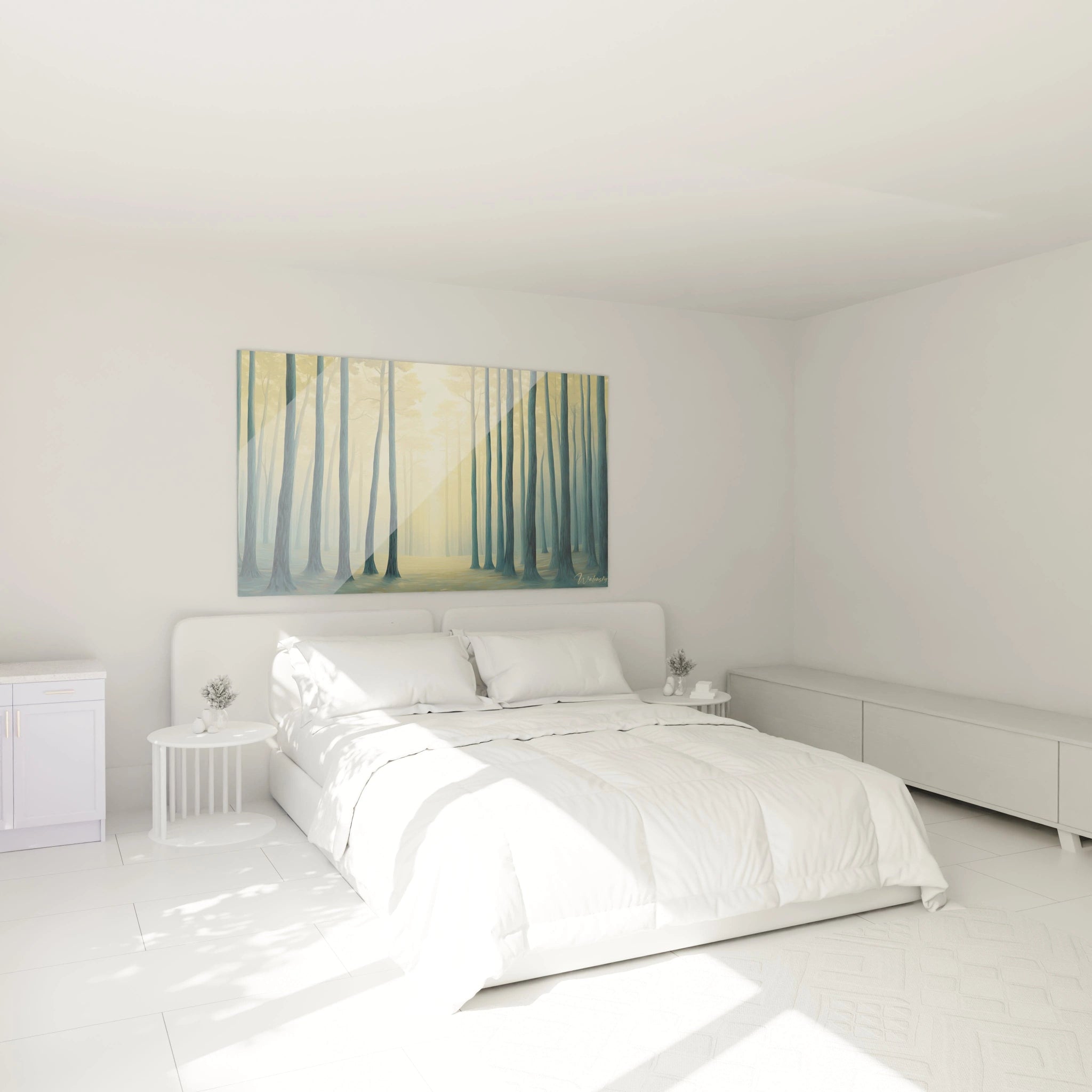
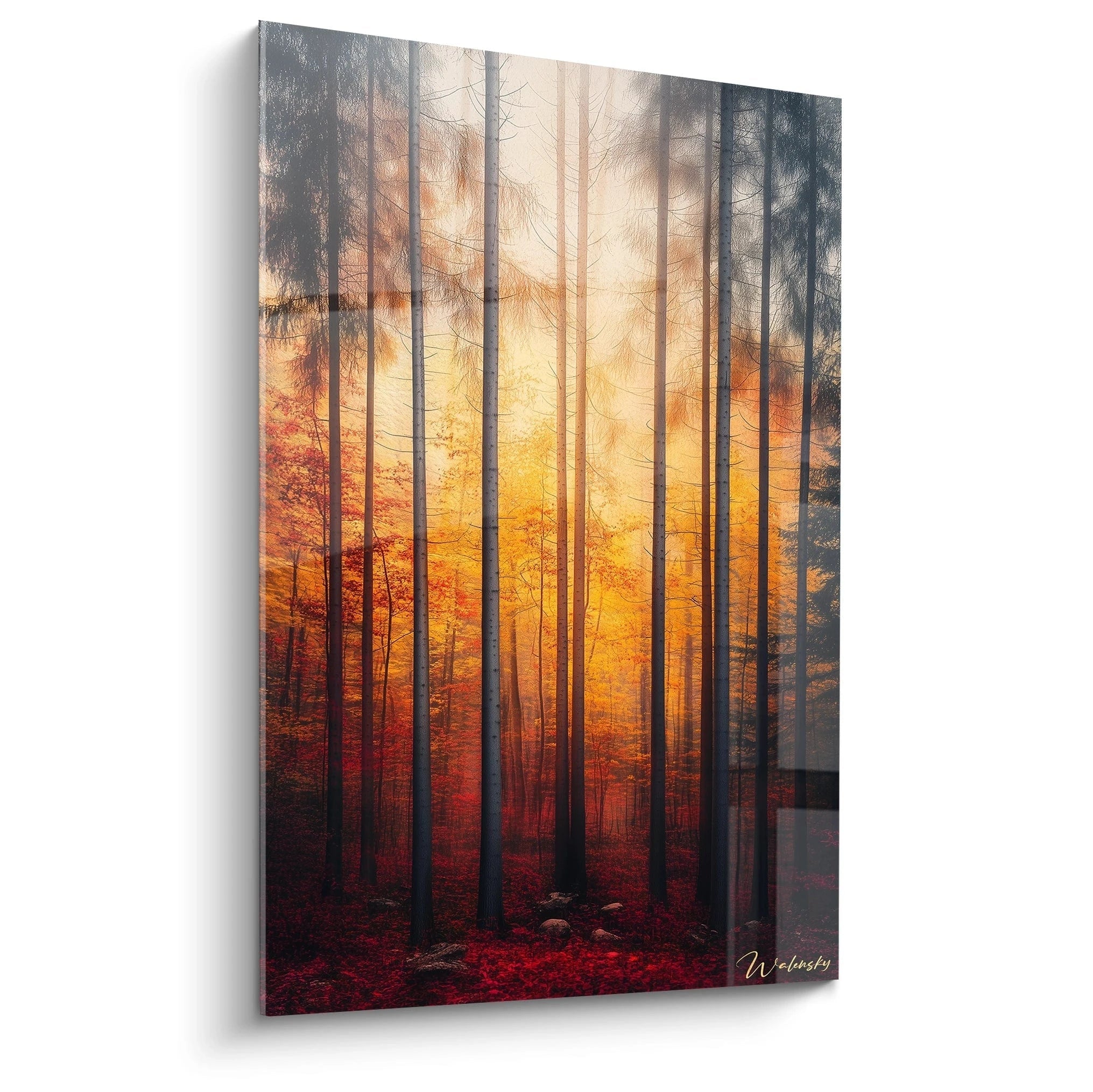
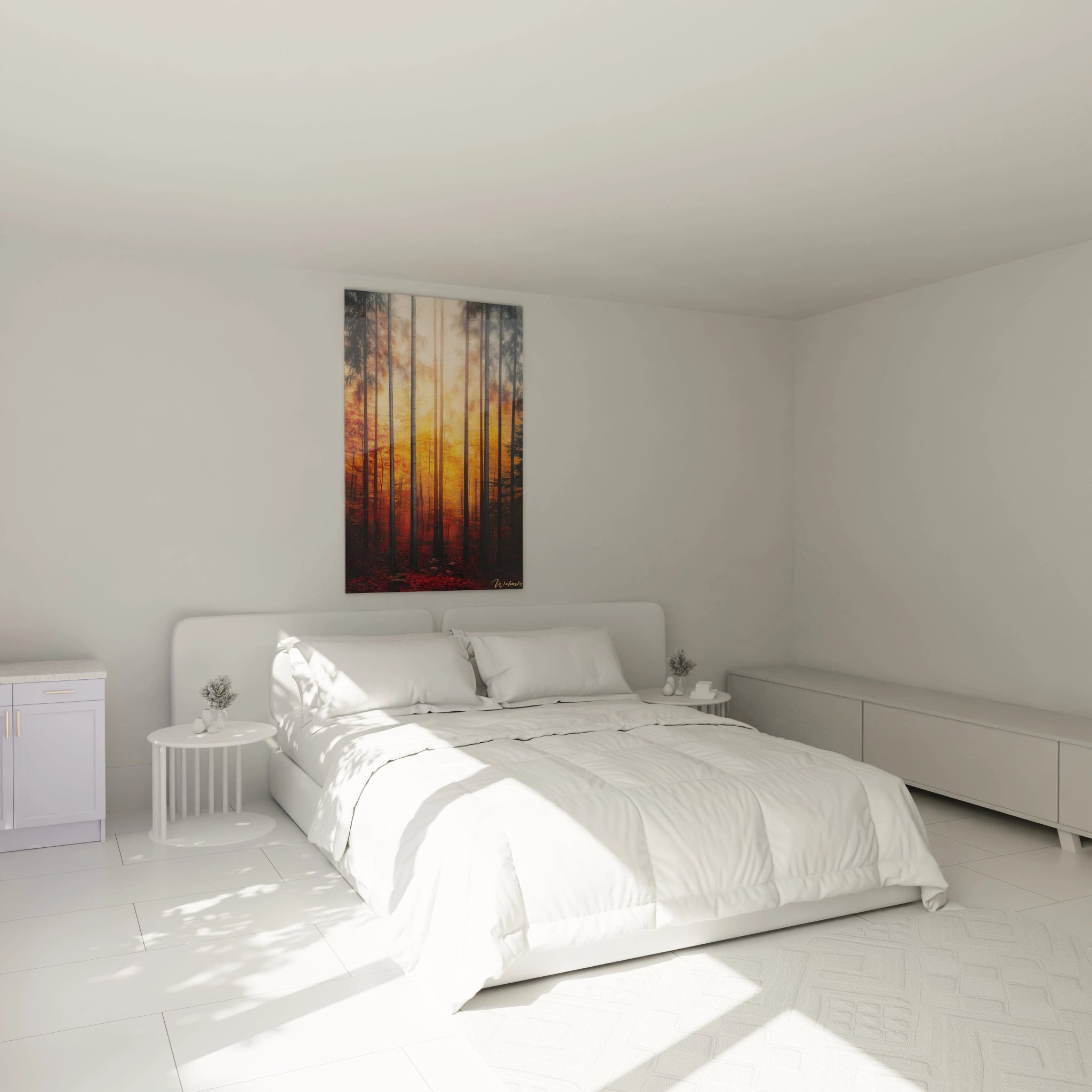
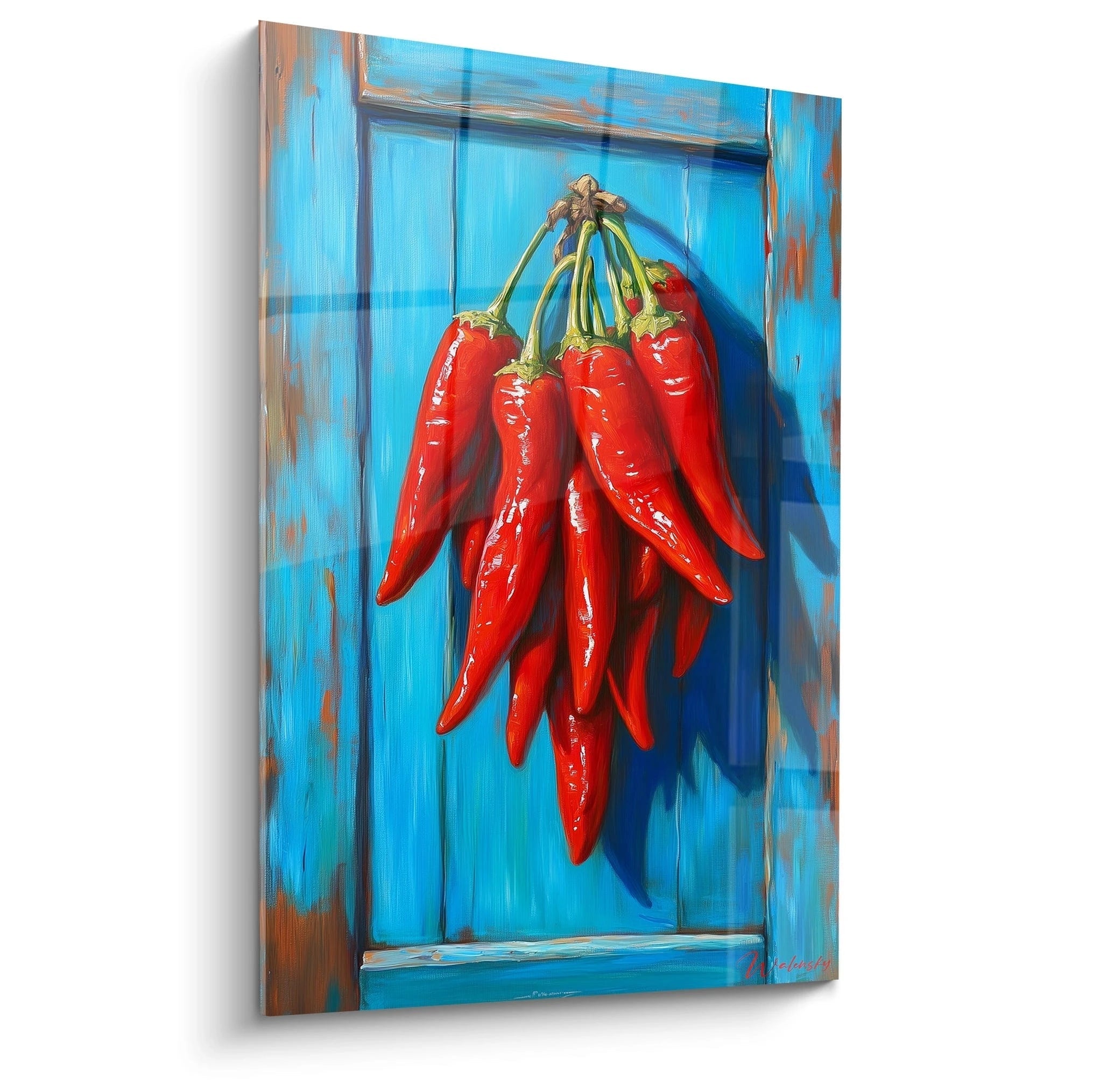
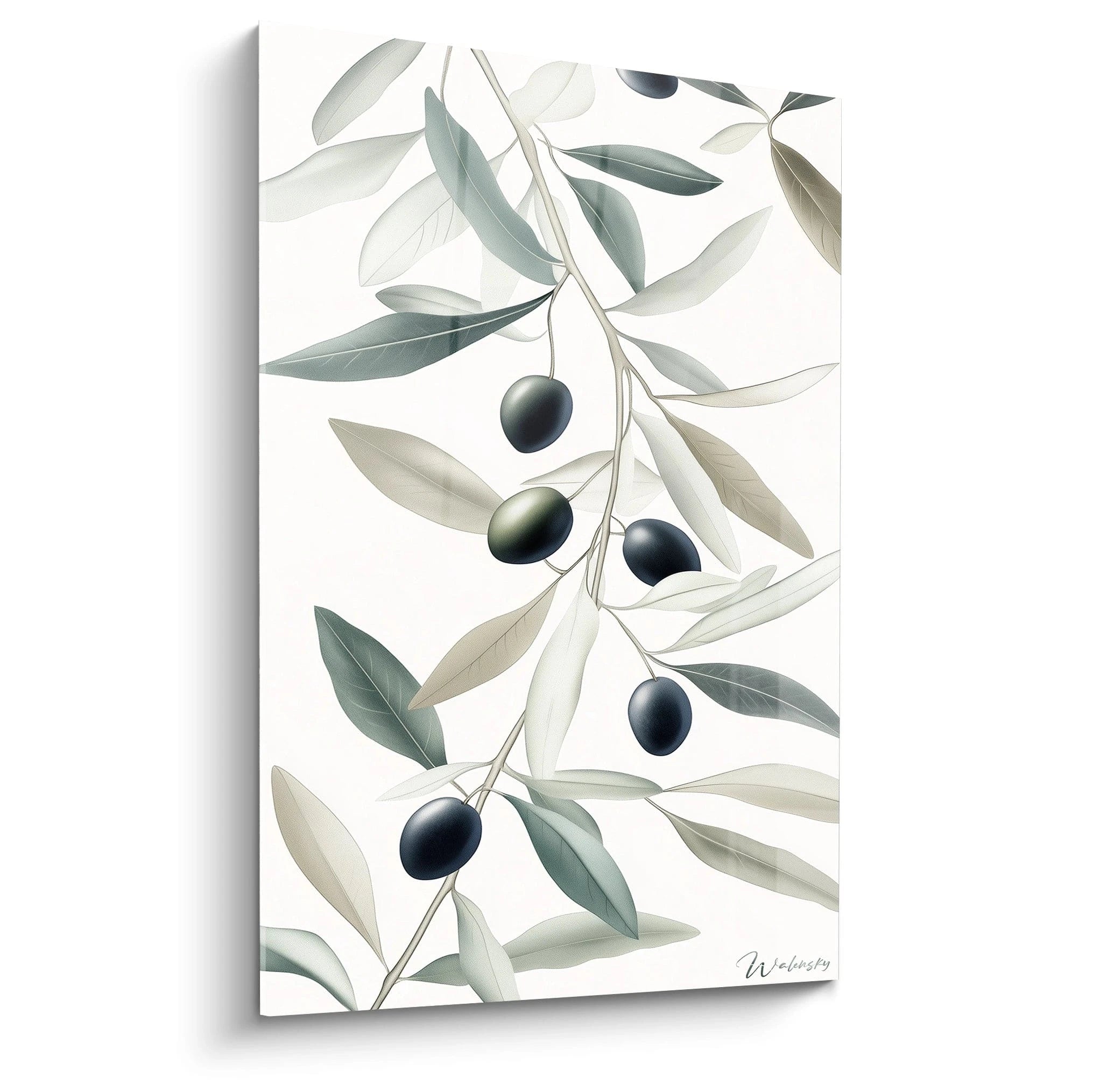
- Nature Wall Art Presentation
- Immersive Nature Wall Art
- Biophilic Nature Wall Art
- Seasonal Nature Wall Art
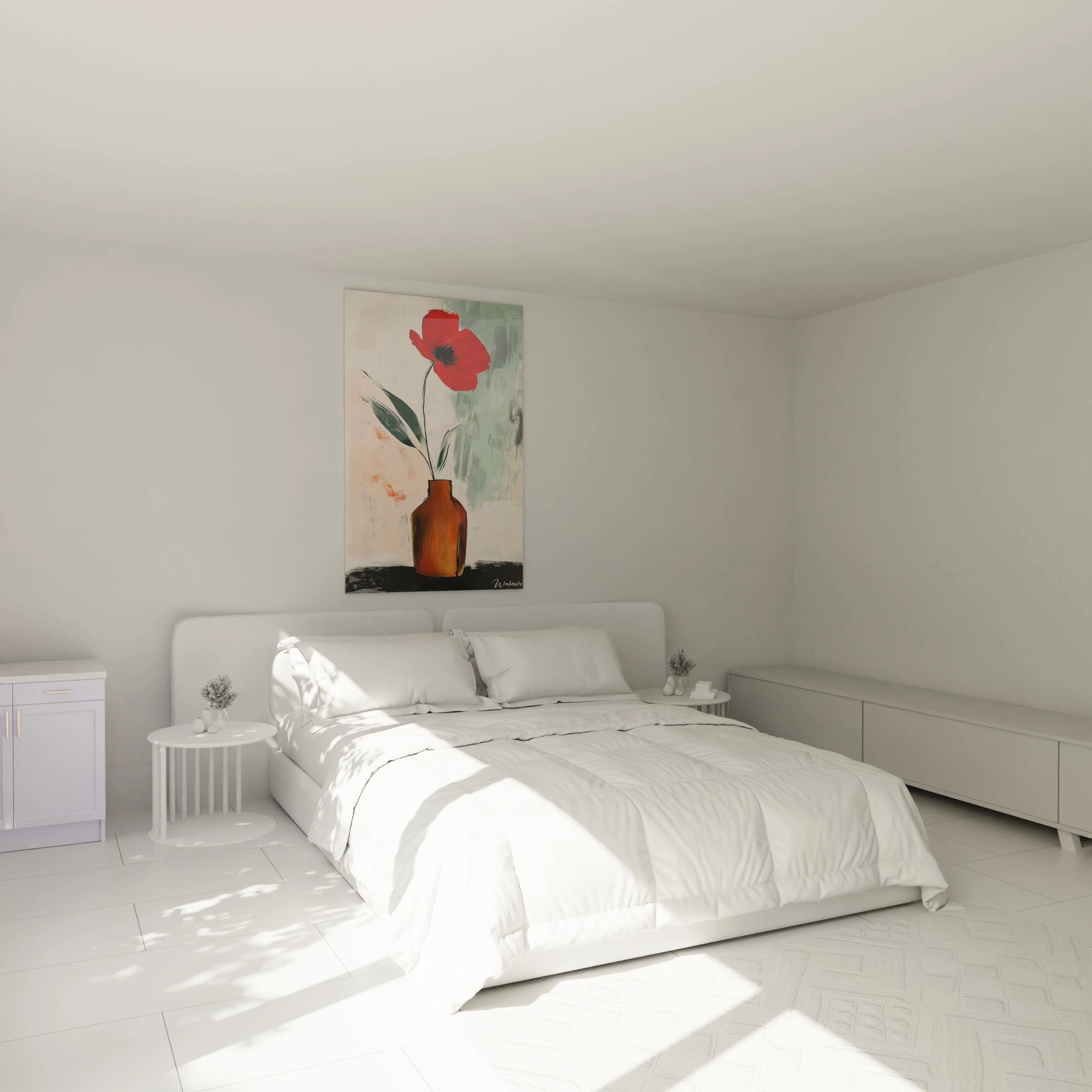
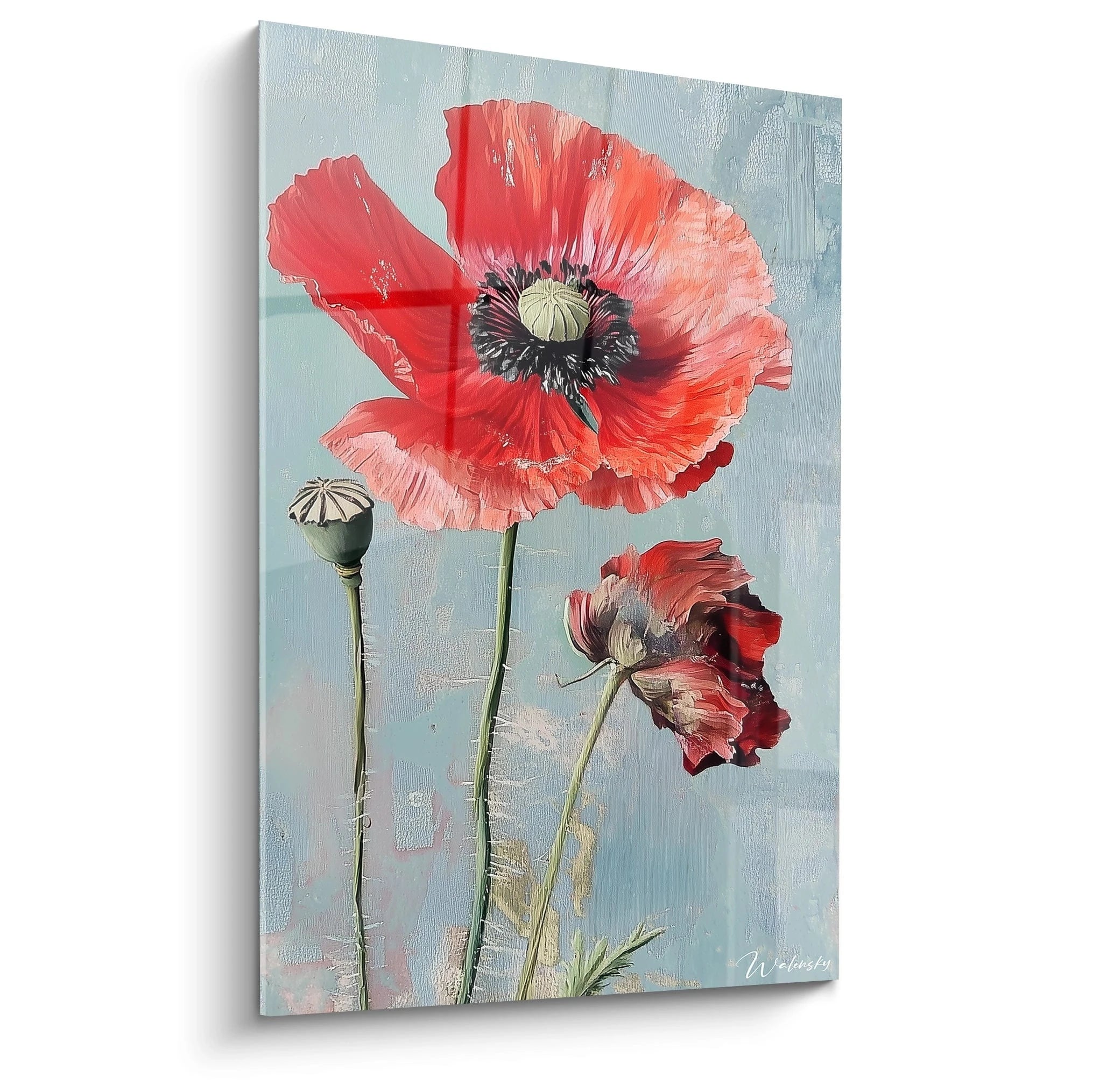
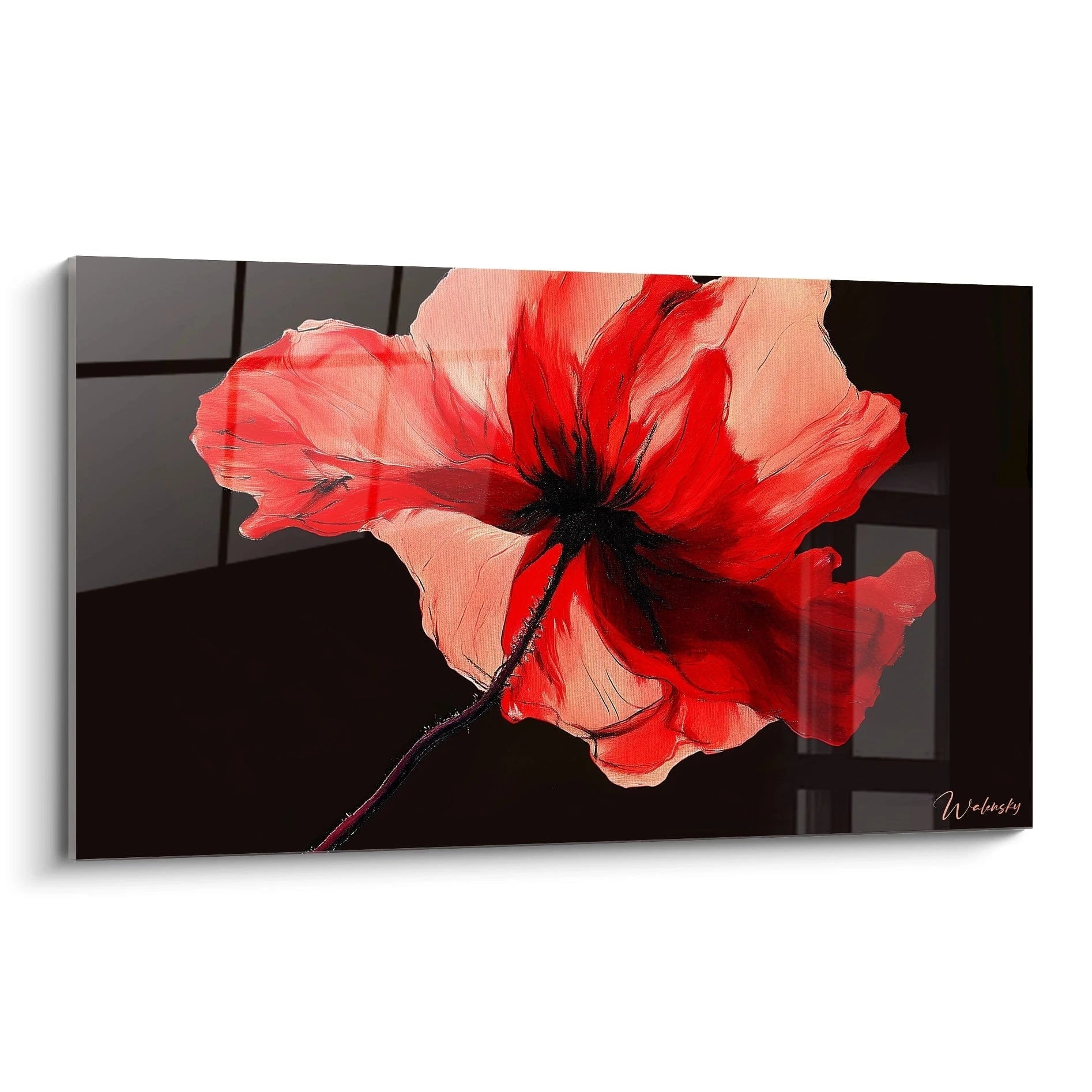
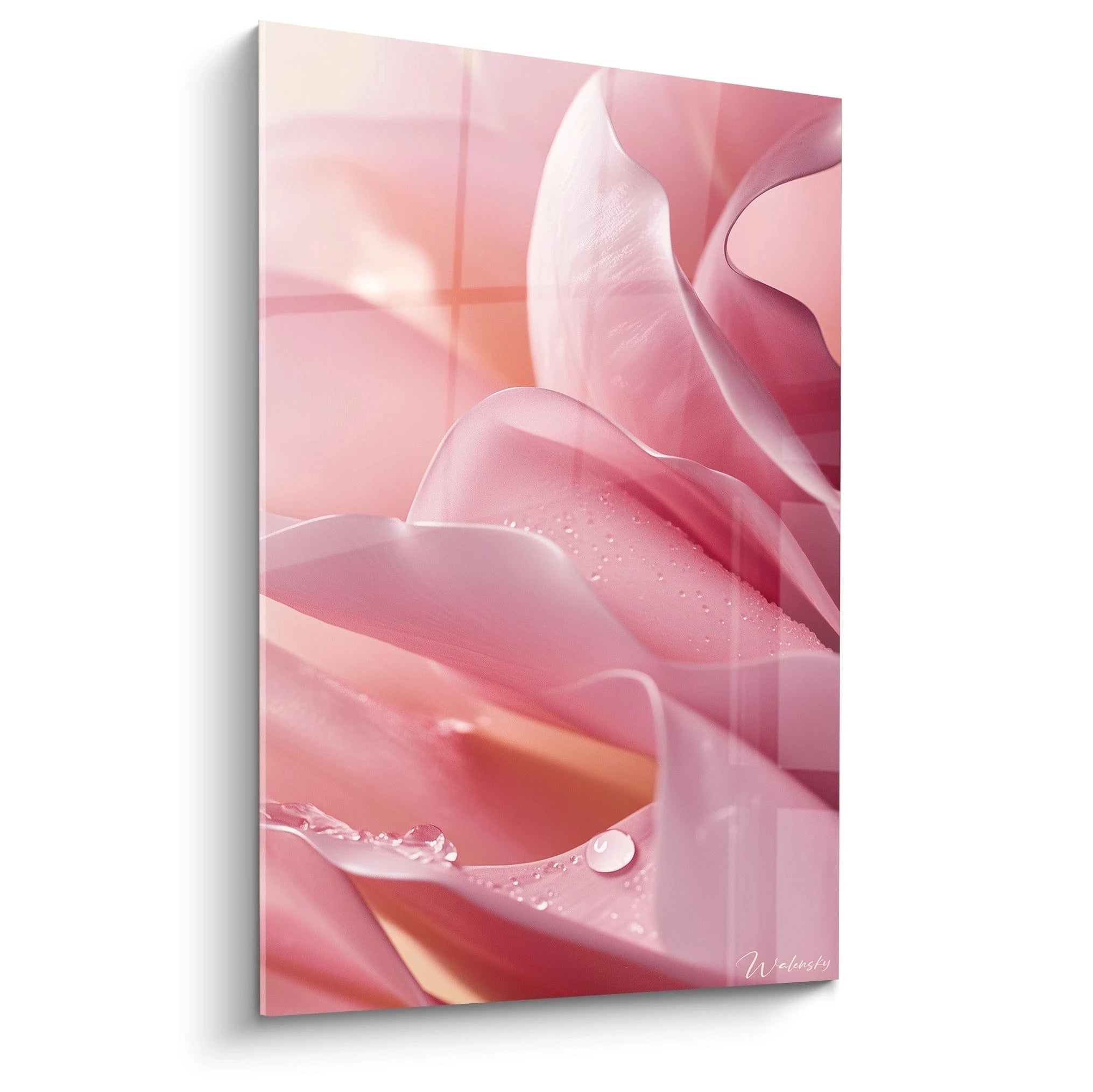
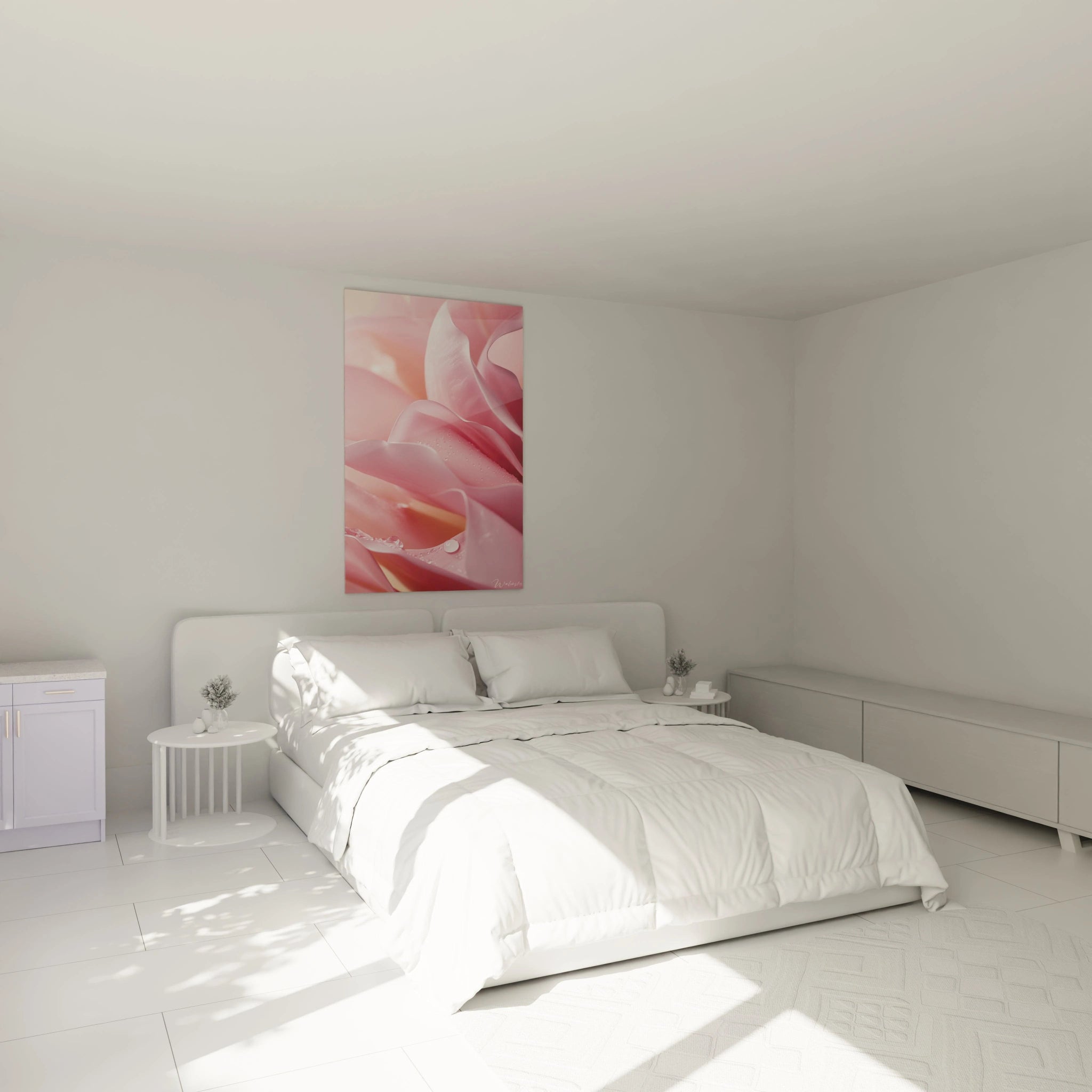
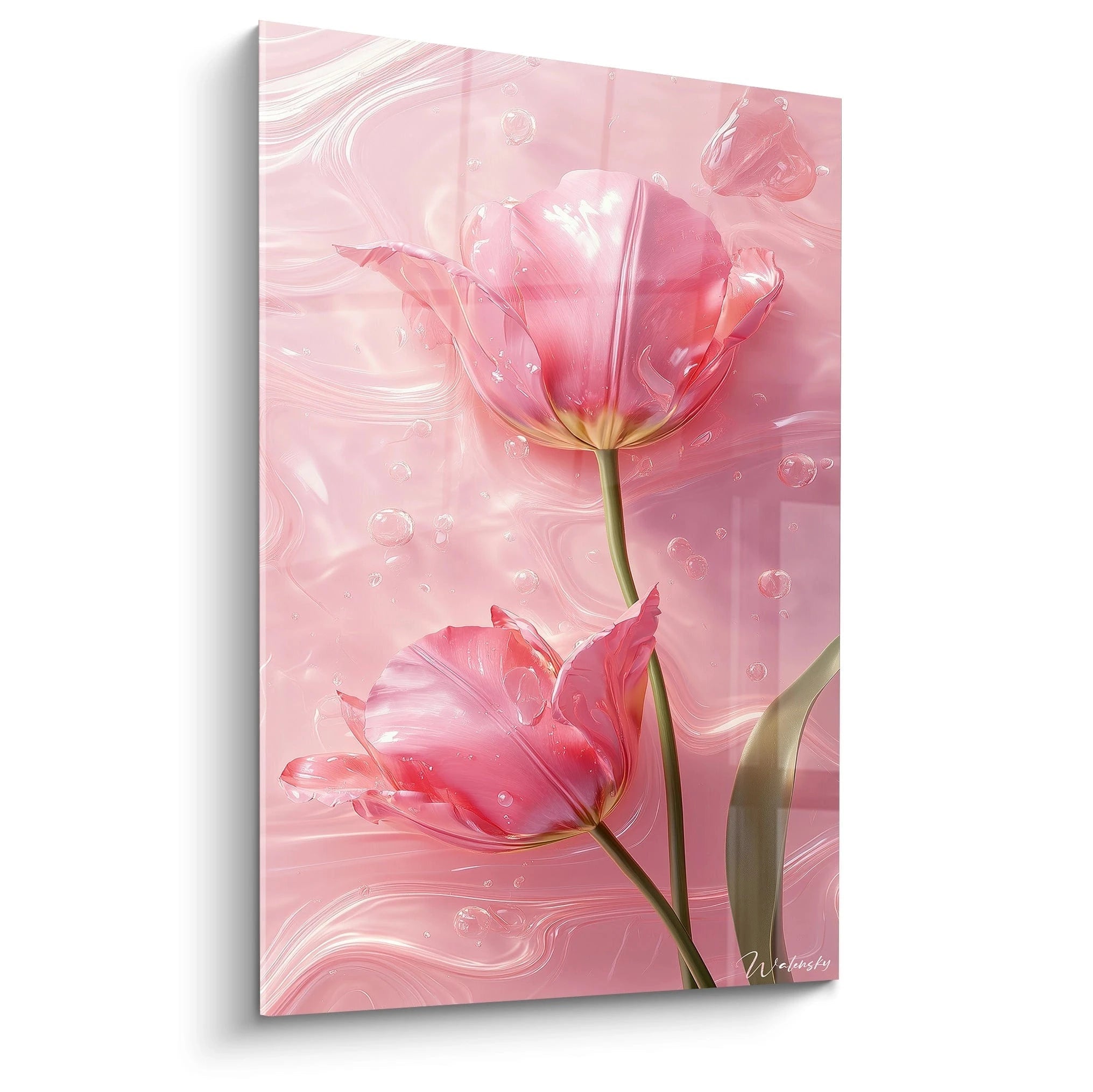
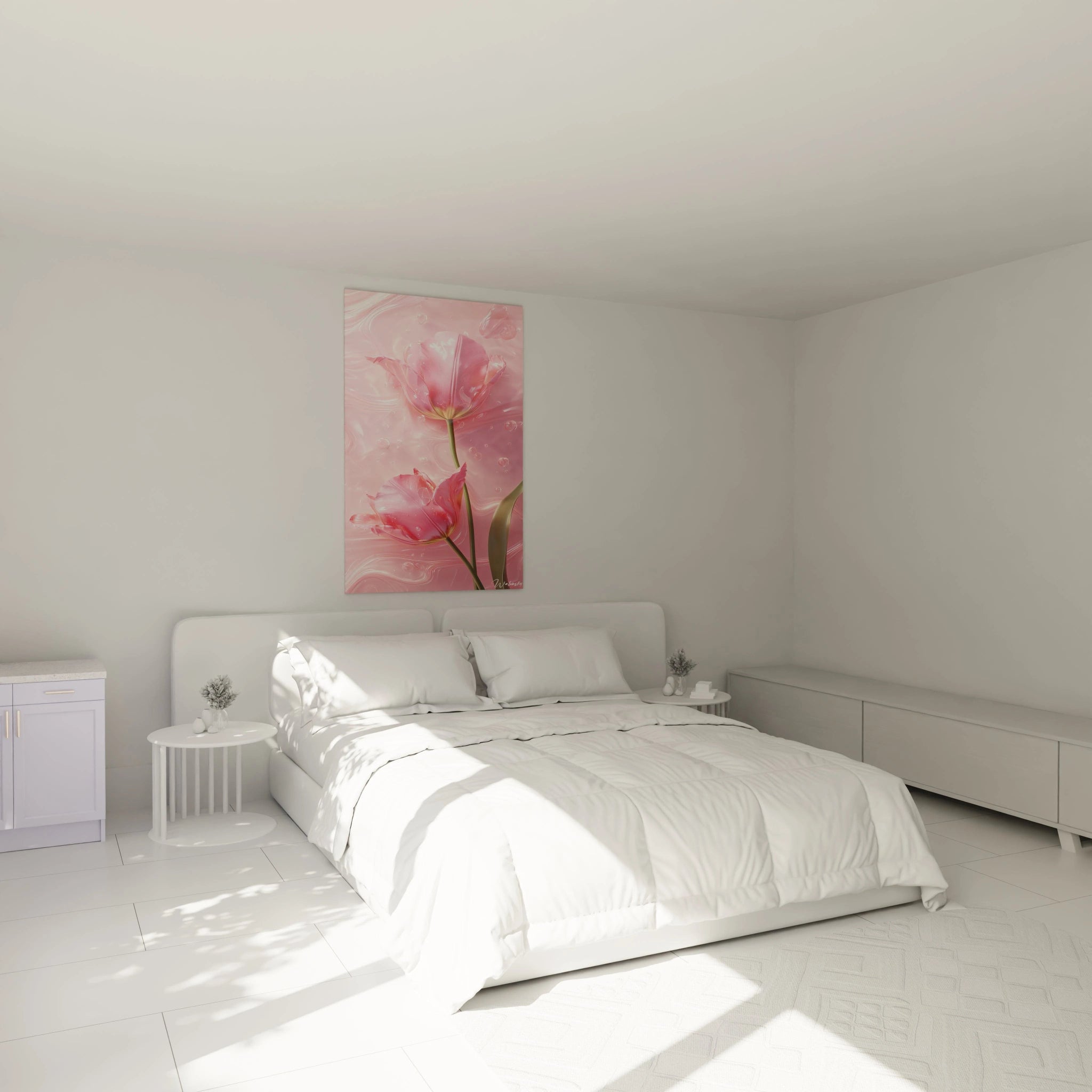
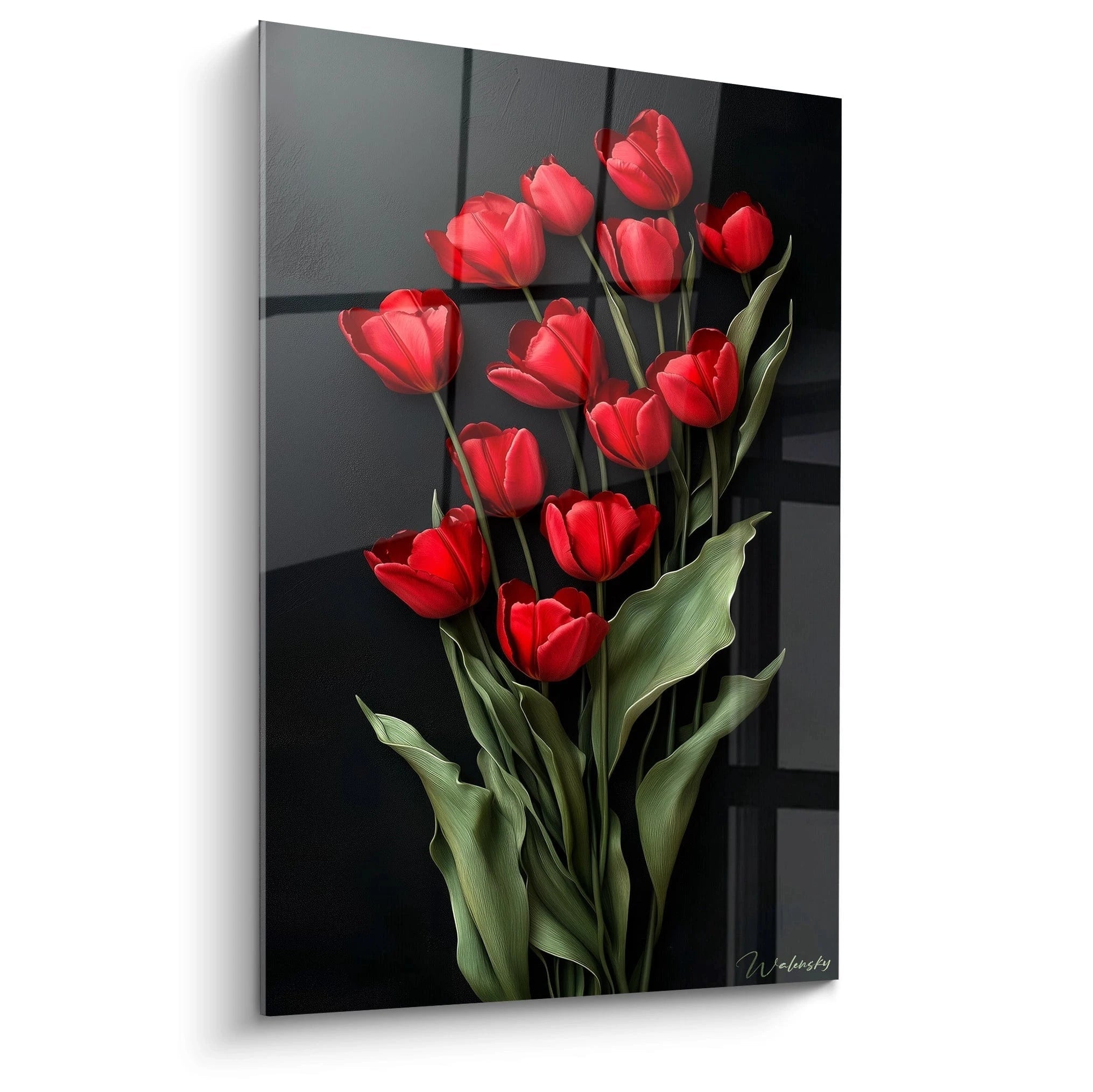
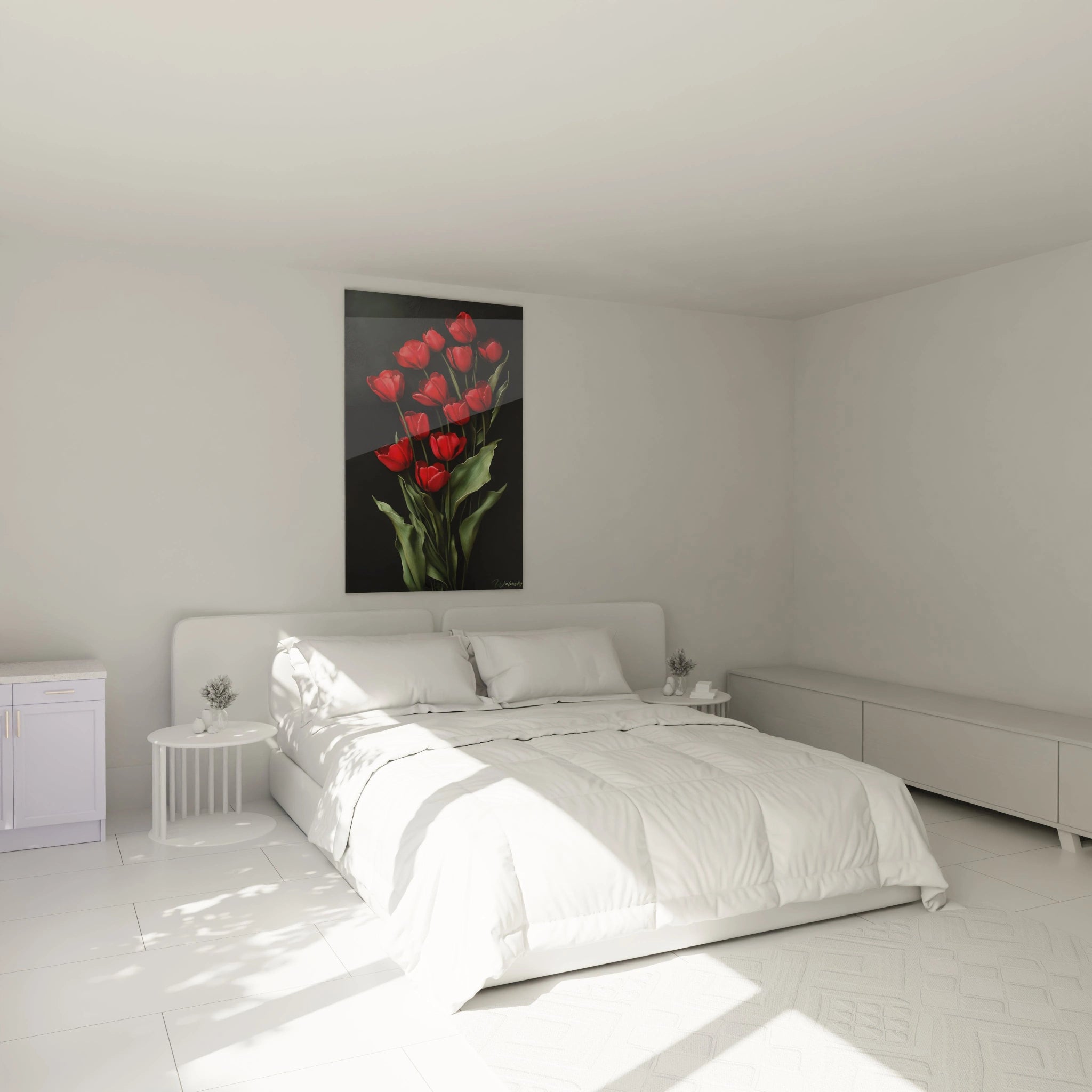
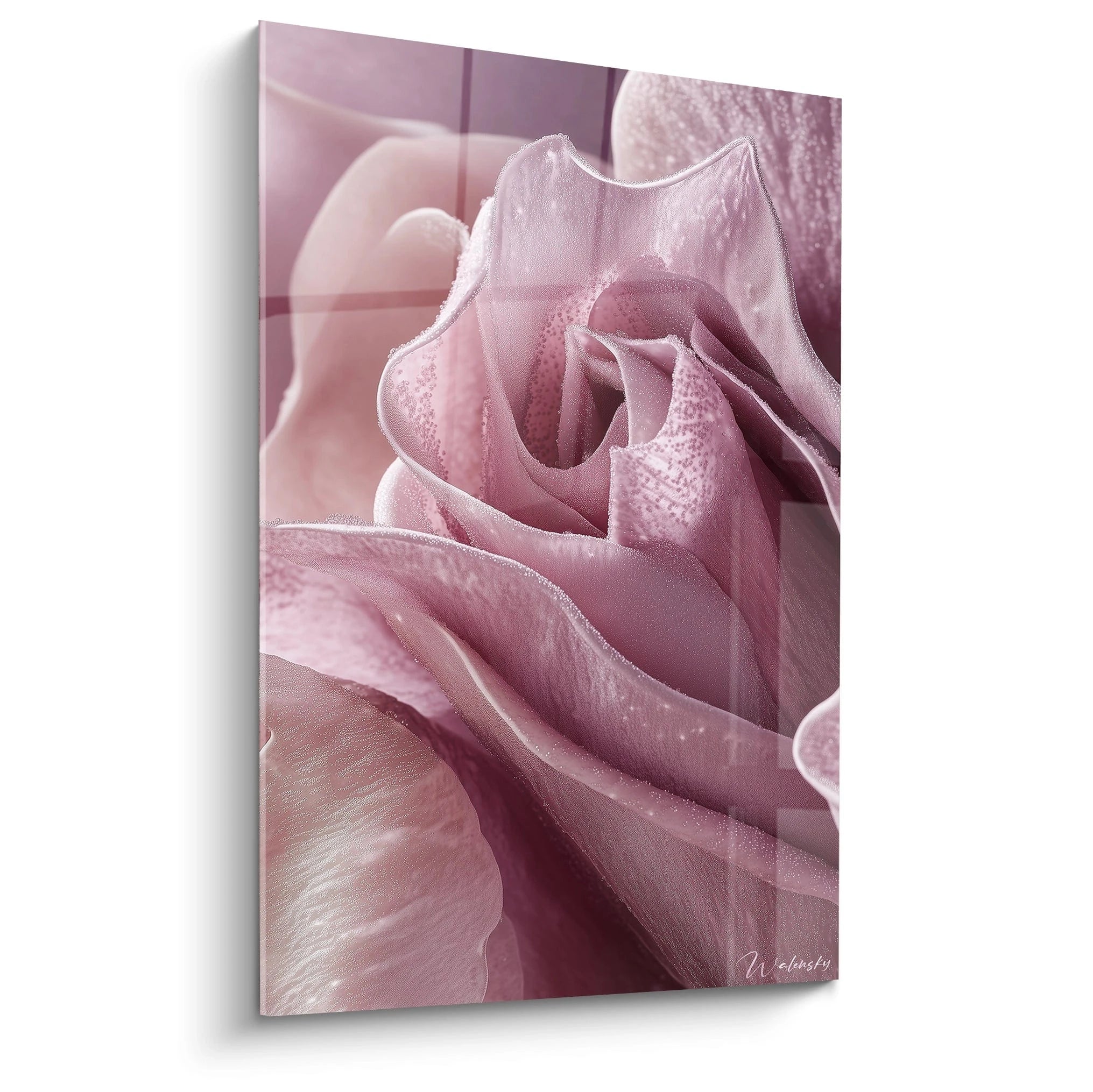
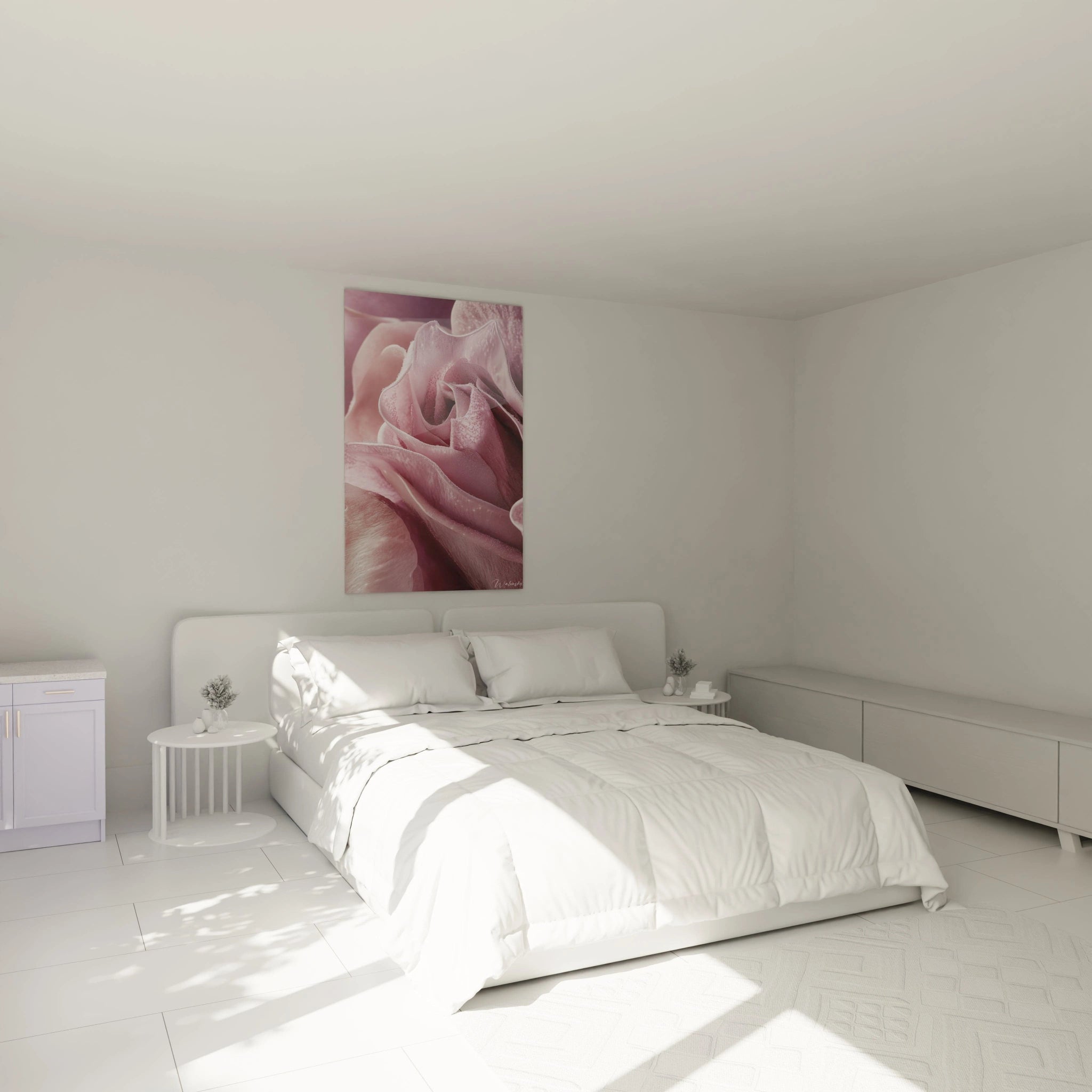
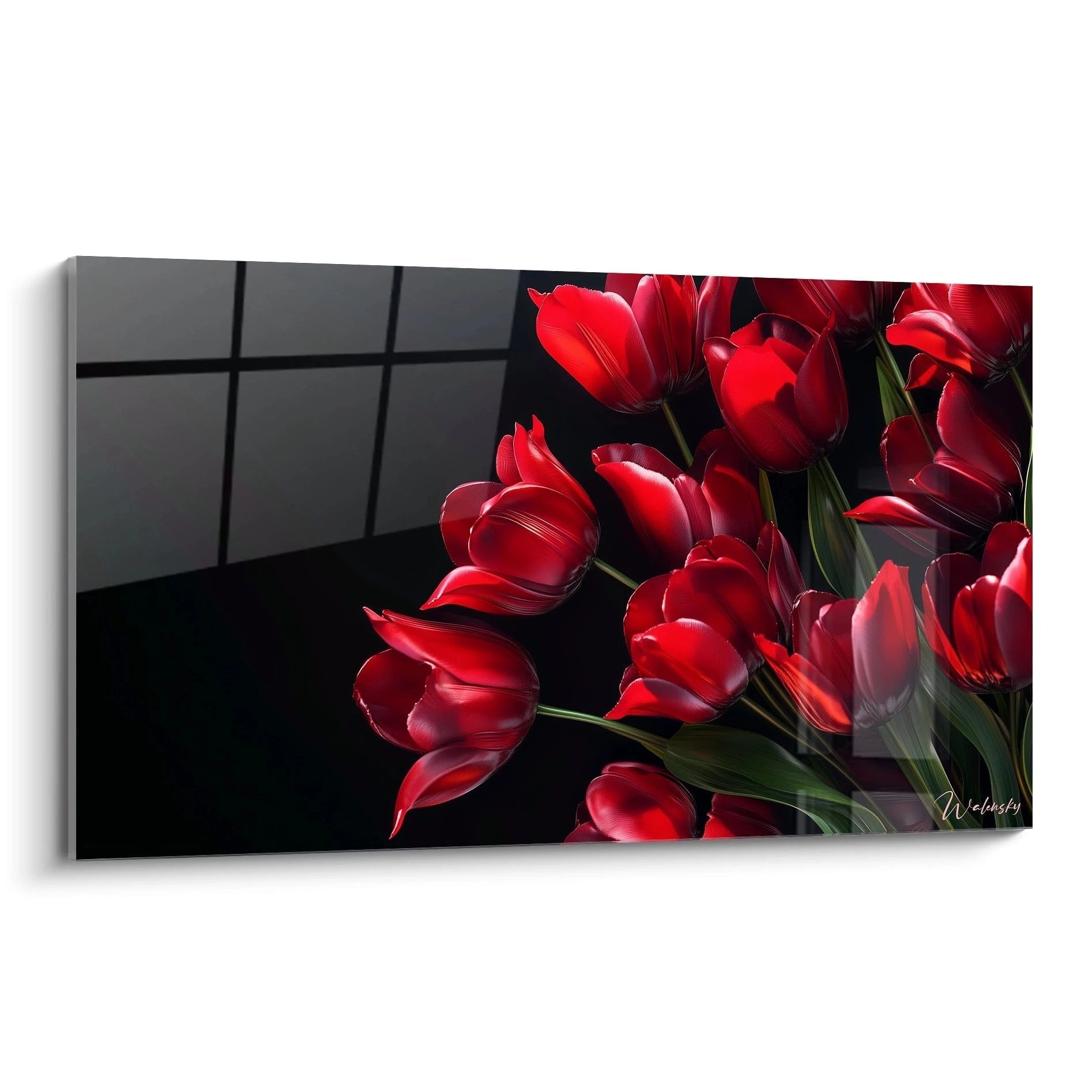
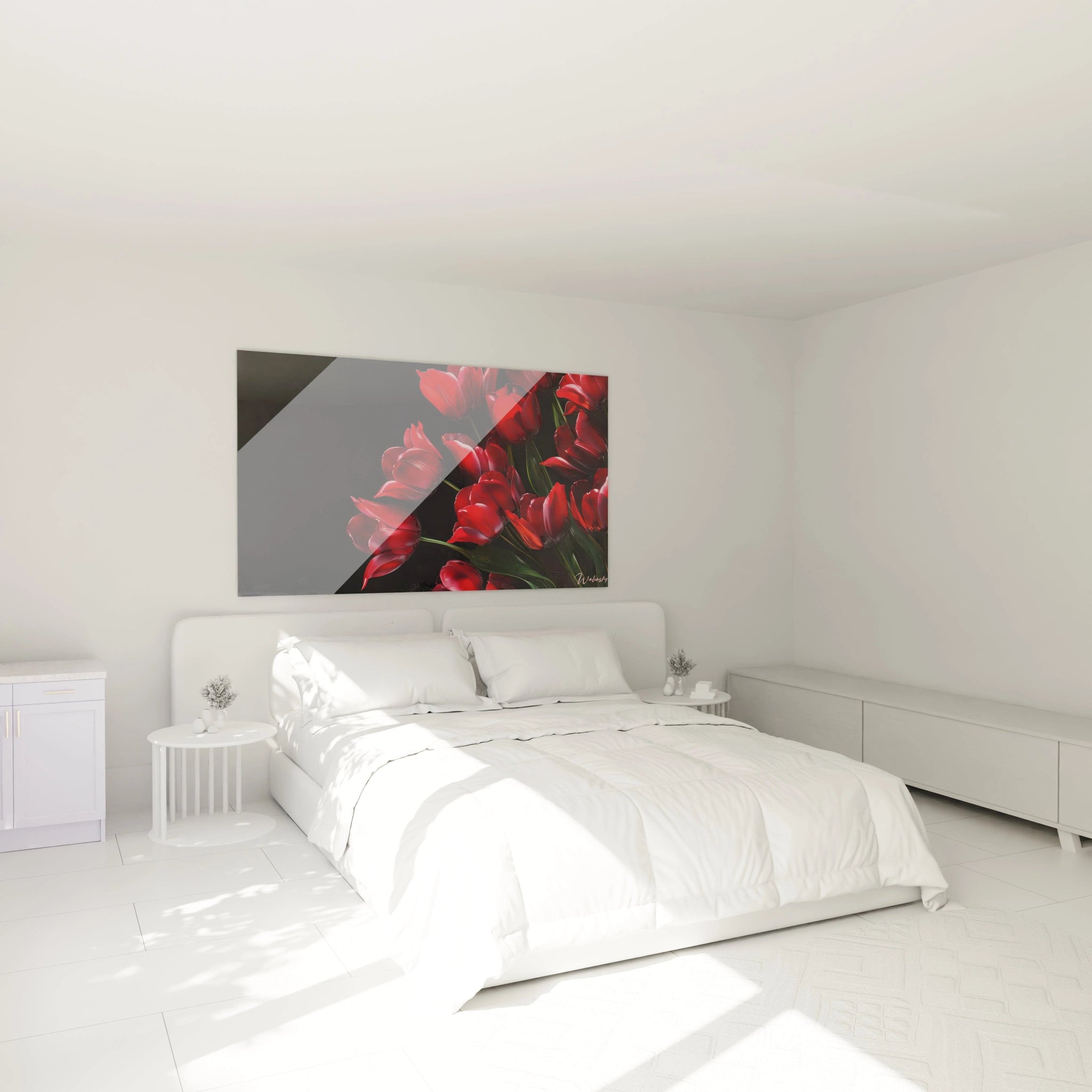
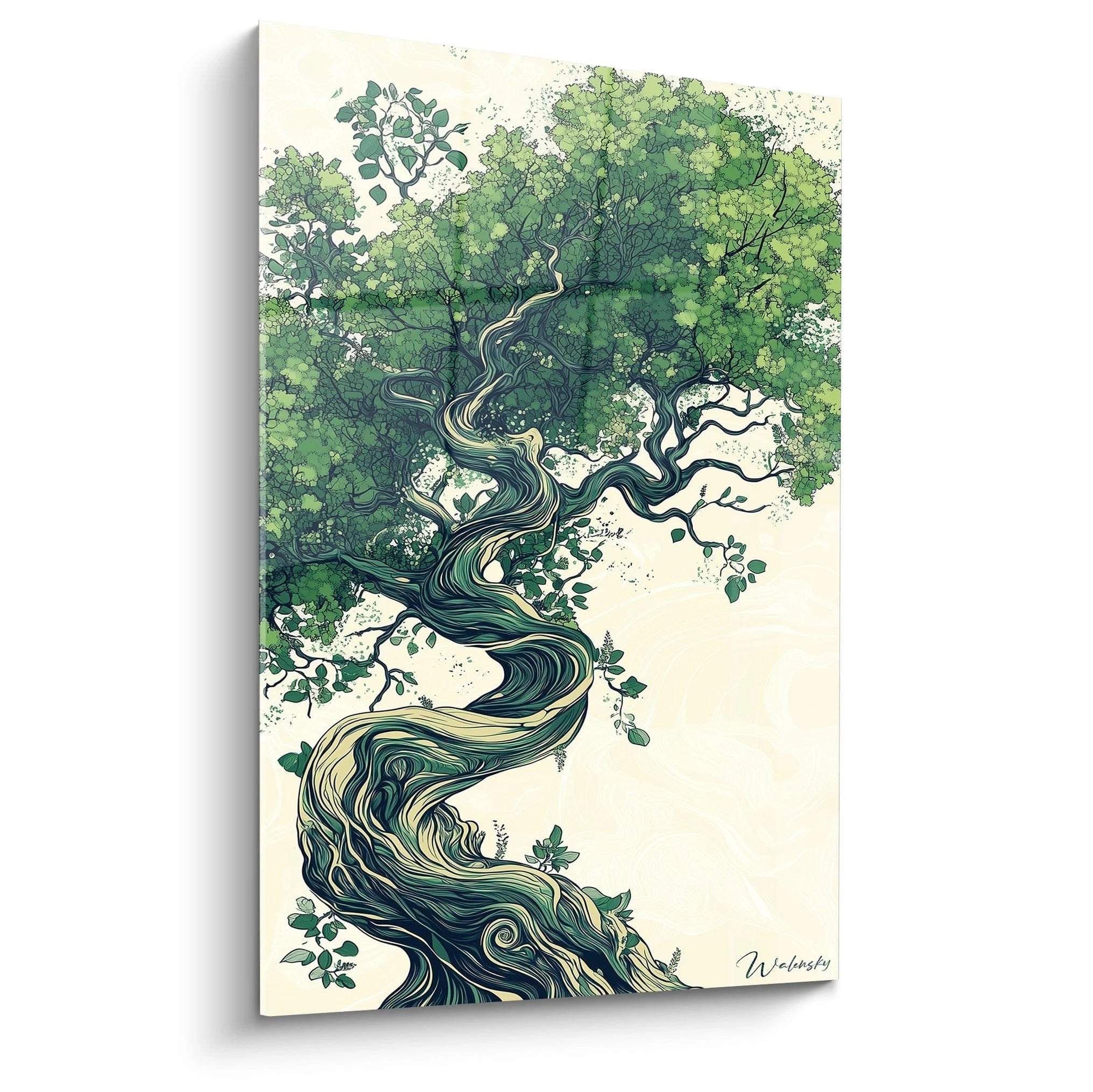
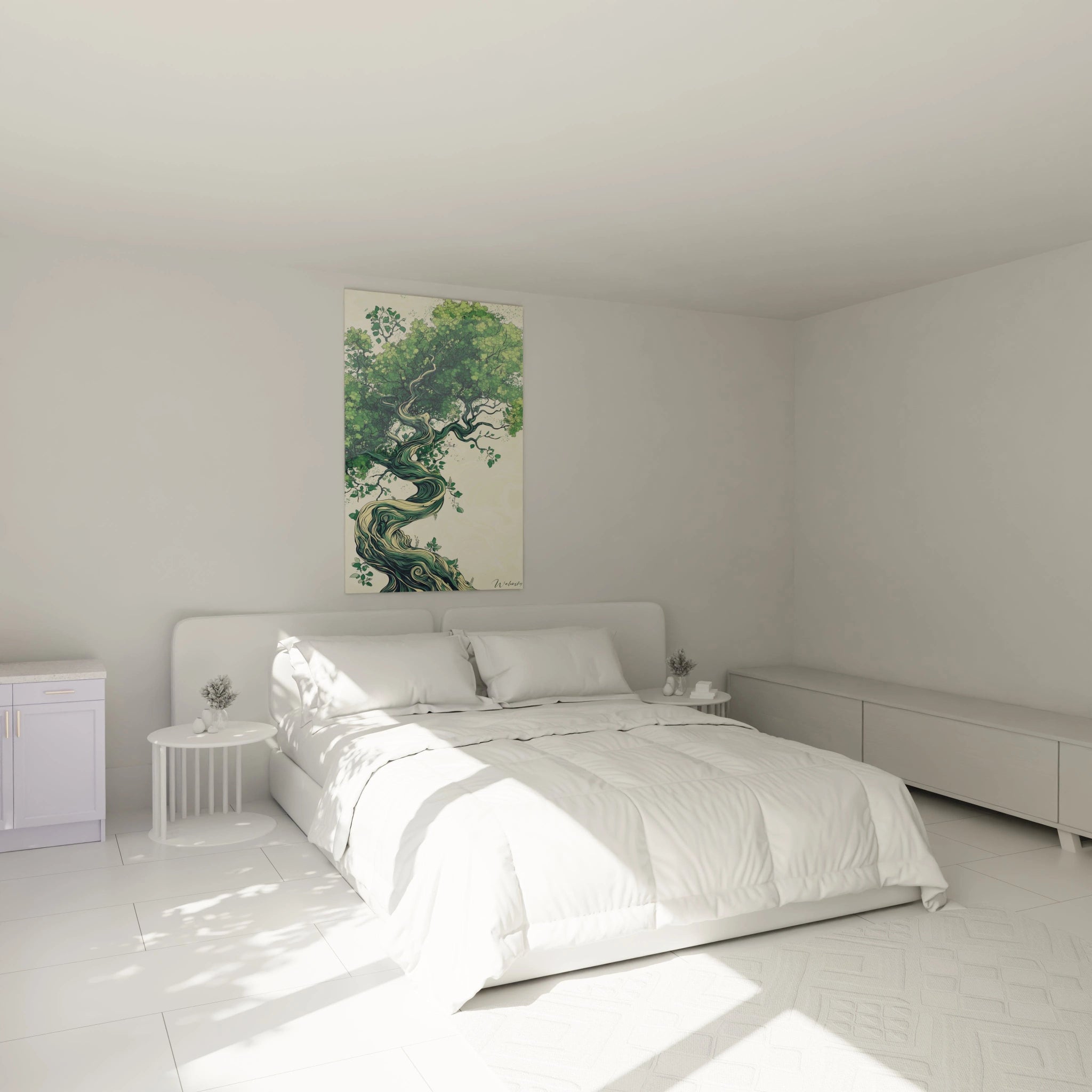
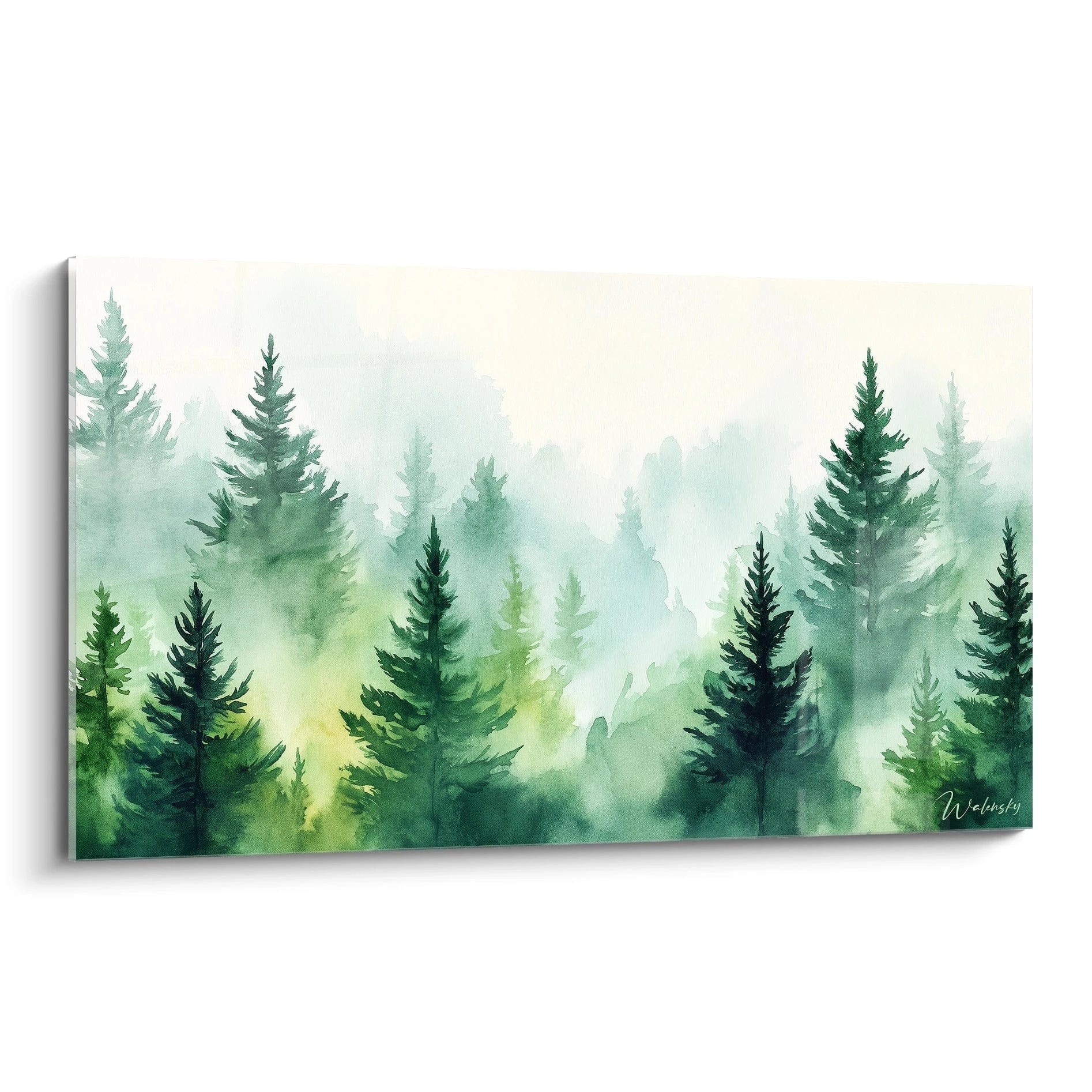
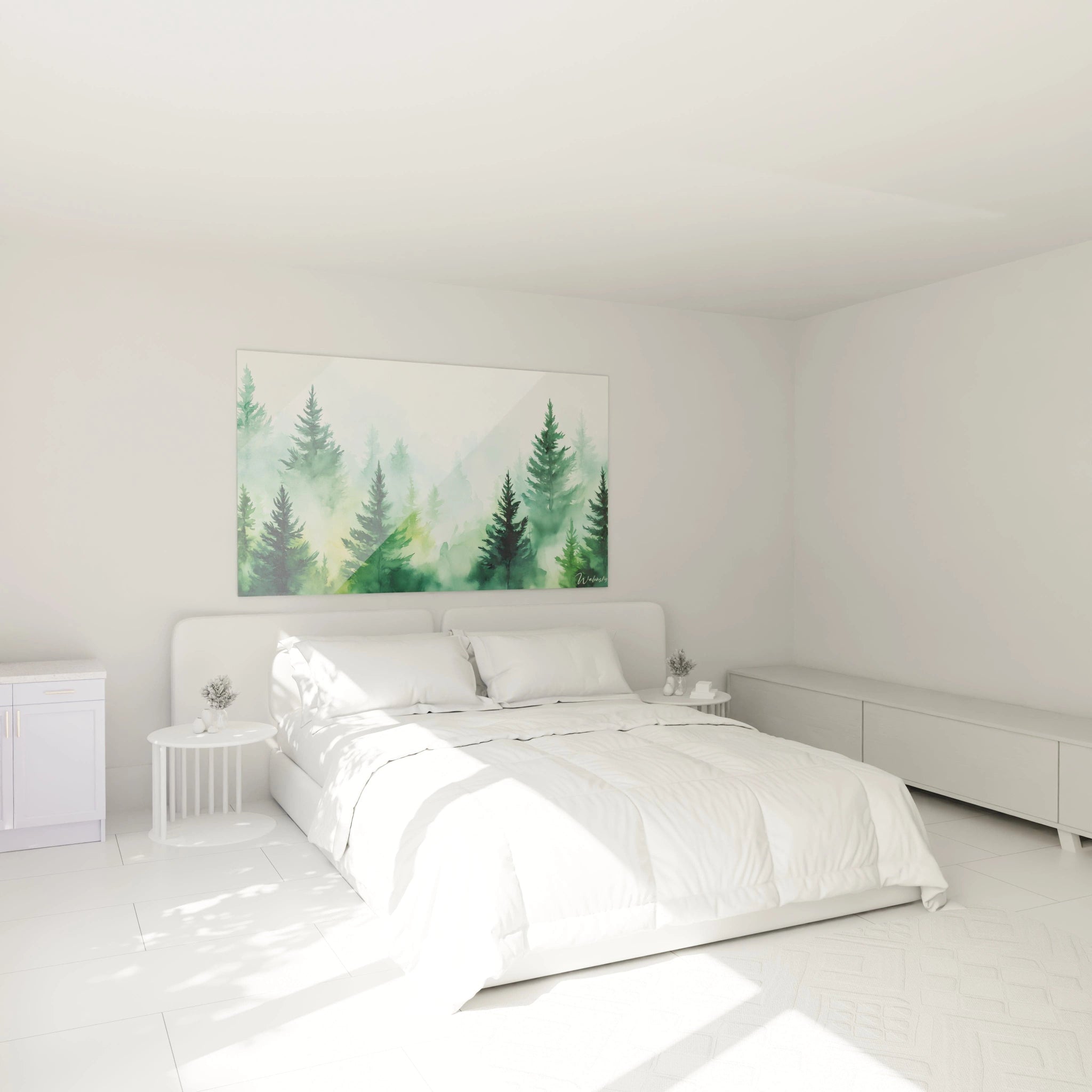
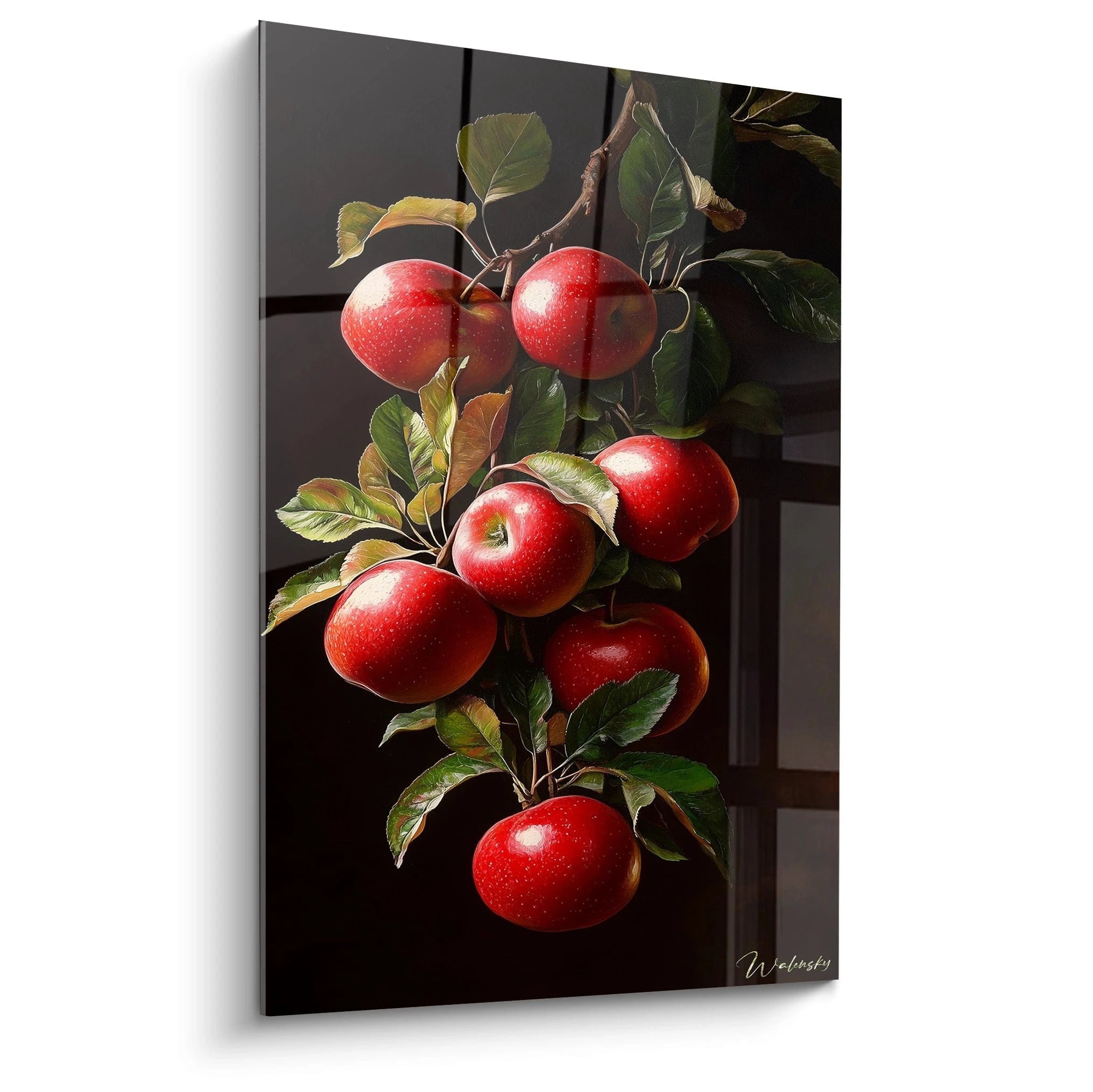
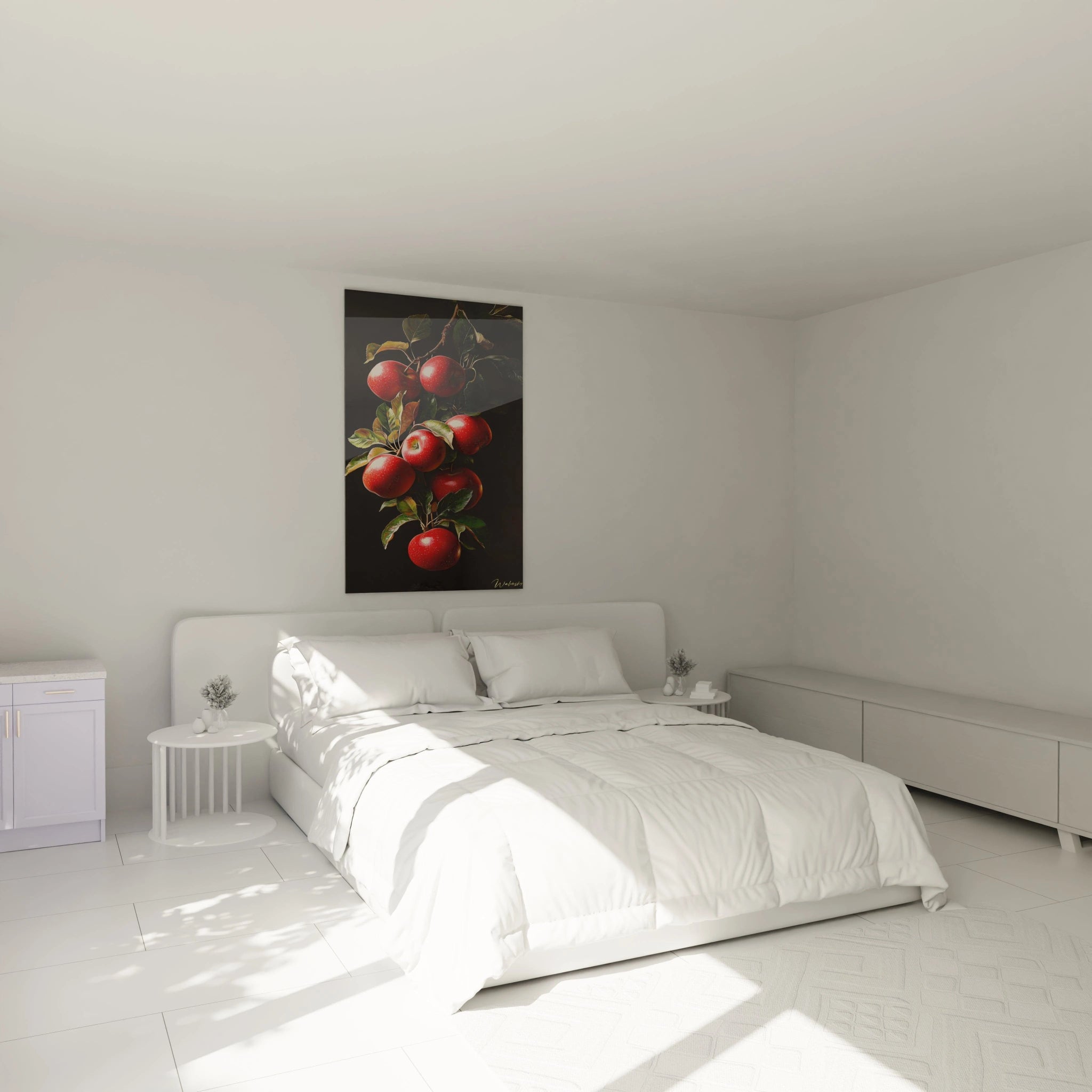
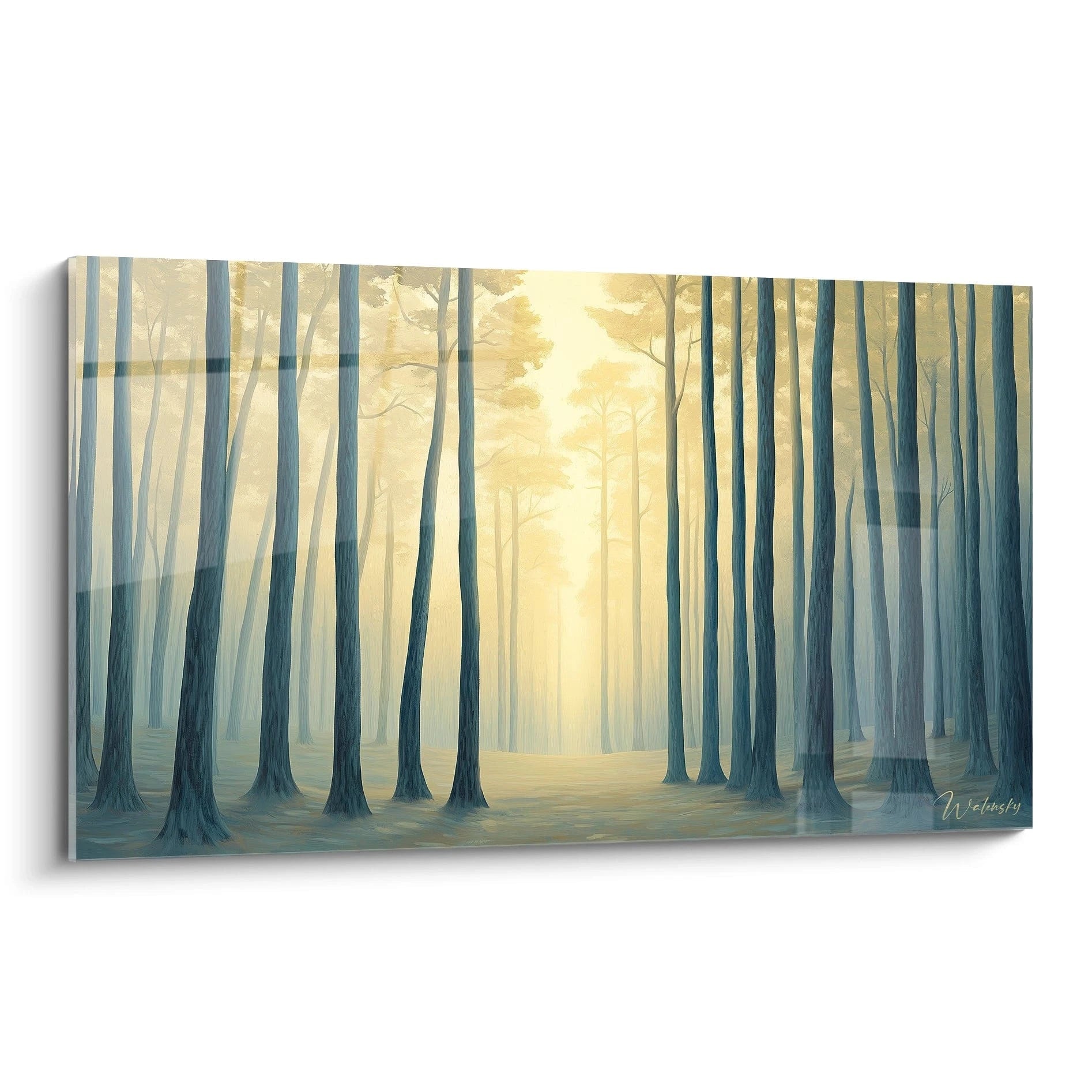
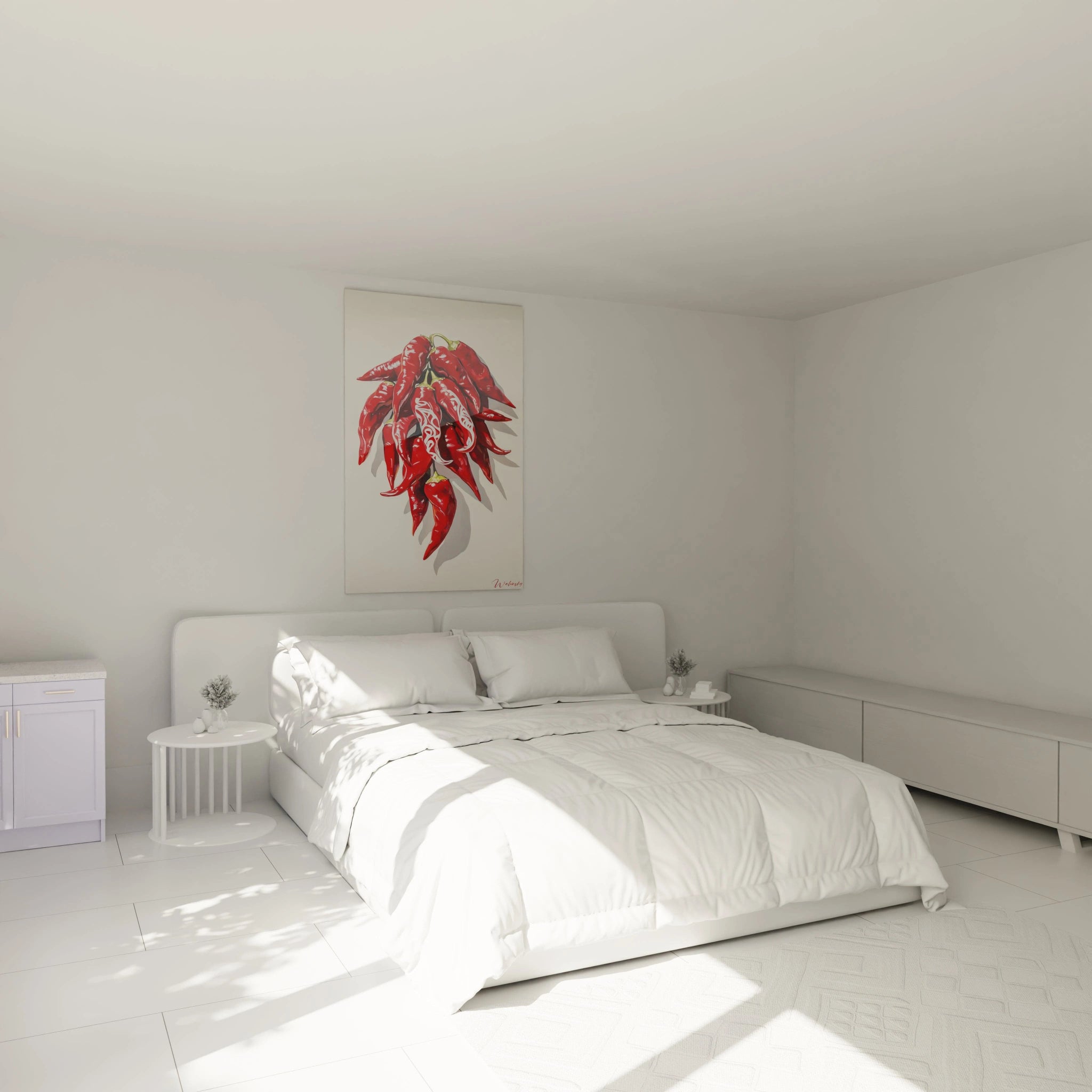
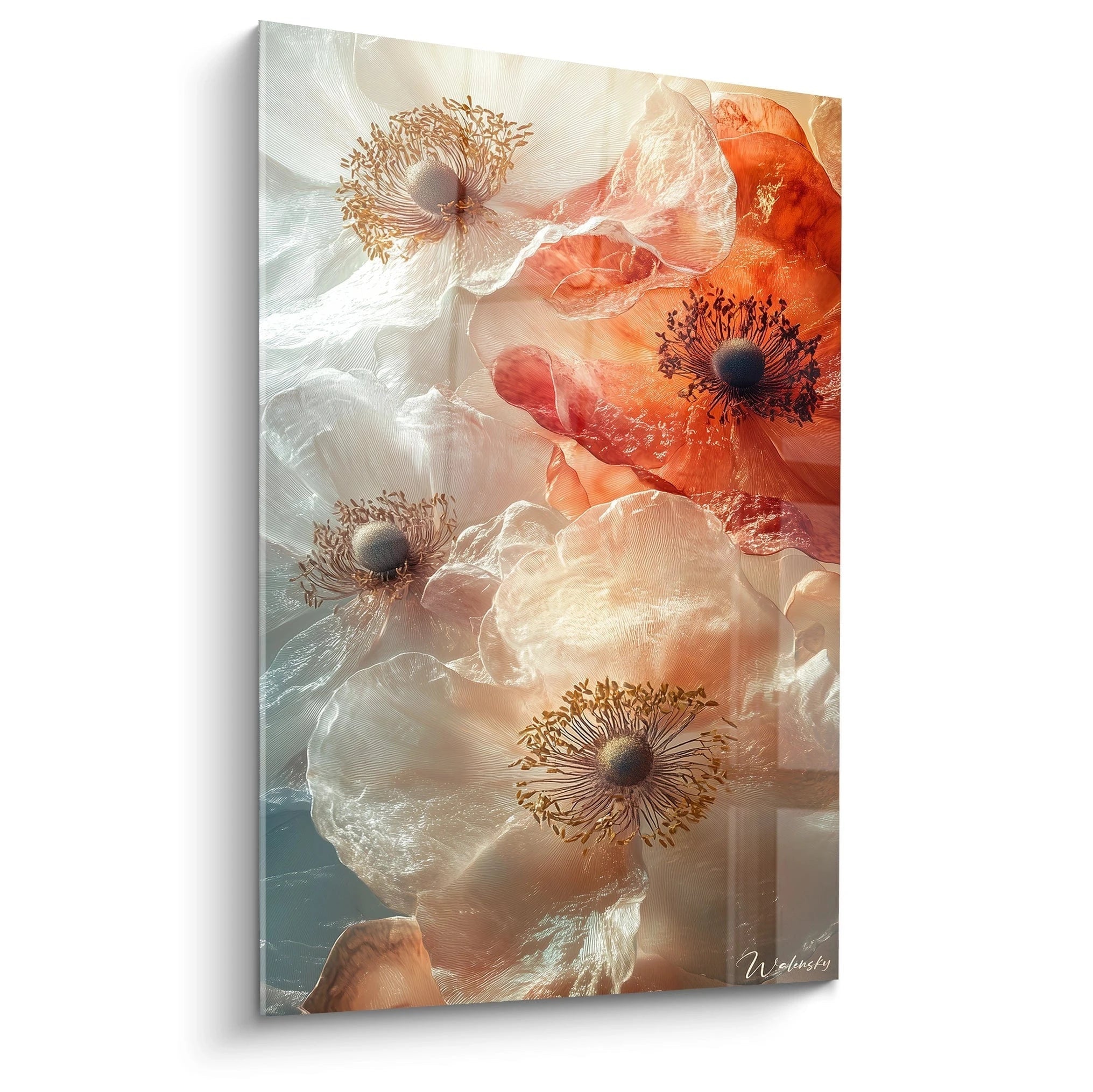
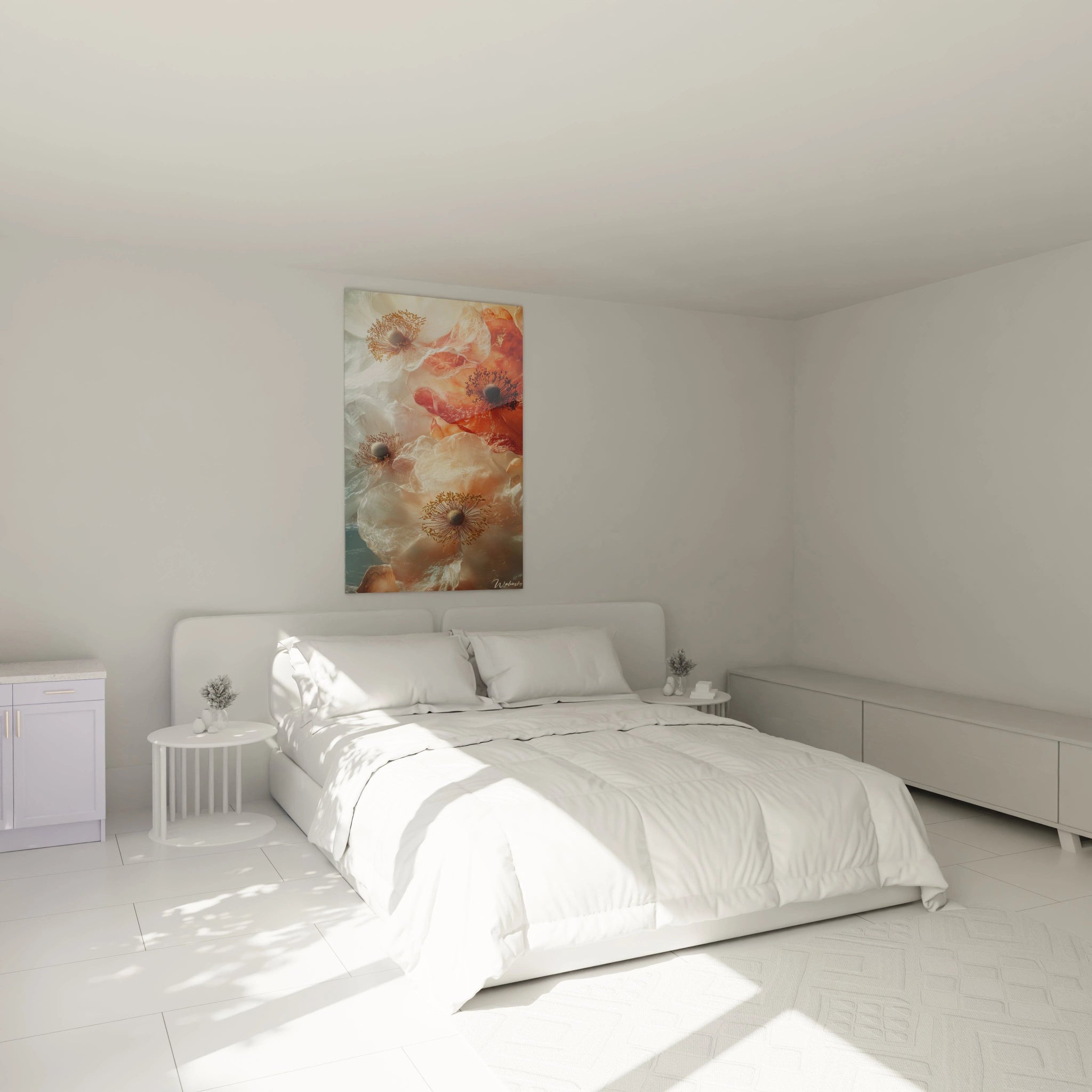
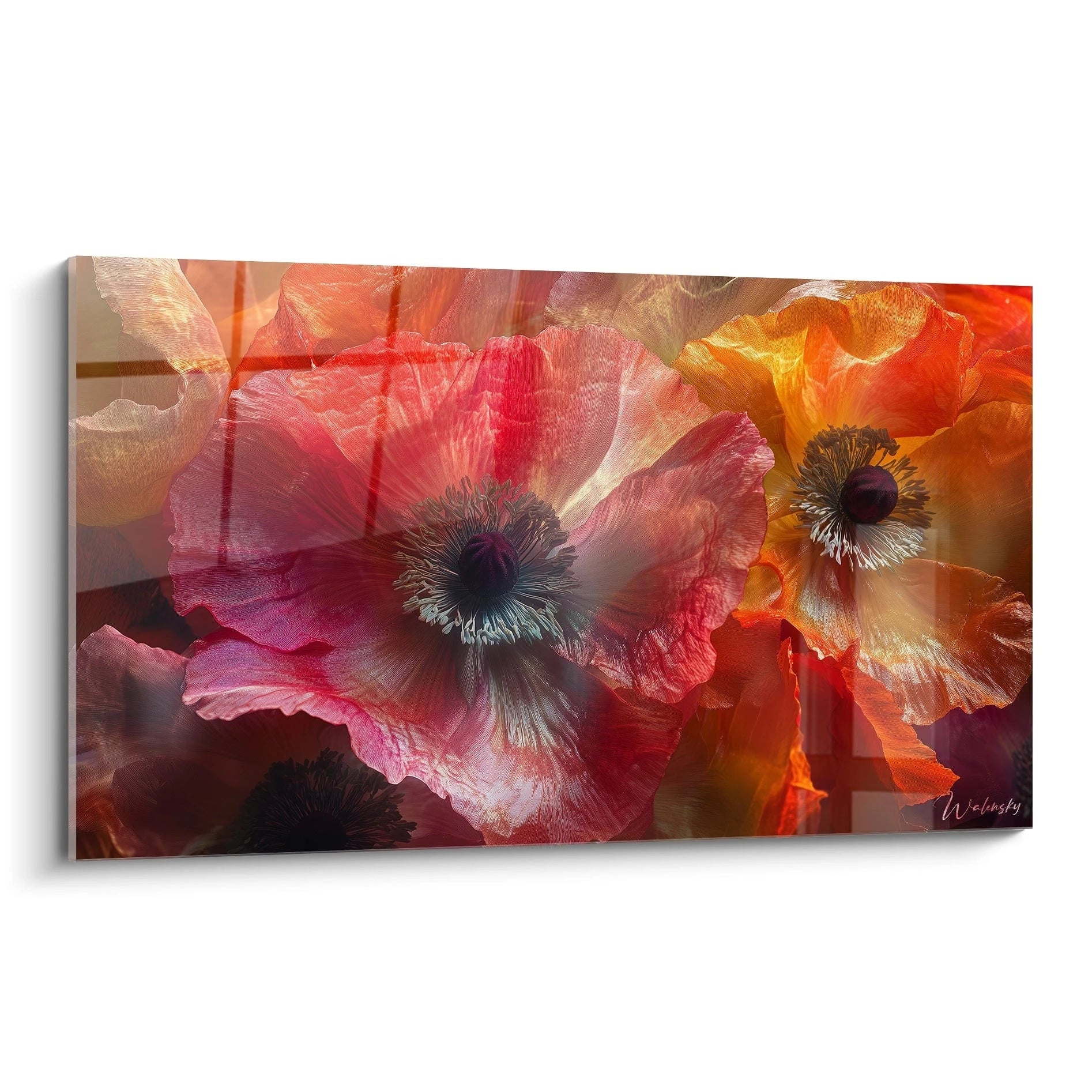
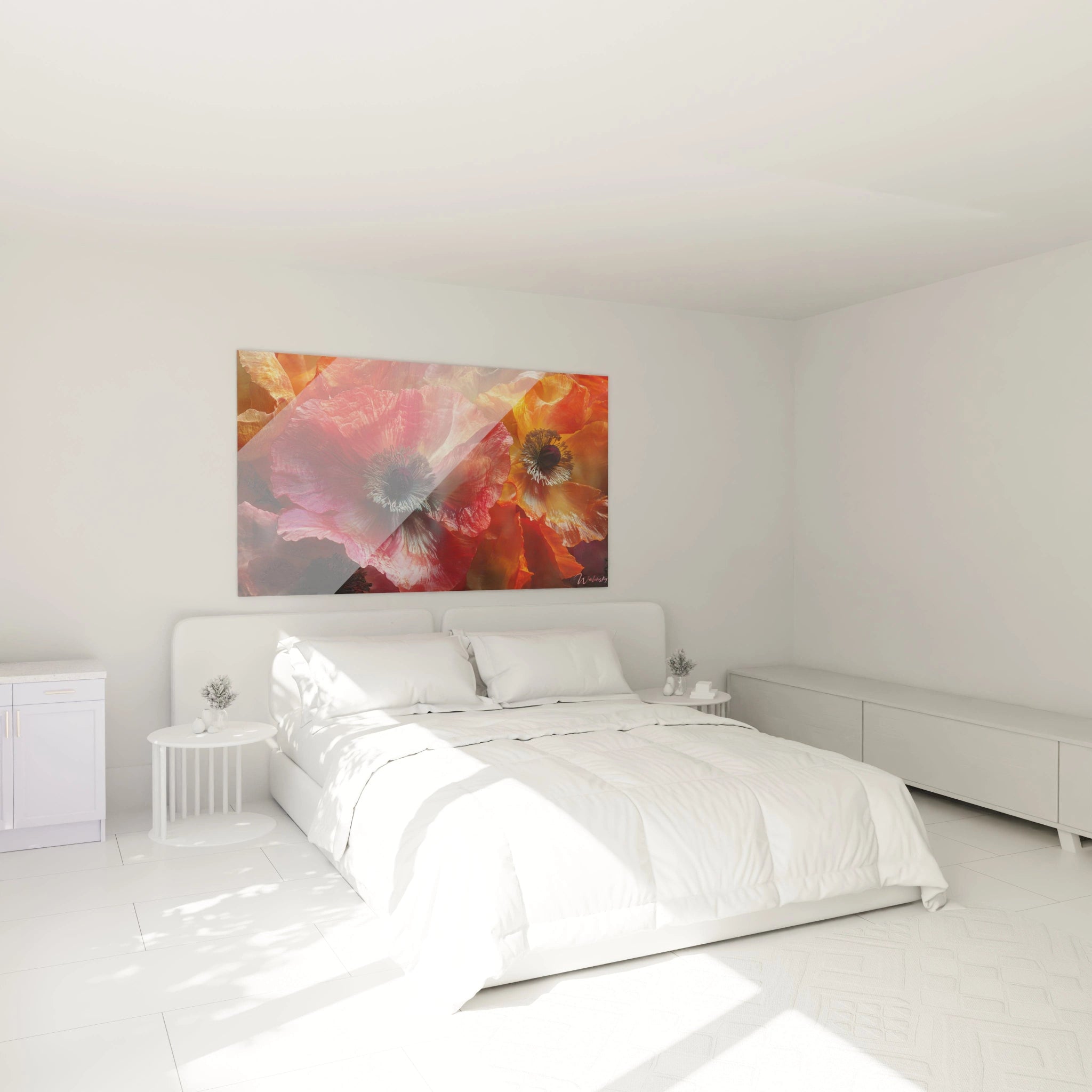
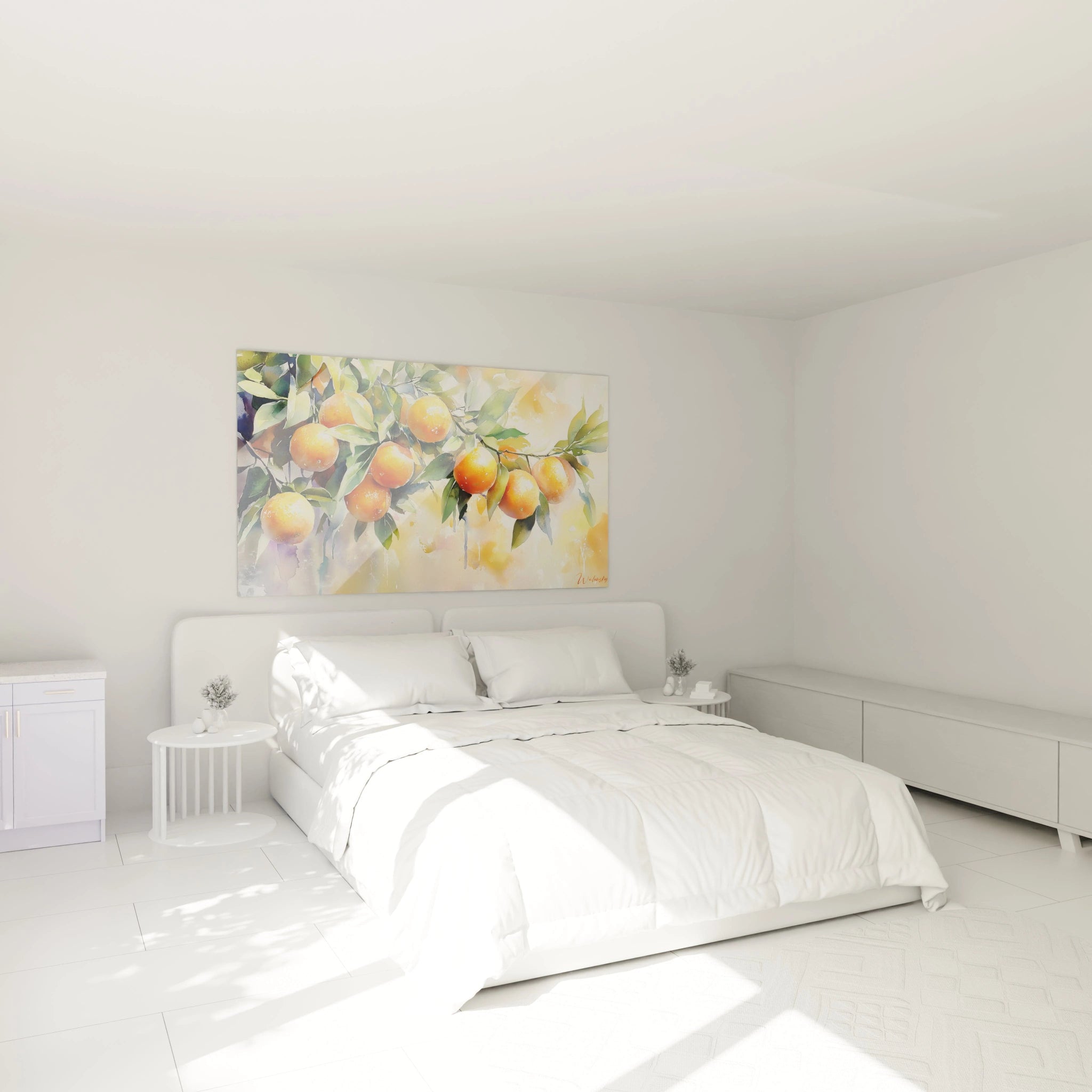
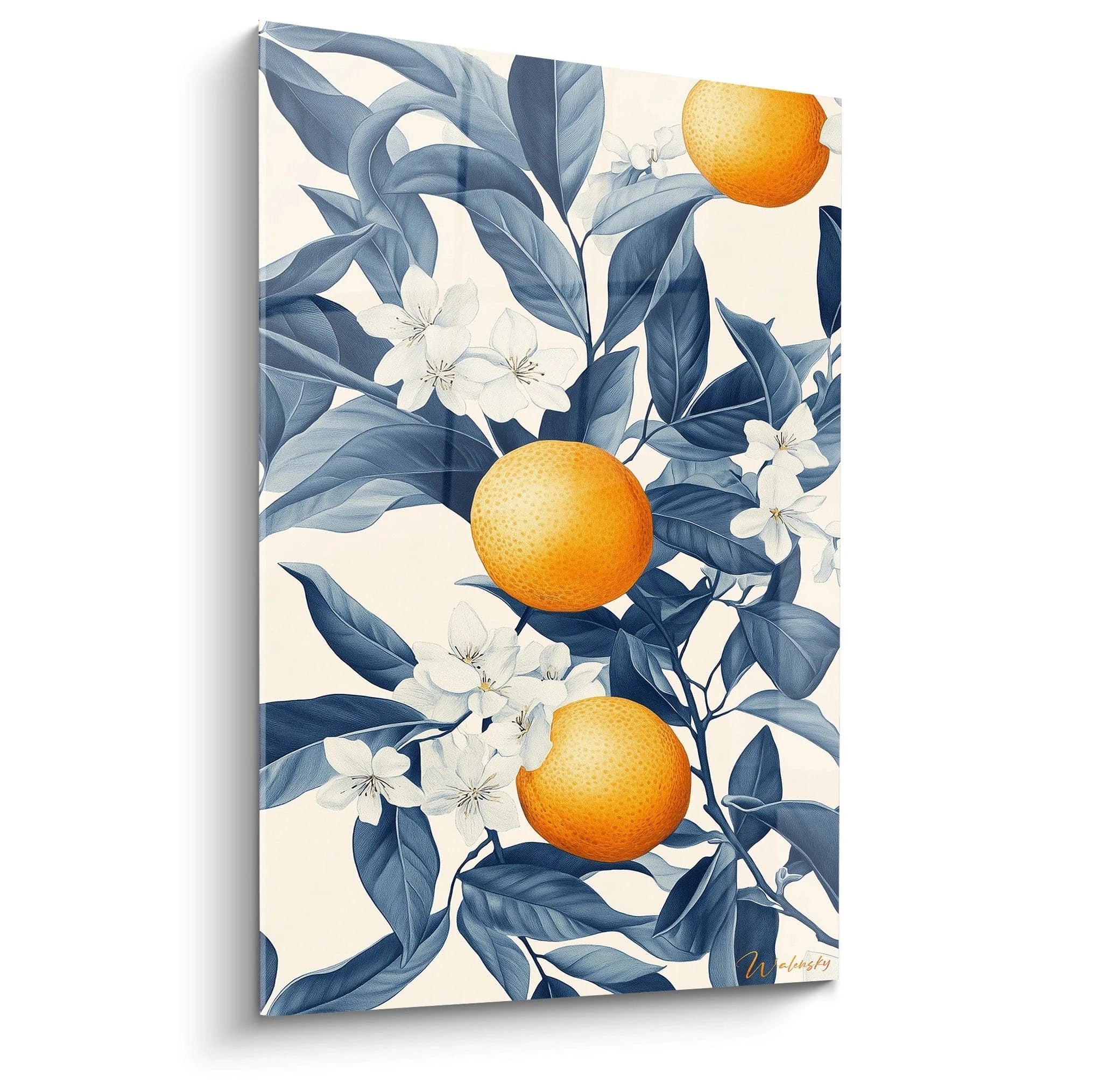
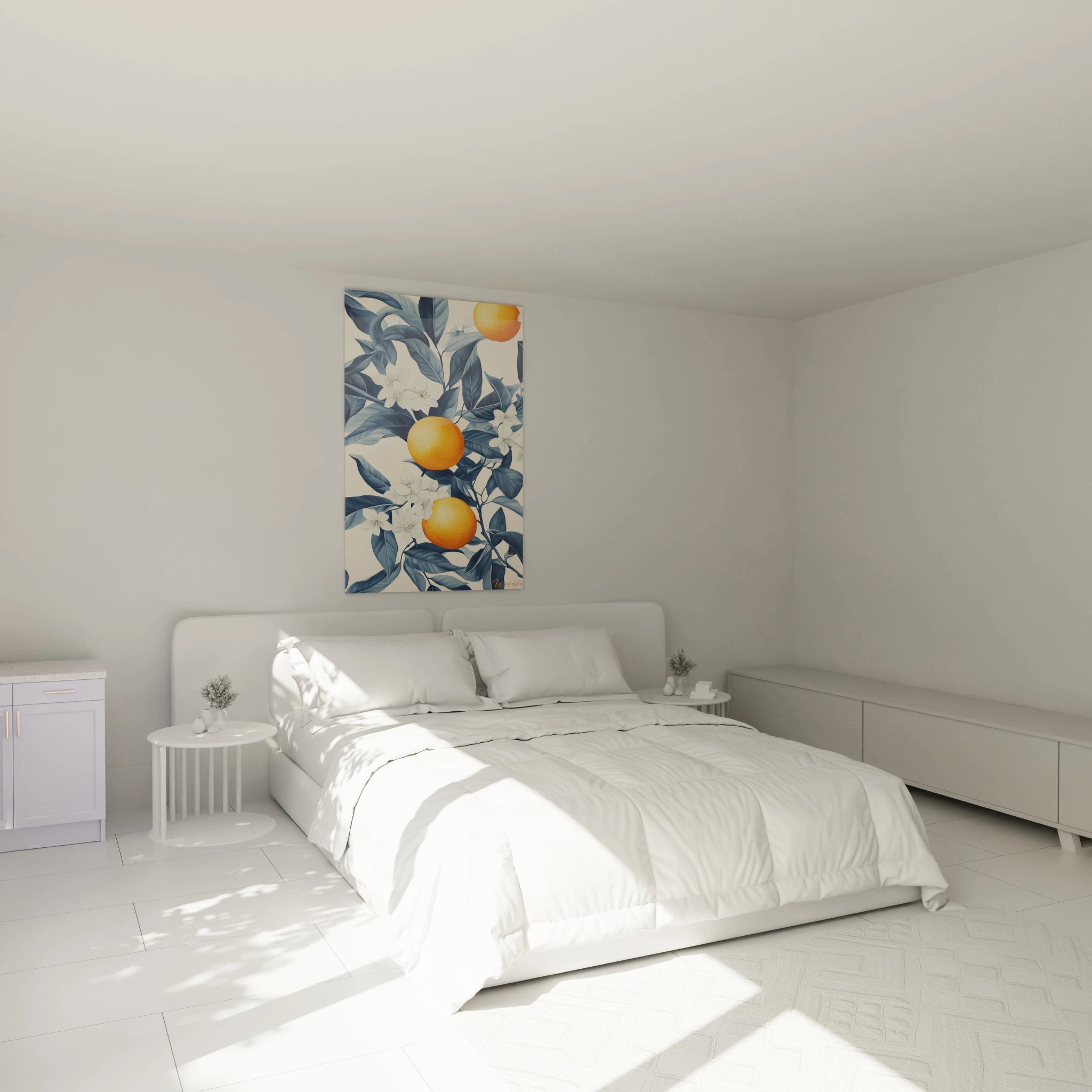
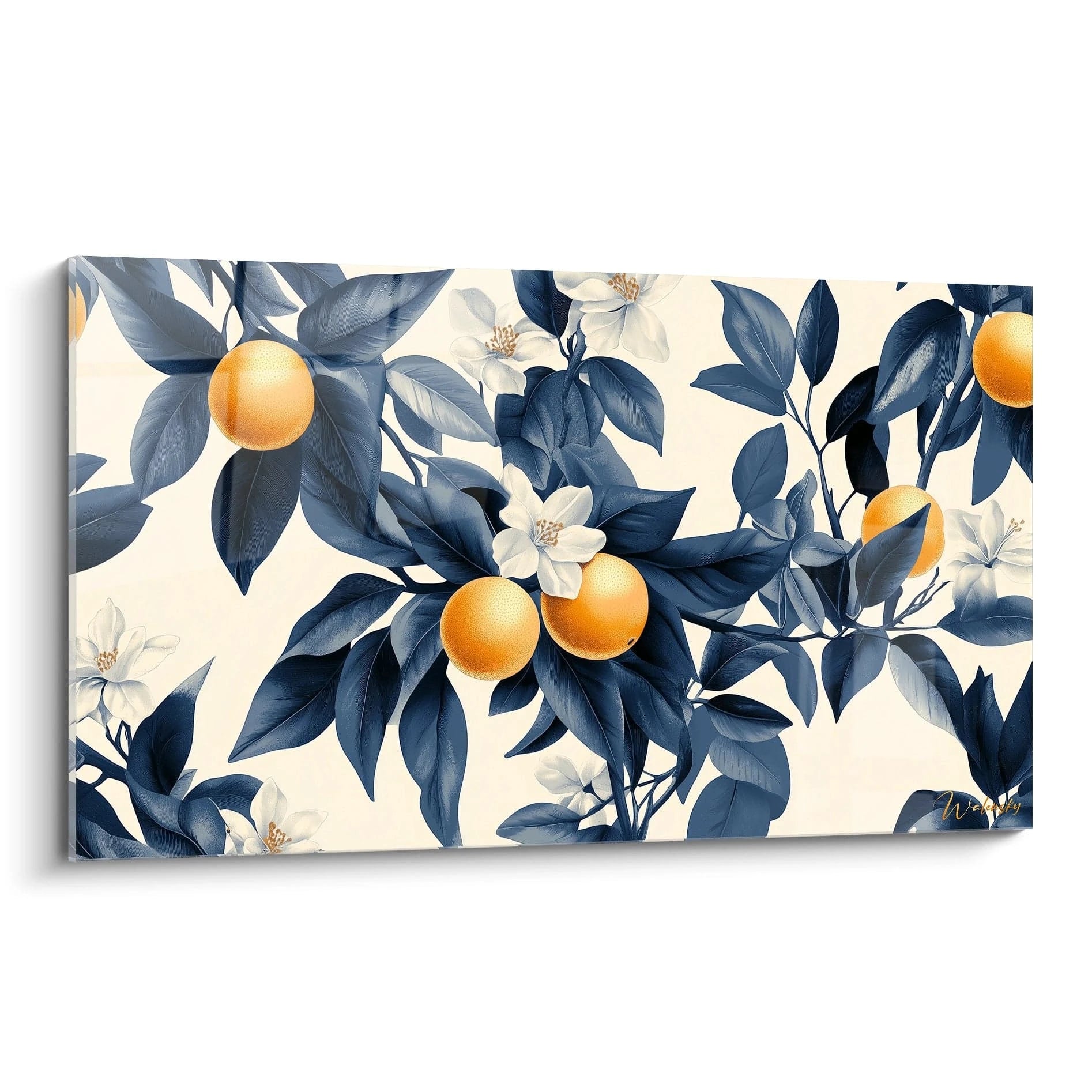
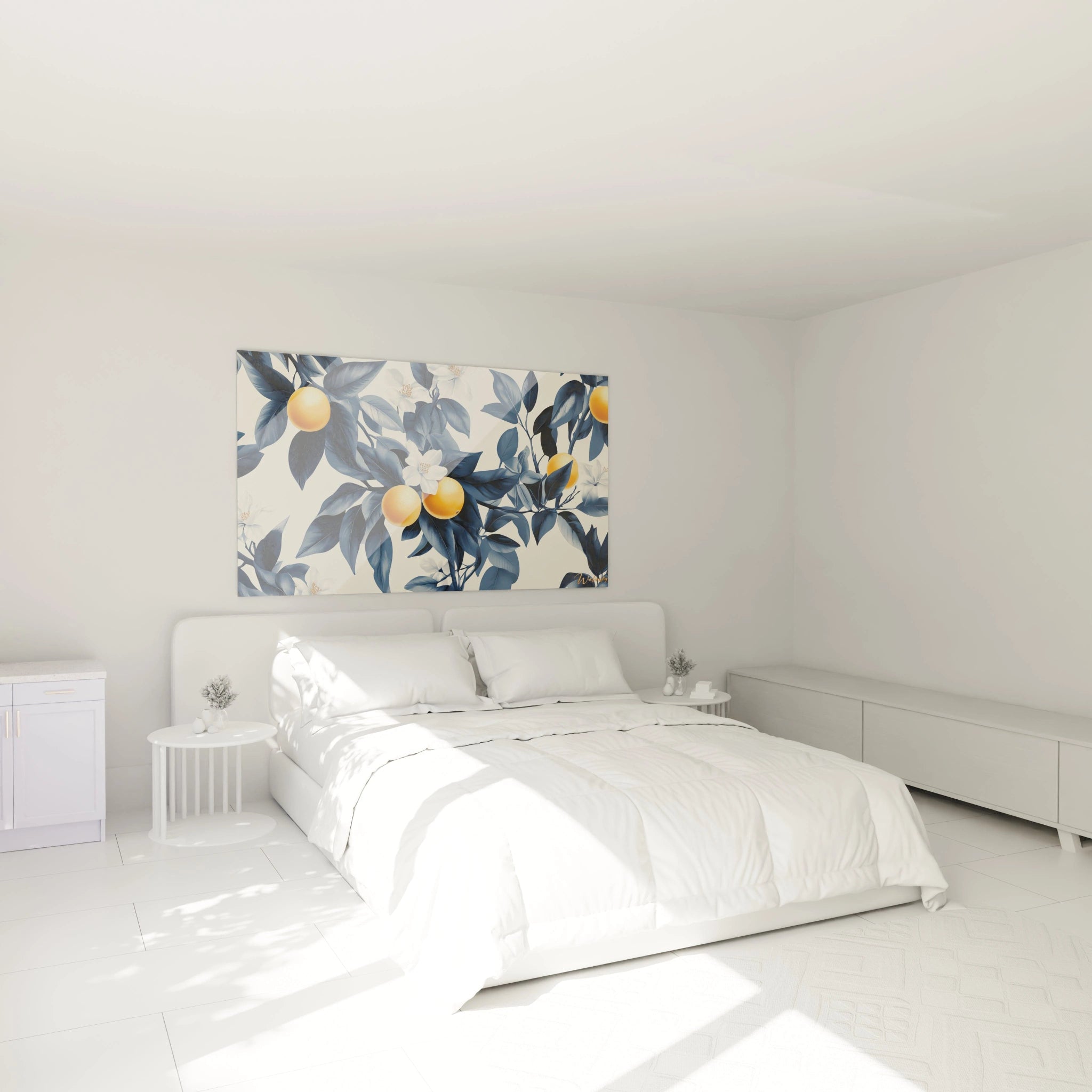
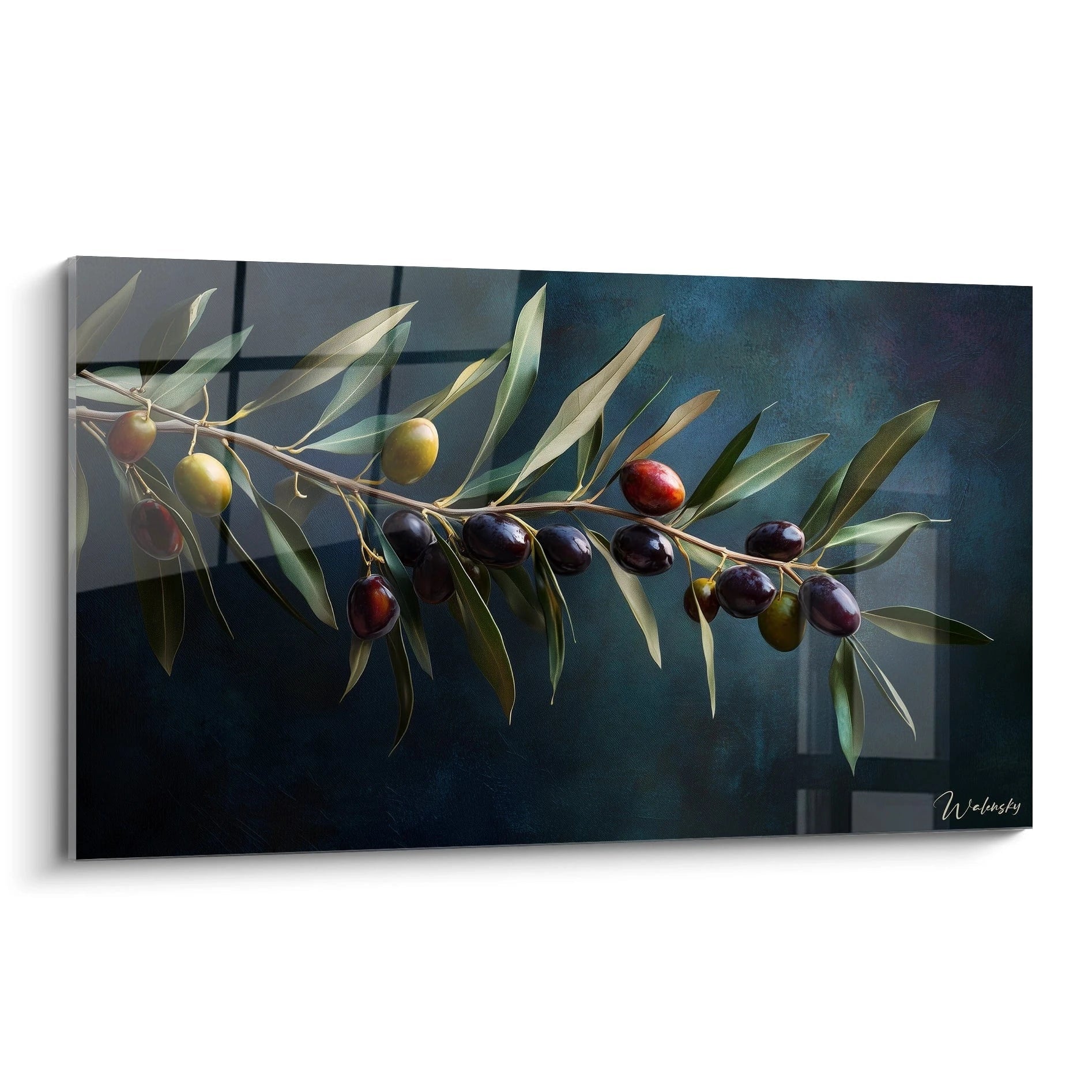
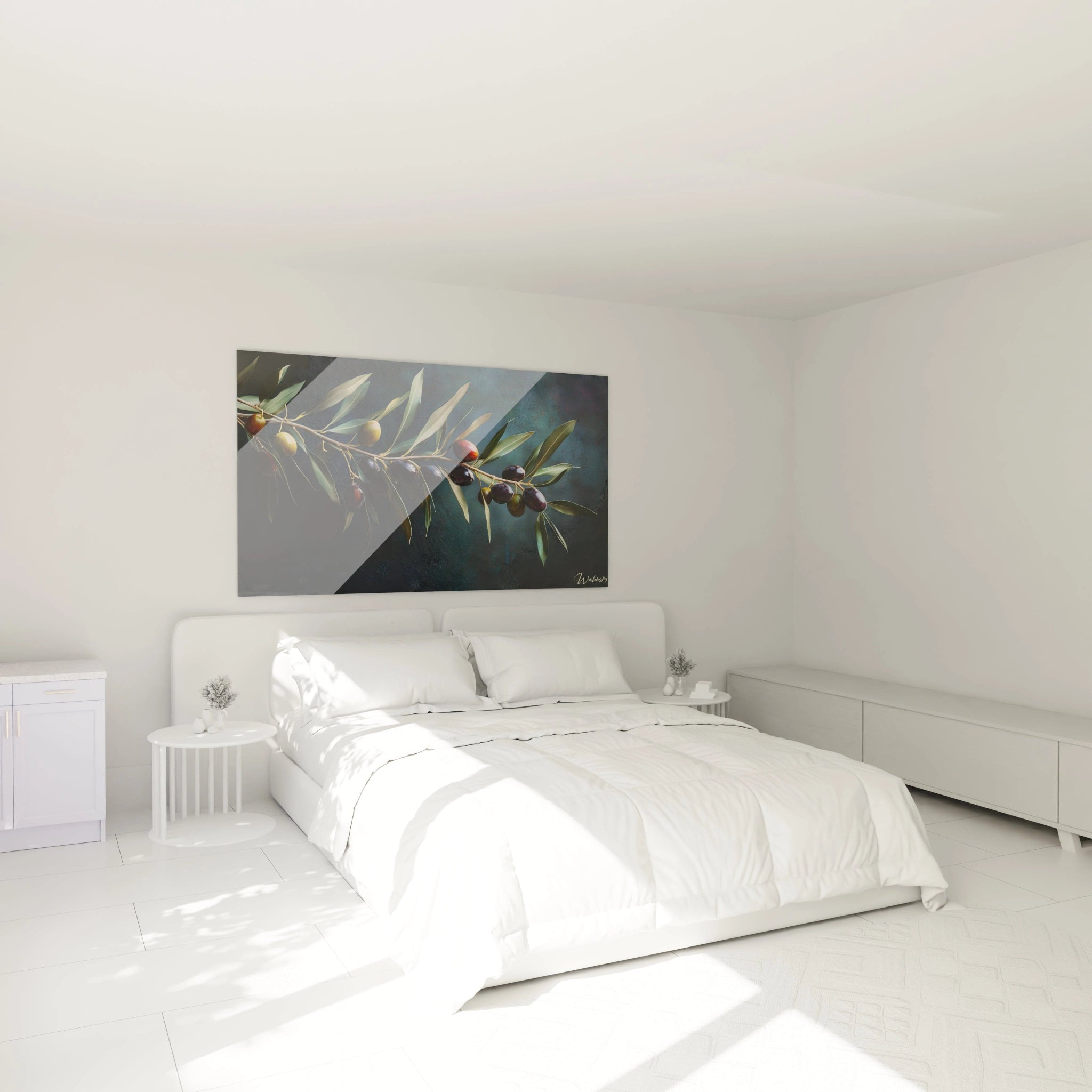
Nature wall art dramatically transforms your living space by creating a profound visual connection with natural landscapes. These large-format wall artworks capture the very essence of natural environments and instantly transport observers into lush forests, secluded beaches or majestic mountains.
Unlike classical artistic representations, a nature wall artwork is specifically designed to recreate the soothing and regenerative sensation provided by immersion in a natural environment. These artworks are particularly appreciated for their biophilic properties - the ability to satisfy our innate need for connection with nature, even in urban settings.
Nature wall art stands out for its ability to evoke emotional and physiological responses similar to those we experience in the great outdoors. Studies show that simple visual exposure to natural representations can reduce stress, improve concentration and foster creativity.
Discover in the following tabs how these artworks with exceptional properties can transform your interior while bringing the benefits of nature, even in the most urban spaces.
Creating Immersive Spaces with Nature Wall Art
Nature wall artworks stand out for their unique ability to create profound visual immersion, transforming any
interior space into a genuine portal to natural environments. Unlike simple landscape reproductions, these large-format artworks are designed to envelop the viewer in a multisensory experience.
How does nature wall art transform a room's spatial perception?
A large nature wall artwork fundamentally alters a room's spatial perception by creating what interior designers call a "virtual window". This perceptual phenomenon creates the impression that space extends beyond its physical boundaries, a characteristic particularly valuable in
confined urban environments.
The visual depth of a well-chosen nature artwork can virtually "push back" walls, creating a sense of enlarged space. Panoramic scenes of deep forests or seascapes are particularly effective for this natural optical illusion. This characteristic makes nature wall art a strategic design tool for
restricted spaces.
The specific psychological effects of different types of nature wall art
Each category of nature wall art evokes distinct psychological responses:
These responses are not merely subjective. Research in environmental psychology has documented how regular exposure to specific natural visuals can modify brain wave patterns, directly influencing our daily mental and emotional state.
The strategic positioning of nature wall art can thus create "psychological influence zones" in your space. A forest artwork placed near a
work area improves concentration, while an ocean view in a
bedroom promotes deep relaxation and sleep quality.
What specific lighting techniques maximize the immersive effect of nature wall art?
Directional lighting with variable color temperature is the optimal method to amplify the immersive effect of nature wall art. Unlike standard lighting, an adaptive lighting system that adjusts its color temperature throughout the day can synchronize the artwork's atmosphere with the natural circadian cycle.
In the morning, cooler-toned light (5000-6500K) revives the blues and greens of a landscape, while in the evening, warmer light (2700-3000K) accentuates golden and amber tones, reproducing the effect of sunset on a natural landscape. This synchronization significantly reinforces the illusion of looking through a real window.
Narrow-beam accent spotlights positioned at a 30-degree angle to the artwork surface eliminate reflections while creating micro-shadows that enhance depth perception. This technique, called "sculptural lighting", is particularly effective for artworks depicting forests or
mountain terrain.
For
large spaces, installing indirect peripheral lighting behind the artwork (the "environmental halo" technique) visually extends the artwork beyond its physical edges, dramatically intensifying the immersive effect and creating a visual transition between the artwork and surrounding space.
Investing in a large nature wall artwork represents far more than simple decoration - it's acquiring an immersive experience that fundamentally transforms your relationship with your
interior space. By carefully selecting your natural subject and optimizing its installation, you create a genuine
visual sanctuary that delivers the psychological benefits of nature immersion daily.
Biophilic Benefits of Nature Wall Art in Interior Environments
Nature wall artworks fundamentally distinguish themselves from other decorative works through their unique ability to satisfy our biophilic need - this innate connection with the natural world encoded in our genetic heritage. Far more than a simple aesthetic element, a large-format nature artwork activates neurobiological mechanisms in our brain similar to actual nature exposure.
How does nature wall art measurably reduce indoor environmental stress?
Contemporary interior environments expose us daily to numerous but often imperceptible stress factors: excessive angular geometry, visual monotony, absence of natural variability and sensory overload from artificial stimuli. Nature wall art functions as a "biophilic corrector" against these environmental imbalances.
Research in environmental neuroscience has demonstrated that exposure to large-scale nature representations triggers a measurable biochemical cascade: decreased cortisol (stress hormone), increased serotonin and dopamine release in moderate but significant proportions. These changes occur even during brief but repeated visual interactions with the artwork.
In
professional environments, strategic installation of nature wall art in high-stress zones (meeting rooms, decision-making spaces) has demonstrated measurable reduction in occupants' blood pressure and heart rate, particularly during periods of intense activity. This passive physiological regulation represents considerable long-term health advantage.
The "micro-restorative attention" phenomenon constitutes another unique neurobiological benefit of nature wall art. Brief visual breaks of 20-30 seconds directed toward nature artwork allow restoration of attentional resources depleted by sustained cognitive work, an advantage impossible to obtain with other artistic representations.
Which specific elements of nature wall art activate biophilic responses?
All nature wall art is not equal in its ability to trigger biophilic responses. Certain specific visual elements considerably amplify this effect:
- Fractal patterns (structures that repeat at different scales) present in foliage, waterways and cloud formations powerfully activate our parasympathetic system
- Clear horizons with visible horizon lines trigger an evolutionary safety and spatial orientation response
- Water elements, particularly calm reflective waters, stimulate alpha brain waves associated with meditation
- Subtle presence of wildlife elements (distant birds, herbivores) activates our neurological circuits for positive vigilance
These elements, when present in a large nature artwork, create what researchers call a "complete restorative environment" - a visual space that simultaneously engages multiple cognitive and emotional recovery mechanisms.
Strategic placement of nature wall art according to biophilic principles
Positioning nature wall art according to biophilic design principles transforms its physiological impact. The ideal location follows what experts call the "rule of natural gaze trajectories" - the sight lines our eyes instinctively follow in a space.
In a
work space, nature wall art should be placed along the diagonal relaxation axis (generally at 135° from the primary work position), allowing your gaze to naturally drift toward it during cognitive micro-breaks. This position optimizes attentional recovery.
For
relaxation spaces, optimal placement sits within the peripheral vision field when seated, creating a constant but unobtrusive environmental presence. This peripheral exposure activates unconscious mechanisms for processing natural information, generating continuous soothing effects even without direct observation.
Biophilic hanging height differs from standard artistic conventions. To maximize the "window on nature" effect, the artwork center should correspond to eye level when seated rather than standing, facilitating prolonged visual immersion without neck tension.
Integrating nature wall art into your daily environment represents far more than a decorative choice - it's the introduction of a genuine "visual nutrient" essential to our psychophysiological balance. In our increasingly indoor-disconnected environments, these artworks constitute visual oases with measurable benefits to our overall well-being.
Seasonal Dynamics and Perceptual Evolution of Nature Wall Art
Large-format nature wall artworks possess an exceptional characteristic that few other decorative elements can match: their ability to evolve perceptually throughout the seasons, creating a dynamic visual experience that harmonizes with natural external cycles. This transformative quality grants nature wall art an unequaled experiential depth.
How does perception of nature wall art transform with seasonal variations?
A fascinating phenomenon occurs when nature wall art is displayed in an environment where natural light fluctuates throughout the seasons: the artwork develops what specialists call a "seasonal personality". The same natural representation evokes distinct emotional resonances depending on the external season.
In winter, when days are short and light is scarce, artwork depicting a summer or spring landscape functions as a "seasonal counterpoint", offering psychological balance against winter monotony. The vibrant greens and blues of the artwork are perceived with heightened intensity, creating a particularly beneficial compensatory effect against seasonal depression.
Conversely, during hot summer periods, artwork depicting shaded understory or misty mountain landscape generates a measurable "psychological cooling effect". Studies in environmental psychology have demonstrated that prolonged contemplation of cool landscape scenes can reduce subjective heat sensation by 2-3 degrees, a phenomenon called "visual-induced thermoregulation".
This dynamic interaction between nature wall art and external seasonal environment creates an evolving decorative experience that no other artwork type can offer, transforming a static element into an interactive presence that adapts to changing psychological needs throughout the year.
Which nature wall artworks offer the greatest seasonal perceptual variability?
The ability of nature wall art to develop "seasonal facets" varies considerably depending on depicted elements. Certain natural subjects possess extraordinary perceptual adaptability:
- Mixed forests with understory: present up to seven distinct perceptual variations throughout the year
- Land-water interfaces (shorelines, riverbanks): their meaning changes radically between dry and wet seasons
- Mountain landscapes with vegetation: offer completely different emotional resonances depending on external season
- Flowering meadows: particularly evocative during winter periods through seasonal contrast effect
Natural representations featuring balanced sky-earth elements present the greatest richness of perceptual variations, with each element alternately dominating perception depending on season. This characteristic transforms a single investment into a quadruple visual experience.
How to integrate nature wall art into a seasonal decorative strategy?
Optimal integration of nature wall art requires an approach that professional decorators call "adaptive environmental design". This methodology considers nature wall art as the focal point of an evolving decorative ecosystem.
Creating a "seasonal chromatic dialogue" between your nature artwork and surrounding textile elements significantly amplifies its impact. In winter, introducing textile accessories that echo the artwork's warm tones (even if minority in the piece) creates comforting visual coherence. In summer, emphasis can shift to cooler tones present in the artwork.
The concept of adaptive lighting constitutes another crucial aspect. Installing a variable-temperature lighting system allowing accent of certain artwork zones depending on season dramatically transforms its presence. During winter months, warmer lighting (2700K) on the artwork's bright areas reinforces their comforting effect; in summer, cooler lighting (4000K+) accentuates shadow and water zones.
For maximum impact, creating a "integrated sensory ecosystem" around nature wall art produces complete immersive experience. Seasonal introduction of natural scent elements harmonized with the artwork (essential oil diffusers of pine scent in winter near forest artwork, herbaceous scents in summer) engages multiple senses simultaneously, creating coherent multisensory experience.
Nature Wall Art FAQ
What size nature artwork should you choose to maximize biophilic effect?
To fully benefit from nature wall art's biophilic effects, prioritize formats covering at least 30% of the installation wall. Research shows that physiological effects (stress reduction, cognitive improvement) are directly proportional to artwork size up to a certain threshold. Nature wall art occupying significant visual surface naturally captures peripheral attention, triggering beneficial neurobiological responses even without direct observation.
How does nature wall art influence sleep quality in a bedroom?
Nature wall art depicting soothing landscapes with blue-green dominance placed in a
bedroom can significantly improve sleep quality. Clinical studies have demonstrated that visual exposure to natural scenes before sleep reduces sleep onset time by 15-20% on average and increases deep sleep duration. This phenomenon is explained by parasympathetic system activation and reduced prefrontal cortex activity responsible for
mental rumination.
Can nature wall art truly replace an exterior view in a windowless space?
In spaces without windows, large-format nature wall art can effectively partially compensate for absent external views by providing what environmental psychologists call a "functional biophilic substitute". While artwork cannot reproduce all benefits of a real window (such as natural light variations), it nonetheless activates similar neurological circuits and significantly reduces the sensation of confinement. To maximize this effect, artwork should be accompanied by dynamic lighting simulating natural luminosity variations. This solution is particularly suited for
waiting rooms,
stairwells and other
interior spaces without direct outdoor access.