


Mosaic Pop Art Wall Art
The Mosaic Pop Art Wall Art transforms your interior into a contemporary gallery. This collection celebrates urban art through fragmented compositions in vibrant and contrasting colors. Each mosaic pop art wall panel fuses the retro aesthetic of the 1960s with a modern graphic touch. Inspired by masters of the movement, these decorative mosaic pop art panels create captivating focal points in your living room, office, or creative space. A vibrant tribute to accessible and bold art.
 Urban Throne Painting - Mosaic Street Art Edition273,90 €
 The Mark of Sin Painting - Mosaic Street Art Edition273,90 €
 Song of Tiles Artwork - Mosaic Street Art Edition273,90 €
Explore further
In Mosaic Pop Art Wall Art
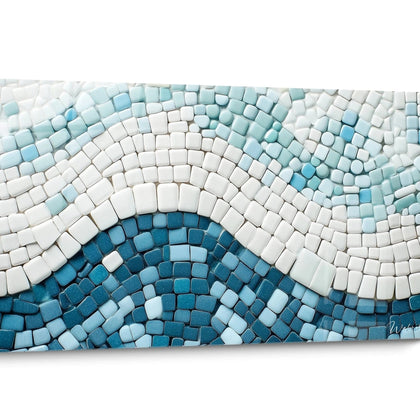

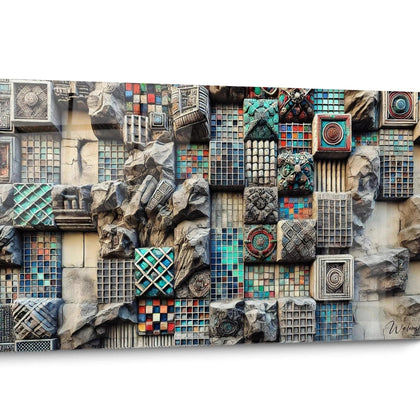
All about Mosaic Pop Art Wall Art
- Mosaic Pop Art Wall Canvas Presentation
- Chromatic Wall Explosion
- Pop Visual Dynamics
- Contemporary Fragmented Composition
The pop art mosaic canvas revolutionizes wall decoration through its ability to fragment the iconic image into multiple colored cells. This compositional approach transforms emblematic cultural representations into true visual explosions where each tessellation becomes an enlarged pixel, creating a fascinating tension between figuration and geometric abstraction.
The Chromatic Impact of Fragmented Pop Art Compositions
The pop art mosaic canvas exploits the chromatic saturation characteristic of the Warholean movement by decomposing it according to a modular grid. Each colored segment functions as an autonomous unit while participating in the global recognition of the iconic subject represented. This fragmentation creates an optical vibration particularly effective in commercial spaces or industrial lofts where the artwork must capture attention from a distance.
Why does the checkerboard structure intensify visual recognition?
The division of the image into contrasting tiles activates the perceptual mechanisms of the brain that mentally reconstruct the fragmented cultural icon. This cognitive process generates prolonged visual engagement, transforming each observation into an interactive experience. The bold flat colors of cyan, magenta, and lemon yellow typical of pop art gain intensity when isolated in distinct cells, creating particularly striking simultaneous contrast phenomena.
Wall configuration for high-traffic spaces
Installing a large-format pop art mosaic canvas requires a clear zone allowing reading from multiple distances. At three meters, the fragments merge into a coherent image; up close, the pixelated structure reveals itself, offering a dual aesthetic experience. This visual versatility suits perfectly entrance halls, reception areas, or break zones where the public moves constantly.
Decorative synergy with urban graphic codes
The fragmented aesthetic of mosaic pop art naturally dialogues with contemporary architectural elements: exposed brick, brushed metal, polished concrete. The juxtaposition of colored tessellations recalls the layered posters of urban culture, creating stylistic continuity with repurposed industrial spaces. To amplify this coherence, pairing with a blue mosaic canvas in an adjacent space allows playing with tonal variations while maintaining the formal unity of fragmentation.
The Visual Grammar of Fragmented Icons
The pop art mosaic canvas reinterprets emblematic figures of popular culture according to a logic of systematic deconstruction. Each color square becomes an autonomous graphic statement that, assembled with others, composes a recognizable portrait despite its discontinuity. This technique generates productive tension between geometric abstraction and narrative figuration.
How do geometric flat colors redefine contemporary iconography?
Separation into regular modules transforms famous faces or consumerist symbols into quasi-abstract compositions. This formal strategy inherited from Lichtenstein and Warhol finds new vigor in monumental wall formats, where the multiplication of colored cells creates optical shimmering effects. Bold contrasts between light and dark zones structure the space of vision, guiding the eye along dynamic diagonal trajectories.
Integration in creative work environments
Communications agencies, design studios, and coworking spaces massively adopt these fragmented compositions for their ability to stimulate creativity. The pop art mosaic canvas functions as a visual trigger, constantly reminding of the importance of deconstruction and recombination in creative processes. Its wall presence establishes a climate conducive to innovation and the transcendence of established visual conventions.
Multi-panel chromatic association strategies
Installing multiple mosaic compositions on the same wall creates sophisticated color dialogues. By alternating representations with warm and cool dominant tones, complex visual rhythms are generated that durably animate large architectural volumes. Imposing formats allow occupying significant ceiling heights, transforming blank walls into assumed aesthetic manifestos.
Visual Architectures and Contemporary Tessellations
The fragmentation principle of the pop art mosaic canvas establishes a conceptual bridge between 1960s screen-printing art and contemporary digital practices. Intentional pixelization recalls the technical limitations of early offset printing while evoking low-definition screen resolutions, creating stratified media nostalgia particularly relevant in vintage-futuristic interiors.
What perceptual effects does modular regularity generate?
The orthogonal grid structuring these compositions imposes mathematical order on the visual chaos of pop culture. This geometric rationalization creates a paradoxical balance between expressive spontaneity and constructive rigor. Visitors experience cognitive satisfaction facing this systematic organization of iconographic disorder, particularly suited to analytical personalities seeking structure and fantasy simultaneously.
Valorization of vertical volumes and double-height spaces
The monumental formats of pop art mosaic canvas fully exploit contemporary architectures with high ceilings. The vertical reading of superimposed tessellations naturally accompanies the upward movement of the gaze, creating a sensation of spatial elevation. This orientation suits particularly stairs, mezzanines, and transition spaces where physical movement is accompanied by progressive visual exploration.
Dialogue with dynamic display technologies
The pixelated aesthetic establishes visual correspondences with LED screens, image walls, and multimedia installations. This formal proximity allows harmoniously integrating static artworks in technological environments without creating stylistic rupture. Showrooms, event spaces, and concept shops exploit this continuity to create coherent immersive universes.
Is the pop art mosaic canvas suitable for classic residential interiors?
Absolutely, provided you accept an assumed stylistic confrontation. Inserting a fragmented composition with saturated colors in a traditional environment creates a stimulating decorative tension, instantly modernizing the atmosphere without requiring complete architectural renovation.
How to maintain the surfaces of a large-format pop art mosaic canvas?
Simple regular dusting with a dry microfiber cloth is sufficient. For monumental formats, particular attention to upper zones sometimes requires adapted equipment. Absolutely avoid solvent products that could alter the saturated pigments characteristic of pop art rendering.
What minimum distance should be maintained facing a pop art mosaic canvas?
For optimal reading of large compositions, maintain a distance equivalent to 1.5 times the diagonal of the artwork. This rule allows simultaneously appreciating both the fragmented structure and the reconstructed overall image, maximizing the visual impact of chromatic decomposition.
Further reading


