


Mont Blanc Sunset Mountain Wall Art
The Painting The Mont Blanc Sunset captures the alpine splendor in all its magnificence. This collection celebrates the highest peak in Europe bathed in golden and purple lights, offering a fairytale view of the mountain landscapes at dusk. Each work reveals the wild beauty of the snow-capped peaks ablaze with the last rays of the day. Perfect for creating a warm and inspiring atmosphere, this collection transforms your space into a true gallery of majestic alpine art.
 Alpinist Mont Blanc Painting - Summit of the Clouds - Mont Blanc Edition242,90 €
 Mountain Massif Painting - Golden Light of the Peaks - Mont Blanc Edition242,90 €
 Snowy Mountain Painting - Alpenglow at Sunset - Mont Blanc Edition273,90 €
 Snow-Capped Summit Wall Art - Alpine Majesty at Sunset - Mont Blanc Edition228,90 €
Explore further
In Mont Blanc Sunset Mountain Wall Art
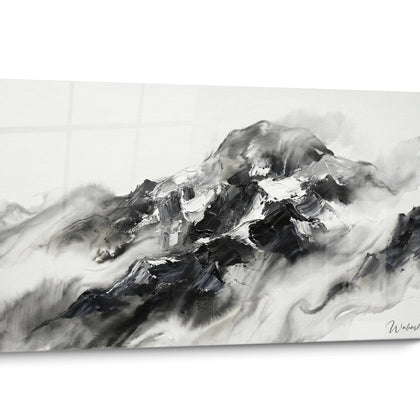
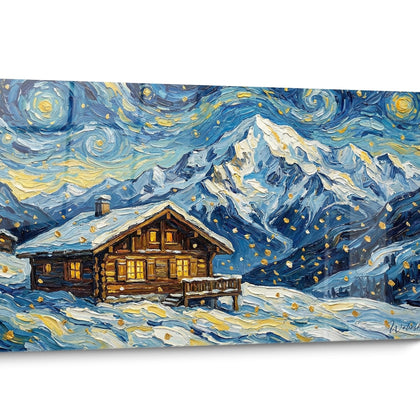
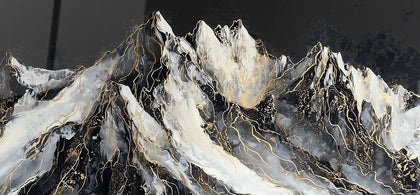
All about Mont Blanc Sunset Mountain Wall Art
- Presentation Artwork Mont Blanc Sunset
- Alpine twilight atmospheres
- Golden light on snowy peaks
- Exclusive mountain decor
A Le Mont Blanc sunset painting captures the magical moment when the last rays transform the giant of the Alps into a sculpture of fire and ice. This representation of the highest peak in Western Europe bathed in the warm hues of twilight offers a unique emotional dimension, different from daytime or nighttime visions of this iconic massif. The color palette specific to the golden hours - deep oranges, alpine pinks, glacial violets - creates a contemplative atmosphere sought after by lovers of exceptional alpine landscapes. These large wall compositions intended for generous spaces translate the monumental grandeur of Mont Blanc while bringing visual warmth thanks to the solar nuances characteristic of the mountain sunset.
The drama of alpine twilights on the roof of Europe
The painting Le Mont Blanc sunset exploits an optical phenomenon specific to high altitudes: the progressive ignition of the glacial walls as the sun descends towards the horizon. This spectacular chromatic transformation, known to mountaineers as the "alpine golden hour", offers a visual intensity impossible to reproduce in an urban environment. The coppery shades caressing the edges of Bionnassay, the purple reflections on the Goûter dome and the elongated shadows sculpting the relief create a striking three-dimensional depth.
How do twilight hues change the perception of space?
The alternation between illuminated areas and valleys plunged into cold shadow generates a visual thermal contrast that amplifies the feeling of monumentality. The large dimensions of such a painting make it possible to restore this complex gradation of light, where each atmospheric layer reveals a different tone: from saffron yellow at the summits to cobalt blue in the already nocturnal areas. This color stratification naturally guides the eye towards the culminating point at 4808 meters, creating an ascending dynamic in the composition.
The interaction between millennial ice and grazing light
The crystalline structure of the glaciers of Mont Blanc reacts differently to the oblique rays of the sunset. Séracs capture and fragment the orange light, producing golden flashes that contrast with the immaculate white of the still shaded névés. This chromatic duality - warm against cold, light against darkness - gives twilight representations a visual tension absent from daylight scenes. For character residential spaces, this complexity of light brings a sophistication that evolves according to the ambient lighting of the room.
What atmospheres to favor to enhance these golden nuances?
Interiors with neutral or wood tones naturally magnify the warm hues of the alpine twilight. Indirect lighting positioned laterally accentuates the perception of relief already present in the composition, while an adjacent wall in gray or anthracite shades amplifies the contrast between the illuminated and shaded areas of the massif. If you also appreciate nocturnal atmospheres, a painting Le Mont Blanc at night can be a striking complement, creating a temporal dialogue between a fading day and a starry night.
Psychology of warm colors applied to high-altitude landscapes
A painting Le Mont Blanc sunset mobilizes color palettes deeply rooted in our emotional perception. The oranges and golds of the setting sun on the eternal snows simultaneously evoke comforting warmth and unattainable majesty, creating a productive emotional tension for living spaces. This paradoxical combination - the mineral coldness of the snowy peaks warmed by solar hues - generates a sought-after visual balance in contemporary interior design.
Why do Alpine sunsets create a meditative atmosphere?
Sunset universally represents a moment of transition, daily assessment. Applied to Mont Blanc, this temporal symbolism is doubled by a vertical dimension: the gaze naturally rises to the illuminated peaks, unconsciously reproducing an upward aspiration. Generous formats accentuate this immersive effect, transforming the wall into a contemplative window open onto the Alps. This perceptual depth is particularly suitable for spaces intended for relaxation or reflection, where the presence of a widened horizon mentally soothes.
Atmospheric stratification as a compositional element
Mountain sunsets reveal the different layers of air through their graduated hues: deep violet in the valleys where shadows settle, salmon pink at mid-altitude, intense orange on exposed ridges. This crepuscular palette visually structures the space of the painting in successive planes that guide the reading of the image. For collectors seeking a narrative work, this complexity offers a renewed richness of observation: each contemplation reveals a different luminous detail, a new chromatic contrast between glacier and sky ablaze.
How do these nuances influence the ambient lighting of a room?
The dominant warm hues of an Alpine sunset visually radiate into the surrounding space, perceptually warming the color temperature of the room. This phenomenon is particularly beneficial in north-facing or naturally cold interiors, where the painting acts as a source of visual warmth. Golden reflections on glacial surfaces capture and redistribute changing natural light throughout the day, creating a dynamic dialogue between the work and its architectural environment.
Architectural integration of monumental twilight views
The installation of a painting Le Mont Blanc sunset of large dimension requires specific spatial reflection for Alpine panoramic representations. The characteristic horizontality of mountain ranges at dusk - with the massif spread under an expansive sky - requires uncluttered walls allowing for an overall view without interruption. This configuration promotes maximum immersion, where the viewer mentally positions themselves facing the giant of the Alps as if contemplating the sunset from a Savoyard belvedere.
What spaces best enhance these Alpine panoramic formats?
Open living rooms with generous ceiling height constitute the ideal environment, allowing sufficient visual distance to embrace the entire twilight composition. High-end professional spaces - executive offices, premium waiting rooms, mountain hotel lobbies - exploit the inspiring and prestigious dimension of Mont Blanc bathed in golden light. The presence of west-facing openings symbolically reinforces the dialogue between real and represented twilight, creating seasonal luminous correspondences.
Association with natural furniture and materials
The warm hues of the alpine sunset naturally harmonize with light woods - bleached oak, ash, birch - whose grains capture and extend the golden nuances of the image. Earthy-toned textiles in shades of burnt sienna, burnt ochre, or terracotta establish a subtle chromatic continuity, while copper or bronze metallic accents echo the solar reflections on ice. This material consistency anchors the painting within a contemporary alpine decorative identity, avoiding rustic clichés while celebrating mountain authenticity.
How to create a decorative narrative around the alpine twilight?
The association of elements evoking altitude - rock crystals, driftwood from high altitudes, vintage photographs of alpine expeditions - enriches the narrative context without visually competing with the centerpiece. Accent lighting at a warm temperature (2700-3000K) at the end of the day amplifies the golden tones, artificially reproducing the magic of the golden hour. For lovers of complete time cycles, the strategic addition of complementary views - dawn, full daylight, advanced twilight - transforms the space into a chronological gallery celebrating the luminous metamorphoses of the alpine giant.
FAQ - Painting Mont Blanc Sunset
Why choose a Mont Blanc sunset painting rather than a daytime view?
The sunset over Mont Blanc offers a unique color palette - oranges, pinks, purples - absent from classic daytime views. This color richness brings visual warmth and a particularly sought-after meditative emotional dimension to contemporary interiors wishing to combine alpine prestige and a welcoming atmosphere.
In what type of space does a large Mont Blanc sunset painting produce the best effect?
Open spaces with sufficient visual distance - spacious living rooms, reception halls, backdrop walls in lofts - allow you to fully appreciate the panoramic composition and the characteristic light gradation of alpine twilights. North-facing rooms particularly benefit from the visual warmth of the golden tones.
How does a Mont Blanc sunset painting evolve according to the ambient lighting?
The warm tones of twilight react dynamically to changing natural light: they illuminate in the late afternoon during the actual golden hour, creating a luminous resonance, then warm up under artificial lighting in the evening. This chromatic adaptability keeps the work alive and relevant throughout the daily cycle.


