


Tropical Nature Wall Art
Our Nature Painting Other Tropical collection transports you to the lush universe of exotic lands. Discover artistic creations that capture the essence of lush tropical landscapes with their dense vegetation, vibrant colors, and captivating atmosphere. Each work reveals the wild beauty of tropical exotic nature, ideal for creating a unique and refined atmosphere in your interior. Transform your spaces into true tropical havens.
 Monstera Wall Art N°1 - Nature Edition273,90 €
 Hibiscus Wall Art No. 2 - Nature Edition273,90 €
 Hibiscus Painting No. 1 - Nature Edition273,90 €
 Canna Wall Art No. 1 - Nature Edition 2273,90 €

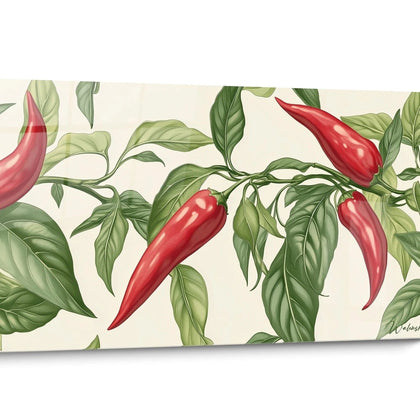

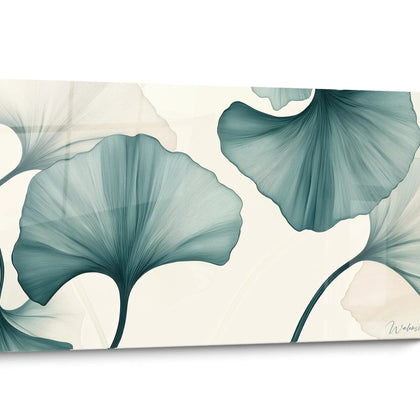
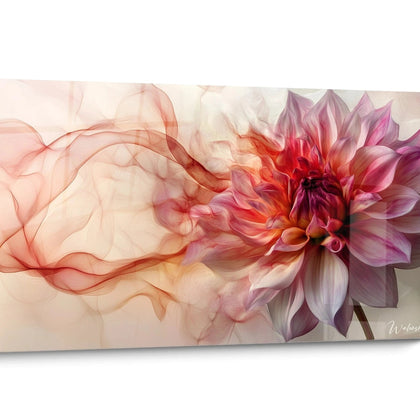
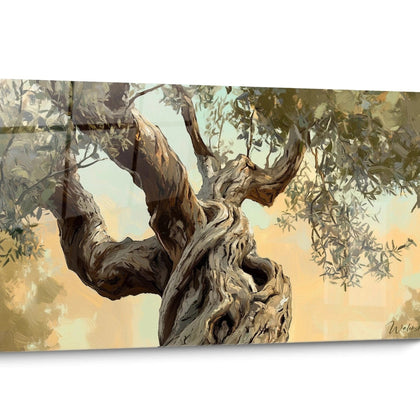

All about Tropical Nature Wall Art
- Presentation Tropical Painting
- Exotic Atmospheres
- Lush Vegetation
- Natural Paradises
Transform your living space into a true exotic sanctuary with a large-scale tropical nature painting. These wall art pieces capture the essence of rainforests, paradisiacal shores, and luxuriant botanical gardens. Each depiction evokes the captivating atmosphere of equatorial destinations, where dense vegetation meets the filtered sunlight through canopies. Unlike abstract nature compositions that freely interpret natural elements, these tropical works faithfully reproduce the spectacular biodiversity of warm, humid regions, creating a visual window to distant lands directly on your walls.
Recreating the Atmosphere of Equatorial Climates in Your Interior
Installing a tropical nature painting of imposing size is more than just a decorative addition: it radically transforms the thermal and psychological perception of a space. Representations of majestic palm trees, tree ferns, and birds with vibrant plumage generate an immediate feeling of escape to the Pacific archipelagos, the Amazon rainforest, or the Balinese coasts. This psychological dimension is particularly valuable in urban environments or temperate climates, where a lack of lush greenery can create a form of visual monotony.
How do tropical visuals influence the ambiance of a room?
The dominant color palettes in these wall art pieces – deep emerald greens, oceanic turquoise, solar yellows, and fuchsia pinks – stimulate serotonin production and create an energizing atmosphere while remaining soothing. A large-format tropical painting acts as a sensory amplifier, particularly effective in reception areas where you want to impress visitors with bold and memorable decor. Motifs of giant foliage such as monsteras, banana trees, or heliconias bring an organic dynamism that contrasts beautifully with contemporary architecture with clean lines.
Decorative associations to maximize the escapist effect
To amplify the visual impact of your tropical nature painting, prioritize natural fiber complements: bamboo, rattan, jute, or sea grass. Textiles in crumpled linen in sand or cream tones create a soothing contrast to the colorful exuberance of the vegetation depicted. The addition of living tropical plants – calatheas, alocasias, philodendrons – establishes a harmonious dialogue between artistic representation and living nature, reinforcing the authenticity of the equatorial atmosphere. Organic-style suspended luminaires, evoking Balinese lanterns or woven plant structures, complete this total sensory immersion.
Which spaces benefit most from tropical wall decor?
Verandas and transitional spaces between interior and exterior are privileged locations, where the tropical visual naturally extends the garden. Spacious bathrooms transform into private spas when adorned with landscapes of tropical waterfalls or crystalline lagoons. Professional offices in sectors related to well-being, travel, or the environment reinforce their brand identity through these powerful representations that instantly communicate values of exoticism, adventure, and connection to the wild nature.
The Visual Power of Lush Ecosystems in Wall Format
A large-scale tropical nature painting captures the incredible plant density of rainforests, where every square centimeter teems with life. This biological complexity is visually translated into a wealth of detail that rewards prolonged observation: delicate veins of banana leaves, subtle gradient of greens according to light exposure, interplay of light and shadow created by the different strata of vegetation. These characteristics make them particularly suitable for large bare walls that require a powerful focal point capable of visually structuring the entire space.
Why choose imposing formats for tropical scenes?
The immersive effect sought with an exotic decoration requires a sufficiently large scale to encompass the peripheral visual field. A monumental format of 150 to 200 cm allows to faithfully restore the gigantic proportions of equatorial flora: some palm leaves can measure several meters in their natural environment, and only a representation of significant size does justice to this botanical majesty. This dimension also creates a three-dimensional depth effect, where the different planes of vegetation – detailed foreground, middle stratum and hazy background – generate a perspective that seems to invite the eye to enter the scene.
Managing chromatic intensity in residential environments
If vibrant tropical palettes are perfectly suited to dynamic living spaces such as open living rooms or family kitchens, some contexts require a more nuanced approach. A tropical nature painting with subdued tones – rainforest under heavy rain, jungle at dusk – offers the same exotic reference while maintaining a soft atmosphere conducive to relaxation in a bedroom. Water representations of lagoons, forest rivers or deserted beaches introduce the tropical element through suggestion rather than chromatic saturation, creating meditative atmospheres particularly sought after in spaces dedicated to rest or concentration.
How to balance tropical exuberance and contemporary sobriety?
The trick is to let the wall visual be the only element of strong chromatic intensity in the room. A neutral-toned environment – off-white, pearl gray, natural beige – allows the tropical painting to shine without creating a visual cacophony. This strategy of maximum contrast amplifies the impact of the work while preserving a contemporary elegance. Furniture with clean lines in Scandinavian or Japanese minimalist style dialogues beautifully with the organic exuberance of tropical motifs, creating a dynamic aesthetic tension between geometric order and mastered natural chaos.
Evocation of Paradise Destinations and Psychology of Escape
Beyond their decorative function, wall representations of tropical landscapes respond to a deep psychological need for escape and reconnection with a preserved nature. In a context where opportunities for travel are becoming rarer or more considered, a tropical nature painting acts as a permanent window to distant horizons. Neuroscience confirms that the simple visualization of lush natural landscapes significantly reduces physiological markers of stress – decrease in cortisol, slowing of heart rate, muscle relaxation – effects amplified when the image occupies a large visual field.
Which tropical destinations inspire wall creations the most?
The Polynesian archipelagos with their turquoise lagoons and volcanic peaks draped in greenery are a major source of inspiration, as are the cloud forests of Central America where morning mists and saturated vegetation create fairy-tale atmospheres. The terraced rice paddies of Bali framed by palm trees, the white sandy beaches bordered by coconut trees of the Seychelles, the majestic waterfalls of Hawaii plunging into emerald pools: each tropical region offers its distinctive visual signature. A dense jungle visual will evoke adventure and discovery, while a peaceful beach scene will communicate serenity and relaxed luxury.
The seasonal evolution of the need for exotic visuals
The appeal of tropical representations naturally intensifies during the winter months in temperate climates, when the external greyness contrasts most strongly with the colorful exuberance of the equatorial regions. Nevertheless, unlike temporary seasonal decorations, a museum-quality tropical nature painting remains relevant all year round thanks to its intrinsic artistic value. In summer, it extends and amplifies the natural luminosity, creating a visual continuity with nature in full bloom. This decorative permanence justifies the investment in generous formats and superior execution qualities that will transcend passing trends.
Integration into biophilic design projects
Biophilic design, which aims to maximize visual and sensory connections with nature in built spaces, finds in tropical murals a particularly effective tool. When paired with the use of natural materials, generous lighting, and the presence of living plants, these works contribute to environments that measurably improve the well-being of occupants. Forward-thinking professional spaces – technology startups, innovation consulting firms, creativity centers – are widely adopting this aesthetic, which simultaneously communicates dynamism, open-mindedness, and environmental awareness.
Frequently Asked Questions about Large Format Tropical Paintings
Is a tropical nature painting suitable for classic interiors or only contemporary ones?
These works integrate remarkably well into British or Dutch colonial style interiors, which historically have connections with tropical regions. Exotic woods such as teak or mahogany naturally dialogue with jungle visuals. In a more classic context, prioritize detailed botanical representations reminiscent of naturalists' explorers' herbarium plates from the 19th century.
Do tropical visuals risk visually fatiguing in the long term?
The artistic quality and complexity of composition determine the longevity of visual interest. A scene with multiple planes, a diversity of plant species, and subtle plays of light offers enough richness to constantly renew the contemplative experience. Panoramic formats also allow for sequential reading – one gradually discovers different areas of the image – which prevents perceptual saturation.
How to maintain a tropical painting to preserve its vibrant colors?
Avoid direct exposure to intense sunlight which progressively degrades the pigments, particularly greens and blues sensitive to UV rays. Positioning on a wall perpendicular to the main windows preserves color vibrancy while benefiting from optimal indirect natural lighting. Gentle dusting every three months with a dry microfiber cloth is generally sufficient to maintain the brilliance and sharpness of the details.
Further reading
Our articles on this topic
- Why do tropical foliage paintings create an atmosphere of well-being?
- Panoramic tropical painting above the bed: how to harmonize it without overloading the bedroom
- Tropical landscape painting: jungle, creating an exotic mood in an office
- How Do Tropical Palm Tree Wall Art Evoke Beach Destinations?
- Tropical bedroom painting, boho style with palm leaves: creating a zen atmosphere
- Mango tropical painting: how to elevate a modern living room
L'art qui suscite l'envie
Maison belge d'art mural grand format
14 jourspour changer d'avis*
Protection Walenskyincluse
Fabriquéen Italie
FormatXXL
Kit de fixationtoujours fourni
* Hors tableaux personnalisés et tailles personnalisées


