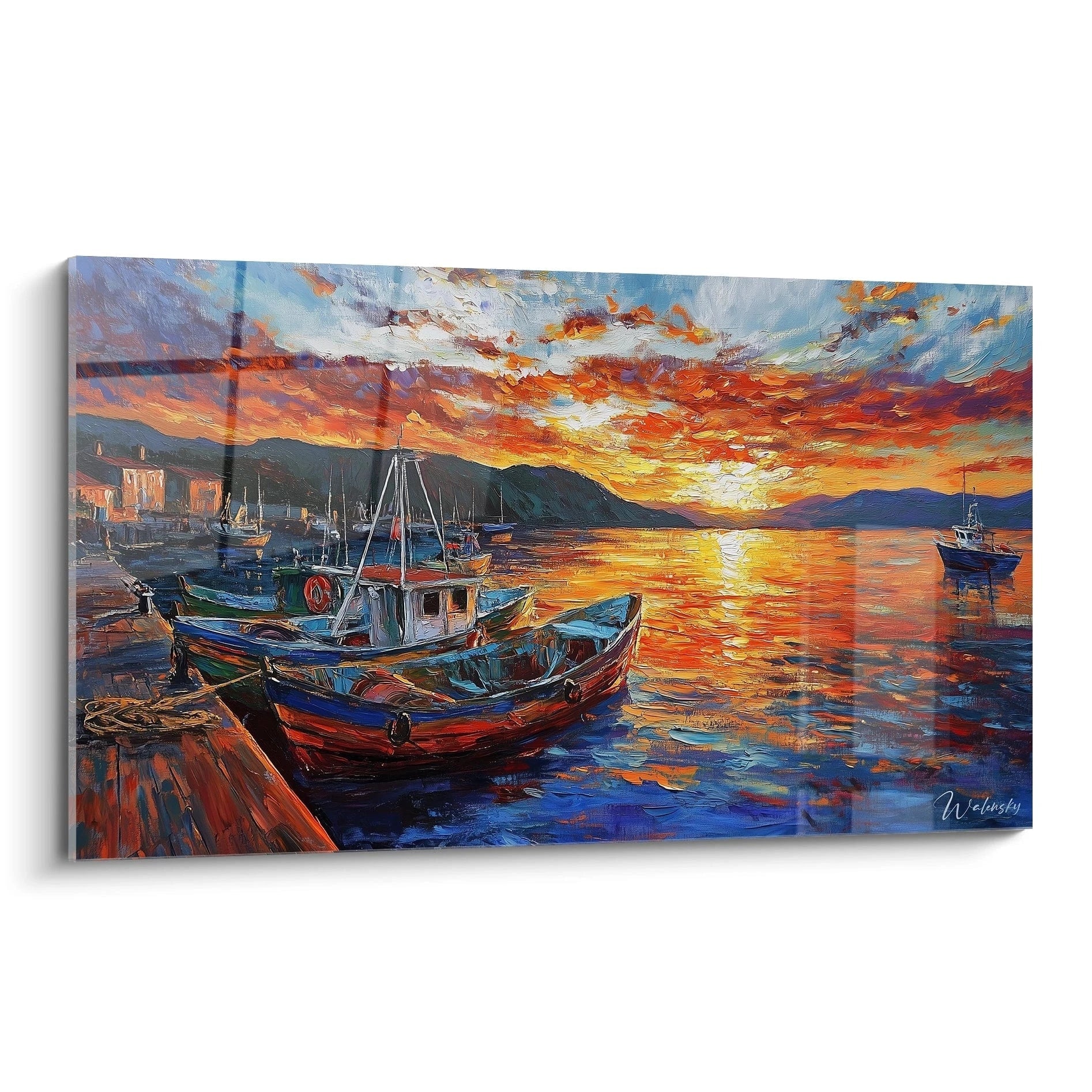
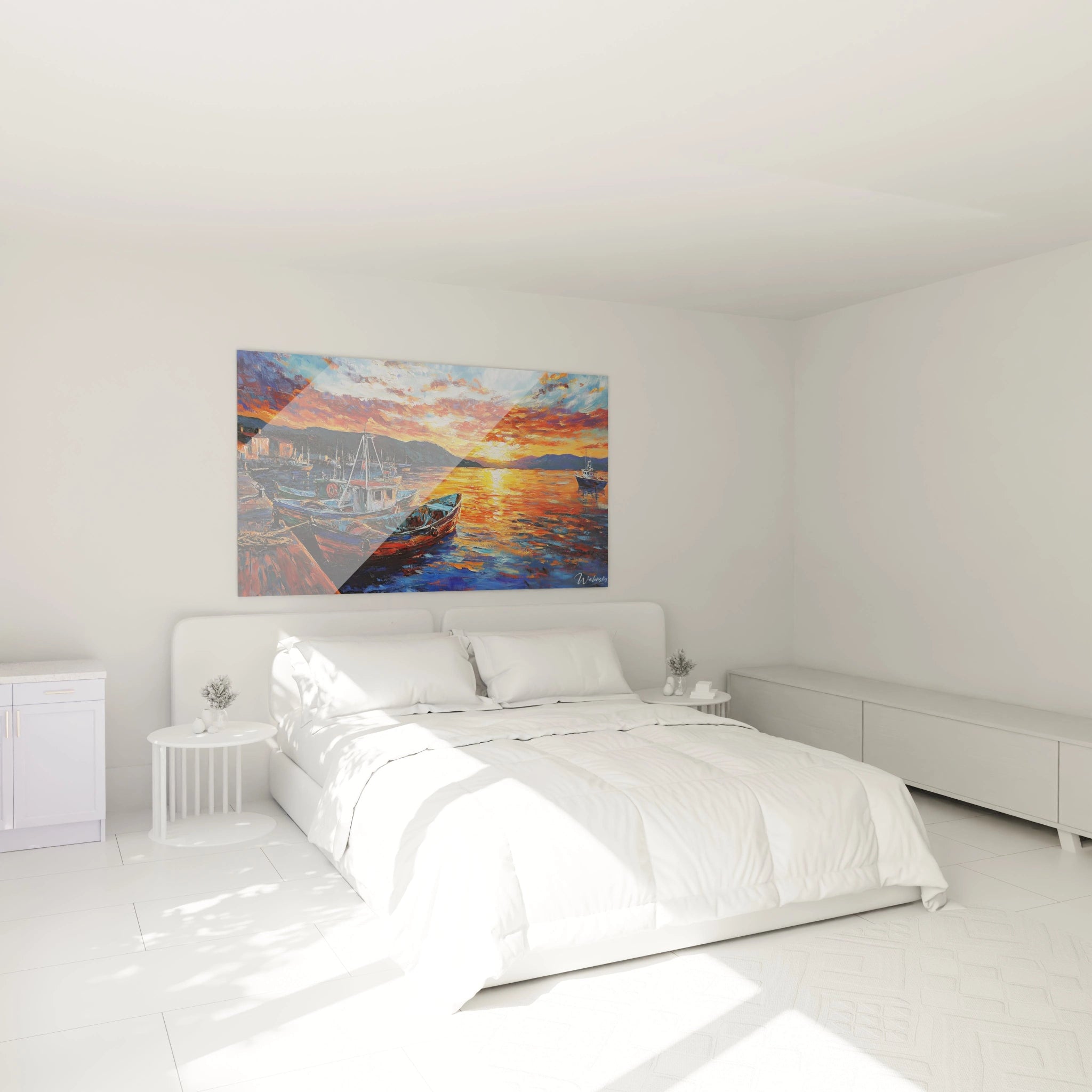
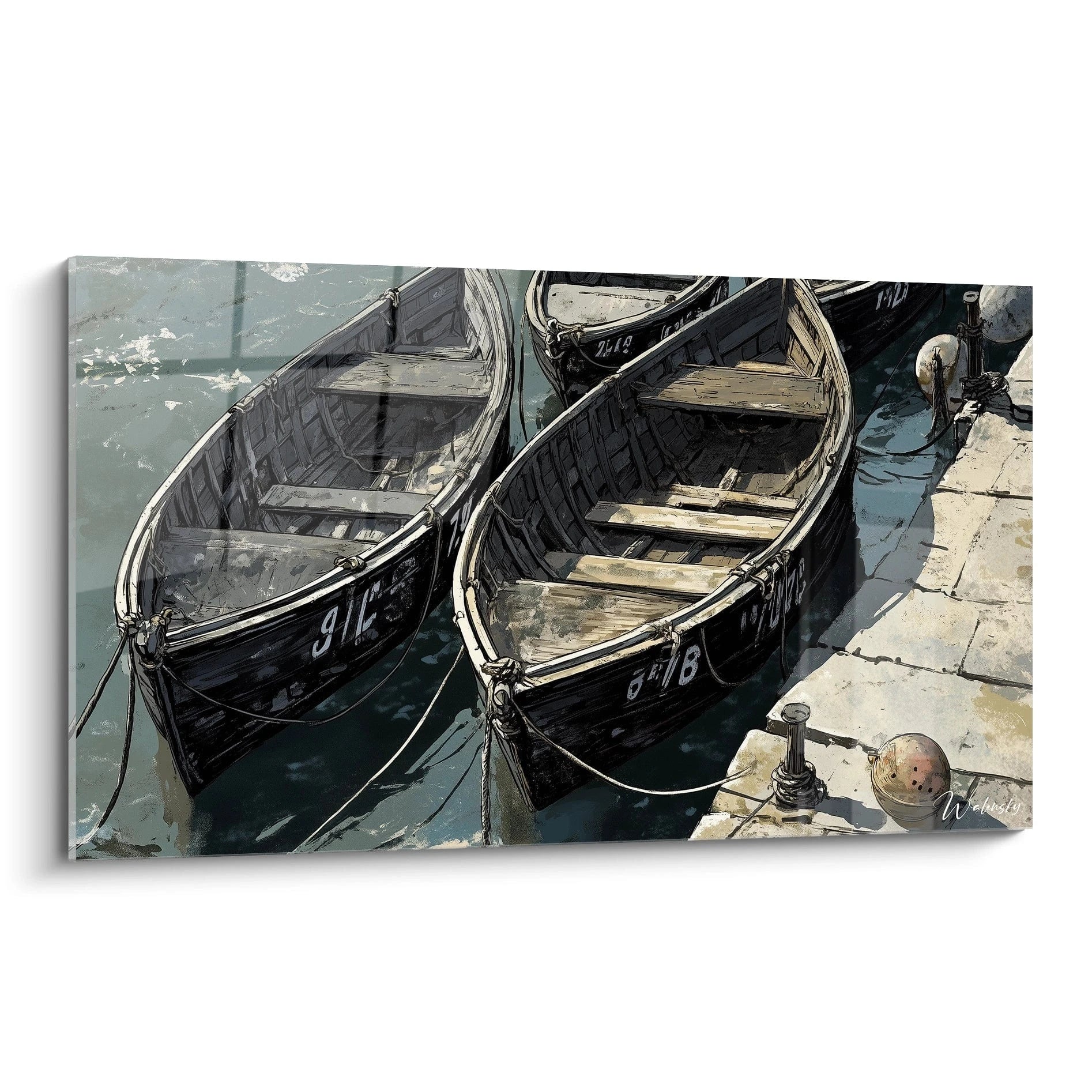
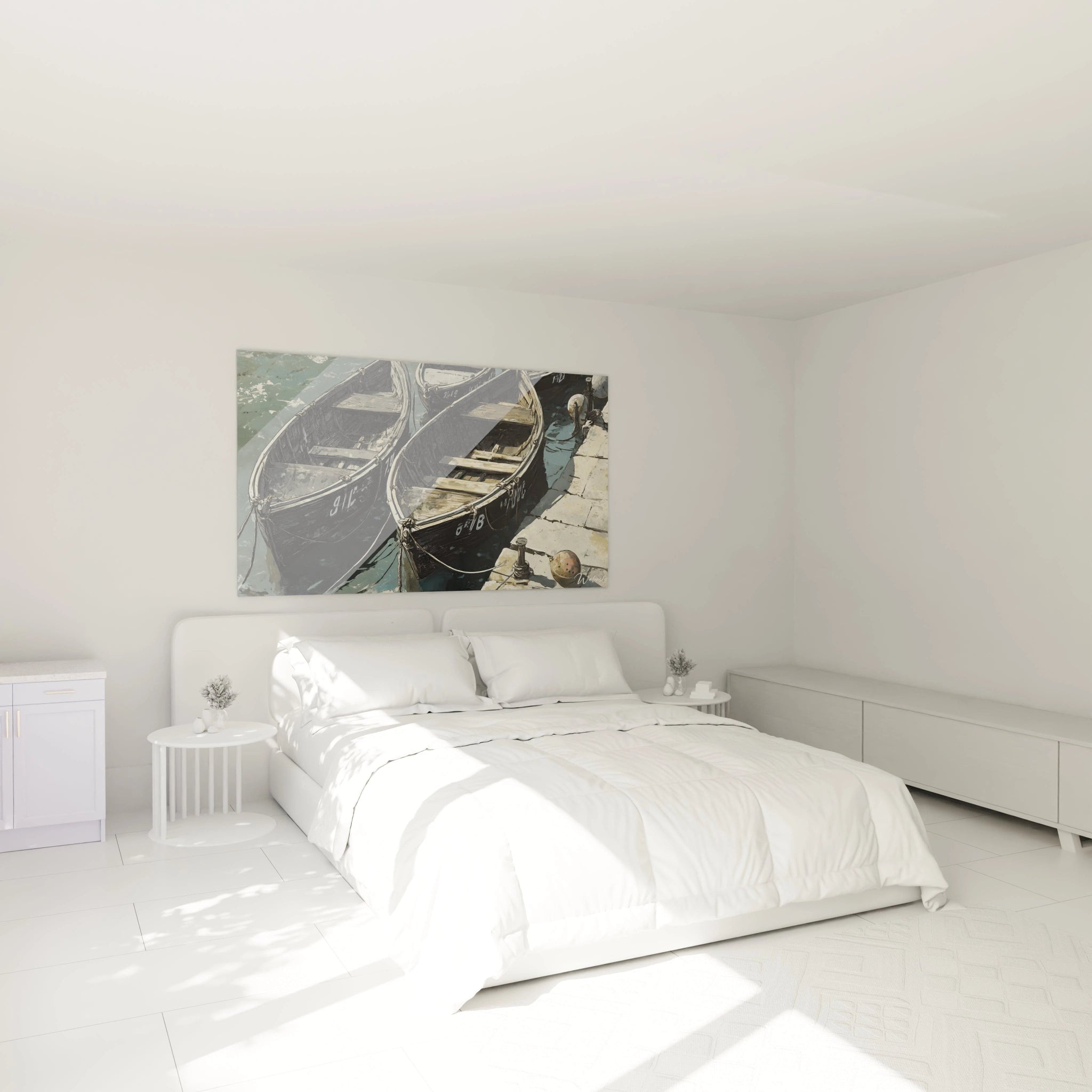
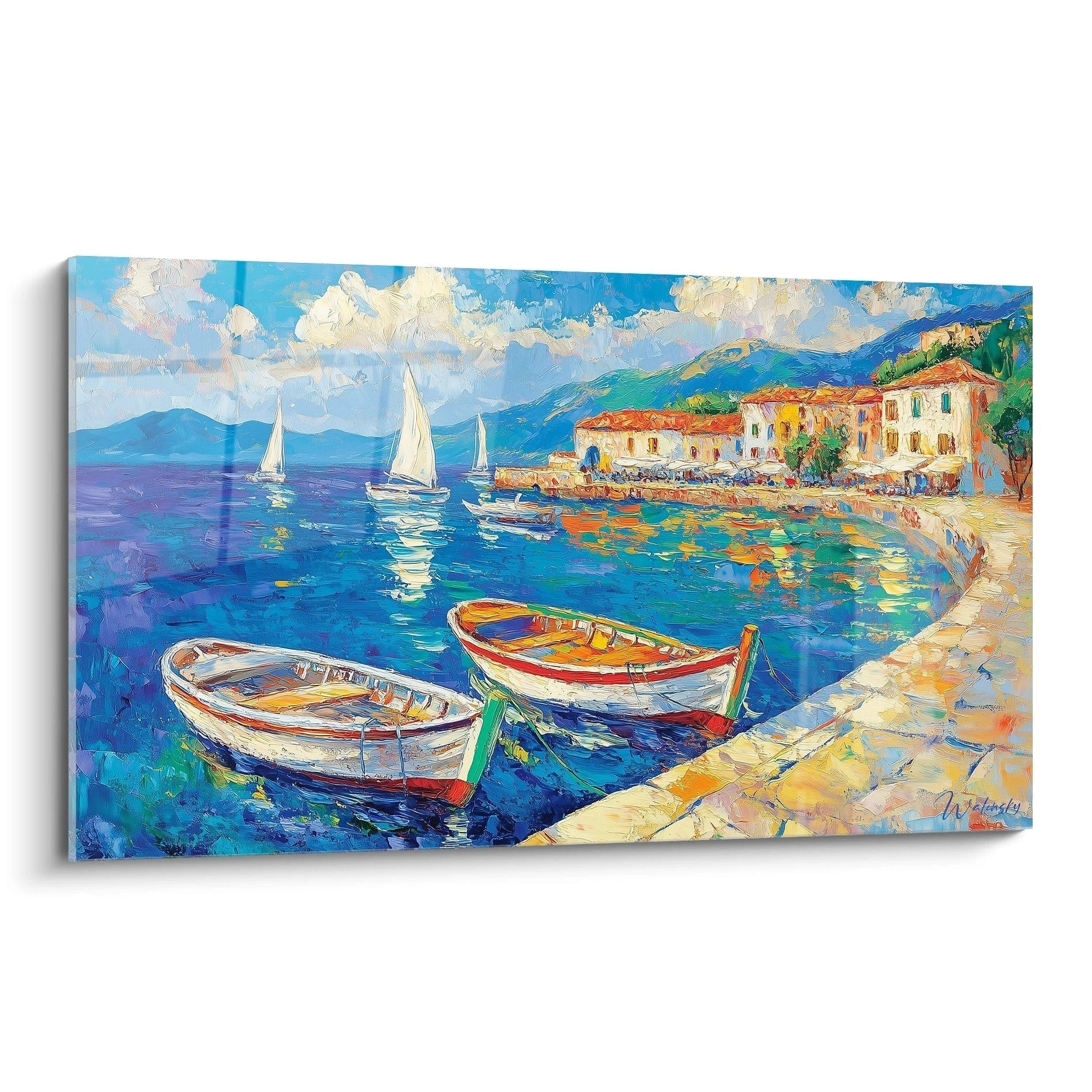
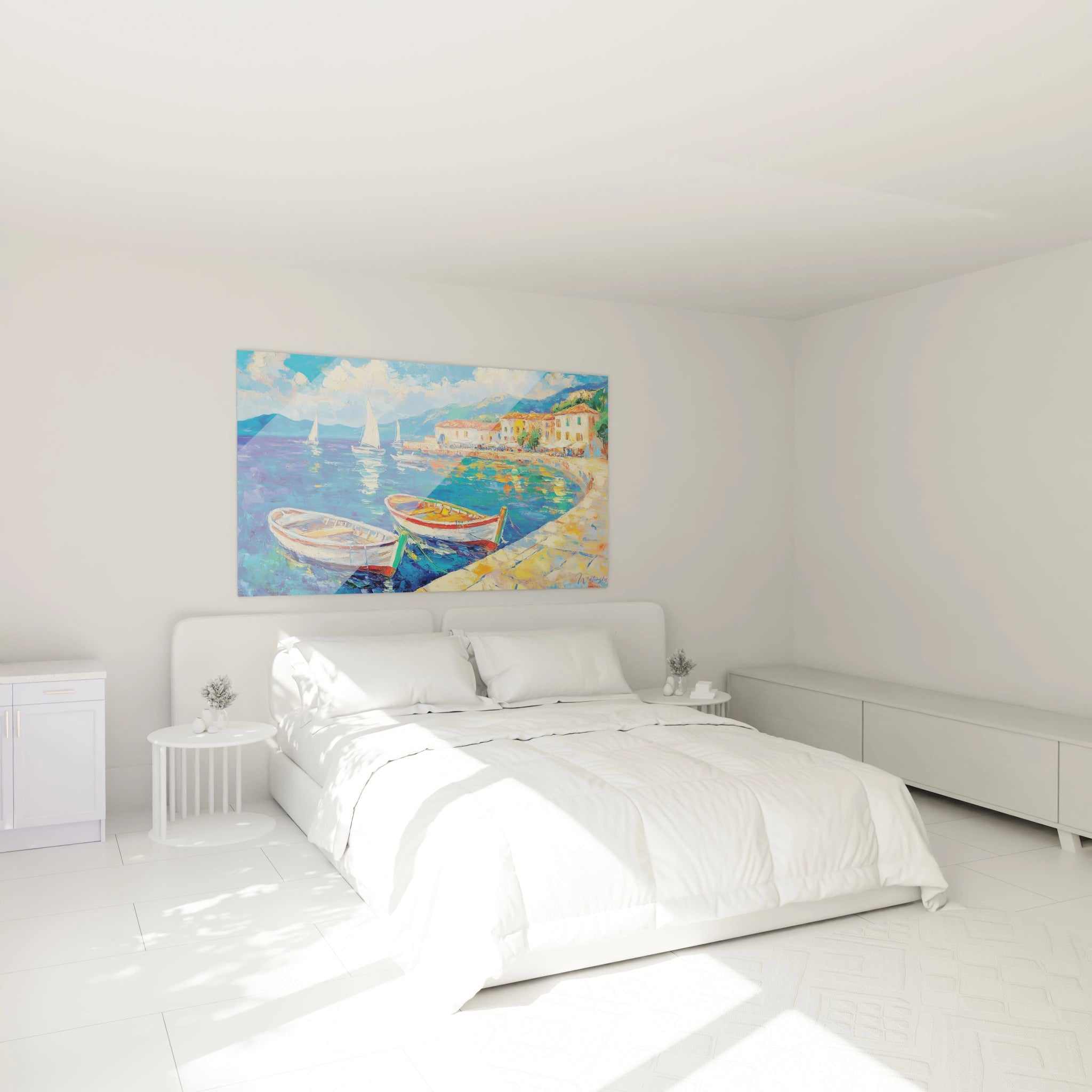
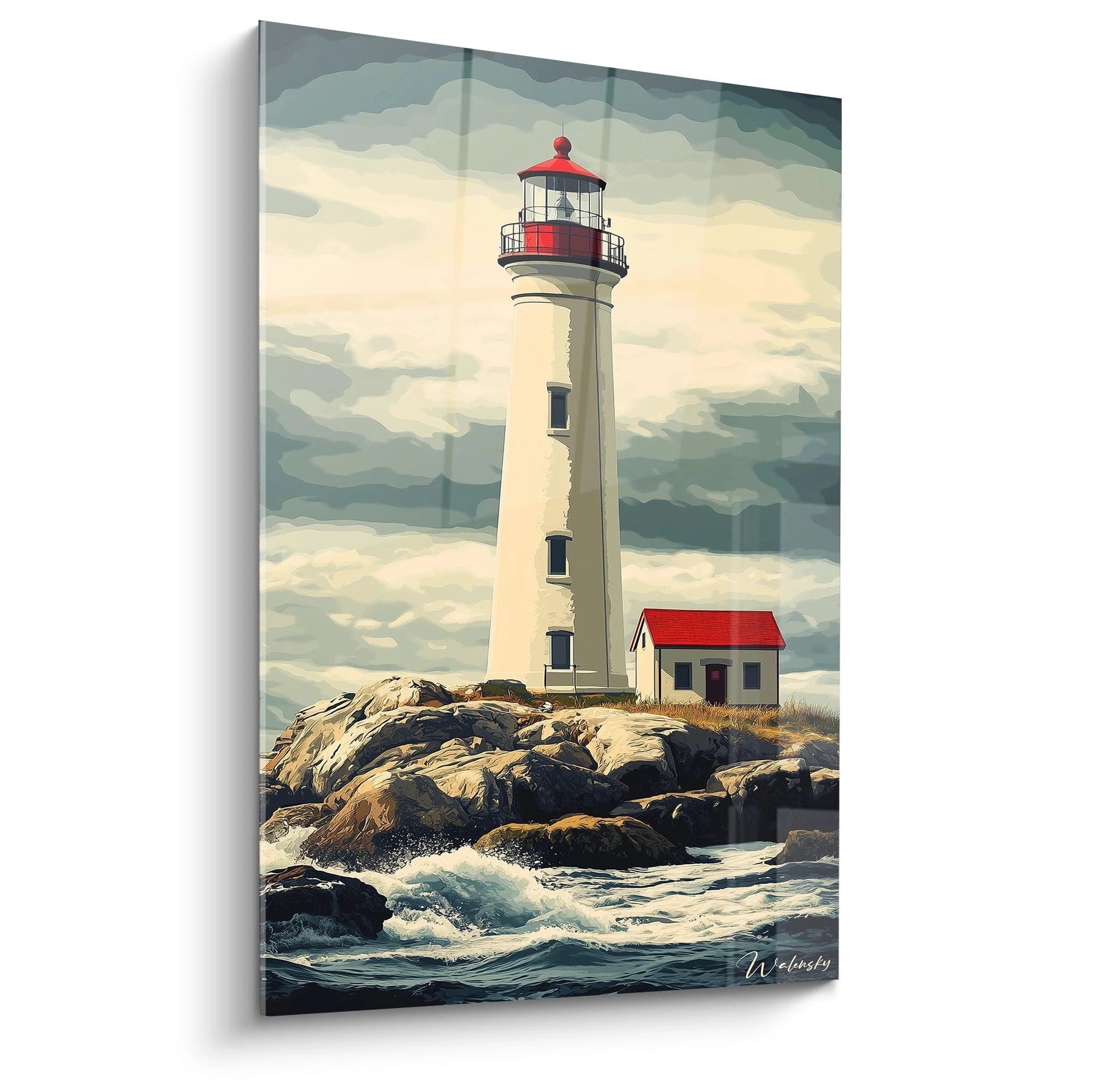
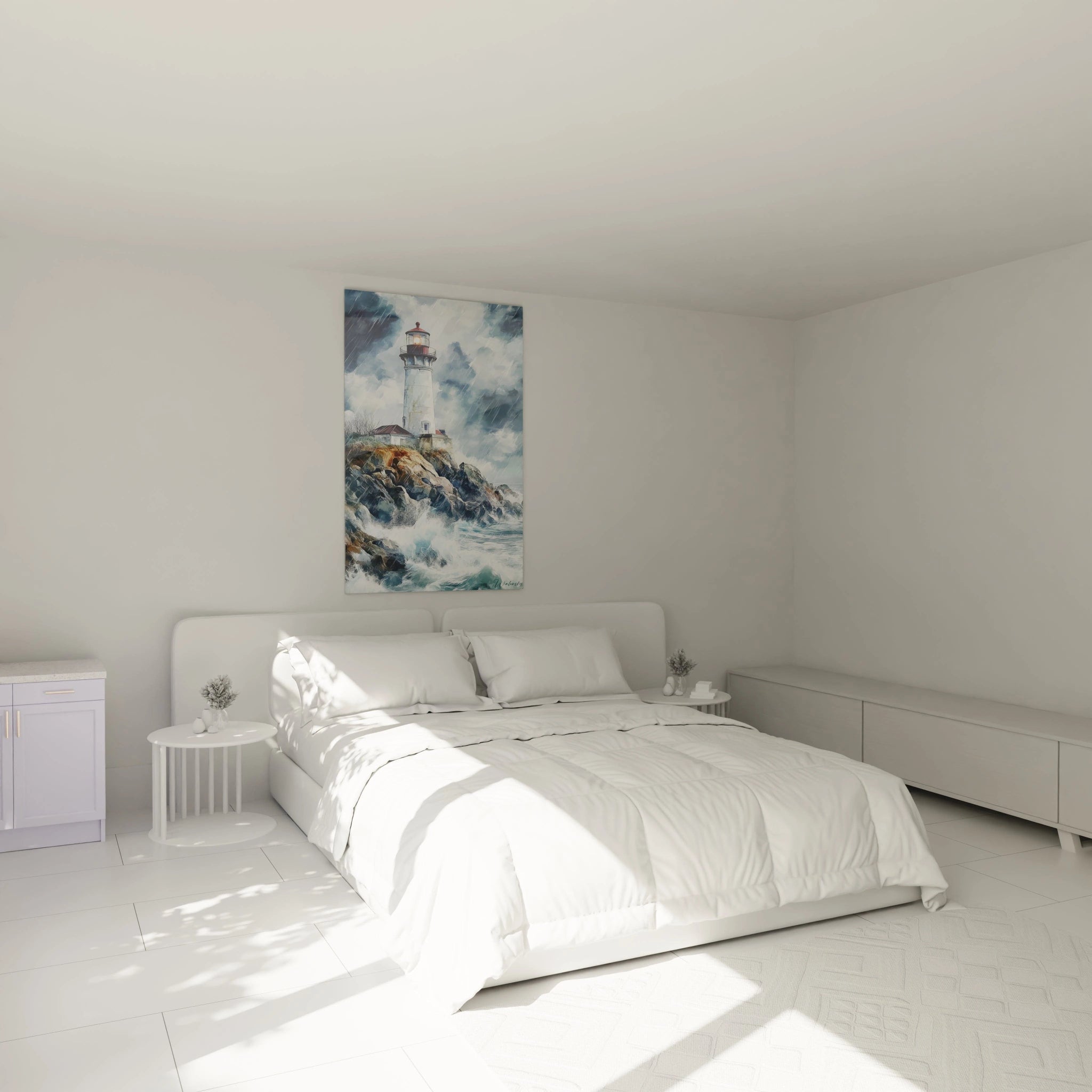
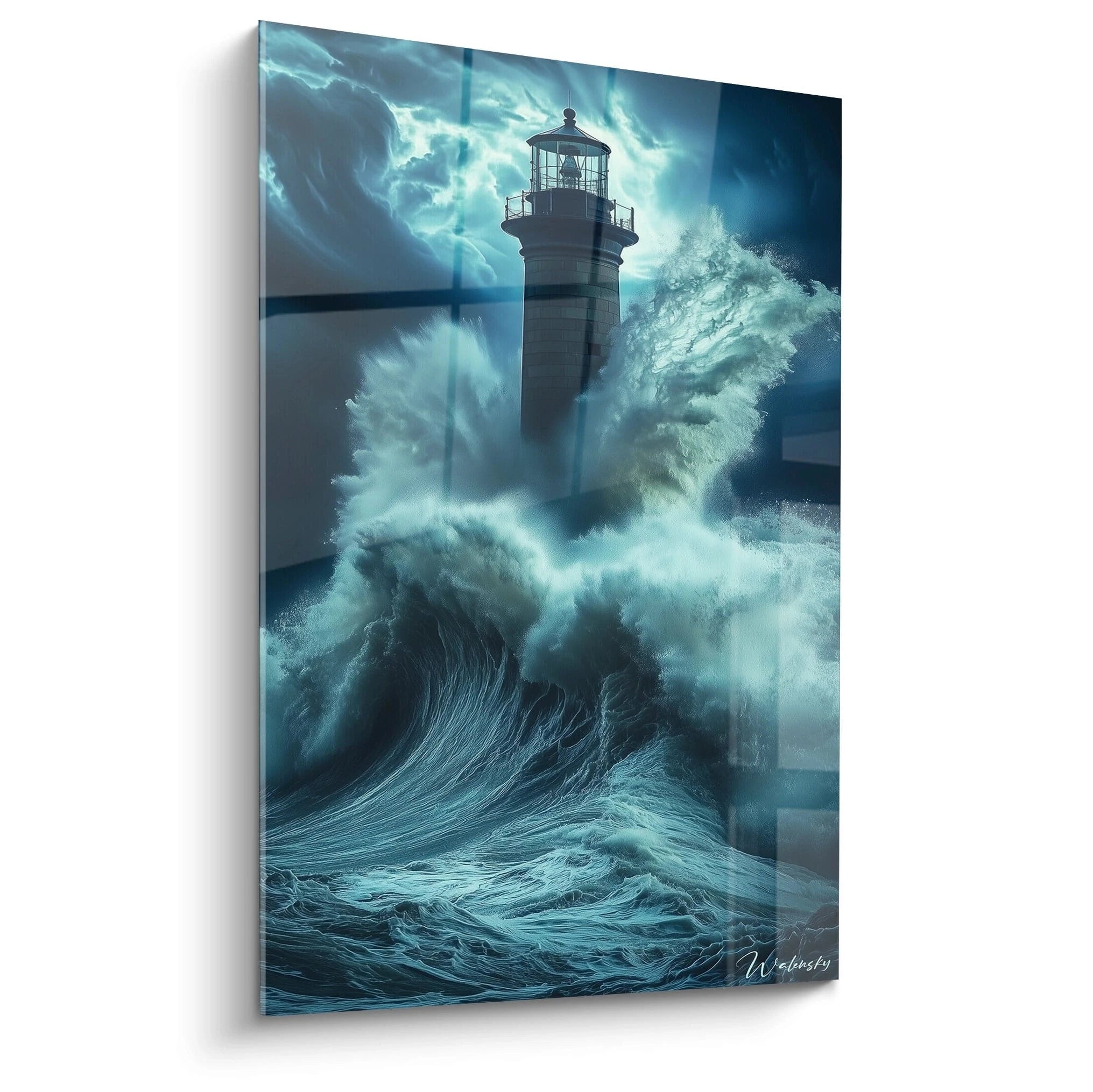
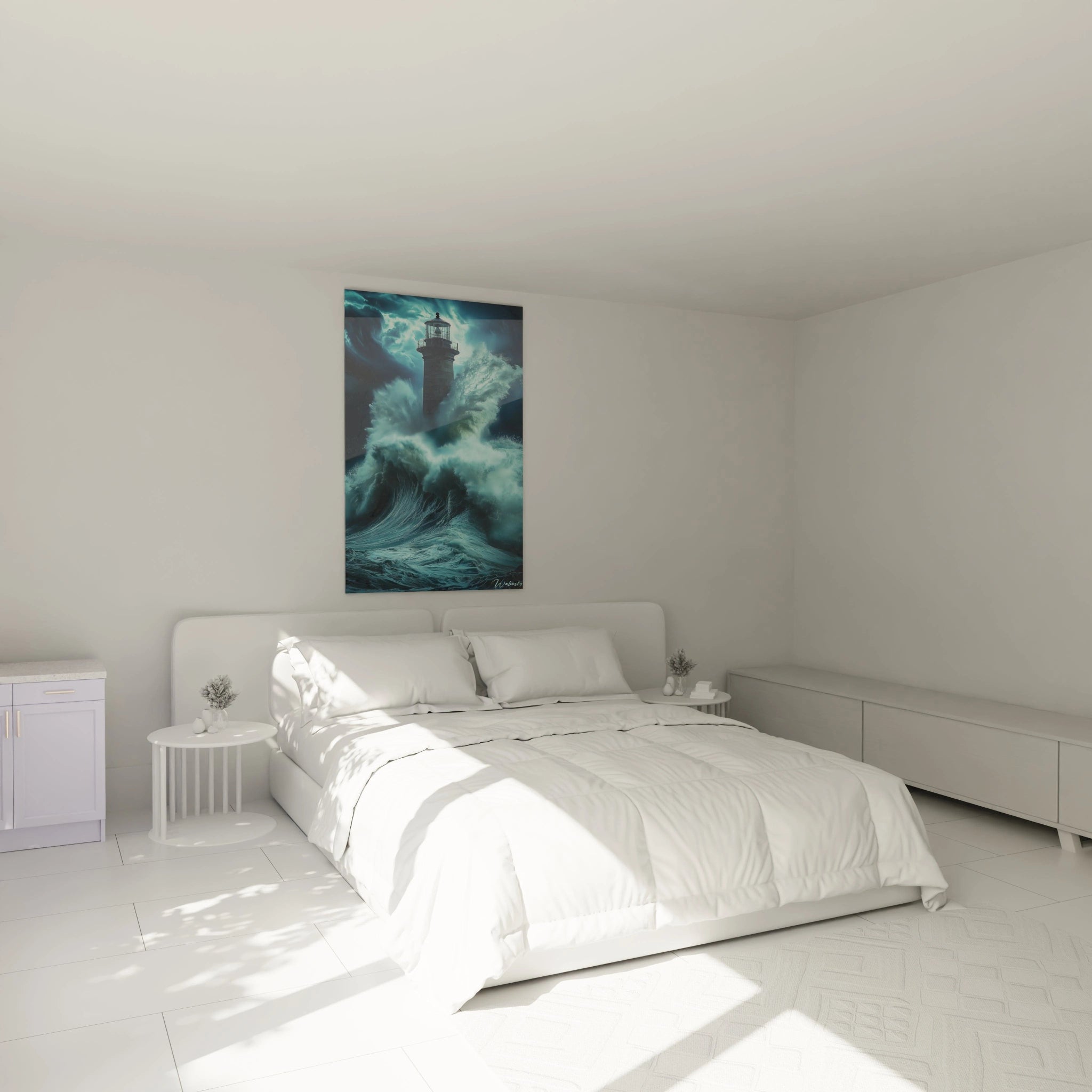
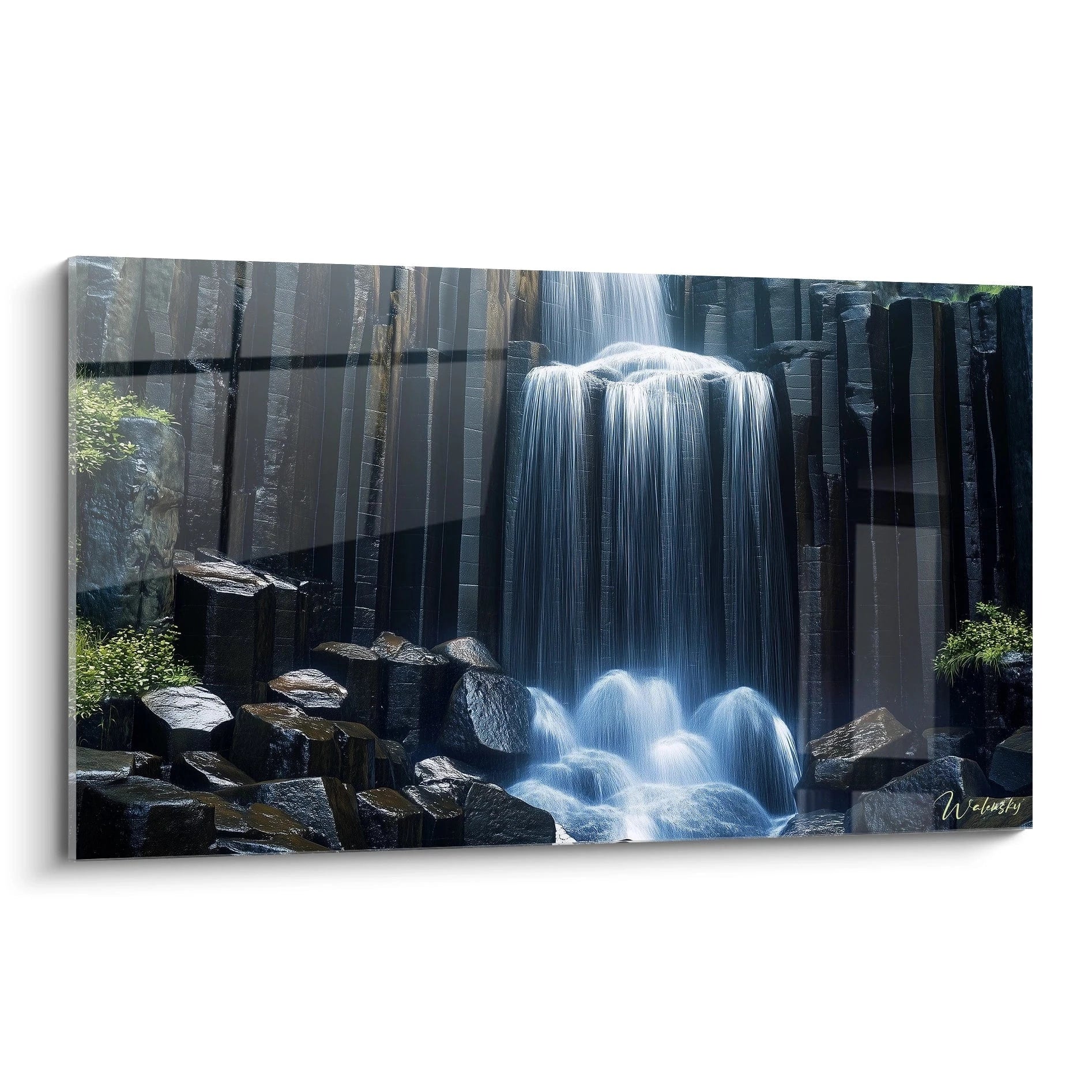
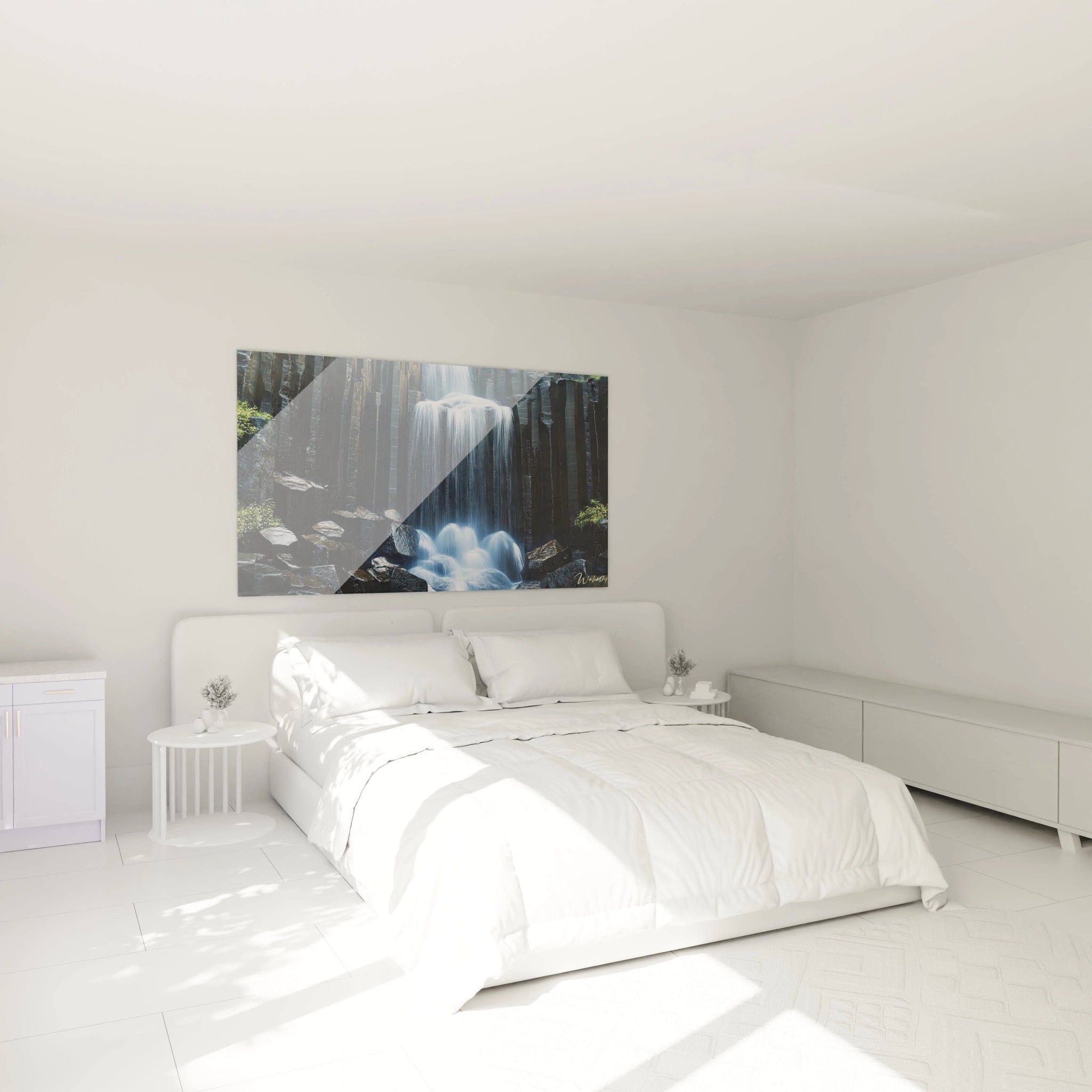
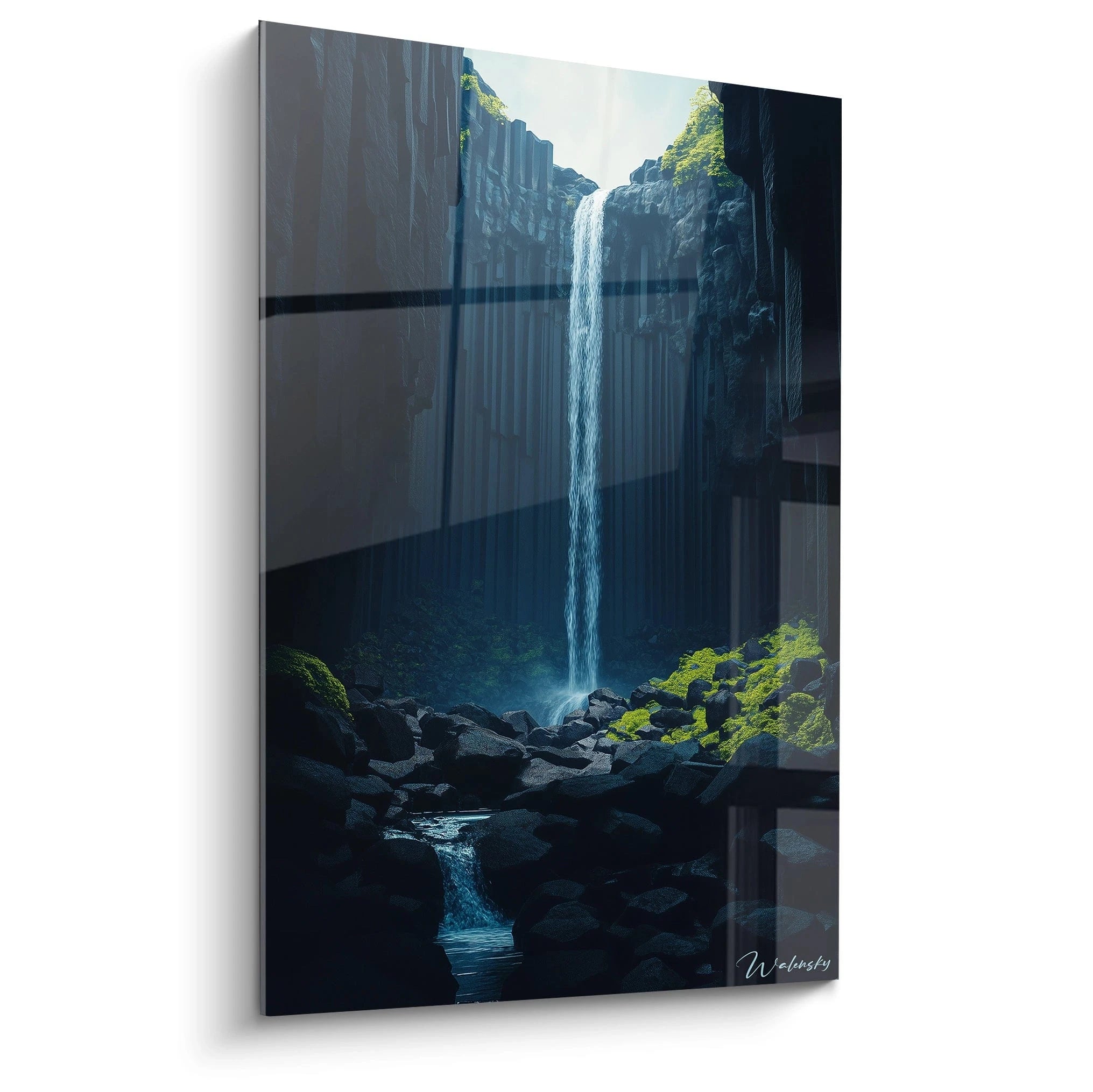
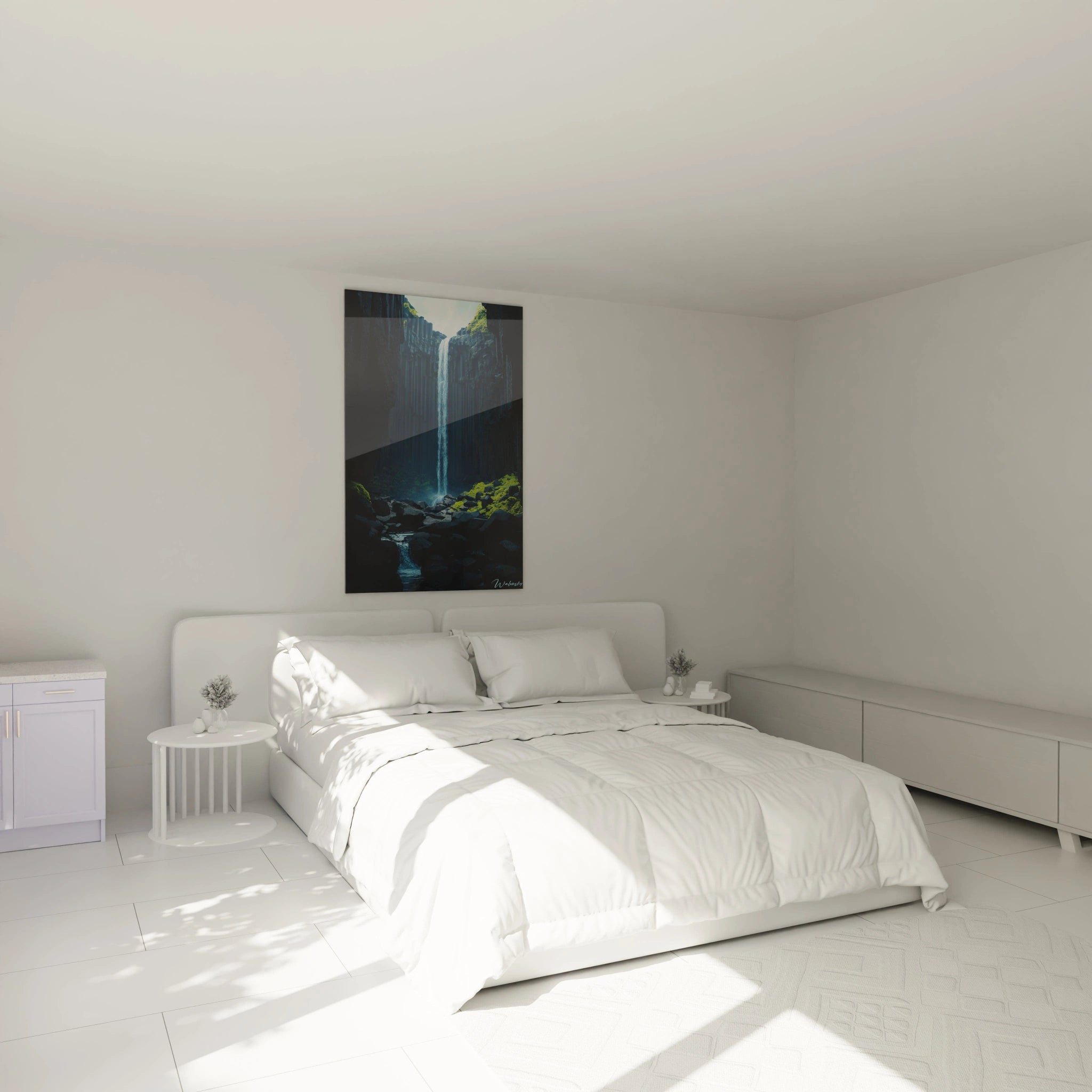
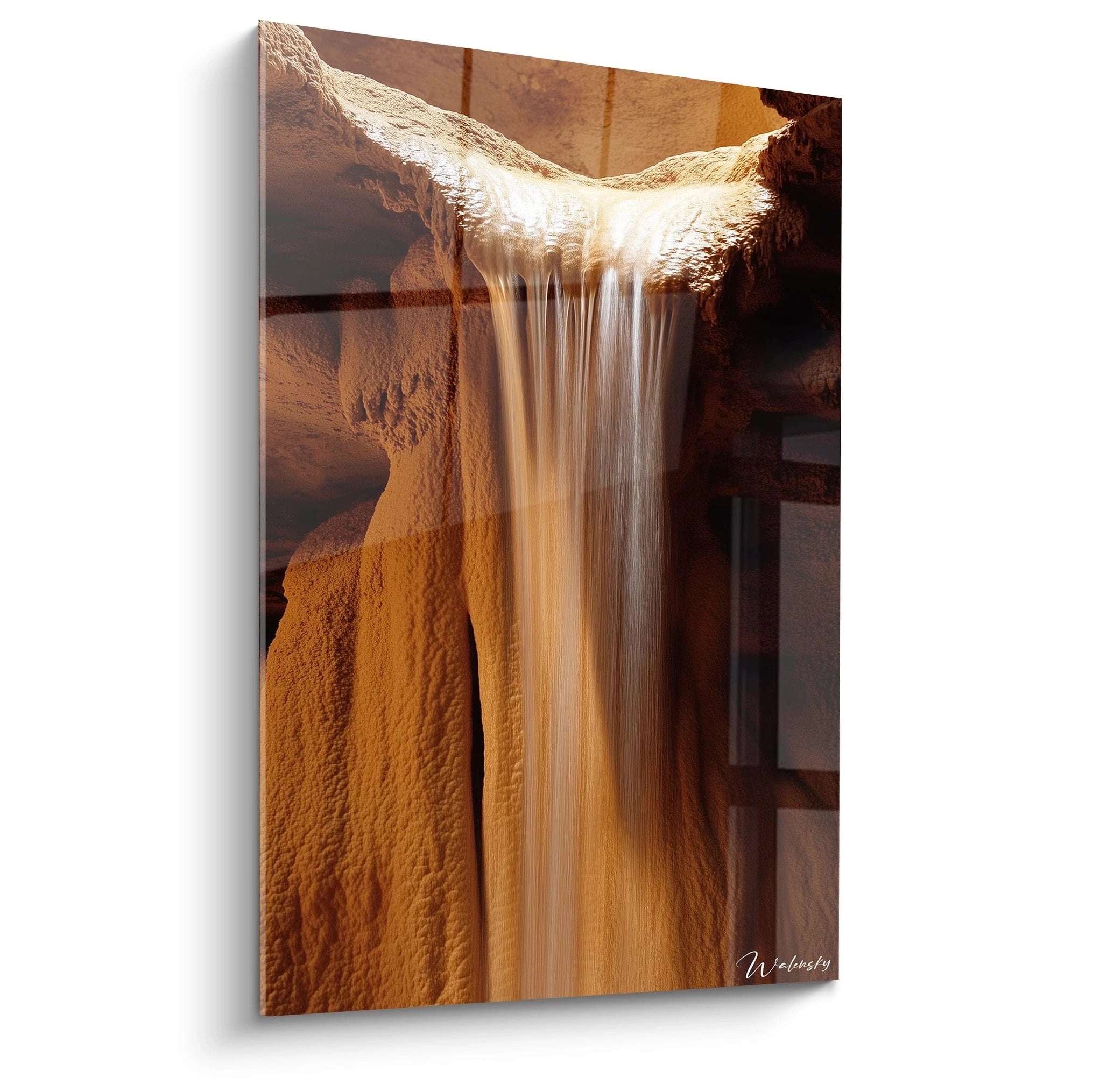
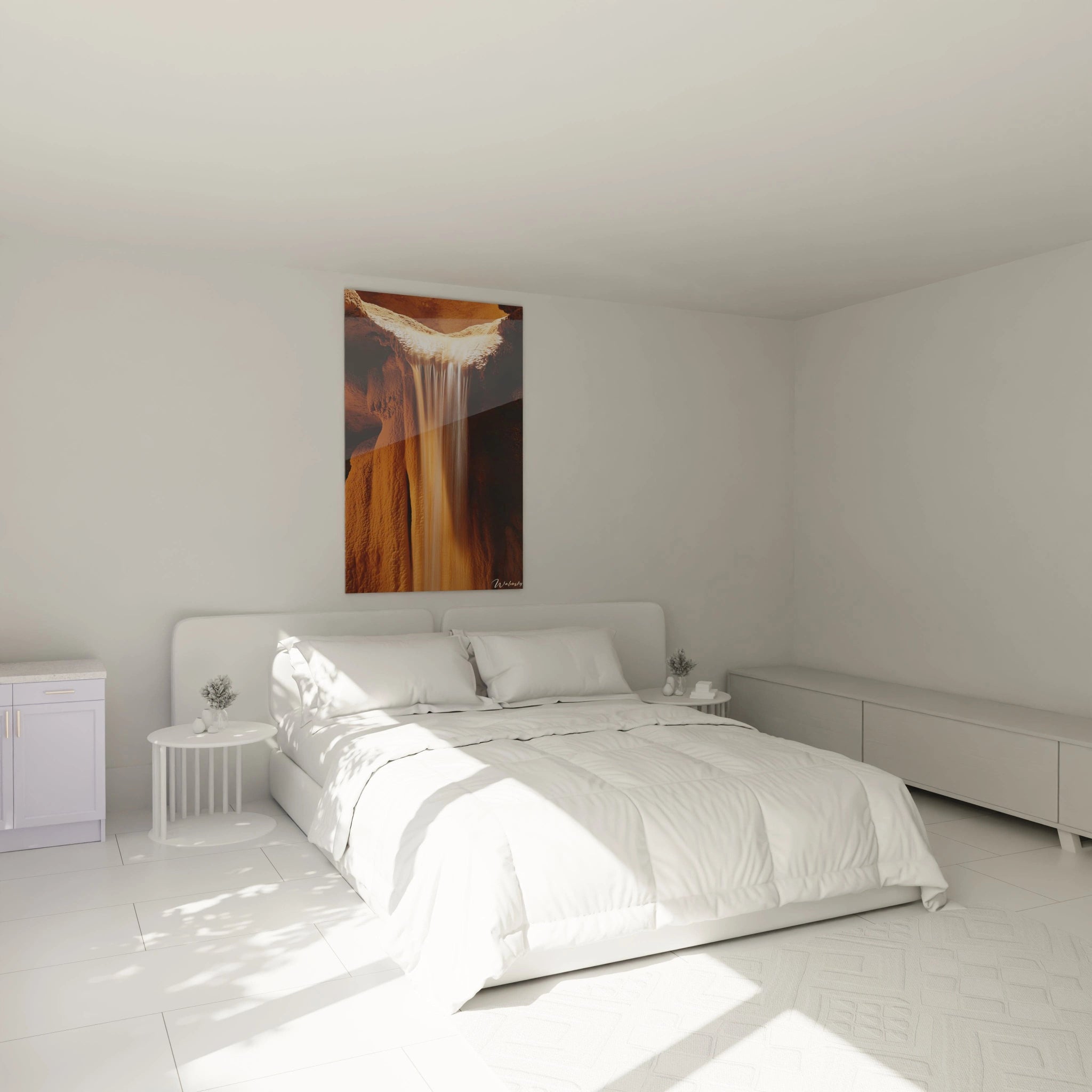
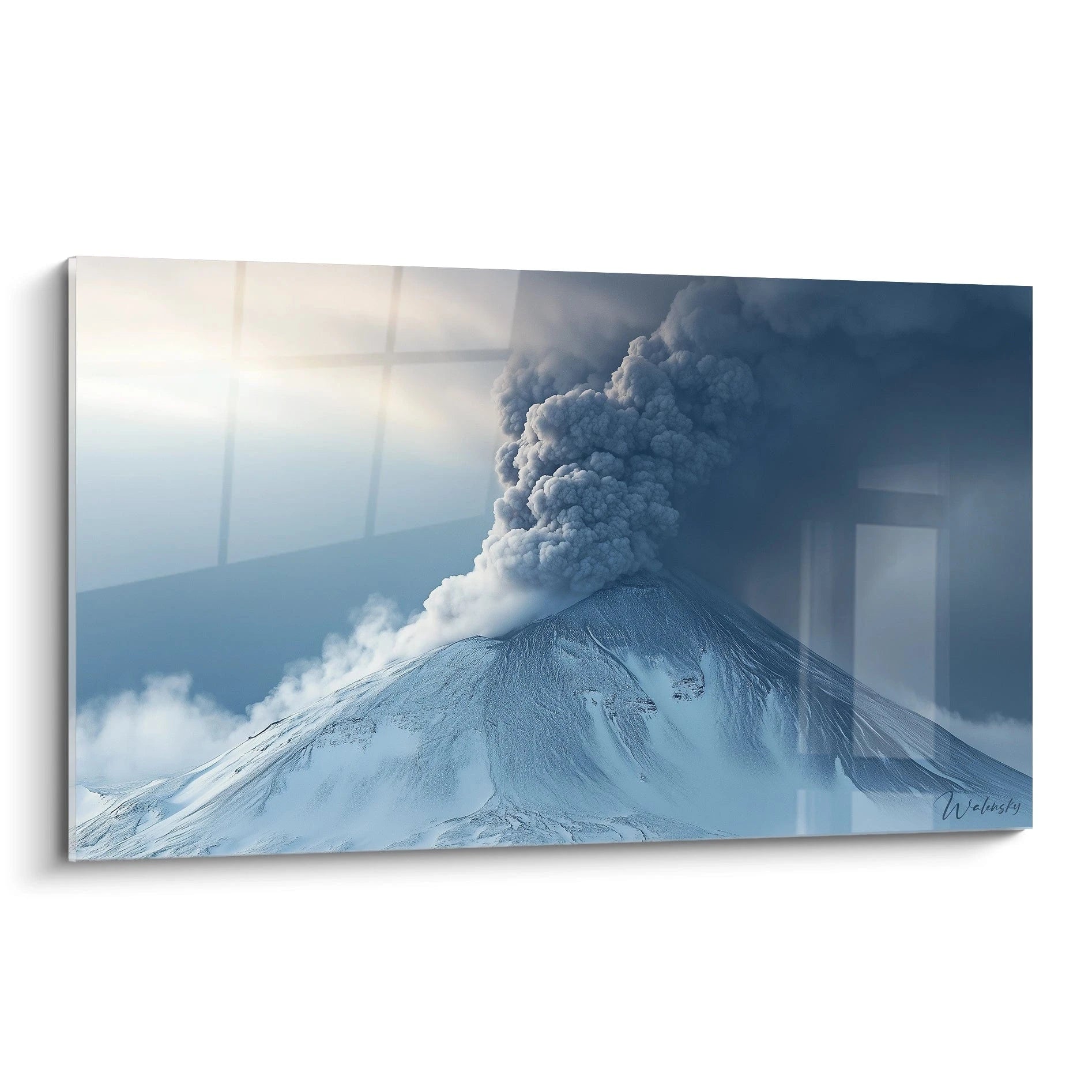
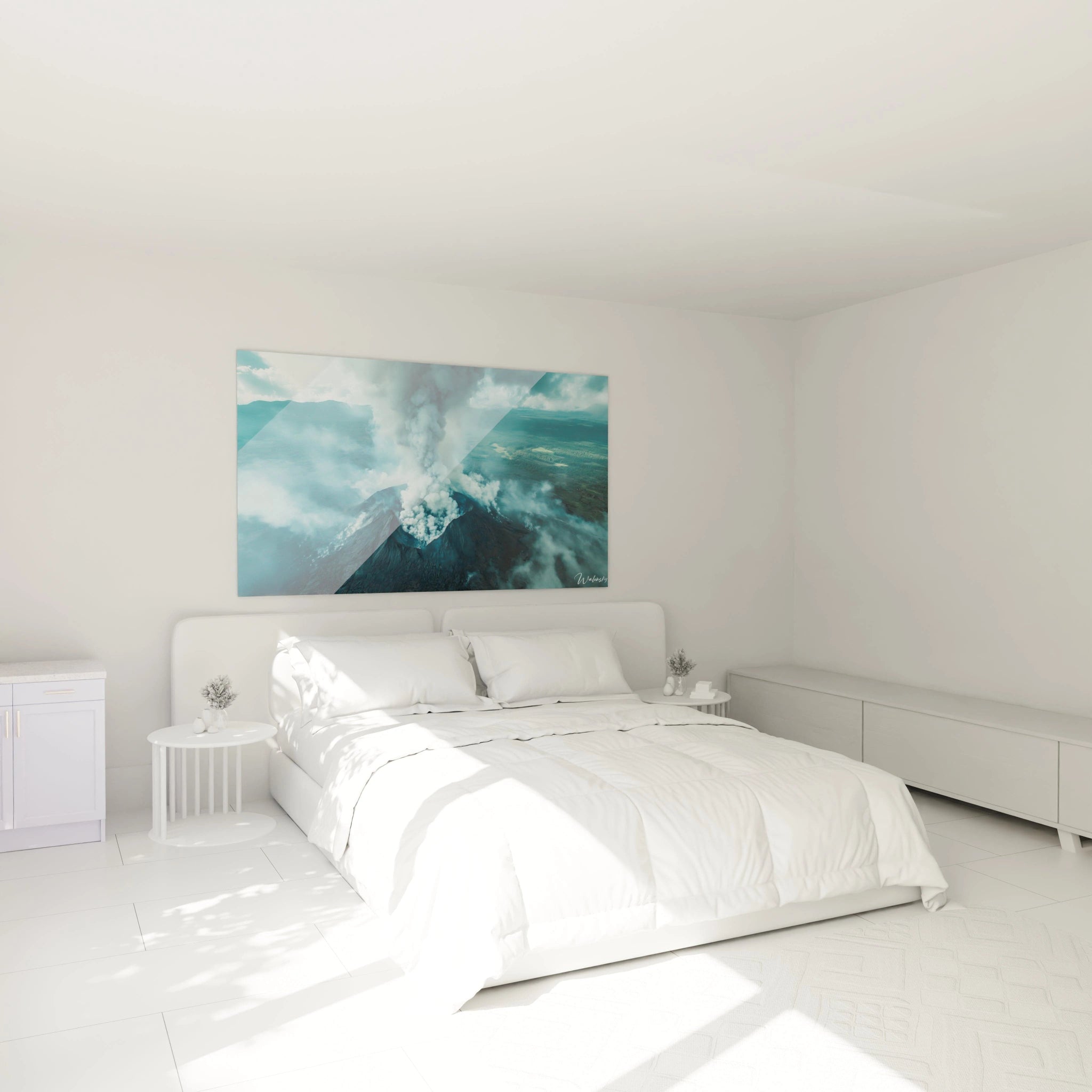
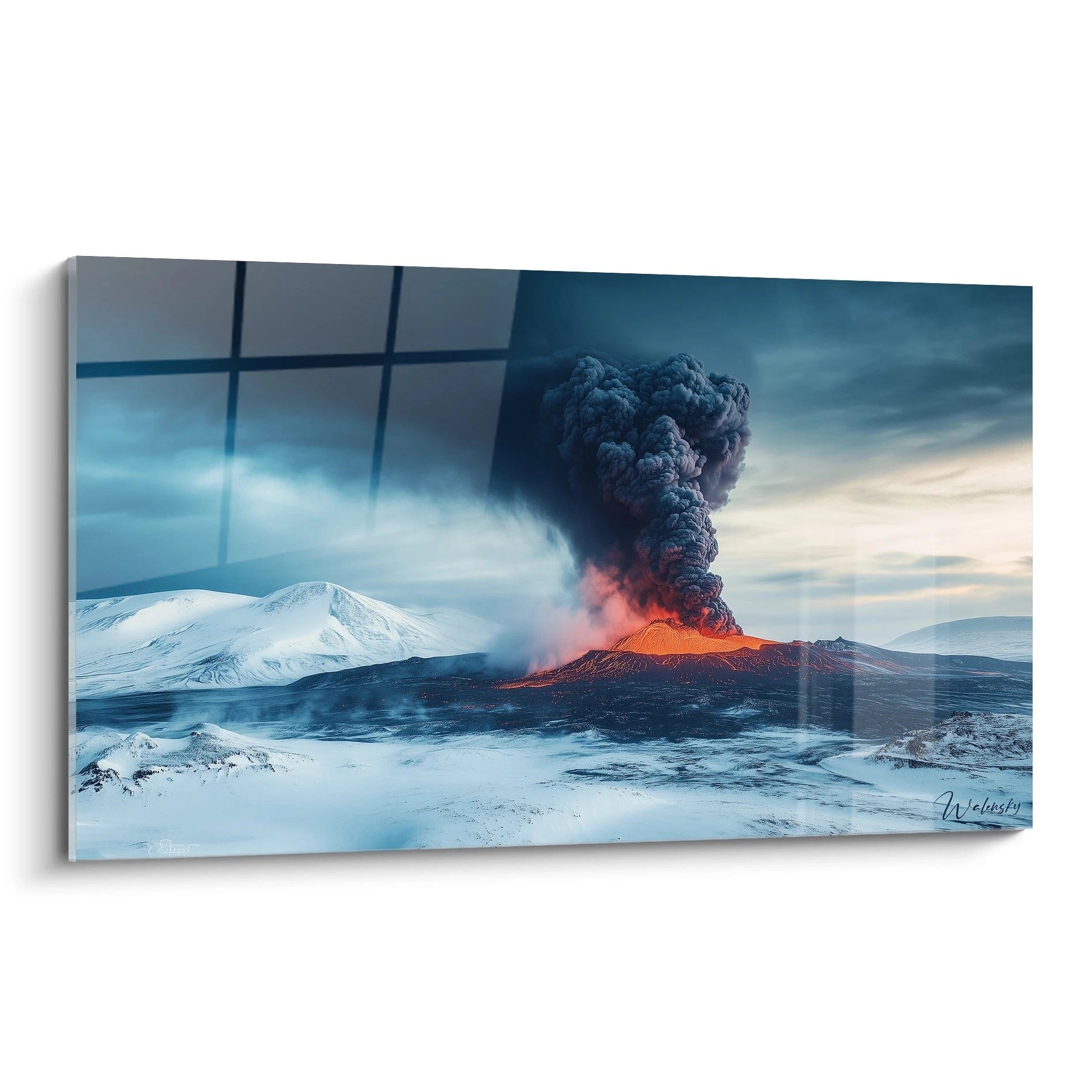
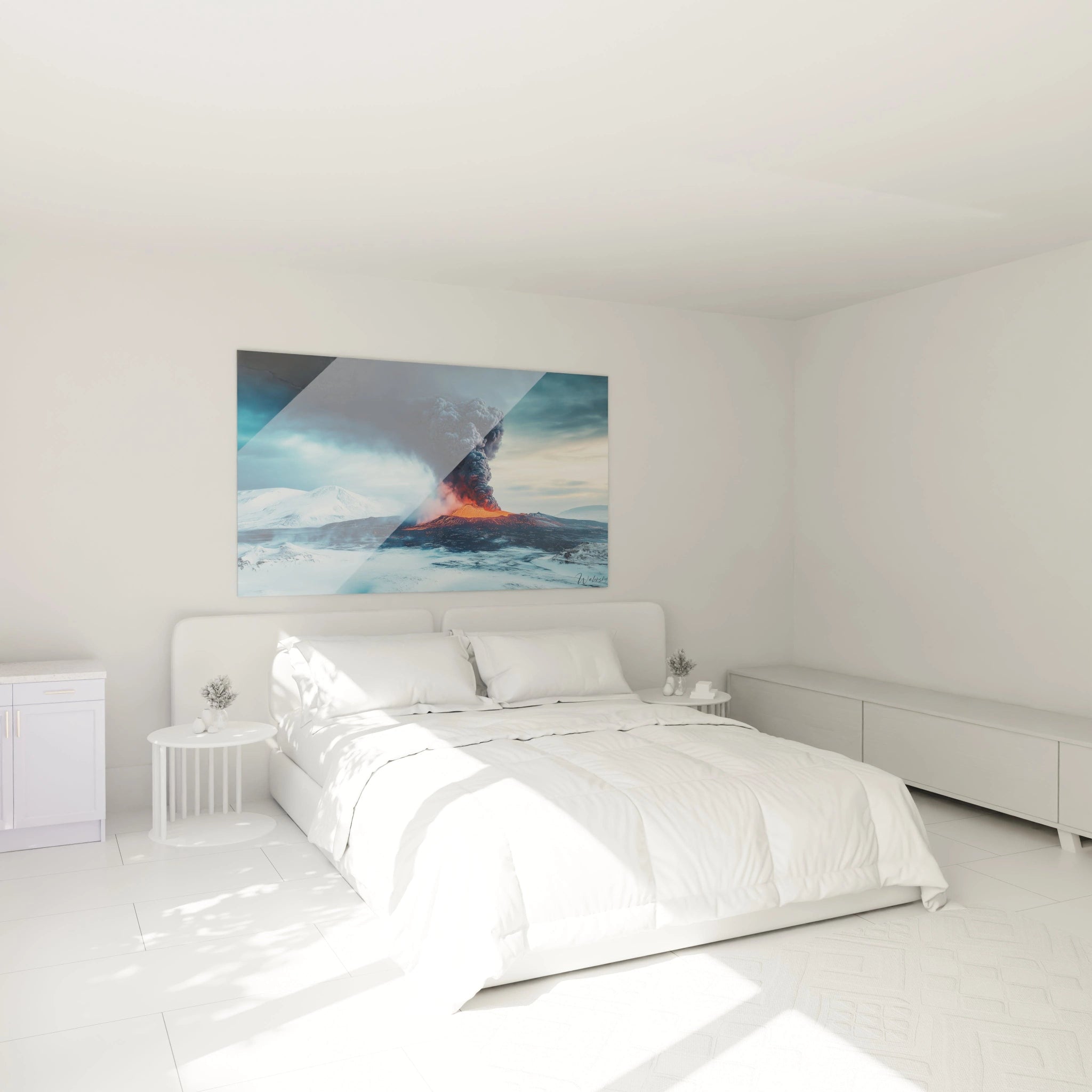
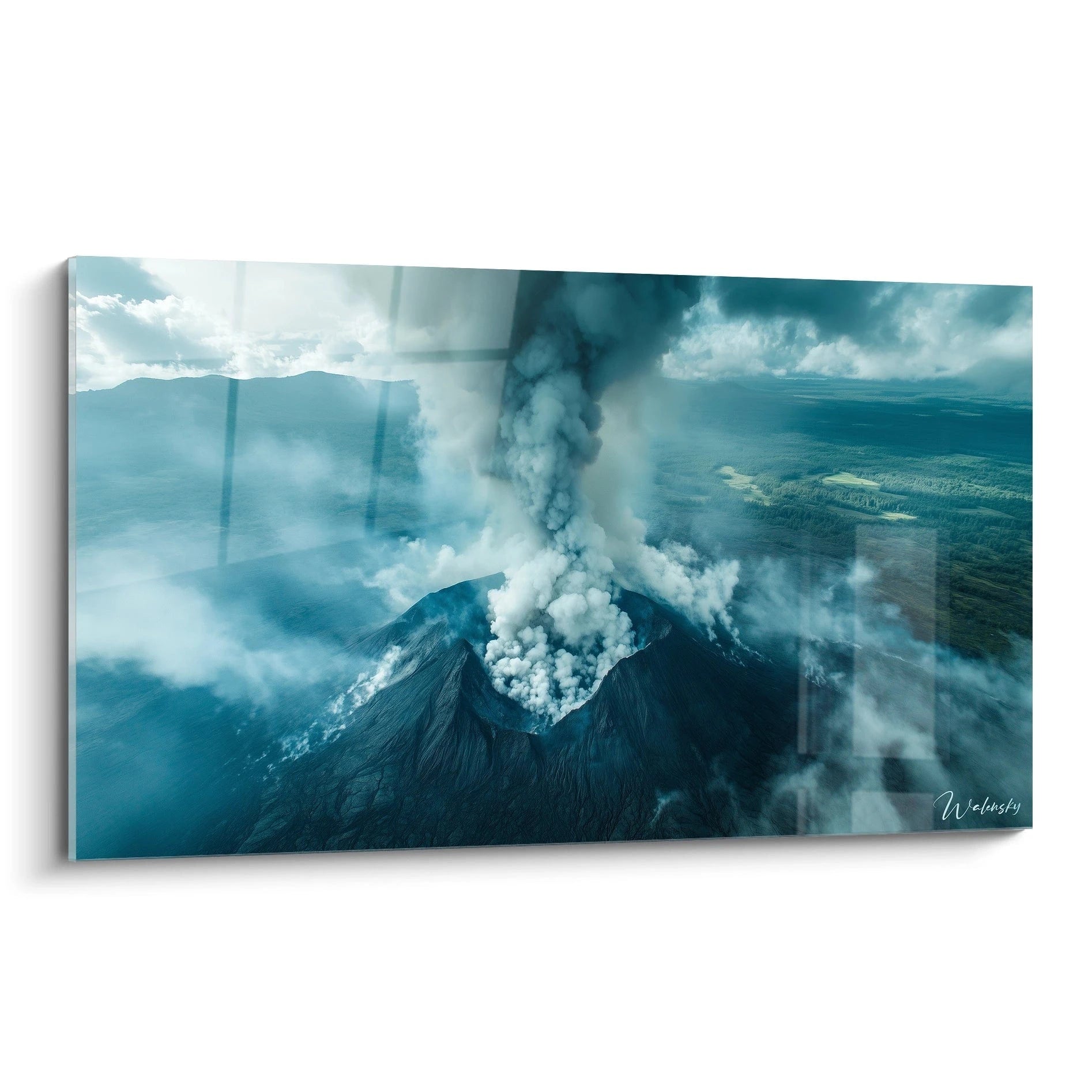
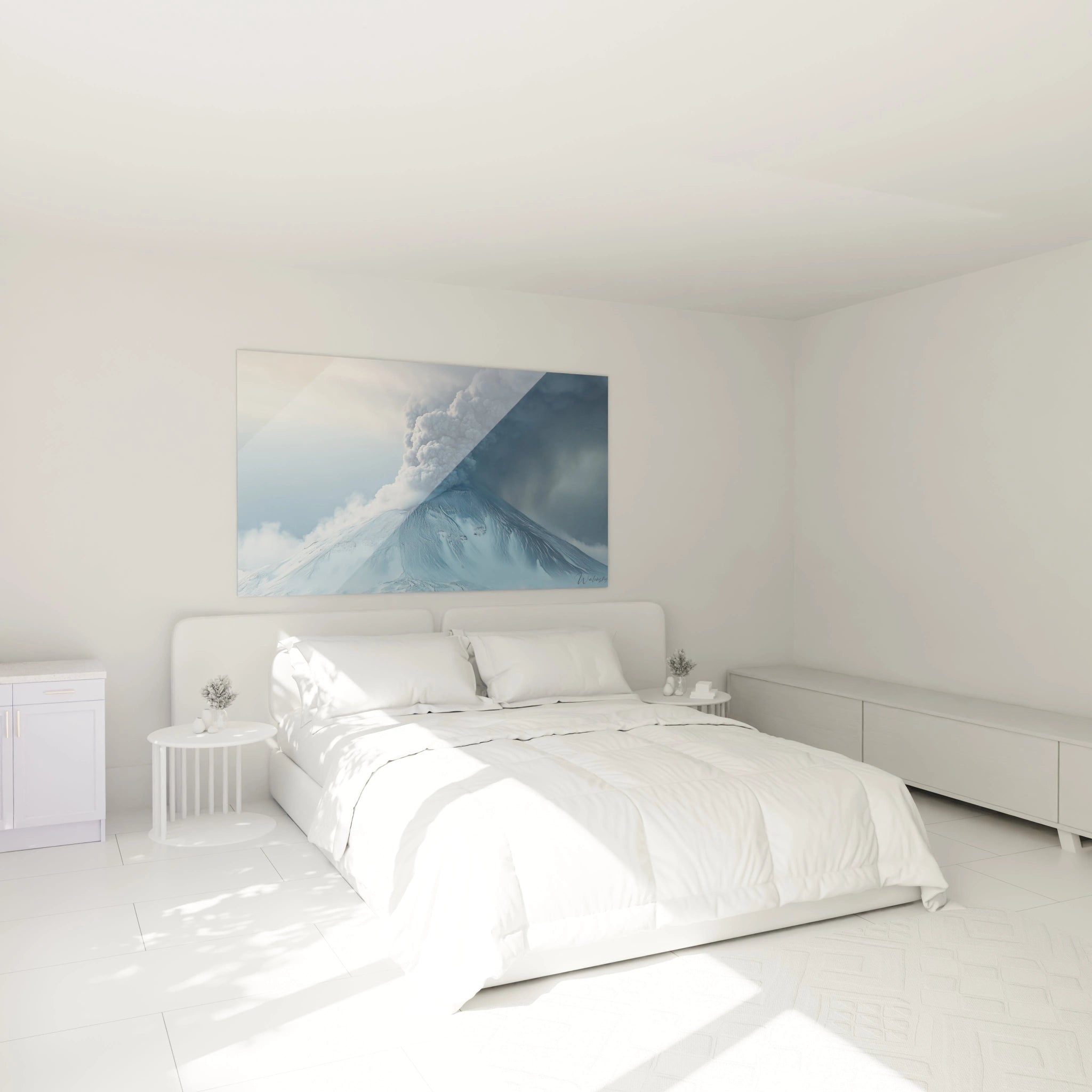
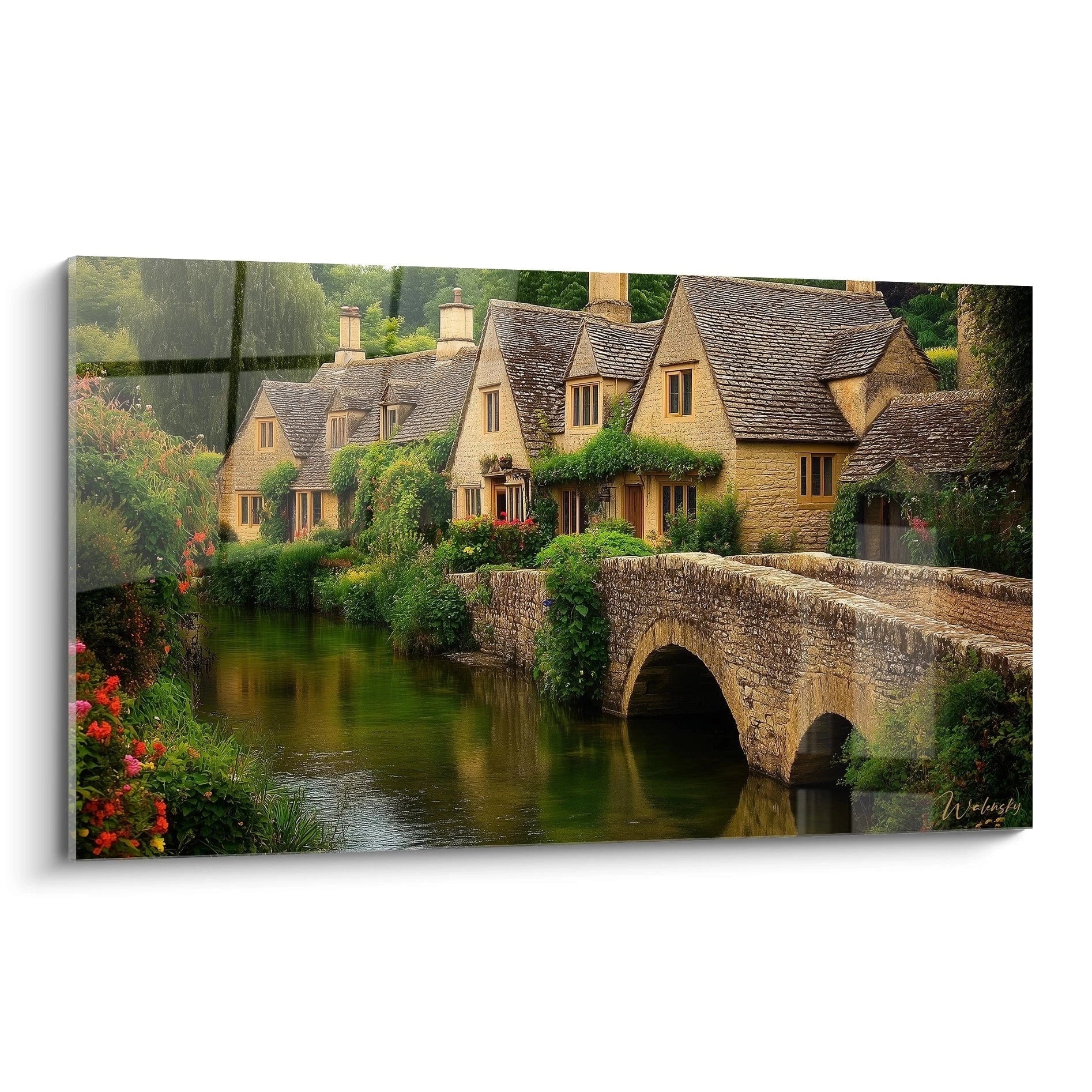
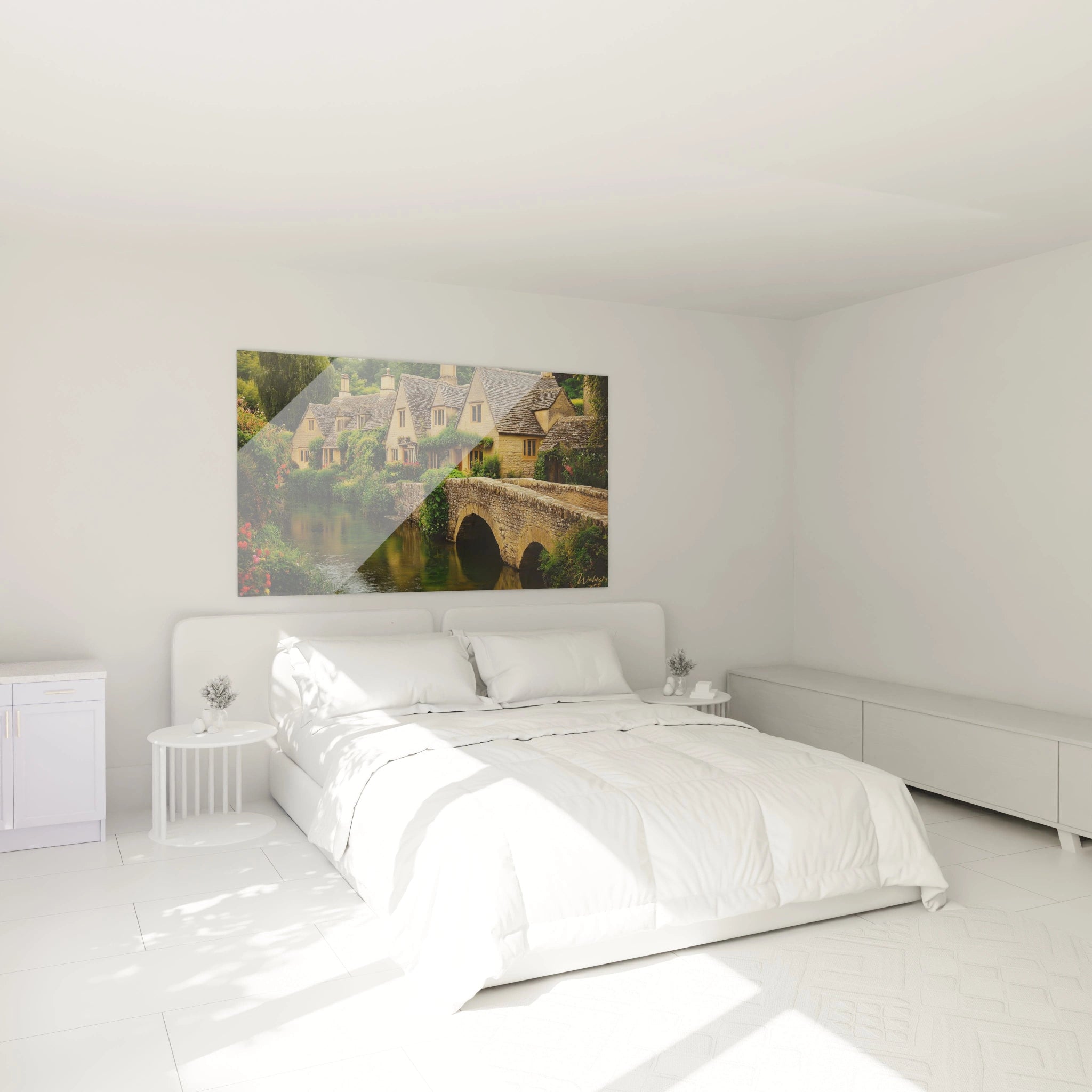
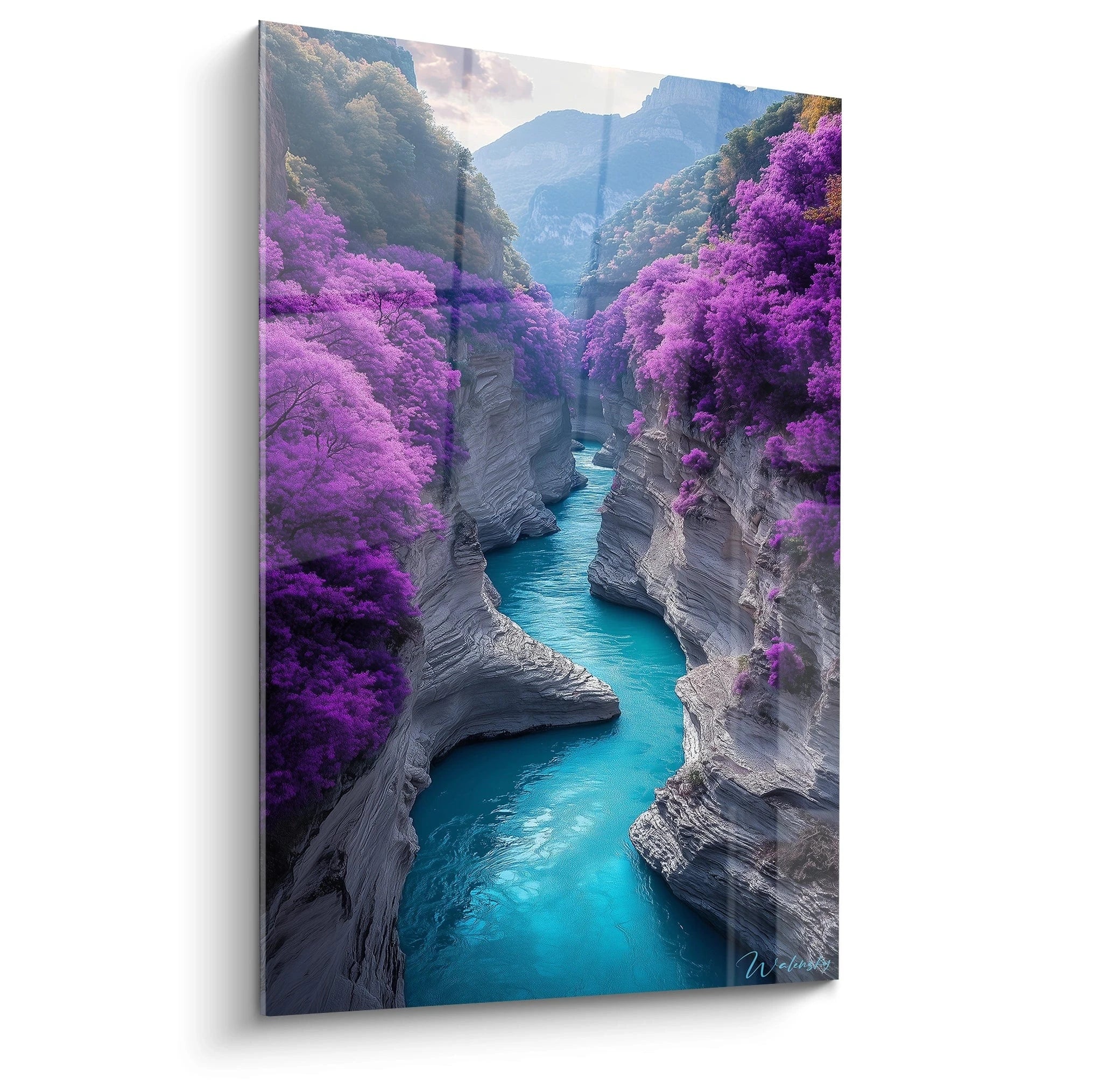
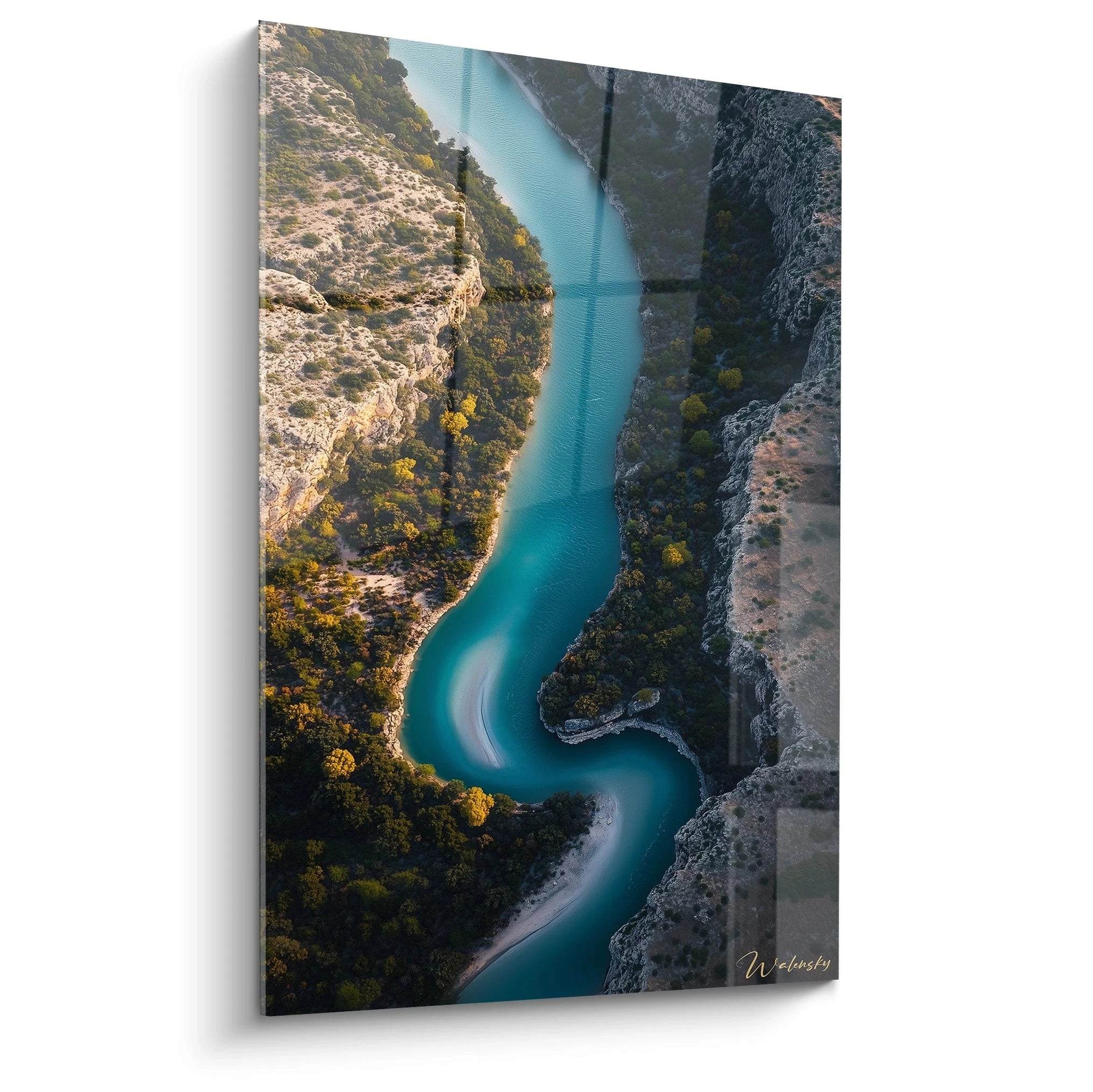
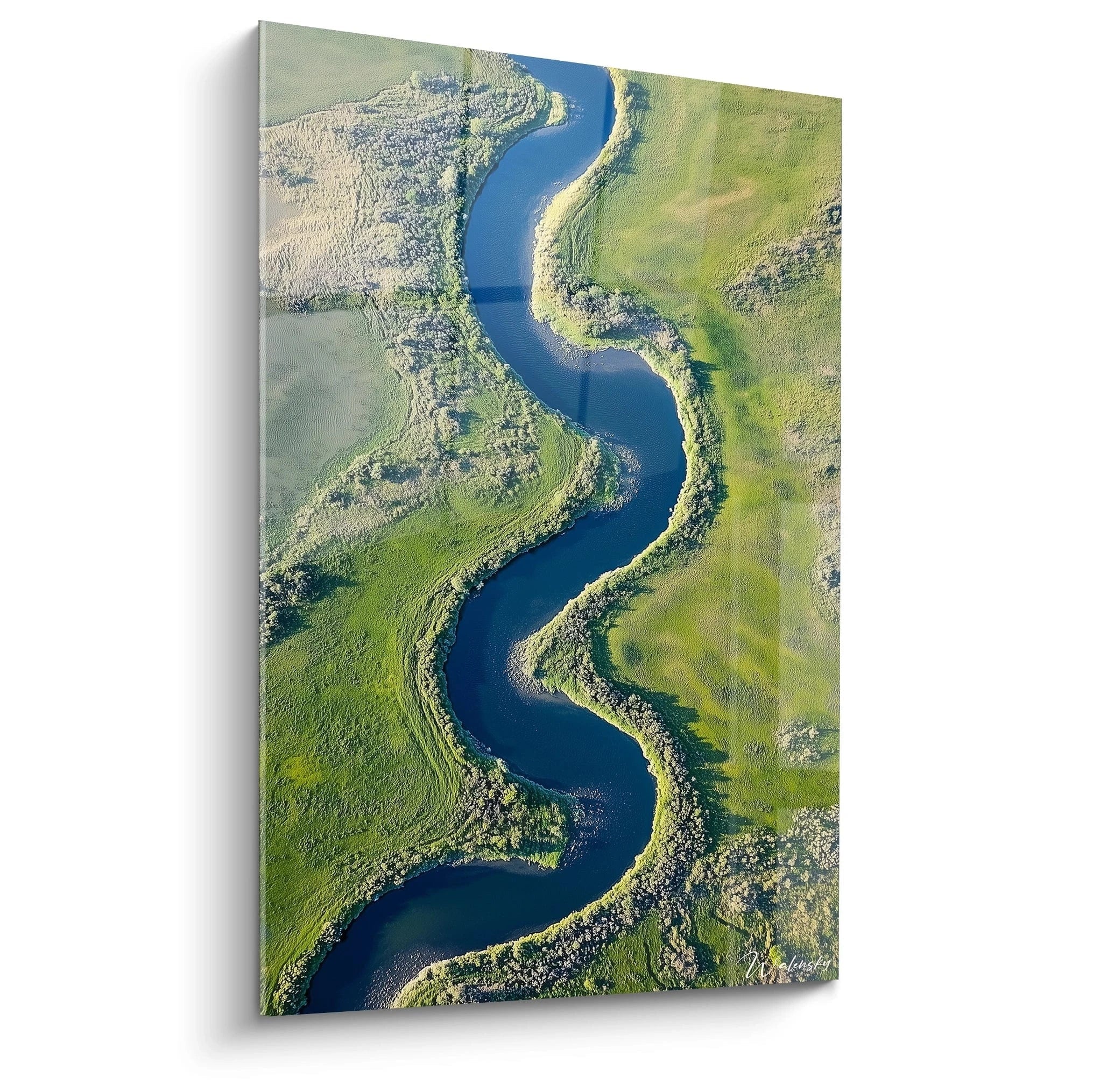
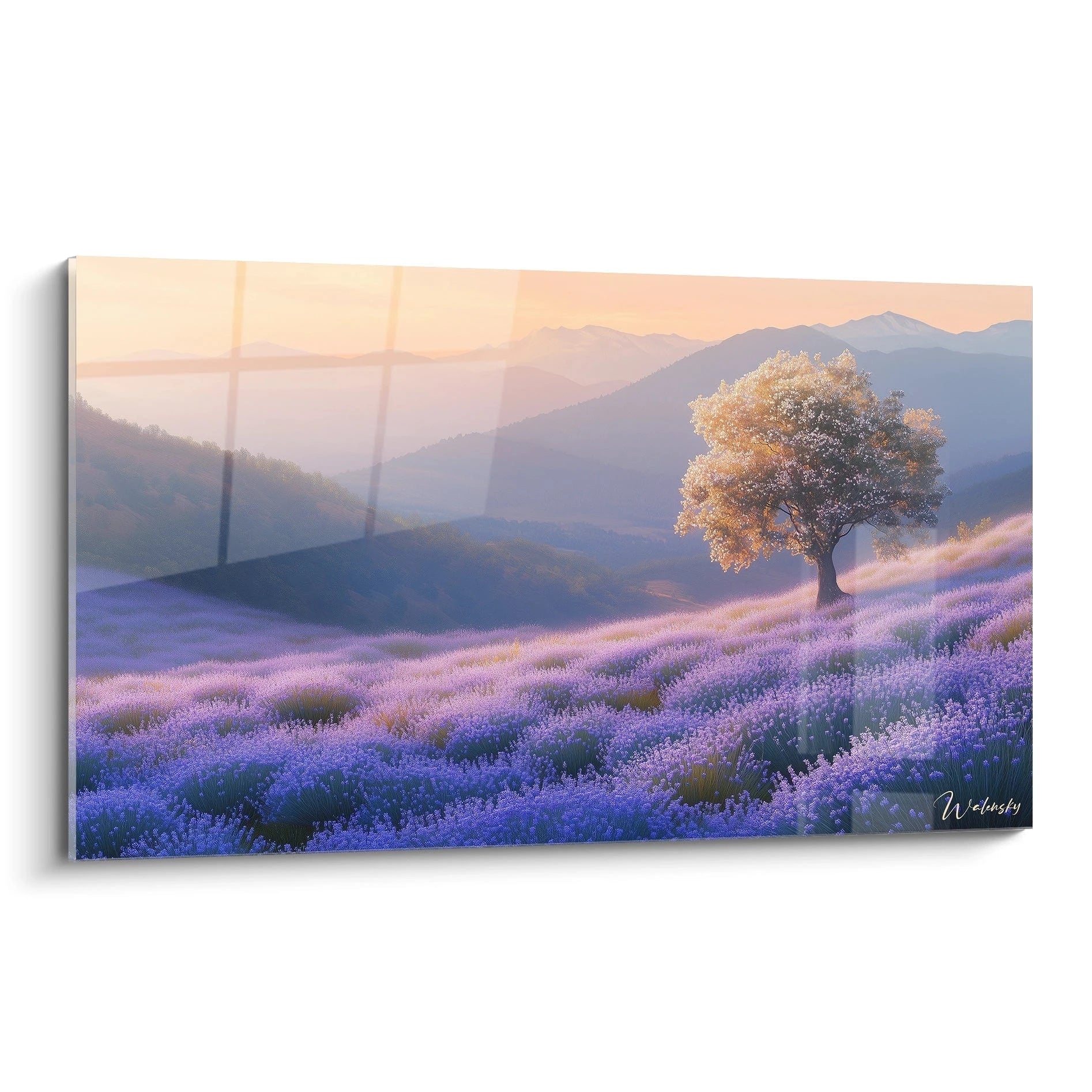
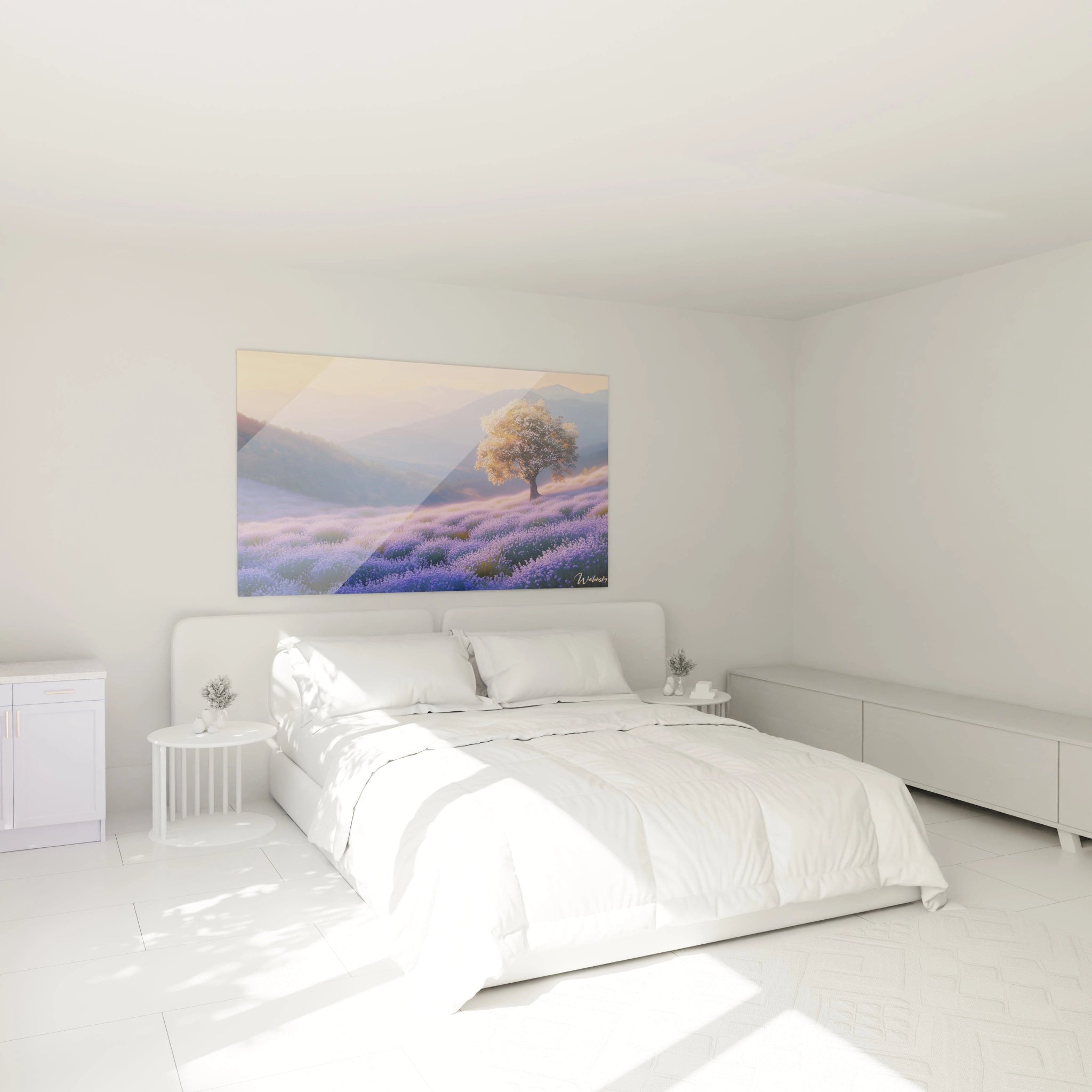
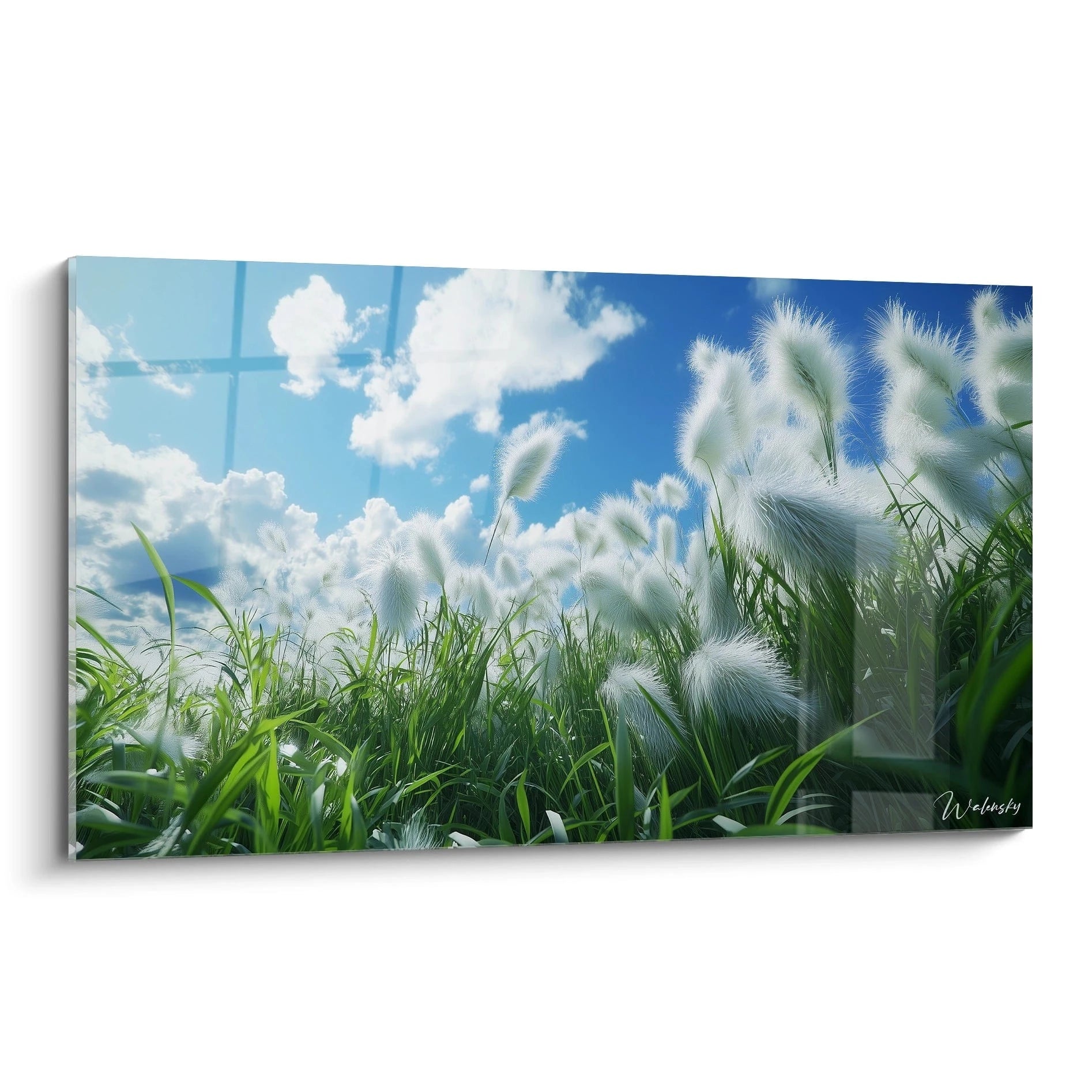
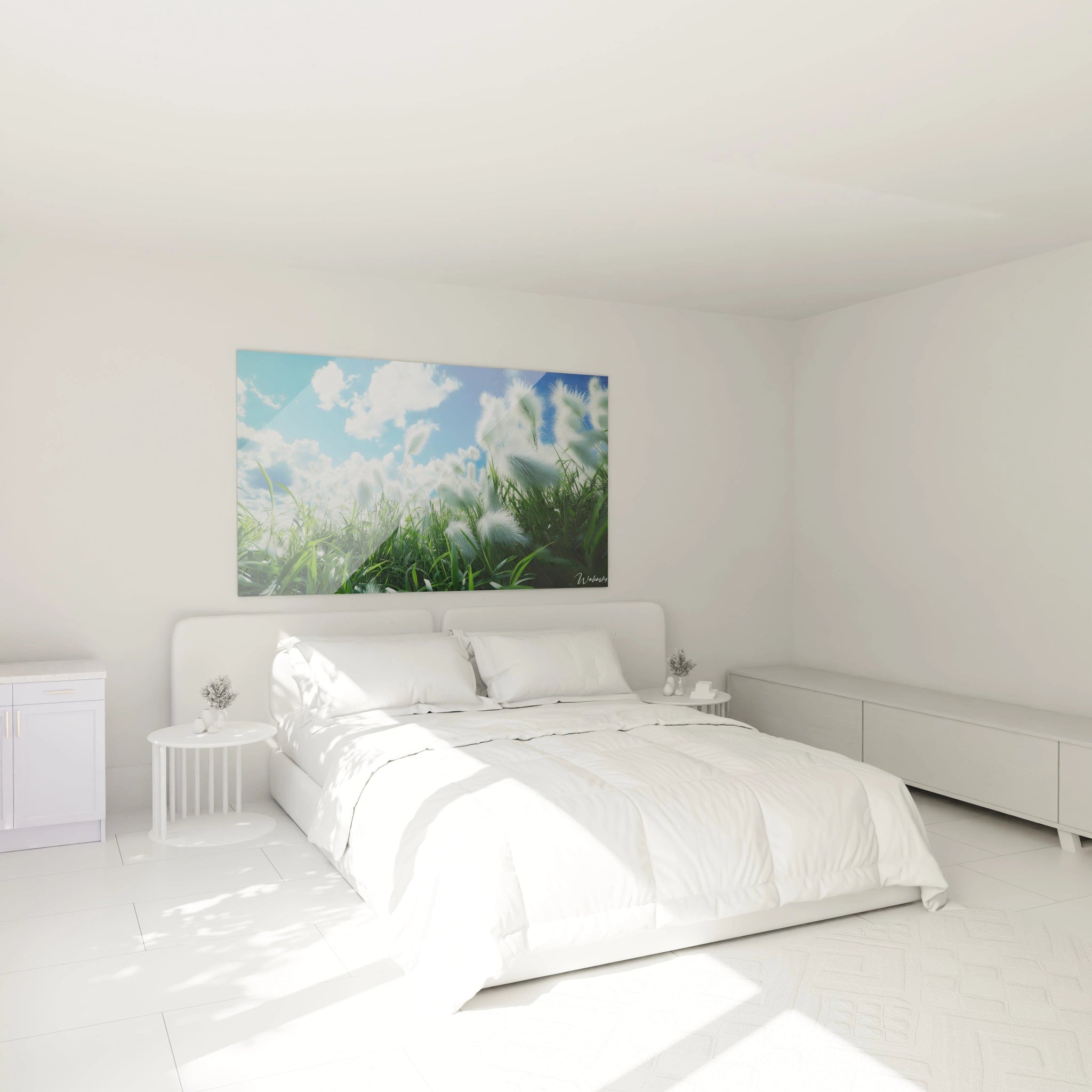
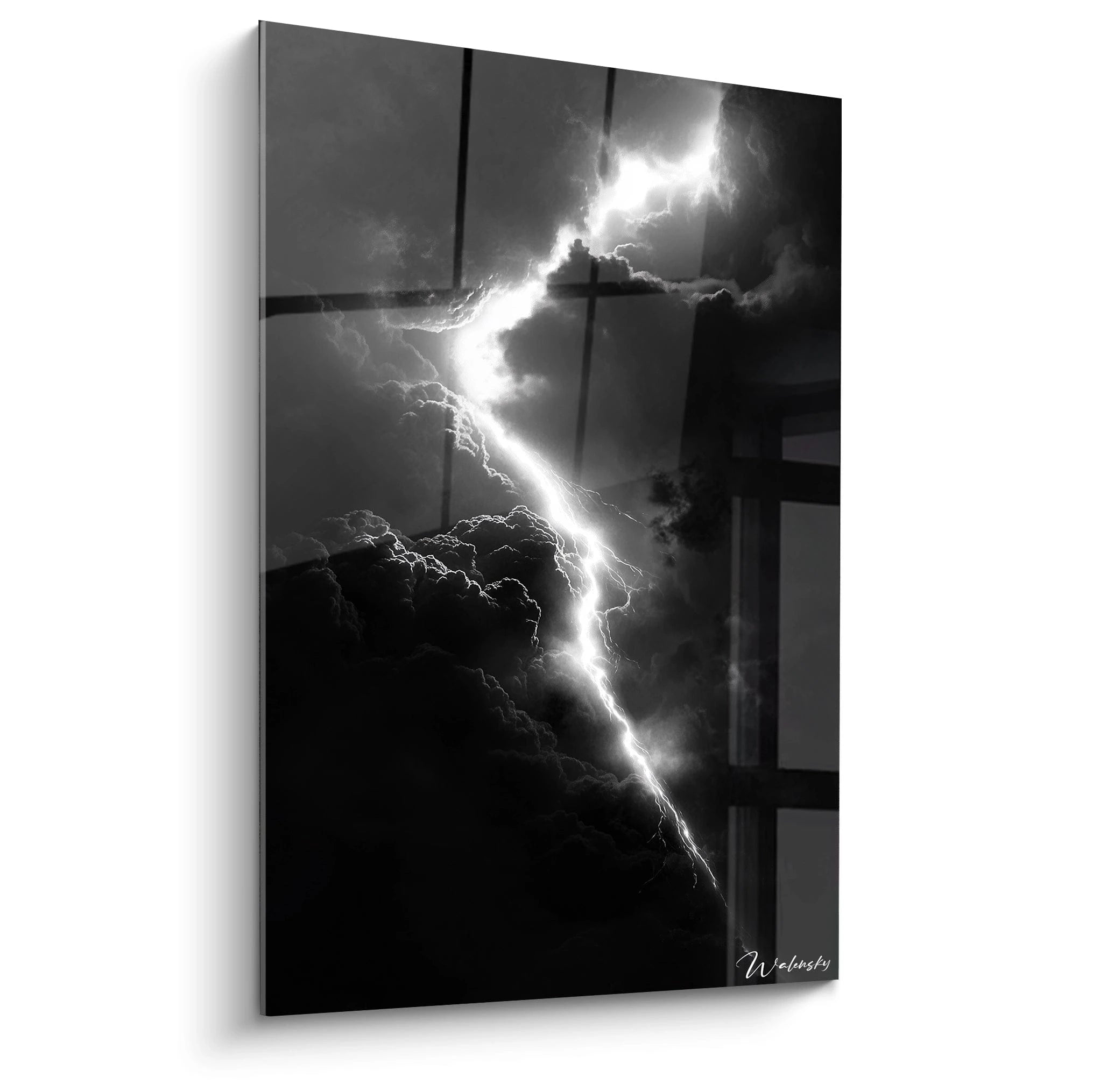
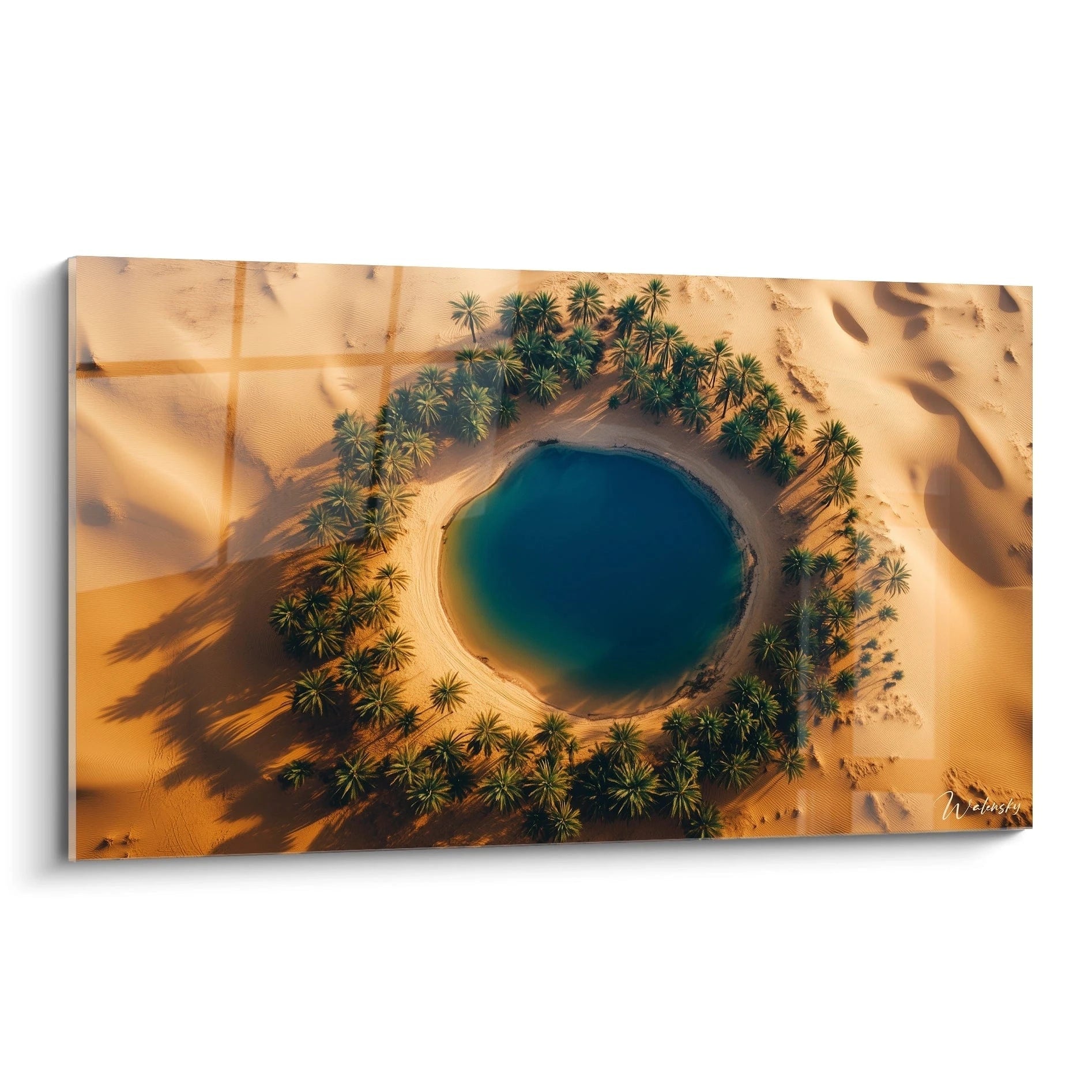
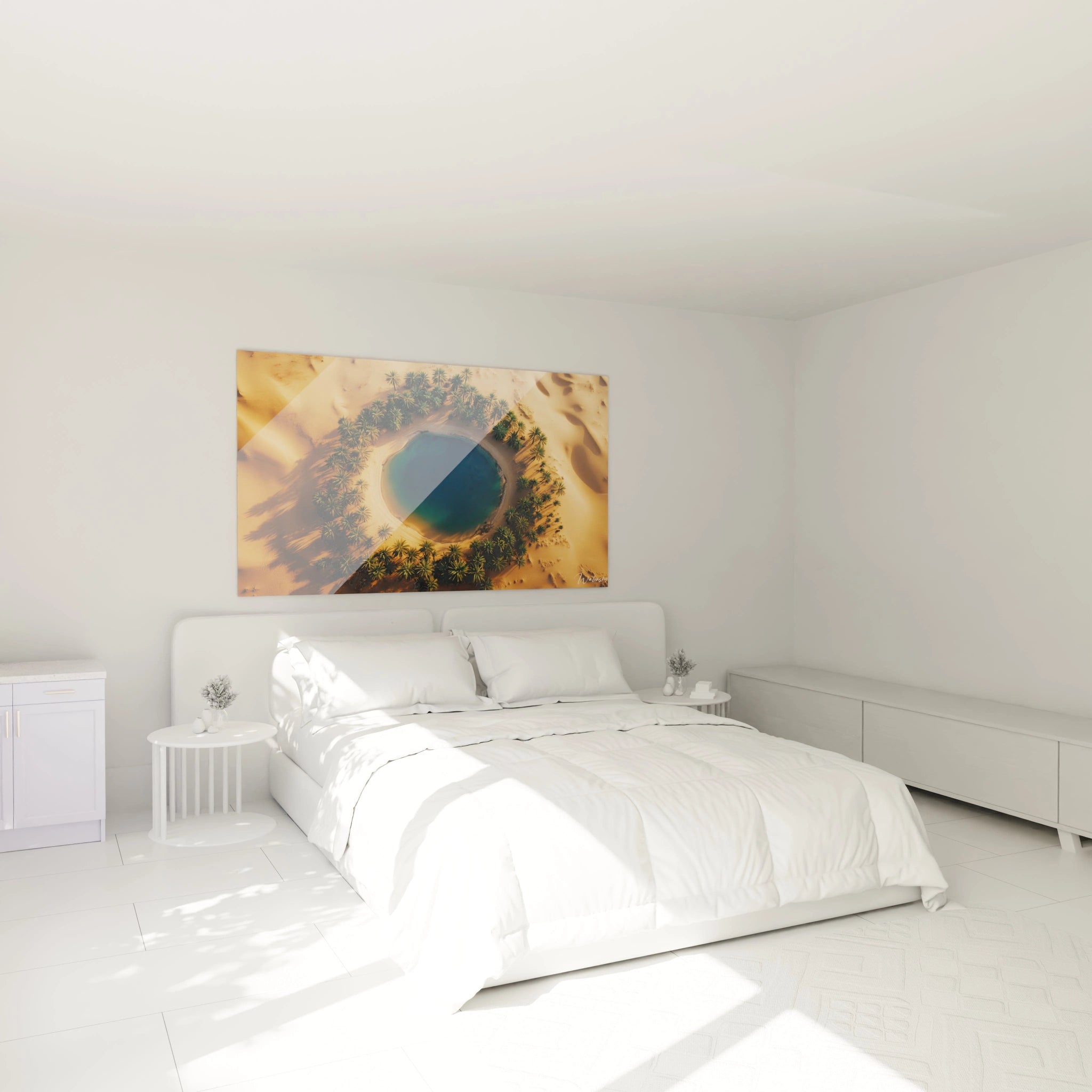
The landscape painting represents a unique category in wall art, offering a window onto natural horizons that completely transforms the ambiance of a room. Unlike other wall decoration styles, the landscape painting captures the immensity and depth of natural environments, creating a visual extension of your living space.
These works distinguish themselves through their ability to evoke profound emotions linked to our connection with nature. Whether majestic mountains, endless oceans, or mysterious forests, the landscape painting instantly transports you to a soothing and inspiring elsewhere.
Panoramic and large formats are particularly sought after for their considerable visual impact in contemporary spaces. These generous dimensions allow you to appreciate the subtle details of distant horizons, interplay of light, and natural elements represented.
For discerning art and interior decoration enthusiasts, the landscape painting constitutes a lasting investment that radically transforms the perception of a space. Modern representation techniques often favor an immersive approach, inviting the viewer to mentally project themselves into these captivating natural environments.
Explore our different sections to discover how to choose the ideal landscape painting based on your space, current trends, and practical considerations for showcasing these impressive artworks.
Landscape Painting for Spacious Living Room: Creating a Captivating Visual Immersion
The landscape painting radically transforms the visual experience in a spacious living room, creating a true window onto nature that amplifies the sensation of space. Unlike other types of wall decoration, these large-scale works establish a dominant focal point that structures your entire interior design.
In a living room with generous dimensions, an imposing landscape painting reveals its full immersive potential. Scenes depicting distant horizons create visual depth that literally pushes back the walls, generating an impression of multiplied space. This characteristic unique to landscape representations explains their growing popularity in contemporary interiors.
The impact of a landscape painting on spatial perception rests on several sophisticated visual mechanisms. The representation of distant perspectives creates depth that transcends the physical constraints of your interior. Clear horizons, vanishing points, and atmospheric gradations characteristic of natural landscapes generate a sense of openness that dialogues with your living room architecture.
Environmental psychology studies demonstrate that daily exposure to representations of natural landscapes significantly reduces stress and improves overall well-being. In a living room frequently used for relaxation and social interactions, this therapeutic dimension becomes a considerable asset. Paintings depicting scenes of majestic mountains or serene coastlines are particularly effective for establishing a soothing atmosphere.
- Horizontal perspectives visually enlarge the space
- Harmonious landscape tones subtly influence emotional ambiance
- Large formats capture attention and structure furniture organization
- Natural scenes reduce mental fatigue and promote cognitive recovery
Strategic positioning of the landscape painting in a large-scale living room
The optimal placement of a landscape painting in a spacious living room requires careful consideration of traffic flows and dominant viewing angles. Unlike restricted spaces, large wall surfaces allow full exploitation of panoramic formats' impact. Prioritize positioning at eye level, ideally between 150 and 160 cm from the floor to the work's center, to maximize visual immersion from main seating areas.
For particularly vast living rooms, consider installation on a wall visible immediately upon entering the space. This configuration transforms the landscape painting into a visual anchor that instantly structures the visitor's spatial experience. In open architectural configurations, such as open-plan living-dining room spaces, panoramic landscapes create a thematic continuity that elegantly unifies different functional zones.
Interior decoration professionals recommend avoiding visual overload around an imposing landscape painting. Maintain breathing space of at least 30 to 50 cm between the work and adjacent furniture. This minimalist presentation amplifies visual impact and preserves the contemplative function essential to appreciating landscape representations.
What landscape painting dimensions should you prioritize for a large living room?
For a spacious living room exceeding 25m², recommended dimensions for a landscape painting start from 120 cm in width. Particularly impressive formats, reaching 180 to 200 cm, create a monumental presence that rivals a true architectural window. This ambitious scale radically transforms the spatial experience and constitutes a major decorative investment for exceptional interiors.
The ideal proportion for a landscape painting intended for a large living room generally follows a width/height ratio between 16:9 and 21:9. These elongated formats reflect our natural perception of horizons and optimize the immersive impact of depicted natural scenes. For particularly high walls, also consider vertical triptych compositions that introduce an upward dynamic while preserving the landscape narrative.
Frame or support thickness also influences the visual integration of the landscape painting in a spacious living room. Contemporary presentations often favor thick formats of 3 to 5 cm that confer three-dimensional presence to the work. This substantial thickness subtly projects the landscape into real space, reinforcing the sensation of opening toward the exterior characteristic of these representations.
Panoramic Landscape Painting: Capturing the Immensity of Horizons in Your Interior
The panoramic landscape painting distinguishes itself radically from other artistic formats through its exceptional ability to reproduce human peripheral vision. With its characteristic ultrawide ratio, generally exceeding 2:1, this unique configuration captures the immensity of natural horizons in a way impossible to achieve with conventional formats. The visual experience resembles that felt facing a real landscape, where the gaze naturally sweeps across a vast horizontal expanse.
Neuroscience explains why these panoramic representations exert such powerful fascination: our visual system evolved to scan natural environments along a horizontal axis, developing particular sensitivity to extended perspectives. A panoramic landscape painting exploits precisely this biological predisposition, creating immediate resonance with our most fundamental perceptual mechanisms.
The transformative architectural impact of the panoramic format
Installing a panoramic landscape painting radically redefines the architectural perception of a space. Unlike standard format works that function as isolated decorative elements, the panoramic establishes direct dialogue with surrounding structures. Its horizontal extension creates a dominant visual line that can visually widen a narrow room or accentuate the elegance of a space with generous proportions.
In contemporary interiors with streamlined lines, the panoramic landscape painting often becomes the structuring element around which all decoration organizes. Its monumental presence justifies a minimalist arrangement of surrounding furniture, allowing the work to breathe and fully exercise its immersive power. Interior designers recommend maintaining a contemplation space of at least 2.5 to 3 meters facing these works to fully appreciate their visual impact.
- Radically transforms the perception of architectural proportions
- Creates an artificial horizon line that structures visual space
- Allows sequential landscape narrative impossible in standard format
- Exploits our neurological predisposition to horizontally scan environments
How does the panoramic format influence the emotional experience of landscape?
The panoramic landscape painting considerably intensifies the emotional impact of depicted natural scenes. Horizontal extension allows simultaneous capture of multiple narrative elements - think of a coastline extending from rocky foreground to distant cliffs, or a mountain range progressively revealing different geological formations. This narrative richness multiplies points of interest and significantly extends the time of visual exploration of the work.
Environmental psychology studies demonstrate that exposure to panoramic representations of natural landscapes triggers a more pronounced parasympathetic response than standard formats. In simple terms, these extended views more effectively activate our relaxation and cognitive recovery mechanisms. In urban environments where horizons are constantly fragmented, these panoramic windows toward nature offer a particularly precious therapeutic counterpoint.
Composing a panoramic landscape painting requires particular mastery of visual tension and balance principles. The human eye naturally traverses these extended formats from left to right (in Western cultures), directly influencing the narrative structure of the work. Elements placed on the left are generally perceived as starting points, while those at the far right create visual resolution. This horizontal reading dynamic fundamentally differentiates the panoramic experience from that of more conventional formats.
Technical considerations for integrating a panoramic landscape painting
Optimal installation of a panoramic landscape painting requires particular attention to lighting questions. Given their extended horizontal dimension, these works are particularly sensitive to light variations along their surface. Uniform directional lighting, ideally with adjustable LED spots, allows revealing depth of details across the entire work length without creating overexposed or underexposed zones.
Hanging height proves critical for panoramic formats. Unlike standard format paintings, the optical center of a panoramic is not its geometric midpoint, but rather a dynamic zone that varies based on specific composition. Generally, the ideal positioning places the landscape's horizon line at the viewer's eye level in seated position, approximately 110-120 cm from the floor. This configuration optimizes the sensation of immersion and facilitates prolonged visual exploration of the work.
Contemporary panoramic landscapes often exploit high-technology printing and mounting techniques allowing exceptional dimensions without compromise on visual quality. Advances in high-resolution printing now authorize remarkable clarity reproductions even at widths exceeding 2.5 meters. To preserve the visual integrity of these imposing works, favor anti-glare finishes that eliminate light disturbances and enable optimal contemplation from all angles.
Large Format Landscape Painting: The Monumental Art that Transforms Your Living Space
The large format landscape painting represents the pinnacle of immersive experience in wall decoration. With dimensions generally exceeding 150 cm in width, these monumental works transcend simple decorative function to become true space transformers. Unlike small-scale reproductions, a large format landscape painting imposes architectural presence that completely redefines volumetric perception of a room.
The psychological impact of a monumental landscape is immediately perceptible. Our brain processes these oversized representations differently from standard images, activating neural networks similar to those mobilized during exploration of real environments. This neurological response explains the sensation of quasi-physical presence these works generate, creating a true virtual extension of your habitable space.
Why does large format amplify the emotional impact of landscape?
The oversized scale of a large format landscape painting triggers an emotional response of incomparable intensity. Environmental psychology studies demonstrate that our limbic system reacts more strongly to nature representations whose proportions approach our natural visual field. By occupying a substantial portion of our peripheral vision, these monumental works activate emotional response mechanisms similar to those triggered by immersion in real natural environments.
The wealth of accessible details in a large format landscape painting constitutes an inexhaustible source of visual discoveries. Unlike reduced formats that impose element simplification, monumental scale allows faithful reproduction of complex textures characteristic of natural landscapes - rough bark, rocky surfaces, water undulations, or subtle atmospheric nuances. This abundance of microscopic details invites prolonged contemplative exploration, constantly renewing visual experience through observations.
- Reproduces the visual scale of direct natural experience
- Allows detail density impossible to reproduce in reduced format
- Generates immediate emotional impact, even from distance
- Creates multiple focal points enriching visual experience
Unique technical considerations for monumental landscape paintings
Installing a large format landscape painting requires prior structural evaluation of your support wall. With weight potentially reaching 15 to 25 kg for the most imposing formats, these works necessitate solid anchoring, ideally in load-bearing studs or using high-resistance expansion anchors. This technical consideration fundamentally differentiates these monumental pieces from light decorative works that can be easily moved.
Optimal viewing distance constitutes a critical parameter for fully appreciating a large format landscape painting. Contrary to common misconceptions, these monumental works don't only require significant distance, but also occasional proximity to explore their microscopic details. Ideally, the contemplation space should permit variable positioning between 2 and 5 meters from the work, offering complete visual experience alternating between overall impression and detail discovery.
Interior decoration professionals recommend avoiding visual overload around a large format landscape painting. These works exercise spatial dominance justifying a minimalist approach to surrounding decorative elements. Privilege low furniture with streamlined lines that doesn't enter visual competition with the depicted landscape. This architectural presentation amplifies the work's impact and preserves its function as a visual portal to a natural elsewhere.
Contemporary trends in large format landscape paintings
Recent evolution of large format landscape paintings reveals growing predilection for minimalist atmospheric compositions. These refined representations - misty seascapes, desert expanses with subtle chromatic transitions, or mountain peaks emerging from clouds - create powerful visual presence without overwhelming perceptual space. This contemporary approach privileges immediate emotional impact rather than narrative density, establishing harmonious dialogue with current minimalist interiors.
Printing and presentation techniques are also undergoing significant evolution for monumental formats. Deep matte finishes gain popularity for their ability to eliminate parasitic reflections while preserving chromatic richness of depicted landscapes. Simultaneously, frameless mountings with floating edges create subtle transition between work and architectural environment, reinforcing the impression that the landscape constitutes a natural extension of inhabited space.
FAQ on large format landscape paintings
What is the minimum size for a landscape painting to be considered "large format"?
A landscape painting is generally considered "large format" when its width exceeds 150 cm. This dimension constitutes a psychological threshold from which the work begins to exercise architectural presence in the space, rather than simply occupying a wall portion. Truly monumental formats exceed 200 cm in width and create visual impact comparable to that of a bay window.
How do you protect a large format landscape painting from environmental variations?
Large format landscape paintings are particularly sensitive to hygrometric and thermal variations due to their extended surface. Favor placement away from direct heat sources (radiators, fireplaces) and high-humidity zones. UV treatment is recommended for works exposed to natural light, even indirectly, to prevent pigment alteration on large colored surfaces characteristic of landscape representations.
Are there specific acoustic considerations for large format landscape paintings?
Large format landscape paintings significantly influence a room's acoustics due to their substantial surface. Depending on their material and mounting method, these works can either absorb or reflect sound waves. In spaces with predominant hard surfaces (concrete, glass, tile), a large landscape on textile support can favorably contribute to acoustic comfort by attenuating excessive reverberation, thus adding a functional dimension to its aesthetic presence.