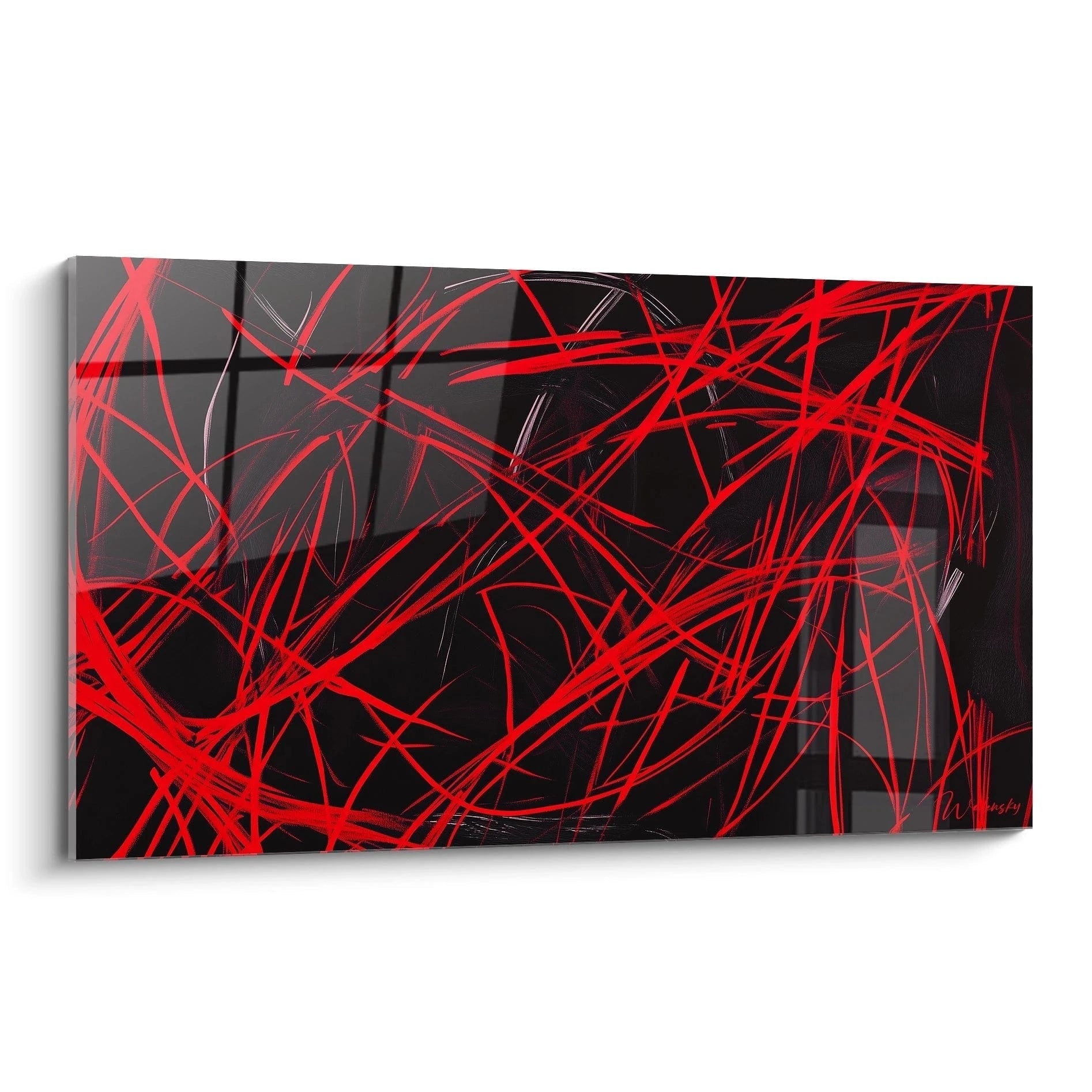
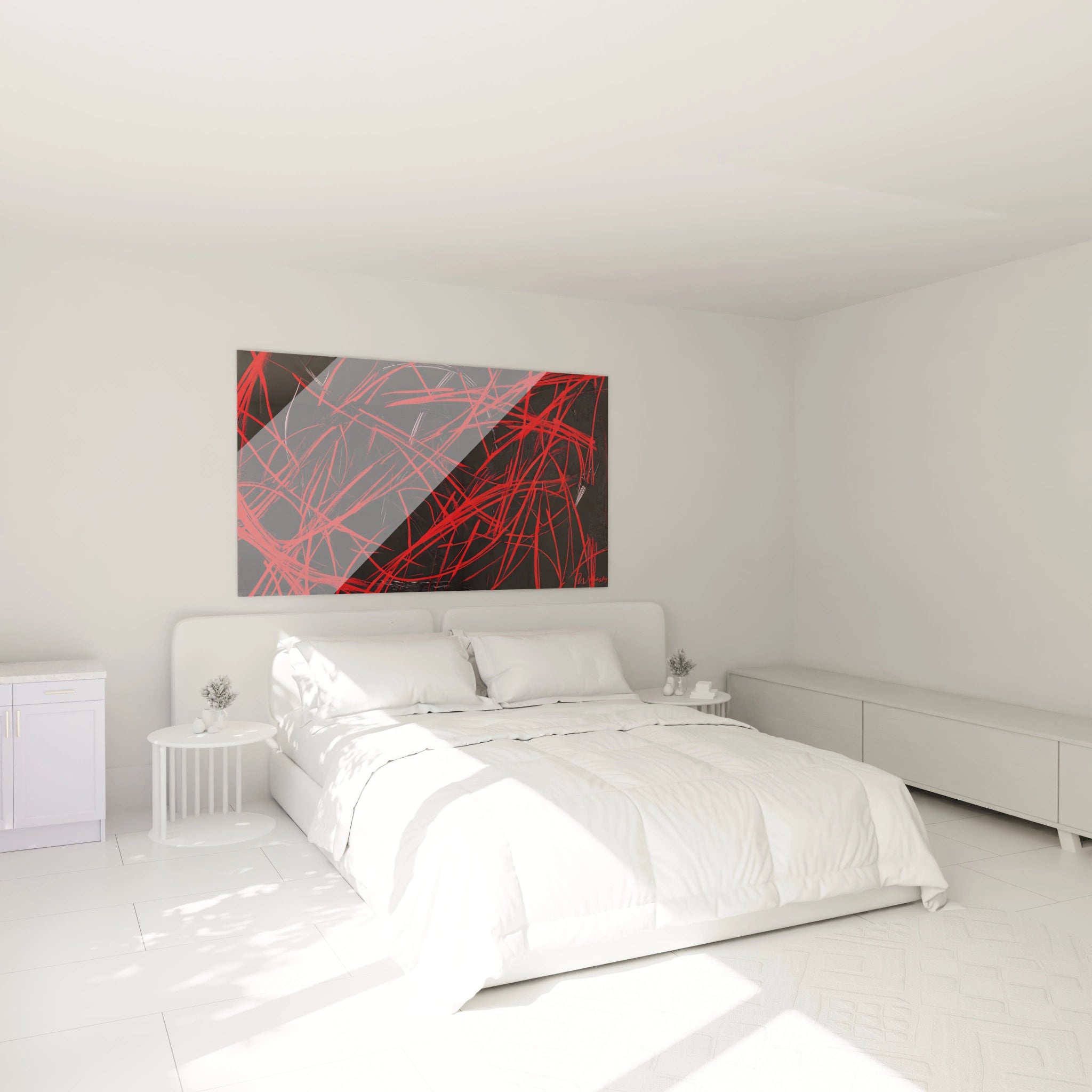
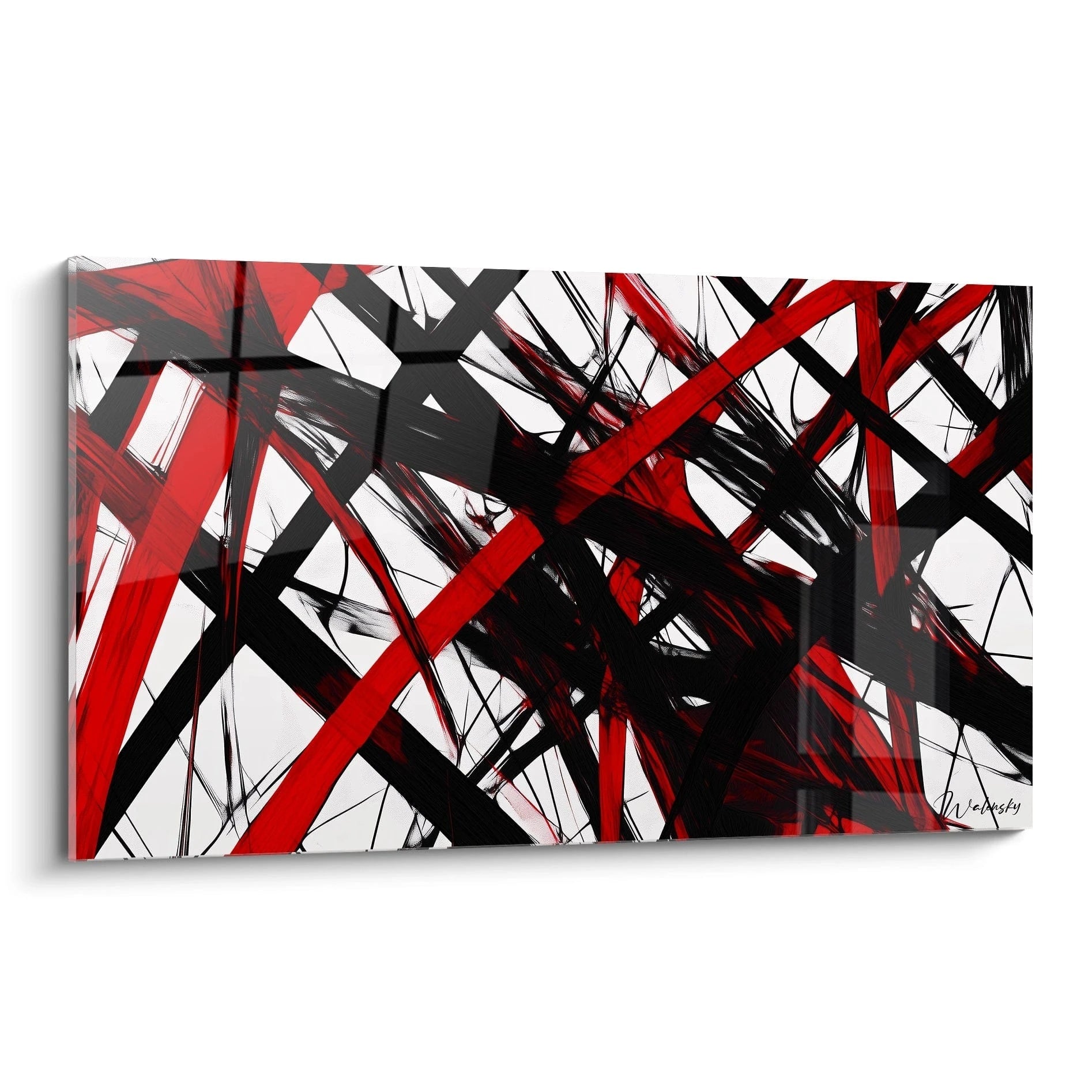
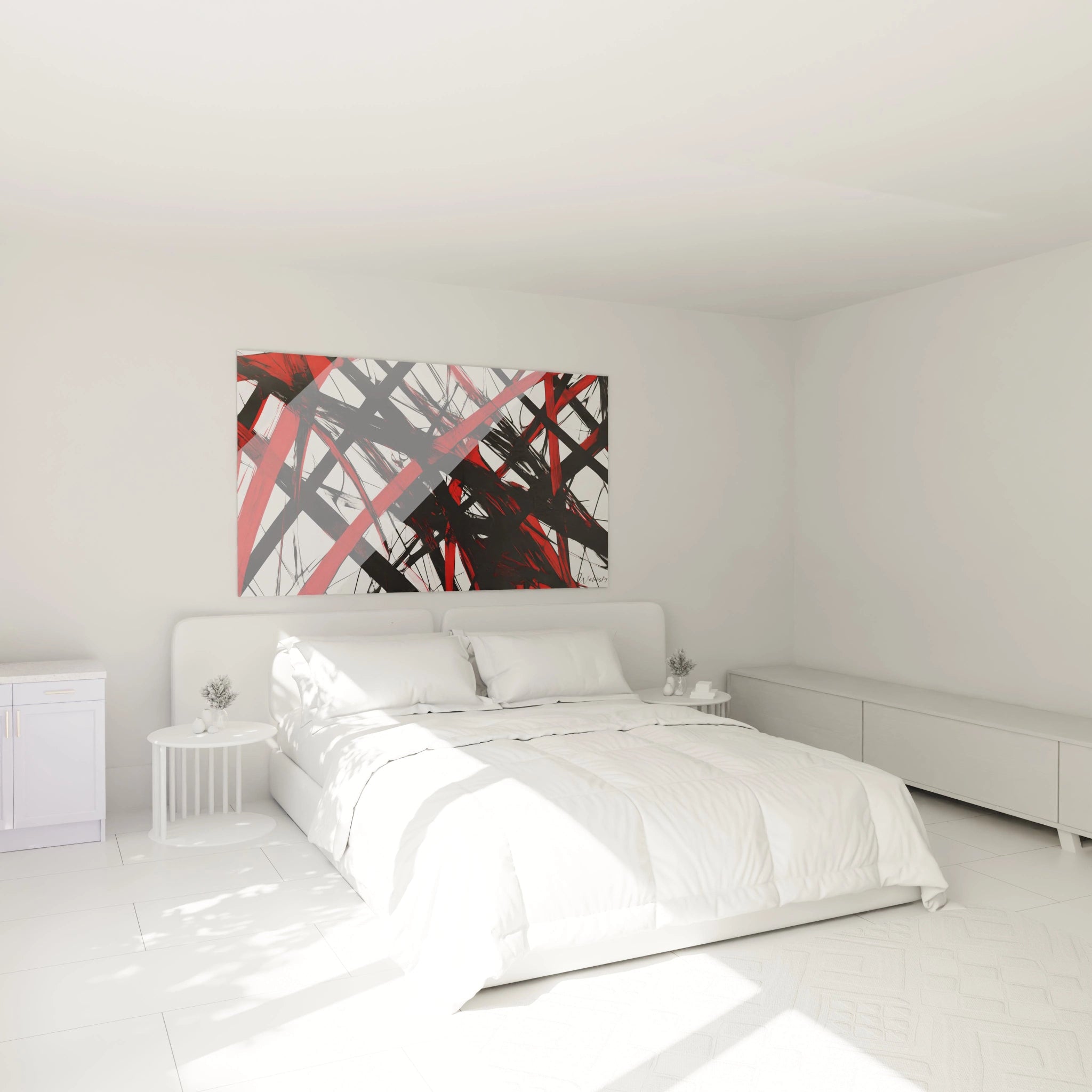
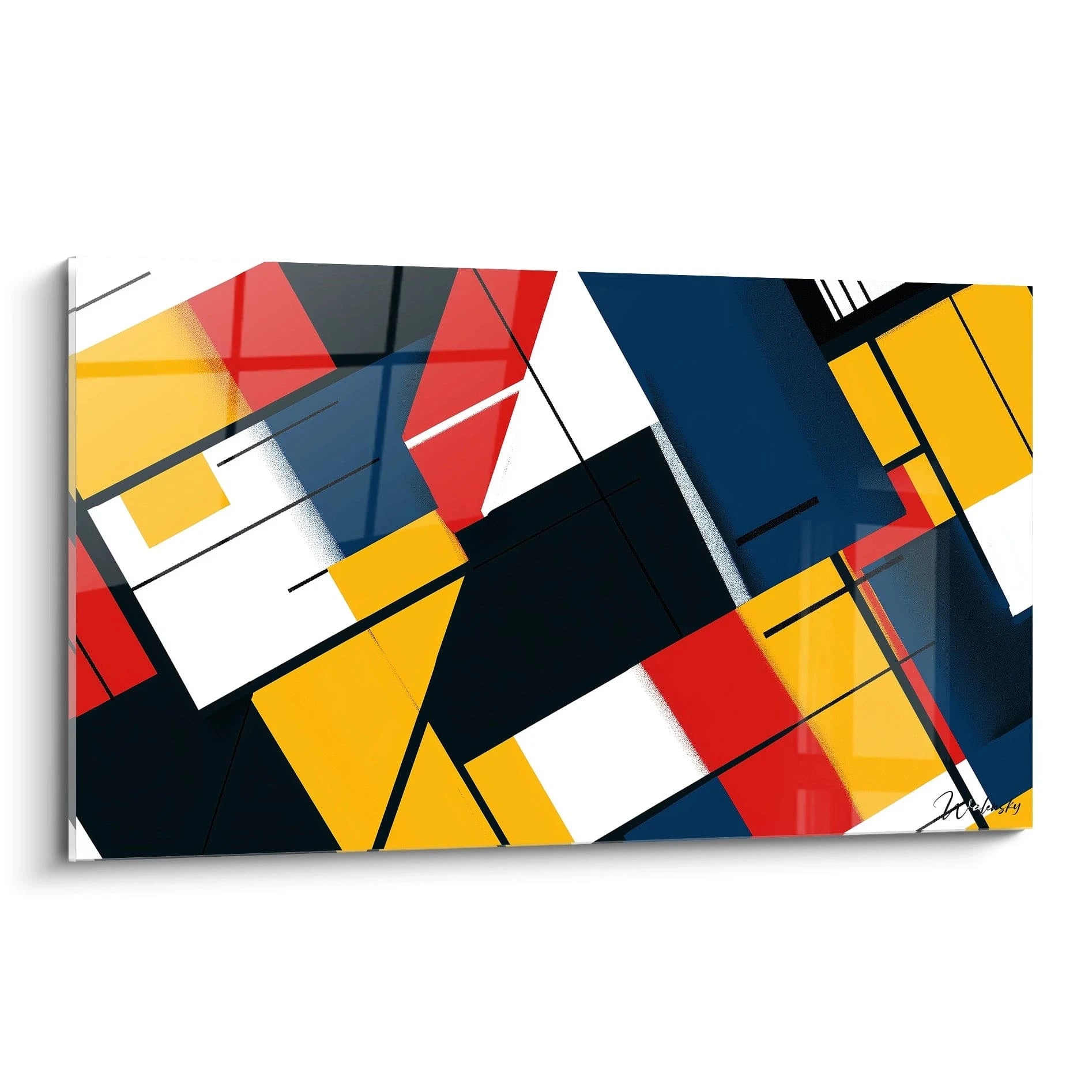
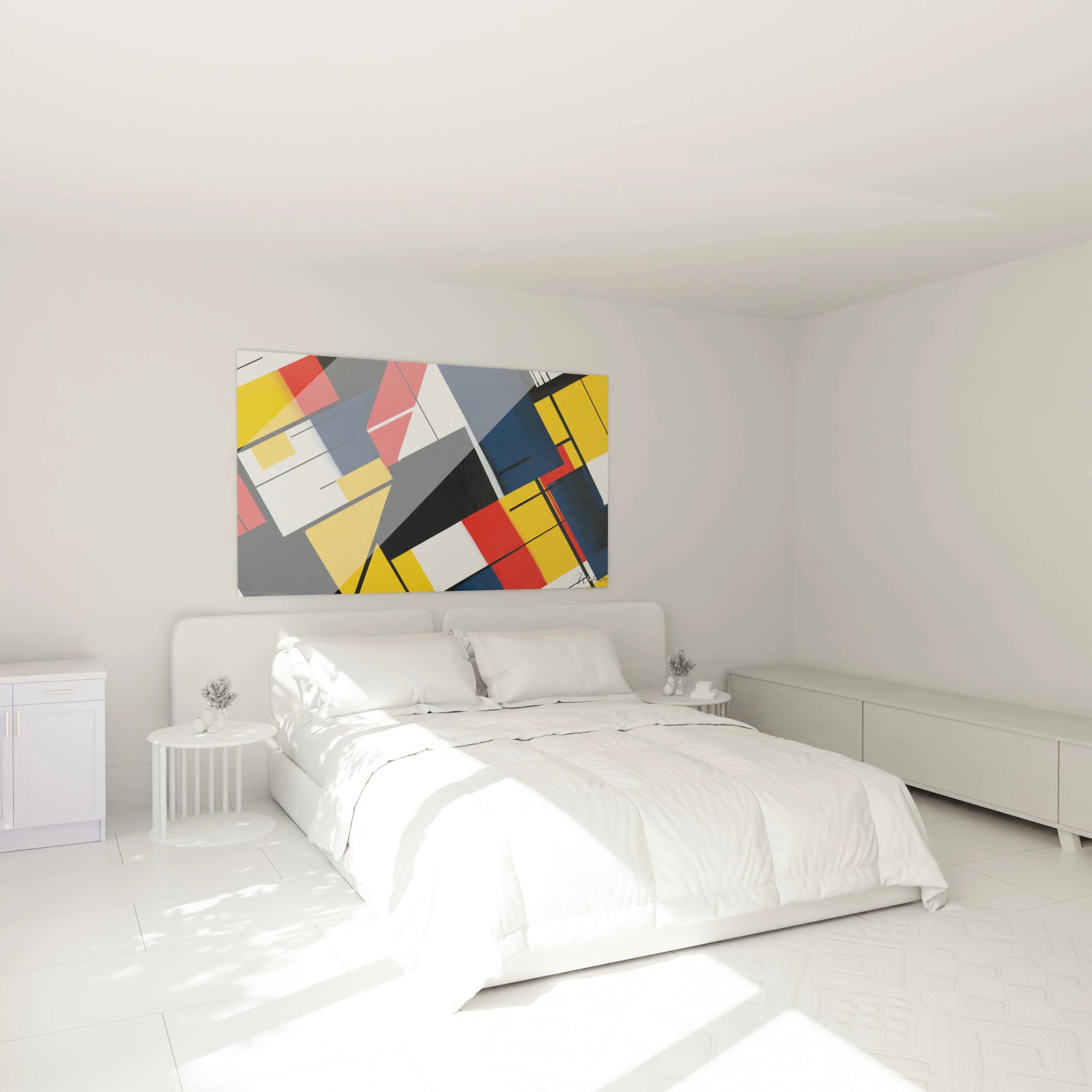
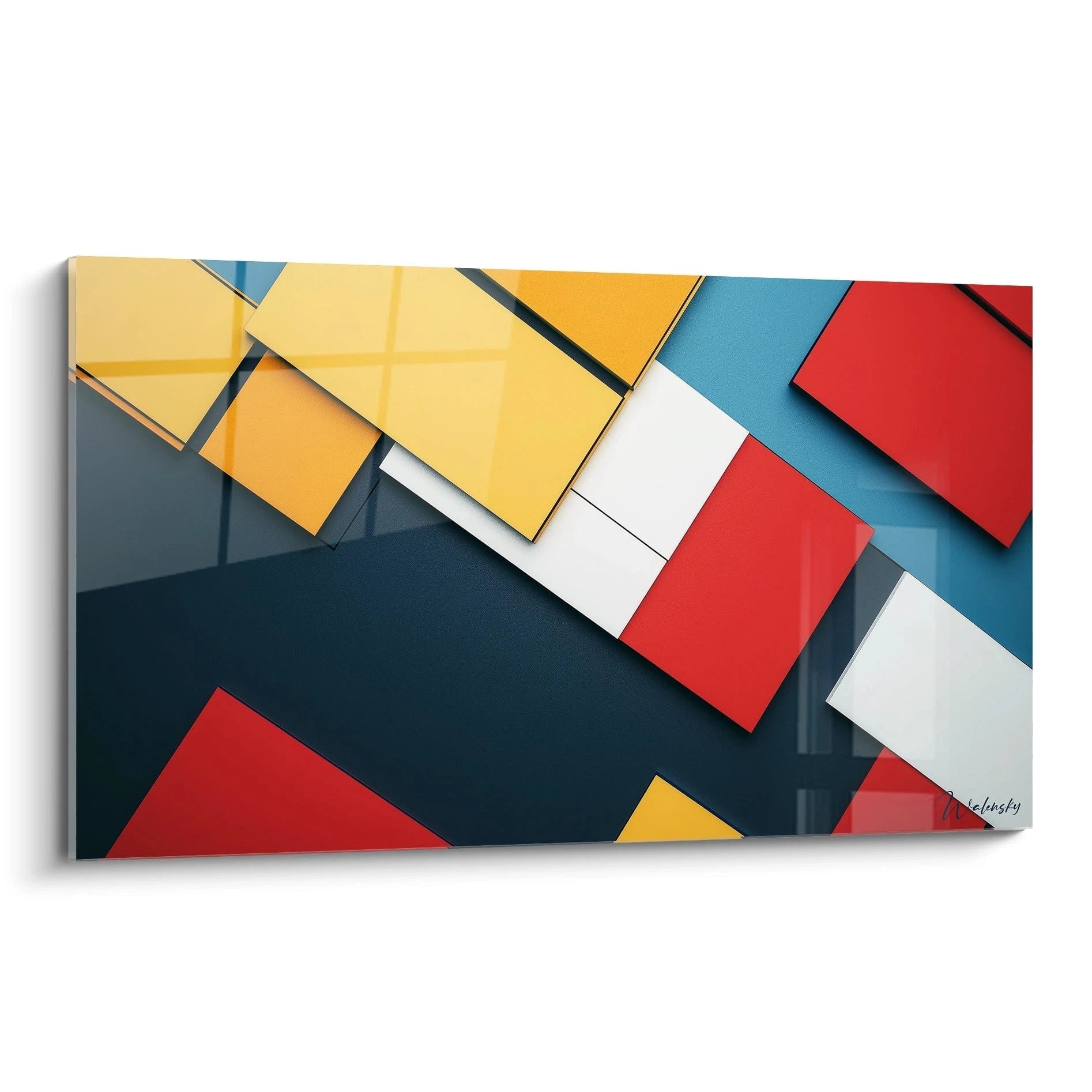
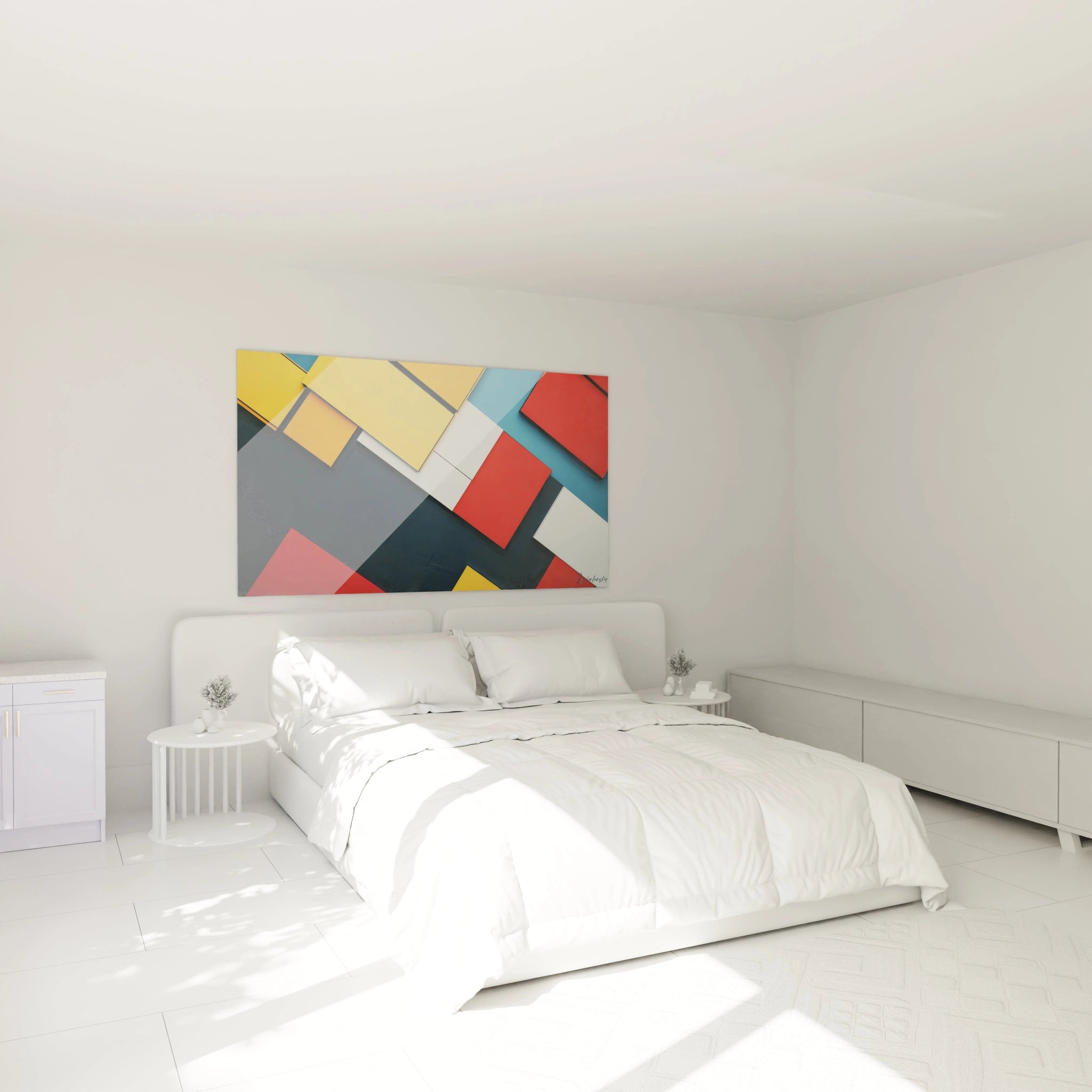
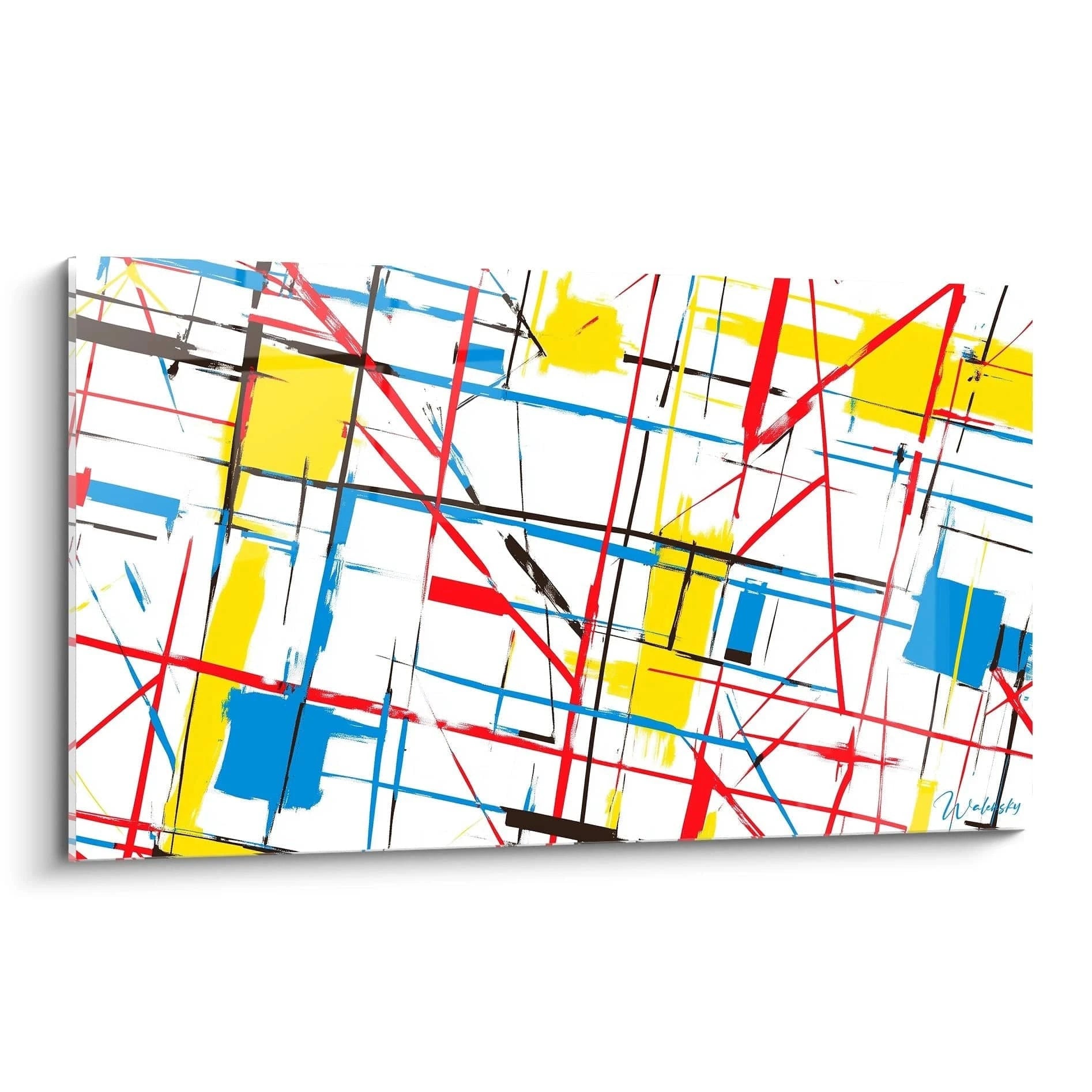
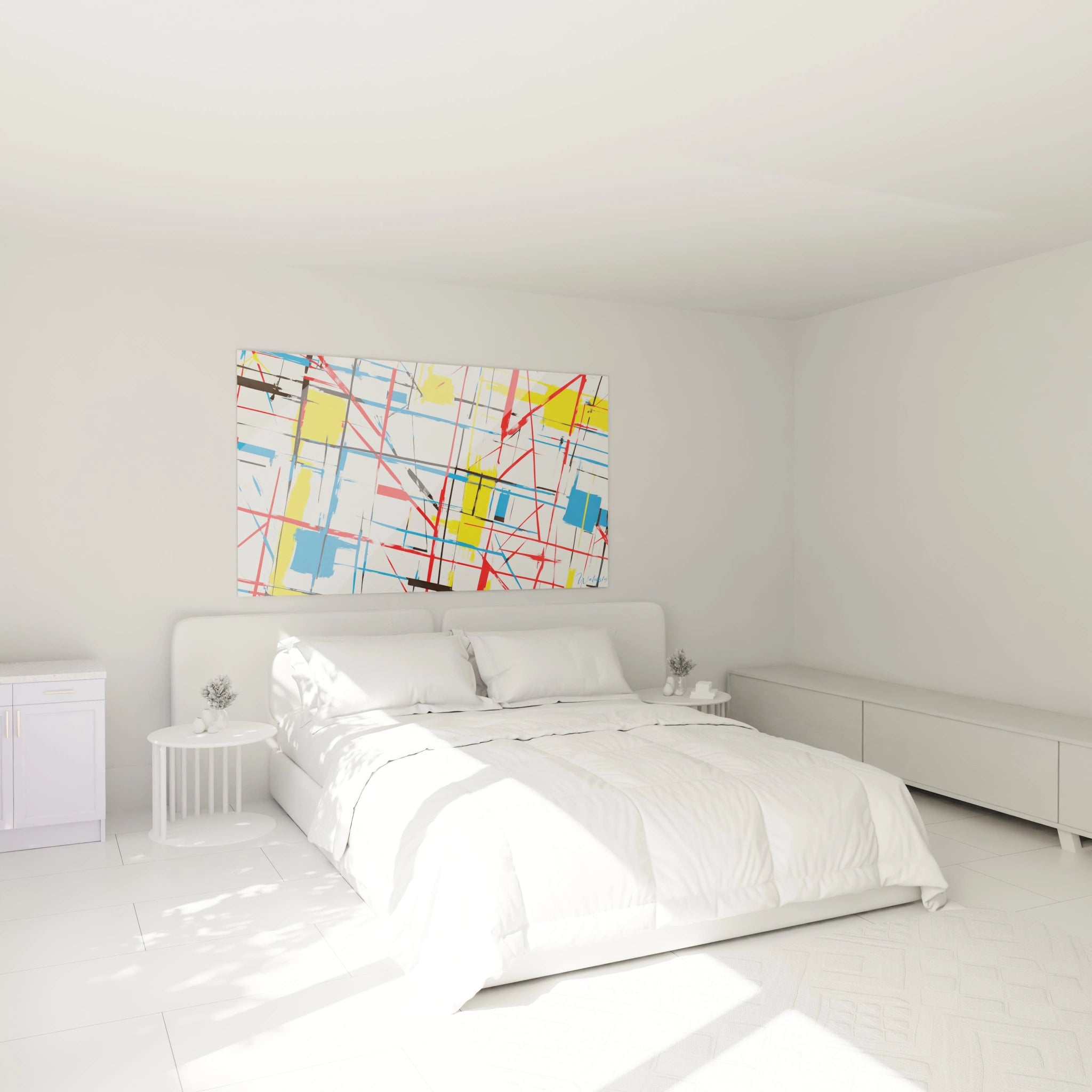
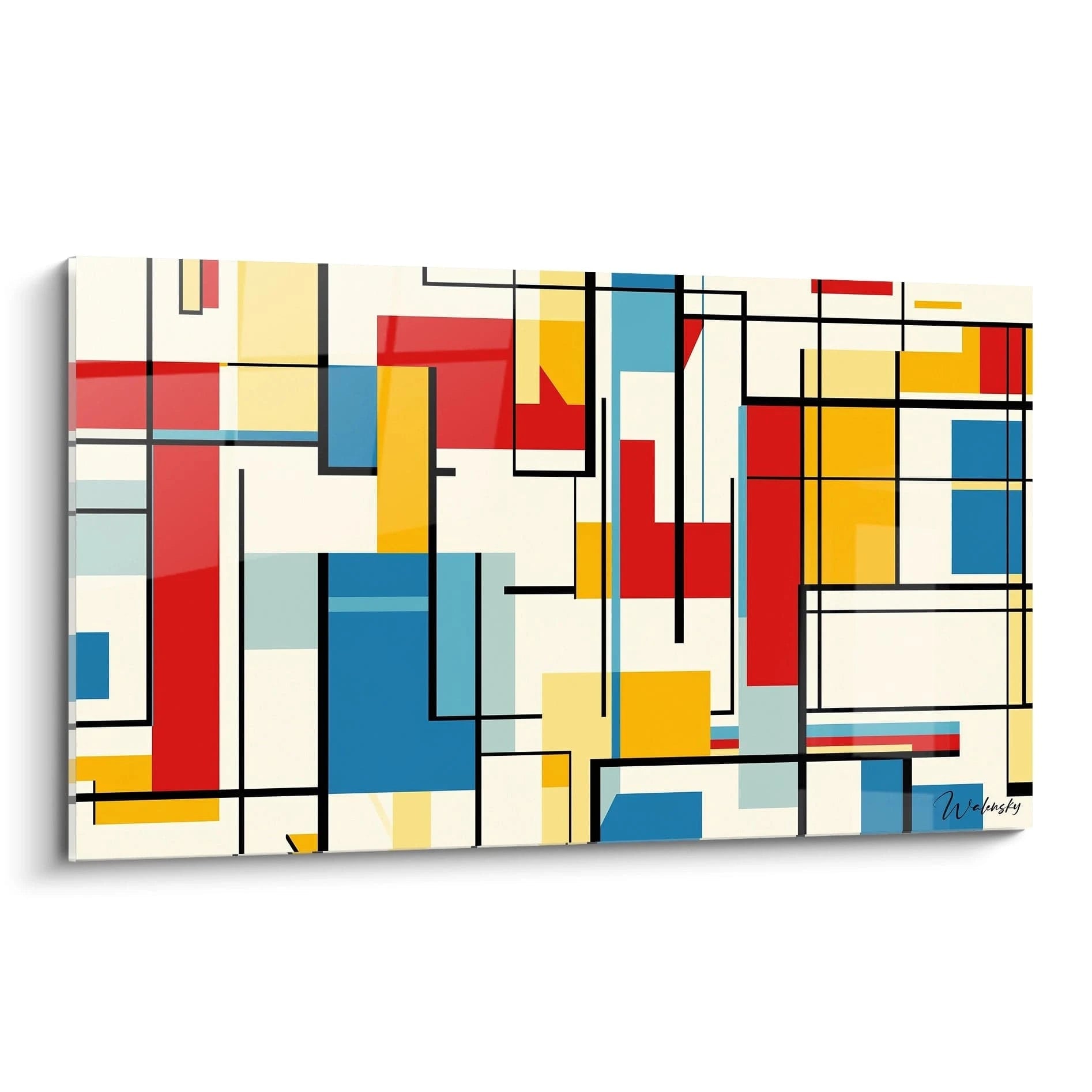
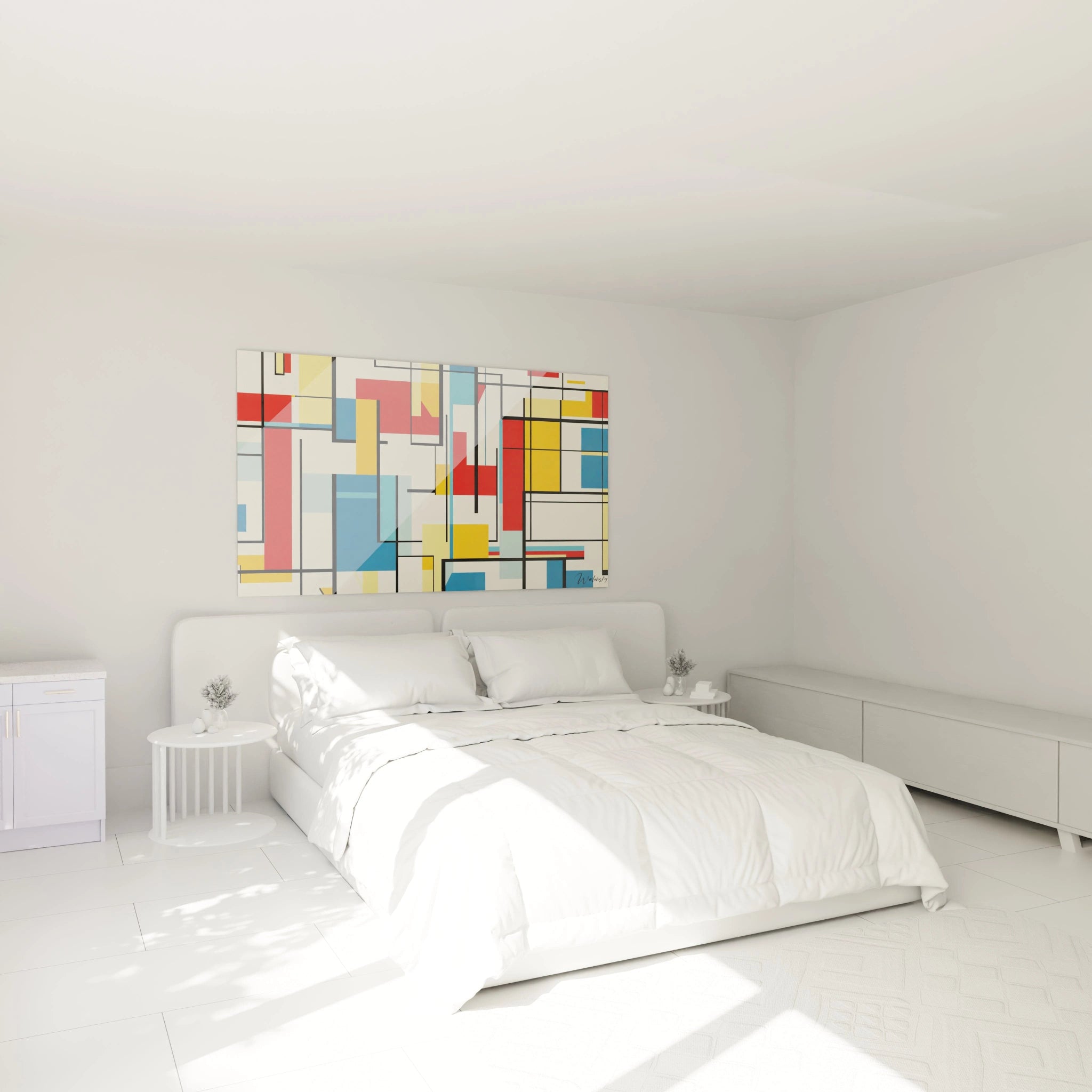
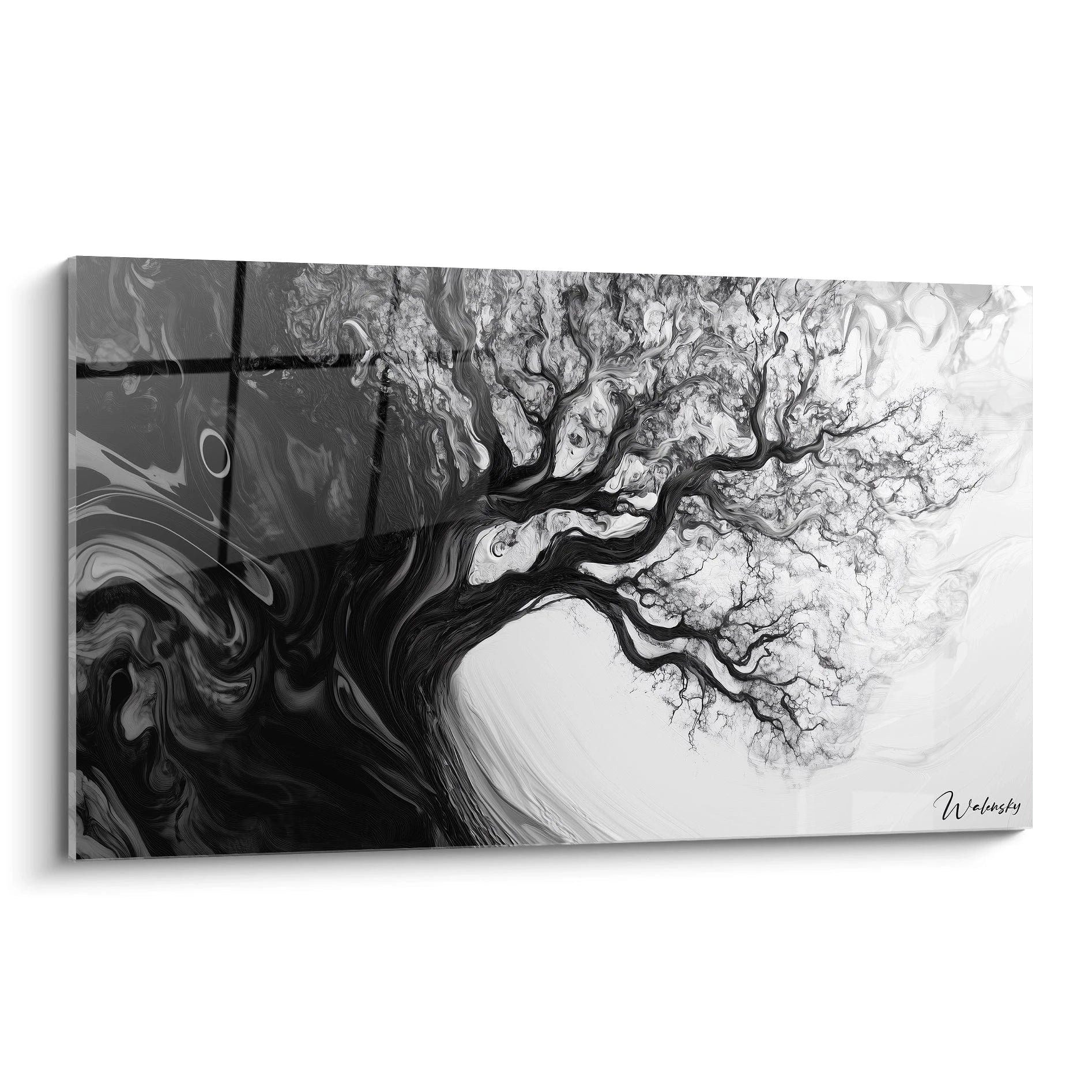
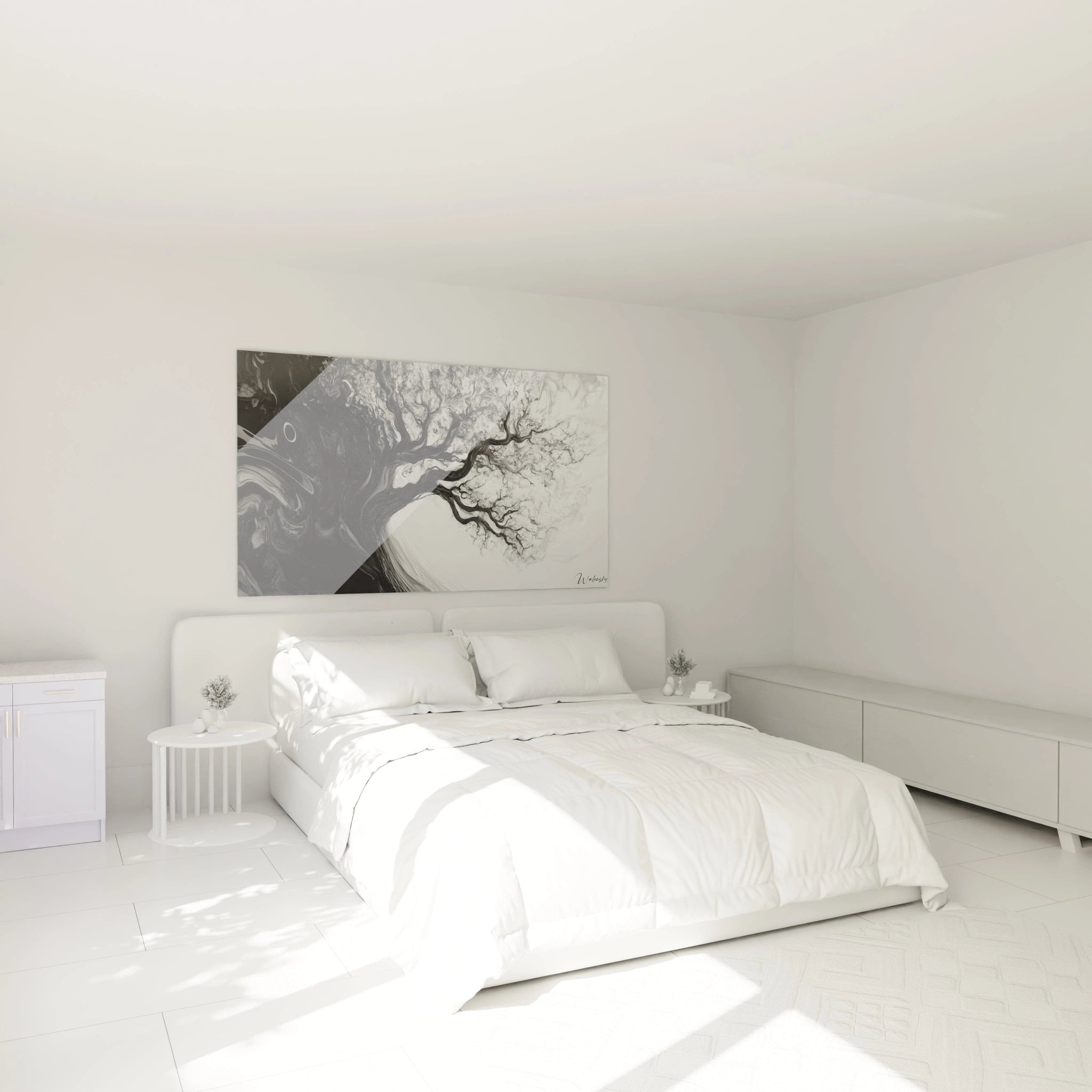
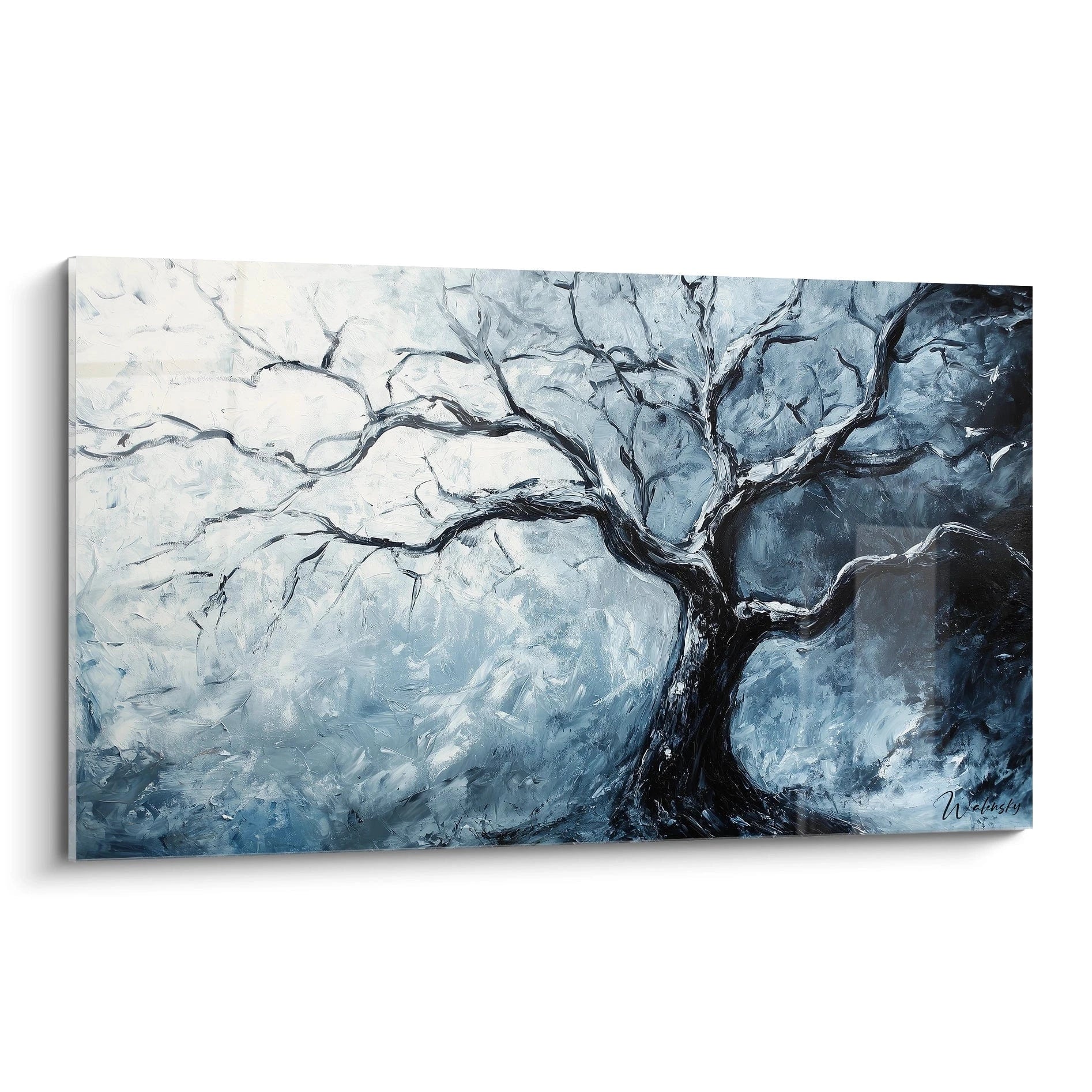
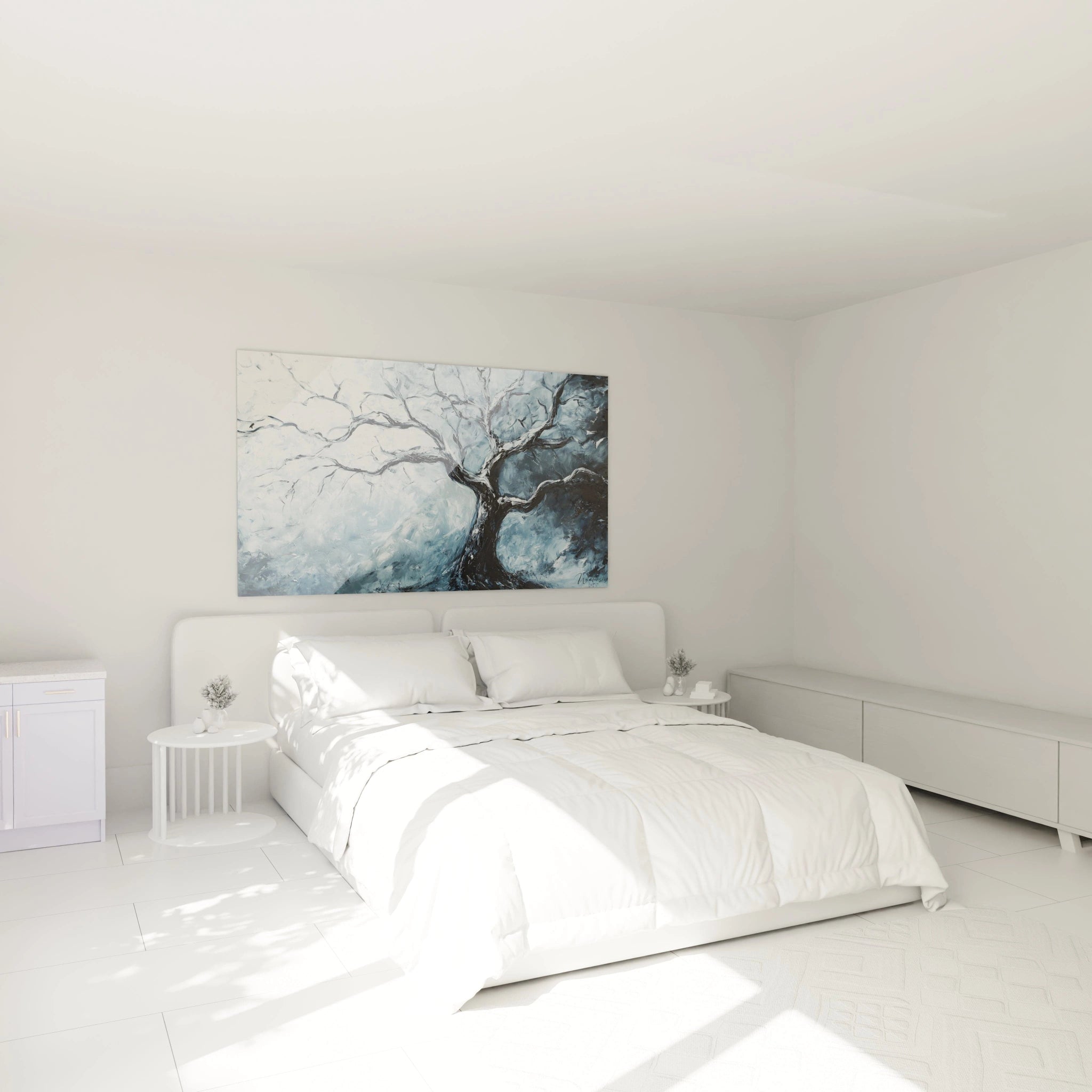
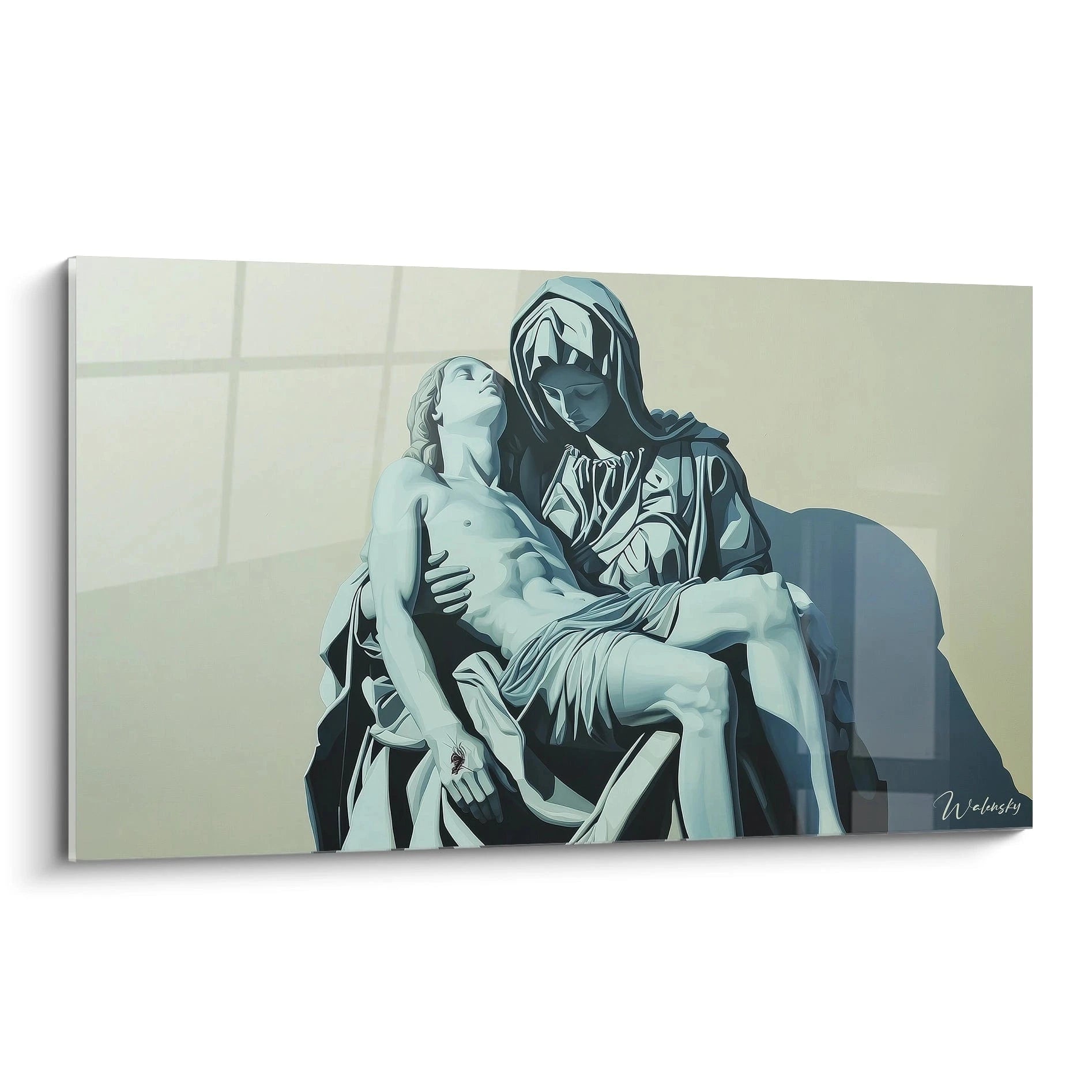
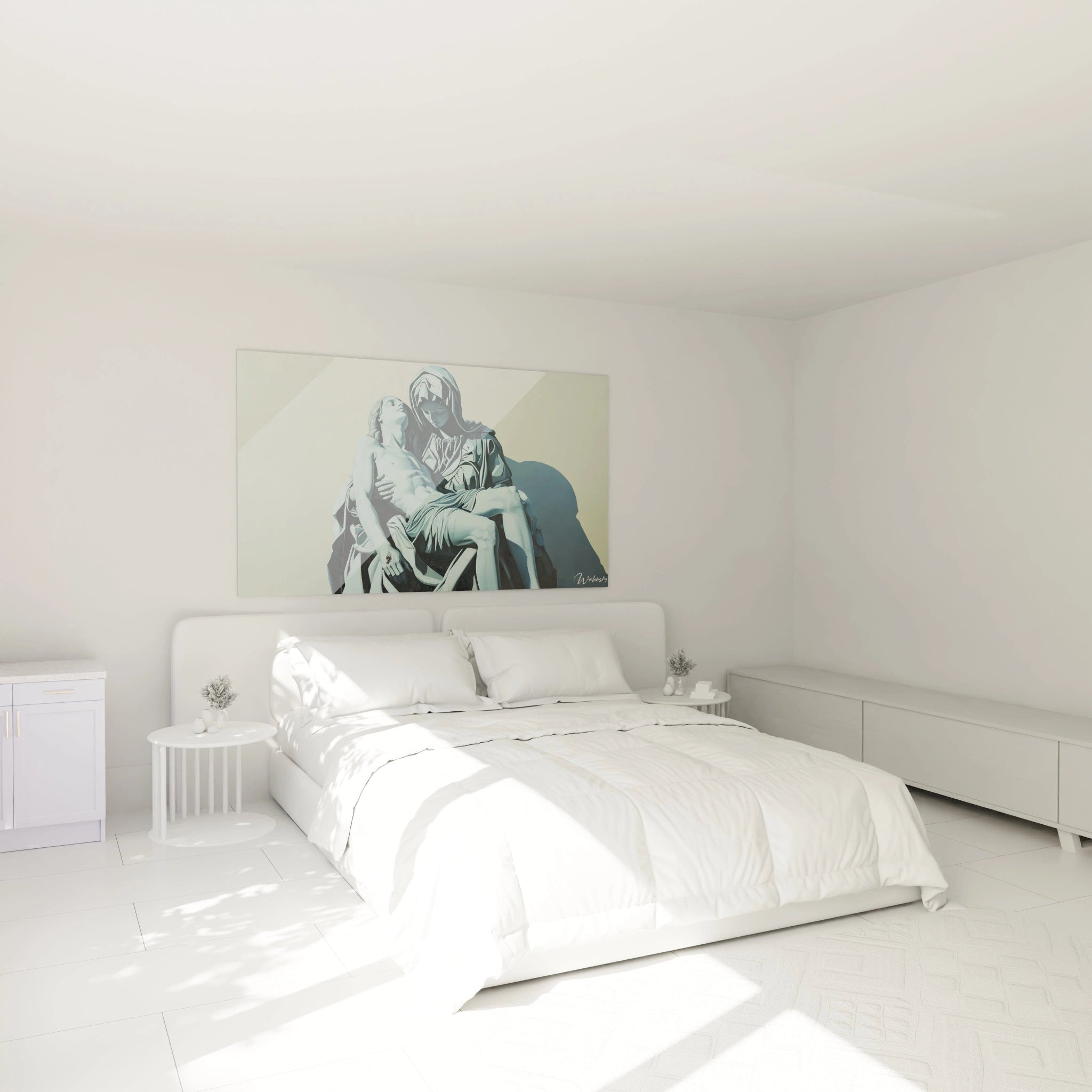
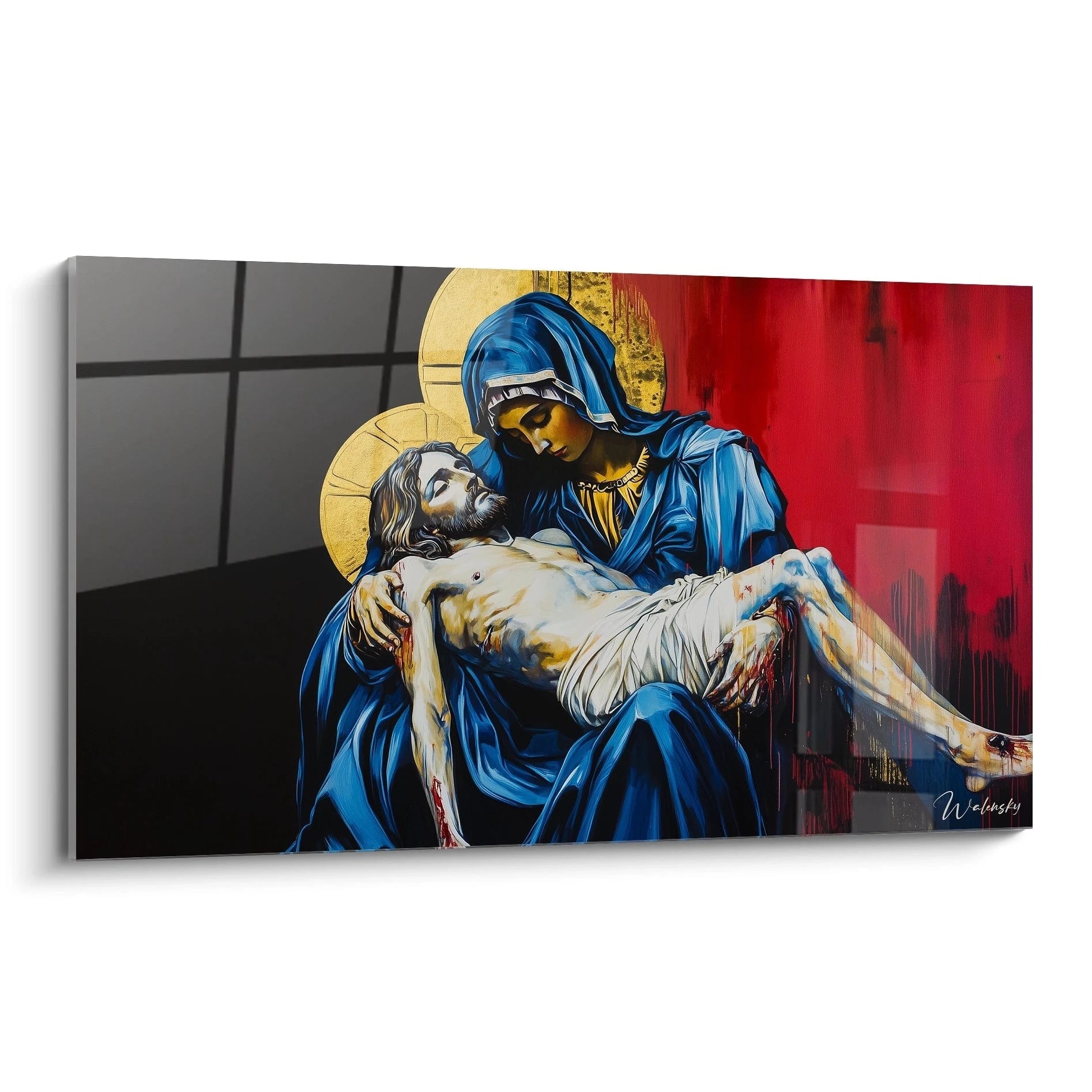
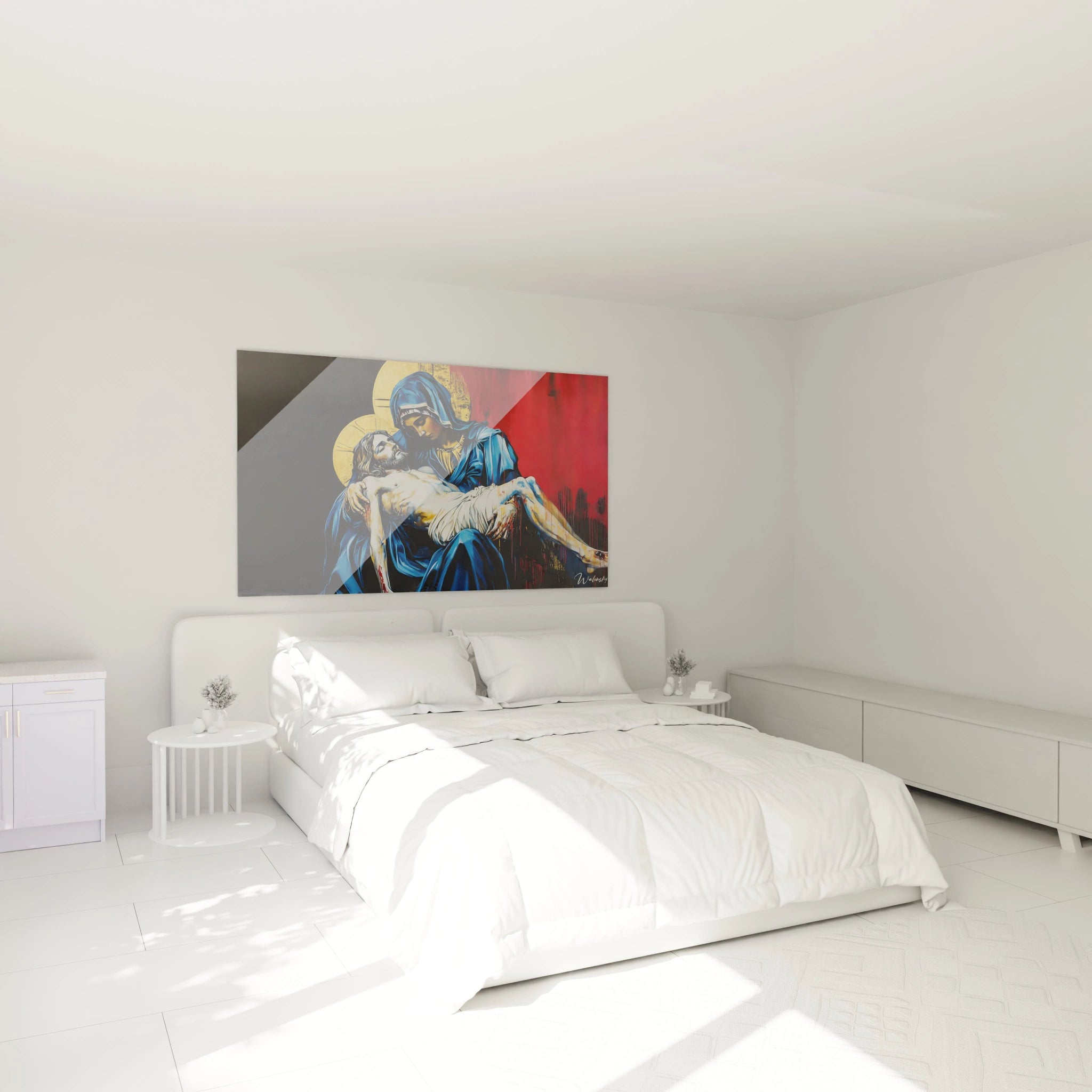
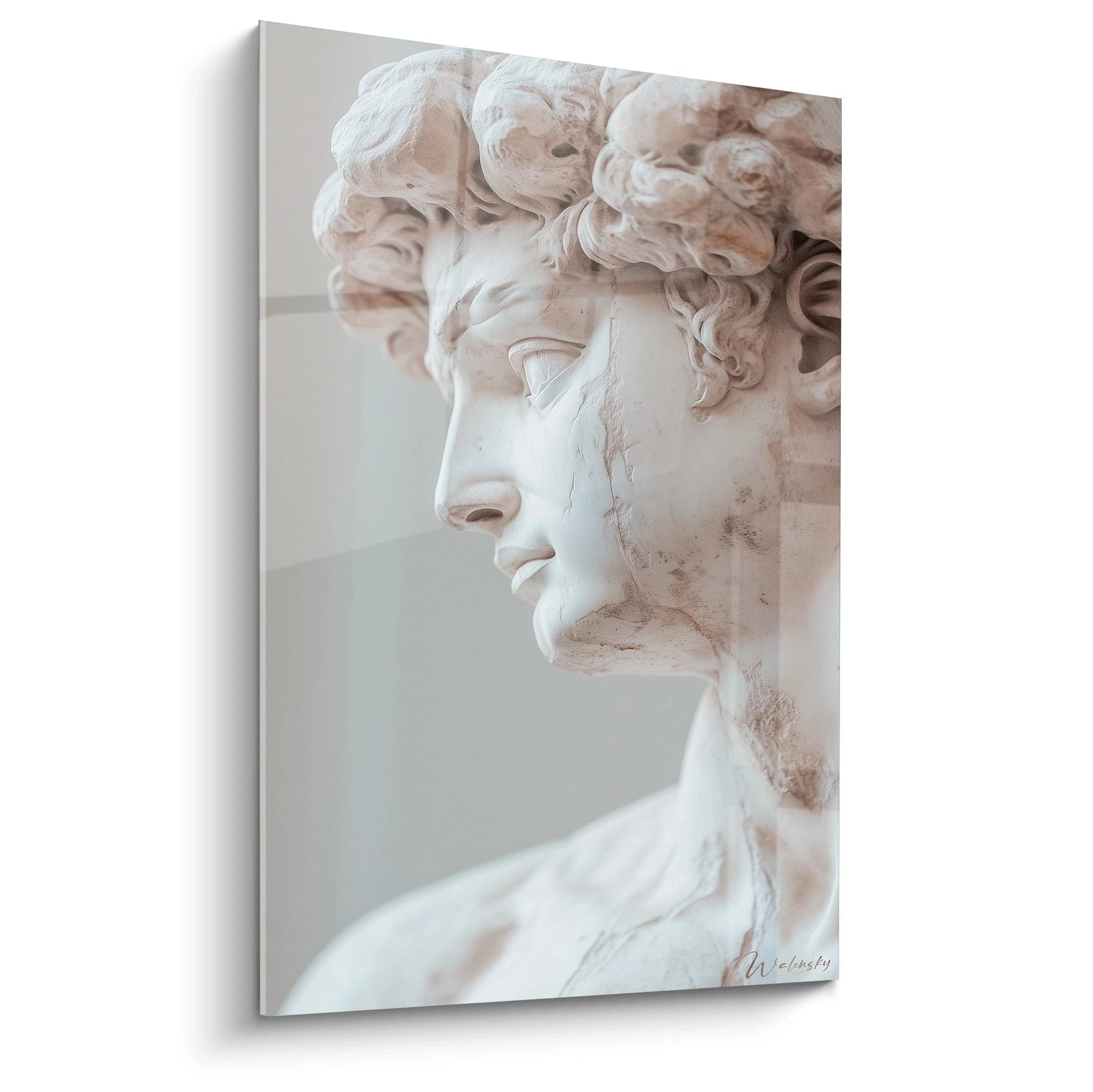
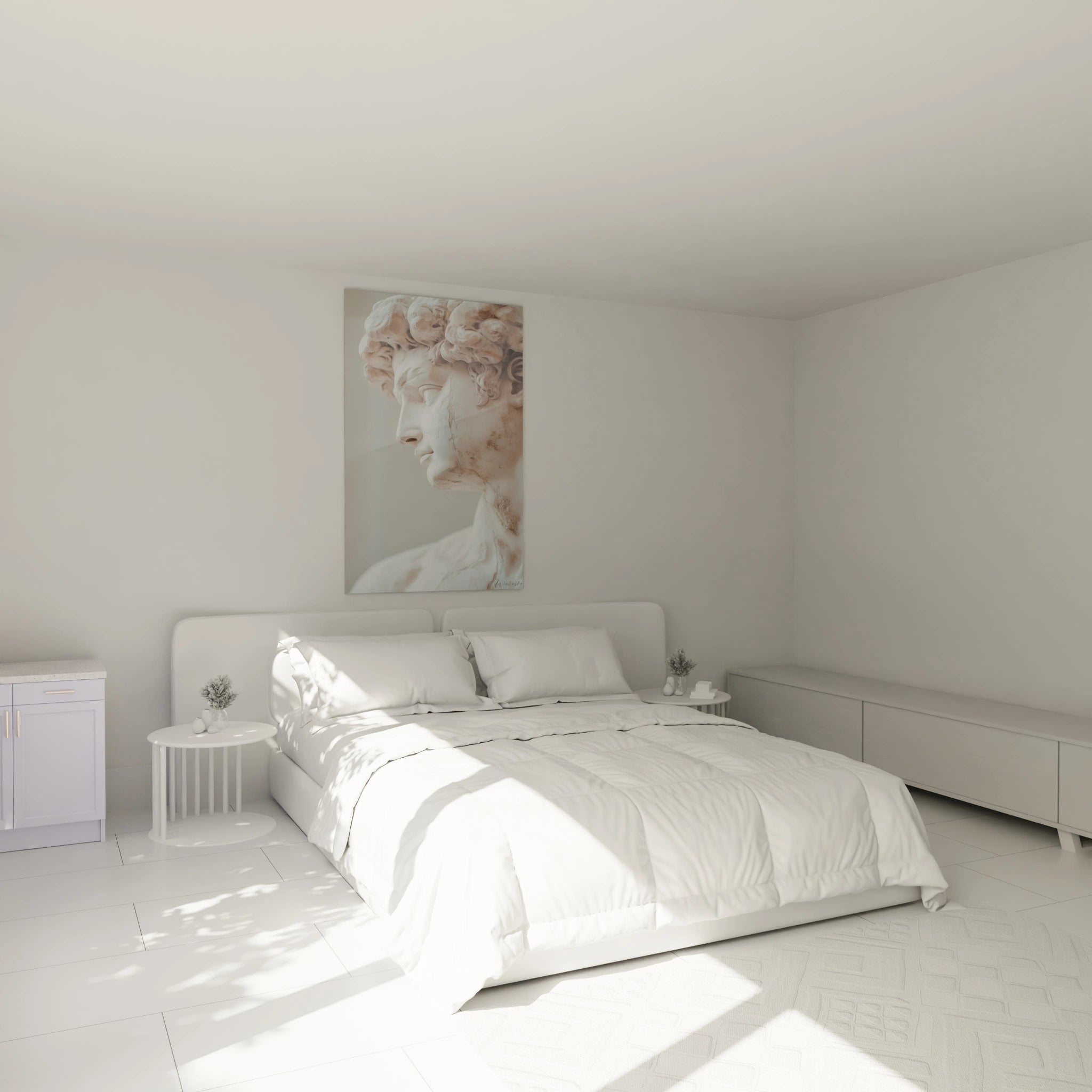
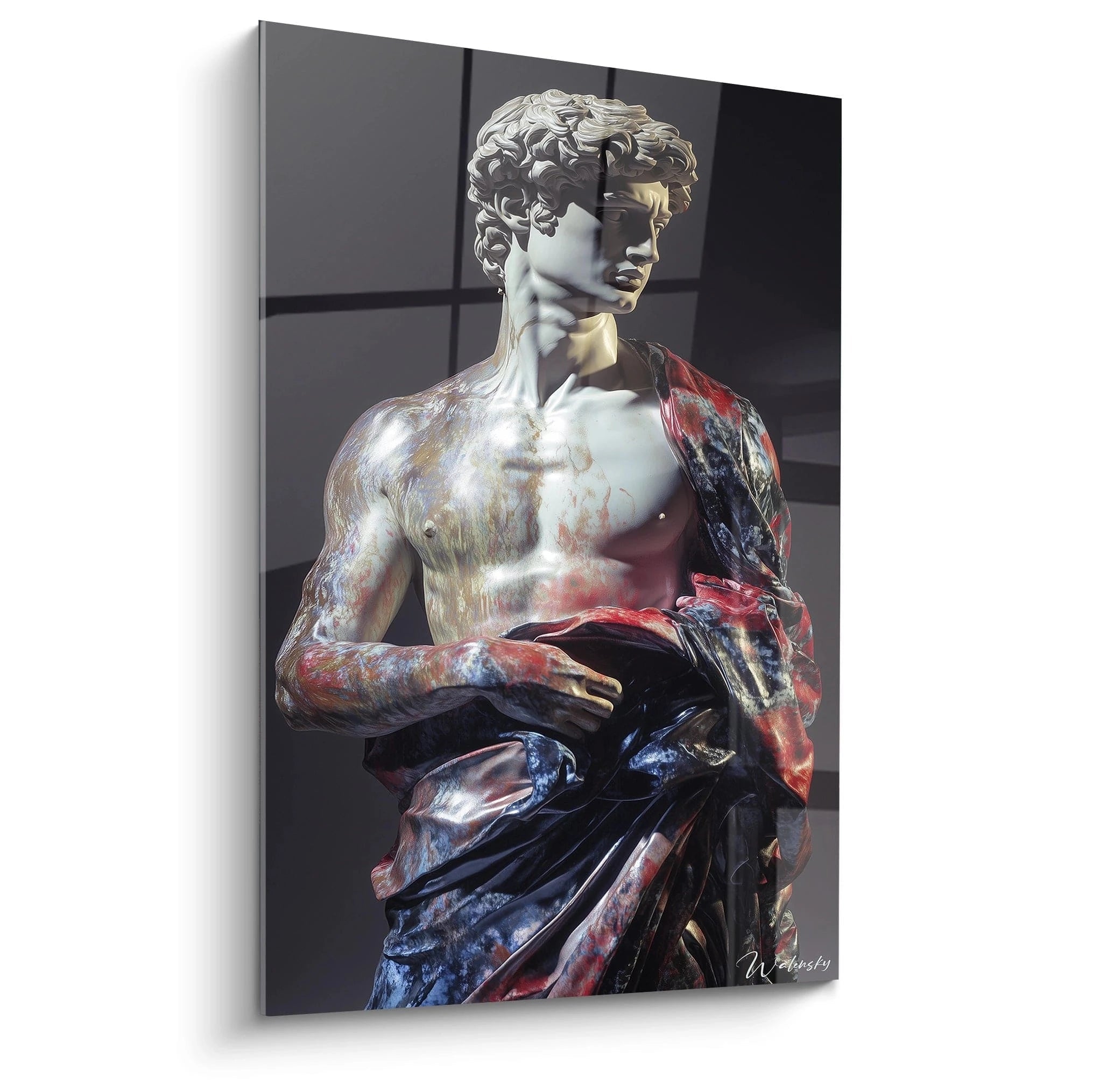
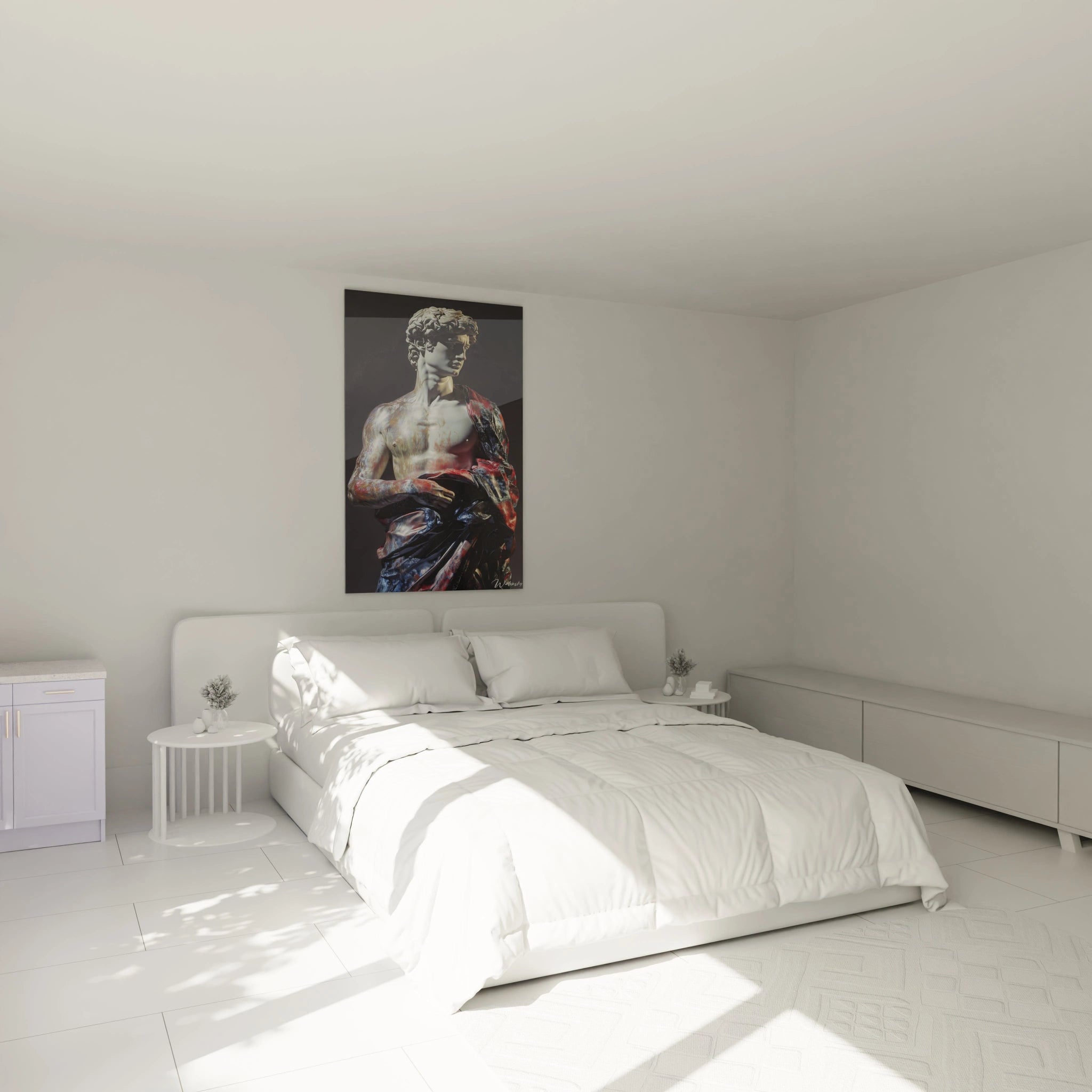
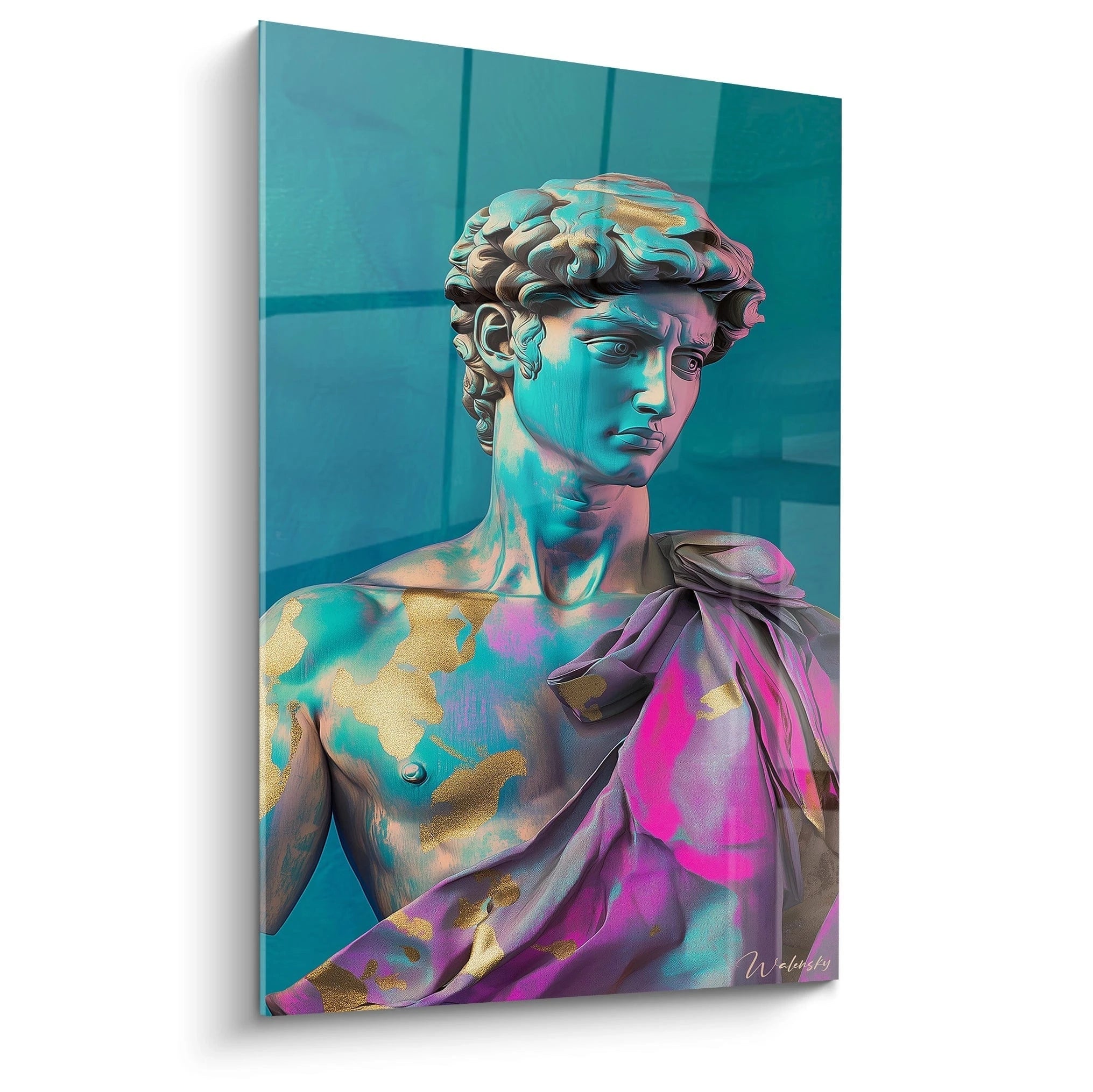
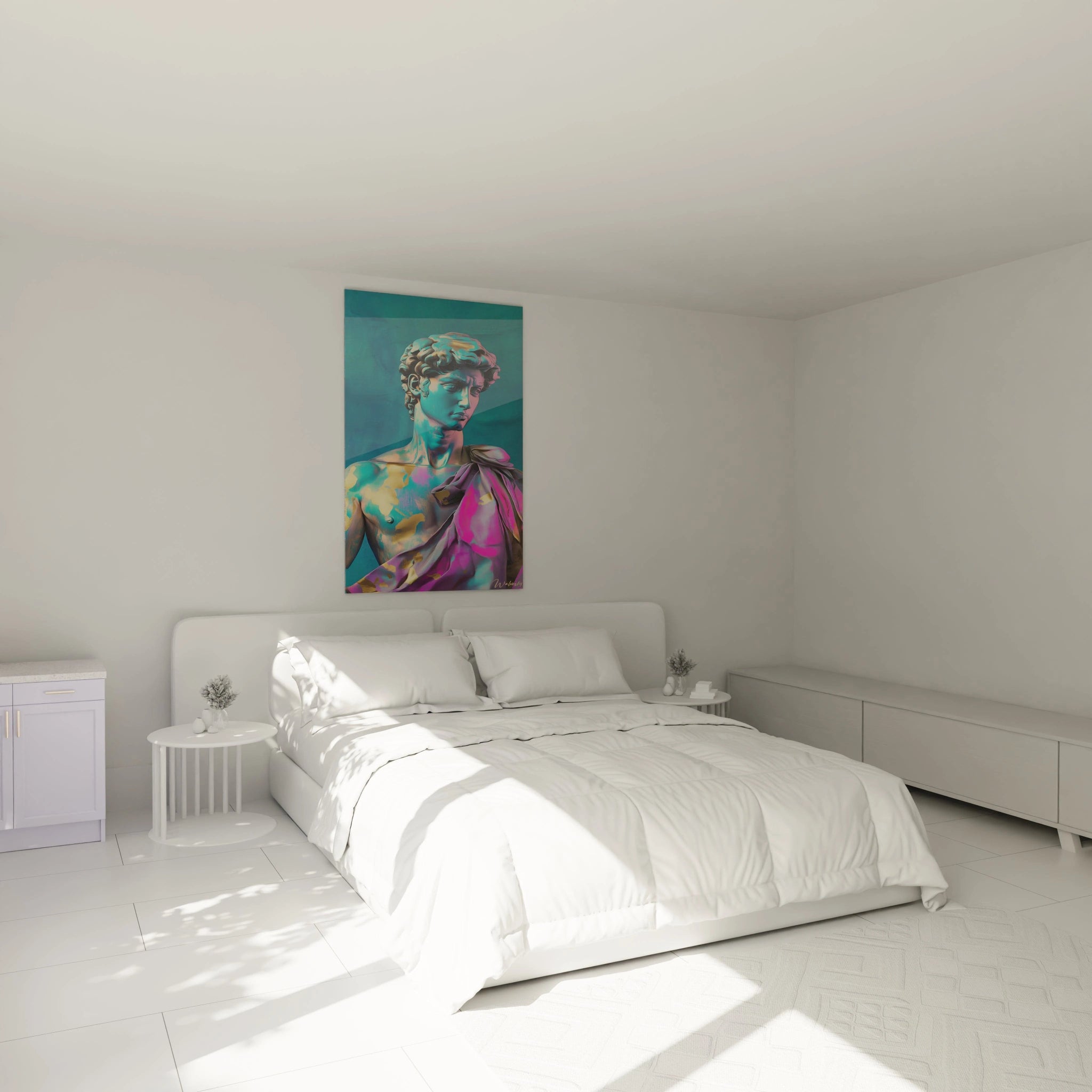
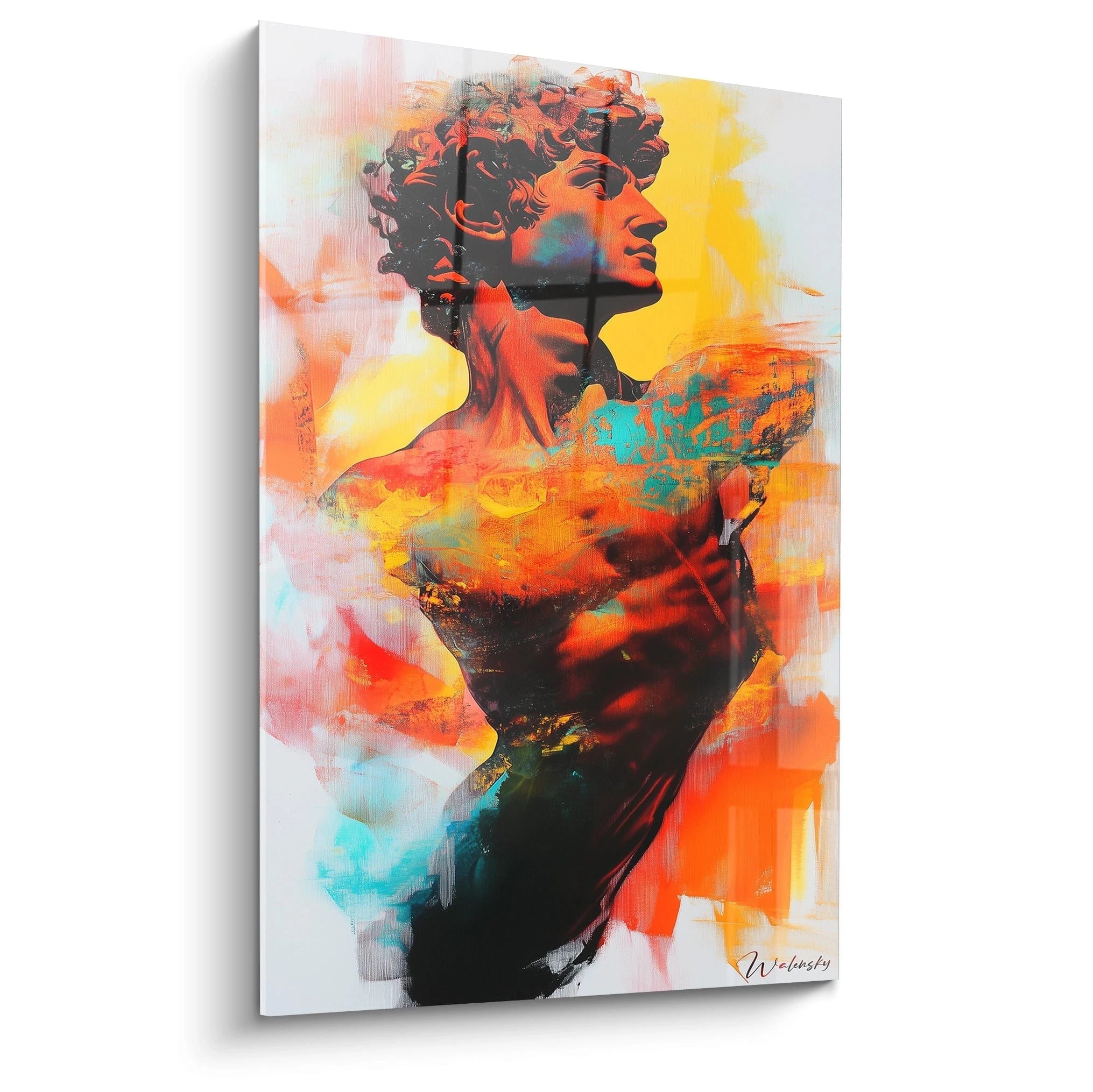
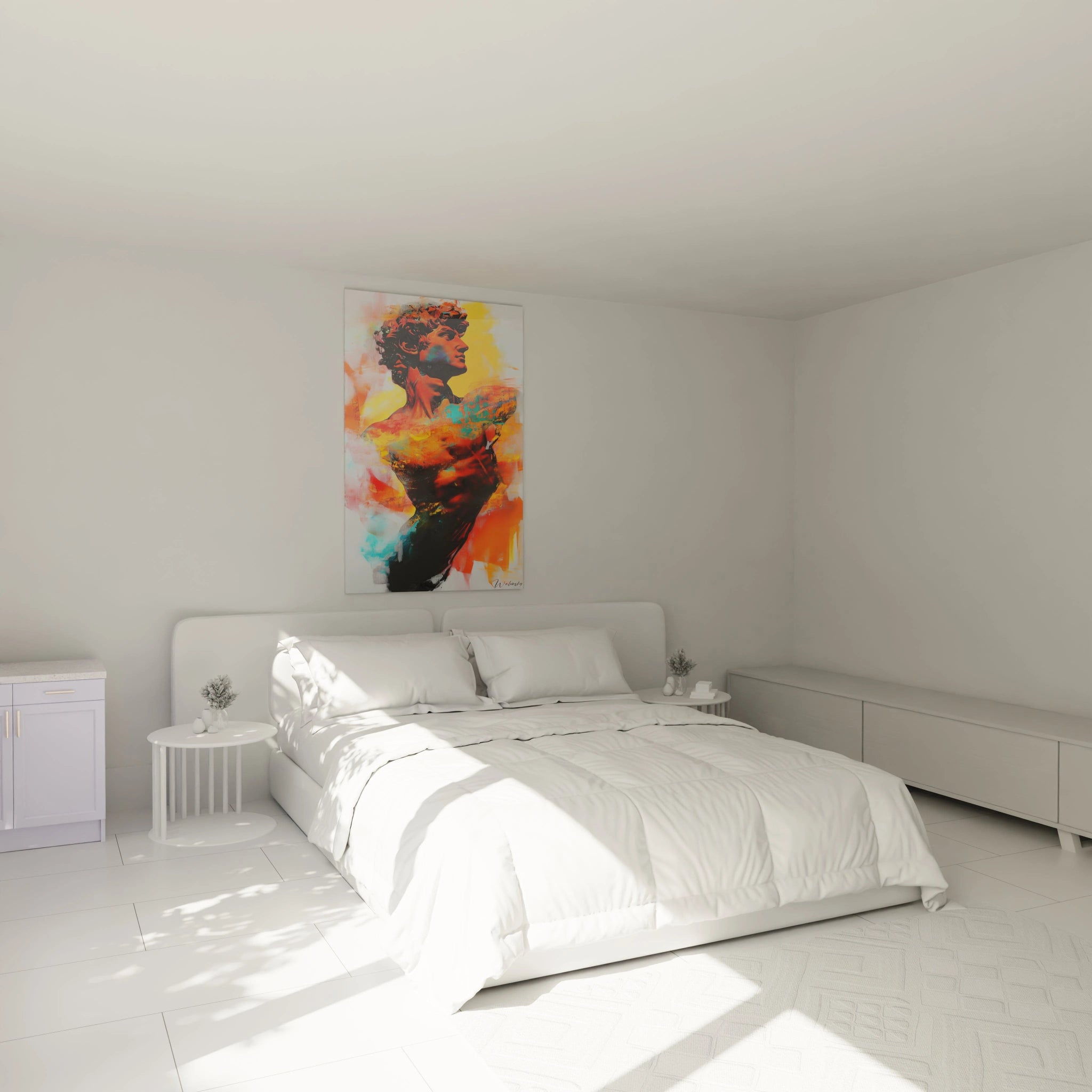
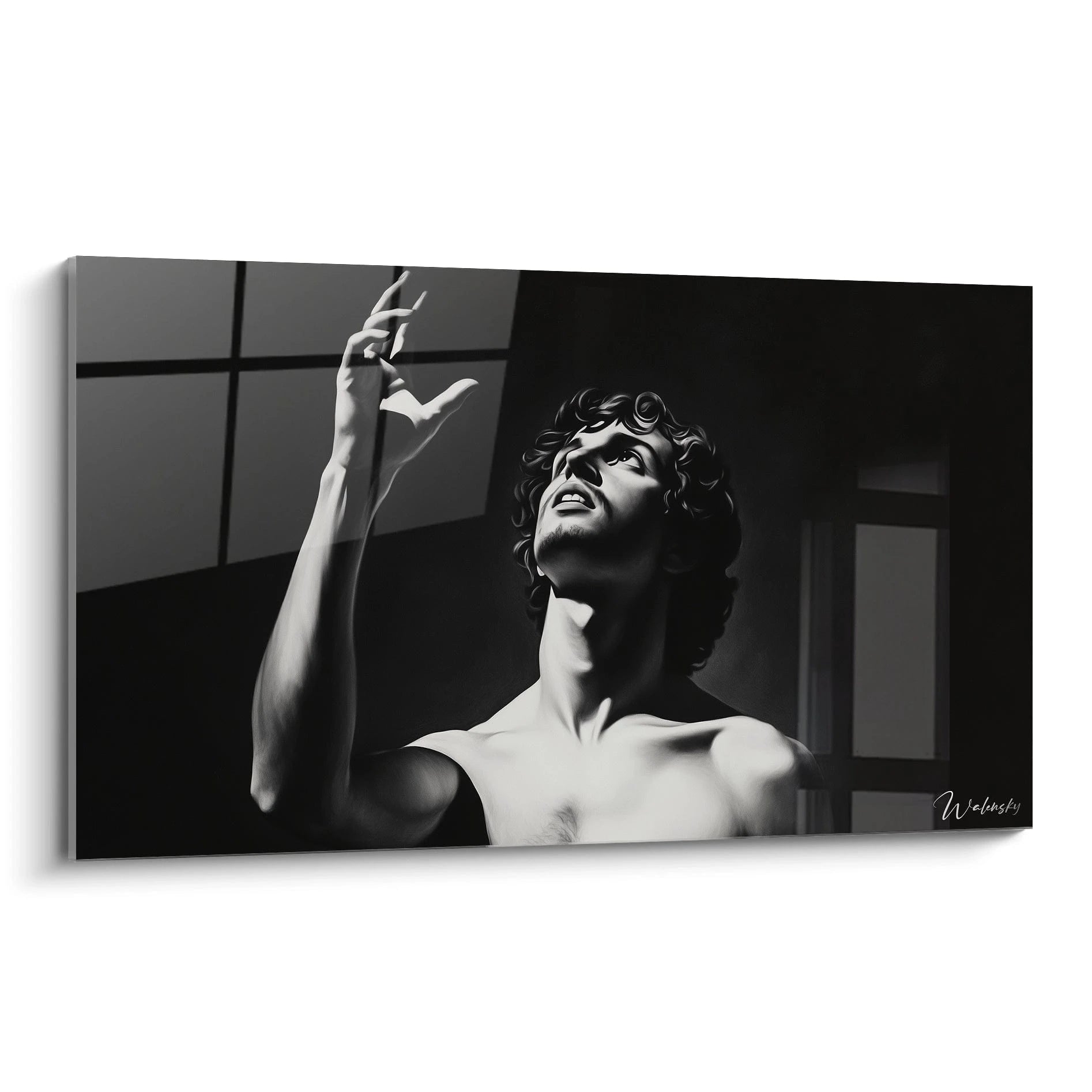
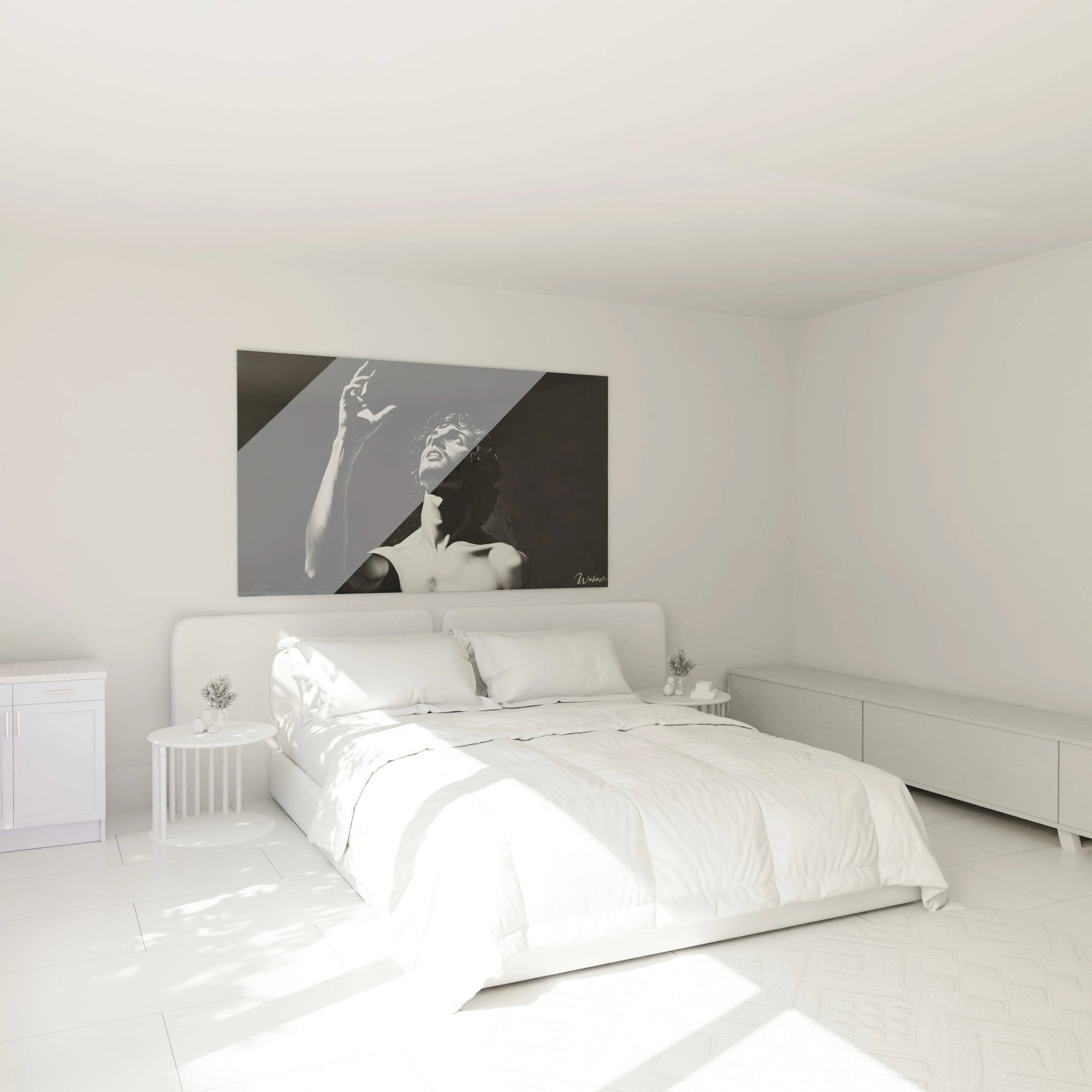
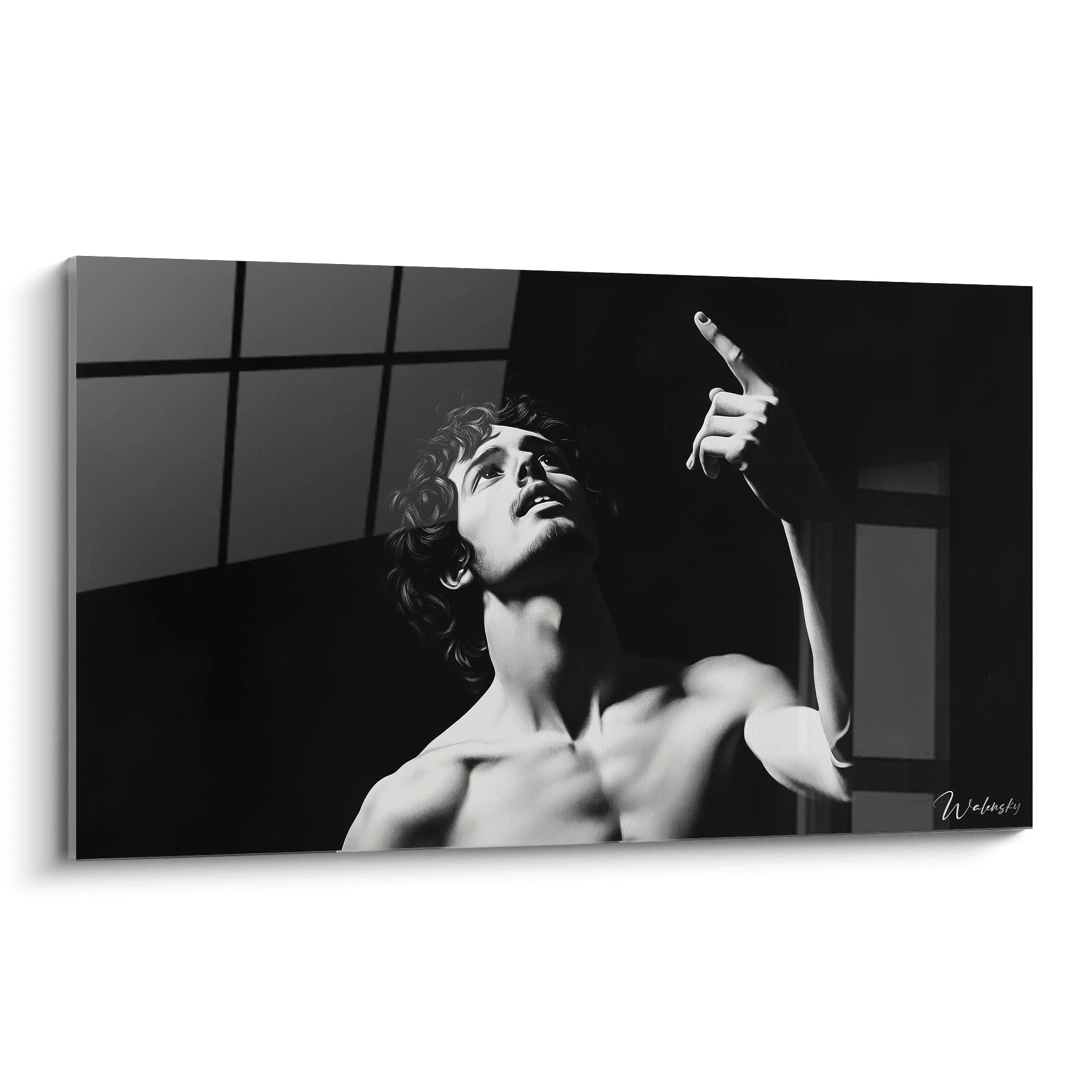
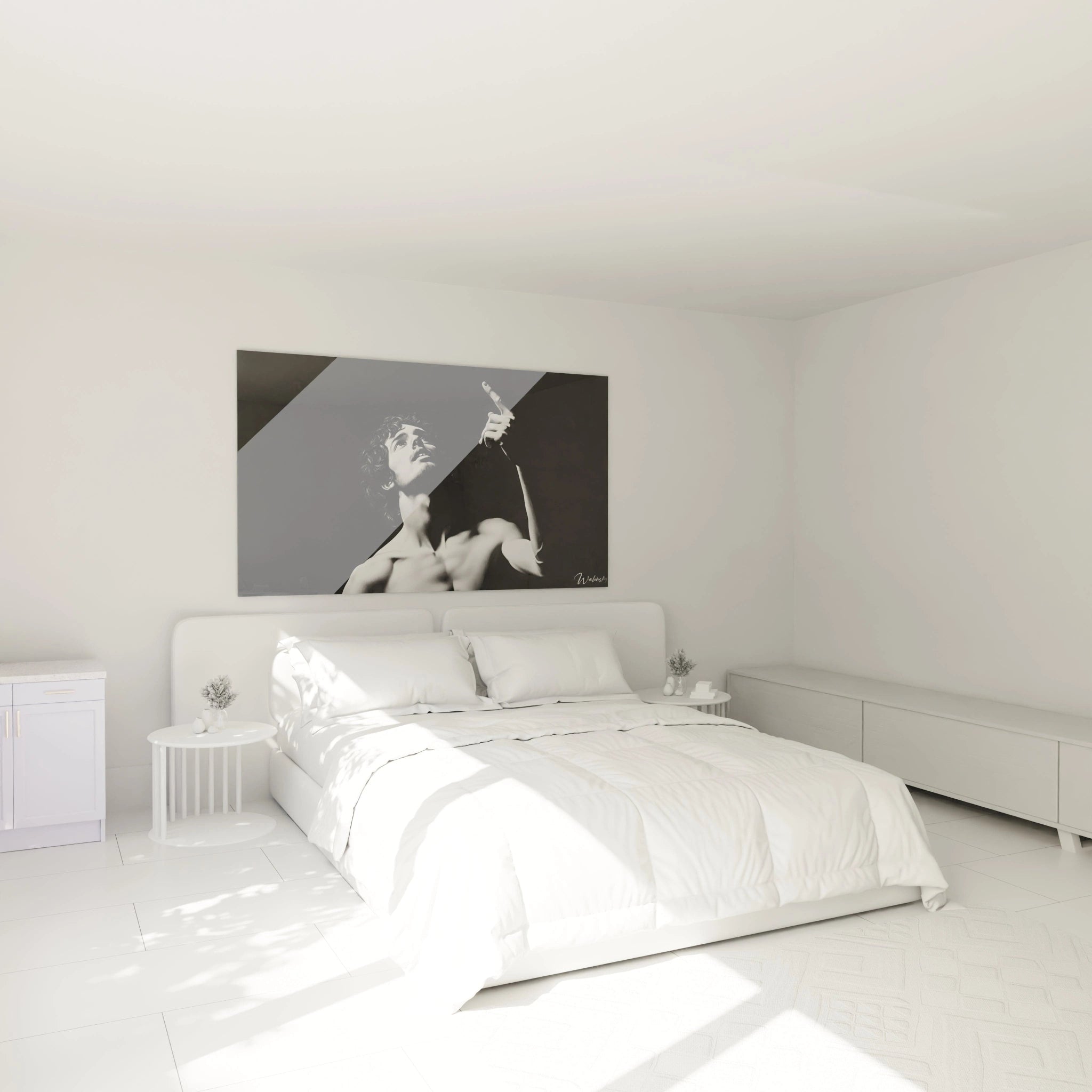
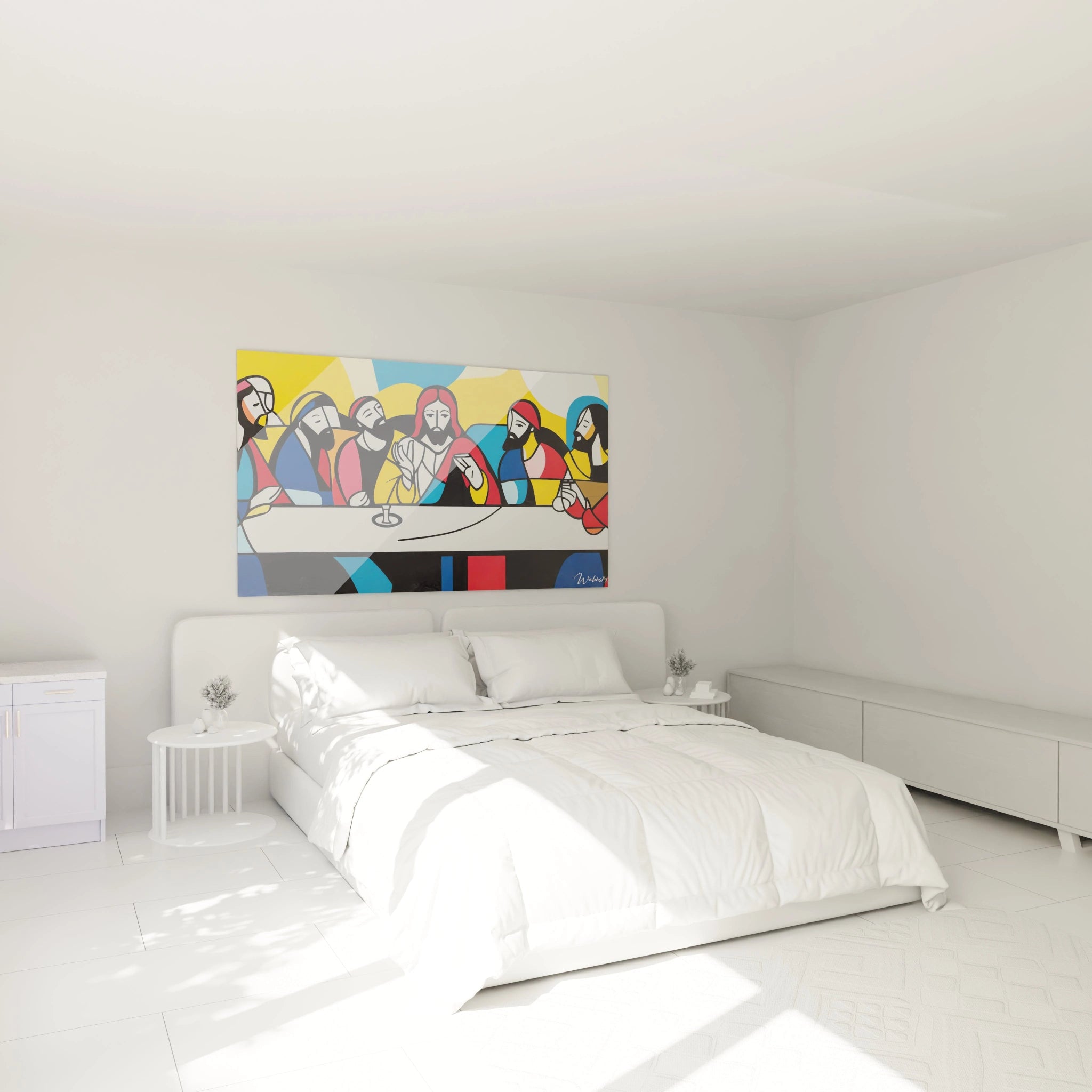
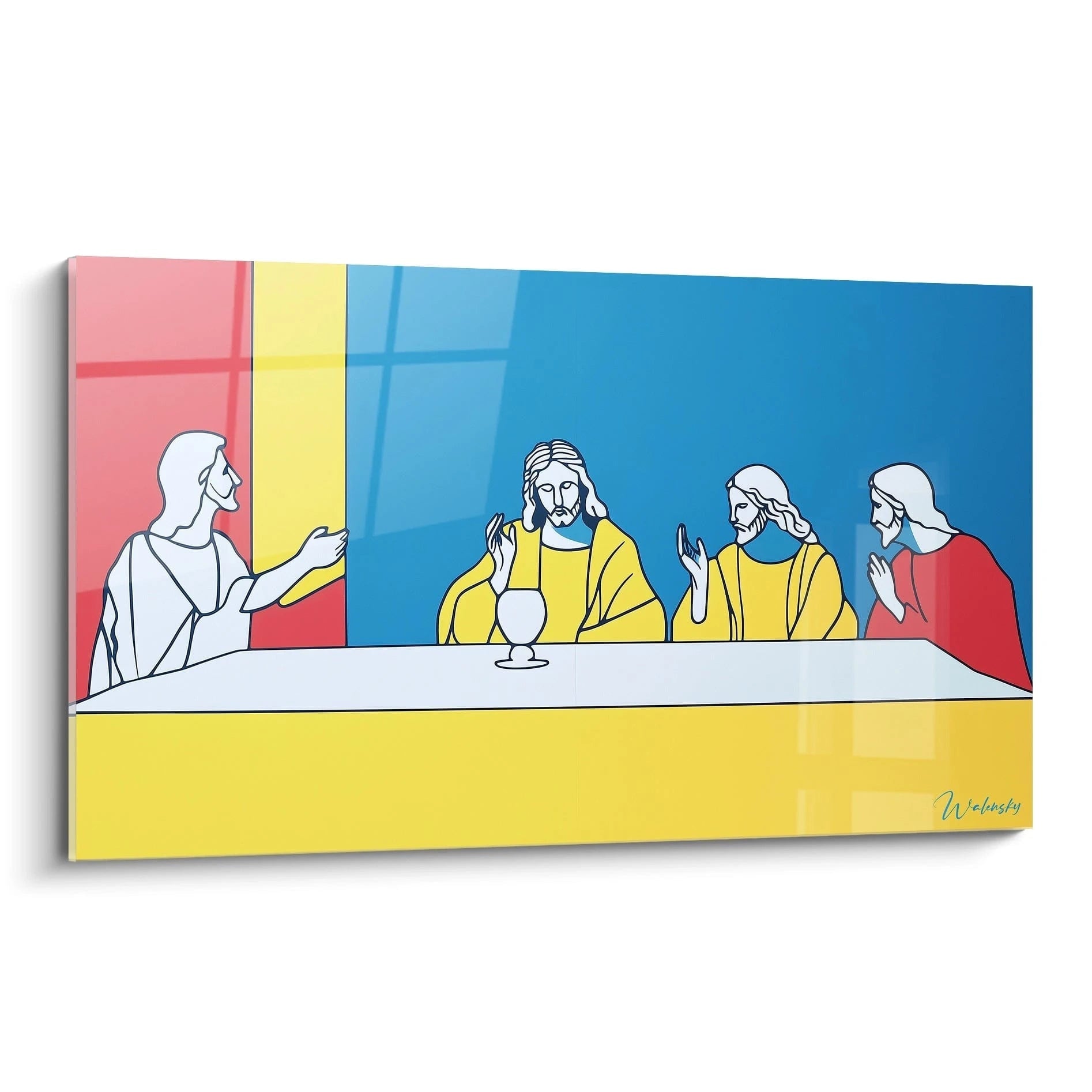
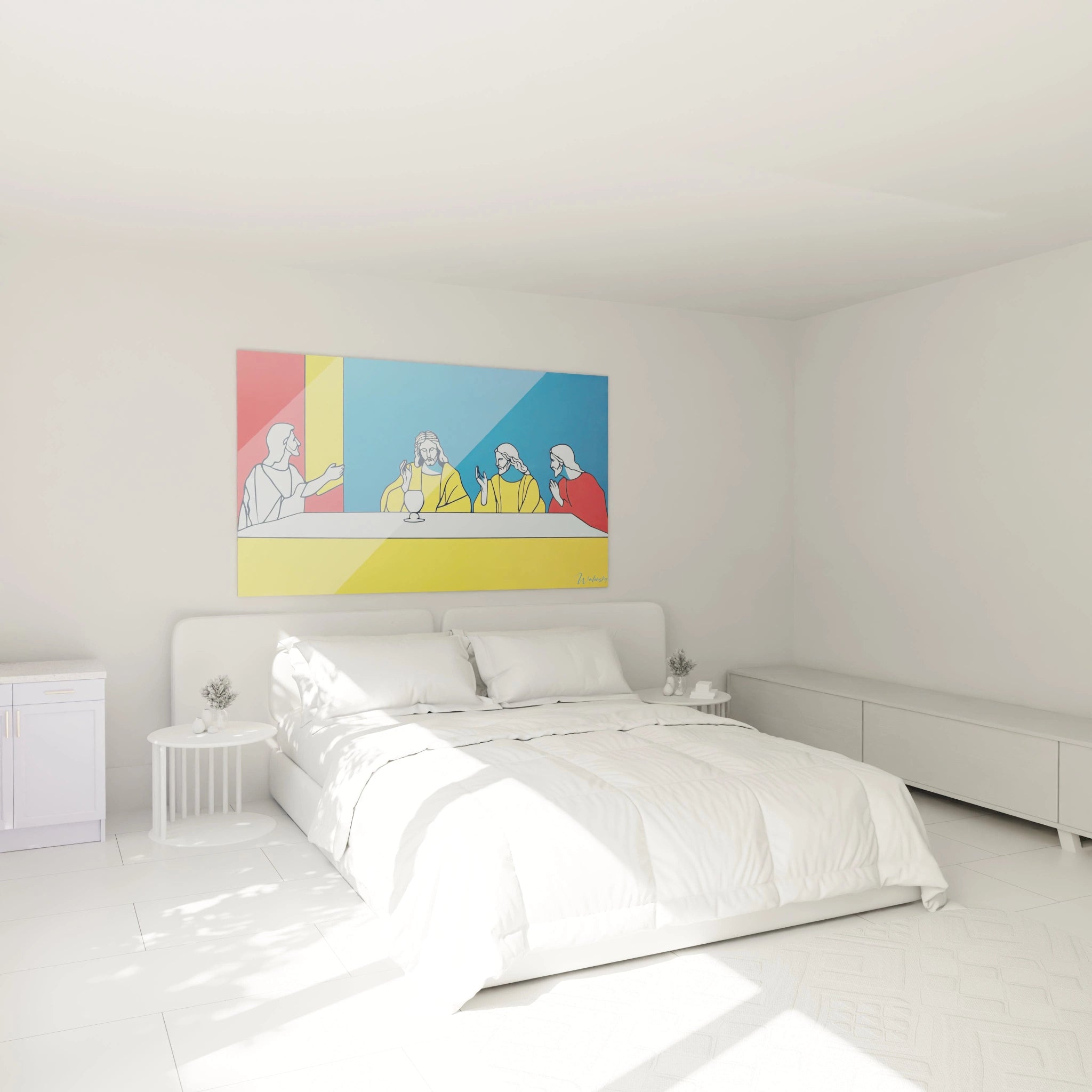
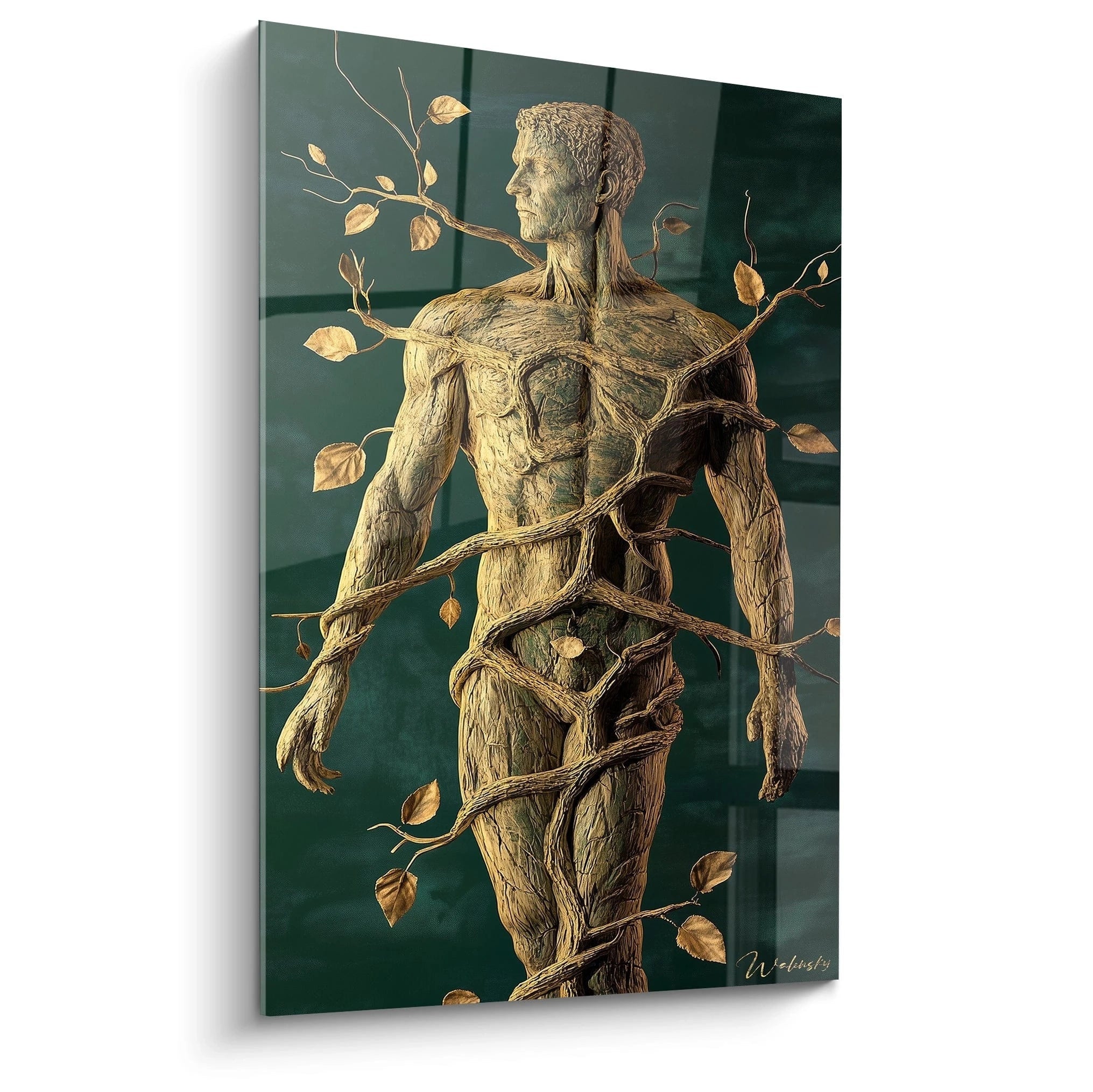
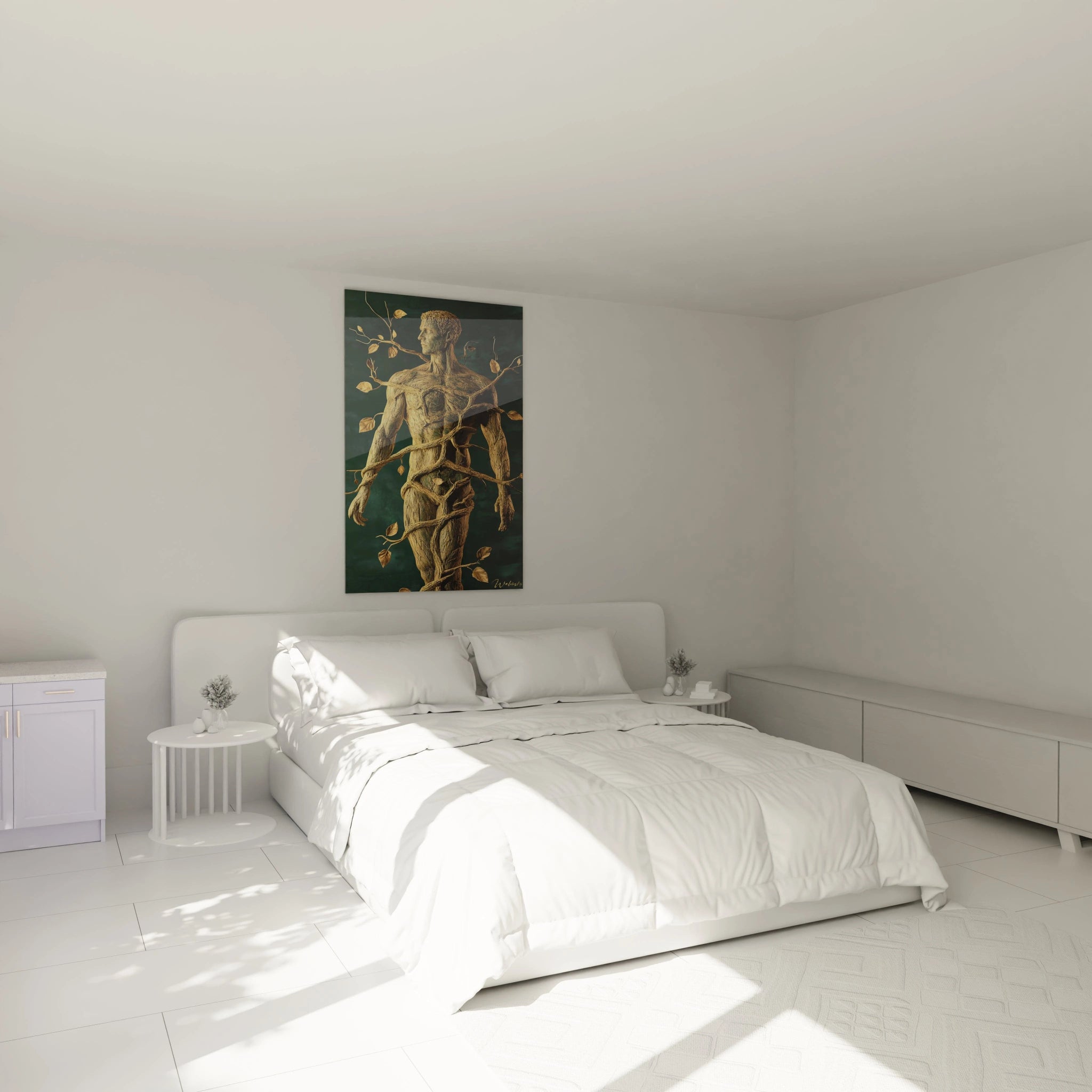
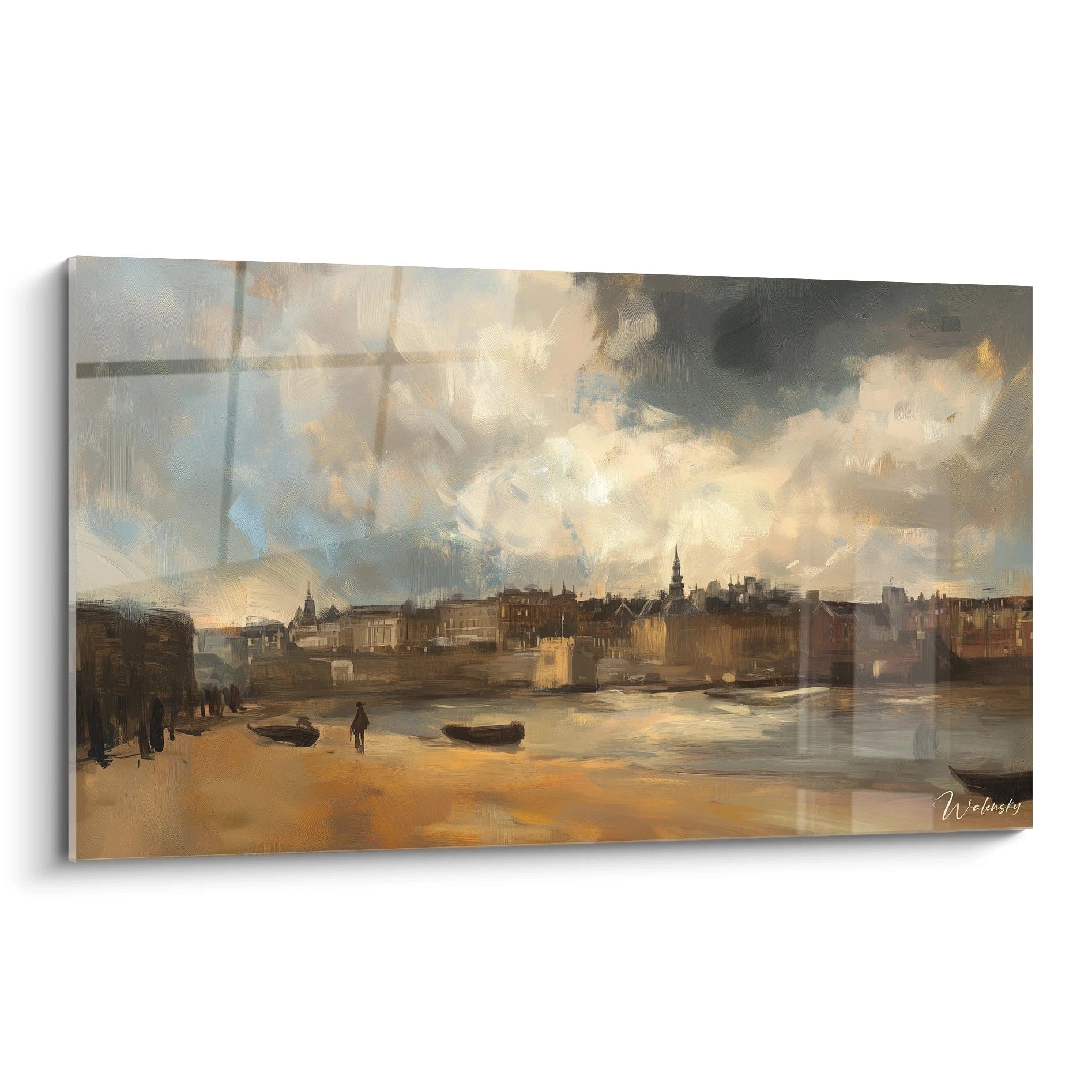
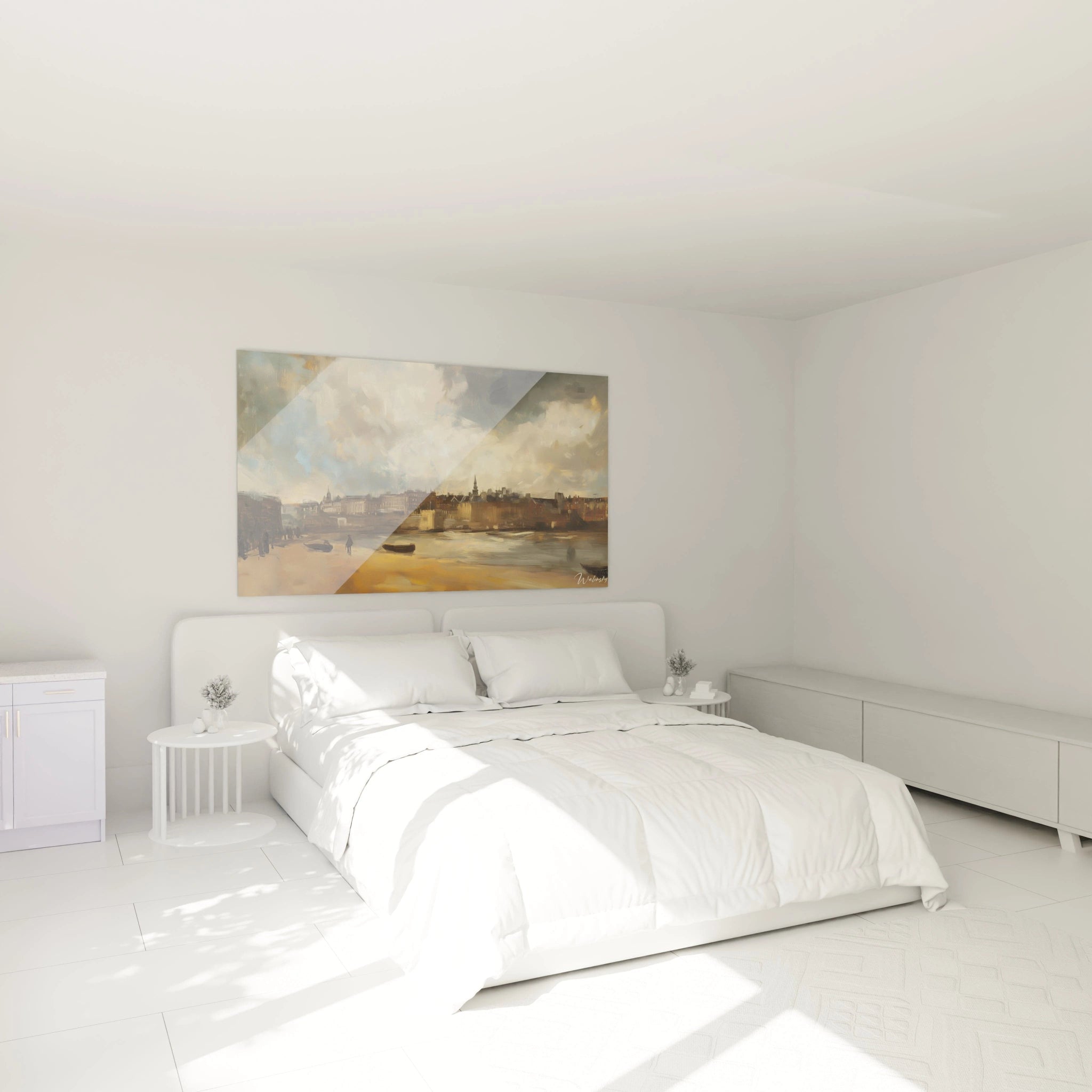
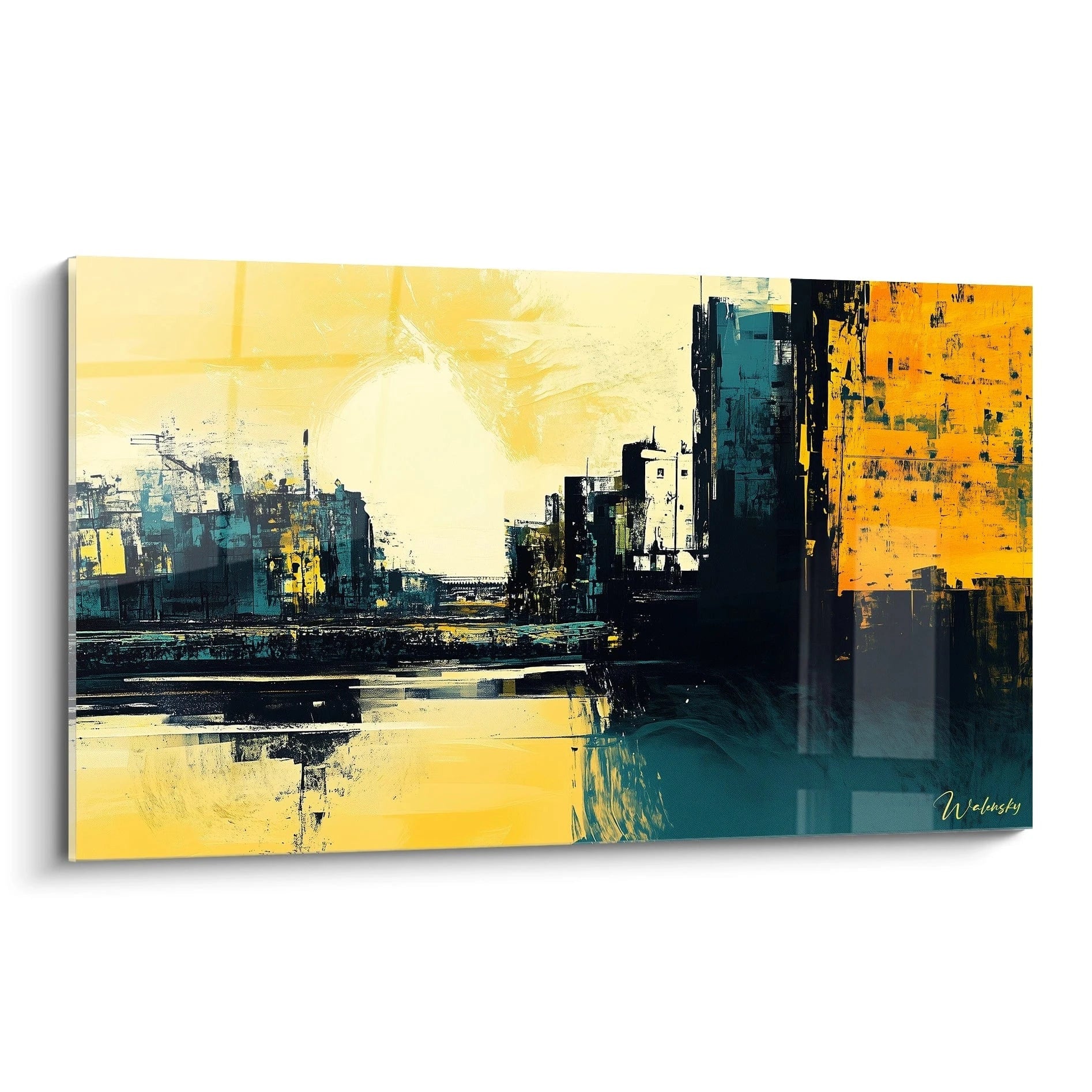
Discover our exclusive collection of famous artist paintings reproduced with exceptional accuracy. These iconic works will transform your interior into a true art gallery, bringing prestige and refinement to your décor. Explore our thematic tabs to discover how to integrate these masterpieces into your space, create a museum ambiance at home, and showcase these majestic pieces with lighting worthy of the world's greatest museums.
Famous Artists Paintings: The Art of Creating Irresistible Visual Authenticity
Why do famous artist paintings radically transform the visual experience of a space?
Famous artist paintings are not mere decorative elements—they represent a visual heritage that transcends eras and surpasses fleeting trends. When a major work adorns your wall, it instantly becomes the focal point that redefines the entire identity of your space. Unlike anonymous contemporary works, these creations bear the indelible mark of universally recognized artistic geniuses, conferring a historical and cultural depth impossible to replicate otherwise.
The psychological impact of being surrounded daily by masterpieces is particularly fascinating. Neuroesthetic studies demonstrate that our brains respond differently to iconic works, stimulating areas associated with recognition and deep aesthetic emotion. This neurological reaction explains why a painting by Monet or Van Gogh evokes such a particular emotional response, even among those unfamiliar with art history.
The Unique Historical Perspective Effect of Great Master Reproductions
Famous artist paintings introduce an exclusive temporal dimension to your environment. Each work represents not only a frozen image but an open window into a specific era, with its currents of thought, artistic revolutions, and sociopolitical context. A Picasso testifies not merely to a visual style, but to a fundamental break with the pictorial traditions that preceded it.
This historical perspective creates a silent yet powerful dialogue between epochs. Imagine displaying a reproduction of Manet's "Luncheon on the Grass" in a contemporary minimalist living room—the contrast extends beyond aesthetics to embrace a fascinating confrontation between two worldviews separated by more than a century. This type of temporal juxtaposition is impossible with standard decorative works.
The Instantly Recognizable Visual Signature That Distinguishes Your Space
One of the most remarkable characteristics of famous artist paintings is their immediately recognizable visual signature. The distinctive brushwork of Turner, the colors of Matisse, or Klimt's motifs are identifiable at first glance, even by the uninitiated. This instant recognition confers an artistic legitimacy to your interior that anonymous works can never achieve.
This visual signature becomes, by extension, yours. Visitors entering your space immediately identify your cultural references and aesthetic affinities. Choosing to display "The Starry Night" reveals different sensibility than opting for "Les Demoiselles d'Avignon". Your selection subtly communicates your values and worldview without speaking a single word.
Famous Artists Paintings: Designing Your Private Gallery with Museum Elegance
Professional Museographic Layout Adapted to Residential Interiors
Recreating the authentic museum experience in a residential space requires far more than simple hanging. Famous artist paintings demand a museographic approach inspired by techniques developed by professional conservators. Traditional linear hanging, where works are arranged horizontally, perfectly suits spacious rooms with clear walls. For more restricted spaces, salon-style arrangement, with paintings placed at varying heights in harmonious composition, offers a sophisticated alternative.
The fundamental rule conservators understand that few private collectors know concerns the visual waterline, positioned 152-158 cm from the floor. This specific height, corresponding to average eye level, enables optimal contemplation of famous artist paintings. Unlike standard wall decorations, these works must be positioned with millimeter precision to respect this museum golden rule.
Discerning collectors prioritize dynamic spacing between major works, meticulously calculating intervals based on artwork size rather than seeking artificial symmetry. This professional technique creates a sophisticated visual rhythm that showcases each painting individually while preserving overall coherence. This is particularly important in luxury homes and complex architectural spaces.
How to Create Coherent Artistic Narrative with Iconic Works?
Curating a private collection of famous artist paintings requires deep narrative reflection. Unlike simple wall decorations, these works can be arranged to tell a captivating visual story. A chronological approach illustrates the evolution of artistic movements, creating a genuine educational journey through your space. Alternatively, thematic organization—centered on portraiture, landscape, or recurring motifs—creates fascinating visual dialogues between works from different eras.
Professional conservators recommend identifying a coherent thread, whether stylistic, chromatic, or conceptual. For example, a selection of French Impressionist works creates immediate visual coherence, while a collection centered on blue-dominant works across centuries (from Vermeer's "Blue" to Picasso's blue periods) establishes sophisticated chromatic continuity despite stylistic diversity.
A particularly effective museographic technique involves strategically positioning "pivot works" that establish transitions between different collection sections. These transitional paintings share visual or conceptual elements with surrounding works, facilitating harmonious narrative flow through your space.
For rental properties or commercial spaces, location-specific thematic narrative can reinforce space identity.
Famous Artists Paintings: Master Museum Lighting to Enhance Your Masterpieces
Museum-Grade Lighting Techniques Adapted to Residential Environments
Illuminating famous artist paintings is an art form in itself, fundamentally different from lighting ordinary decorative elements. Professional museum lighting techniques can be adapted to residential interiors to reveal all the depth, chromatic nuances, and subtle details these masterpieces contain.
Asymmetrical directional lighting represents the technique favored by conservators for master paintings. Unlike standard wall lighting, this approach uses adjustable spotlights with a precise 30-degree angle of incidence that minimizes glare while maximizing legibility of paint textures. For particularly textured works like Impressionist paintings, this specific angle highlights characteristic impasto and brushwork, revealing visual dimensions inaccessible with conventional lighting.
Color temperature represents a crucial parameter often overlooked. Specialists recommend different temperatures depending on artistic periods: 3000K for famous artist paintings from the Renaissance and Baroque, rich in amber tones and chiaroscuro; 3500-4000K for Impressionist and Post-Impressionist works, whose vibrant colors require more neutral light; and 4000-4500K for modern and contemporary works. This precise calibration respects the original chromatic intention of the masters, whether in a fine dining restaurant or a private reading space.
How Does Dynamic Lighting Reveal a Masterpiece's Different Facets?
Famous artist paintings possess a unique temporal dimension few collectors fully exploit. Programmable dynamic lighting, inspired by cutting-edge museum techniques, allows revealing different facets of the same work throughout the day, creating an evolving visual experience impossible with standard decorations.
Circadian lighting systems synchronized with natural solar rhythm subtly transform perception of famous artist paintings. A Monet "Haystack" takes on a completely different dimension when lit with warmer, softer tones in the evening, echoing the golden twilight light the artist sought to capture, then with sharper, clearer light in the morning, revealing more technical details and precise brushstrokes.
Sophisticated collectors program seasonal lighting sequences for their famous artist paintings, subtly modifying intensity and color temperature to reflect natural light variations characteristic of each season. This dynamic approach creates perpetually renewed conversation between the work and its environment, a quality impossible to reproduce with conventional decorative pieces.
This technique proves particularly effective in relaxation spaces and cultural environments where ambiance plays a crucial role.
For hotel reception areas and furniture showrooms, artwork lighting can be coordinated with commercial activity or key moments of the day.
FAQ: Everything You Need to Know About Famous Artist Paintings
How Do You Authenticate the Quality of a Famous Artist Painting Before Purchase?
Authenticating the quality of a famous artist painting reproduction relies on several essential factors. First examine chromatic fidelity by comparing with official museum references—precise blue nuances in Van Gogh's "The Starry Night", for example, are crucial. Next verify the resolution and sharpness of fine details, particularly in textured areas where the original artist's brushwork technique should remain visible. Finally, ensure that proportions and framing scrupulously respect the original work without arbitrary cropping that would alter the master's compositional intention.
These considerations are particularly important for works intended for professional environments or waiting areas where finish quality directly reflects the establishment's image.
For a living space or bathroom, also consider substrate and ink resistance to humidity and temperature variations.