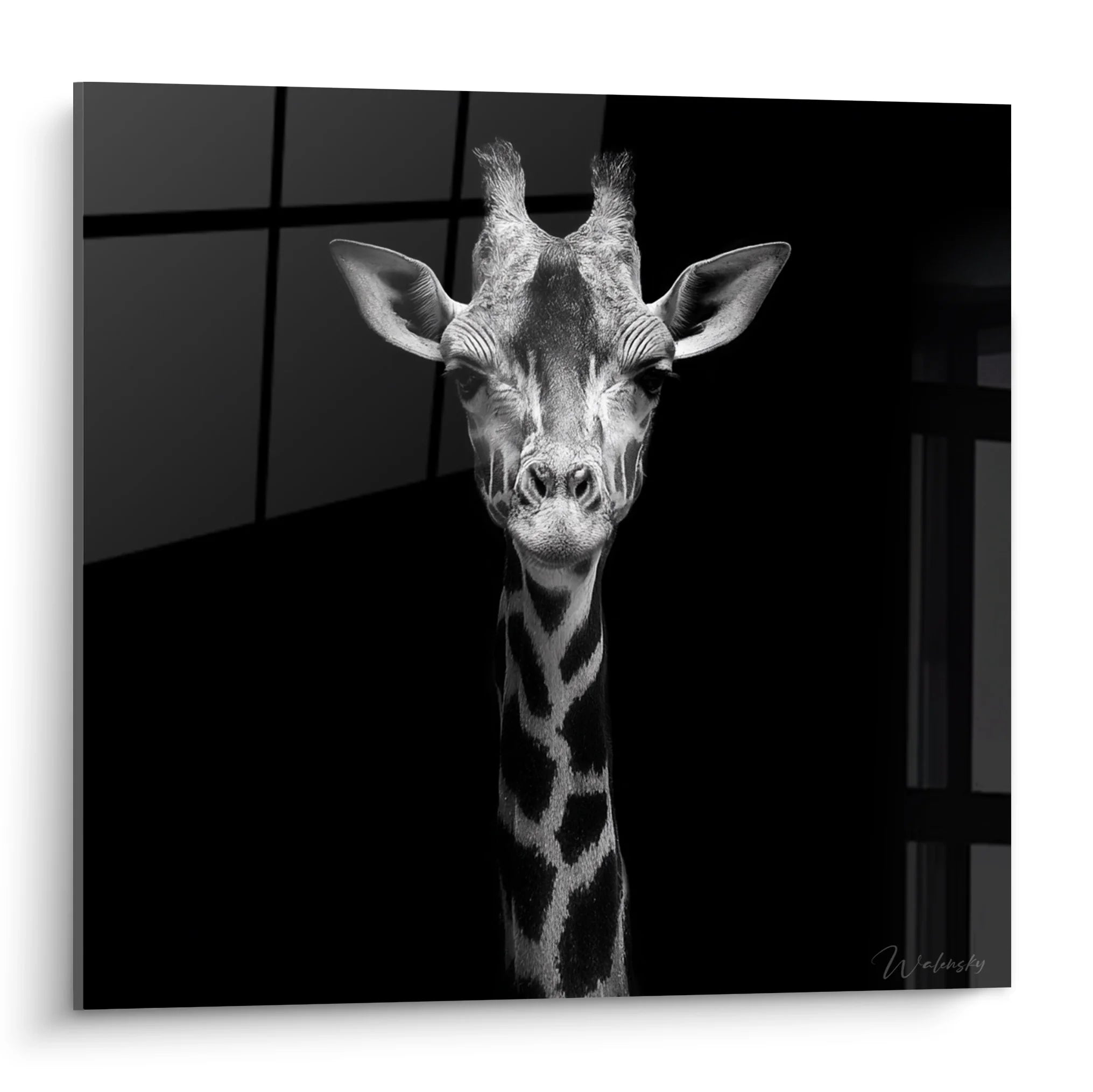
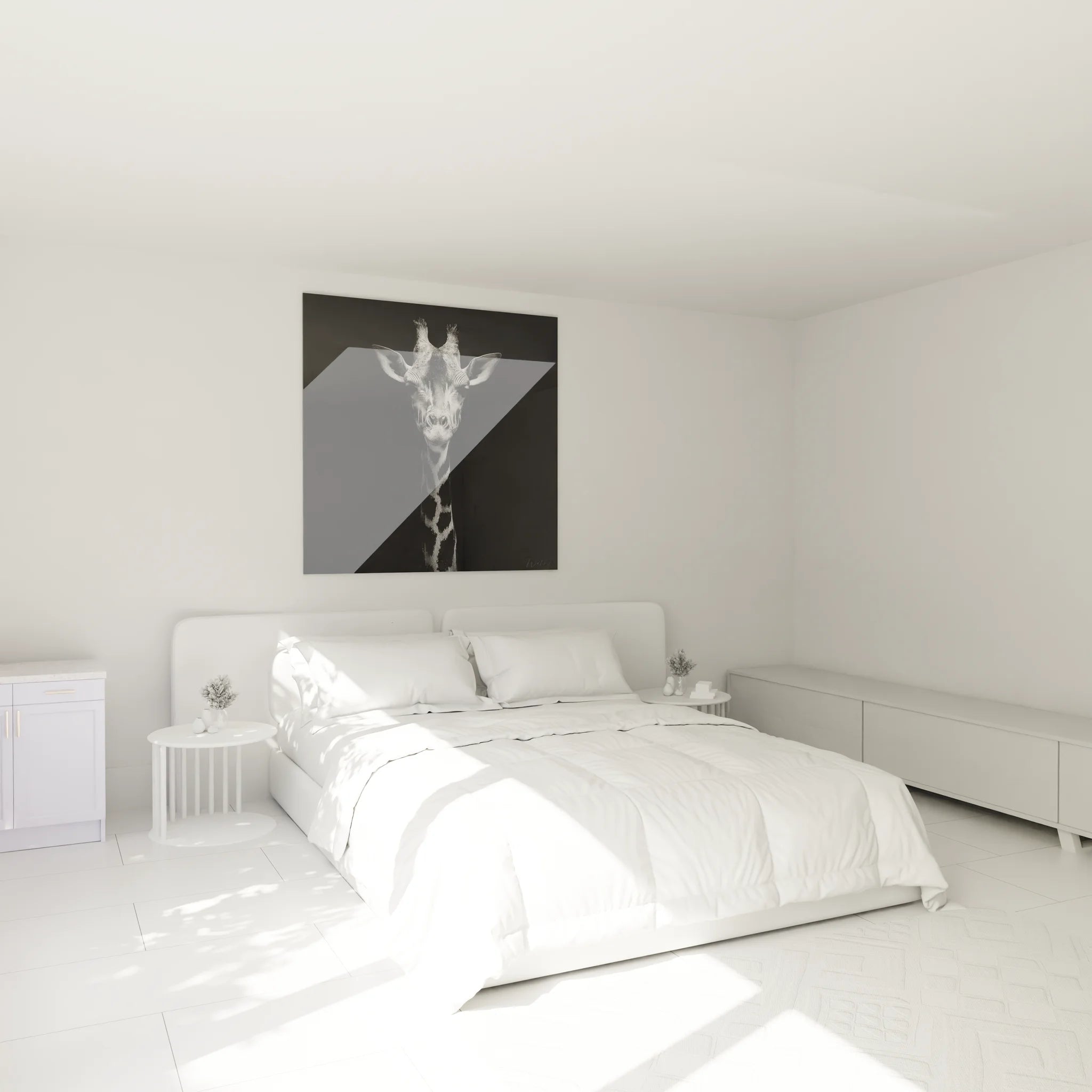
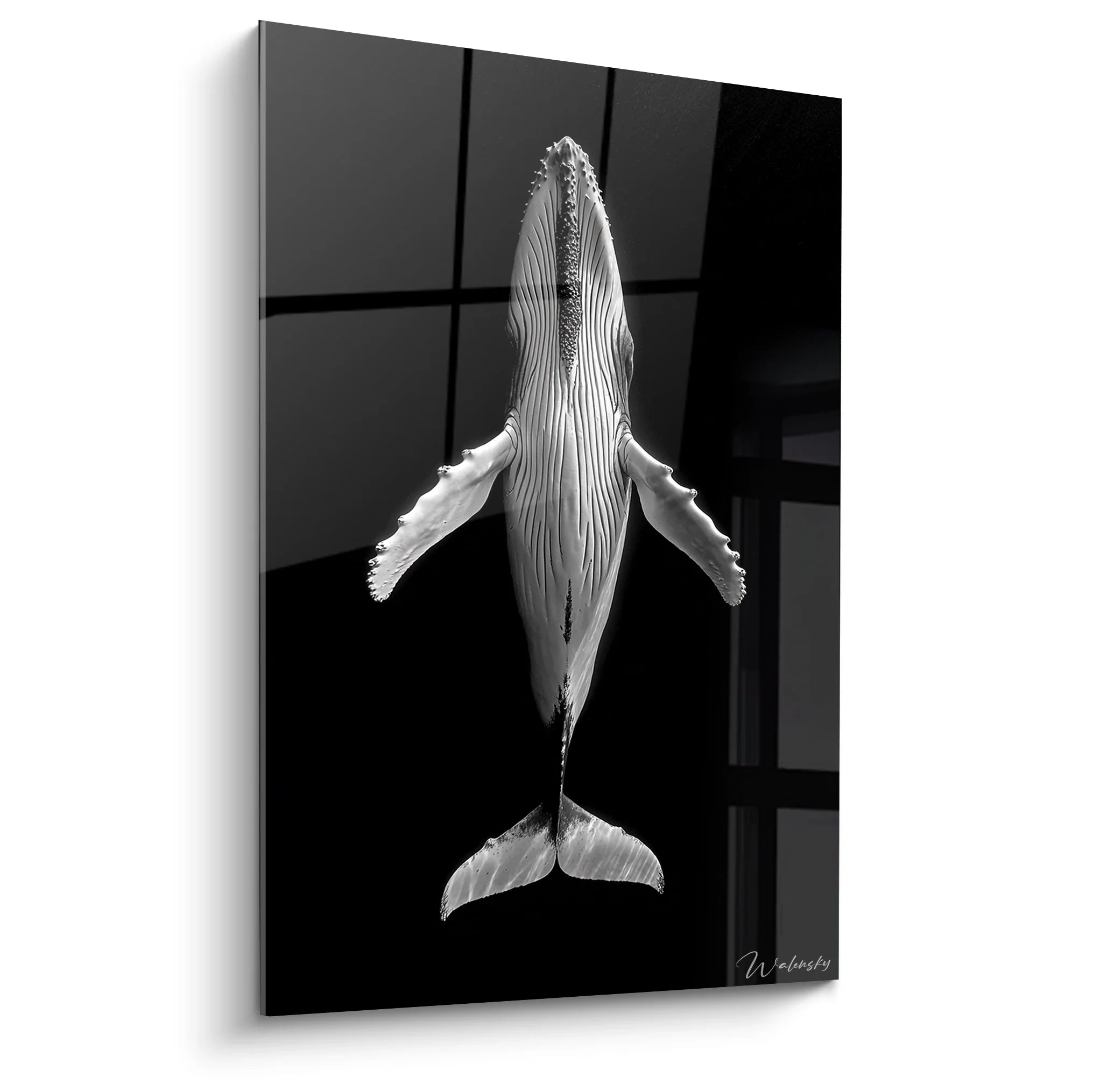
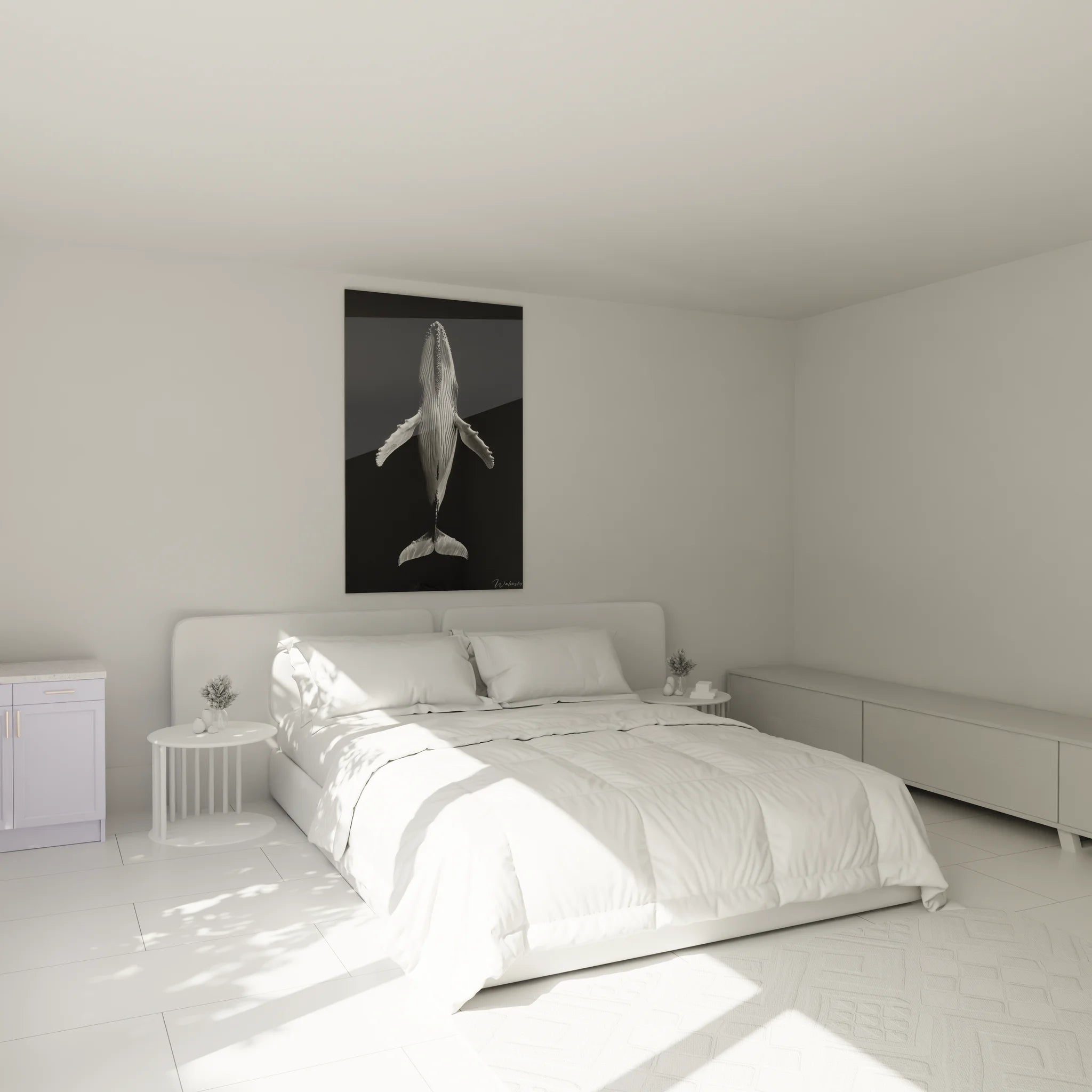
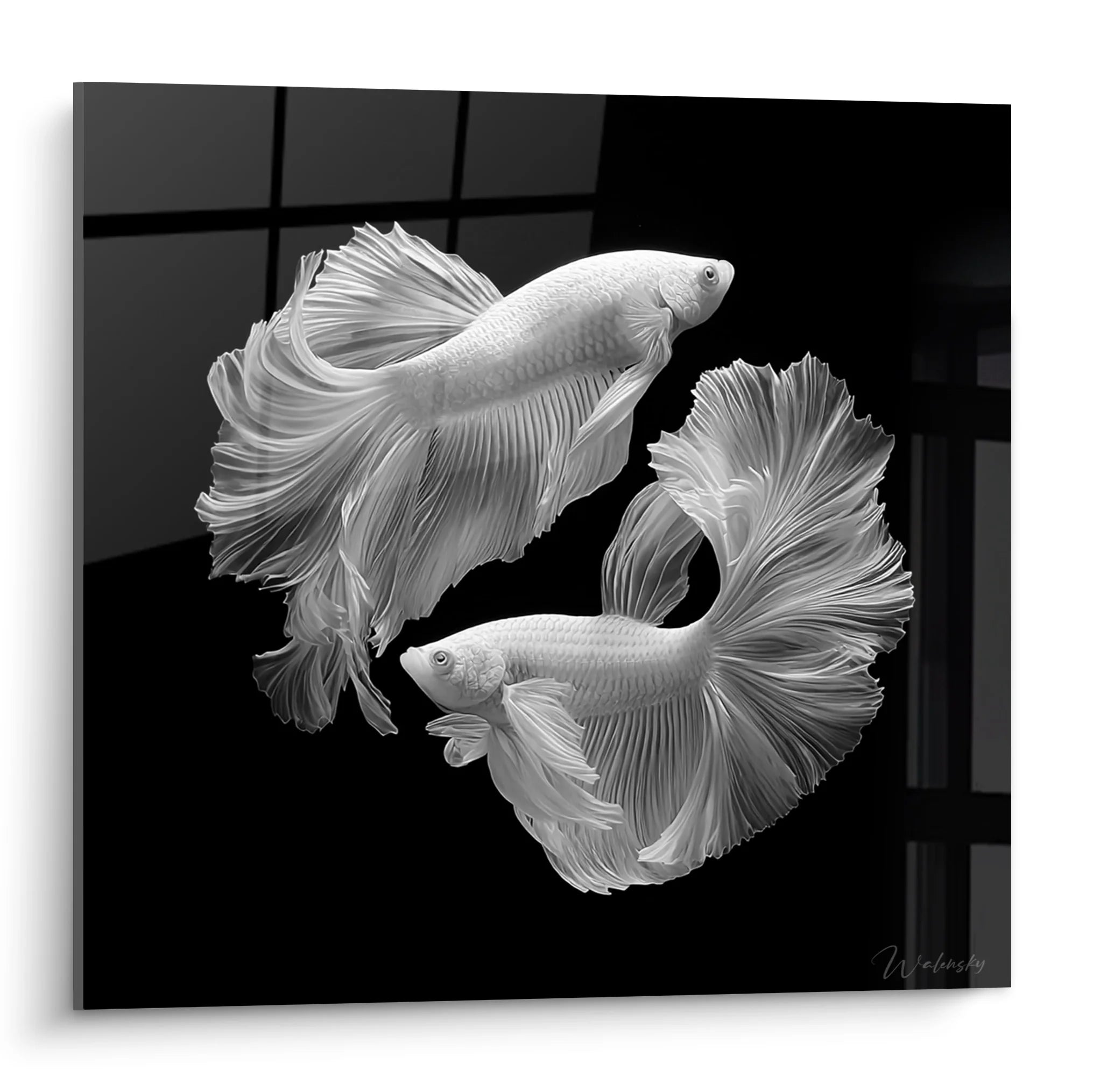
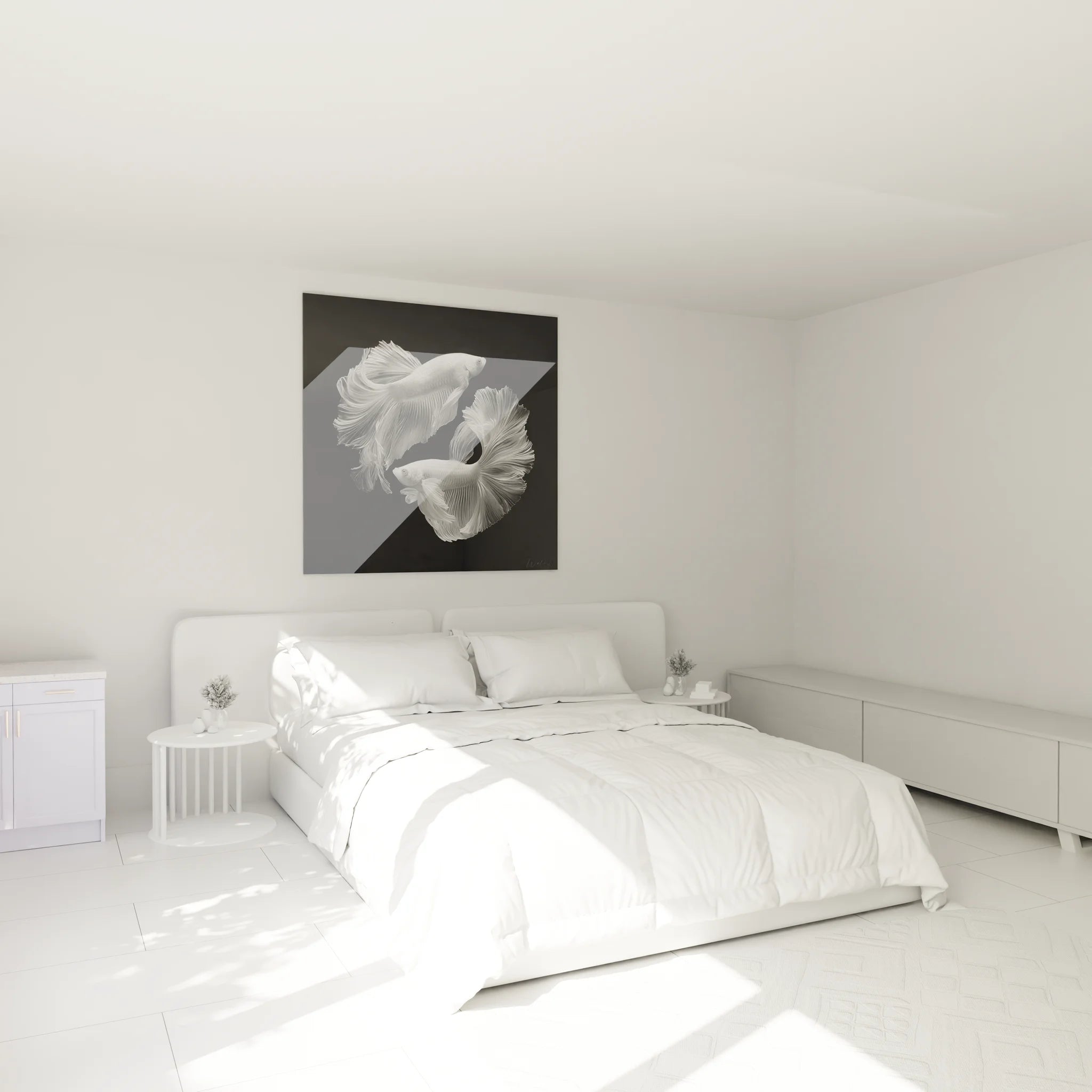
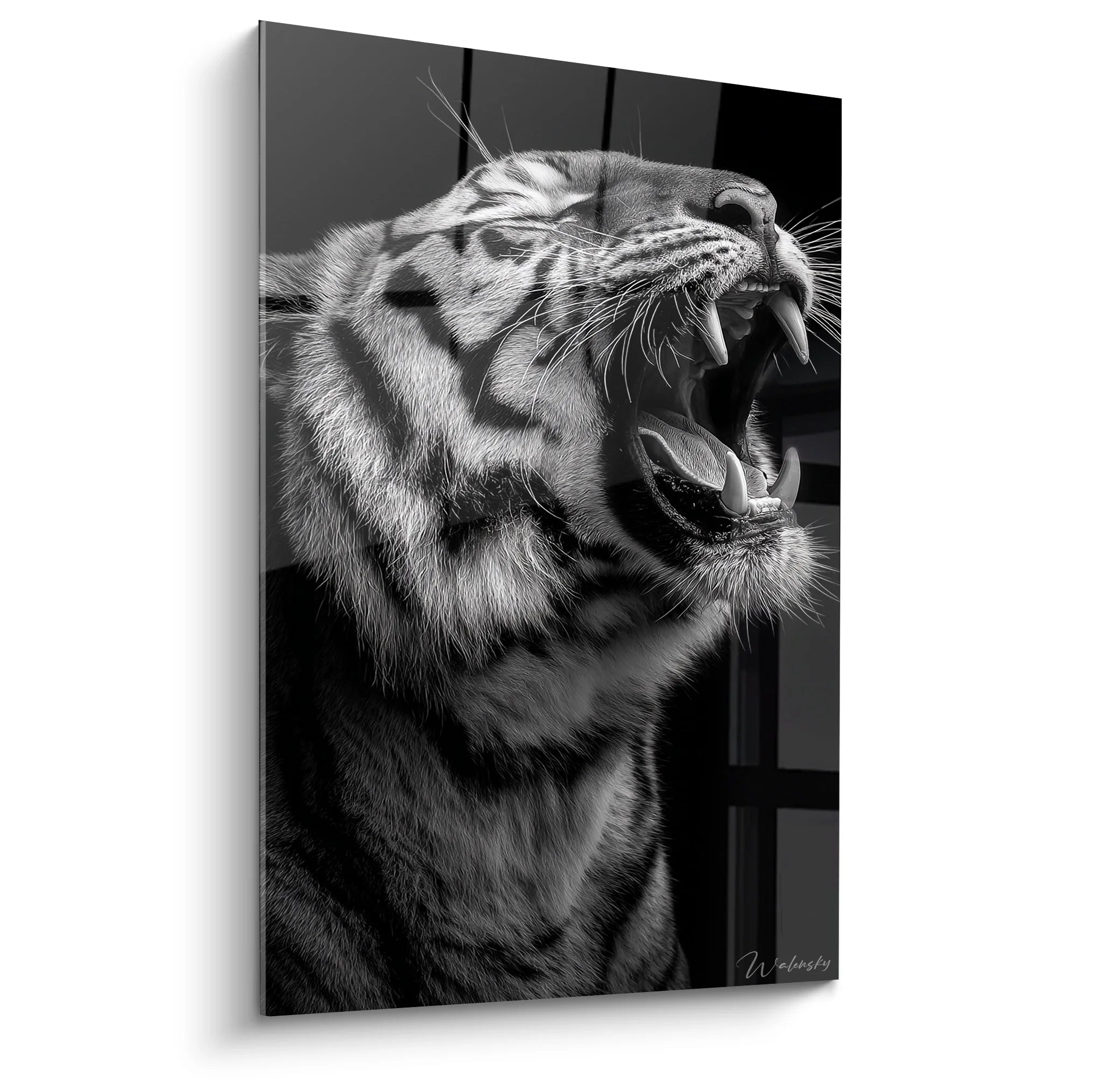
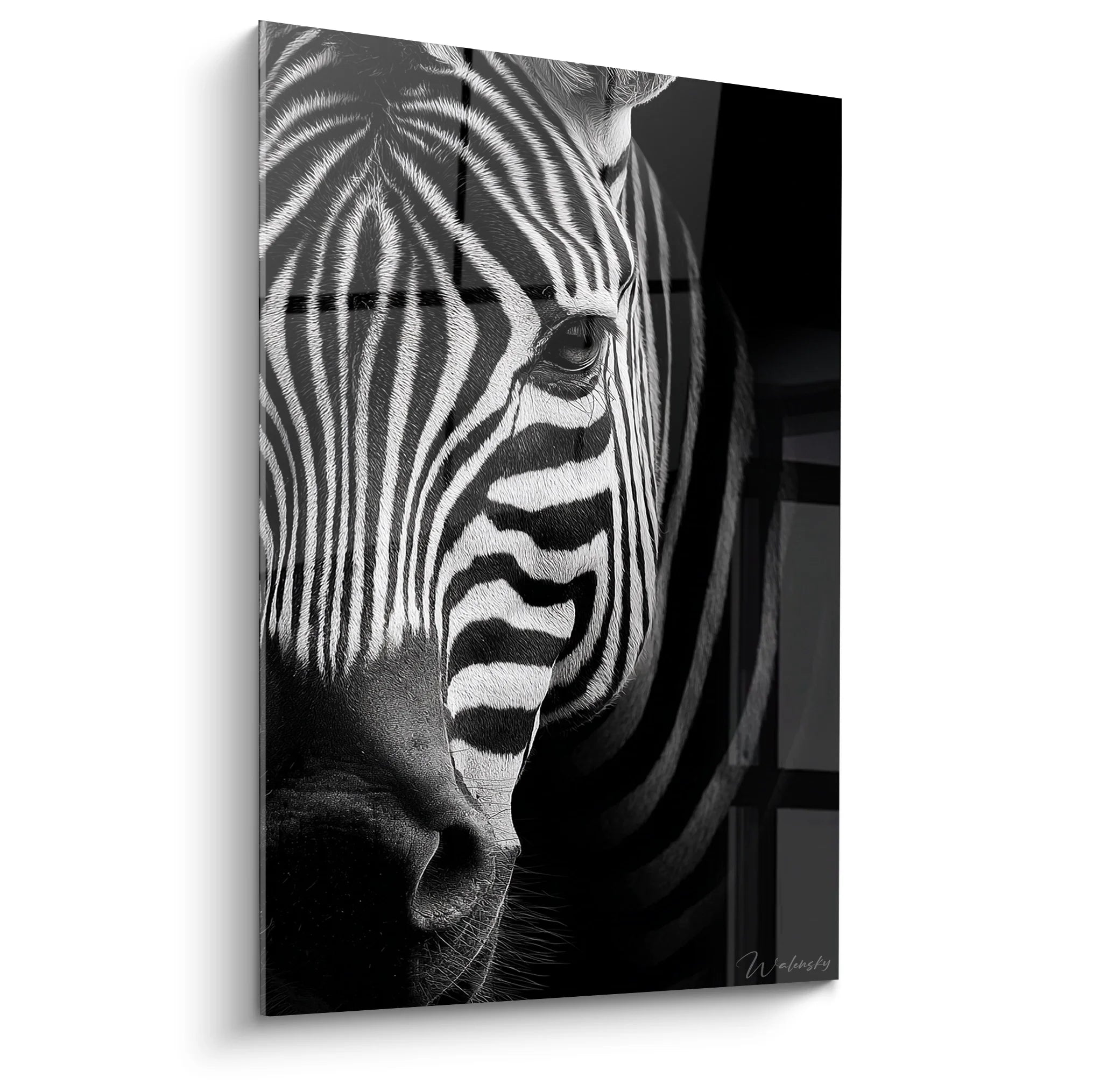
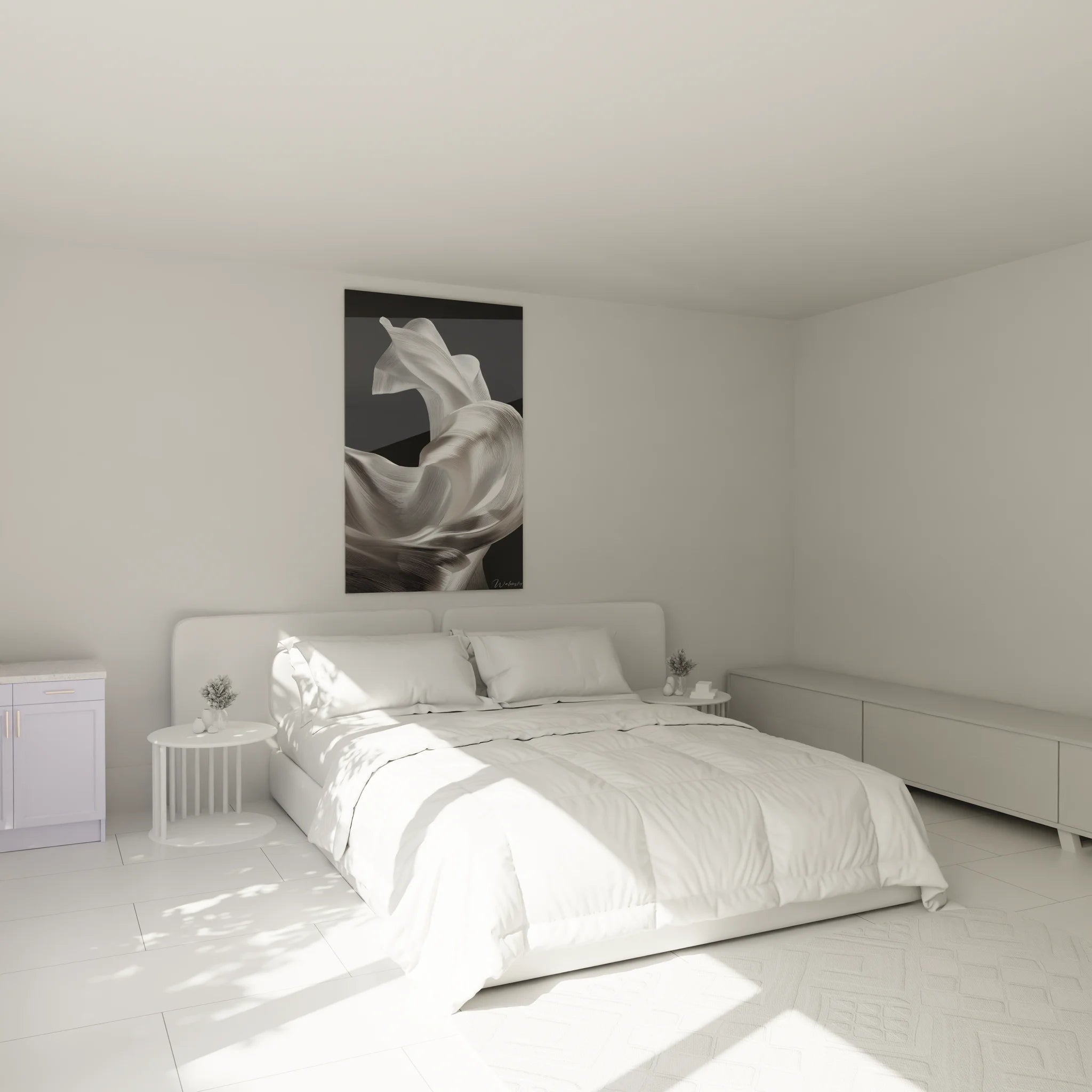
- Black and White Wall Art Presentation
- Dramatic Contrast in Decoration
- Psychological Impact of Monochrome
- Visual Space Expansion with Black and White
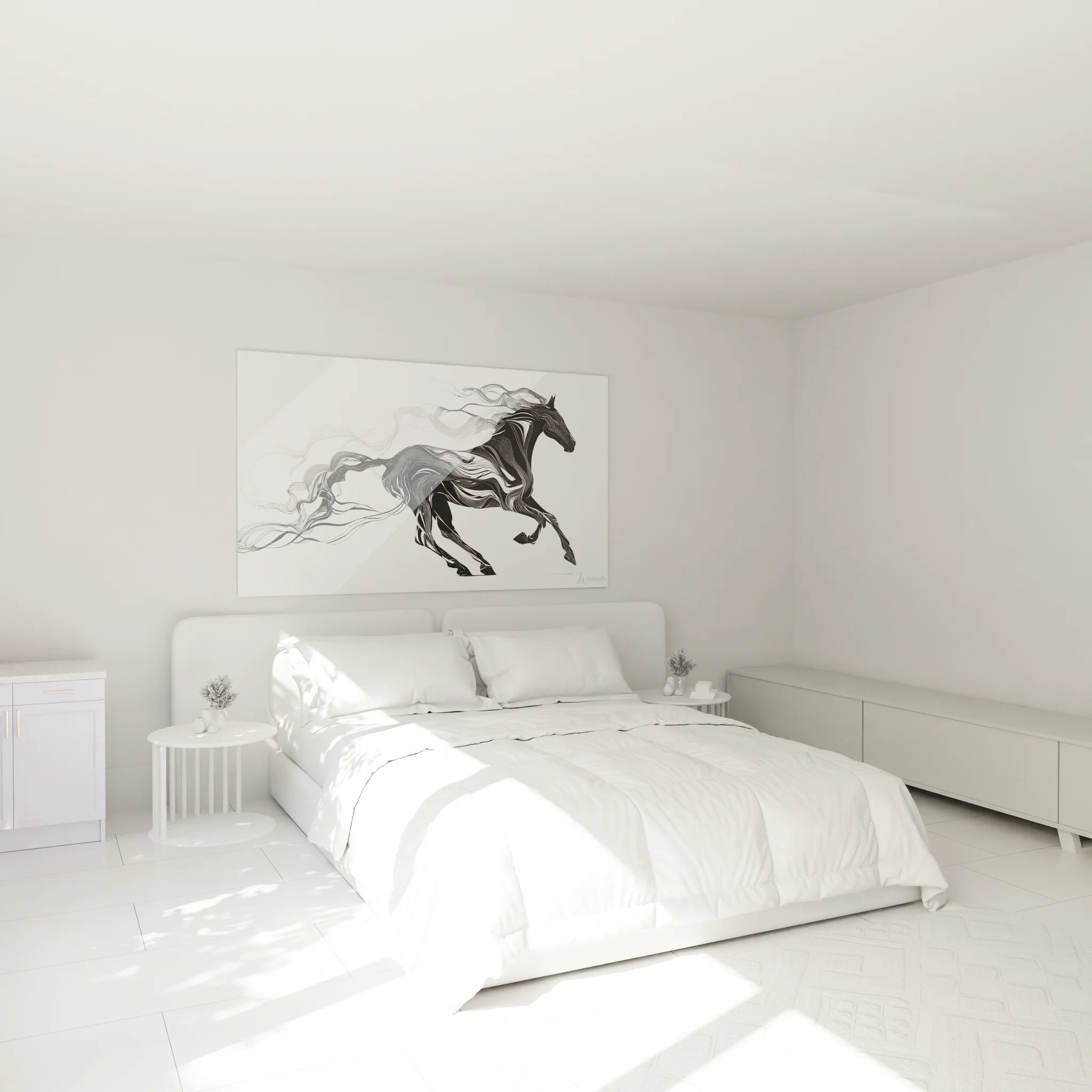
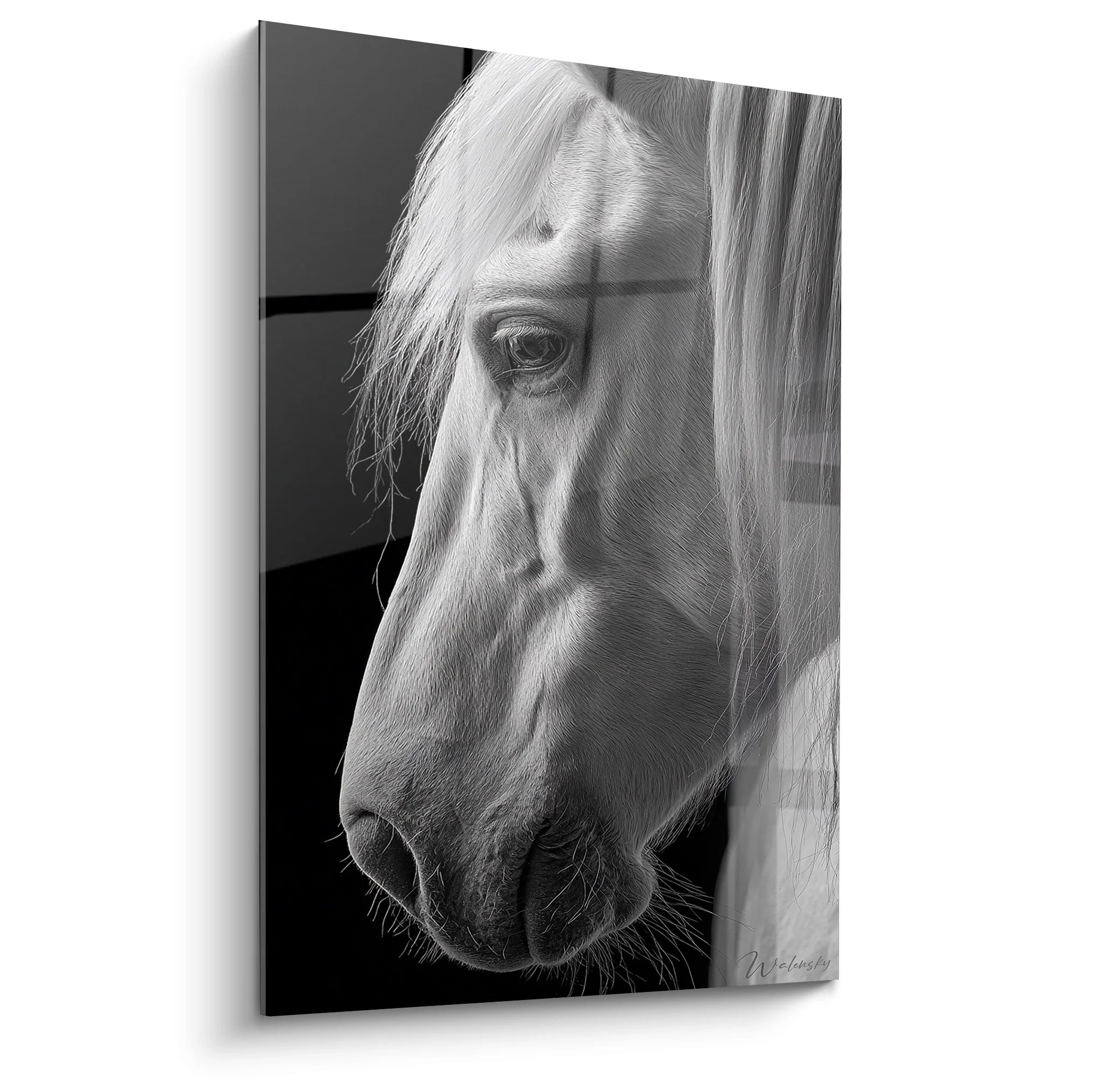
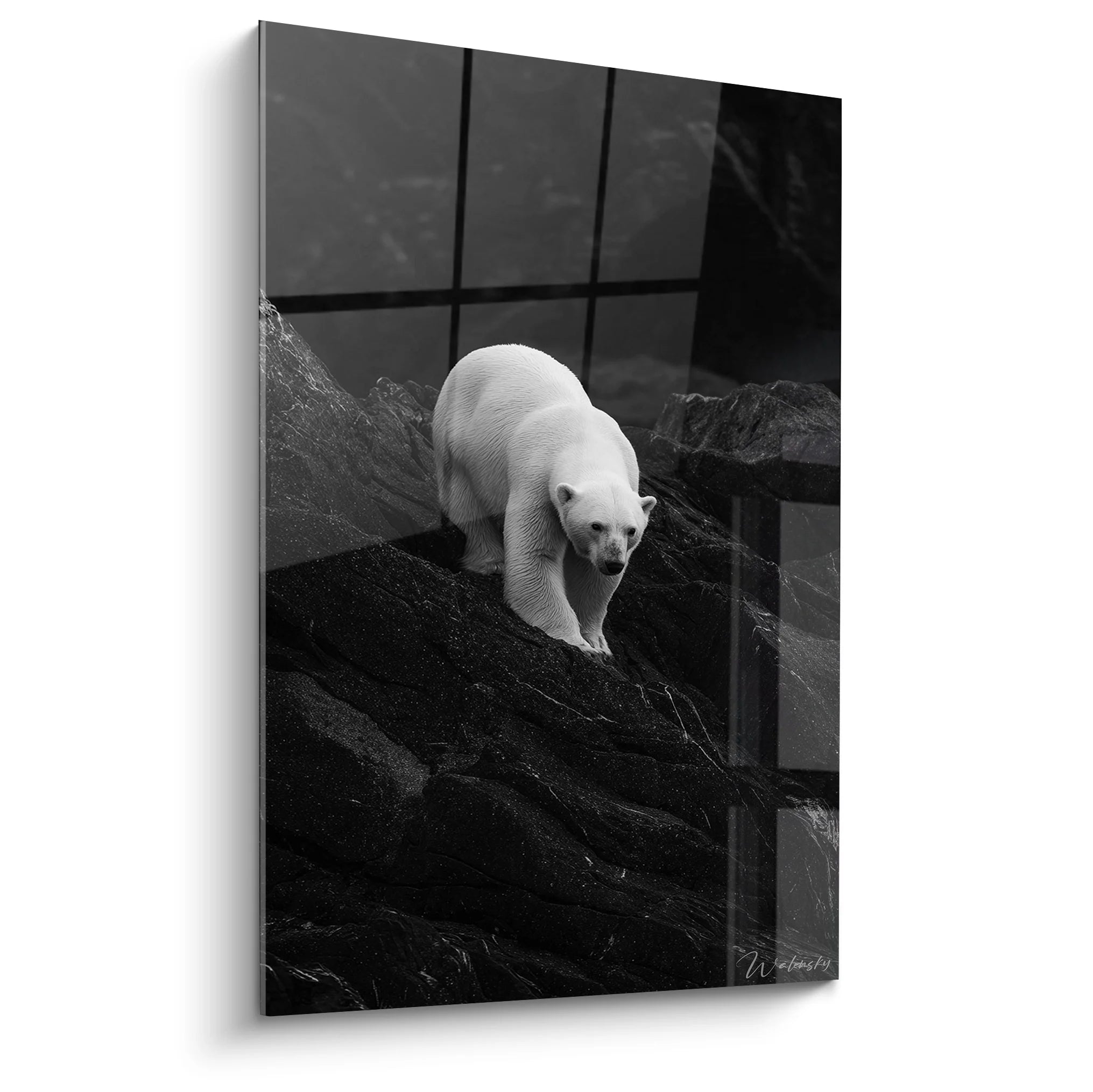
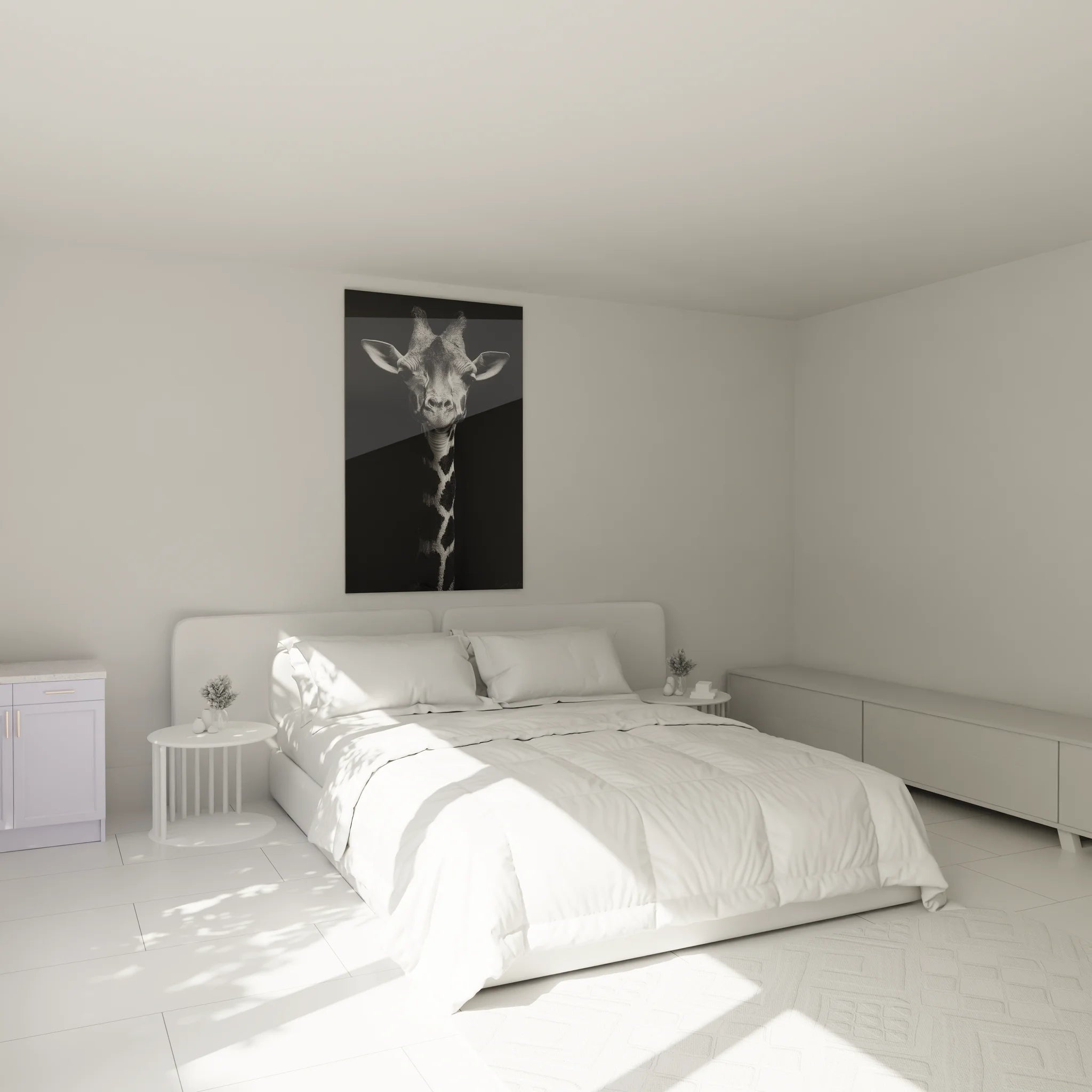
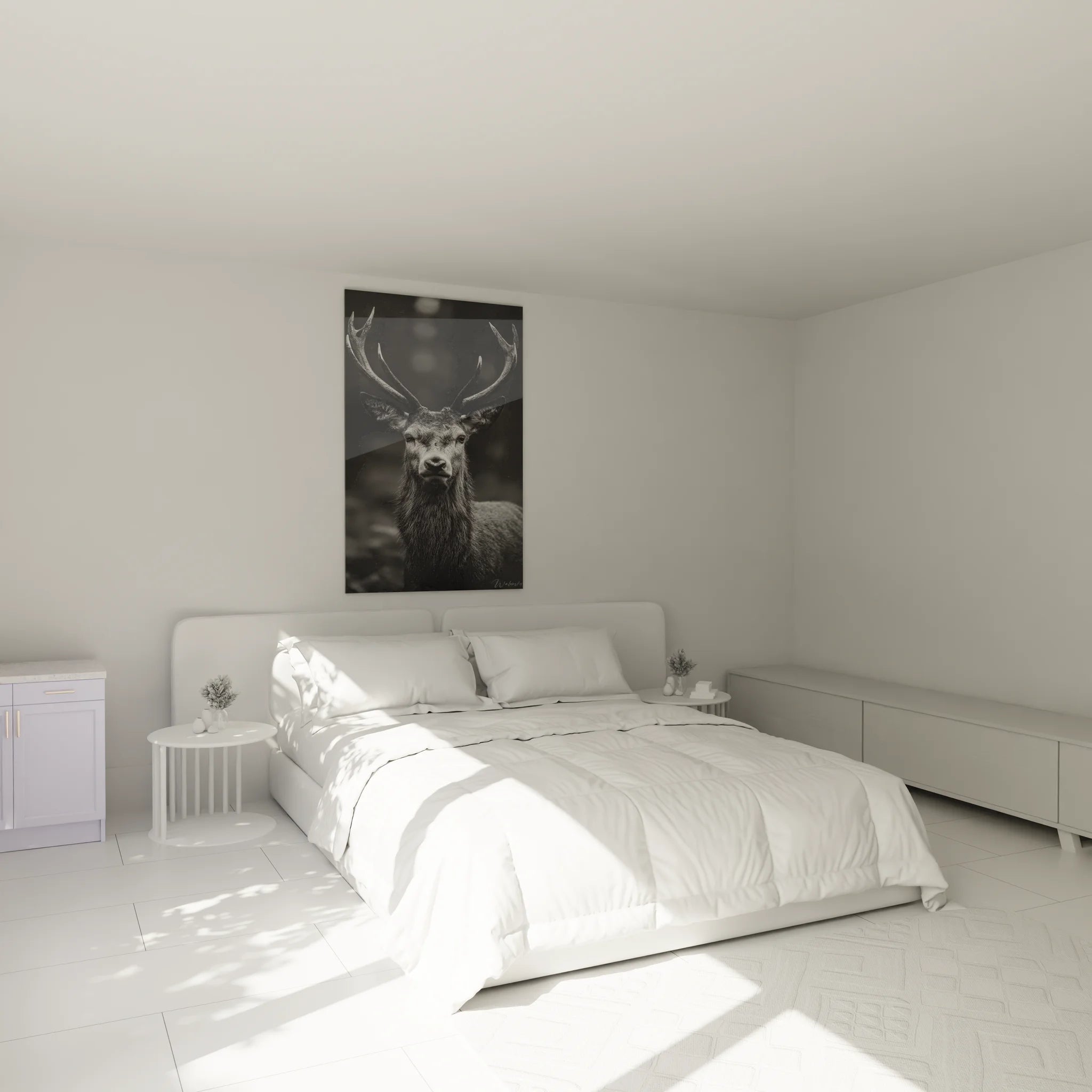
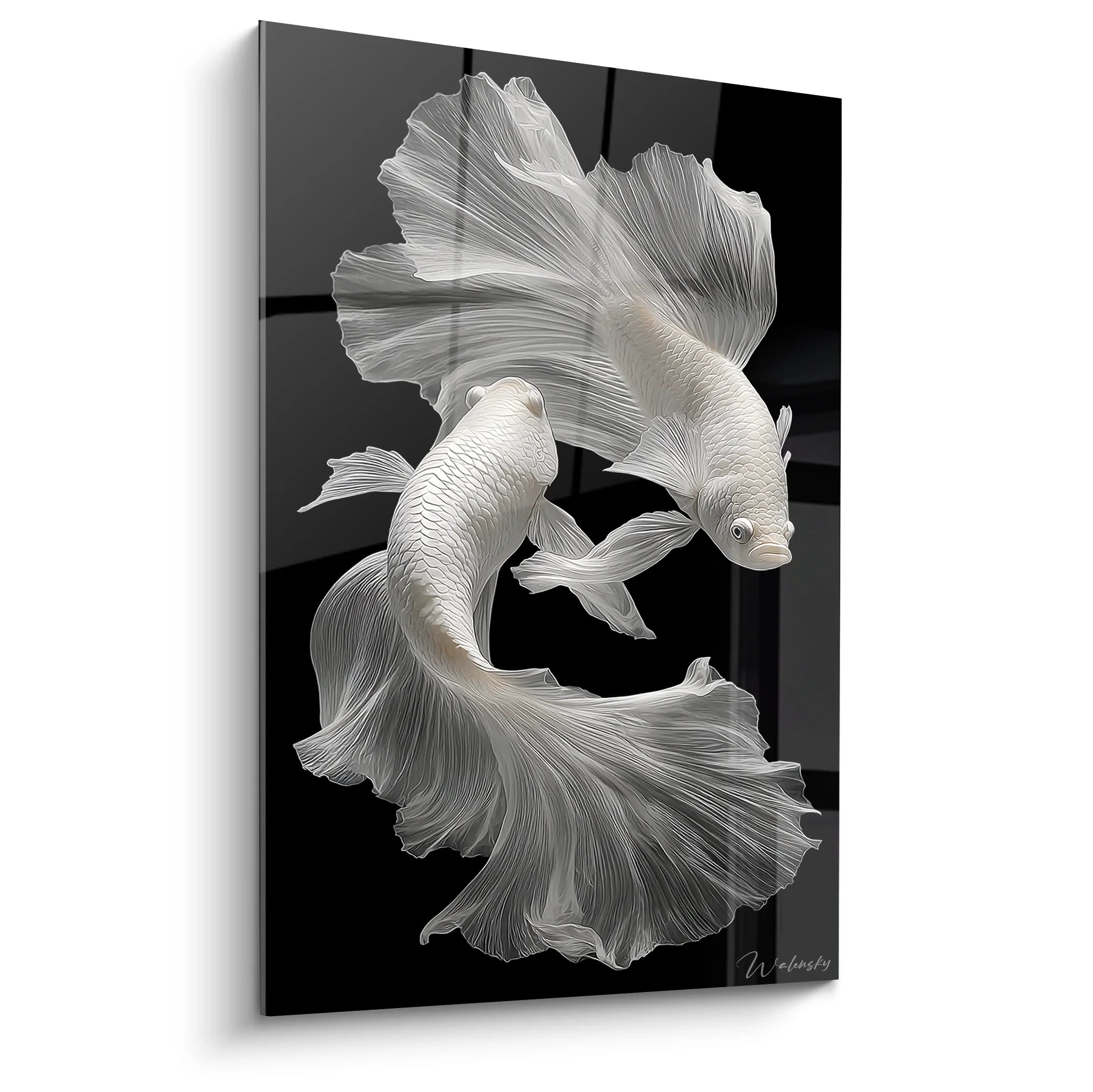
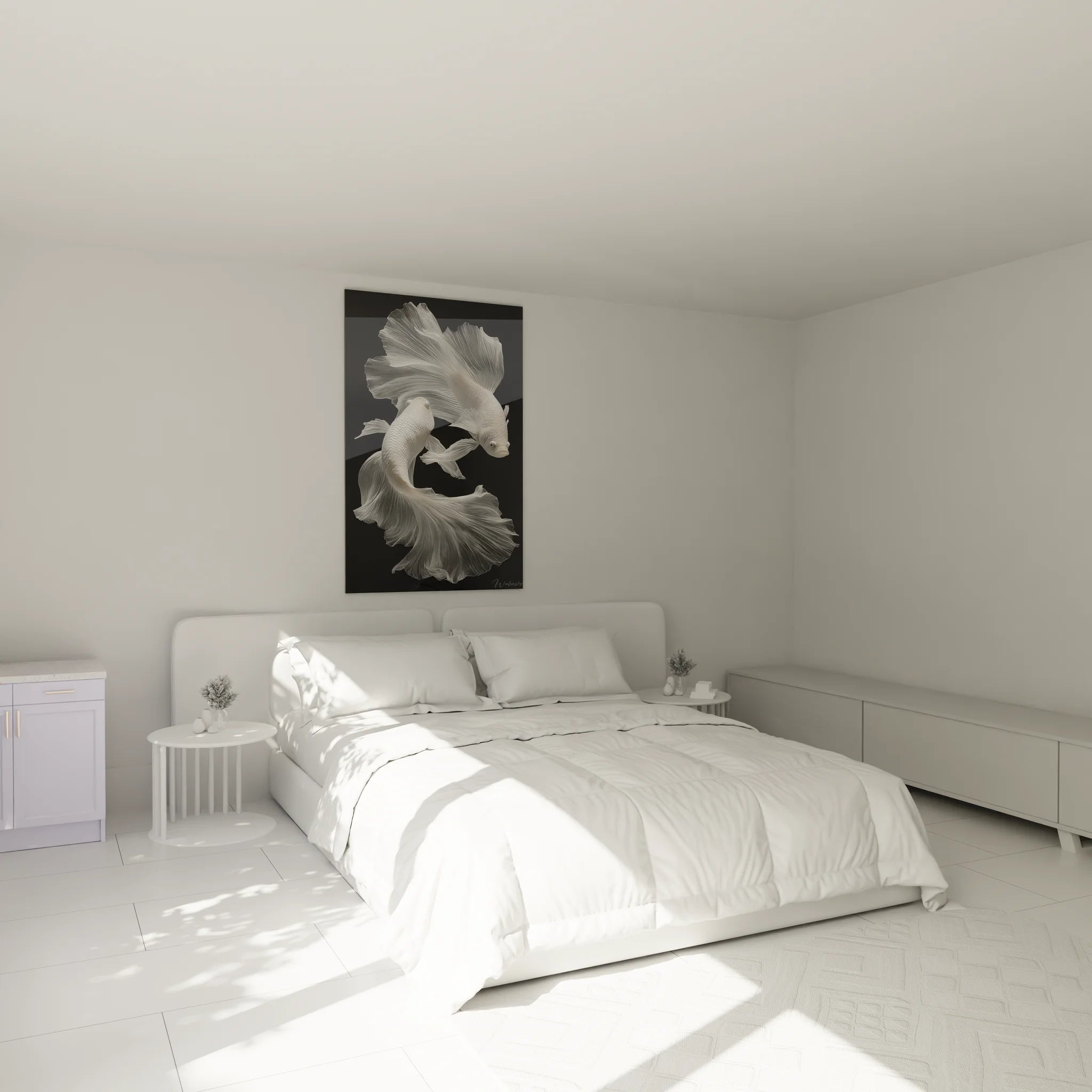
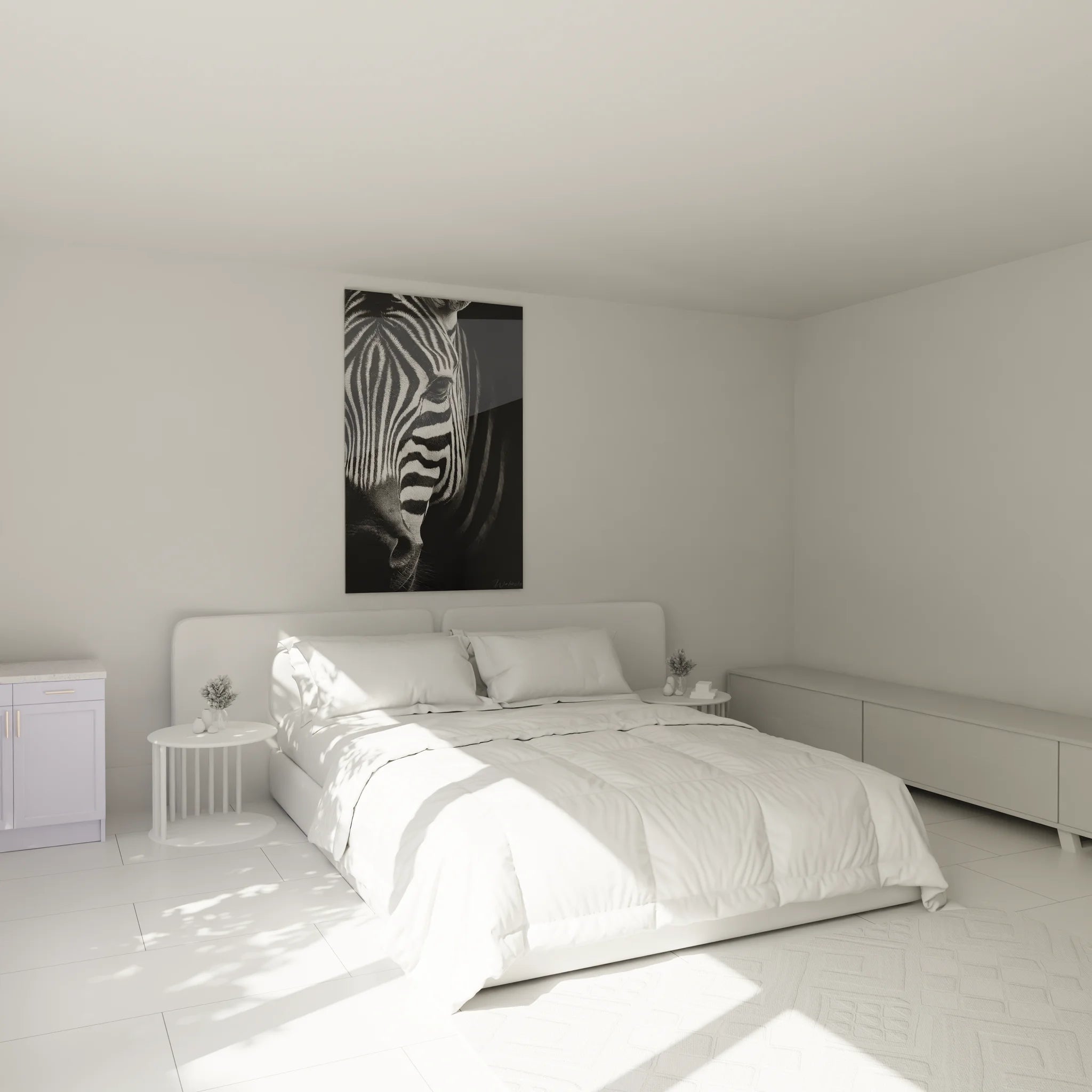
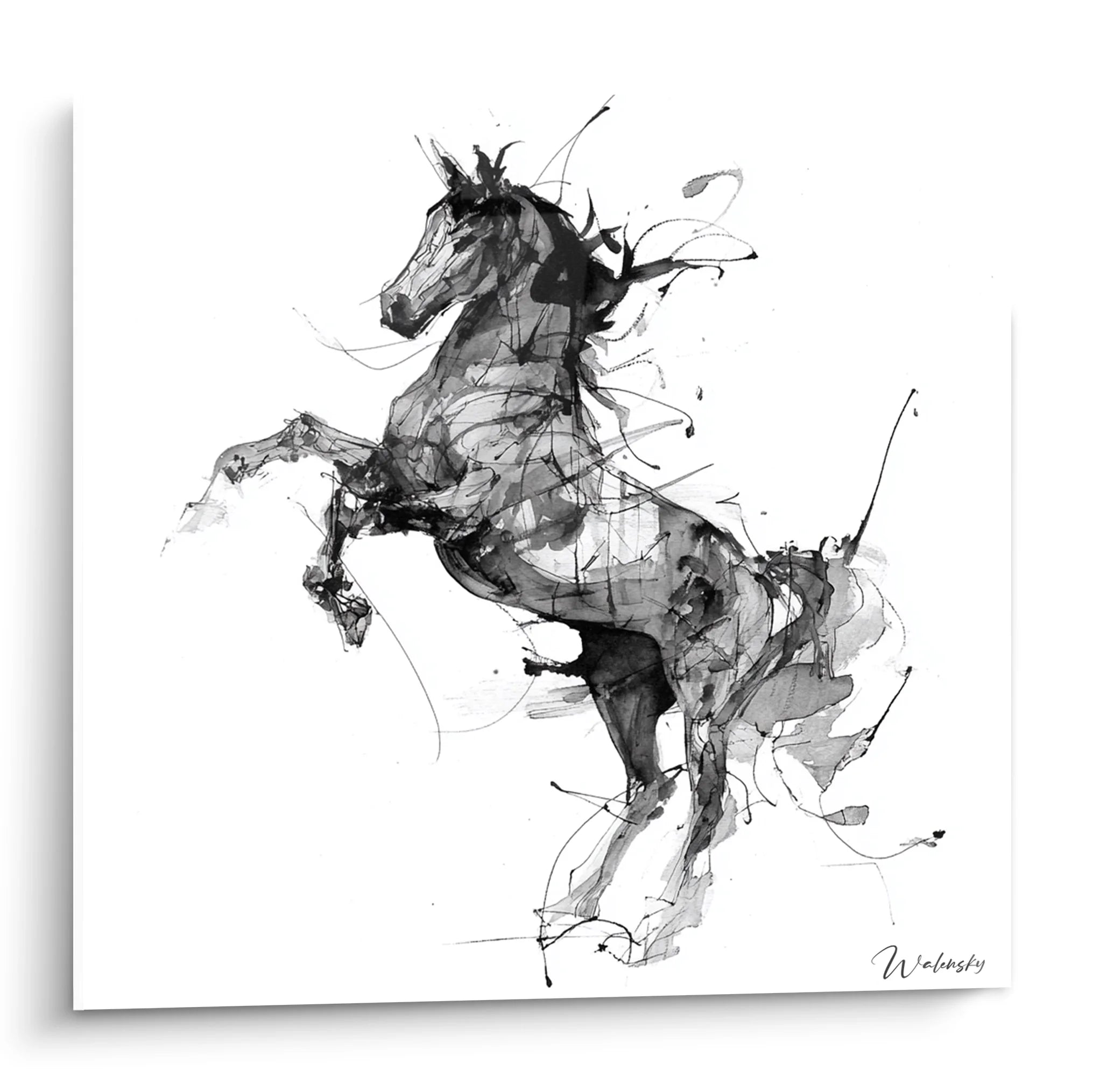
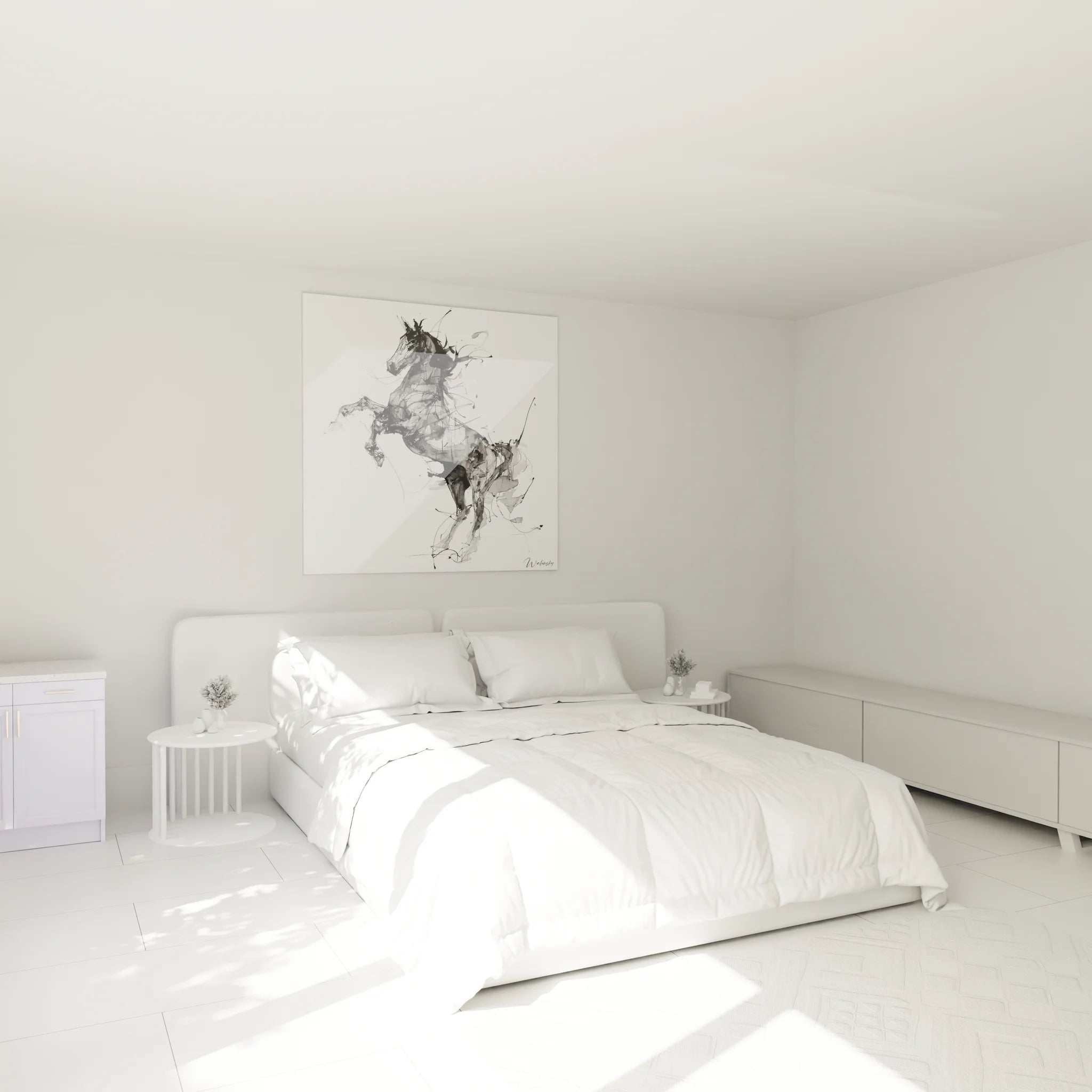
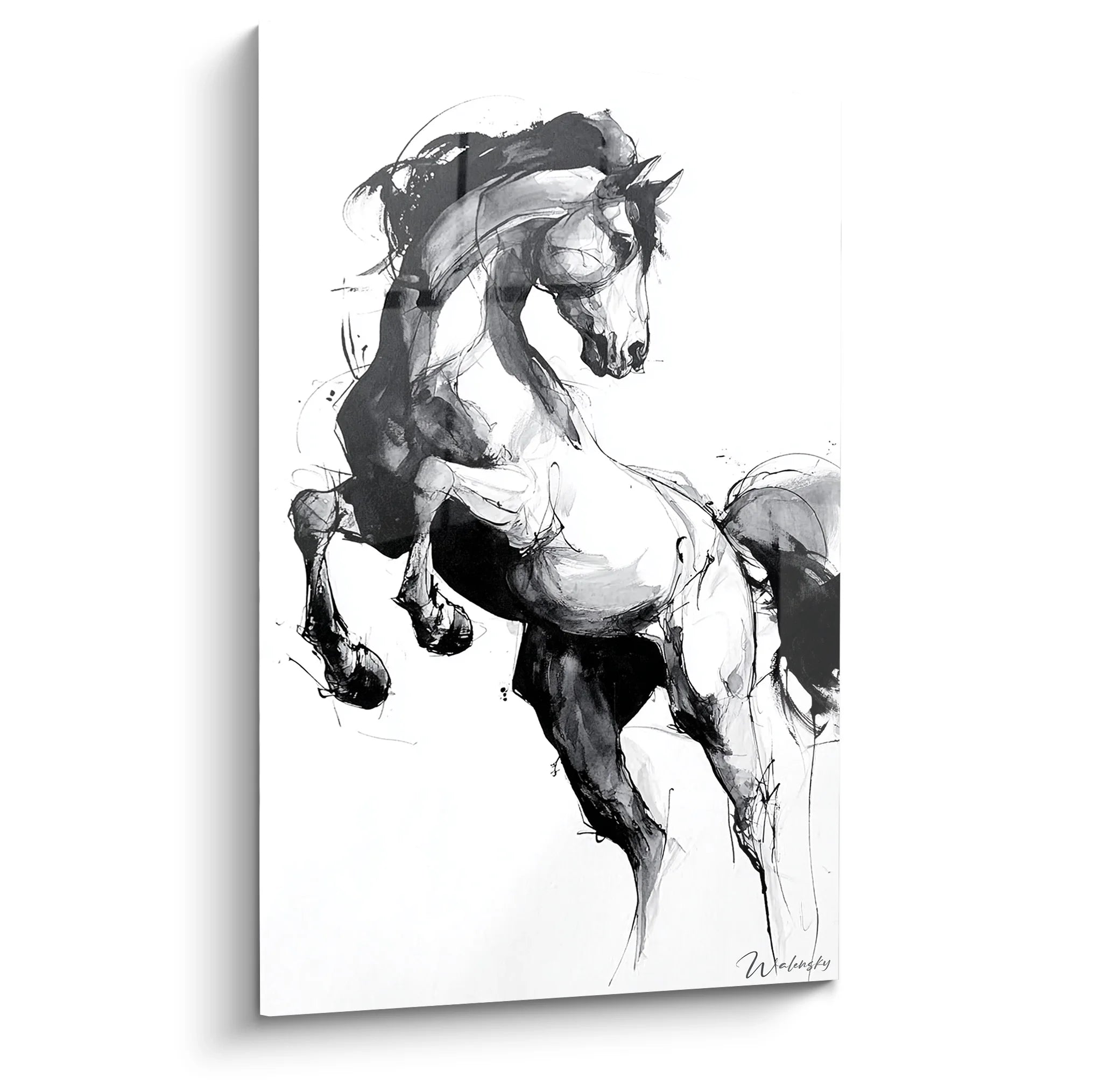
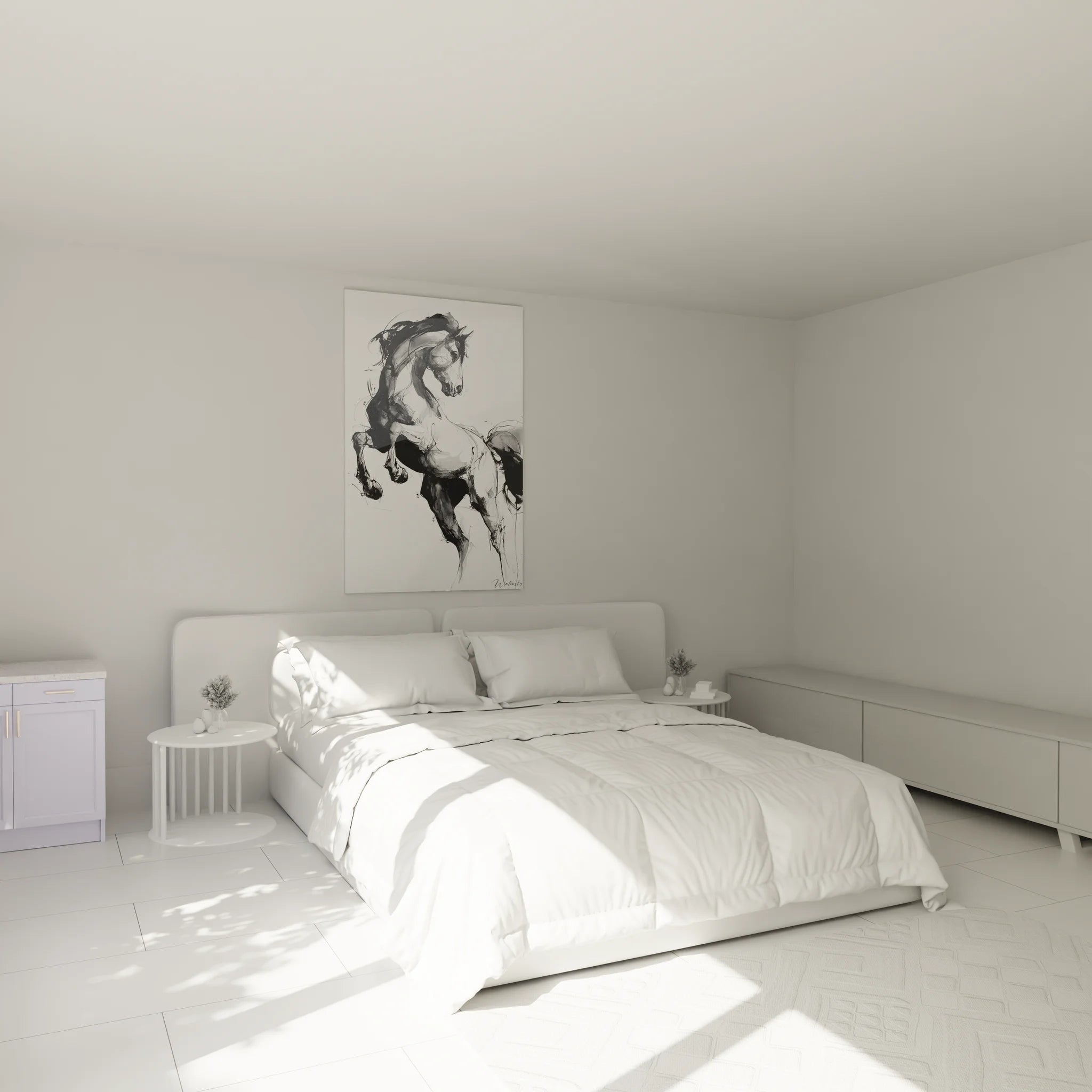
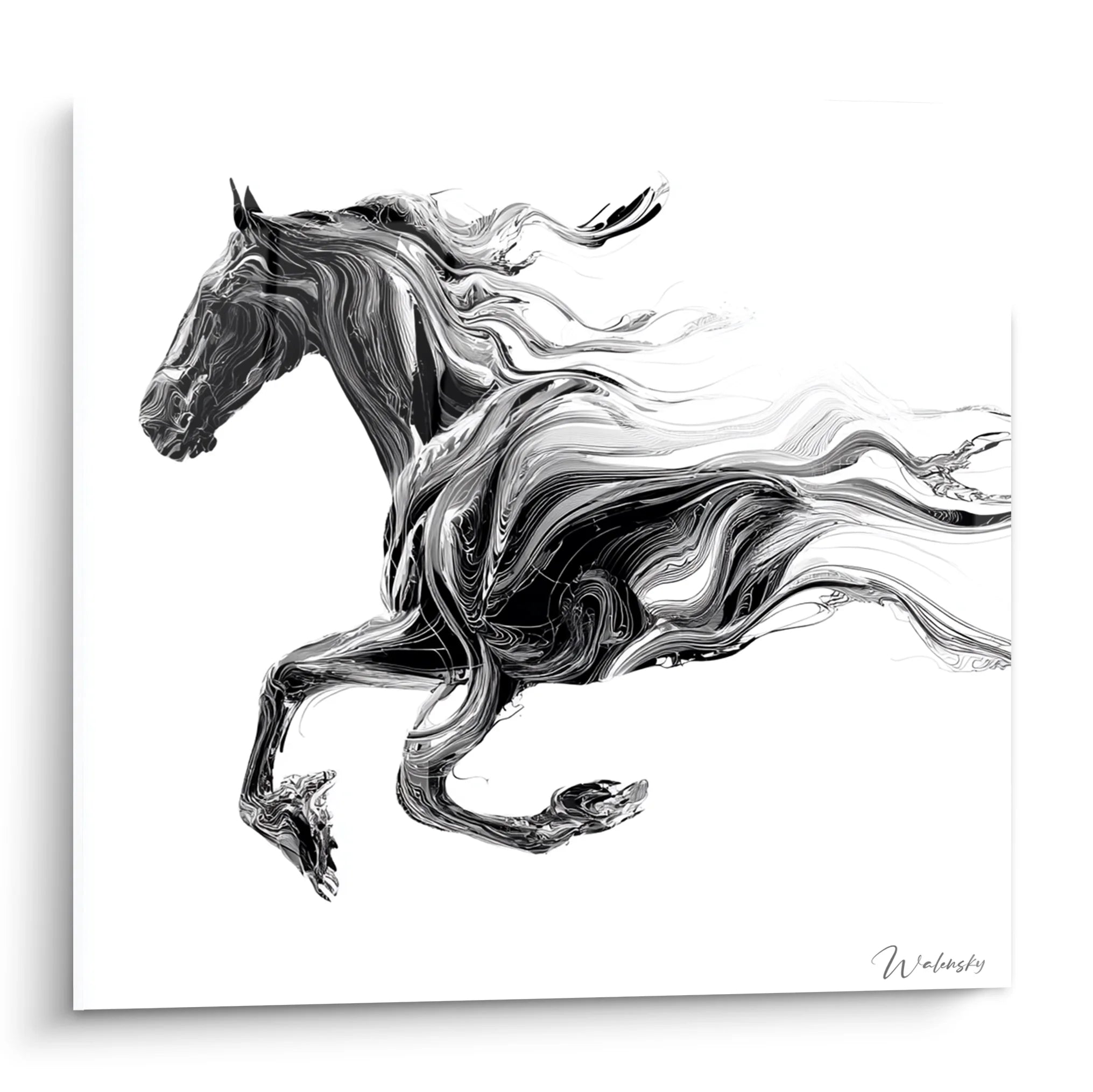
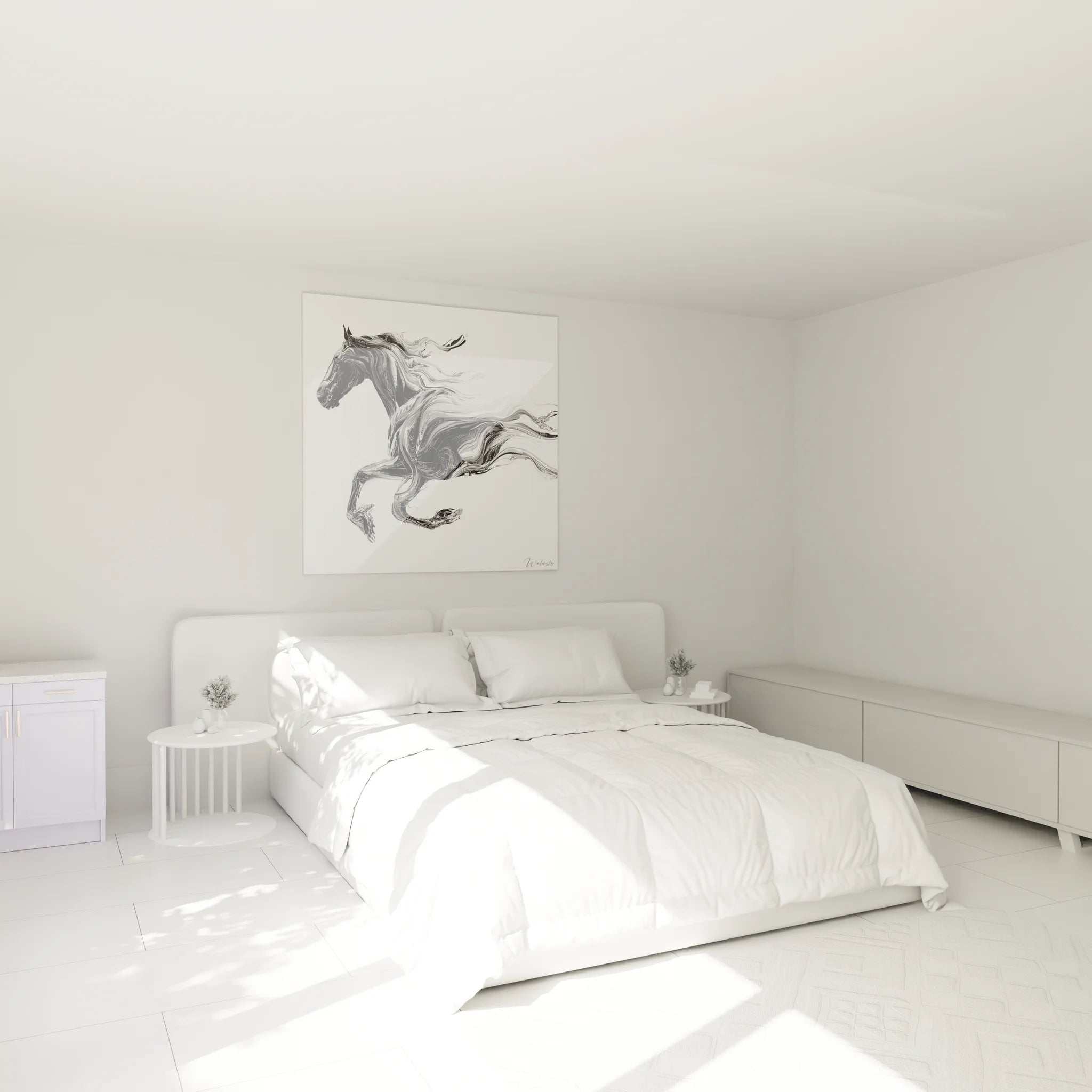
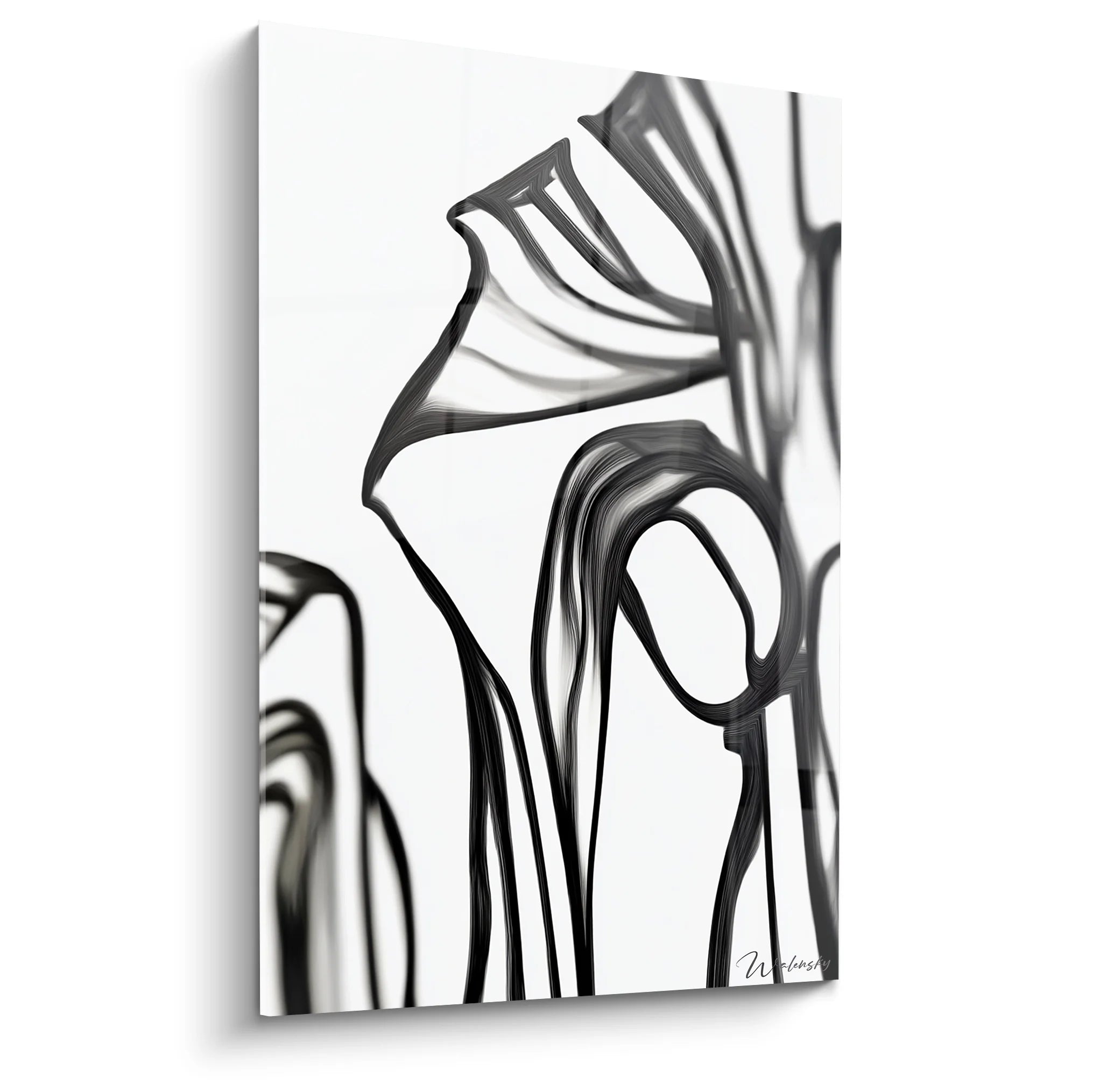
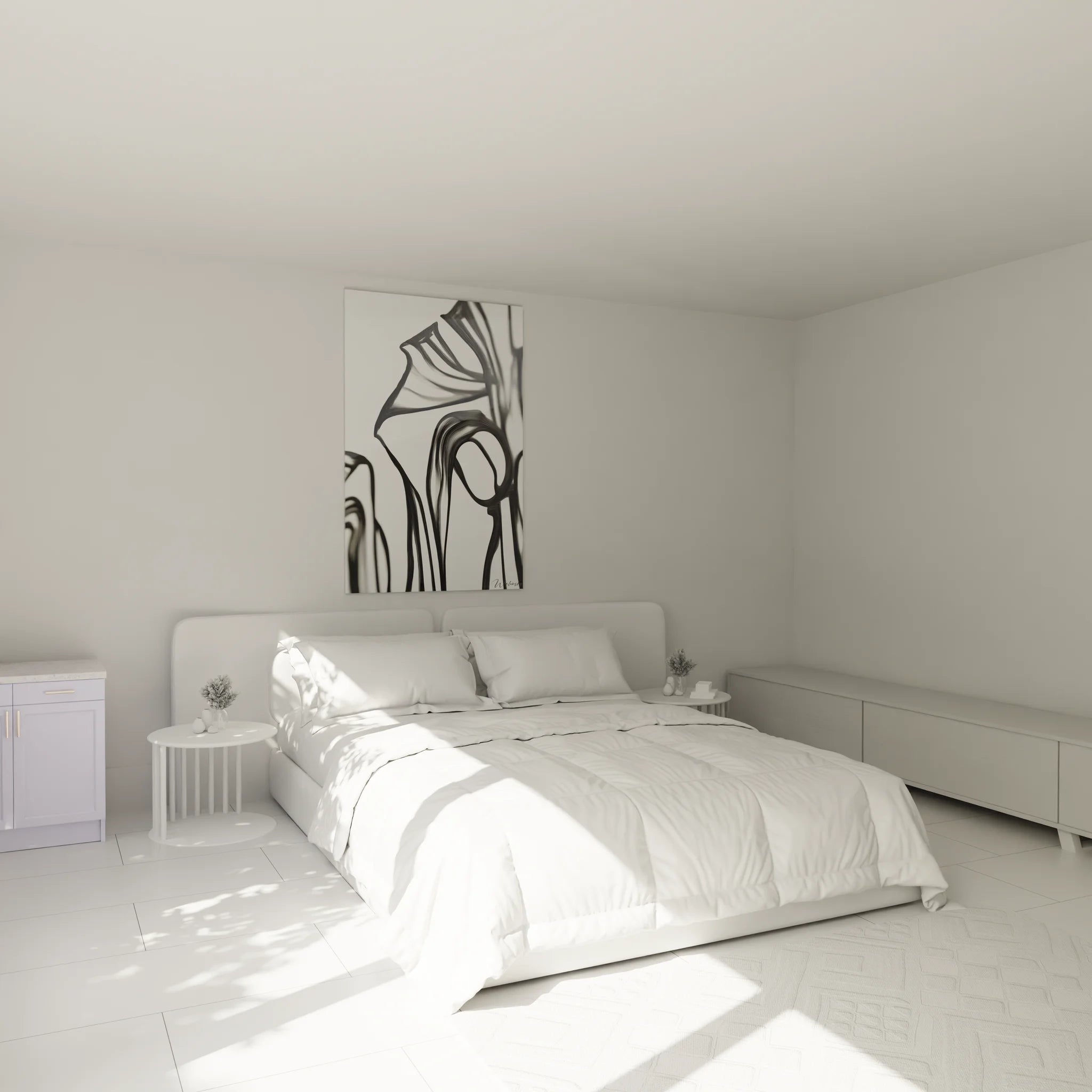
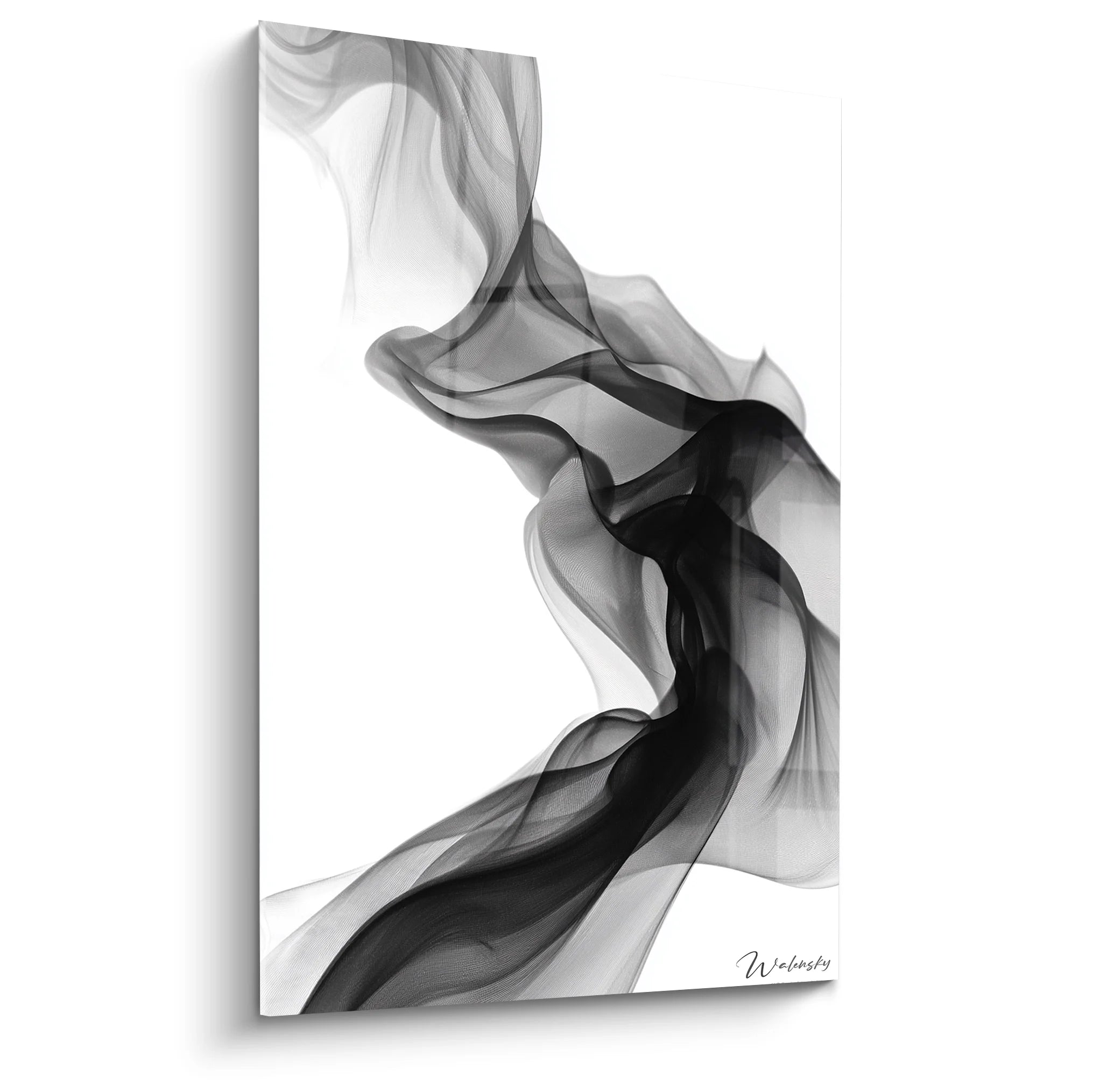
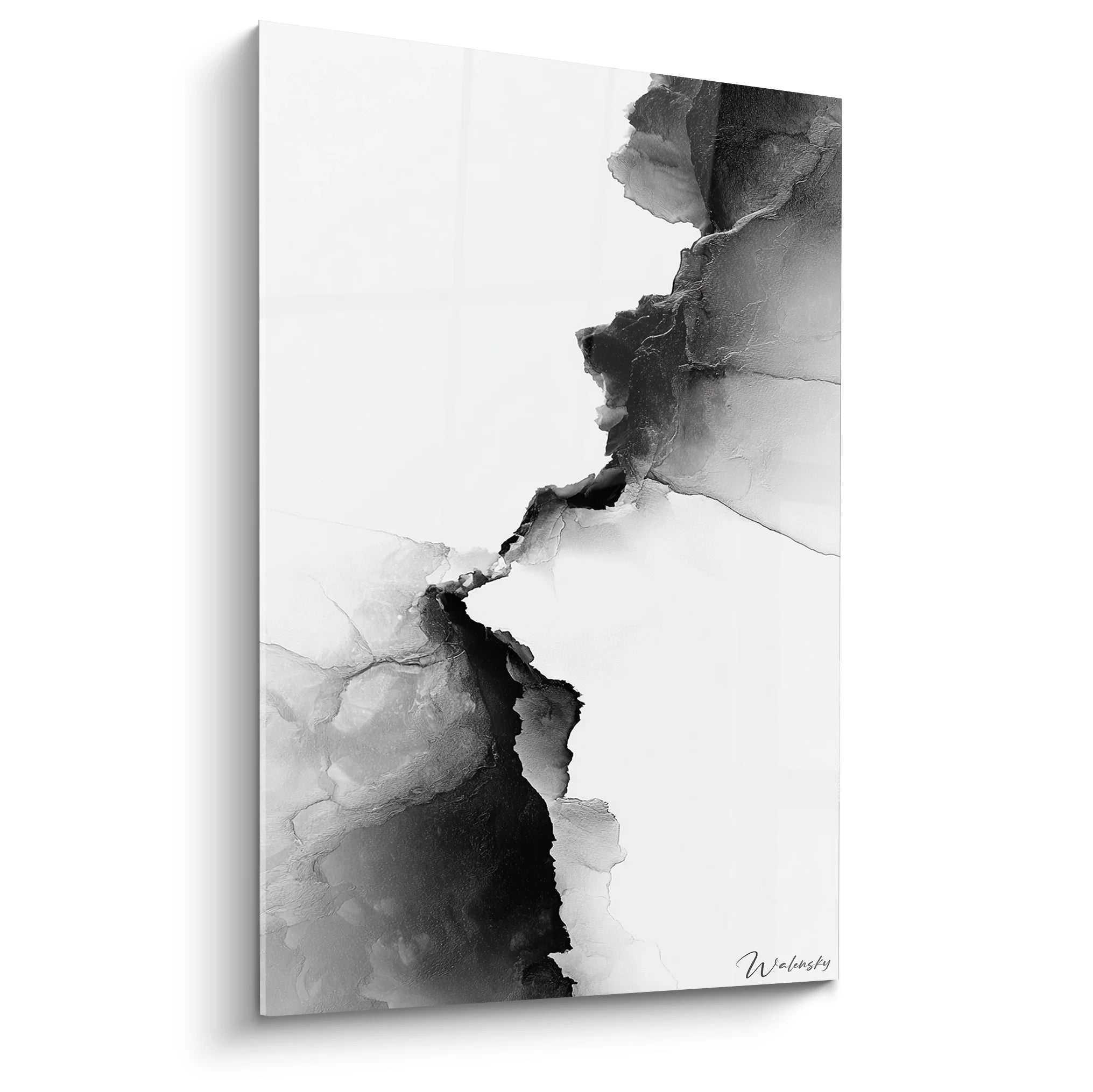
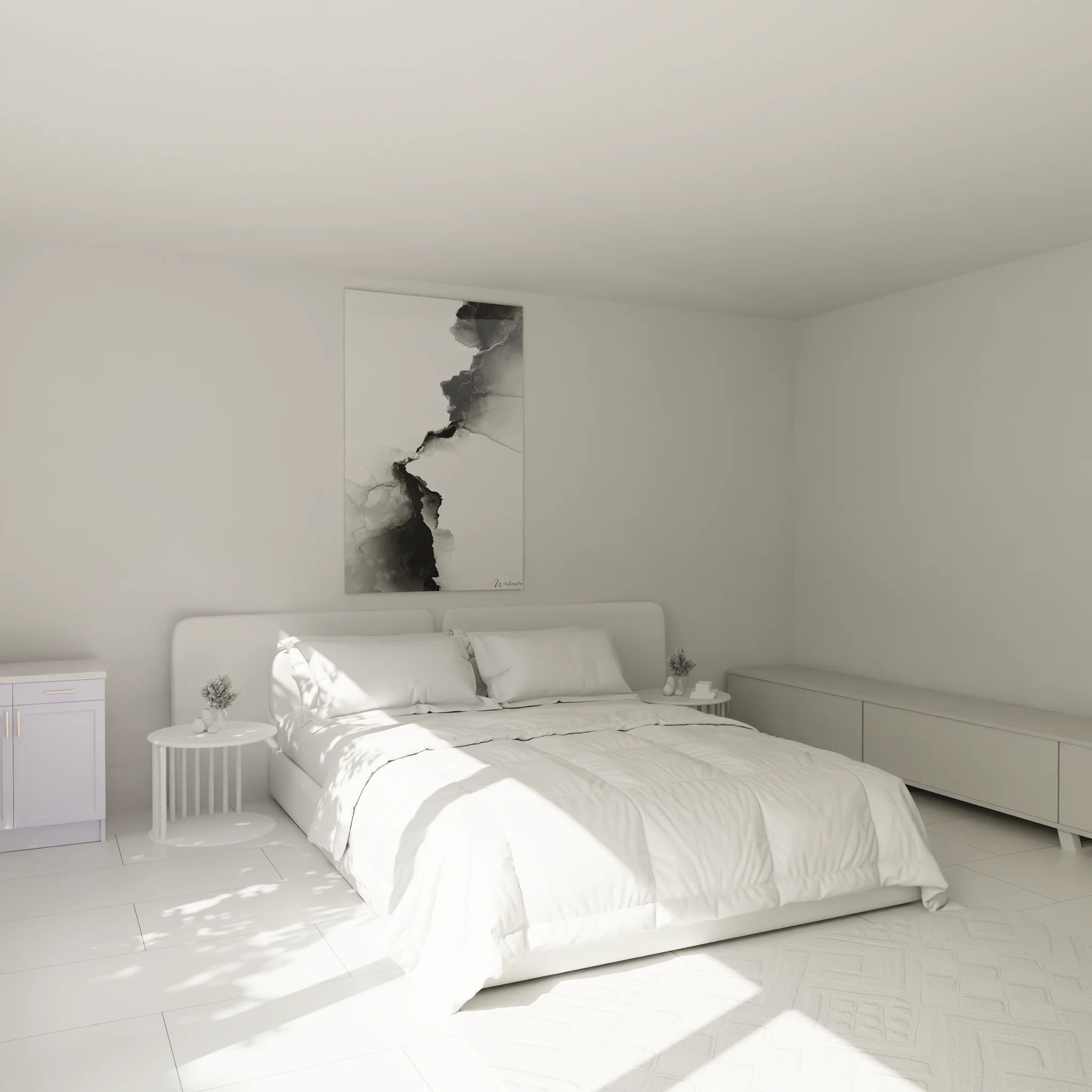
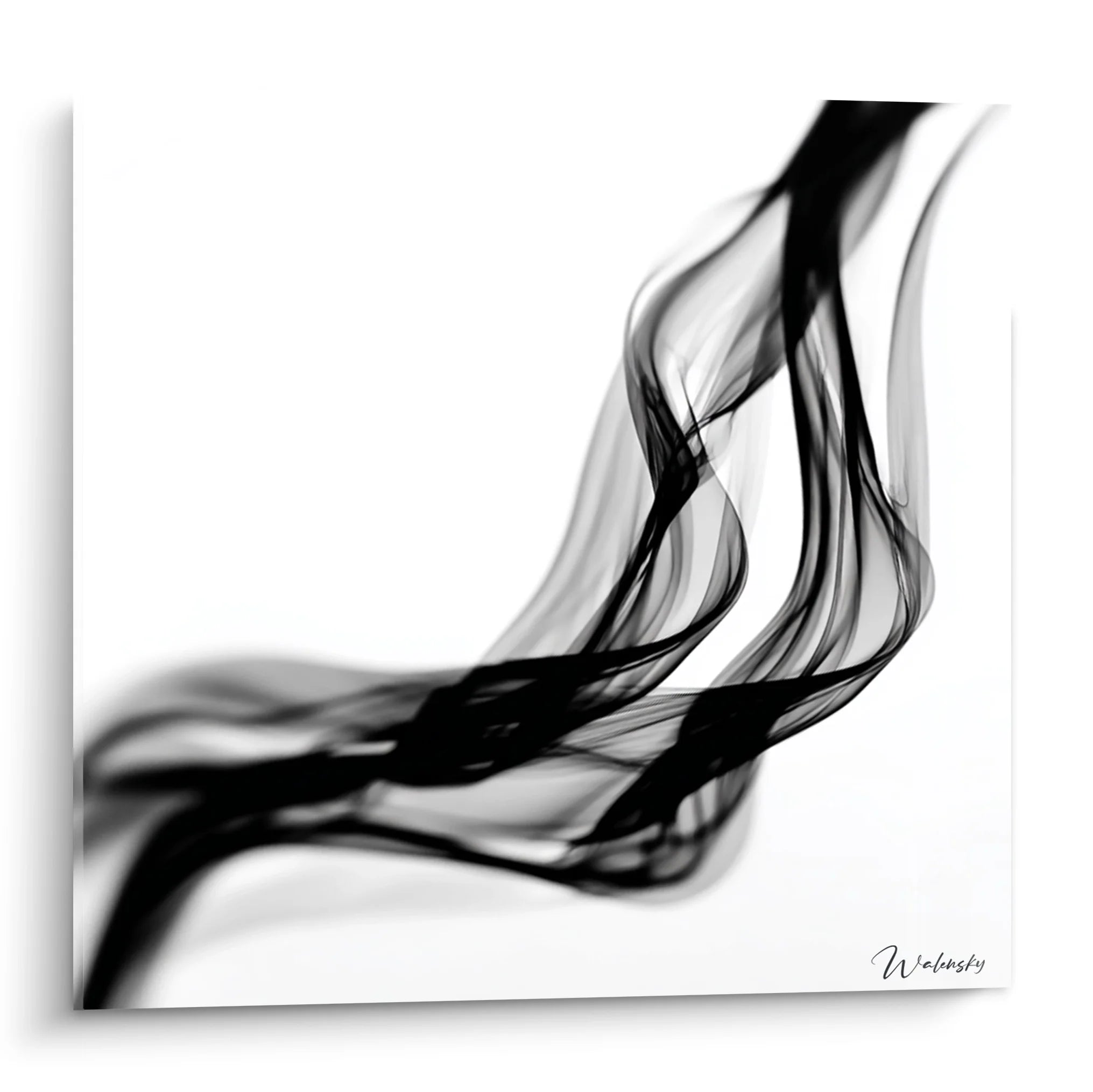
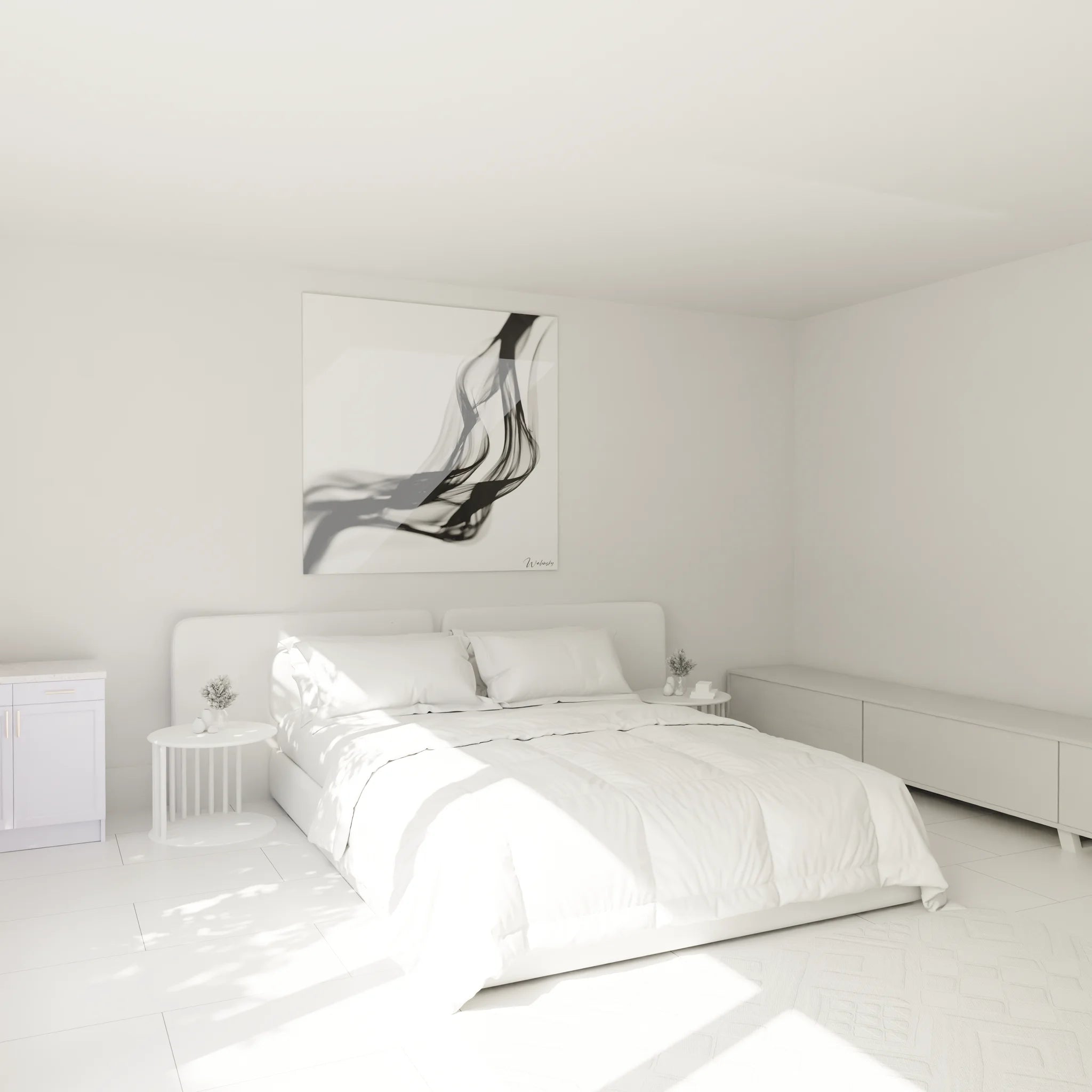
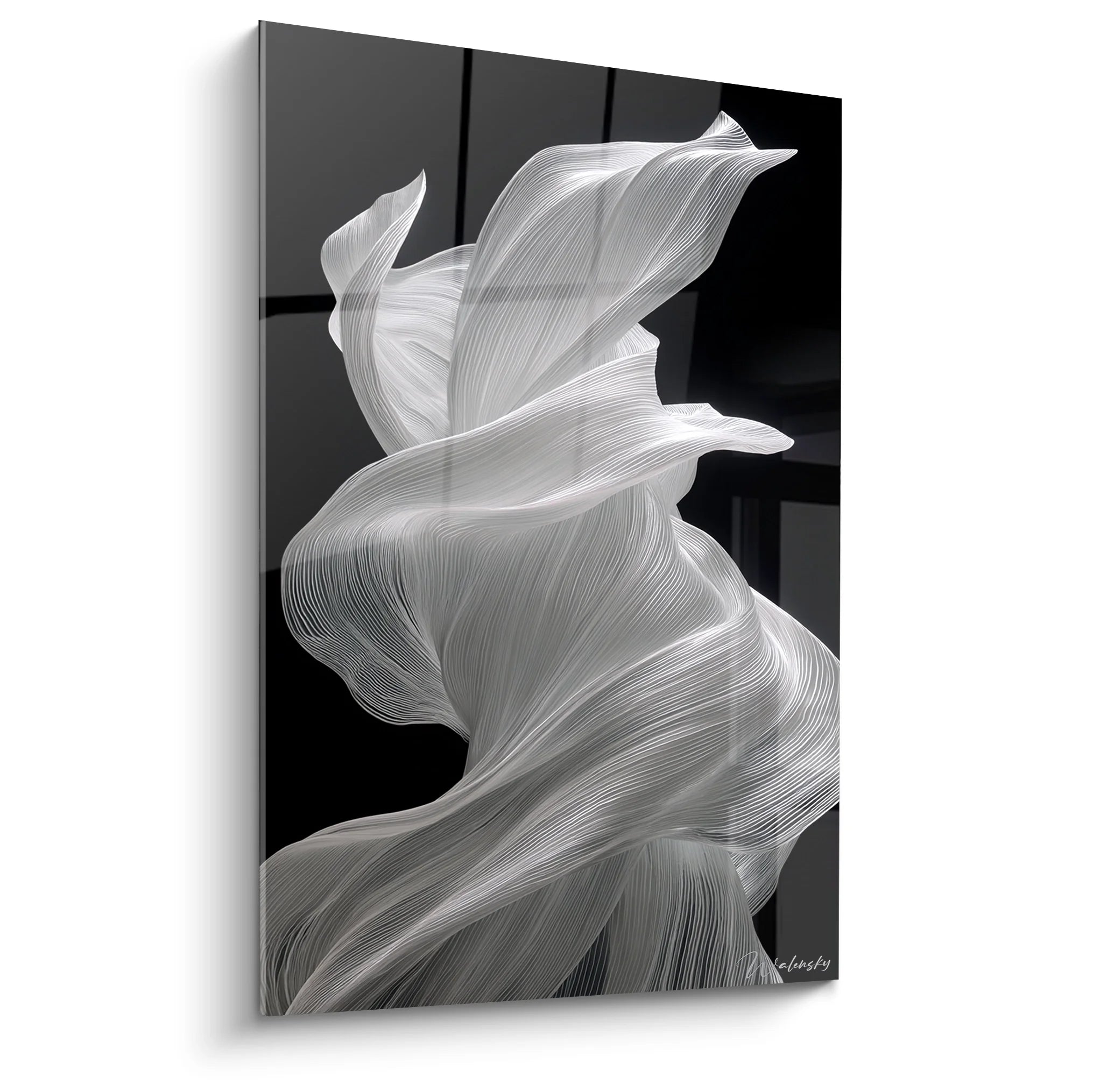
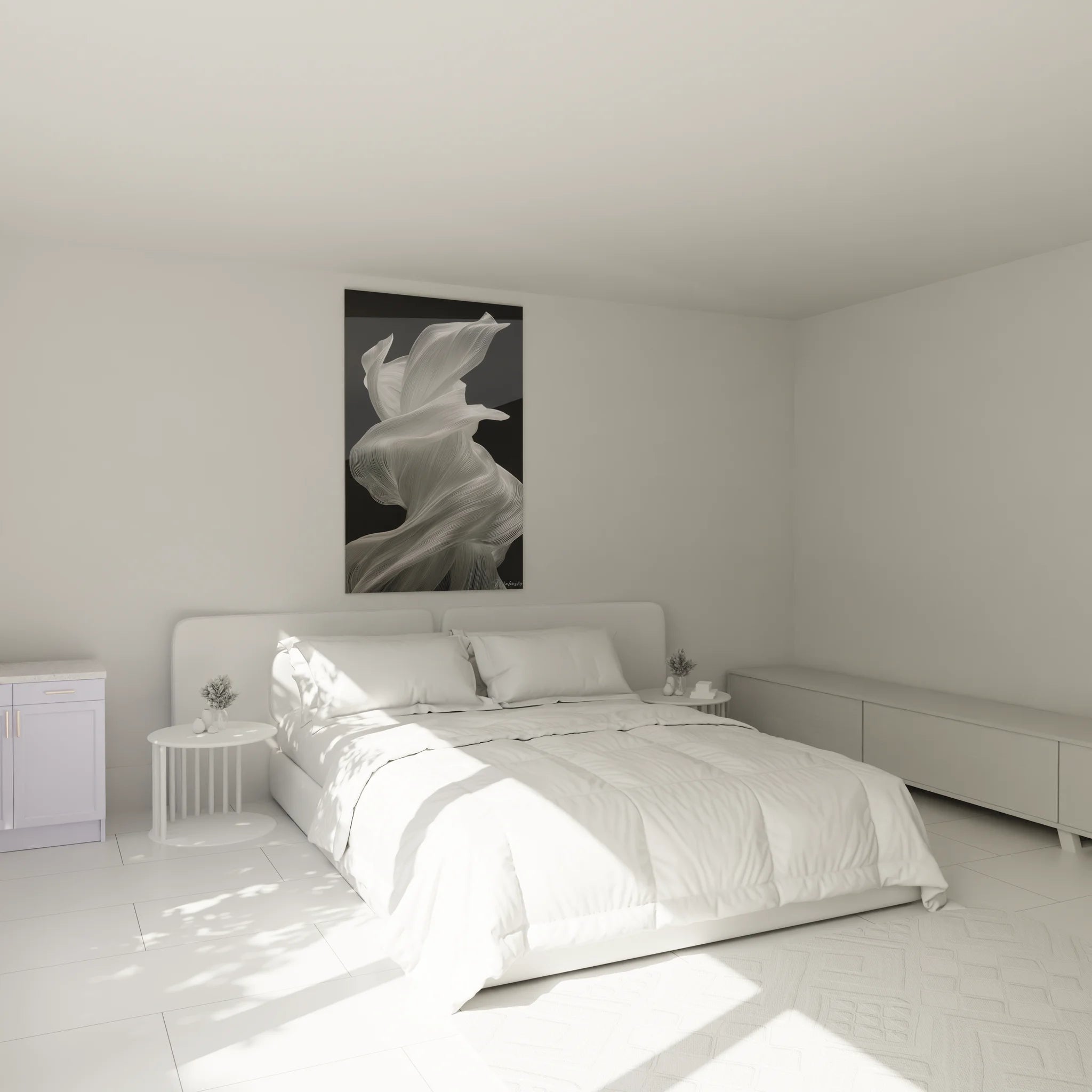
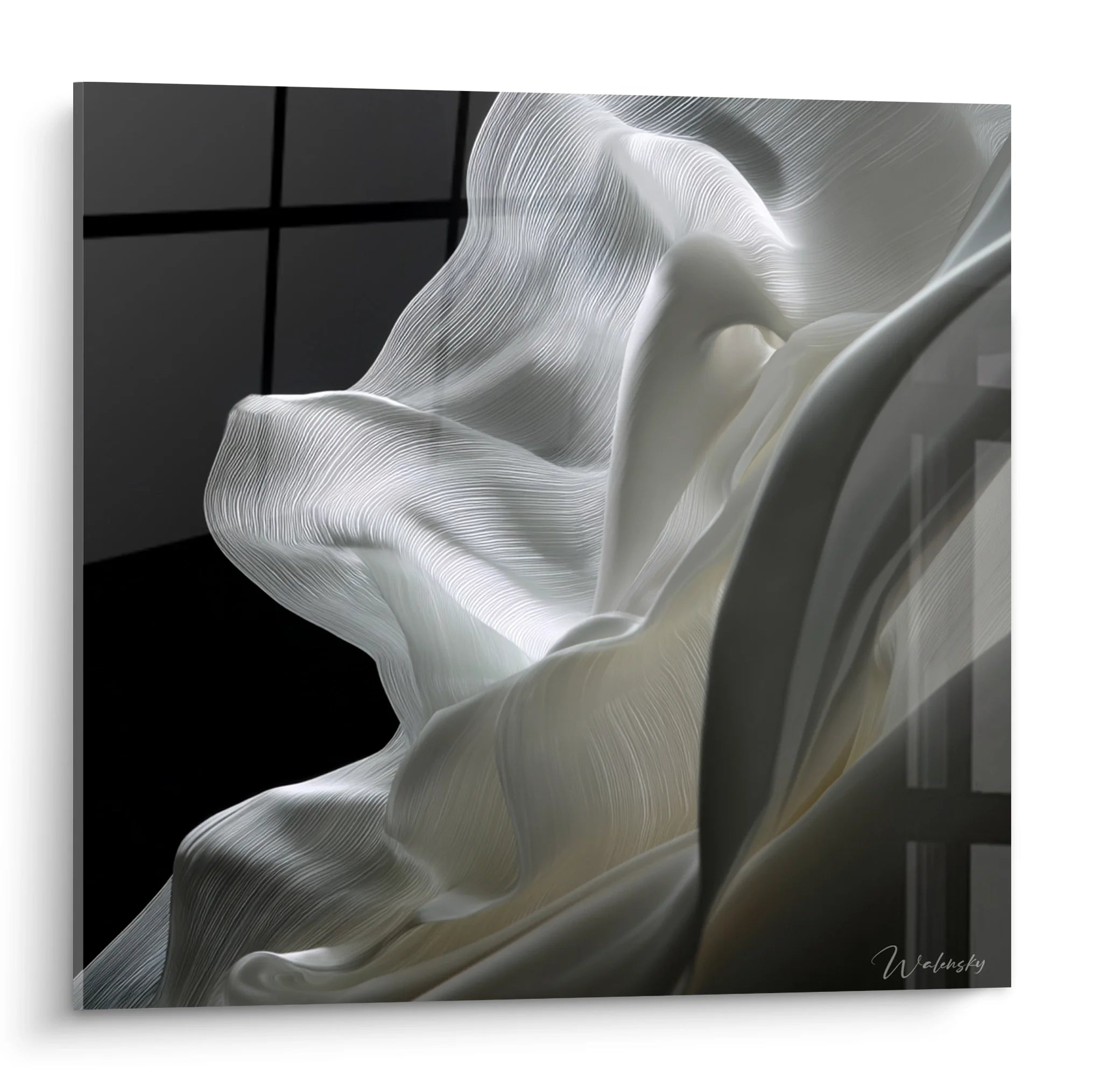
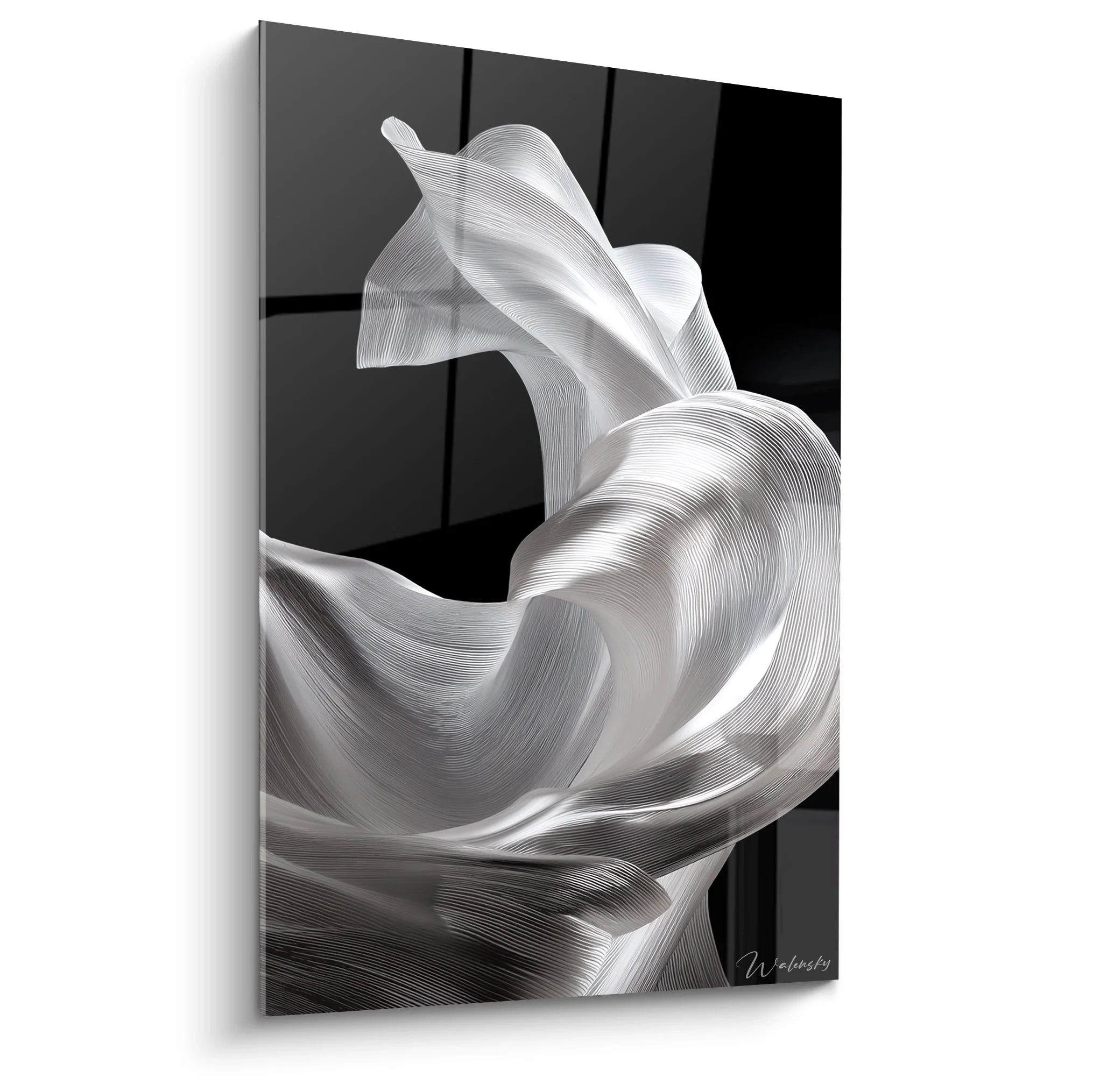
The black and white wall art represents far more than a simple decorative trend – it is an artistic statement that transcends fleeting fashions. These large-scale monochromatic works offer unparalleled visual intensity, instantly transforming any interior space through their power of abstraction and expressive force. Unlike colored compositions, black and white wall art concentrates attention on forms, textures, and contrasts, creating unique emotional depth.
Contemporary art enthusiasts and interior designers favor these graphic creations for their exceptional versatility and ability to withstand the test of time without losing their impact. Indeed, a large-scale monochrome piece immediately becomes the focal point of a room, capable of harmonizing beautifully with minimalist interiors as well as more eclectic environments.
Discover in the following sections how these black and white artworks can radically transform your space, influence your spatial perception, and create a timeless sophisticated atmosphere. Explore the multiple facets of these graphic wall pieces, from their ability to create optical illusions in small spaces, to their subtle influence on our emotional state and architectural perception.
The Dramatic Contrast of Black and White Wall Art in Modern Decoration
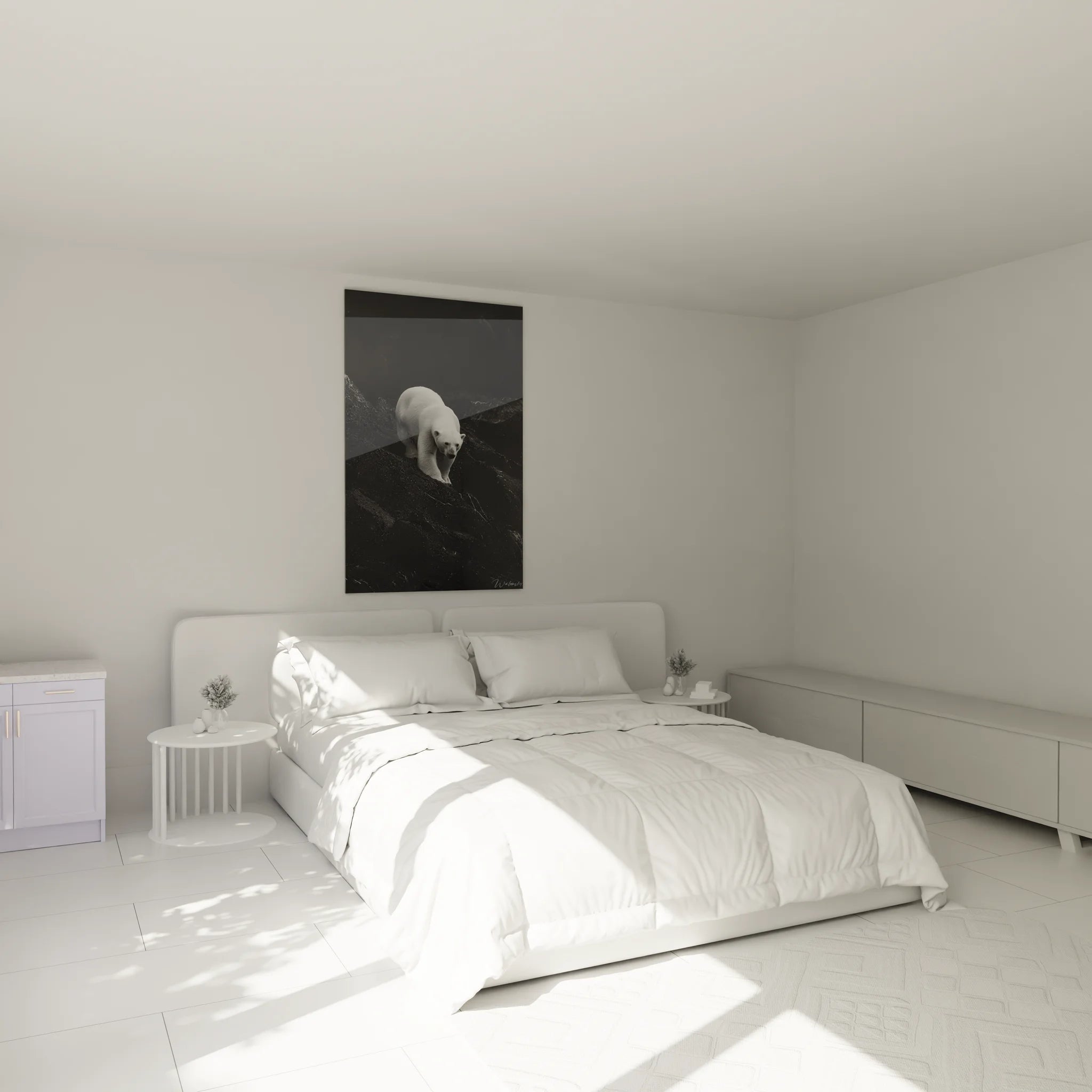
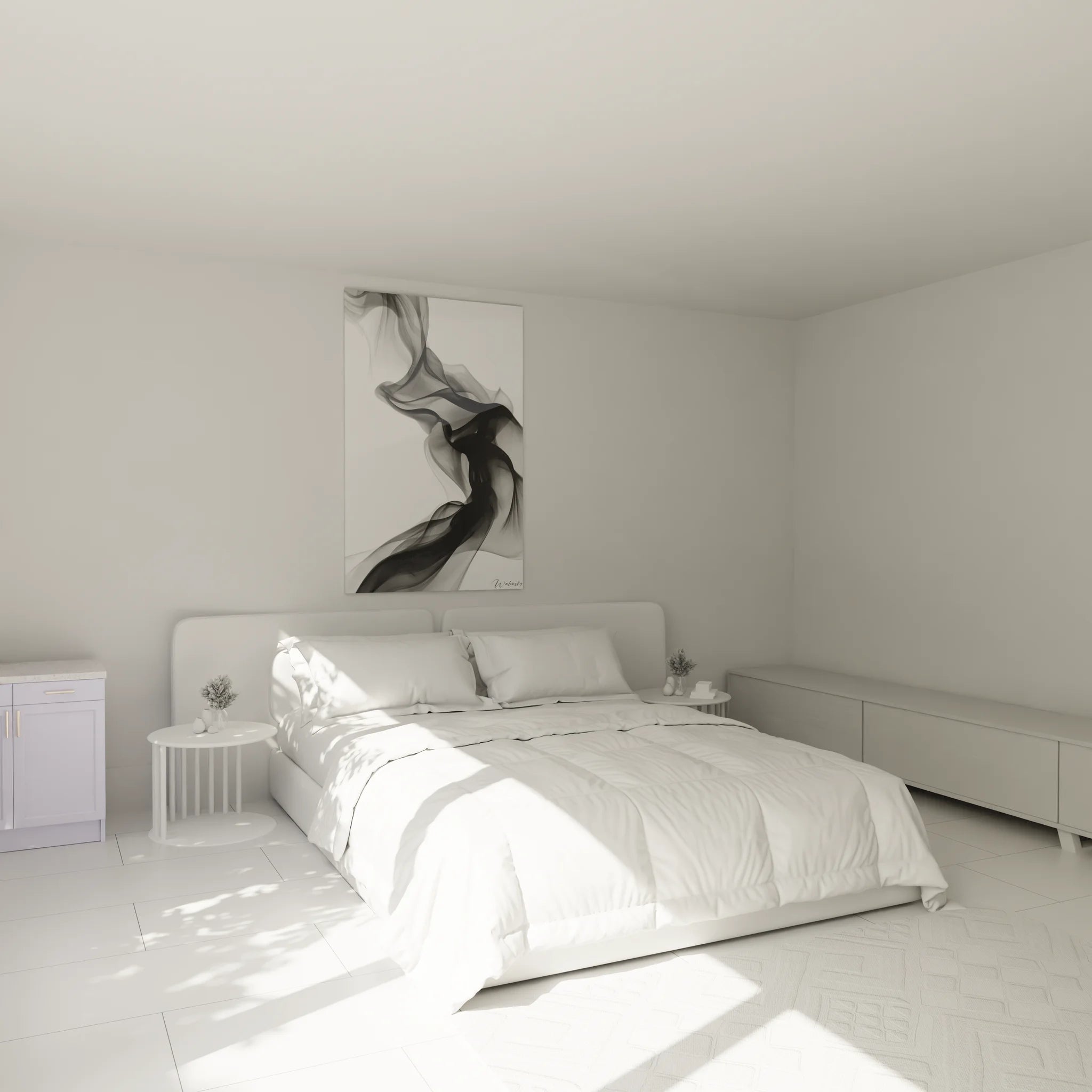
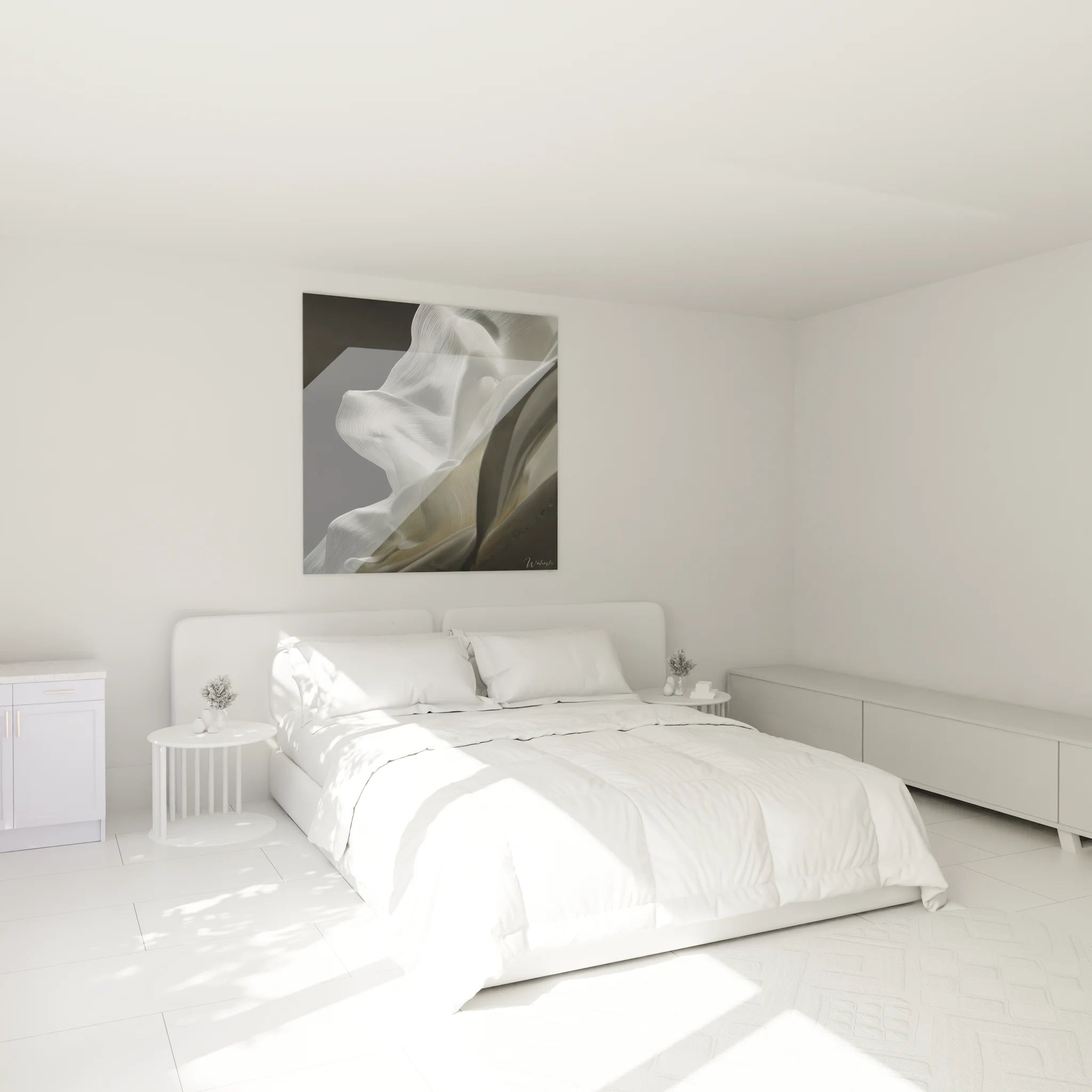
In the realm of contemporary interior design, black and white wall art stands out as a transformative element thanks to its unique visual power. Unlike colored works that may blend into a décor, a large-scale monochrome composition instantly creates a visual anchor point that structures the surrounding space. This ability to redefine a room's visual architecture is exclusive to the sharp contrasts of black and white.
How does black and white wall art become the conductor of your space?
The monochromatic work acts as a visual magnet that naturally organizes the flow of the eye through a room. Its power of attraction is such that it allows attention to be diverted from architectural imperfections – a considerable asset in rental spaces where structural modifications are limited. Professional decorators often use this technique to create an illusion of balance in asymmetrical rooms, making black and white wall art a true architectural corrector.
Large monochromatic graphic compositions also possess a quality that colored works never achieve: the ability to create implicit directional axes. A black and white wall art with dominant horizontal lines can visually widen a narrow wall, while a vertical composition will emphasize ceiling height. This ability to optically manipulate the proportions of a space is particularly valuable in urban apartments with constrained dimensions.
An often-overlooked characteristic of black and white wall art is its interactive relationship with ambient lighting. Unlike colored works whose appearance remains relatively stable, a monochromatic piece subtly transforms throughout the day according to natural luminosity. This chameleon quality transforms a single artwork into multiple visual experiences, offering unparalleled decorative return on investment.
Directional light sources, such as recessed spotlights or light rails, reveal distinct details on a monochromatic work depending on their orientation. Grazing light will highlight textures and reliefs, while frontal lighting will accentuate value contrasts. This dynamic interaction between light and black and white wall art allows different moods to be created within the same space – a flexibility impossible to achieve with saturated color works.
The unifying power of black and white in fragmented interiors
In contemporary open-plan spaces, where kitchens, dining areas, and living rooms blend into a spatial continuum, black and white wall art plays a crucial role in visual cohesion. Its refined palette acts as a common denominator between distinct functional zones, creating harmonious transitions where physical boundaries are absent.
The large-scale monochromatic piece thus becomes a visual reference point that unifies areas with different finishes. This harmonizing ability is particularly valuable in interiors renovated in stages, where different decorative periods must coexist. The black and white work imposes its presence without dictating a restrictive color palette, allowing other décor elements to evolve around it.
- Black and white wall art structures a room's visual organization
- They create optical illusions modifying the perception of proportions
- Their interaction with lighting offers an evolving visual experience
- They visually unify open-plan or multi-functional spaces
In partial renovation projects where complete furniture replacement is not feasible, black and white wall art proves to be a remarkably effective transformation tool. A single large graphic work can instantly update a dated décor, creating a stylistic bridge between different design periods. This ability to transcend the temporal boundaries of design makes monochromatic wall art a particularly enduring decorative investment.
Real estate professionals recognize the added value of magnificent black and white wall art in staging high-end properties. Its sophisticated presence immediately signals to potential buyers a level of refinement that justifies premium pricing. Unlike figurative works whose appreciation varies considerably based on personal taste, the graphic abstraction of black and white possesses a universality that transcends individual preferences.
The Psychological Impact of Black and White Wall Art in Personal Space
The black and white wall art exerts a particular psychological influence that fundamentally distinguishes it from colored works. This influence rests on deep cognitive mechanisms that neuroscience is only beginning to clarify. Far from being merely decorative, a large-scale monochromatic piece acts as a mental state modulator, creating a unique interface between physical space and our emotional landscape.
Why does black and white wall art stimulate intellectual creativity?
A fascinating characteristic of black and white wall art is its ability to activate brain regions associated with abstract problem-solving. Unlike colored compositions that primarily engage our emotional processing centers, monochromatic contrasts engage the frontal and parietal lobes, the seats of our analytical thinking. This subtle cognitive stimulation makes black and white wall art a preferred choice for intellectual work spaces, creative studios, and personal libraries.
Studies in environmental psychology have demonstrated that regular exposure to black and white graphic patterns improves concentration on complex tasks. This phenomenon, called "monochromatic cognitive priming," explains why so many writers, architects, and strategists prefer to surround themselves with color-free graphic works. The black and white wall art thus becomes a catalyst for intellectual productivity, particularly valuable in our era of constant digital distraction.
The unique emotional regulatory effect of monochromatic contrast
The black and white wall art possesses a remarkable property of emotional regulation that psychologists call the "anchoring effect." In a visually saturated world where colored stimuli constantly bombard us, the presence of a monochromatic work creates a zone of perceptual decompression. This island of visual simplicity allows the nervous system to reset its balance, reducing the neural overstimulation associated with contemporary urban stress.
This mechanism explains why black and white wall art is particularly appreciated in bedrooms and meditation spaces. The absence of chromatic stimulation facilitates the transition to altered states of consciousness, such as deep relaxation or sleep. Electroencephalogram measurements have confirmed that contemplating monochromatic works significantly increases brain alpha waves, indicators of a relaxed state of vigilance conducive to introspection.
The suspended temporality of black and white compositions
A unique phenomenon of black and white wall art is its ability to alter our subjective perception of time. In the absence of color cues that anchor our daily experience, contemplating a monochromatic work invites us into a parallel space-time where habitual rhythms are suspended. This temporal distortion explains the meditative effect often reported when facing large graphic pieces.
In contemporary interiors characterized by constant acceleration and screen multiplication, the black and white wall art becomes a necessary counterpoint, an invitation to contemplative pause. Its intrinsic abstraction creates a break from the endless stream of concrete information that solicits our attention, offering mental breathing space that has become rare.
- Black and white artworks stimulate analytical brain regions
- They create a perceptual decompression effect in visually charged environments
- They modify our subjective perception of time
- They promote meditative states and deep contemplation
The presence of black and white wall art in a living space also influences our social interactions. Behavioral studies have revealed that conversations held in environments dominated by monochromatic aesthetics tend toward more abstract and philosophical subjects. This elevation of discourse level makes black and white wall art a strategic element in spaces dedicated to intellectual exchanges, such as reception rooms or residential conference rooms.
Interior designers specializing in environmental psychology recommend installing black and white wall art in transition zones, such as entryways or landings. The chromatic simplicity of these works facilitates the psychological decompression needed between outdoor agitation and home intimacy. This "mental airlock" function represents an underappreciated but valuable therapeutic application of large-scale monochromatic art.
Visual Space Expansion with Black and White Wall Art: Spatial Strategies
Large-scale black and white wall art possesses unique properties of visual expansion that transcend the physical limitations of a space. This ability to virtually push back architectural boundaries makes these works precious tools for spatial planning, particularly in urban environments with constrained dimensions. Contrary to popular belief, imposing monochromatic compositions do not saturate small spaces – they transform them.
How does black and white wall art create illusory architectural depth?
Black and white compositions exploit an optical phenomenon called "monochromatic parallax" that creates an enhanced impression of depth. Unlike colored works that tend to assert themselves as distinct objects, monochromatic pieces establish a direct dialogue with surrounding architecture, generating virtual space extensions. This characteristic is particularly valuable in apartments with low ceilings, where a vertical black and white piece can create a visual escape similar to that of a window.
Interior architects strategically use this phenomenon by positioning black and white wall art at corridor ends or on terminal walls. This configuration transforms these end surfaces into visual portals that extend spatial perspective. In studios and small apartments, this technique counters the sensation of confinement often reported by occupants, without resorting to costly structural renovations.
The monochromatic contrast strategy for constrained spaces
A particularly effective application of black and white wall art concerns spaces with problematic geometries, such as sloped-ceiling rooms or irregular angles. Where color would tend to accentuate these architectural singularities, monochrome can neutralize them visually. A properly proportioned black and white graphic piece becomes an optical corrector that restores a perception of balance in otherwise unbalanced spaces.
This ability to visually "normalize" atypical spaces explains the frequent presence of monochromatic pieces in converted industrial lofts, where volumes can be destabilizing. The black and white work acts as an intermediary between human scale and oversized industrial dimensions, creating a visual reference point that makes space more psychologically inhabitable.
The luminous expansiveness generated by monochromatic works
An often-overlooked phenomenon is the ability of black and white wall art to amplify ambient luminosity. Unlike works with saturated colors that absorb part of the light spectrum, monochromatic compositions, particularly those with white dominance, reflect considerably more light. This reflective property transforms the piece into a secondary light source that visually brightens dark spaces.
In apartments with unfavorable orientations or limited openings, this characteristic makes black and white wall art a particularly valuable light optimization tool. Designers specializing in low natural-light spaces strategically position these works facing existing light sources to maximize their diffusion through the space, creating a light amplification that radically transforms ambiance.
- Black and white wall art creates illusory architectural depth
- They visually neutralize problematic spatial geometries
- They amplify and redistribute ambient luminosity
- They establish reference points that humanize large volumes
For owners or renters facing structural modification constraints, black and white wall art represents a remarkably efficient space transformation solution. Its installation requires no permanent intervention on the structure while generating visual impact comparable to architectural renovation. This reversibility makes it a particularly suitable design tool for high-end rental spaces, where permanent modifications are often prohibited.
Architecture and interior photographers have long recognized the transformative power of monochromatic works in composing a space's visual character. A strategically placed black and white piece often becomes the element that structures the entire photographic documentation of a location, testifying to its importance in the overall perception of the environment. This particular photogenic quality explains the overrepresentation of interiors adorned with monochromatic art in specialized publications.
FAQ on Black and White Wall Art
What is the ideal placement to maximize the impact of a large-scale black and white wall art piece?
The optimal placement for large-scale black and white wall art is generally a focal wall visible upon entering the room. Uninterrupted wall surfaces (free from doors and windows) allow the artwork to fully exercise its power of visual expansion. In rectangular spaces, the longest wall often offers the best impact potential, while in open-plan areas, positioning at the junction between two functional zones maximizes its unifying role.
How should you properly maintain black and white wall art to preserve its contrast over time?
Preserving the contrast of black and white wall art requires protection from prolonged UV exposure, the primary cause of yellowing and fading. UV-resistant glass or plexiglass is recommended, particularly in very bright rooms. Regular dusting with a special microfiber art brush prevents particle accumulation that gradually reduces the brilliance of whites. Absolutely avoid liquid cleaning products, even on protective glass surfaces, which could seep in and damage the artwork.
Is black and white wall art suitable for spaces with low natural lighting?
Contrary to popular belief, black and white wall art is particularly well-suited to spaces with low natural lighting. White-dominant compositions act as reflectors that amplify available light, while pronounced contrasts remain perceptible even under limited lighting conditions. In these environments, prioritize works with a favorable white ratio and supplement with directional lighting that will highlight subtle nuances invisible under standard diffuse lighting.