


Abstract Turquoise Epoxy Wall Art
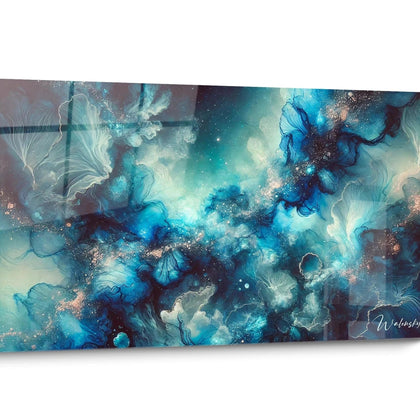
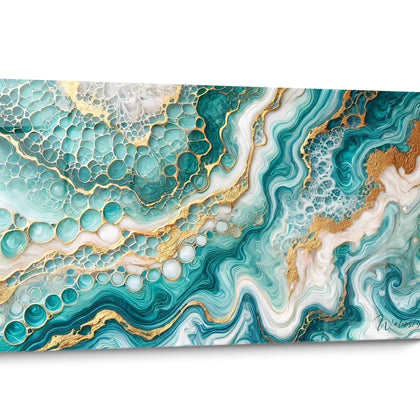
Our Abstract Turquoise Painting Epoxy collection offers contemporary artistic creations of striking beauty. Each work reveals deep shades turquoise and fascinating abstract patterns that capture the light in a unique way. These modern epoxy resin paintings bring a touch of elegance and sophistication to any living space. The effects of transparency and turquoise gradients create a soothing and refined atmosphere, perfect for contemporary interiors.
 Sparkling Shores Canvas - Epoxy Style Edition273,90 €
 Sapphire Waves Wall Art - Epoxy Style Edition273,90 €
 Celestial Ocean Wall Art - Epoxy Style Edition273,90 €
 Frozen Horizon Wall Art - Epoxy Style Edition273,90 €
 Enchanted Flows Wall Art - Epoxy Style Edition273,90 €
 Garnet Essence Artwork - Epoxy Style Edition273,90 €
 Enchanted Foam Painting - Epoxy Style Edition273,90 €
 Silk Ocean Wall Art - Epoxy Style Edition273,90 €
 Sapphire Feathers Wall Art - Epoxy Style Edition273,90 €
 Crystalline Waves Wall Art - Epoxy Style Edition273,90 €
Explore further
In Abstract Turquoise Epoxy Wall Art


All about Abstract Turquoise Epoxy Wall Art
- Turquoise Abstract Epoxy Wall Art Presentation
- Epoxy Resin and Turquoise Pigments
- Depth Effects and Luminosity
- Architectural Integration
The turquoise abstract epoxy wall art represents a major evolution in contemporary mural art, combining the organic fluidity of epoxy resin with the chromatic intensity of turquoise. This fusion between technical material and abstract expression creates three-dimensional compositions where light interacts with layers of translucent resin to produce visual effects that change depending on the viewing angle. Large format sizes prioritize visual immersion and radically transform the spatial perception of high-end architectural spaces. These epoxy creations are distinguished by their ability to capture and diffuse natural luminosity while adding an almost liquid tactile dimension to the wall surface. The combination of turquoise with epoxy resin generates nuances ranging from deep cyan to translucent aquamarine tones, offering a color palette impossible to reproduce with traditional mediums.
Epoxy Technology at the Service of Turquoise Abstraction
The turquoise abstract epoxy wall art relies on exceptional technical mastery of thermosetting resin. This initially transparent liquid material allows turquoise pigments to be incorporated in suspension, creating effects of vertiginous depth impossible with other artistic mediums. Artists specialized in this technique meticulously control viscosity, catalysis time, and pigment ratios to generate compositions where each layer of dried resin reveals a distinct chromatic stratum.
Why does epoxy resin transform turquoise abstraction?
Epoxy resin allows manipulations impossible with acrylic or oil paint. Artists exploit its prolonged fluidity to create frozen organic movements: crystalline waves, aquatic whirls, mineral flows. Turquoise unfolds in natural gradients, from saturated opaque zones to translucent passages allowing lower layers to show through. This stratification generates measurable optical depth in centimeters, conferring the artwork with sculptural presence.
Metallic and pearlescent additives in turquoise epoxy compositions
The incorporation of copper metallic powders, white gold flakes, or pearlescent pigments radically transforms light interaction. These additives create reflection points that accentuate the changing dimension of Turquoise Abstract Wall Art. Large-scale mural formats amplify these effects: a 150x100 cm composition reveals chromatic variations invisible in smaller formats. Metal particles migrate through liquid resin along unpredictable trajectories, generating brilliant constellations within the turquoise mass.
Epoxy crystallization and its exclusive visual effects
Certain epoxy formulations develop internal micro-crystallizations during hardening that fragment transmitted light. This phenomenon, called "bloom effect," produces luminous halos within the turquoise, reminiscent of mineral inclusions in semi-precious stones. Large formats exploit these controlled accidents to create areas of visual interest distributed across the entire surface, guiding the eye in continuous exploration of the abstract composition.
Light Effects and Dimensionality of Turquoise Epoxy Wall Art
The turquoise abstract epoxy wall art transcends traditional two-dimensionality through its tangible material thickness. Epoxy creations commonly reach 3 to 8 mm of pure resin thickness, creating a vitrified surface that acts as a prism dispersing ambient light. This characteristic becomes decisive in contemporary architectural spaces where indirect LED lighting or panoramic bay windows interact with the epoxy surface to generate hourly chromatic variations.
How does turquoise epoxy react to different light sources?
Under cool white LED lighting (6000K), turquoise epoxy reveals its electric cyan nuances and metallic reflections. Warm lights (3000K) intensify green undertones and create a soothing ambiance reminiscent of tropical lagoons. Zenith natural light traversing the translucent resin produces a striking aquatic effect, where the artwork seems to contain moving liquid depth. XXL formats (exceeding 180 cm width) capture sufficient luminosity to become genuine sources of chromatic reflection, subtly tinting surrounding surfaces.
Internal refraction in multilayered compositions
Successive resin stratifications create refractive interfaces where light changes direction. Artists exploit this optical phenomenon to generate effects of illusory depth: abstract elements appear to float at different heights beneath the vitrified surface. This technique transforms turquoise abstract epoxy wall art into a complex optical device where frontal, lateral, or low-angle observation reveals distinct visual compositions.
Surface finishes and their impact on luminosity
The epoxy surface can receive different post-hardening treatments: mirror polish for maximum reflection, satin finish to soften reflections, or localized texturing creating matte zones contrasting with glossy passages. These finish variations allow precise control of how each area of the turquoise composition interacts with ambient lighting. Large compositions exploit these variations to create light cartographies that progressively reveal themselves as natural lighting evolves throughout the day.
Architectural Integration of Large Turquoise Epoxy Wall Art
The turquoise abstract epoxy wall art of large dimensions functions as a structuring architectural element rather than simple wall decoration. In high-end residential spaces, these compositions become focal points that organize the entire interior design. Their imposing material presence and chromatic intensity demand architectural reflection on visual circulation, chromatic balancing of surrounding materials, and management of light flows.
Which architectural environments best enhance turquoise epoxy wall art?
Double-height spaces particularly benefit from vertical formats that exploit all available height. Contemporary entry halls with natural zenith lighting amplify the resin's translucency effects. Minimalist spaces with neutral palettes (polished concrete, light wood, architectural white) create maximum contrast with turquoise intensity. Conversely, interiors with warm tones (terracotta, ochre, bronze) generate dynamic chromatic tension that accentuates turquoise epoxy's freshness.
Material compatibility with architectural finishes
Turquoise epoxy dialogues differently depending on adjacent materials. Associated with brushed black metal or stainless steel, it develops a techno-luxury aesthetic. Juxtaposed with white marble or travertine, it creates a reference to natural turquoise minerals in their limestone matrix. Living walls form an organic partnership where turquoise evokes the aquatic element complementary to greenery. Panoramic formats (200x100 cm and larger) allow establishing these material dialogues at the architectural scale.
Positioning strategies in contemporary volumes
Contrary to common misconceptions, turquoise abstract epoxy wall art does not systematically require an isolated wall. Triptych installations distributed or corner compositions exploiting two perpendicular walls create innovative immersive experiences. In professional spaces (boutique hotel lobbies, design corporate headquarters), these artworks signal brand visual identity through their memorable chromatic presence. Vertical circulation zones (stairwells, light wells) benefit from vertical formats accompanying upward movement.
FAQ - Frequently Asked Questions on Turquoise Abstract Epoxy Wall Art
Is turquoise abstract epoxy wall art suitable for humid spaces?
Fully cured epoxy resin presents excellent moisture resistance, making these artworks compatible with spacious bathrooms and private wellness spaces. However, direct and prolonged exposure to hot water spray can gradually alter surface brilliance. For permanent humid environments, prioritize marine epoxy formulations specifically designed to resist extreme conditions.
How does turquoise resin coloration evolve over time?
Professional-grade turquoise pigments integrated in high-performance epoxy resin retain their chromatic intensity for several decades. Direct exposure to solar UV represents the primary degradation factor: ultraviolet rays can progressively yellow the transparent resin and fade certain organic pigments. Formulations containing UV filters or installations protected from direct sunlight durably preserve original turquoise brilliance.
What resin thickness characterizes authentic turquoise abstract epoxy wall art?
Authentic epoxy creations present minimum resin thickness of 3 mm, allowing characteristic depth effects. Exceptional pieces reach 8 to 12 mm of layered pure resin, creating genuinely sculptural dimensionality. This substantial thickness generates the characteristic weight of these artworks: a 120x80 cm format can weigh between 8 and 15 kg depending on resin thickness, requiring reinforced wall mounting systems adapted to significant loads.


