

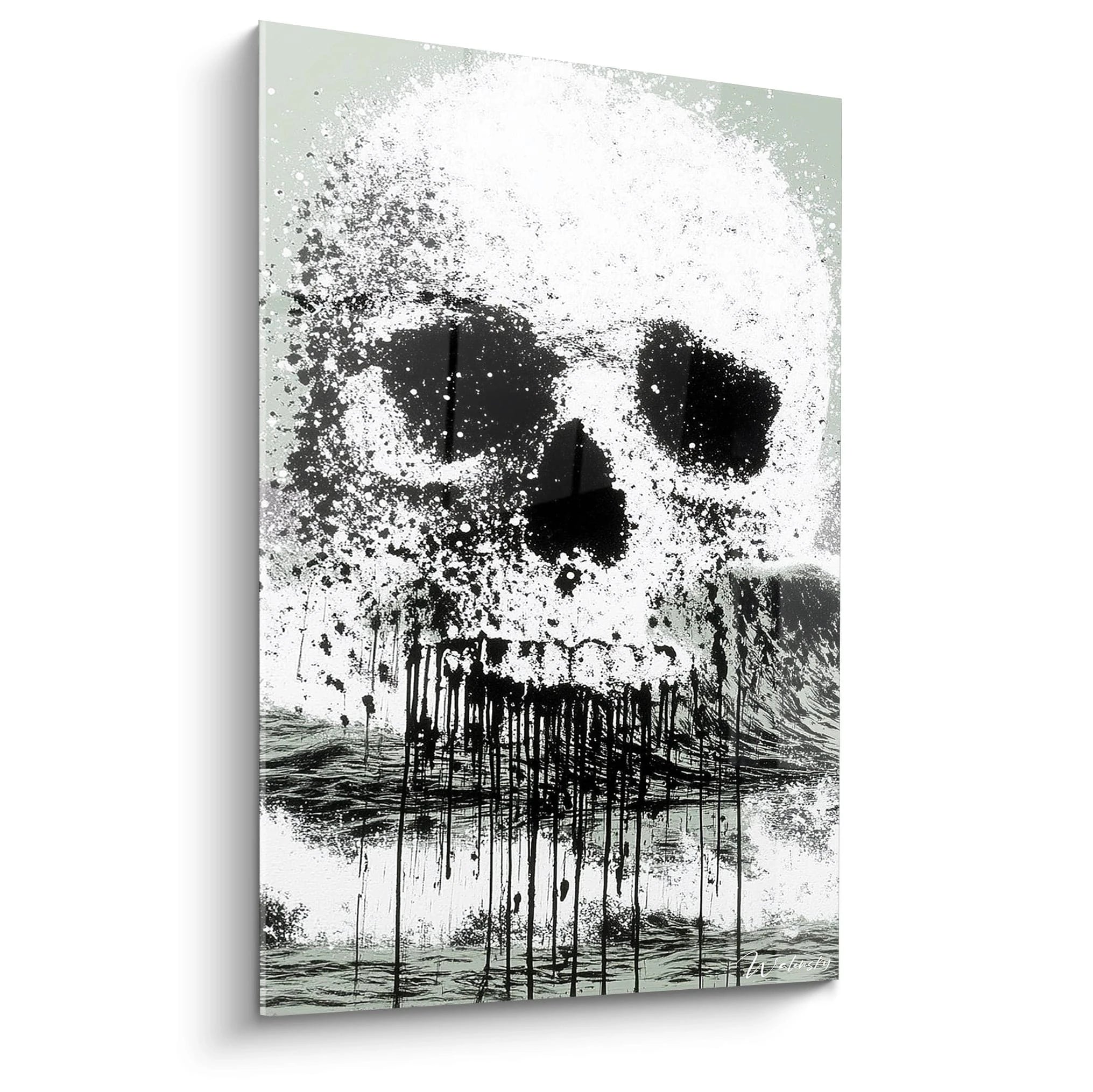







Abstract Bull Painting
The Bull Abstract painting embodies raw power and wild energy through a contemporary artistic interpretation. This unique collection celebrates the majesty of the bull by blending abstract animal art and modern creativity. Each artwork captures the primal essence of this iconic animal through bold shapes, vibrant colors, and dynamic compositions. Perfect for enhancing your interior with character, our selection of modern bull paintings brings a touch of strength and elegance.
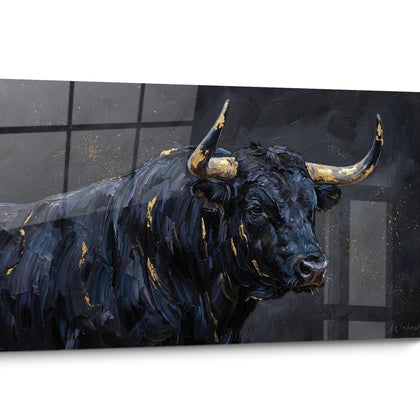
 Bull Heart of the Arena Painting - bull edition242,90 €
 Bull Wall Art Breath of the Arena - bull edition273,90 €
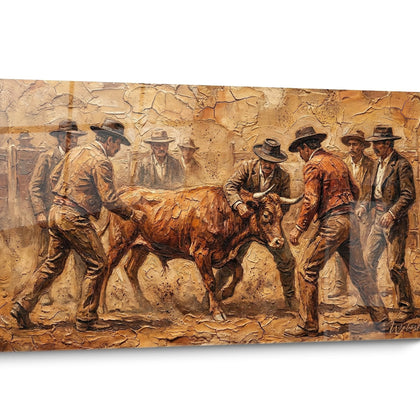
 Bull Wall Art Ancestral Heat - Bull Edition228,90 €
Explore further
In Abstract Bull Painting

All about Abstract Bull Painting
- Abstract Bull Wall Art Presentation
- Symbolism and Modern Decoration
- Visual Power and Impact
- Selection and Positioning
The abstract bull painting revolutionizes contemporary wall decoration by fusing the ancestral symbolism of the bull with the aesthetic codes of abstraction. This geometric and stylized representation transforms the animal figure into a graphic composition, capturing the very essence of strength and character without resorting to figurative realism. The large dimensions of these mural creations make them dominant elements that structure the space and impose an immediate visual presence. The alliance between the symbolic power of the bull and the refined lines of abstract art creates a unique dialogue between tradition and modernity, particularly sought after in sophisticated urban interiors and upscale professional spaces.
Taurine symbolism reinvented through geometric abstraction
When geometric forms capture the essence of the bull
The abstract approach of an abstract bull wall art is based on the deconstruction of the animal silhouette into volumes, angles and colored planes. This geometrization allows extraction of essential elements: the amplitude of the horns becoming dynamic diagonals, the musculature translated into contrasted chromatic masses, the posture fixed in an asymmetric composition. Contemporary artists particularly exploit monochrome palettes with metallic accents to create monumental mural works intended for industrial lofts and minimalist spaces. The large dimensions amplify the visual impact of these formal decompositions, transforming each line into an architectural statement.
Abstraction as a vector of amplified symbolic power
Unlike realistic representations, the abstract bull painting concentrates symbolic charge in refined visual elements. Formal simplification paradoxically intensifies the perception of strength, each stroke becoming a carrier of condensed energy. This approach particularly appeals to executives and entrepreneurs seeking symbols of determination for their boardrooms. Abstract compositions also allow avoidance of overly folkloric connotation, unlike traditional Camargue bull paintings which evoke a specific regional dimension.
How abstract techniques modernize taurine iconography
Techniques of cubist fragmentation, superimpositions of semi-transparent planes and negative-positive interplay offer unprecedented interpretations of the taurine figure. These plastic approaches transform an ancestral motif into a resolutely contemporary decorative element, compatible with refined architectures and design furniture. Black-white bicolor palettes create dramatic contrasts particularly effective in spaces with generous volumes, while color variations integrate the motif into sophisticated chromatic atmospheres. The abstract dimension allows multiple readings depending on viewing angle and ambient lighting, creating an evolving artwork throughout the day.
Why choose an abstract representation rather than figurative?
Abstraction offers symbolic universality transcending cultural boundaries. It naturally integrates into Scandinavian minimalist interiors as into neo-industrial spaces, where realistic representation might seem out of place. Large wall surfaces particularly benefit from this graphic approach which structures space without cluttering it visually, transforming the wall into an active architectural element rather than a simple decorative support.
Visual impact and spatial domination of monumental formats
XXL dimensions in service of architectural presence
An abstract bull wall art in large format radically transforms the volumetric perception of a room. The imposing dimensions create an immediate focal point that captures attention upon entering the space. In professional environments such as corporate halls or strategic meeting rooms, these monumental formats project an image of organizational power aligned with taurine symbolism. Abstract compositions particularly exploit extended surfaces by deploying visual rhythms that guide the eye across the entire wall, creating a spatial dynamic absent with standard formats.
Which color palette to maximize emotional impact?
Sophisticated monochrome ranges constitute the privileged choice for an abstract bull painting intended for corporate environments or refined masculine interiors. Shades of anthracite gray with gold or silver accents create understated elegance aligned with discretionary luxury codes. Conversely, explosive color bursts in carmine red, incandescent orange and saffron yellow capture raw energy and vitality, particularly suited to creative spaces and artistic lofts. Absolute black-white contrasts generate maximum visual tension, transforming the taurine motif into a radical graphic statement that dialogues with contemporary architecture.
Abstract composition as amplifier of spatial energy
The diagonal guidelines of an abstract bull wall art create dynamic vectors that propel the eye through the space. This visual kinetics breaks the static nature of vertical walls, infusing virtual movement into otherwise frozen environments. Asymmetric compositions generate constructive tension particularly effective in rectangular rooms where they counterbalance dominant orthogonal geometry. Horizontal panoramic formats visually amplify wall width, while vertical orientations accentuate ceiling height, offering decorative solutions that modify perceived proportions.
How does an abstract motif influence professional atmosphere?
In strategic work environments, the abstract bull painting functions as a psychological anchor symbolizing resilience and determination. Unlike purely decorative works, its implicit symbolic charge subliminally reinforces company values. Visitors and partners unconsciously capture these visual messages which participate in the construction of organizational identity. Large dimensions transform the work into a memorable architectural element that differentiates the space from standardized corporate environments.
Positioning strategies to optimize visual presence
Identifying strategic walls for maximum impact
The positioning of a large-format abstract bull painting requires precise spatial analysis. The main wall visible from the entrance constitutes the privileged location to create a memorable first impression. In open-space environments, the wall perpendicular to workstations offers constant presence in peripheral vision without creating direct visual distraction. Residential environments particularly benefit from positioning in circulation zones like wide hallways or staircase landings, where generous dimensions amplify volumetric perception. Living rooms with double height call for vertical formats that exploit available amplitude.
Decorative associations to reinforce aesthetic coherence
The geometric abstraction of an abstract bull painting naturally dialogues with refined-line furniture and industrial materials. Exposed metal structures, polished concrete and raw leather create textural echoes that unify the atmosphere. Directional LED lighting accentuates chromatic contrasts and reveals the depth of multi-layered compositions. In minimalist environments, the work functions as a unique major decorative element, concentrating visual attention and avoiding dispersion. More eclectic interiors benefit from a series approach by integrating multiple formats from the same abstract-taurine range to create coherent visual narration.
Which environments best showcase this abstract-taurine aesthetic?
Professional spaces in the financial, legal and strategic consulting sectors find in the abstract bull painting a perfect balance between visual sophistication and performative symbolism. Architecture offices and creative agencies exploit the graphic dimension to affirm their aesthetic sensibility. Residentially, urban lofts, renovated Haussmann apartments in contemporary spirit and architect-designed homes constitute natural environments. Male-oriented spaces such as private offices, billiard rooms or fitted wine cellars particularly benefit from this powerful iconography tempered by abstraction.
How to choose between a vertical or horizontal composition?
Orientation depends directly on wall configuration and the desired effect. Horizontal panoramic formats create visual continuity that perceptually widens the space, ideal for narrow walls or low-ceiling rooms. Vertical compositions exploit available height and generate dynamic verticality suited to narrow spaces or walls adjacent to openings. Monumental square formats impose centered and balanced presence, functioning as symbolic windows onto the abstract-taurine universe.
Can an abstract bull painting be integrated into a classical interior?
The contrast between contemporary abstraction and classical decorative elements creates stimulating aesthetic tension when mastered. In Haussmann interiors with original moldings and parquetry, a large abstract bull painting functions as a contemporary statement that updates the space without denying its architectural heritage. This fusion approach particularly appeals to eclectic collectors and decoration enthusiasts avoiding overly trendy effects.
What is the optimal viewing distance to fully appreciate the work?
Abstract compositions reveal different reading levels depending on observation distance. At close proximity, textures, superimpositions and graphic details unfold, while a distance equivalent to 2-3 times the height allows apprehension of overall composition and balance of masses. Generous spaces offer this visual amplitude, transforming each movement into rediscovery of the work from new angles. Monumental formats particularly require this field depth to avoid visual saturation and allow comfortable reading of the whole.


