


Complete Buying guide: find the perfect nature painting for your interior decoration
Do you dream of a soothing and inspiring interior, reflecting the beauty of nature? Adding a nature painting is an ideal solution to infuse a serene and harmonious atmosphere into your living space. However, the choice can be complex given the diversity of styles, techniques and supports available. This complete guide will accompany you step by step in your search for the perfect nature painting for your natural decoration, taking into account your tastes, budget and the aesthetics of your interior. Together we will explore the different aspects to consider to make the optimal choice and transform your home into a haven of peace.
1. Define your needs and preferences: key questions for a successful purchase
Before embarking on the search for the ideal painting, it is imperative to clarify your expectations and preferences. Take the time to answer the following questions in order to define your needs and simplify your decision-making process. Prior reflection will allow you to avoid impulsive purchases and ensure that you choose a painting that brings you complete satisfaction.
- What style of nature painting appeals to you most? The world of nature is vast and offers an infinity of possibilities. Majestic mountain landscapes, dense and mysterious forests, shimmering flowering meadows, peaceful marine scenes, wild animals in their natural environment, abstract landscapes inspired by nature... Specify the type of landscape or motif that evokes a particular emotion in you, resonates with your sensitivity and integrates harmoniously into your personality. What atmosphere do you want to create in your room? A nature painting is more than just a decorative object; it's a key element for shaping the atmosphere of a room. Do you want a calm and soothing atmosphere conducive to relaxation? An energetic and dynamic space stimulating creativity? A romantic and dreamy decor inviting escape? A rustic and warm atmosphere reminiscent of the simplicity of nature? Define precisely the desired atmosphere to choose a painting that integrates perfectly. What size painting is suitable for your space? Measure the available space on your wall accurately to select a painting with appropriate dimensions. A painting that is too small may seem insignificant and get lost in the decoration, while a painting that is too large may visually overwhelm the room. Also consider the viewing distance: a small painting will not be appreciated from afar, while a large painting viewed from too close can be overwhelming. What is your budget? The prices of nature paintings vary considerably depending on the support, creation technique, the artist's reputation, and the size of the painting. Define a clear budget before you start your research to avoid disappointment and refine your selection based on your financial possibilities.
- What medium and technique do you prefer? Canvas, paper, wood, metal, stone... each support brings a unique texture and aesthetic, influencing the final appearance of the painting. As for techniques, they are as diverse as nature itself: oil paint for unparalleled depth and richness of color, acrylic for its versatility and quick drying time, watercolor for its lightness and transparency, ink for its elegance and precision, digital printing for faithful rendering to the original image, or mixed techniques for a unique and bold creation. Each technique offers a unique rendering and distinct personality.
- What type of framing are you looking for? The frame plays a major aesthetic role. A well-cared-for frame enhances the painting and protects it from external aggressions. Choose a frame that harmonizes with the style of the painting and your interior decoration. Natural wood, thin and modern frame, imposing and classic frame, floating contemporary frame... the possibilities are numerous.
- Where would you like to hang your painting? The location of the painting influences the choice of style, size, and orientation of the work. An imposing painting will be better showcased in a large space, while a smaller painting will find its place in a more restricted corner. Take into account natural or artificial lighting to highlight colors and details.
2. Explore the diversity of nature painting styles: find your inspiration
The choice of style is fundamental for the harmony of your nature decor. Here are some popular styles and their specific atmospheres, to help you refine your search.
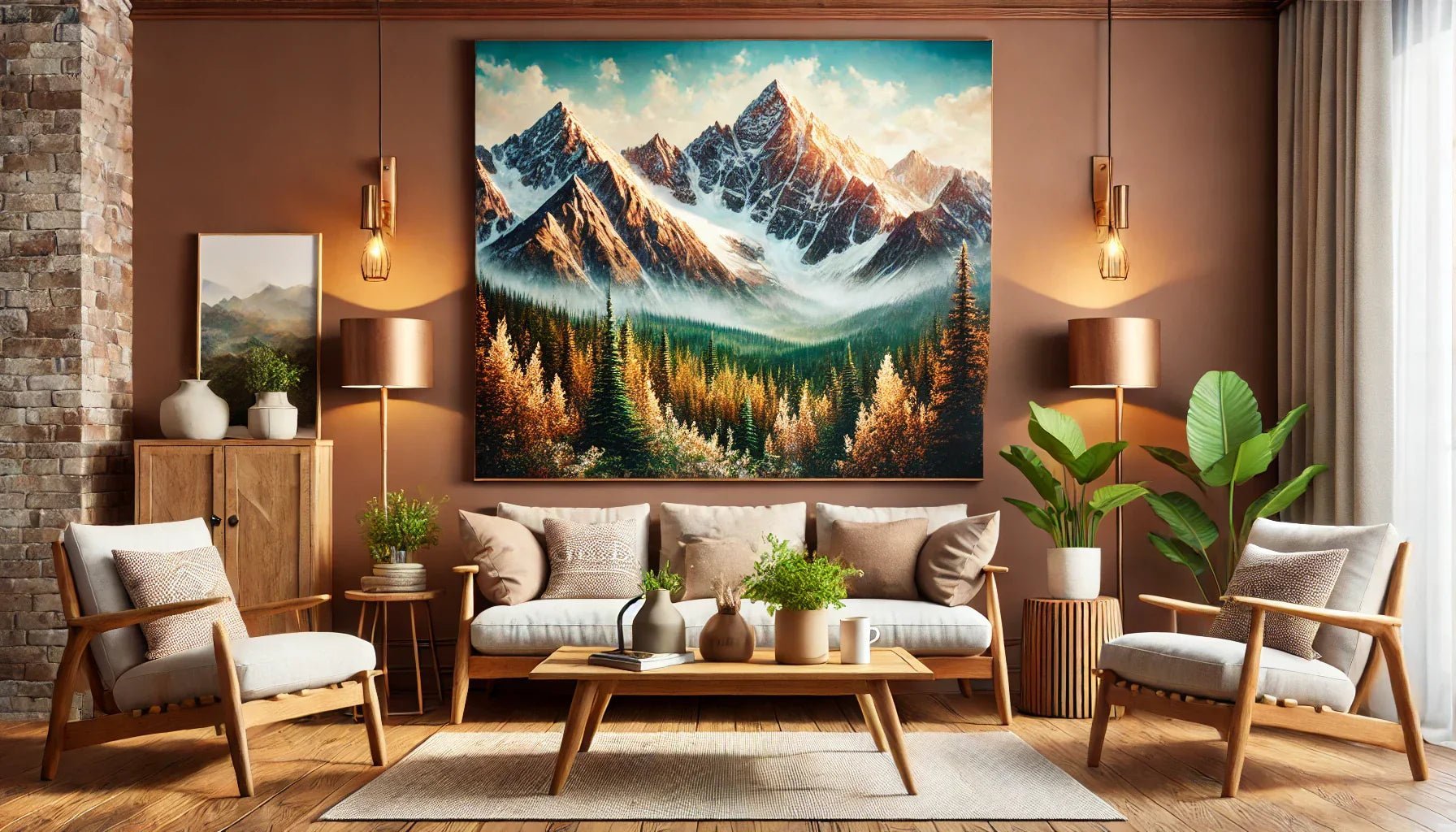
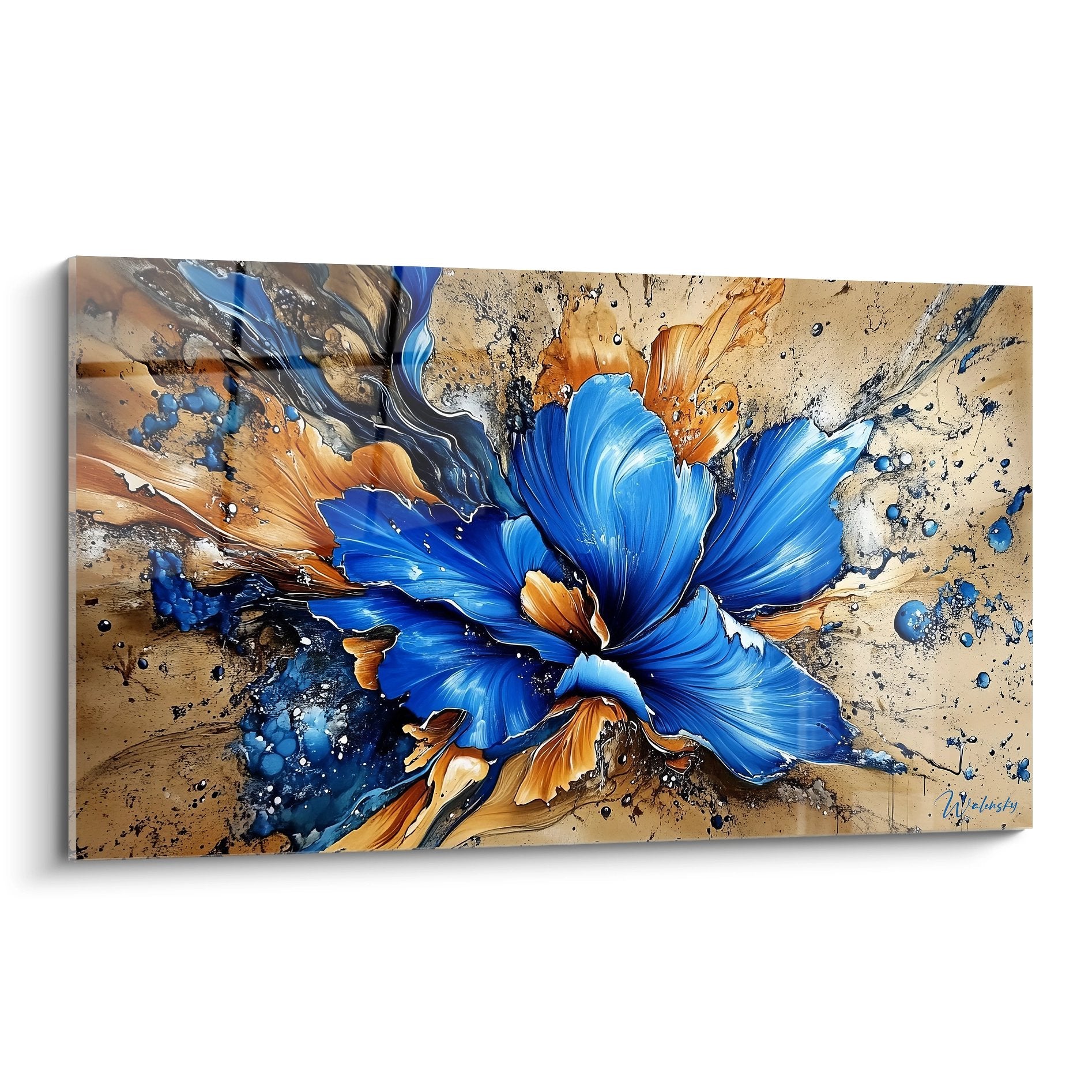
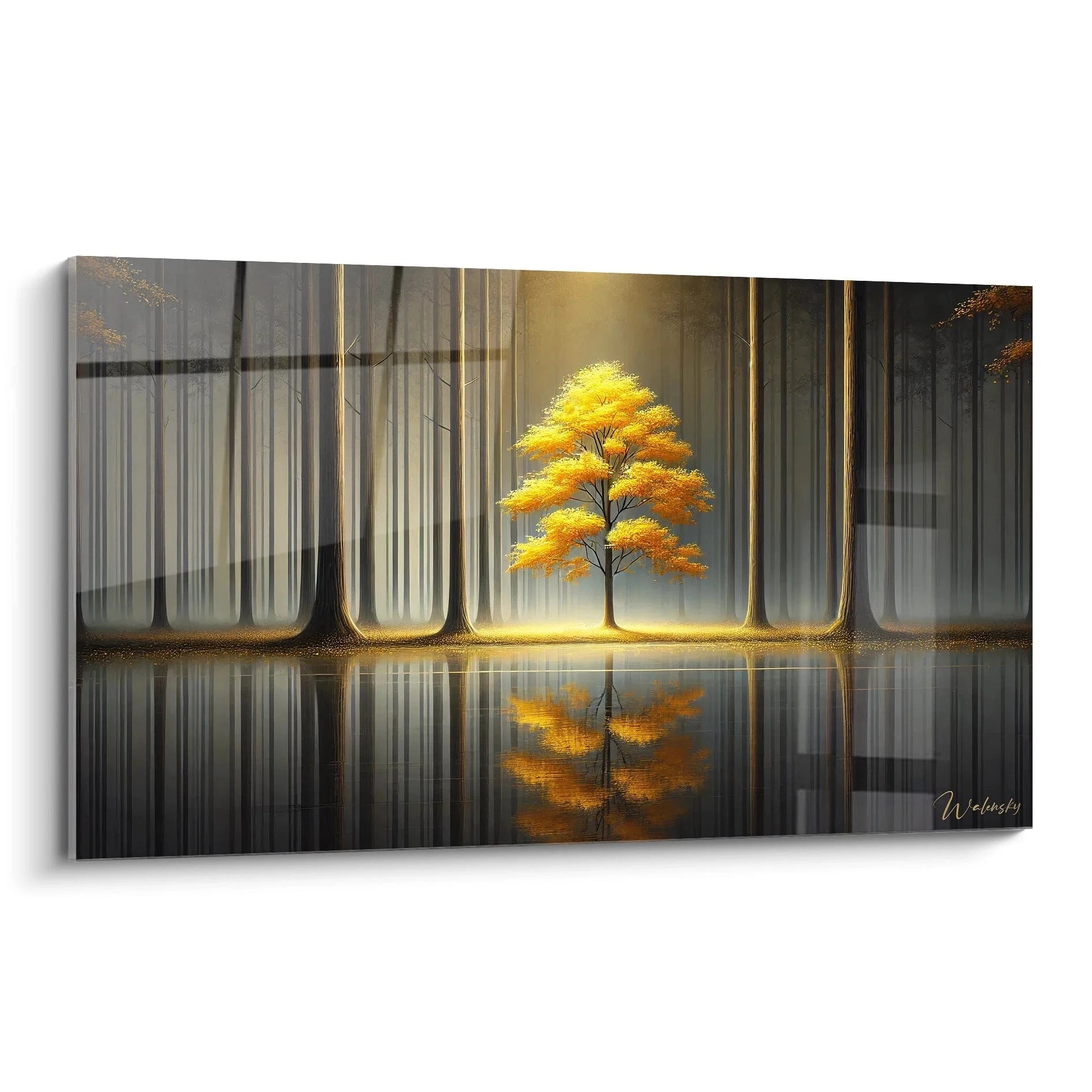
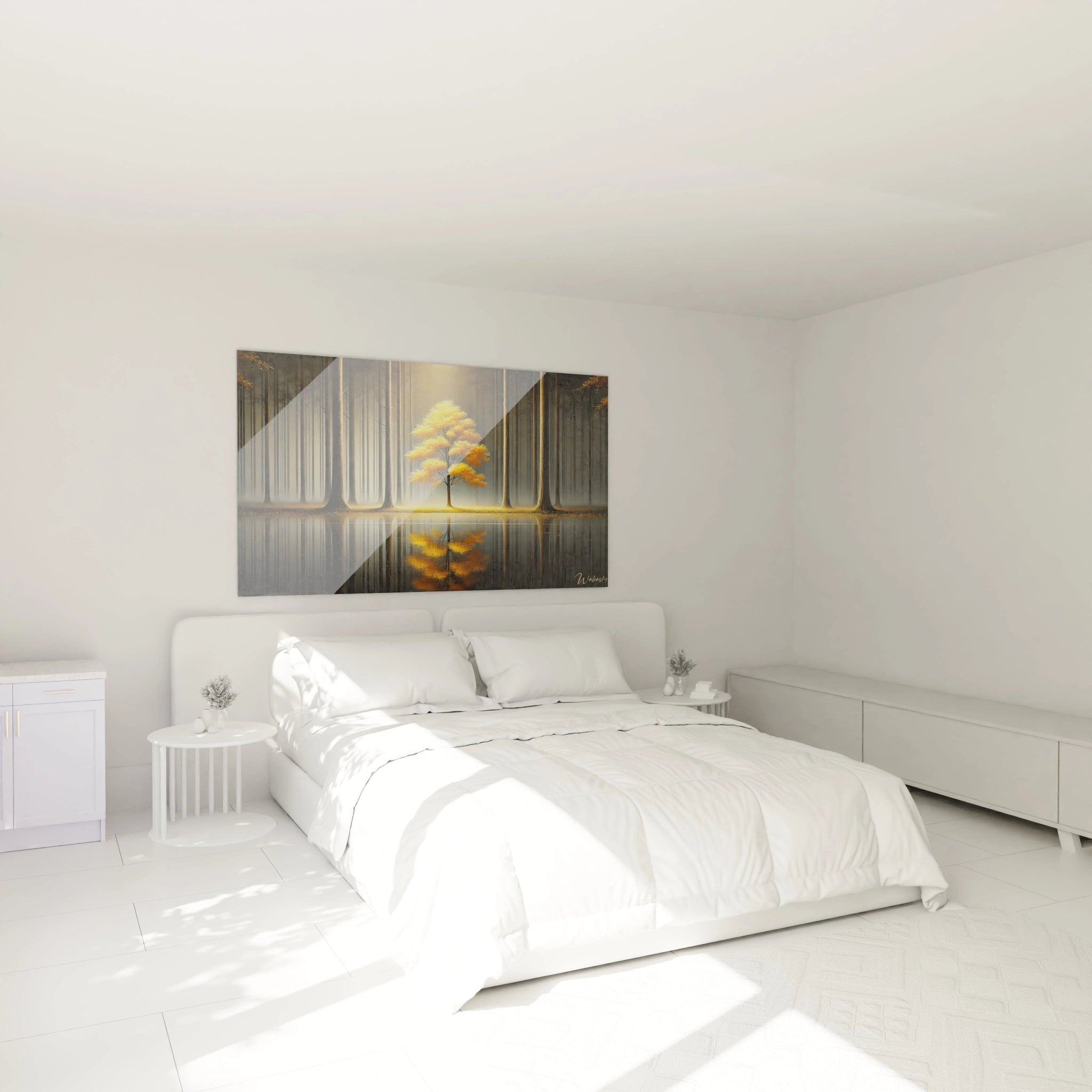
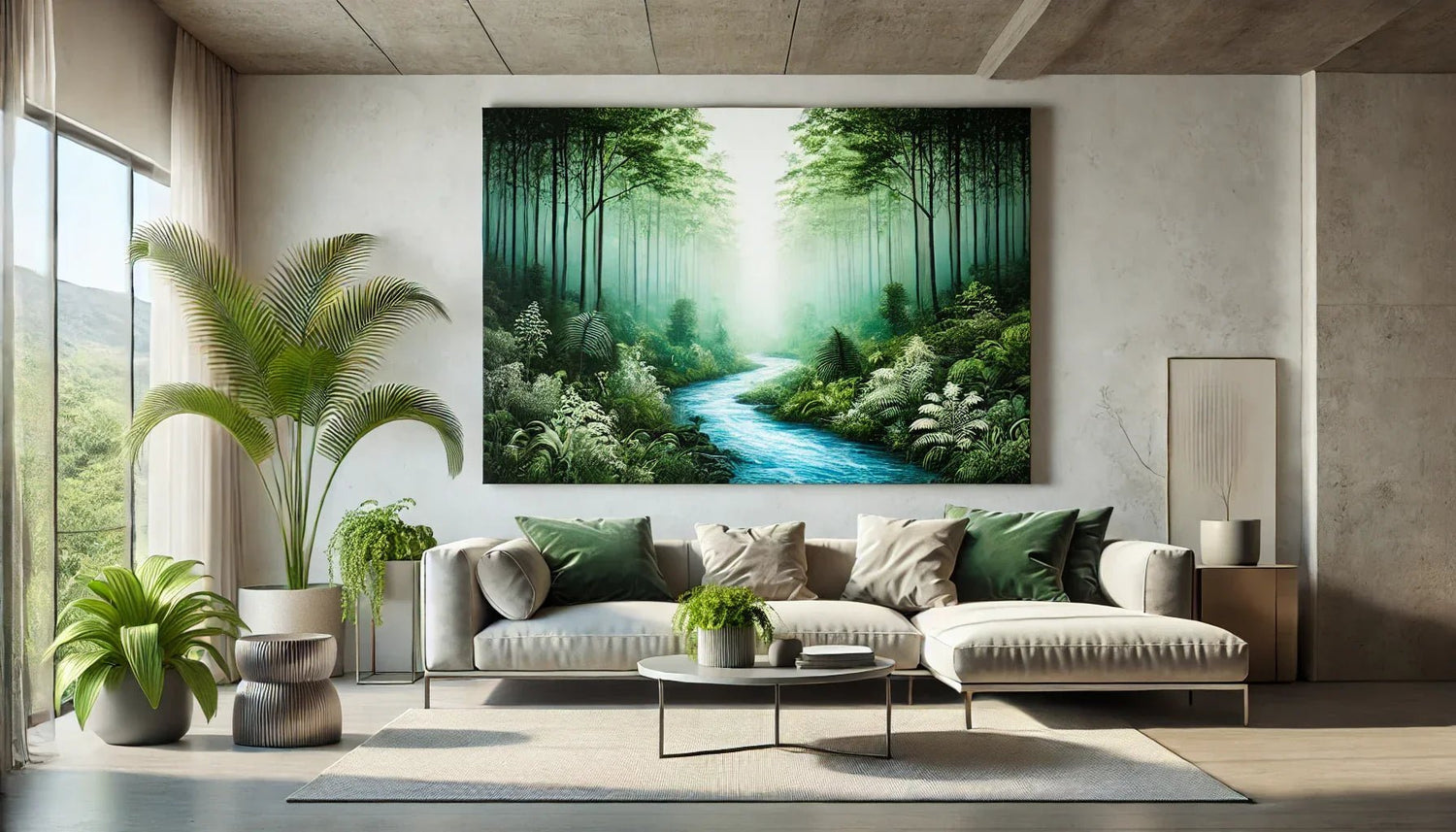
- Landscapes: Majestic mountains, green forests, paradisiacal beaches, lavender fields, arid canyons... landscapes offer an infinite variety of variations and atmospheres. They can evoke calm, adventure, serenity, grandeur, mystery or wonder. Choose a landscape that corresponds to your emotions and resonates with your personality. Forests: A painting depicting a dense, mysterious and deep forest will bring a soothing and contemplative atmosphere to your interior. The interplay of light and shadow creates a magical and enchanting atmosphere. The palette of greens, browns and grays, often present, contributes to a feeling of serenity. Flowers: Wildflower fields, delicate bouquets, exotic flowers, minimalist floral compositions... flower paintings bring a touch of color, freshness and romance to your decor. They can create a joyful, vibrant atmosphere or, conversely, a gentle and introspective one.Animals: Birds in flight, wild animals in their natural environment, domestic animals, fascinating insects… Animal paintings add a touch of life and dynamism to your decor. They can express freedom, power, gentleness, grace or mystery.
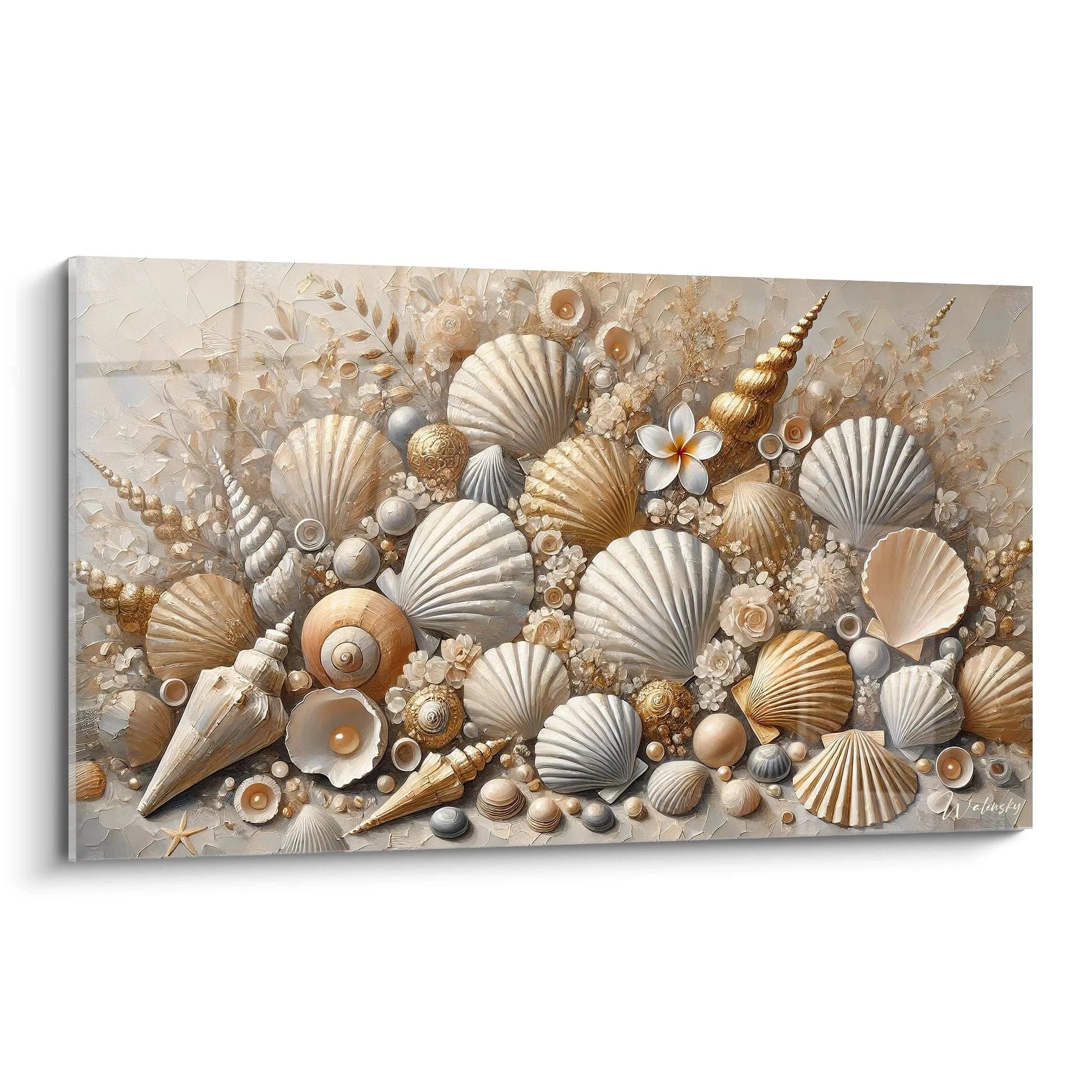
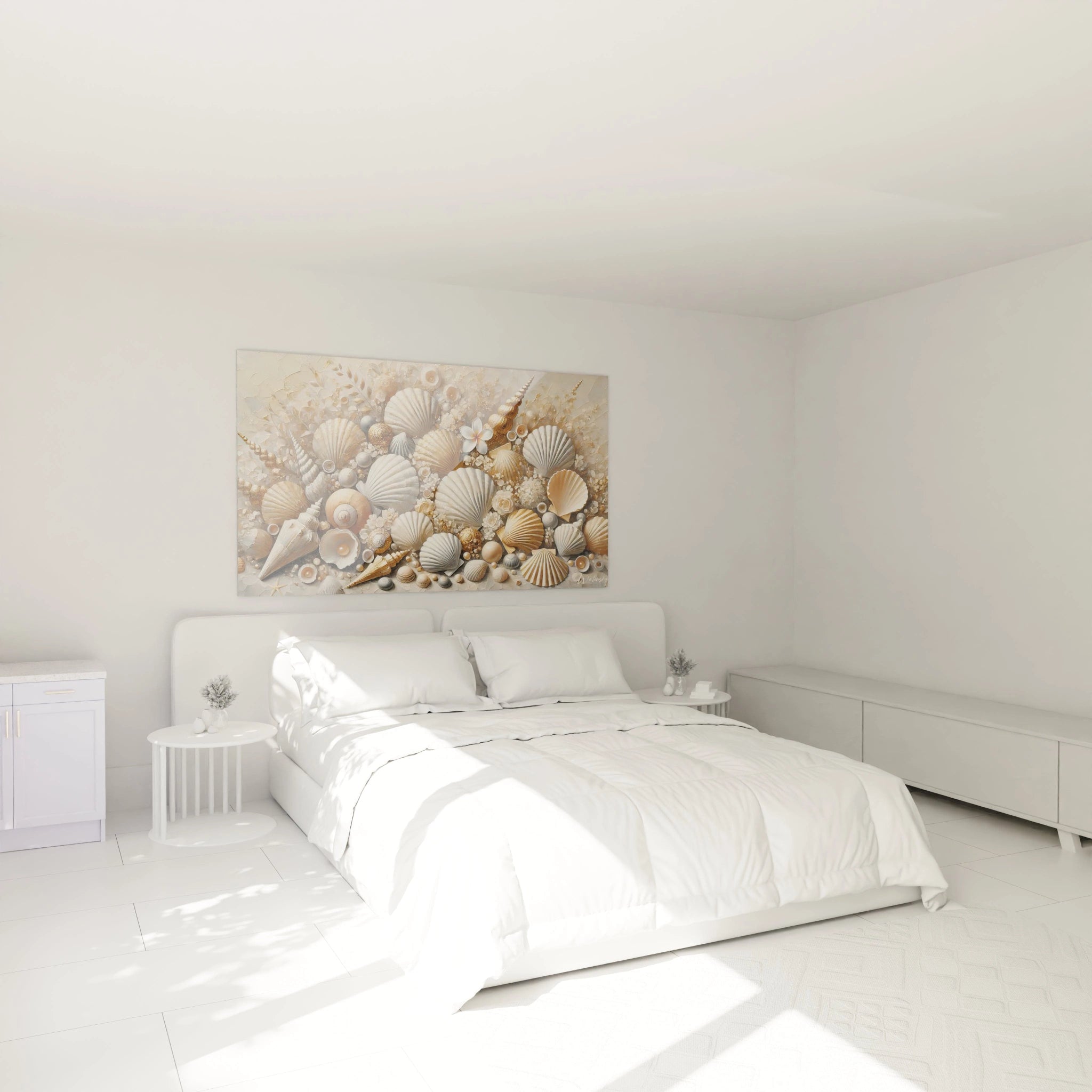
- Marine scenes: Vast blue oceans, sunny beaches, imposing cliffs, colorful coral reefs… Marine paintings evoke serenity, mystery, immensity and the power of nature. They can bring a touch of freshness, escape and elegance to your interior.
- Urban and industrial landscapes with a natural touch: For an interesting contrast, some paintings depict urban scenes where nature intrudes, whether it's climbing plants on facades, trees in the streets, or even a simple window open onto a distant landscape.
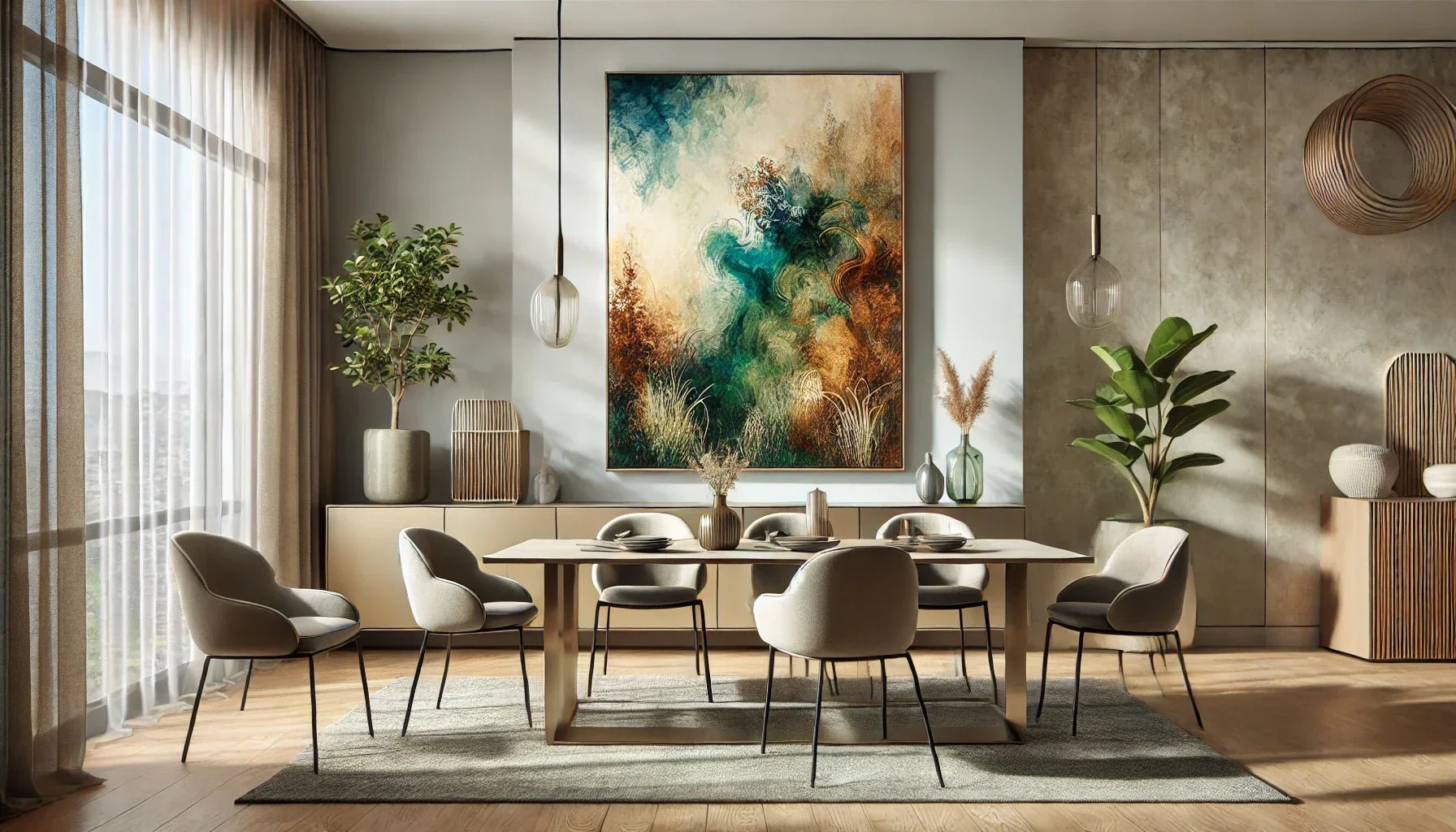
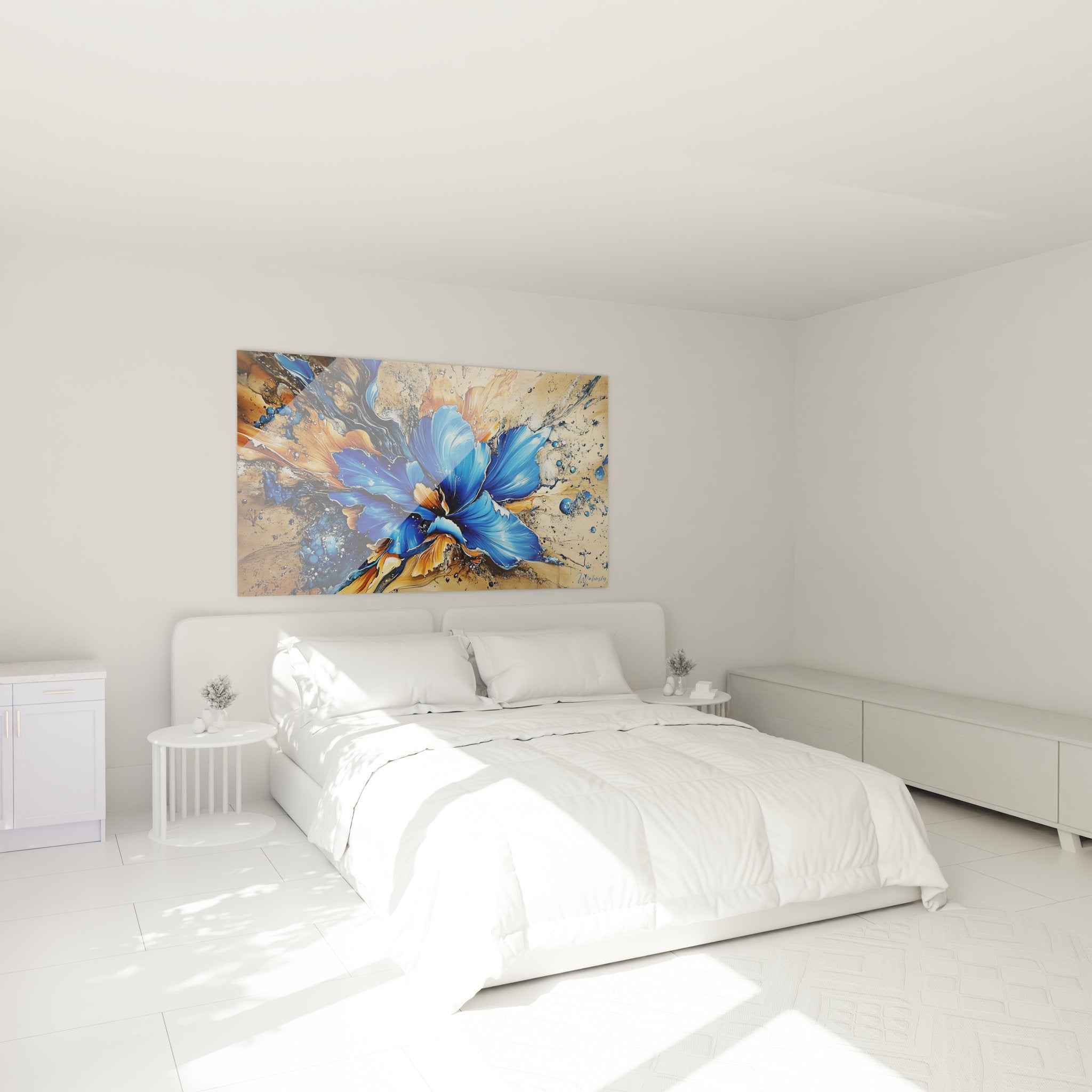
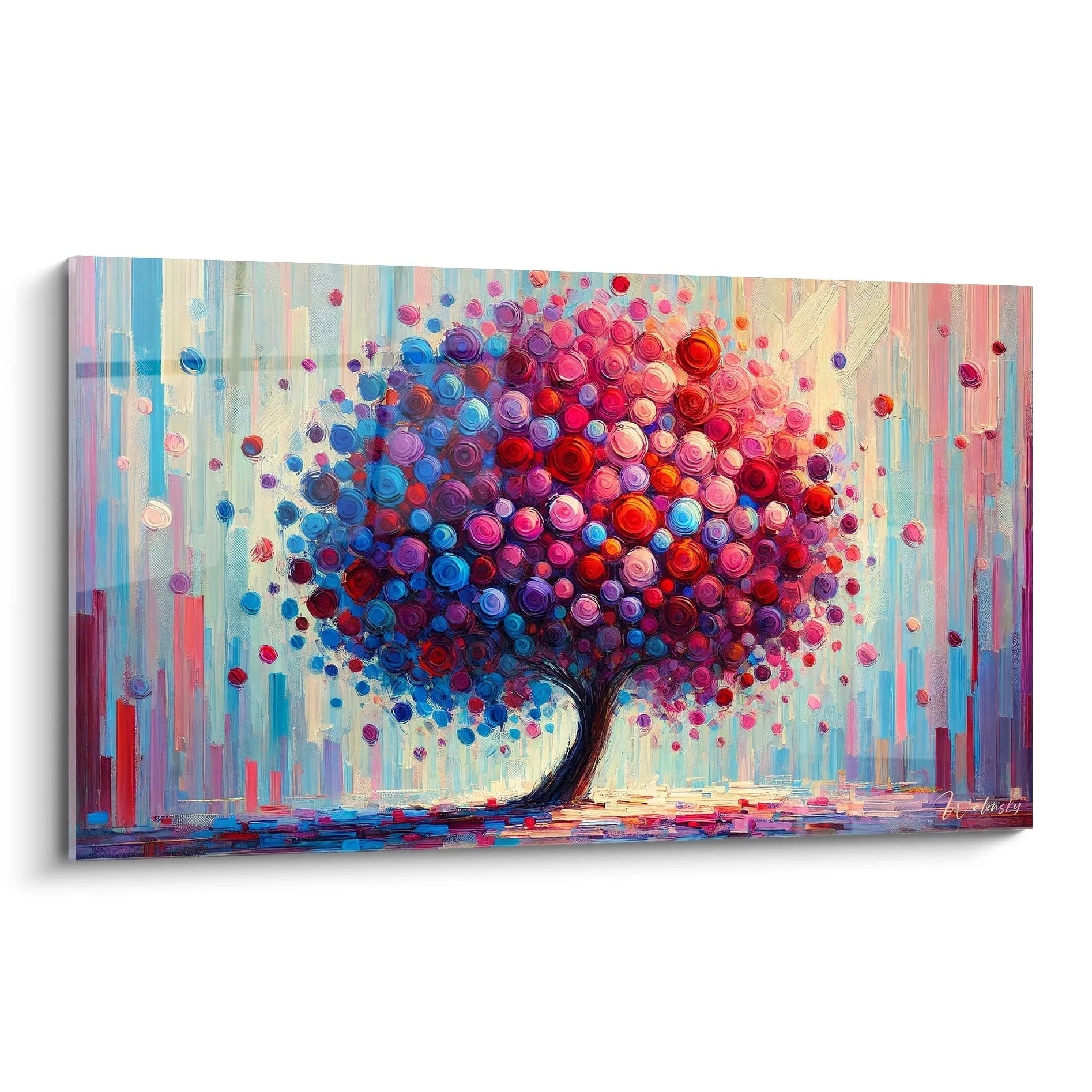
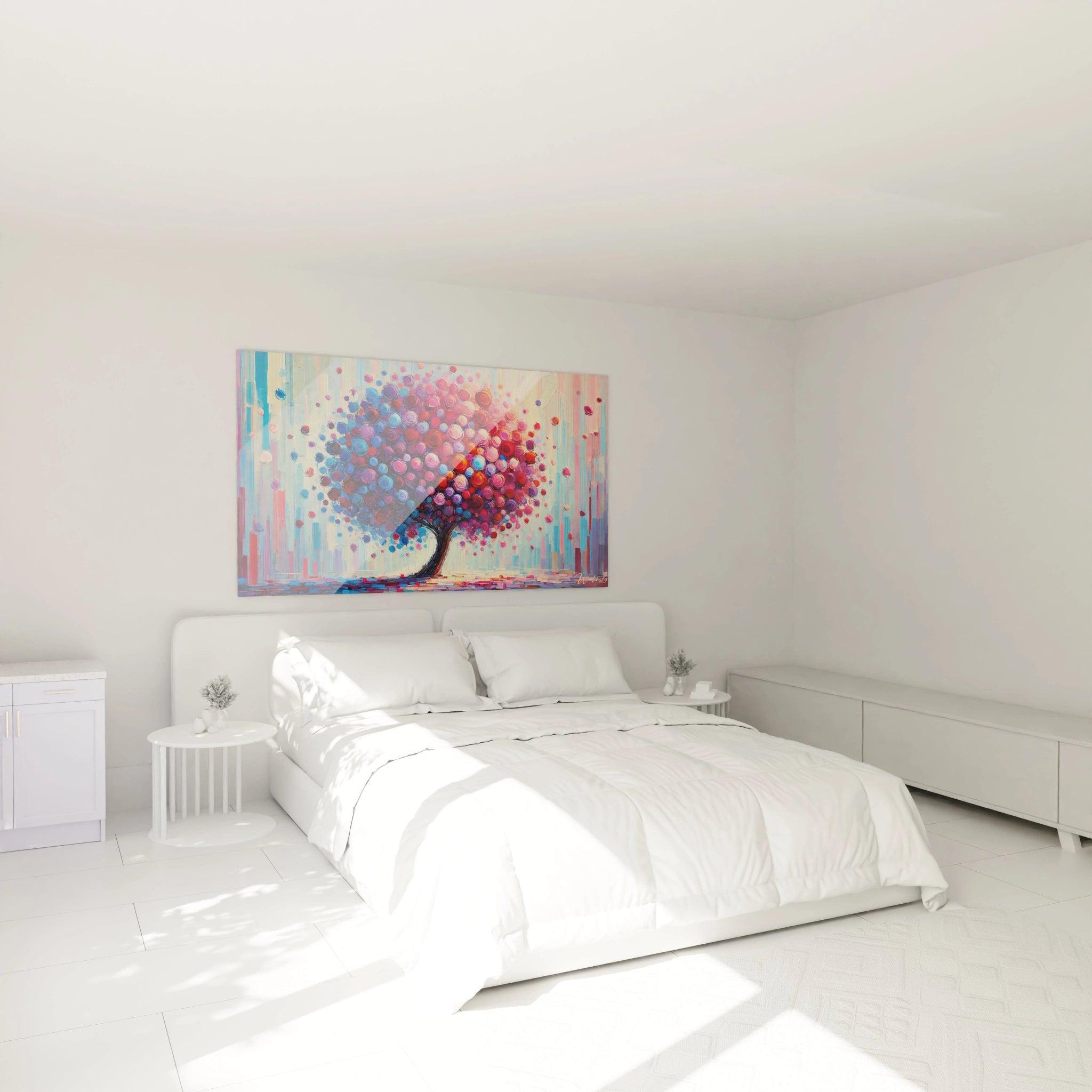
- Abstract nature: For a more modern and contemporary approach, opt for an abstract painting inspired by nature. Shapes, colors and textures suggest natural elements without representing them realistically. Interpretation is free and subjective, leaving room for contemplation and imagination.
- Canvas: A classic and versatile support, canvas offers a pleasant texture and allows for a wide variety of painting techniques, from oil to acrylic, including mixed media.
- Paper: Ideal for watercolors, drawings and more delicate techniques, paper offers a subtle and light rendering. There is a wide variety of papers, each with its unique properties.
- Wood: An original and natural support, wood blends perfectly with a natural decor rustic or authentic. It can be used as a painting support, engraving, or to create sculpted or relief paintings. The choice of wood species will influence the final appearance and color.
- Metal: A modern and elegant support, metal offers a unique and sophisticated rendering. It can be used for abstract paintings, metal prints or more contemporary creations. The shiny or matte aspect, as well as the color of the metal will influence the result.
- Stone: A less common option, stone painting offers a raw and authentic texture, and exceptional durability. Paintings on stone are quite unique and will bring a personal touch to your decor.
- Oil paint: A technique rich in colors and details, oil paint offers unparalleled depth and texture. Colors remain vibrant over time, with a often more realistic rendering.
- Acrylic: A faster and easier-to-use technique than oil, acrylic offers a wide variety of renderings, from the smoothest to the most textured. It allows for quick drying and adapts to different supports.
- Watercolor: A delicate and transparent technique, watercolor offers a light and airy rendering, ideal for delicate landscapes, flowers, and intimate scenes. It requires more advanced technical mastery.
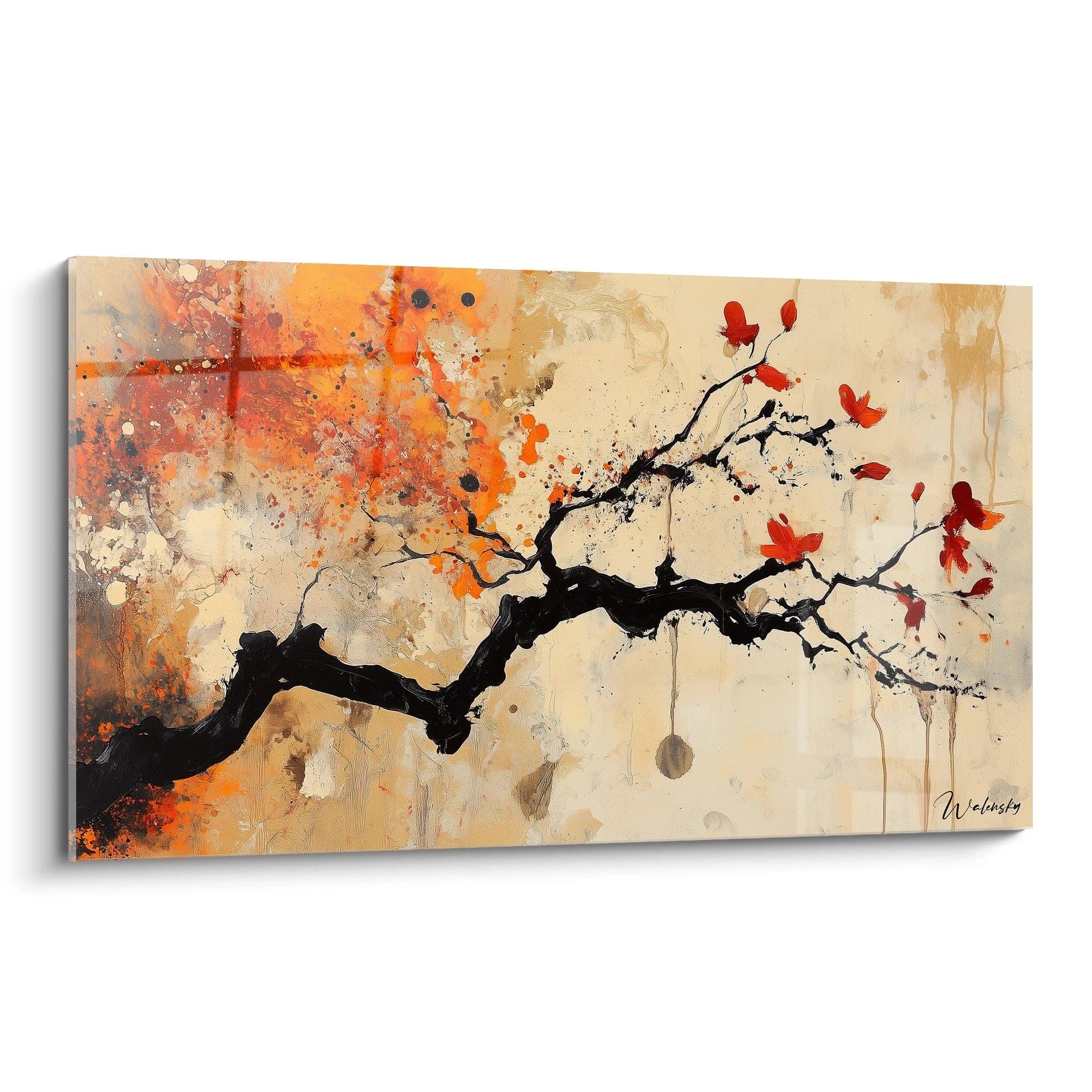
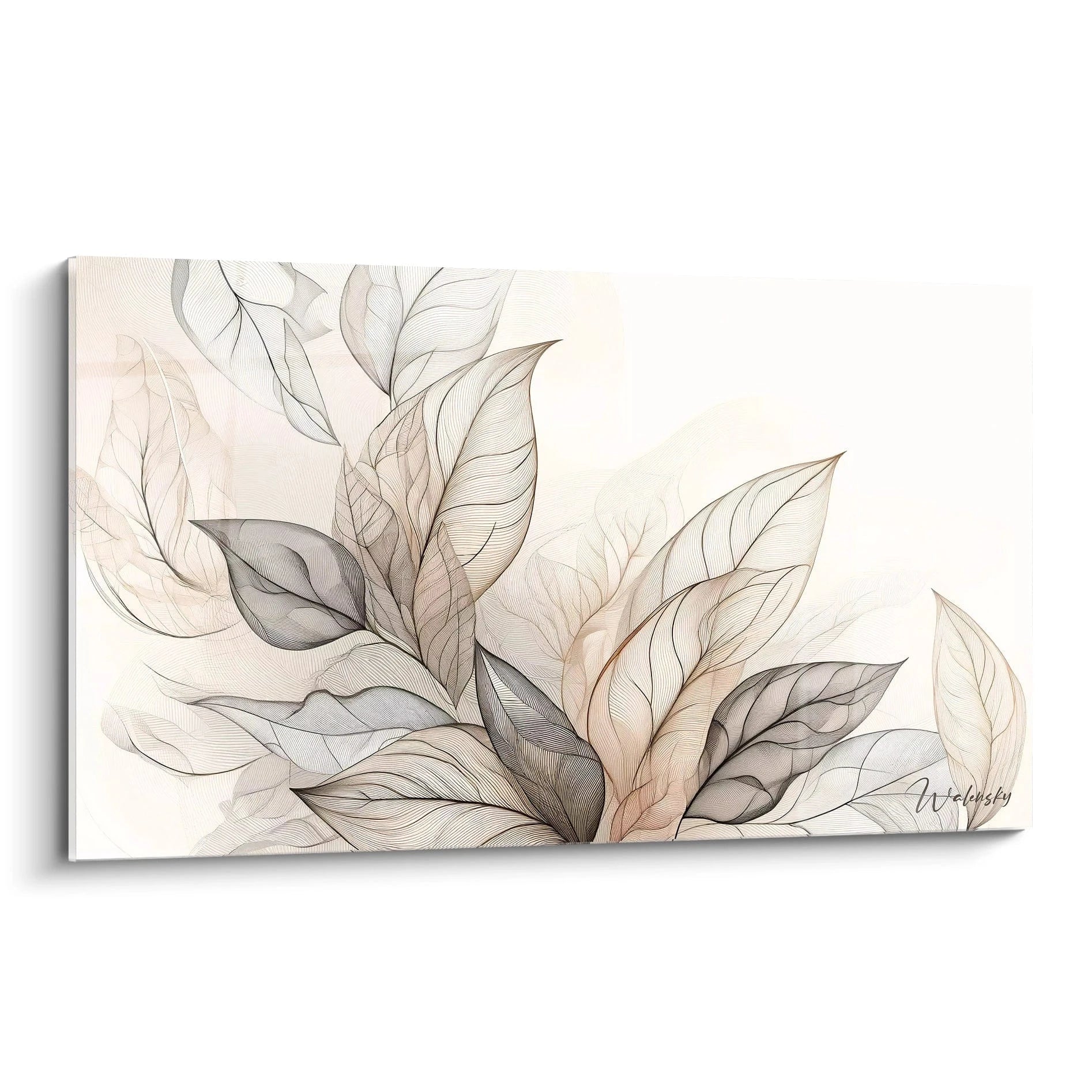
- Ink: Ink allows for very detailed and precise renderings. Used on paper or other supports, it is ideal for illustrations, drawings, and botanical prints.
- Digital printing on canvas or paper: An economical and practical solution, digital printing makes it possible to reproduce images with great precision. The quality of the print and the type of canvas or paper used will impact the final rendering.
- Mixed techniques: For a more original and personal rendering, do not hesitate to explore mixed techniques, combining different techniques (painting, collage, engraving...) and supports. This is an excellent option for creating a unique and expressive piece.
- Harmonize colors: Choose a painting whose colors match the other elements of your decor, whether it's the walls, furniture, textiles, or accessories. A chromatic harmony will create a feeling of balance and coherence.
- Play with textures: Combine your painting with natural elements such as wood, rattan, plant fibers, or plants to create textural consistency. The contrast or harmony of textures can enrich the decor.
- Choose the right size and location: A painting that is too small will get lost, while a painting that is too large can overwhelm the space. Choose a strategic location that highlights the painting without making it dominant. Consider eye level and viewing distance.
- Lighting is essential: Good lighting will highlight the colors and details of your painting. Avoid harsh or direct lighting that could damage the painting. Choose soft, diffused lighting for optimal rendering.
- Consider the style of your interior: Choose a painting that harmonizes with the overall style of your interior (modern, rustic, classic, contemporary...). Stylistic consistency will create a more balanced atmosphere.
- Consider the orientation of the painting: Depending on the subject of the painting, the orientation can influence the visual impact. A horizontal landscape can enlarge a room, while a vertical painting can give an impression of height.
- Don't be afraid of contrast: A nature painting can create an interesting contrast in a modern and minimalist room or add a touch of serenity to a more cluttered space.
- Art galleries: Ideal for discovering original works by local or international artists. Prices are generally higher, but you will be assured of a unique and quality piece.
- Decoration stores: Offer a wide selection of paintings at varying prices, but the quality and originality may be more uncertain. You will often find reproductions or series paintings.
- Online marketplaces: Allow you to easily compare prices and offers from many sellers, but the quality of the paintings and after-sales service may vary.
- Online platforms (Etsy, etc.): You can find unique paintings created by independent artists. The quality and customer service can vary considerably; it is important to check buyer reviews before ordering.
- Art markets and flea markets: An opportunity to find unique and original pieces at attractive prices, but you must be careful about the condition of the painting and the authenticity of the work.
- Independent artists: Contacting artists directly allows you to order a custom artwork, perfectly suited to your needs and style. However, this type of acquisition often requires a custom order and longer lead times.
3. Choosing the support and creation technique: a major aesthetic impact
The support and technique of a nature painting considerably influence its aesthetic rendering, durability and value. Here's an overview of the most common options and their specific characteristics.
4. Tips for harmonious integration into your interior decoration
To ensure that your nature painting integrates perfectly into your decor, here are some tips for optimal visual harmony.
5. Where to buy your nature painting: sources and advice
You can find nature paintings in many places, each offering advantages and disadvantages.
Conclusion: Your nature painting, the finishing touch to your decoration
Buying a nature painting is an investment that will transform your interior into a space of serenity, inspiration and well-being. By following this complete guide, you are now well equipped to choose the perfect painting that matches your tastes, budget and decorating style. Take your time, compare offers, let yourself be guided by your emotions and unleash your creativity to find the unique piece that will enhance your living space and bring you a feeling of calm and fulfillment every day.