



Zen Artworks and Visual Balance: Why Less is More?
11 October 2025 · 4 min read · by Walensky
In a world dominated by visual clutter, zen wall decor emerges as a true oasis of tranquility. A zen decor artwork is not just an aesthetic element; it's an invitation to serenity, a way to calm the mind and harmonize an interior. Its power lies in a millennial philosophy: the art of minimalism and the balance of colors to promote a soothing atmosphere.
Why is this refined visual approach so powerful? How can a zen artwork transform a space into a sanctuary of meditation and well-being? Let's discover together how this art influences our perception and our environment.
The Art of Zen Decor Artwork: A Gateway to Inner Harmony
Far from being a simple trend, the zen wall artwork draws its roots from Japanese culture and Zen Buddhism. Its goal? To create a space where the eye can rest without being assaulted, where every detail is designed to offer a sensory escape.
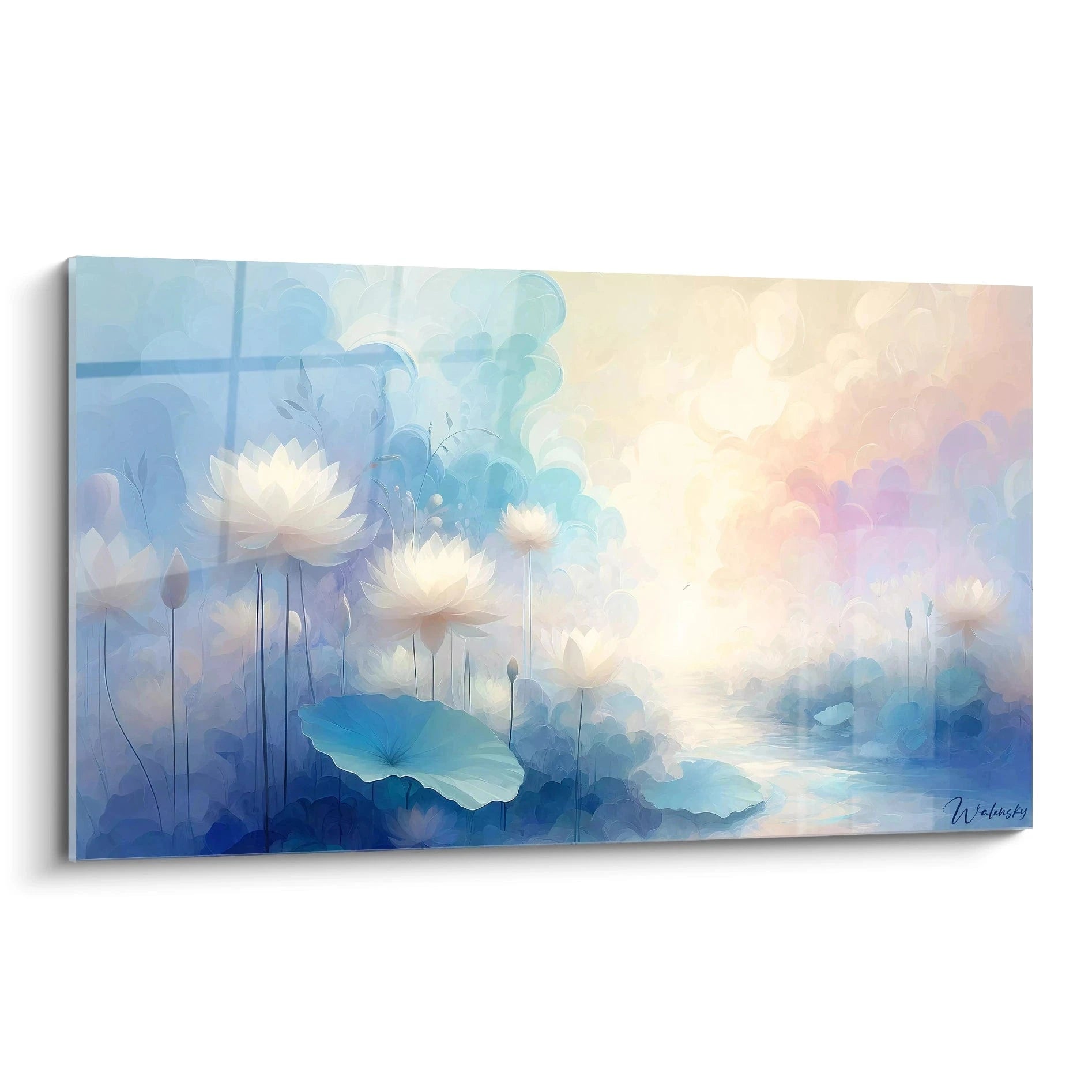
These works often highlight natural elements such as bamboo and lotus, misty landscapes, or Asian symbols such as the Enso circle. Each image has a profound meaning and plays on the notion of visual tranquility :
- A zen nature artwork with misty mountains evokes contemplation and patience.
- A Buddha artwork inspires wisdom and invites reflection.
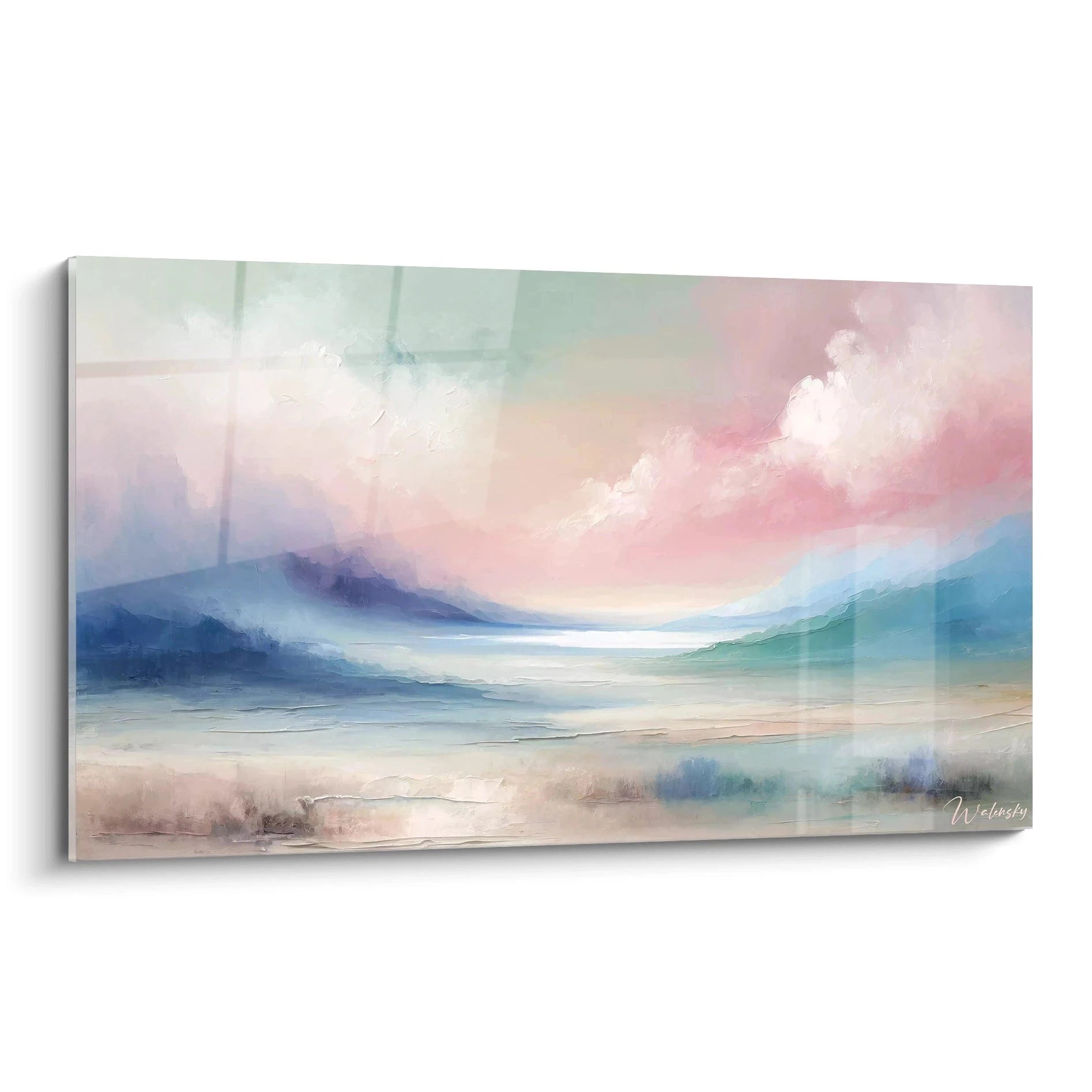
- A minimalist zen painting with soft colors promotes relaxation and emotional balance.
In an interior, these compositions become more than a zen illustration : they participate in the construction of a zen mindset, reducing stress and promoting positive energy.
Minimalism and Zen Artwork: The Power of Emptiness
Visual balance is a key principle of feng shui artwork. Far from the accumulation of decorative elements, this art rests on a simple idea: less is more. A wall overloaded with patterns and aggressive colors can provoke a feeling of oppression. Conversely, a refined zen frame centered on a unique motif and a harmonious palette creates a feeling of space and lightness.
Three key elements make it possible to achieve this inner harmony :
- Negative space : The empty areas around the main subject give the visual breathing room and amplify its impact.
- A natural palette : Beige, white, gray, moss green, or deep blue, these nature-inspired hues promote relaxation and well-being.
- Clean lines : Minimalism emphasizes simple and balanced compositions, inspired by Japanese landscapes and the wabi-sabi principle (beauty of imperfection).
A zen wall art, well-chosen and well-placed, becomes a central element in interior architecture, a true visual anchor that structures the space without overwhelming it.
A Profound Impact on Well-being and Positive Energy
Decoration directly influences our mood and perception of the environment. A zen decor artwork well integrated into a living space brings immediate serenity . In environmental psychology, it is proven that cluttered spaces increase cognitive load, while a clean interior soothes the mind.
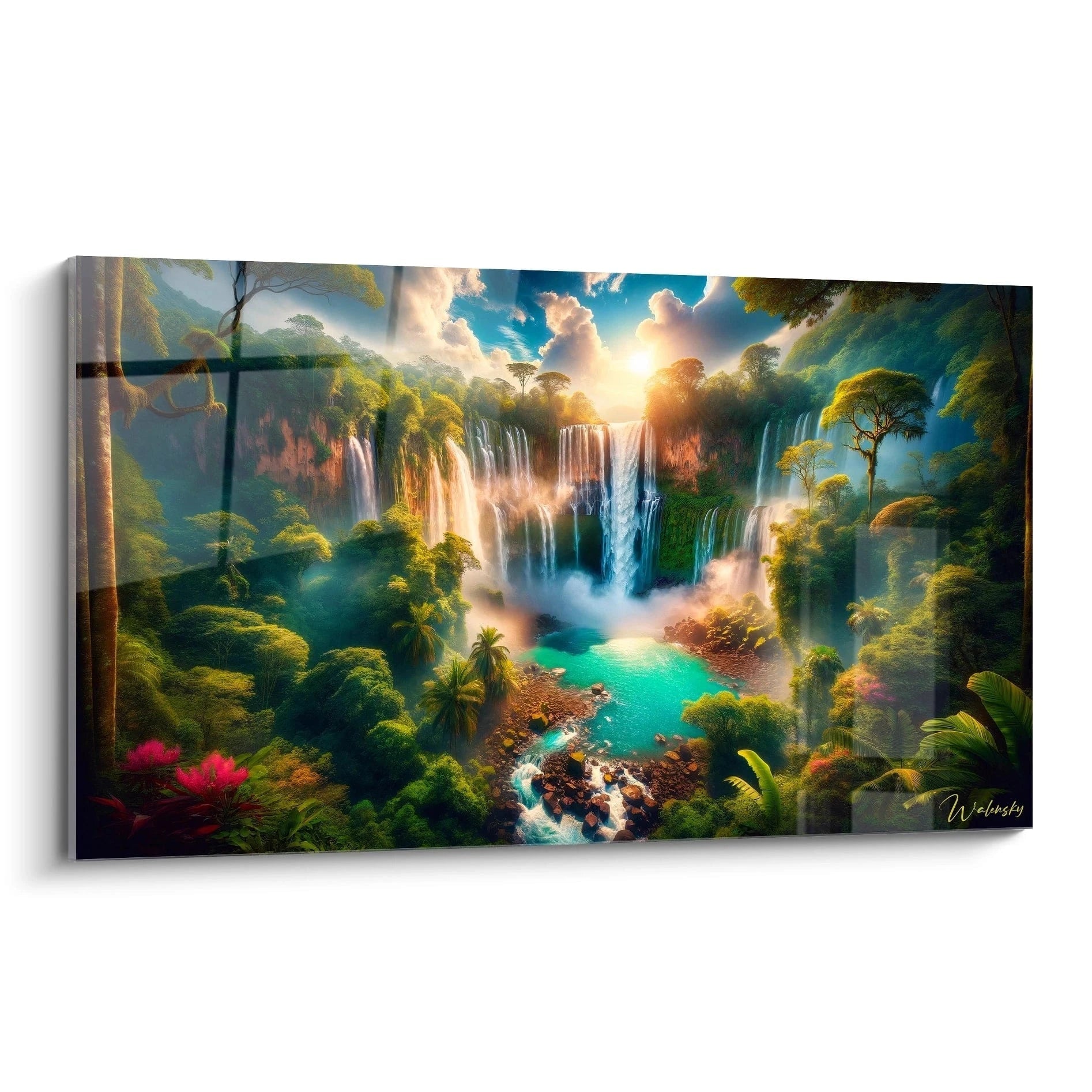
A zen nature artwork featuring forests, water, or mountains allows you to reconnect with the visual benefits of nature, even in an urban environment. A feng shui artwork, centered on a fluid element like a waterfall or a wave, promotes the circulation of positive energy in the room.
In a bedroom, a zen canvas depicting a sunrise over a calm lake creates an atmosphere conducive to sleep and relaxation. In an office, a zen poster with a clean design can stimulate concentration while establishing a more serene work environment.

Feng Shui Artwork and Strategic Placement: Where and How to Integrate It?
In the philosophy of feng shui, the placement of a zen decor artwork plays a crucial role in maximizing its benefits:
- In the living room : A zen wall art depicting a misty nature or a solitary tree can symbolize anchoring and evolution.
- In the bedroom : A relaxation artwork with gentle waves or a zen frame in pastel tones promotes a soothing atmosphere.
- In the meditation or yoga space : A Buddha artwork or an Enso circle reinforces the connection with oneself and the present moment.
- In an office : An abstract zen painting with flowing lines energizes without disrupting concentration.
A feng shui artwork properly positioned acts as an energy filter, bringing to the room an inner harmony and a positive energy that lasts.
Authentic Materials for a Complete Sensory Experience
The impact of a zen decor artwork is not limited to its visual: the choice of materials is just as important to prolong this sensory escape.
- Chinese ink on rice paper : Purity of black and white, lightness of the stroke, this traditional technique offers a feeling of immediacy and spontaneity.
- Natural wood : Used for the frame or support, it reinforces the connection with natural elements, bringing warmth and authenticity.
- Canvas prints : A zen canvas with texture absorbs light and enhances the sense of depth, accentuating the immersive effect.
These materials participate in the creation of a soothing atmosphere, where every detail counts to reinforce the connection with nature and inner well-being.
Zen Deco Canvas: An Invitation to Let Go
Adopting a zen deco canvas, is choosing an interior where every visual element has a purpose: to soothe, balance and recenter the mind. Whether through a zen nature canvas, an abstract zen painting , or a minimalist zen artwork , these works create a direct connection with nature and the principles of serenity and meditation.
More than just decoration, they establish a lifestyle where simplicity becomes a strength, where balance is built with less, to make room for the essential.
— Our selection


Frequently Asked Questions
Why does a refined zen canvas soothe more than a cluttered wall?
A wall cluttered with patterns and aggressive colors can provoke a feeling of oppression. Conversely, a frame centered on a unique motif and a harmonious palette creates an impression of space and lightness: the gaze rests without being attacked and the mind soothes.
What colors should you choose for a zen canvas?
A palette inspired by nature works best: beige, white, gray, moss green or deep blue. These soft hues promote relaxation and well-being. Combined with clean shapes and empty spaces around the subject, they create a true visual breathing space.
What zen canvas should you put in a bedroom?
A soft motif is particularly suitable: calm waves, pastel tones, or a sunrise over a calm lake. This type of image creates an atmosphere conducive to sleep and relaxation. In an office, a clean composition is preferred that supports concentration without agitating the gaze.

What materials should you prioritize for a zen canvas?
Chinese ink on rice paper offers the purity of black and white and the lightness of the line. Natural wood, in frame or support, reinforces the connection with the natural elements. A textured canvas absorbs light and accentuates the impression of depth.
Explore our collections


