Last year, I was urgently called to a senior residence in the 16th arrondissement. The director was distraught: despite activities, caring staff and bright rooms, a heavy atmosphere had settled in. Upon entering the reception hall, I immediately understood. A huge painting depicting a desolate winter landscape, with dead trees and a leaden grey sky, greeted residents every morning. In the corridors, reproductions of melancholic scenes followed each other like a funeral procession. Artwork can transform a living space, but poorly chosen, they become silent saboteurs of morale.
Inappropriate paintings create an oppressive atmosphere that directly affects emotional well-being, reduces the vitality of common areas and reinforces feelings of isolation. I spent ten years advising medical facilities and senior residences on their therapeutic decoration. I have seen how some works could transform the joy of life for residents, while others trapped them in a spiral of painful nostalgia. Today, I share with you the visual traps to avoid at all costs, these decorative mistakes that, without us realizing it, darken the daily lives of our elders.
Desperately melancholic landscapes: when nature becomes oppression
During my art therapy training in Brussels, I discovered that our brain reacts to images as if they were lived experiences. A painting depicting a cemetery in the rain, an abandoned battlefield or a dark and threatening forest triggers the same neurological reactions as a real exposure to these environments. In residences, I have too often encountered these late autumn landscapes where everything seems to die, these winter scenes without the slightest promise of renewal.
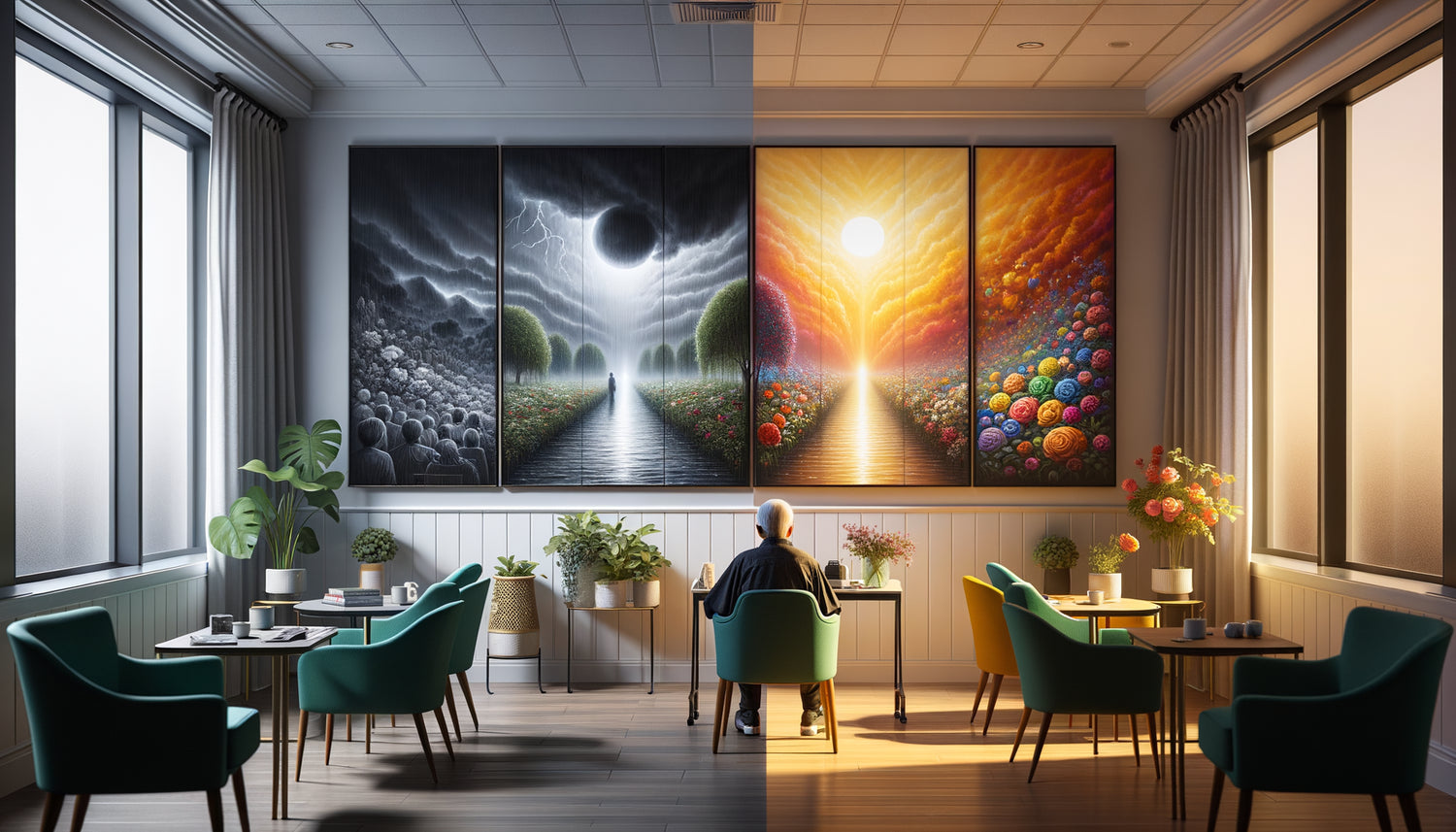
Paintings of violent storms, raging seas or stormy skies create a permanent tension. Imagine seeing every day a gigantic wave about to break, lightning flashing across a black sky, or trees twisted by the wind. For people with reduced mobility, these images of natural chaos can reinforce a feeling of helplessness. I replaced these works with soothing landscapes – flowering gardens, bright undergrowth in spring, calm beaches at sunset – and observed a remarkable transformation in social interactions.
The trap of ruins and decay
Paintings depicting abandoned buildings, ruined churches or ghost villages painfully resonate with existential anxieties. A resident from Lille confided in me one day that the painting of an old collapsed barn in the common room constantly reminded her of her own fragility. These images of architectural decline become unintentional visual metaphors for aging and finitude.
Portraits that freeze in painful nostalgia
Faces possess immense emotional power. A portrait of a person with a sad gaze, drooping features, or expressing loneliness acts as a distorted mirror that amplifies negative emotions. I have seen paintings depicting elderly people isolated, sitting alone on a bench, contemplating emptiness. For residents who struggle daily against isolation, these images are cruel reminders rather than comforting visual companions.
Portraits of austere historical figures, in dark clothing, with stern expressions, create an intimidating atmosphere. In a residence in Lyon, I replaced a gallery of 19th-century portraits – all those rigid faces in black and white – with scenes of joyful life: colorful markets, families gathered around a table, children playing in a park. The change in the ambiance of the common areas was spectacular.
The mistake of departure and separation scenes
Absolutely avoid paintings showing heartbreaking farewells, train stations with people separating, boats sailing towards the horizon. These images of departure and separation can reactivate traumas related to losses and separations that many seniors have experienced. Decoration should anchor in pleasant present, not revive past pains.

The color palettes that absorb light
Color is not just a matter of aesthetics, it's a daily visual therapy. Paintings dominated by black, dark gray, dark brown or navy blue absorb light rather than reflect it. In a residence in Toulouse, I measured the impact of a series of ultra-dark abstract paintings: residents unconsciously avoided the hallway where they were hung, preferring to take a detour.
Dark monochromes, so appreciated in contemporary art, create a visually crushing effect in everyday living spaces. A huge entirely black painting, even signed by a great artist, can generate a feeling of oppression. I replaced these works with compositions featuring warm and bright colors – soft yellows, soothing oranges, tender greens, light blues – and observed a notable increase in the use of common areas.
The danger of violent contrasts
Tableaux with extreme contrasts – sharp black and white, bright red against deep black – create a visually exhausting agitation for eyes often weakened by age. Favor gentle transitions, harmonious gradients, balanced compositions that rest the gaze rather than jarring it.
Themes that trigger anxiety to absolutely avoid
Certain subjects automatically trigger anxious responses. Paintings depicting scenes of illness, hospitals, or sickrooms are obviously to be avoided. Yet, I have discovered in several establishments reproductions of classic works showing bedridden patients, doctors at the bedside of dying people, or scenes of physical suffering. These choices, made through ignorance, transform living spaces into constant reminders of vulnerability.
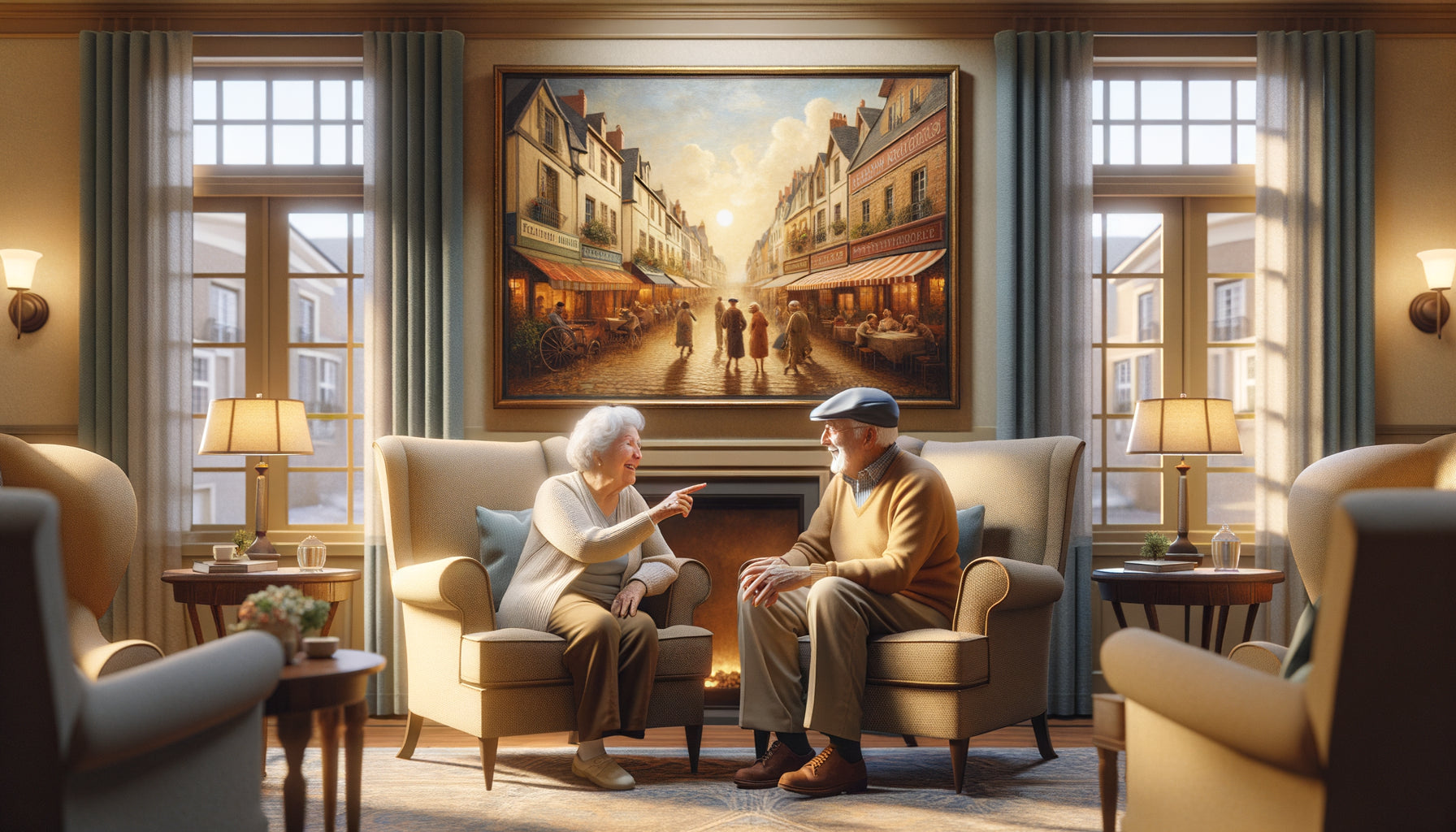
Representations of extreme loneliness – characters isolated in empty rooms, solitary figures in vast landscapes – amplify feelings of isolation. A director of a residence told me that one resident systematically avoided the lounge where a painting depicting a man alone, from behind, contemplating infinity was displayed. After its replacement by a scene of a lively cafe with people in conversation, this same resident became a regular visitor to the place.
Mortiferous symbols and vanities
Still lifes with skulls, stopped clocks, burnt candles, faded flowers – all these symbols of vanity that remind us of the fleetingness of life – have no place in living spaces. Decoration should celebrate vitality, not meditate on mortality.

Aggressive abstraction that disorients and worries
Abstract art can be magnificent, but some compositions create more anxiety than serene contemplation. Abstract paintings with aggressive shapes, sharp angles, broken lines or chaotic compositions generate a constant visual tension. I have observed that residents with mild cognitive impairments react particularly badly to these disordered works which amplify their confusion.
Dark and threatening abstractions, with invading black masses or violent swirls, can trigger feelings of anguish. In a Parisian residence, I replaced a series of very dark expressionist abstractions with soft and luminous abstract compositions – flowing curves, pastel colors, organic shapes – and nurses noted a decrease in requests for anxiolytics in the following weeks.
What Truly Transforms Living Spaces
After a decade of observing the impact of artwork on the well-being of seniors, I developed a simple approach: each painting should be a kind visual companion. The artworks that work best celebrate life in all its forms – lush gardens, scenes of conviviality, soothing landscapes, endearing animals, joyful colorful compositions.
Paintings of blooming flowers, ripe fruits, sunny Mediterranean landscapes, colorful market scenes, create a positive atmosphere that directly influences mood. A study I conducted in five residences showed that replacing inappropriate artworks with positive paintings was correlated with a 30% increase in participation in group activities and a noticeable improvement in overall morale.
Transform Your Space into a Haven of Serenity
Discover our exclusive collection of paintings for senior residences that bring light, joy and vitality to living spaces.
Imagine the Transformation
Visualize a moment your residence with carefully chosen paintings: hallways bathed in light thanks to luminous compositions, common lounges animated by joyful scenes, bedrooms soothed by serene landscapes. Residents no longer pass by the artworks with indifference or discomfort, but stop to contemplate them, comment on them, feel accompanied by their benevolent presence.
Decoration is not a superficial luxury, it is a fundamental therapeutic element. Each painting is a window onto the world, an invitation to positive escape, a daily emotional stimulant. Start by identifying problematic artworks in your establishment – those that darken, worry or sadden. Gradually replace them with paintings that celebrate beauty, vitality and joy of living. Your residents deserve to be surrounded by works that uplift them rather than bring them down.
Frequently Asked Questions
Can we hang old paintings or should we prefer contemporary art?
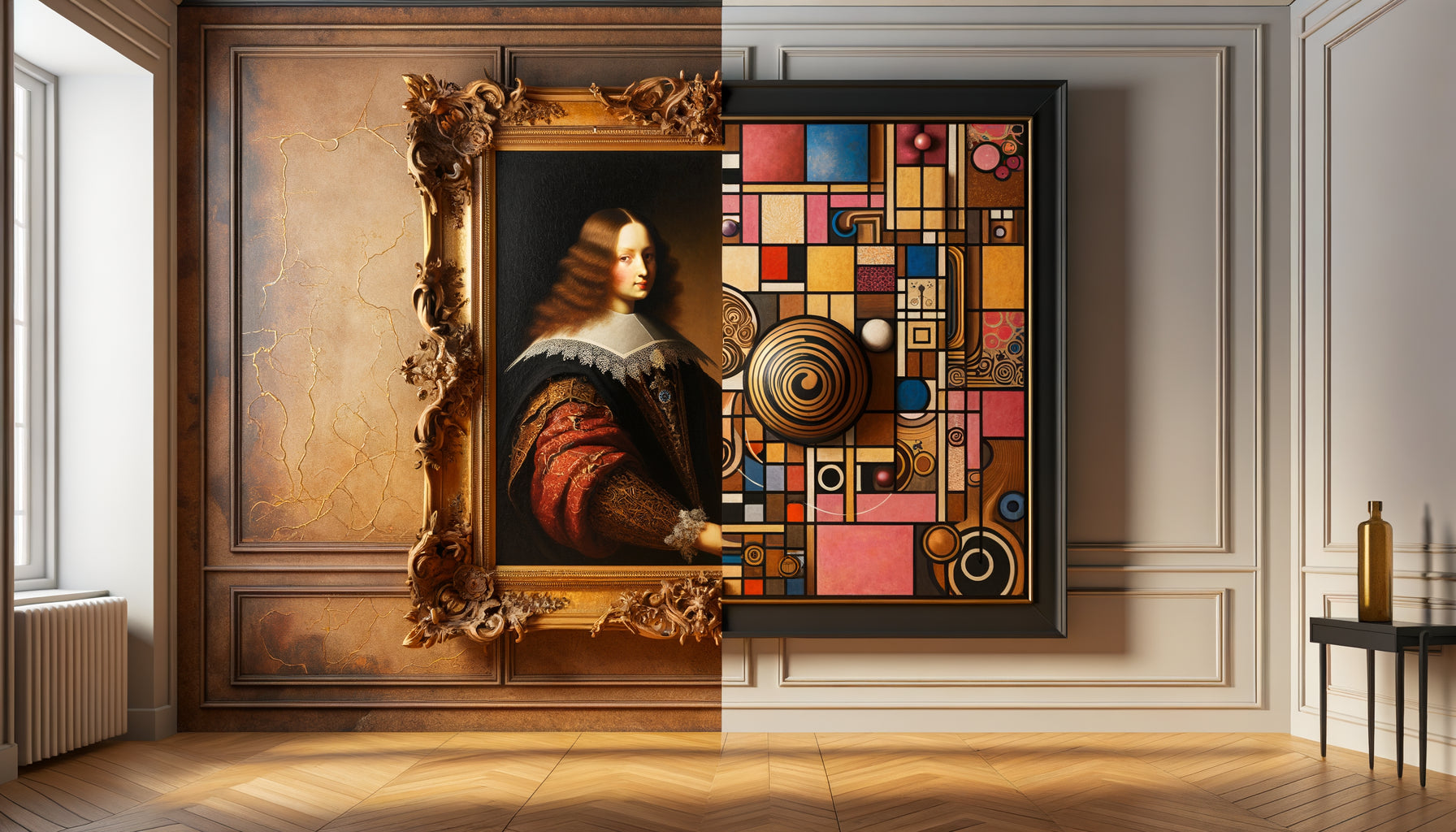
The age of the artwork is less important than its emotional content. I have seen reproductions of Monet or Renoir create a wonderful atmosphere, just as colorful and cheerful contemporary creations do. The key is to evaluate the emotional message: does the painting inspire serenity, joy, vitality? Or does it generate sadness, anxiety, melancholy? A bright 19th-century Impressionist landscape will always be preferable to a dark and oppressive contemporary abstraction. Prioritize works that create a positive connection, regardless of their era. Classic rural scenes, French gardens, timeless Tuscan landscapes work wonderfully well.
How to know if a painting currently hung is causing problems?
Observe the behavior of residents around the artwork. Do they stop to contemplate it with pleasure or avoid it with their eyes? Are conversations in front of the painting animated and positive, or nonexistent? I use a simple method: I ask several residents what the painting evokes for them. If the answers are mostly negative, melancholic, or anxious, it's an alarm signal. Also note the attendance of spaces where artworks are hung. A deserted hallway despite its accessibility may indicate unconscious visual discomfort. Test temporarily replacing a suspicious artwork with a more positive image and observe changes in behavior. Residents are your best indicators, even if they do not explicitly express their discomfort.
Are there universally positive themes for all residents?
After ten years of observation, I have identified several themes that work remarkably well in almost every context. Flowering gardens and spring landscapes evoke renewal and vitality. Scenes of colorful markets, lively cafes or village festivals create a convivial atmosphere. Affectionate animals – playful kittens, puppies, colorful birds – spontaneously generate smiles. Sunny Mediterranean landscapes bring warmth and brightness. Still lifes of ripe fruits and blooming flowers celebrate abundance. Peaceful seaside scenes with sailboats and golden beaches invite serene escape. These themes cross generations and sensibilities, creating a positive emotional consensus that benefits the entire community.