

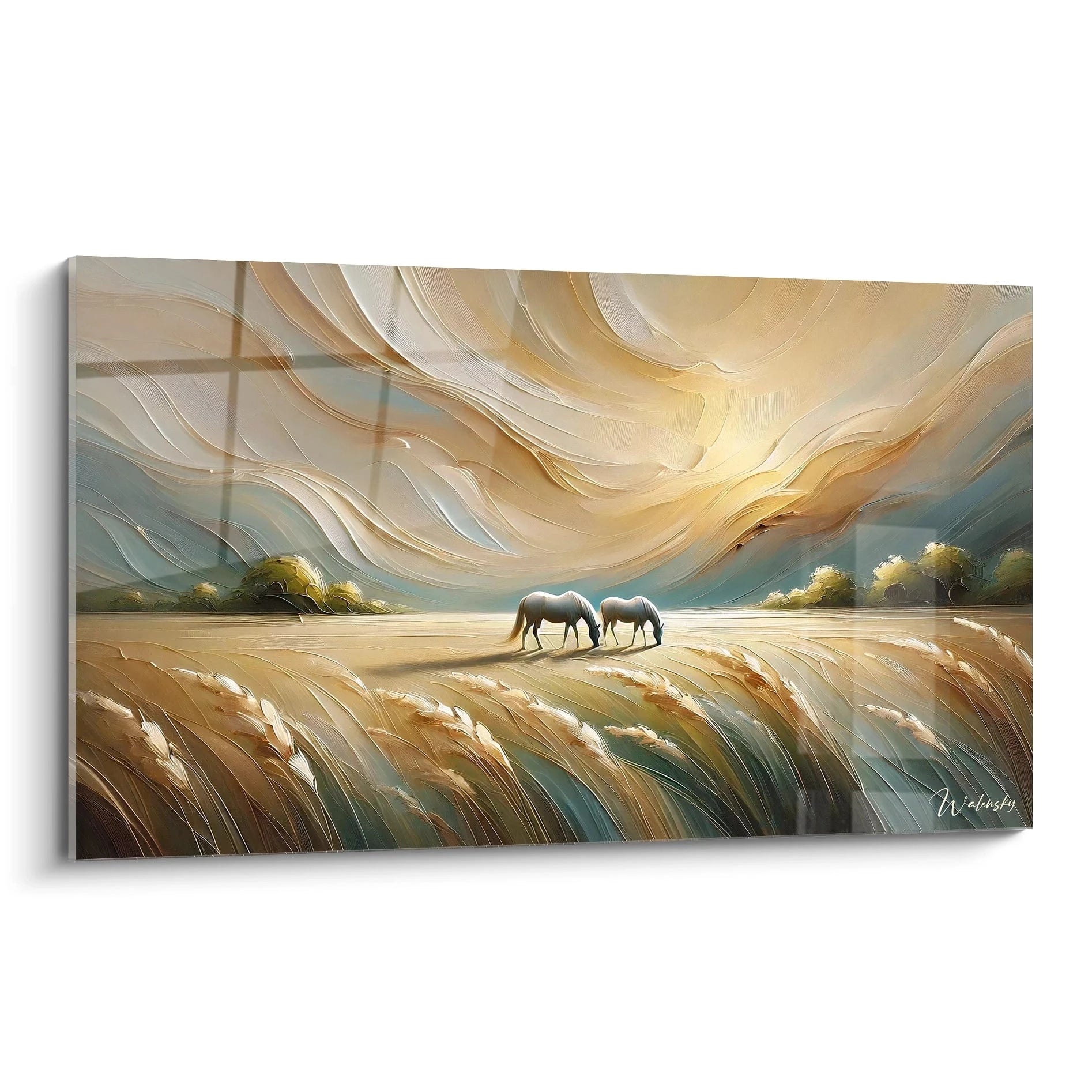
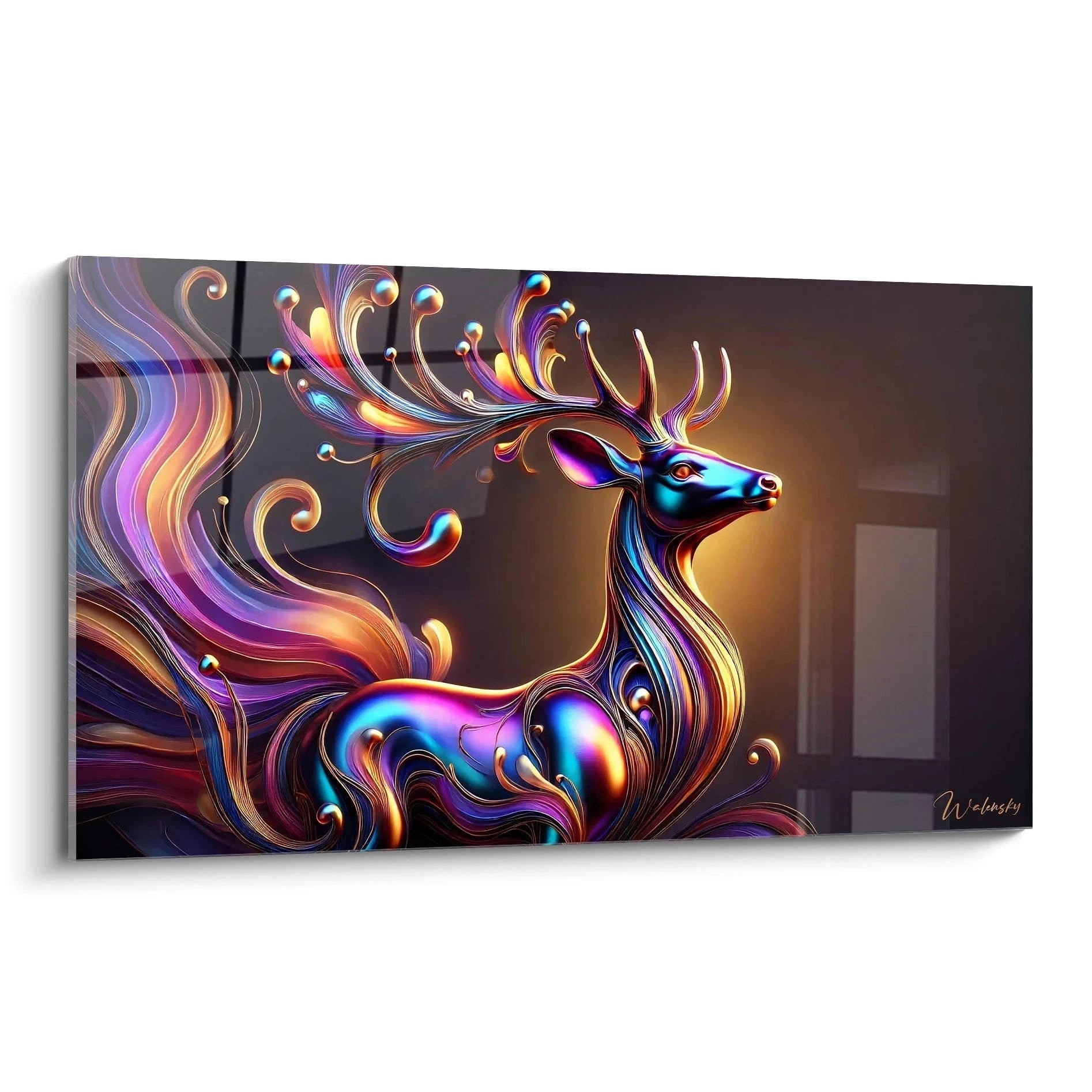

Animal paintings and decorations: essential trends
11 October 2025 · 18 min read · by Walensky
Introduction to animal paintings and decorations trends
In the field of interior decoration, animal themes are experiencing growing popularity, blending nature and aesthetics to transform living spaces. Animal art, symbolizing power, serenity or mystery, is appealing for its ability to infuse a touch of authenticity into both modern and traditional interiors. Whether through hand-painted works or sophisticated digital prints, paintings featuring animals have become centerpiece pieces in many homes.
Current trends are characterized by a diversity of styles and representations. Some are opting for minimalist works, where subtle black and white animal sketches offer an elegant contrast. Others prefer vibrant and bold compositions, highlighting bright colors to represent exotic fauna, such as parrots or tigers. The use of innovative materials, such as canvas or metal prints, also helps to modernize these works.
Among the most popular choices are:
- Realistic animal portraits : Illustrating every detail of fur or feathers, they inspire admiration and respect.
- Animal geometric shapes : Very popular in contemporary interiors, they combine abstraction and elegance.
- Motifs inspired by the wild nature : African fauna, tropical forests or seabeds are frequently highlighted.
These works are not limited to walls. Accessories such as cushions, tapestries and decorative objects now also feature these animal motifs. Their universality and ability to adapt to varied tastes make them a true phenomenon in the world of decoration.
Why animal motifs dominate interior decoration
Animal motifs occupy a prominent place in interior decoration for various reasons, blending captivating aesthetics and cultural significance. These designs combine sophistication, nostalgia and boldness, transforming each space into a scene that is both lively and authentic.
Rich symbolism and connection to nature
Animals have always been imbued with symbolic meanings across cultures and eras. Whether it's the majestic strength of the lion, the wisdom of the owl, or the freedom of the bird, these motifs establish a powerful emotional connection with nature and the values it embodies. Owners frequently find in these images a personal expression, a reflection of their identity or their aspirations.
Versatility of Motifs and Styles
Animal motifs adapt perfectly to a wide range of decorative styles. Whether they are modern, classic, eclectic, or bohemian, these elements can be integrated in various forms:
- Wall Art : For a strong visual impact or a subtle atmosphere thanks to a monochromatic or minimalist style.
- Textiles and Accessories : Cushions, rugs, or curtains adorned with leopard, zebra, or tropical patterns bring a touch of warmth and comfort.
- Sculptures and Art Objects : They add an artistic and tactile dimension.
Emotional and Sensory Attraction
Animal representations bring not only a visual aesthetic but also emotional comfort. They evoke childhood memories, exotic adventures, or dreams of freedom. Moreover, their diversity in terms of colors and textures allows stimulating the senses and instantly energizing a room.
The Impact of Contemporary Trends
Current movements towards sustainability and naturalistic themes reinforce this popularity. Inspiration drawn from the animal kingdom highlights harmony and the celebration of biodiversity, responding to the growing desire for a balanced and environmentally friendly lifestyle.
The Iconic Animals and Their Meaning in Decoration
Animals occupy an important place in the world of decoration, not only for their unique aesthetic but also for the symbols they embody. Each animal brings a particular energy to a space and conveys a distinct message, thus marking modern interior decoration trends.
Symbolism of Popular Animals
Here is a selection of iconic animals and their common meanings in decoration:
The Lion : Symbol of courage, power, and royalty, the lion is often used in paintings and accessories to bring an impression of grandeur and authority. It is perfect for formal spaces or bold interiors.
The Elephant : Associated with wisdom, longevity, and prosperity, the elephant is very popular in traditional Asian or African decorative styles. Representations of elephants are often seen as good luck charms, especially when they have their trunk raised.
The Butterfly : With its symbolism of transformation and lightness, the butterfly is ideal for creating a soft and poetic atmosphere in a room. It adapts perfectly to spaces such as a bedroom or an office.
The Deer : The deer embodies serenity, nobility, and a connection with nature. Its minimalist representations are particularly appreciated in Scandinavian or rustic decor.
The Owl : Symbol of mystery and wisdom, the owl brings an enigmatic touch to interiors. It finds its place in rooms intended for study or reflection.
The Role of Animals in the Atmosphere of an Interior
The strategic use of animals in interior decoration makes it possible to create varied and personalized atmospheres. Depending on the choice of motifs and colors, an interior can evoke a feeling of luxury, nature, or even cultural escape. Whether through paintings, sculptures, or decorative objects, animals confer a strong identity and bring character to spaces.

Popular materials for animal paintings : from canvas to metal
The choice of material plays an essential role in the aesthetics and durability of animal-inspired paintings. Each support brings a unique texture and influences how patterns are perceived. Exploring the most common materials, from traditional canvas to modern metals, highlights a variety of options suitable for different styles and decoration environments.
1. Canvas, a timeless classic
Canvas remains one of the most popular supports for creating animal paintings. Thanks to its flexibility and light texture, it allows for precise application of paints, whether acrylic or oil. This material gives an organic effect ideal for realistic or stylized depictions of wildlife. Stretched canvas frames also offer a three-dimensional aspect, reinforcing the visual impact.
2. Wood, for a natural and rustic touch
Wood, with its warm tones and distinctive grain, constitutes an elegant base for animal artworks. This material harmonizes particularly well with rustic or Scandinavian styles. Whether in the form of panels or rounds, it offers a certain stability and highlights animal paintings in earthy or monochrome tones.
3. Metal, for a contemporary aesthetic
Metal, increasingly popular, integrates perfectly into modern or industrial interiors. Artists use aluminum or steel to create minimalist or abstract paintings. This material offers a smooth and reflective surface, ideal for monochromatic prints or pieces with shiny finishes. Metal paintings are also known for their durability and resistance to wear.
4. Glass, a bold choice
Animal artworks on glass are distinguished by their elegance and refinement. This support allows you to play with light and transparency, creating captivating visual effects. Often used for prints or engravings, glass gives a sophisticated touch, although it is more fragile than other materials.
Each material has its own advantages and adapts to varied aesthetic preferences. The choice of support can enhance or transform the interpretation of an animal painting, highlighting how essential this detail is in decorative art.
— Our selection


Artistic styles in animal decorations: minimalist, abstract, realistic
Wall decorations with animal themes, particularly paintings, come in several artistic styles that allow everyone to capture a unique aesthetic while reflecting their tastes and space. Minimalist, abstract, and realistic styles stand out for their creative approaches and their ways of interpreting the animal world.
The minimalist style
Minimalism focuses on the essentials by eliminating unnecessary details. Minimalist animal artworks generally highlight simple lines, clean contours, and a restricted color palette. This style, often based on geometric shapes or light tracings, aims to evoke an idea rather than an exact representation. For example, a black silhouette of a bird on a white background embodies delicacy and simplicity. This type of design finds its place in modern or Scandinavian interiors that prioritize sobriety and open space.
The abstract style
The abstract style disregards realistic forms to focus on colors, textures, and movements. Animals are often represented through vibrant splashes of paint or distorted shapes, conveying the character or emotion the animal embodies. A painting of an elephant in vibrant shades of orange and blue, filled with fluid and dynamic patterns, will produce a striking visual effect. Abstraction integrates perfectly into spaces with contemporary or artistic designs.
The realistic style
Conversely, the realistic style captures the precise and authentic details of each creature. It reflects a concern for accuracy with textures, proportions, and expressions faithful to the natural world. Paintings depicting majestic lions or horses galloping in a field embody a direct tribute to natural beauty. This style, often rich in nuances and shadows, is particularly well-suited to rustic or classic interiors, bringing a timeless and refined touch.
Each of these styles translates the animal universe from various angles, allowing for a visual richness adaptable to all spaces.
How to integrate animal paintings into different spaces in your home
Animal paintings add a unique charm to interior decoration while reflecting a passion for nature. Their placement in different spaces in the home can transform an ordinary room into a place that is both welcoming and stylish. Here are some suggestions for integrating them harmoniously into your interior.
1. Living room: a space for creativity and conviviality
In the living room, an animal painting can easily become the focal point of the room. A work depicting a majestic animal, such as a lion or an elephant, can be placed above the sofa or fireplace to attract attention. If space is limited, a series of small works featuring familiar or exotic animals can be installed as a gallery on a wall.
2. Bedroom: a soothing atmosphere
For a bedroom, paintings featuring animals with soft tones, such as birds or deer, are ideal for creating a soothing and serene atmosphere. These works can be hung above the bed or on a side wall for a subtle and cozy decorative effect.
3. Kitchen: a touch of liveliness
The kitchen, often neglected for wall decoration, can benefit from the addition of paintings with images of farm animals or playful illustrations. This gives a joyful and authentic character to this utilitarian space.
4. Hallway: an artistic transition space
Hallways, with their often linear space, lend themselves to series of animal paintings. Illustrations aligned such as bird prints or minimalist drawings of marine animals bring a discreet and elegant dynamism.
Each animal painting can convey a distinct character and reflect a personality through an aesthetic style, whether it is realistic, abstract, or whimsical. Incorporating these works into various spaces adds a touch of nature and creativity to the home.
— Also to discover


Colors and palettes to prioritize for a harmonious visual effect
To create a balanced and visually appealing wall decor with animal and wildlife prints, the choice of colors and palettes is essential. Color harmony between decorative elements and the surrounding space promotes a soothing and cohesive ensemble. Each piece, depending on its brightness and usage, calls for different shades.
Natural and earthy tones
Natural and earthy tones, such as browns, beiges, or soft greens, help to highlight the presence of animals. These shades integrate particularly well into rustic or Scandinavian interiors, reinforcing the connection with nature. For example, a work representing a deer in a palette of browns and greens can evoke a relaxing forest atmosphere.
Contrasting palettes for visual dynamism
For a bolder effect, the contrast between deep and vibrant colors can be favored. A painting of exotic animals, such as parrots or tigers, gains impact when presented with bright colors such as red, turquoise, or mustard yellow. This can add a touch of dynamic energy to your interior.
Monochrome and minimalist palettes
Minimalism remains an essential trend. Black and white or grayscale works adapt easily to any type of space. They are particularly suitable for contemporary or industrial styles, emphasizing the lines and shapes of animal representations rather than the colors themselves.
Practical tips
- Adapt the palette to the room : Soft colors for bedrooms, and vibrant shades for living spaces.
- Coordinate with existing elements : Integrate paintings into a palette that complements furniture and decorative accessories.
A thoughtful use of colors guarantees a harmonious and captivating decoration.
— In the same spirit


Current trends: focus on digital paintings and animal illustrations
Digital paintings and animal illustrations are taking a growing place in the world of modern decoration, combining artistic innovation and fascination with the fauna. These creations, often made using specialized software or graphics tablets, allow to explore a wealth of details and textures that transcend the limits of traditional techniques. Art lovers are now looking for pieces that are both contemporary and expressive, capable of capturing all the dynamism and splendor of the animal kingdom.
Several trends stand out in this ever-evolving universe:
- Digital realism : Hyperrealistic works, faithfully reproducing the texture of feathers, the shine of scales or the intensity of gazes, seduce by their precision. These paintings, often focused on wild animals such as tigers, eagles or wolves, create an immediate visual impact.
- Animal abstraction : In opposition to realism, some artists opt for a bolder approach, playing with geometric shapes, vibrant colors or deconstructed lines to reinterpret the silhouette and essence of iconic animals.
- Minimalist compositions : Simple and clean lines are also enough to express the majesty of animals. These creations blend harmoniously into modern and understated interiors.
- Integration of local fauna : Artists are now increasingly inspired by endemic species, giving their works a more personal and ecological dimension.
Digital paintings, combined with high-quality prints on canvas or acrylic glass, offer unparalleled flexibility. Whether in living rooms, bedrooms, or even offices, these unique pieces attract the eye and spark conversations. The popularity of these illustrations reflects a deep connection between contemporary design and a timeless fascination with the animal world.
Custom animal portraits for personalized decor
The personalization of interior decorations with custom animal portraits has become a major trend, combining art, design, and affection for animals. This concept allows transforming the faces of our four-legged companions into true works of art, perfectly suited to all types of interiors. Personalized portraits offer a unique way to capture the personality and essence of an animal, while creating a decorative element that attracts attention.
Why opt for custom animal portraits?
Animal owners see these portraits as a way to celebrate their love for their pets. The benefits include:
- Expression of uniqueness : Each animal is different, and a custom portrait reflects their character, whether it's a mischievous dog, a majestic cat, or an elegant horse.
- Adaptability to interior style : These creations allow for a variety of artistic styles, ranging from abstract to realism, to harmoniously integrate into any type of decoration, whether it is modern, rustic, or minimalist.
- Durability : Made with quality materials, personalized paintings are resistant to time, offering a lasting sentimental and decorative dimension.
Available options
Artists and designers offer multiple options to personalize these works. Customers can:
- Choose the format and size of the painting.
- Determine the artistic style, such as a realistic, caricatural, or illustrative approach.
- Select backgrounds, specific themes, or colors consistent with their space.
Furthermore, online platforms simplify the process, allowing to upload animal photos for orders directly adjusted according to preferences.

Other selected pieces
Bengal Cat Sleeping Painting - Rose Softness - Bengal cat Edition
232.90€
Discover this painting →Support local and ethical artists through animal decor purchases
Purchasing decorations inspired by the animal world represents a unique opportunity to support the talent of local artists and promote ethical production. This choice goes beyond the aesthetic aspect, as it encourages approaches that respect the environment and communities.
Why prioritize local artists?
Local artists bring a deeply personal dimension to their creations. Their works, often influenced by their region and its emblematic species, reflect an authenticity that cannot be reproduced by mass productions. Investing in animal paintings or sculptures from their expertise also contributes to the local economy. It values the cultural heritage while allowing these creators to pursue their passion.
The importance of ethics in decorative art
Some animal decor pieces are made from sustainable or recycled materials, ensuring a low environmental impact. Many artists actively engage in responsible practices, avoiding animal exploitation or the use of harmful substances. Incorporating such works into a living space reinforces the idea of conscious and respectful consumption.
Tips for supporting good initiatives
To effectively support ethical artists, it is helpful to:
- Favor local artisan markets where artists showcase their creations directly.
- Check the origin of the materials used, favoring those that are environmentally friendly.
- Look for ethical art labels that guarantee responsible practices.
- Follow artists on social media, allowing direct interaction and the possibility of personalized purchases.
Supporting these initiatives gives a deeper meaning to interior decoration, transforming each piece into a celebration of art, nature, and shared human values.

Tips for choosing the perfect animal painting according to your lifestyle
When selecting an animal painting, it is essential to consider not only your aesthetic preferences but also your lifestyle and the atmosphere you want to create in your home. Here are some key aspects to consider for making the perfect choice.
1. Consider the size of your space
An imposing animal painting integrates spectacularly into a spacious room, while a smaller canvas is better suited to a restricted space. For a living room with high ceilings, prioritize works in a vertical or panoramic format. In a compact bedroom or hallway, a smaller painting or a gallery series may be ideal.
2. Pay attention to your color palette
The chosen animal painting should complement the dominant colors of your interior decoration. For a minimalist space dominated by white or black, opt for a dynamic canvas with vibrant hues. Conversely, if your interior is already rich in colors, neutral or pastel tones will offer visual harmony.
3. Adapt to your lifestyle
If you have a lively home with children or pets, consider paintings with a matte finish or protected under glass to facilitate their maintenance. Those seeking a relaxing space can opt for clean illustrations representing peaceful animals such as birds or deer.
4. Take into account your passions and your identity
Examine how much the painting reflects your personal tastes. Lovers of exotic fauna may prefer representations of lions or elephants, while those who love Nordic nature will be more interested in deer or foxes.
5. Evaluate the materials and finishes
Canvas prints offer a warm texture, while framed engravings exude a sophisticated look. Also consider durability—high-quality works resist moisture or UV rays better, a crucial criterion depending on your location.
By considering these points, everyone can find an animal painting perfectly suited to their environment and lifestyle.
Maintenance and preservation of animal paintings and decorations
Maintaining and preserving animal paintings and decorations is essential to ensure their longevity and vibrancy. These pieces, often made from natural materials or inspired by wildlife, require specific care tailored to their unique characteristics.
Fundamental principles for preservation
Humidity and temperature control Animal paintings and decorations should be kept in a stable environment. Excessive humidity can damage paints and organic materials such as wood or fabrics. The temperature should remain moderate, ideally between 18 and 22 degrees Celsius.
Protection from direct light Prolonged exposure to direct light, especially sunlight, can fade pigments or damage natural fibers. The use of curtains, blinds, or UV-protective glass for framing artworks is highly recommended.
Keep away from dust and pollution sources Dust, fine particles, and pollution can alter the colors and surfaces of artworks. These elements should be cleaned regularly with soft, non-abrasive cloths to avoid scratching or removing delicate details.
Adapted maintenance techniques
- Gentle cleaning : Using a dry microfiber cloth without chemicals is ideal for decorations with fragile details. Varnished surfaces, on the other hand, can be lightly cleaned with specific solutions.
- Repair of minor damage : Visible cracks, scratches, or chips should be treated by professional restorers to preserve the integrity of the artwork.
- Secure framing : The use of airtight frames or protective materials can prevent the intrusion of insects or mold.
Other important precautions
Animal paintings and decorations should also be handled with care when moving them. Cotton gloves are recommended to minimize the risk of transferring body oils. In addition, the temporary storage of these pieces should be done in a dry, ventilated space free from pests. By taking these precautions, their beauty and visual impact can be appreciated for many years.
Conclusion and inspirations for adopting animal trends in your interior
Animal motifs and representations lend themselves to an infinite number of decorative styles, ranging from bold exoticism to subtle minimalism. Their popularity is growing thanks to their ability to infuse spaces with a unique and personal atmosphere. To integrate this essential trend, it is essential to explore creative and adapted strategies for each interior universe.
1. Choose artworks adapted to the space
For a living room or bedroom, large paintings depicting majestic animals such as lions or elephants bring a touch of grandeur. In smaller spaces, such as offices or entrances, detailed or abstract illustrations of birds or insects can subtly enhance the ambiance.
2. Play with various decorative elements
In addition to paintings, other options reinforce this theme. Among these ideas:
- Animal-printed cushions, perfect for adding a touch of comfort and whimsy.
- Animal statues or figurines, ideal for creating focal points on shelves or furniture.
- Animal-patterned wallpaper, an immersive and bold solution for dressing an entire wall.
3. Harmonize the animal style with the existing palette
The colors in animal depictions play a key role. For example, neutral and earthy tones pair particularly well with Scandinavian interiors. For a modern and vibrant style, tropical motifs or bright tones will visually enrich the decor.
4. Respect the balance
Excessive patterns can overwhelm the space; therefore, a harmonious balance should be respected. Integrating one or two strong visual elements, judiciously, is enough to capture the essence of animals while avoiding a cluttered effect.
By adopting these thoughtful approaches, animal trends can flourish in any interior, offering a timeless and captivating look.
Explore our collections


