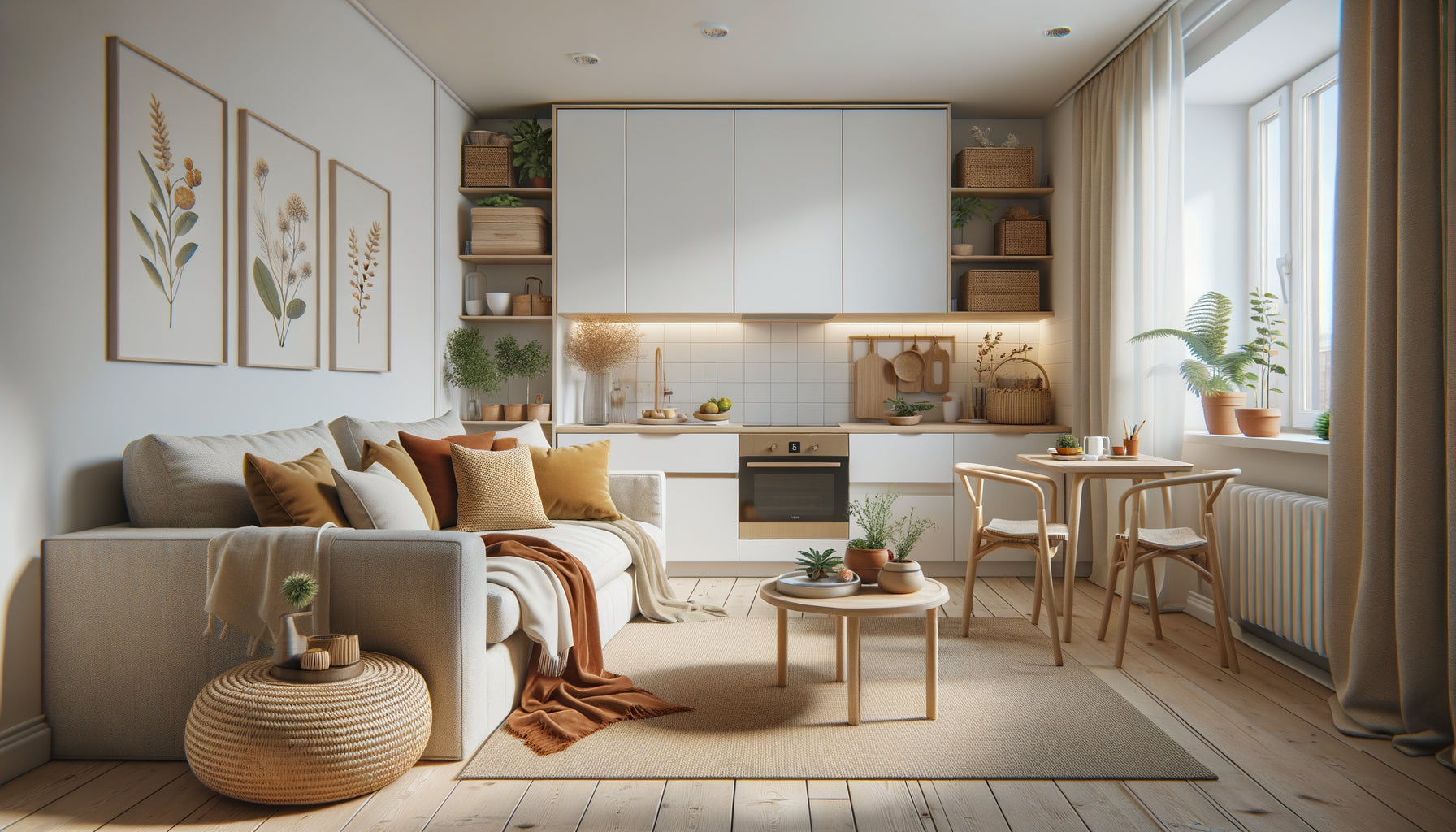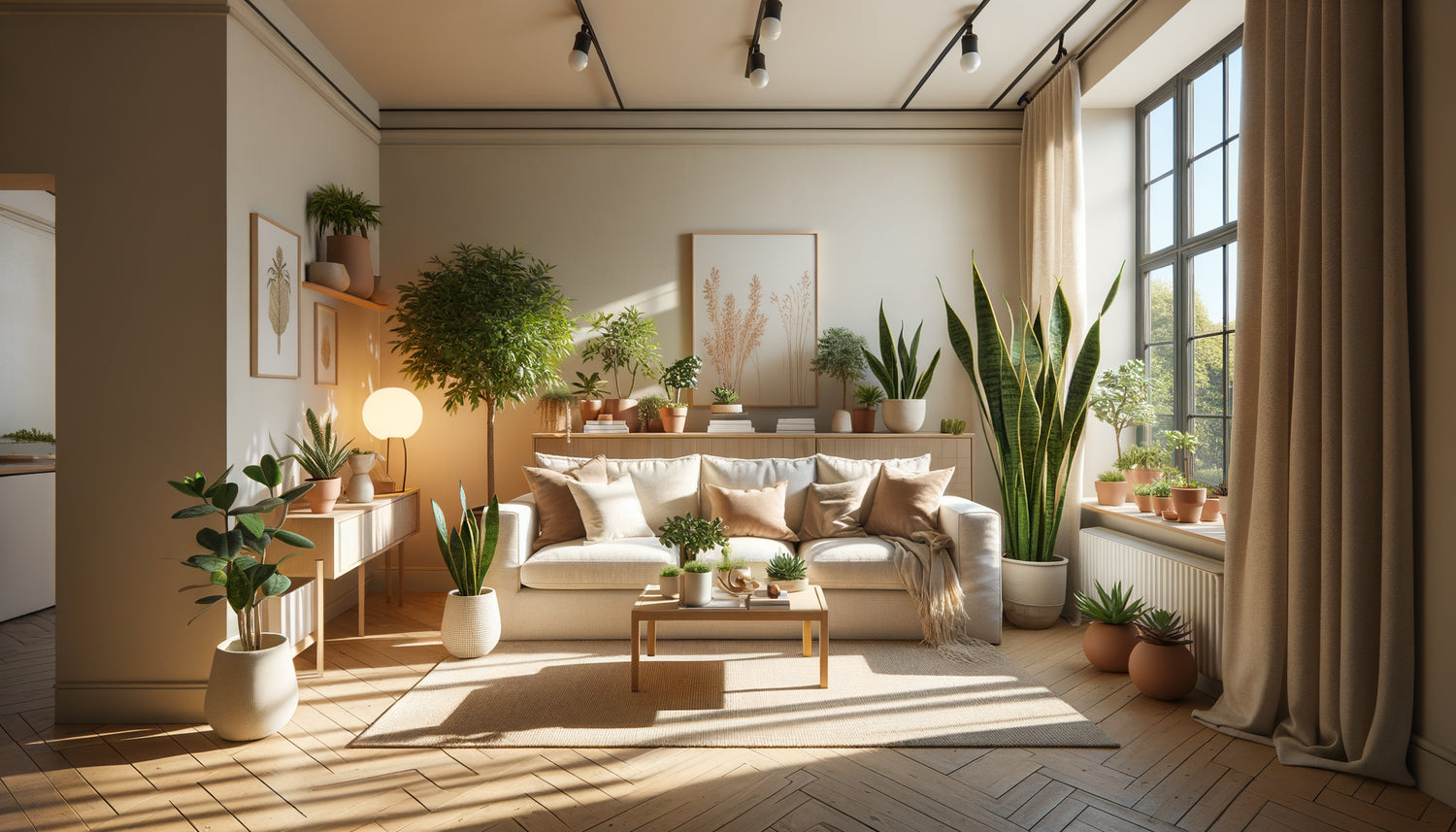
Sunday morning, 11 a.m. Your traveler pushes the door of your apartment after six hours on the train. Their gaze sweeps across the space... and stops on this magnificent monstera in the corner of the living room, its glossy leaves capturing the soft light from the window. A smile. "It's off to a good start," they think. You’ve already earned your five-star rating before they even unpack their suitcase.
Here's what low-maintenance indoor plants bring to your Airbnb: a warm atmosphere that boosts your reviews, natural air purification and immediate differentiation from the competition. Three out of four travelers say that the presence of plants positively influences their perception of a property.
The problem? You're not there between rentals. Impossible to water every three days. And last summer’s fiasco with those dried-up ficuses, which earned you a disastrous review, still haunts you. "Dead plants in the living room," – five words that plunged your occupancy rate for two months.
Rest assured: some low-maintenance indoor plants are literally designed to survive your absences. They withstand neglect, forgive dosage errors, and continue to enhance your space no matter what.
In this article, I’m going to reveal the species that will transform your Airbnb into a green haven... without turning you into a full-time gardener.
The Invincibles: These Plants That Forgive Everything
Let's start with the champions of resilience. These low-maintenance indoor plants have evolved in hostile environments – deserts, dark undergrowth, arid zones – and have developed superpowers for survival.
Sansevieria: The Immortal of the Plant Kingdom
Also called mother-in-law's tongue, sansevieria is THE quintessential low-maintenance indoor plant for an Airbnb. Its long, graphic leaves, standing like swords, bring a contemporary touch to any space.
Its secret? It stores water in its fleshy leaves. You can forget about it for three weeks without worry. Some varieties such as the Sansevieria trifasciata with golden stripes or the cylindrica with tubular leaves even add a premium decorative touch.
Place it in the entrance for a graphic welcome, or in the bedroom where it releases oxygen at night – a rare asset in the plant world that your travelers sensitive to air quality will appreciate.
Zamioculcas: Effortless Elegance
The ZZ plant (Zamioculcas zamiifolia) has a deep, shiny, almost waxy green foliage. Its arched stems evoke a vegetable fountain that instantly adds cachet to your living room.
This low-maintenance indoor plant thrives in both shade and full light. Its underground rhizome stores water reserves for weeks. I've seen zamioculcas flourish in closed offices during August vacations, without a drop of water for four weeks.
A valuable tip: opt for the 'Raven' variety with almost black leaves for a spectacular effect in modern interiors. Your Airbnb photos will instantly gain sophistication.
Succulents: small but mighty
Succulents are the secret allies of clever Airbnb owners. Compact, decorative, and practically indestructible – they tick all the boxes.
Crassula ovata (jade trees) develop a small woody trunk over time, giving them the appearance of miniature bonsai. Perfect on a bathroom shelf to bring life without cluttering.
Echeverias form perfect, almost geometric rosettes in shades ranging from blue-gray to dusty rose. Group three different varieties in a white ceramic container to create a focal point on the coffee table.
Aloe vera deserves a special mention. Not only does this low-maintenance indoor plant survive anything, but you can leave a note explaining its soothing properties. “In case of sunburn, break off a leaf and apply the gel” – that kind of attention makes all the difference in reviews.
The golden rule for succulents in Airbnb
Choose pots with drainage and fill the bottom with clay pebbles. The number one enemy of these low-maintenance indoor plants is not drought, but excess water. A traveler who waters generously can do more damage than three weeks of neglect.

Easy giants: maximum impact, minimal maintenance
For generous spaces – lofts, family apartments – nothing beats a large low-maintenance indoor plant to structure the space and create volume.
The dracaena marginata grows up to two meters with its multiple trunks crowned with tufts of fine leaves. Its appearance of a small palm tree immediately evokes the tropics. It tolerates neglect with remarkable dignity.
The monstera deliciosa has become the Instagram icon of trendy interiors, and for good reason: its perforated XXL leaves create a spectacular jungle effect. This low-maintenance indoor plant naturally climbs on a moss trellis, adding verticality.
My favorite trick? Install a mature monstera in the corner near an East-facing window. The morning light enhances its leaves, and your Airbnb photos will make travelers crave authentic botanical charm.
The Beaucarnea: the originality that intrigues
Also called elephant foot, the beaucarnea recurvata stores water in its swollen trunk at the base. Its long, cascading leaves give it an exotic fountain silhouette.
This low-maintenance indoor plant is a real conversation starter. Its prehistoric appearance fascinates, and several travelers confessed to having chosen my listing
The art of strategic placement
Having the right low-maintenance indoor plants is not enough – their positioning transforms a simple accommodation into a memorable experience.
In the entrance : A tall sansevieria (90-120 cm) in a designer planter creates a sophisticated first impression. It's the vegetal « hello » that immediately reassures about the place’s standing.
In the living room : A monstera or dracaena in the corner opposite the television visually balances the space. These low-maintenance indoor plants create an anchor point that makes the room cozier in wide-angle photos.
In the bedroom : Limit yourself to one or two small plants. A zamioculcas on the dresser or succulents on the bedside table are enough. The atmosphere should remain soothing, not cluttered.
In the bathroom : If you have a window, take advantage of it! A golden pothos on a high shelf will gracefully cascade down. Otherwise, opt for a small sansevieria that tolerates humidity and low light.
The trap to absolutely avoid
NEVER install low-maintenance indoor plants directly in front of a South-facing window in summer. Even the most resistant ones suffer from leaf burns with direct sunlight during hot hours. Place them 1-2 meters away from the window, where they will receive bright but indirect light.

The self-watering system that changes everything
Even with low-maintenance indoor plants, a minimum of hydration remains necessary. Here's how to automate without installing a complex system.
Ceramic watering cones connected to an inverted bottle gradually diffuse water. For an Airbnb with quick turnover, fill a 1.5L bottle before each departure – this easily covers 10-15 days.
Hydrogel beads mixed into the soil retain water and release it according to the plant's needs. A one-time investment that halves watering frequency.
For extended summer absences, capillary mats work on the principle of communicating vessels. You place a reservoir of water at height, and the textile draws moisture by capillarity to the low-maintenance indoor plants placed on top.
The finishing touch that makes all the difference
Beyond the species chosen, some details transform your low-maintenance indoor plants into true marketing assets.
Planters: Forget the orange plastic from garden centers. Invest in neutral ceramics (white, anthracite gray, terracotta) or natural woven baskets. This visual upgrade multiplies the decorative impact tenfold in your photos.
Leaf cleaning: Before each photo shoot or VIP arrival, wipe large leaves with a damp cloth. Dusty low-maintenance indoor plants ruin everything. Three minutes that make all the difference.
Seasonal rotation: Two or three times a year, rotate plants between rooms. This renewal maintains their vigor and refreshes your decor for regular travelers.
Want to perfect the atmosphere of your rental?
Discover our exclusive collection of space paintings that create a soothing cosmic ambiance, perfect for enhancing your green spaces.
Your indoor jungle awaits
Low-maintenance indoor plants are not a decorative luxury for your Airbnb – they are a strategic investment in the traveler's experience. They speak of care, attention to detail, that extra soul which transforms a night into a memory.
Imagine your next series of photos: this golden light filtering through monstera leaves, this graphic sansevieria structuring the entrance, these small succulents arranged with taste on the shelf. Each image tells a story of harmony.
Start small if the budget is tight: a single well-placed large low-maintenance indoor plant is enough to transform a room. Add gradually, observe reactions in the comments. You will quickly see those magic words appear: “cozy”, “welcoming”, “like home”.
This weekend, head to your local garden center. Leave with a sansevieria and a zamioculcas. Install them, step back, admire. Your Airbnb has just reached a new level.
FAQ : Your questions about low-maintenance indoor plants in Airbnbs
What to do if a traveler overwaters your low-maintenance indoor plants?
It's a real risk, especially with well-intentioned travelers! The solution: leave a small, discreet sign near each plant: “I am self-sufficient, thank you for not watering me”. For low-maintenance indoor plants sensitive to overwatering like succulents, use pots with excellent drainage and a saucer to collect excess water. If you notice overwatering between rentals, simply let the plant dry out during the next period – most recover very well. In three years of Airbnb management, I’ve only lost two plants due to this problem, compared to about ten before installing these little labels. Preventative information changes everything.
How many low-maintenance indoor plants should I install in a 30m² studio?
The golden rule is: less is more. For a studio, aim for a maximum of 3 to 5 plants. One large low-maintenance indoor plant (monstera or dracaena) as a centerpiece near the window, one medium-sized plant (zamioculcas) on the TV cabinet or shelf, and two or three small succulents grouped together on the coffee table or kitchen countertop. Beyond that, you risk creating a cluttered effect that visually reduces space – exactly the opposite of what is sought. The classic mistake is to want to vegetate every available surface. Low-maintenance indoor plants need negative space around them to reveal their beauty. Think art gallery, not Amazon rainforest.
My low-maintenance indoor plants are still yellowing, why?
Yellowing generally has three main causes. First hypothesis: overwatering. If the leaves turn yellow and become limp, and the soil remains constantly moist, drastically space out watering. Second cause: lack of light. Even low-maintenance indoor plants need a minimum amount of light. If your accommodation is dark, move them closer to windows or add a discreet LED grow lamp (there are designer models available). Third reason: depletion of the soil. After 18-24 months, nutrients are exhausted. Repotting in fresh soil revitalizes growth. My advice: photograph your plants every two months. This visual timeline allows you to quickly detect changes and intervene before the problem becomes visible to your travelers.