

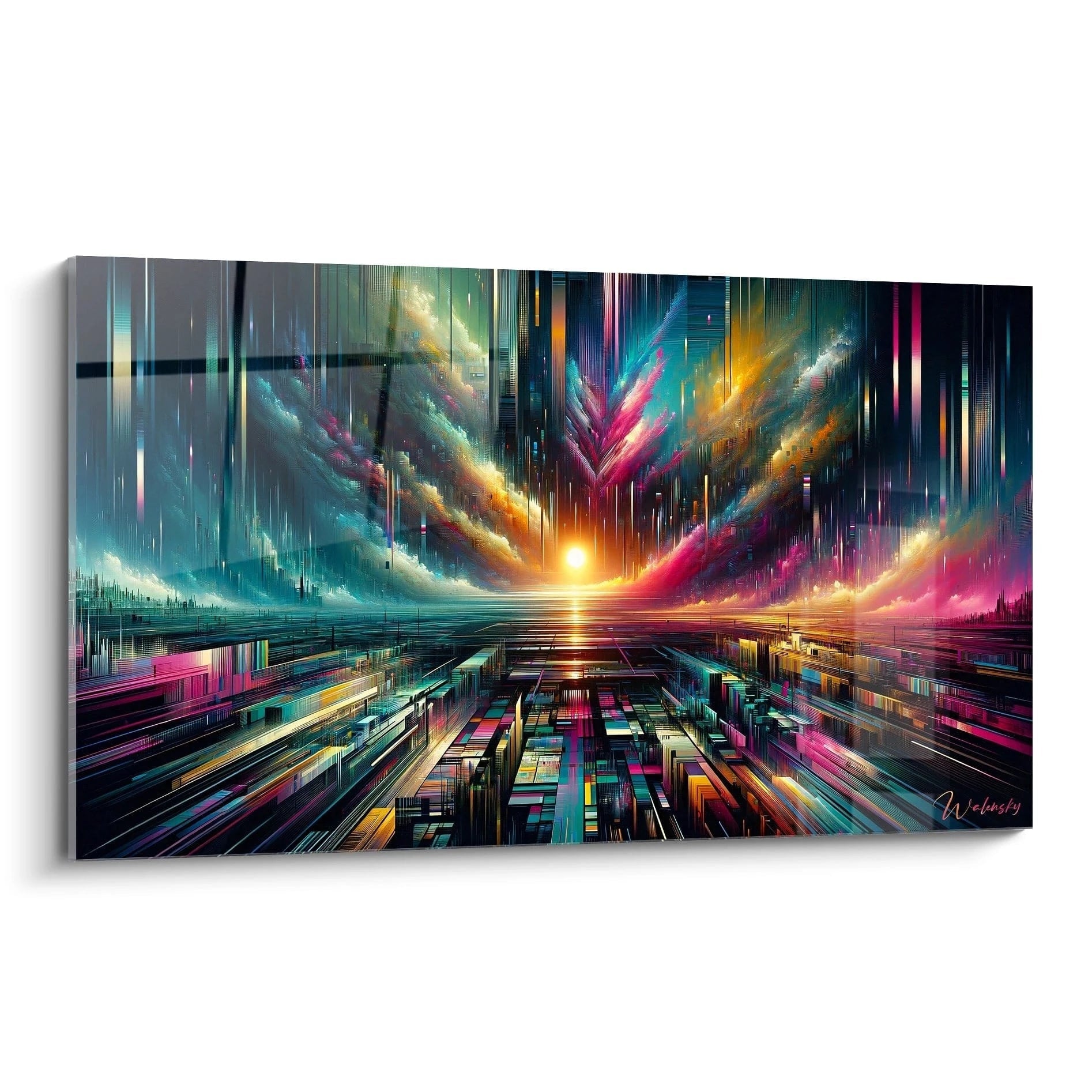
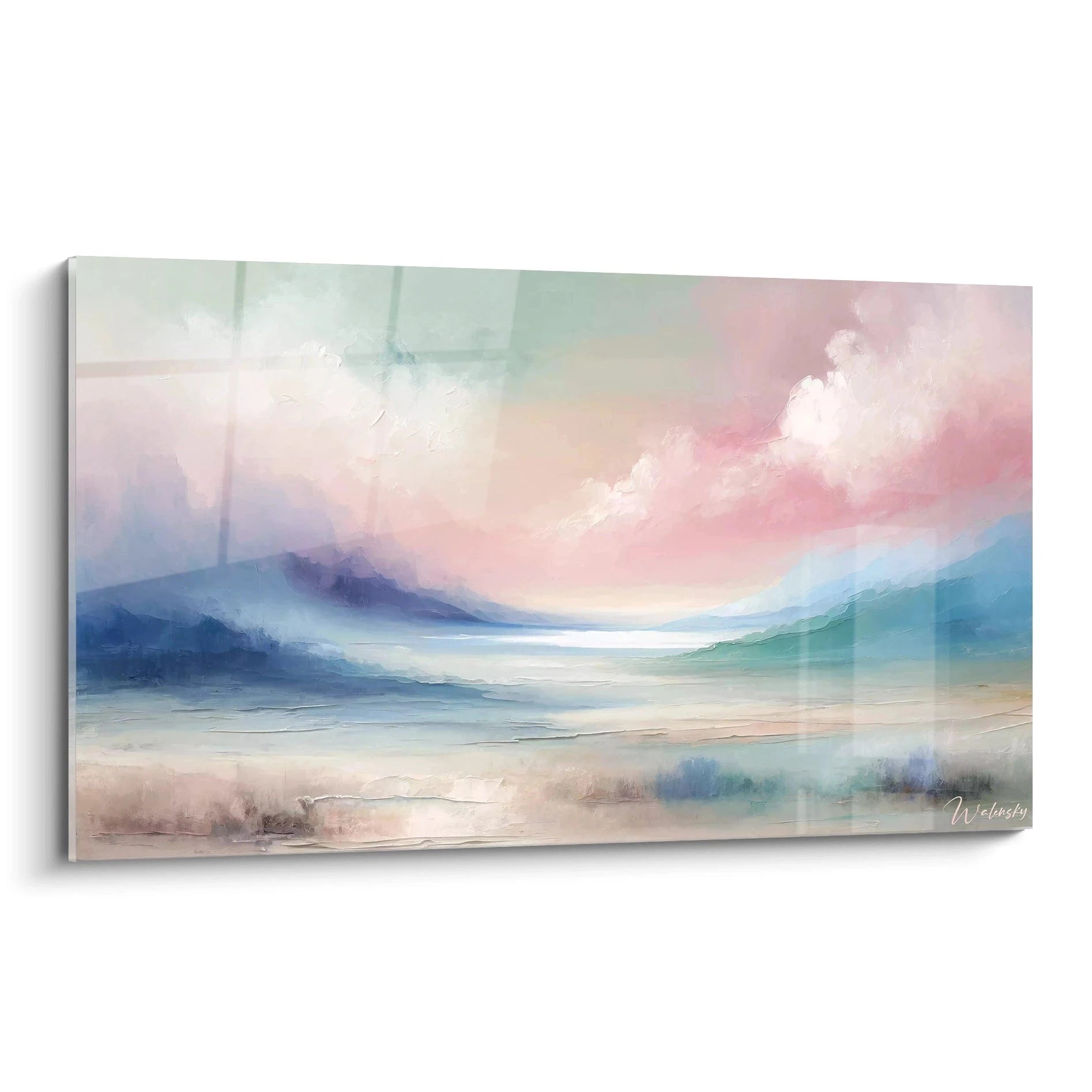

Deep Space vs Bright Nebula: Cosmic Palettes for Decoration
October 11, 2025 · 9 min read · by Walensky
I have always been fascinated by this cosmic tension: on one side, the deep space, that deep black dotted with distant stars which evokes mystery and introspection; on the other, the bright nebula, those explosions of celestial colors where magenta pink dances with electric blue and stellar gold. This universal duality now inspires interior creators seeking spaces that transcend the ordinary. Here's what cosmic palettes bring to your decor: a rare emotional depth, instant visual sophistication, and this unique ability to transform any room into a personal sanctuary. Many hesitate before these radically opposed universes: should you choose the mineral sobriety of deep space or dare to exuberance of nebulae? The truth? Each palette responds to different needs, and understanding their codes will allow you to create exactly the atmosphere you are looking for. I am going to reveal how to master these two approaches, combine them intelligently, and above all: how to avoid mistakes that transform a cosmic interior into a failed science fiction decor.
Deep space: the elegance of sidereal emptiness
The deep space palette is based on a foundation of deep blacks, anthracite grays and almost black navy blues. It's the universe of infinite spaces, where stars appear as luminous points on a cosmic velvet. This approach in cosmic decor instantly creates a feeling of sophisticated cocooning, precious intimacy. I observe that deep space interiors work particularly well in bedrooms, libraries and home theaters - everywhere you seek contemplative calm.
The secret to a successful deep space palette lies in the nuances. A wall painted black can be oppressive, but a deep navy blue (reference Farrow & Ball Railings or Little Greene Basalt) captures this cosmic quality while preserving some warmth. Add metallic touches – oxidized copper, aged brass, brushed silver – which evoke fragments of meteorites and ancient astronomical instruments. These accents catch the light like discreet constellations.
Materials and textures to amplify the deep space effect
Cosmic palettes of the deep space type require materials that subtly absorb and reflect light. Navy blue velvet on a sofa, anthracite linen at the windows, black marble veined with white like a mineral Milky Way. I particularly like layering matte and shiny textures: a long-pile gray rug under a smoked glass coffee table, black wild silk cushions against patinated leather. This stratification creates depth without weighing down the space.
Lighting radically transforms an interior deep space. Forget aggressive central ceiling lights. Prioritize multiple and indirect light sources: dimmable LED string lights hidden behind moldings, adjustable architectural lamps, clusters of candles. The goal? Recreate the feeling of being suspended in space, where light comes from distant and mysterious sources.
Bright nebula : the celestial chromatic explosion
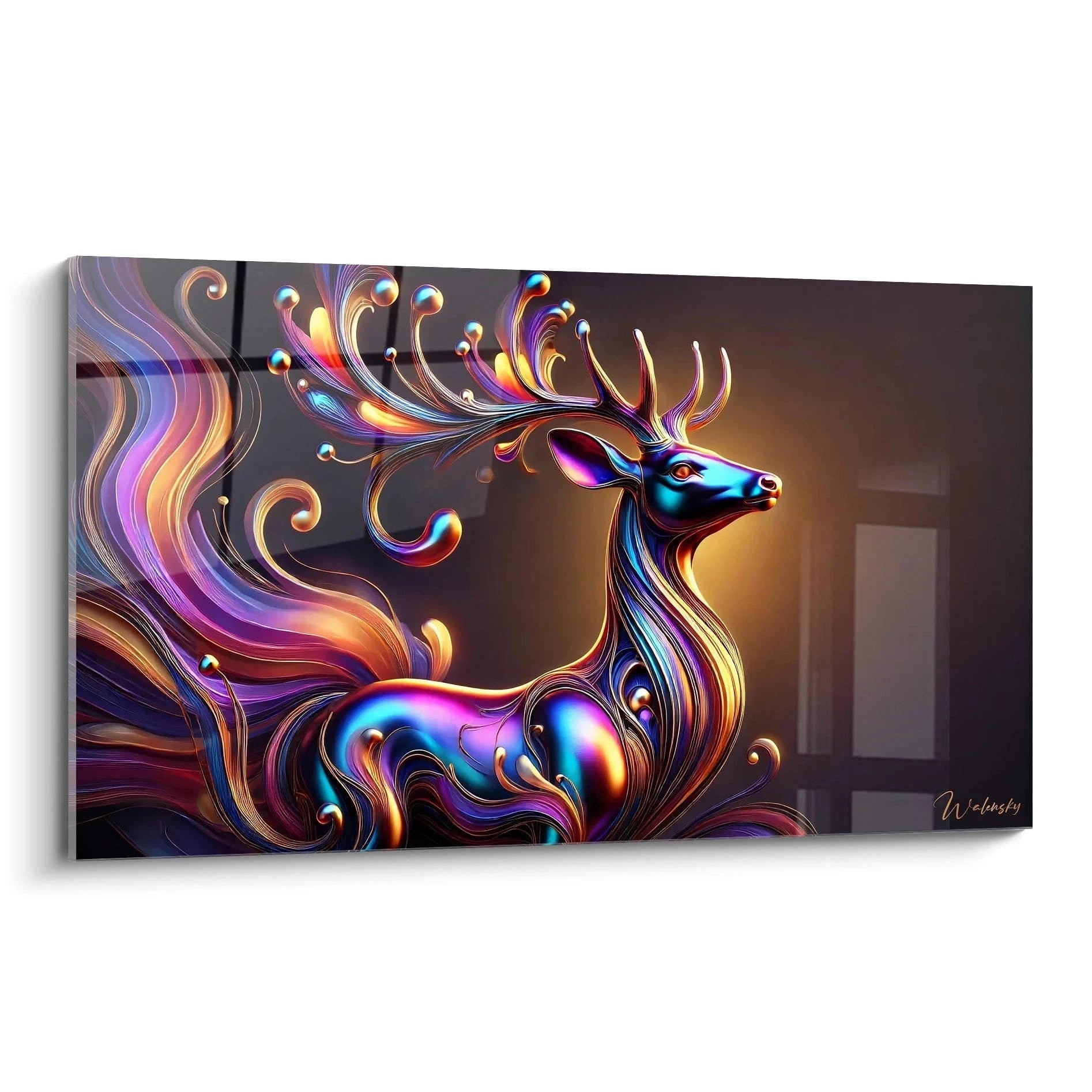
On the opposite side of the spectrum, bright nebula celebrate the flamboyant colors of stellar nurseries. Fuchsia pink, ultraviolet violet, cobalt blue, electric turquoise, touches of gold and emerald green – this cosmic palette is nothing if not bold. It evokes the Orion Nebula, the Pillars of Creation, these galactic phenomena where stellar matter takes on impossible hues that only space telescopes can capture.
Contrary to popular belief, a bright nebula decoration does not mean turning your living room into an intergalactic discotheque. Sophistication comes from dosage and color transitions. Imagine a gradient starting with a deep blue on an accent wall, transitioning through purples and pinks, culminating in golden touches – exactly like the images from the Hubble telescope. This approach works beautifully in creative spaces: artist studios, teenage bedrooms, eclectic living rooms, contemporary meditation spaces.
To master the bright nebula palette, start by choosing your dominant color – often a deep blue or violet – which will serve as an anchor. Brighter colors (magenta pink, turquoise) intervene as strategic accents: a statement armchair, a wall panel, works of art, textiles. White or very light gray acts as the space between gas clouds, allowing the eye to breathe between chromatic explosions.
Creating successful nebulous transitions
True cosmic nebulae never have sharp boundaries between colors. To reproduce this effect in decoration, several techniques are available to you. Panoramic wallpapers depicting real nebulae are the most direct solution – look for high-definition reproductions of NASA images. Graded paints (ombre techniques with a roller or sponge) create softer transitions. For the daring, painted ceilings in bright nebula literally transform the perspective of the room, creating the illusion of sleeping under the stars.
Textiles offer remarkable flexibility to experiment with cosmic palettes without permanent commitment. Tie-dye cushion covers in nebulous tones, gradient violet-pink blankets, semi-transparent organza blue curtains that filter light like interstellar clouds. I recently discovered digitally printed cottons reproducing images of nebulae with photographic precision – perfect for creating spectacular headboards or covering screens.
Discover this inspiring artwork

The creative clash: combining deep space and bright nebula
This is where the magic truly happens: when you dare to marry these two seemingly opposing universes. In reality, bright nebulae only exist because they stand out against the background of deep space. This physical law becomes a powerful design principle. A bright nebula accent wall radiates with tenfold intensity when it dialogues with adjacent deep space walls. A midnight blue sofa visually anchors a space where rose nebula and turquoise cushions create points of interest.
The 70/30 technique works remarkably well with cosmic palettes. Choose a dominant approach – let's say 70% deep space – and inject 30% bright nebula in strategic touches. Or conversely: a predominantly bright and colorful space, anchored by deep space elements that give it gravity (both literally and figuratively). This proportion creates a natural visual balance, avoiding sensory overload while maintaining interest.
Transition zones: creating constellations of accent
Transition elements are the missing link between deep space and bright nebula. Think of precious metals – rose gold, copper, silver – which capture light like stars. Mirrors framed in black or brass act as dimensional portals, reflecting and amplifying nebular colors while respecting the sobriety of deep space. Lighting fixtures become luminous sculptures: blown colored glass pendants, cut crystal lamps that project rainbows, LED neon lights in organic shapes evoking galactic flows.
I strongly encourage the use of authentic space art and photography to unify both approaches. A large-format photograph of the Carina Nebula – with its explosions of color emerging from the cosmic black – perfectly embodies this duality. Astronomy lithographs, with their colored illustrations on a black background, create a cultural bridge between science and aesthetics. These pieces become natural focal points that justify and harmonize your overall palette.
— Our selection


Adapting cosmic palettes according to spaces
Each room in your home dialogues differently with cosmic palettes. In a bedroom, deep space promotes deep and restorative sleep – it is scientifically proven that dark tones increase melatonin production. Add a few bright nebula touches via bedding or a painting above the bed, and you create a space that simultaneously invites rest and dreaming.
Living rooms and living spaces benefit from a more balanced approach. A deep space sofa becomes the gravitational base around which bright nebula elements orbit: colorful armchairs, a painted bookcase, a rug featuring abstract patterns inspired by nebulae. Kitchens and bathrooms, traditionally bright, wonderfully welcome accents of deep space – matte black tiles, black fittings – punctuated with nebulous touches in accessories and textiles.
Home workspaces particularly benefit from cosmic palettes. Deep space promotes concentration by eliminating visual distractions, while bright nebula touches stimulate creativity and prevent monotony. A black desk with a fuchsia chair, anthracite gray shelves displaying turquoise and gold objects, a cosmic gradient accent wall behind the screen – this combination creates an environment conducive to focus and inspiration.
Transform your interior into an interstellar journey
Discover our exclusive collection of space paintings that capture the magic of nebulae and the immensity of the cosmos to sublimate your walls.
Discover this inspiring work
— You may also like


Mistakes to avoid with cosmic palettes
After years of observing space-inspired interiors, I can instantly identify the classic pitfalls. The most common? Thematic overload. Transforming your living room into a spaceship replica with phosphorescent stars on the ceiling, astronaut patterns everywhere and garish colors without coherence – this is the recipe for a space that becomes tiring in a few weeks. Sophisticated cosmic palettes suggest the universe without shouting it, evoke the cosmos without literalizing it.
Second mistake: neglecting the balance between natural and artificial light. A space entirely deep space without sufficient windows or compensatory lighting becomes oppressive. Conversely, a bright nebula explosion in a sun-drenched room can seem aggressively saturated. Always test your colors at different times of day, observe how natural light transforms them, and adjust your artificial lighting accordingly.
Third pitfall: ignoring architectural proportions. Low ceilings don't handle full deep space well – it accentuates the feeling of compression. Instead, opt for bright nebula on walls with a white ceiling that optically raises the space. Large rooms with generous volumes, on the other hand, can absorb substantial amounts of dark colors without appearing confined. Always adapt your cosmic palette to the constraints and assets of your existing architecture.
The importance of material quality
A successful cosmic decor relies on the excellence of materials. Cheap navy blue paint quickly turns a dull gray; a low-resolution nebula print looks like an adolescent poster. Invest in high-end paints with good coverage and stable pigments. Choose colorfast textiles that will withstand washes and light. For space art, opt for canvas or aluminum dibond prints rather than basic photo paper.
Finishes make all the difference between amateur and professional. In deep space, alternate velvety matte and lacquered gloss to create depth. In bright nebula, satin finishes beautifully capture light while preserving color intensity. Metallics and iridescents – used sparingly – add that cosmic touch without falling into kitsch, evoking stardust and reflections on astronaut helmets.

In the same vein
Black Hole Cosmic Wall Art - Mysterious Galactic Spiral - Diverse Space Edition
233,90€
Discover this artwork →Living daily with cosmic palettes
The ultimate test of a successful decor? Its comfort in everyday life. Well-designed cosmic palettes not only impress visitors – they nourish your well-being day after day. Deep space creates that protective cocoon where you disconnect from the visual aggressions of the outside world. Bright nebula inject positive energy, stimulate your creativity, and remind you that life can be extraordinary.
I observe that people living in cosmic interiors often develop a more contemplative relationship with their space. A deep space wall becomes a projection screen for your thoughts at the end of the day. A bright nebula corner welcomes you in the morning with its chromatic optimism. This decor is not neutral – it subtly influences your mood, your circadian rhythms, even your stress level.
To maintain the magic over time, allow your cosmic palette to evolve. Change textiles according to the seasons: deep velvet cushions in winter, light linen in summer. Adjust the light intensity with connected bulbs that switch from warm white to violet depending on your activities. Regularly renew an accent element – a new space artwork, an unexpected decorative object. This flexibility preserves the freshness of your decor without compromising overall consistency.
Close your eyes and imagine: you return home after an ordinary day, you push the door, and instantly, you are transported elsewhere. Not to another place, but to another state of mind. Your deep space walls envelop you like a benevolent starry night, while touches of bright nebula sparkle like promises of discoveries. You no longer simply live in an apartment – you reside in a fragment of personalized universe. This transformation begins with a choice: which cosmic palette resonates with your deep essence? And if the answer was precisely not to choose, but to orchestrate the fascinating dialogue between infinite shadow and explosive light? Start small – one wall, one textile, one artwork – and let the universe gradually invite itself into your home.
Explore our collections


