



Why Avoid Highly Detailed Artwork That Accumulates Grease in a Professional Kitchen?
January 1, 2026 · 8 min read · by Walensky
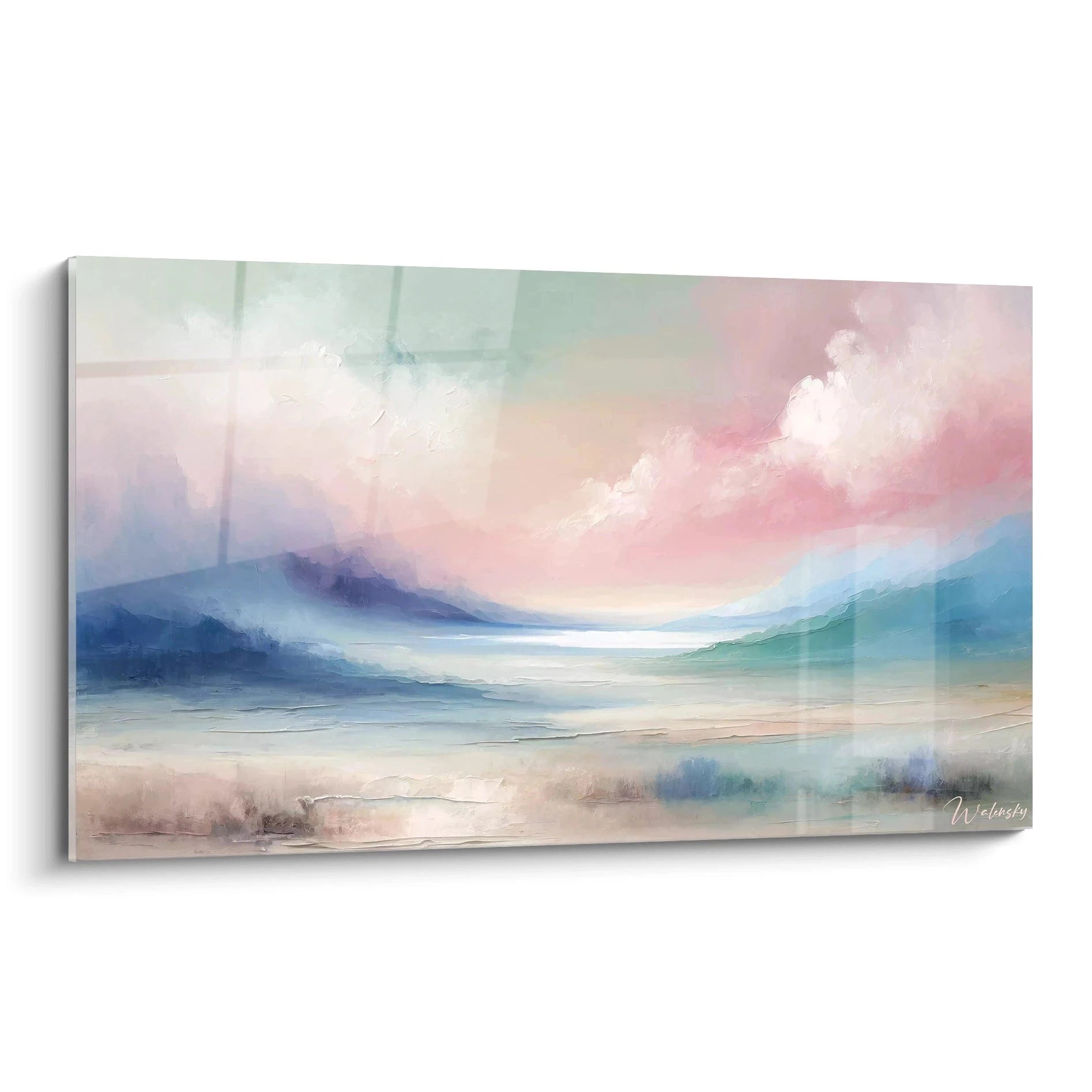
Silence settles in the kitchen after the evening’s rush. The plates still warm, the lingering smell of cooking, and that fine film covering every surface. Looking up at this magnificent detailed painting hung above the sink area, I notice what all chefs eventually realize: a greasy and sticky layer has settled into every corner of the frame, each relief of the canvas, gradually transforming the artwork into a true residue magnet.
Here's what choosing paintings in a professional kitchen really implies: impeccable hygiene that conditions your sanitary certification, valuable time saved during daily cleanings, and an aesthetic that resists the most hostile environment for a work of art.
Many restaurateurs, driven by the desire to create a warm atmosphere, install richly detailed paintings in their kitchens. Textured canvases, sculpted frames, embossed prints... A few weeks later, disillusionment: these surfaces welcome and trap suspended greasy particles, creating an unpleasant maintenance nightmare and a potential source of contamination.
Rest assured, creating a visually inspiring professional kitchen without compromising hygiene is perfectly achievable. It just takes understanding the mechanisms of fat accumulation and intelligently adapting your decorative choices.
In this article, I reveal why details are the enemy of cleanliness in professional kitchens, and how to transform your space into a place that is both beautiful and functional, compliant with the strictest standards.
Suspended grease: the invisible enemy of professional kitchens
In a professional kitchen, each cooking process releases particles. Oils, butters, animal fats: during high-temperature cooking, these substances partially vaporize and disperse into the ambient air. This phenomenon, amplified by constant movement, ventilation, and heat, creates an atmosphere saturated with micro droplets of grease.
These suspended particles do not magically disappear. They gradually settle on all surfaces, creating that sticky film that every professional knows well. On smooth surfaces like stainless steel or glass, this accumulation remains manageable: a wipe with a sponge and degreaser is usually sufficient.
But on detailed paintings, the scenario differs radically. Every relief, every texture, every corner of the frame becomes a microscopic trap. Greasy particles lodge there, accumulate layer upon layer, day after day. The textured canvas literally absorbs residues, the sculpted frame retains grease in its smallest crevices.
After a few weeks of exposure to this extreme environment, the painting turns into a true contamination reservoir. Oxidized grease browns, hardens, traps dust and bacteria. What was once a decorative element becomes a health problem and a daily maintenance challenge.
When aesthetics become a hygiene nightmare
I've seen countless restaurants fail their health inspections because of seemingly insignificant details. A dusty and greasy painting is one of them. Health inspectors don't just examine work surfaces and cold rooms: they scrutinize the entire environment, including decorative elements.
A highly detailed painting in a professional kitchen poses several critical problems. First, it becomes practically impossible to clean effectively. Brushes can’t reach the corners of the frame. Degreasers can damage the canvas. High-pressure cleaning is obviously excluded.
Second, this grease buildup represents a significant fire hazard. Grease is flammable, especially when oxidized and concentrated. In an environment where flames and intense heat are omnipresent, every potential source of ignition must be eliminated.
Third, the aesthetic appearance inevitably degrades. This beautiful Provence landscape or carefully chosen still life gradually becomes covered with a yellowish and sticky veil. Colors fade, details disappear under grime. The desired visual effect is completely reversed: instead of embellishing the space, the painting devalues it.
The hidden cost of impossible cleaning
Let's calculate together: a detailed painting in a professional kitchen requires thorough weekly cleaning. Between taking it down, carefully cleaning the sculpted frames, delicately treating the canvas, and then putting it back up, count on easily 30 to 45 minutes. Over a year, this represents 26 to 39 hours of work.
At the average hourly rate of a kitchen employee, the bill quickly adds up. Not counting the specialized products needed, the risk of damaging the painting requiring its replacement, and above all: this valuable time that could be devoted to culinary preparation or customer service.

Surfaces and textures to absolutely avoid
Not all paintings are equal when facing the continuous aggression of suspended grease. Some characteristics turn a simple decoration into a true residue sponge.
Textured canvases represent the worst possible choice. Their irregular surface, with its reliefs and hollows, literally traps greasy particles. The visible weave of the canvas, so appreciated for its artisanal appearance, becomes a microscopic trap that is impossible to clean properly.
Sculpted or ornate frames are the second enemy of hygiene. Each volute, each decorative molding, each relief detail accumulates grease in inaccessible corners. Even with the best intentions and the most effective products, a thorough cleaning remains illusory.
Traditional canvas prints, even without apparent texture, also pose a problem. The canvas itself, naturally porous, gradually absorbs greasy vapors. Ambient humidity, combined with fatty residues, even promotes the development of mold on the edges and back of the frame.
Paintings under non-sealed glass create a false impression of protection. While the glass effectively protects the image, the space between the glass and the back of the frame, as well as the joints, accumulate condensation and greasy particles. Result: yellowish traces gradually appear on the edges of the image, creating a premature aging effect that is not aesthetically pleasing.
— Our selection


Smart alternatives for an impeccable professional kitchen
Fortunately, giving up detailed paintings does not mean giving up aesthetics. Solutions exist, specifically designed to withstand the hostile environment of a professional kitchen while maintaining a strong visual impact.
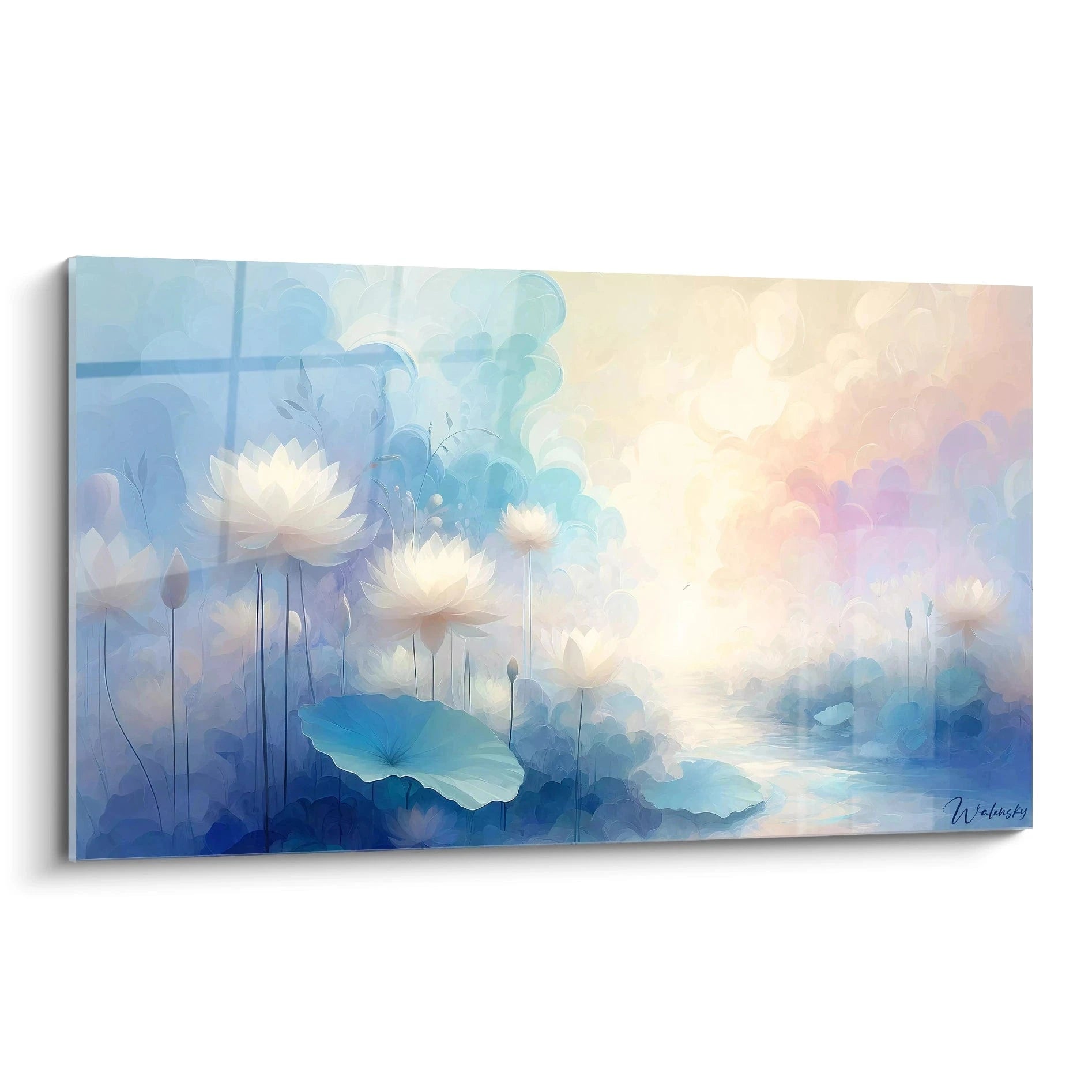
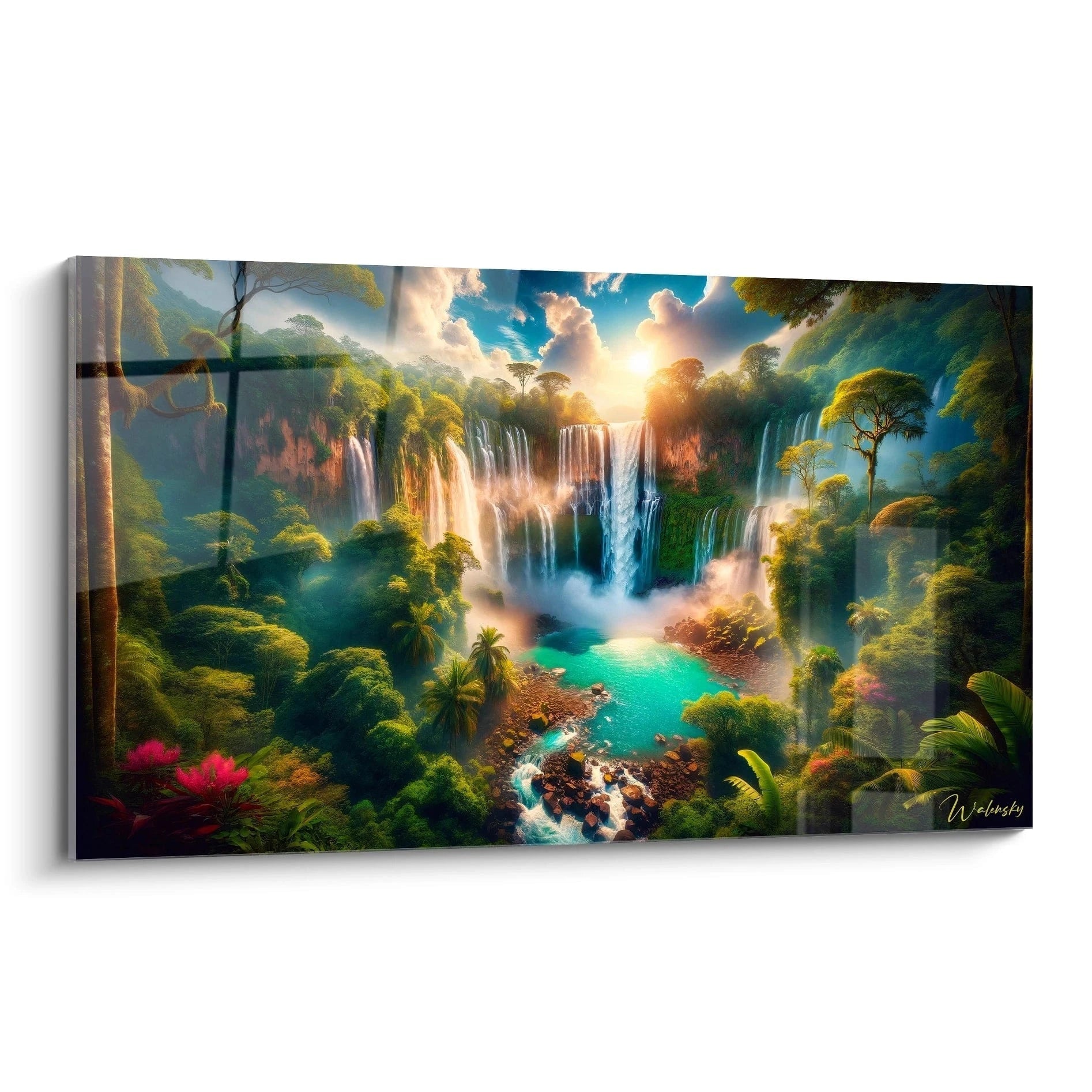
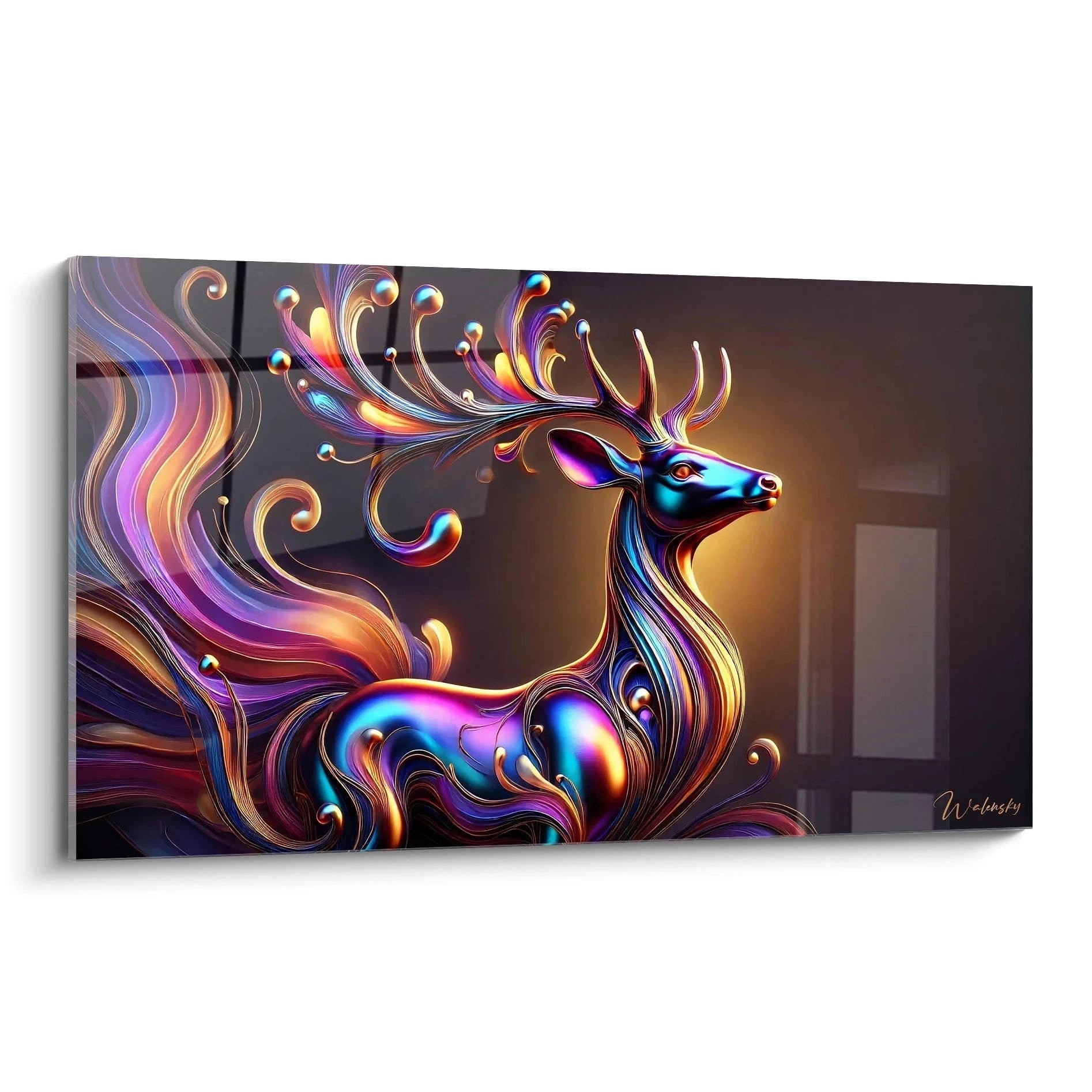
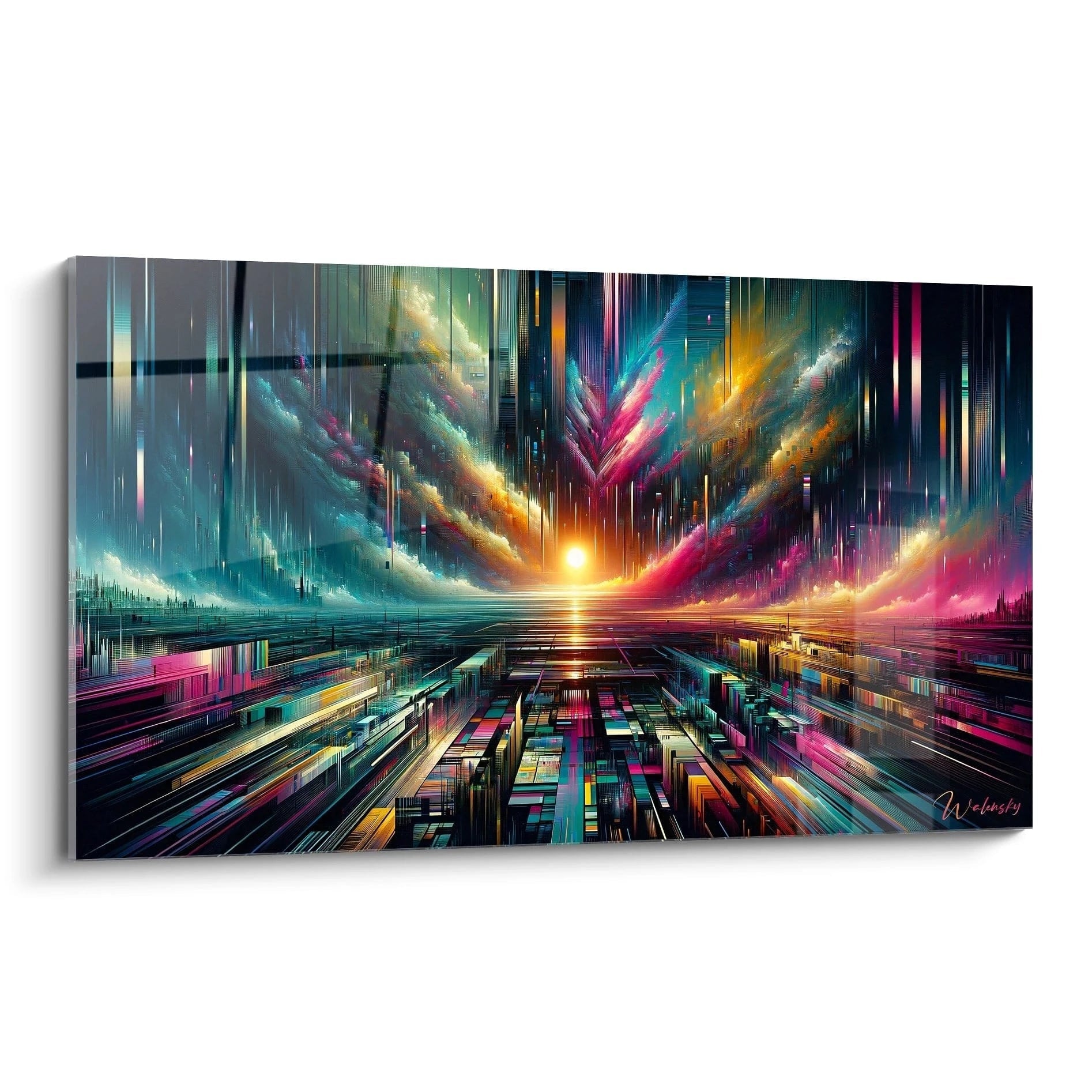
Impressions on aluminum or metal represent the premium solution. Perfectly smooth surface, non-porous, resistant to humidity and splashes, these supports are cleaned with a simple sponge. Greases do not adhere, slide over the surface, never penetrate the material. The modern and clean look integrates perfectly into a contemporary professional kitchen.
Tempered glass paintings offer an elegant alternative. Perfectly smooth, totally sealed, they resist high temperatures and are easy to clean. The image printed on the back of the glass remains protected from external aggressions while retaining its brightness and vibrant colors.
For those who want to retain a more traditional look, laminated prints with a minimalist aluminum frame constitute a judicious compromise. Lamination protects the image under a smooth and waterproof plastic layer, while the simple frame, without ornaments or reliefs, is easy to clean.
Strategic placement makes all the difference
Beyond the choice of support, the location of the painting largely conditions its exposure to grease. Absolutely avoid the immediate area around cooktops, deep fryers and planchas. Even the most resistant painting would suffer from such direct exposure.
Privilege areas of passage, cold preparation spaces, or ideally, the border between kitchen and dining room. These locations benefit from an atmosphere less saturated with greasy particles while allowing the painting to fulfill its decorative and inspiring function.
Your kitchen deserves better than a picture that collects grease
Discover our exclusive collection of kitchen art that combines professional aesthetics and absolute ease of maintenance.

Transforming constraint into aesthetic opportunity
Rethinking the wall decoration of a professional kitchen from the perspective of hygiene paradoxically opens up unsuspected creative perspectives. The minimalism imposed by health constraints meets current trends in professional design.
Clean visuals gain impact in an often visually busy environment. A simple image, with clean lines, on a perfectly smooth support, naturally attracts the eye without creating visual overload. The professional kitchen, the epitome of a functional space, is perfectly suited to this direct and unadorned aesthetic.
Bright colors on a solid background work particularly well. They energize the space, stimulate the team's energy, and on a smooth support such as aluminum or glass, retain their brilliance even after months of exposure. Regular cleaning instantly revives their intensity.
This approach also fits into a virtuous economic logic. A painting adapted to a professional environment lasts for years without noticeable degradation. The initial investment, slightly higher, is quickly amortized by the absence of frequent replacement and the drastic reduction in cleaning time.
— You may also like


HACCP standards and decoration: what you need to know
HACCP (Hazard Analysis Critical Control Point) standards strictly regulate hygiene in professional kitchens. While they do not explicitly mention paintings, the principles they establish apply to all elements present in the preparation area.
The fundamental principle stipulates that every surface in a professional kitchen must be able to be cleaned and disinfected effectively. A painting that is too detailed, with its inaccessible corners and porous materials, directly contradicts this principle. During an inspection, it may be considered a health risk factor.
Certification audits (ISO 22000, IFS Food) carefully examine the entire environment. An unsuitable artwork can lead to an observation, or even a minor non-compliance. In an industry where reputation largely relies on impeccable hygiene, this risk is not worth taking.
Adopting suitable artworks demonstrates your professionalism and in-depth understanding of hygiene issues. It's a strong signal sent to inspectors, customers who see the kitchen, and especially to your own team: here, every detail counts, nothing is left to chance.
Beyond simple compliance, this attention to the visual environment contributes to the well-being of your teams. A visually pleasant kitchen, where every element is in its place and impeccably maintained, stimulates professional pride and strengthens quality standards.

Your kitchen, a reflection of your excellence
Imagine your kitchen at the end of service: sparkling worktops, gleaming stainless steel, and these artworks with clean lines that have retained their luster, without traces of grease, without greasy accumulation. A simple wipe with a sponge, and they regain their impeccable appearance.
You no longer invest hours in tedious and imperfect cleaning. Your team focuses on the essentials: creating exceptional dishes in an inspiring and flawless environment. Sanitary inspections generate less anxiety, because every element of your kitchen has been designed for operational excellence.
Reconsider your decorative choices today. Replace these detailed artworks that accumulate grease with solutions adapted to your professional environment. Your kitchen, your team, and your customers will immediately benefit from it.
Explore our collections


