This morning, I scrolled through Instagram for three minutes before breakfast. The result? My coffee seemed bland, my toast pathetic compared to the pancakes drenched in maple syrup that flooded my screen. This strange feeling, you've surely felt it: this mixture of fascination and frustration when faced with photographs of gourmet dishes that invade our newsfeeds. So, do these sublimated images really make us hungry or take away our appetite?
Here’s what photographs of gourmet dishes actually bring: they stimulate our visual senses and gustatory imagination, they create expectations that are sometimes excessive, and they transform our emotional relationship with food. Three dimensions that explain why a single image can trigger instant salivation... or a deep feeling of dissatisfaction.
The problem? We are overwhelmed. Between celebrity chef accounts, food bloggers, and our friends who immortalize every plate, we ingest more food photos in a week than our grandparents saw in their entire lives. This visual abundance subtly changes our relationship with food, without us even realizing it.
Good news: understanding the mechanisms behind these reactions allows us to regain balance. Because yes, culinary photographs can become authentic sources of inspiration rather than frustration traps. I propose that we explore together this fascinating frontier between desire and disgust, between inspiration and saturation.
The science behind visual desire
Our hunter-gatherer ancestors didn't have Instagram, but their brains were already programmed to react to visual cues of food. When you look at a photograph of a gourmet dish perfectly composed, your visual cortex activates instantly, triggering a cascade of neurological reactions.
The hippocampus searches through your gustatory memories. If you have already savored a similar dish, your brain mentally reconstructs the flavors, textures, even the aromas. This is called sensory simulation: your mind literally tastes with its eyes.
At the same time, the dopaminergic system goes into overdrive. This culinary photograph promises to activate the same neural circuits as the anticipation of a reward. Your body prepares itself: saliva production, secretion of digestive enzymes, slight increase in blood sugar levels. You haven't eaten anything, but your organism is already in tasting mode.
Except that... this promise remains virtual. And it’s precisely there that the problem lies. When the gap between the sublimated image and your culinary reality becomes too large, frustration replaces desire. Your disappointed expectations transform this appetizing photo into a source of disappointment rather than anticipated pleasure.
The paradox of visual perfection
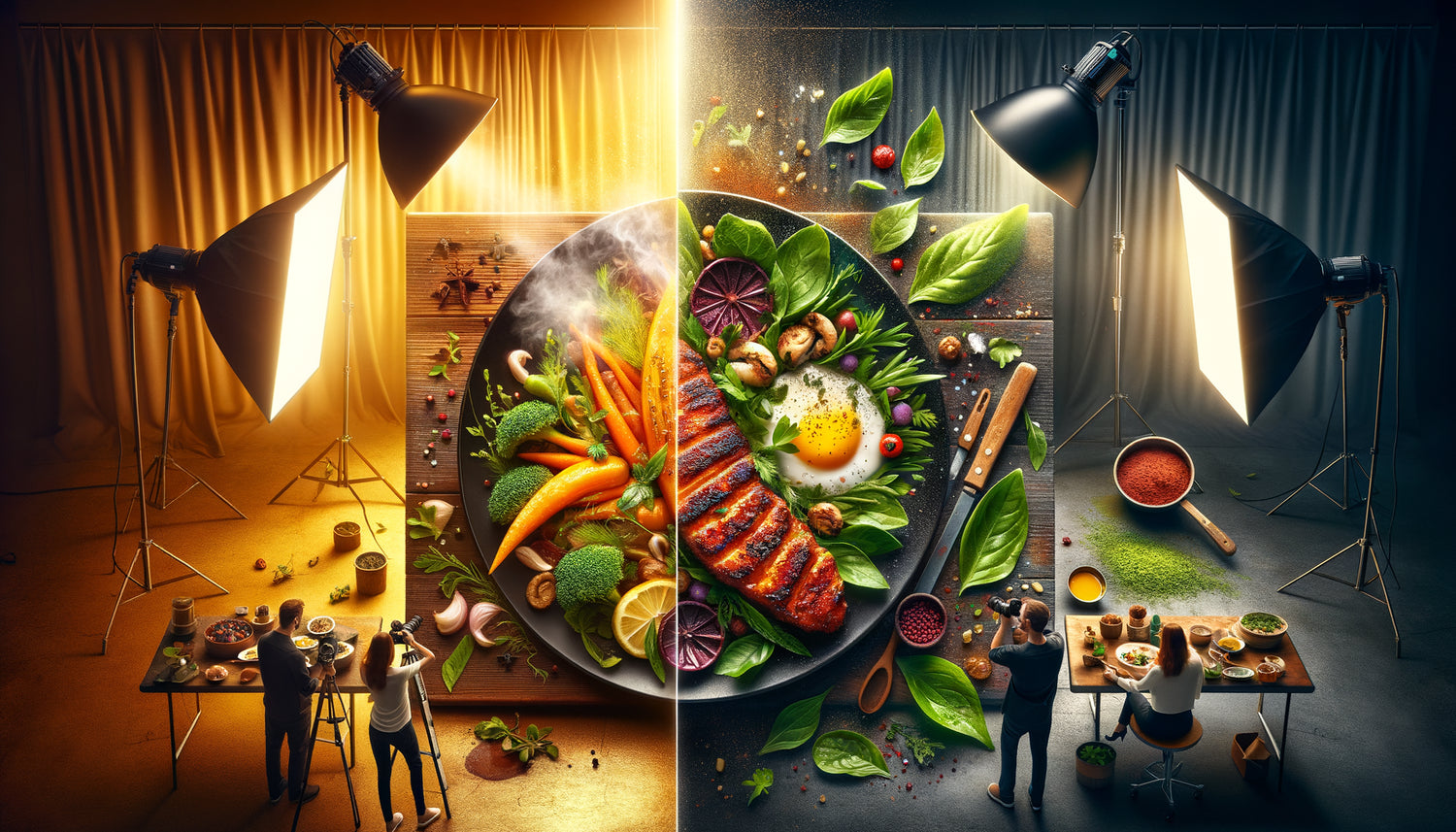
Professional photographs of gourmet dishes are often too perfect. This artistically arranged drop of sauce, this miraculously preserved crispness, this studio lighting that makes every element shine... all of this creates an unrealistic aesthetic.
Result? Some studies show that overly stylized food images can paradoxically reduce the desire to eat. The dish becomes a untouchable work of art, almost intimidating. You admire it without really wanting it, as you would contemplate a painting in a museum without wanting to take a bite.
When culinary beauty becomes toxic
I have a friend who is a food photographer who now refuses to eat in some upscale restaurants. Not because of the quality, but because she spends so much time composing the perfect photo of the dish that her food consistently cools down. Her plate is no longer a meal; it has become a photographic subject.
This obsession with capturing and sharing transforms the act of eating into a social performance. Gastronomic photographs become proof of experiences rather than memories of lived experiences. You eat with your eyes, certainly, but also with those of your imaginary followers.
Even more pernicious: constant comparison. Your homemade dinner, however delicious it may be, seems bland compared to the starred creations that flood your screen. This culinary imagery is omnipresent and raises visual standards to an unattainable level for most mortals.
Some researchers even talk about food visual fatigue. By seeing hundreds of photos of dishes every day, our brains become jaded. Images must be more spectacular than ever to elicit the same reaction. It's an escalation of aesthetic bidding.
The virtual plate syndrome
Have you ever felt this strange sensation: you look at culinary photographs for twenty minutes, then suddenly you don't feel hungry at all? This phenomenon has a name: visual satiety.
Your brain, bombarded with images of food, records a form of symbolic consumption. It has, so to speak, « tasted » visually so many dishes that it feels full without having swallowed anything. Appetite vanishes, replaced by a vague lassitude.

The delicate art of photography that truly inspires
Not all photographs of gourmet dishes are created equal. Some truly whet the appetite, while others shut it down completely. The difference? Authenticity and emotional accessibility.
The images that work best show dishes in their natural context. A hand grasping a slice of pie, a family gathered around a table, a spoon diving into steaming soup... These culinary photographs tell a story; they invite sharing rather than distant admiration.
Light also plays a crucial role. A food photo bathed in warm natural light evokes comfort, conviviality, and simple pleasure. It doesn't seek to impress but to seduce, to inspire you to roll up your sleeves and cook.
Calculated imperfections paradoxically make gourmet images more appealing. A stray crumb, a sauce drip, an element slightly askew... these small « flaws » humanize the dish, making it attainable and desirable.
The three-second rule
Try this: look at a photograph of a gourmet dish for exactly three seconds. If your first reaction is « I want to taste that now », the image works. If you initially think « it's beautiful » or « how did they do that? », aesthetics have taken precedence over the appetizing dimension.
The best culinary photos short-circuit your intellect to speak directly to your taste buds. They don’t need to be analyzed; they provoke an immediate visceral reaction.
Decorating your kitchen with images that nourish the soul
Now, let's transpose this reflection into your interior. Hanging photographs of gourmet dishes in a kitchen or dining room may seem obvious, but the effect is not neutral.
Unlike the ephemeral flow of social networks, an image fixed to the wall becomes an integral part of your daily environment. You see it every morning at breakfast, every evening at dinner. Its psychological impact multiplies over time.
Therefore, choose culinary photographs that celebrate indulgence without creating frustration. Prioritize generous, warm compositions that evoke shared pleasure rather than technical performance. A basket of summer fruits, a Provençal table setting, golden pastries in the morning light...
These images should remind you that cooking is above all a place of life, transmission, and simple happiness—not a photography studio or an inaccessible Michelin-starred restaurant. They adorn your walls to inspire your creations, not to complicate them.
The power of colors in your culinary space
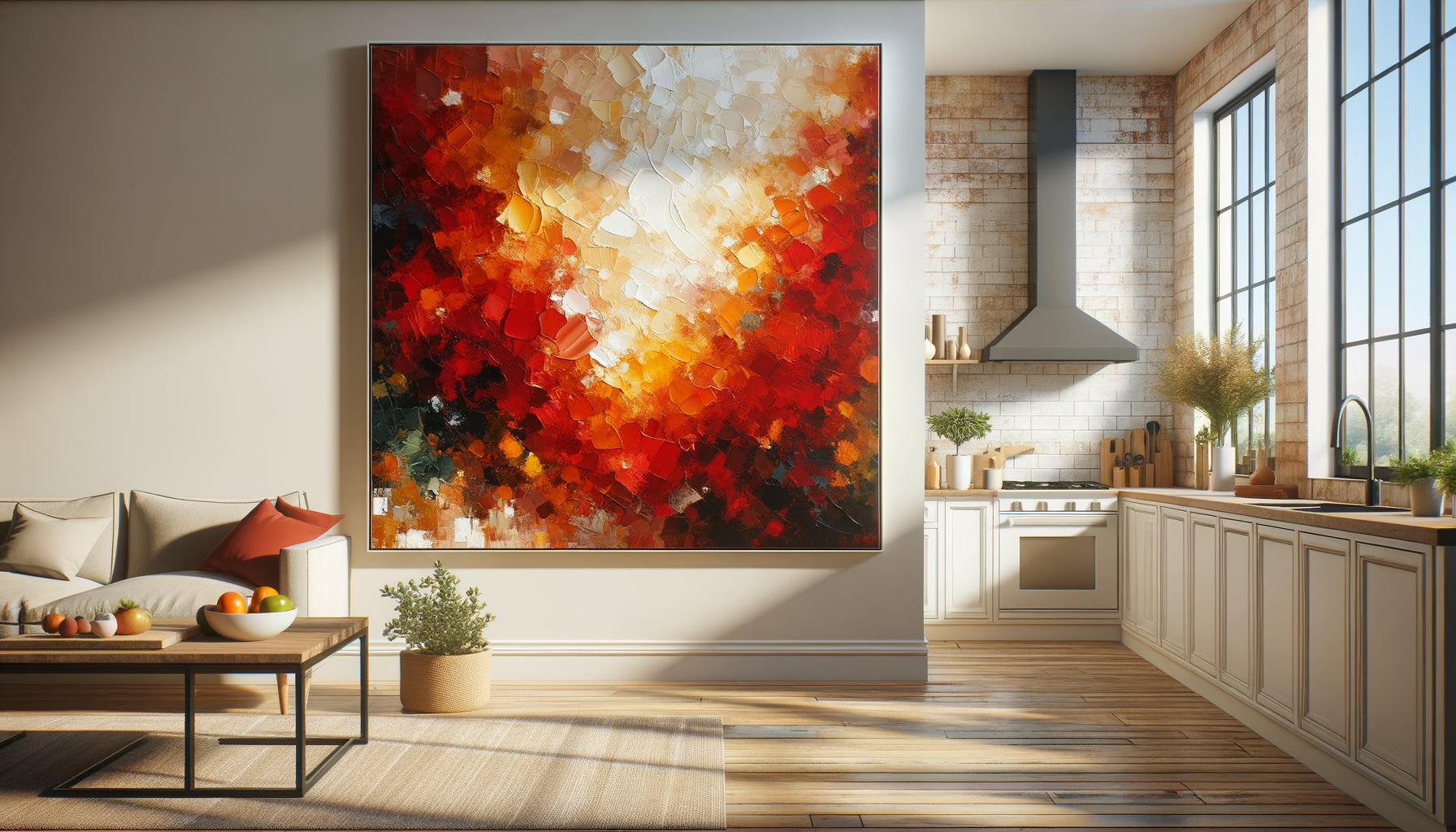
Gastronomic photographs with warm tones – oranges, reds, golds – effectively stimulate appetite and create a welcoming atmosphere. Conversely, overly cool or saturated tones can have a sterile effect, turning your kitchen into a sterile art gallery.
The key is to choose images that complement your existing decor while bringing that touch of visual deliciousness that makes your mouth water without overwhelming you.
Transform your kitchen into a source of gourmet inspiration
Discover our exclusive collection of Kitchen Wall Art that celebrates the art of cooking with authenticity and elegance, to inspire your daily creations without ever intimidating you.

Finding a healthy relationship with culinary images
So, final verdict: do photographs of gourmet dishes stimulate appetite or stifle it? The answer is nuanced: it all depends on the quality of the image, your state of mind and the dose of exposure.
An authentic culinary photograph, viewed at the right time, can effectively stimulate your creativity and appetite. It makes you want to cook, experiment, share a meal. It becomes a positive trigger.
But an incessant stream of perfect and unattainable images has the opposite effect: visual saturation, devaluing comparison, loss of simple pleasure. Your relationship with food becomes mediated, performative, frustrating.
The solution? Consciously curate your consumption of gastronomic images. Follow accounts that offer achievable recipes, imperfect dishes, real kitchens. Limit your scrolling time before meals. And above all, learn to savor with your taste buds rather than your eyes.
In your interior, choose photographs of dishes that resemble you, that tell your culinary story, that invite conviviality rather than competition. Your kitchen deserves images that nourish your inspiration, not your anxiety.
Tomorrow morning, try this: before checking your phone, take a moment to really look at your breakfast. Observe the nuances of your coffee, the texture of your bread, the reflections of light on your bowl. Your own plate deserves as much attention as all the photographs gastronomiques in the world. Because the most beautiful dish is always the one you are about to savor, here and now, in all its delicious imperfection.
Frequently Asked Questions
Why do some food photos make me hungry while others disgust me?
Your reaction depends on several subtle factors. Photographies de plats gastronomiques that trigger appetite generally present recognizable textures, natural and warm light, and above all a narrative or contextual dimension. You can project yourself into the tasting experience. Conversely, overly stylized images, with artificial lighting or too « perfect » compositions, create emotional distance. Your brain perceives them as aesthetic objects rather than real food. Moreover, if you are already full or if you have seen too many images culinaires in a row, visual saturation turns attraction into repulsion. It is your nervous system that says “stop, too much information.” Finally, your personal experiences play a huge role: a dish associated with a bad memory will never be appetizing in a photo, no matter how objectively beautiful it may be.
Is it a good idea to put food photos in my kitchen?
Absolutely, provided you choose wisely! Photographies de plats gastronomiques in a kitchen can create a warm and inspiring atmosphere. The key is to opt for images that evoke conviviality, generosity and authenticity rather than technical performance. Prefer scenes of colorful markets, tables set for sharing, raw ingredients magnified, or comforting traditional dishes. Avoid overly cold or clinical compositions that would turn your kitchen into a sterile art gallery. The best photographies culinaires for your interior are those that make you want to cook, not those that impress you to the point of discouraging you. Also think about colors: warm tones (oranges, golds, reds) stimulate appetite and create a welcoming atmosphere. A beautiful image can become a daily visual ritual that celebrates the pleasure of cooking and eating together.
How can I avoid food photos on social media making me feel frustrated?
The key lies in conscious curation and limiting exposure. Start by sorting through your subscriptions: keep only accounts that offer realistic food photography and accessible recipes. Unsubscribe from profiles that consistently make you feel inadequate or present an unrealistic view of everyday cooking. Establish personal rules: for example, no culinary scrolling right before meals if it devalues your own plate. Also use the three-second rule mentioned above: if a gastronomic image doesn't trigger an immediate desire but rather distant admiration, quickly move on. Remember that professional food photographs are often the result of several hours of preparation, food styling and retouching – they do not reflect daily reality. Finally, rebalance your visual consumption by creating your own photographic moments: immortalize your homemade dishes with pride, imperfections included. This gradually rebuilds a healthier relationship between images and eating.