


How Wall Art Creates a Collaborative Atmosphere?
December 11, 2025 · 8 min read · by Walensky
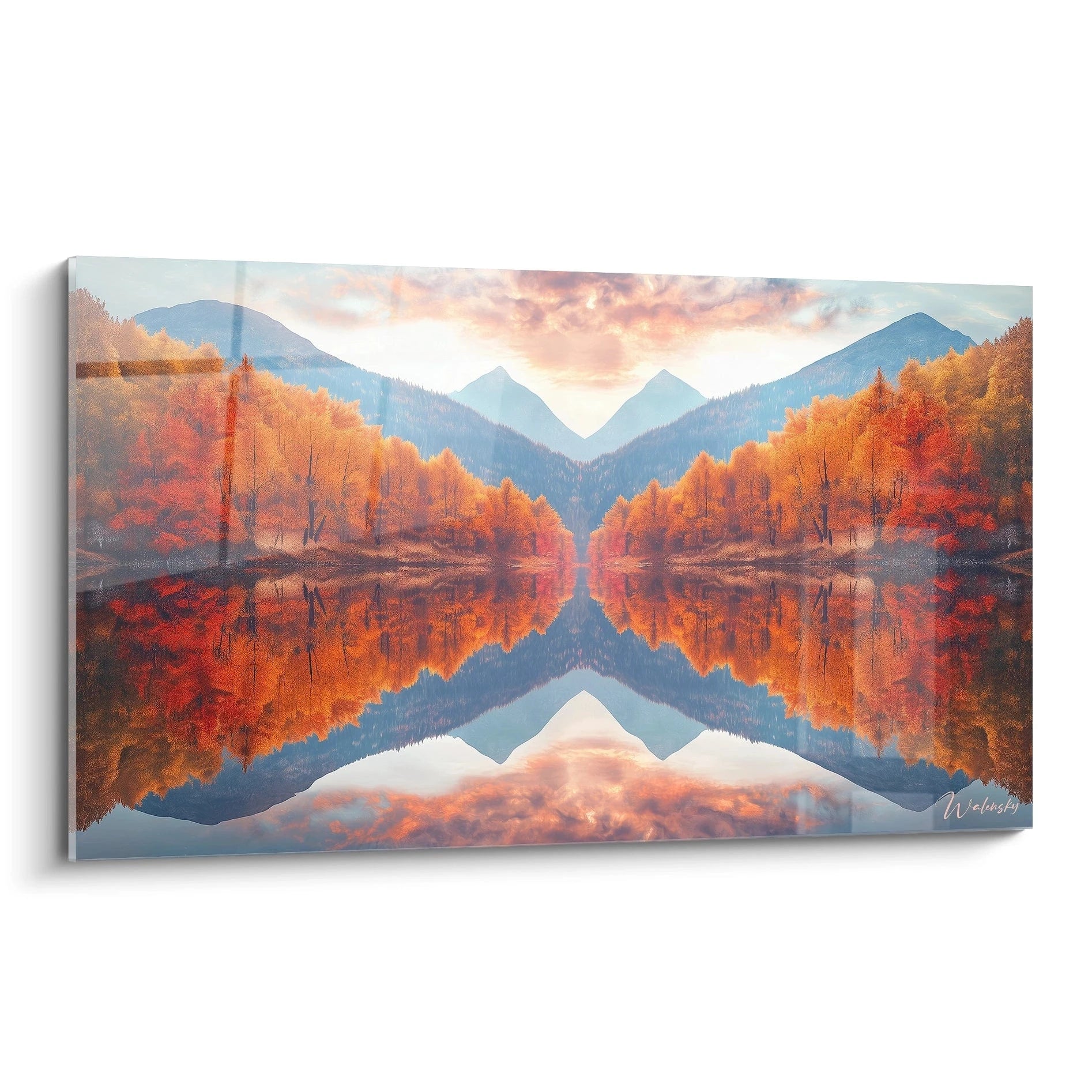
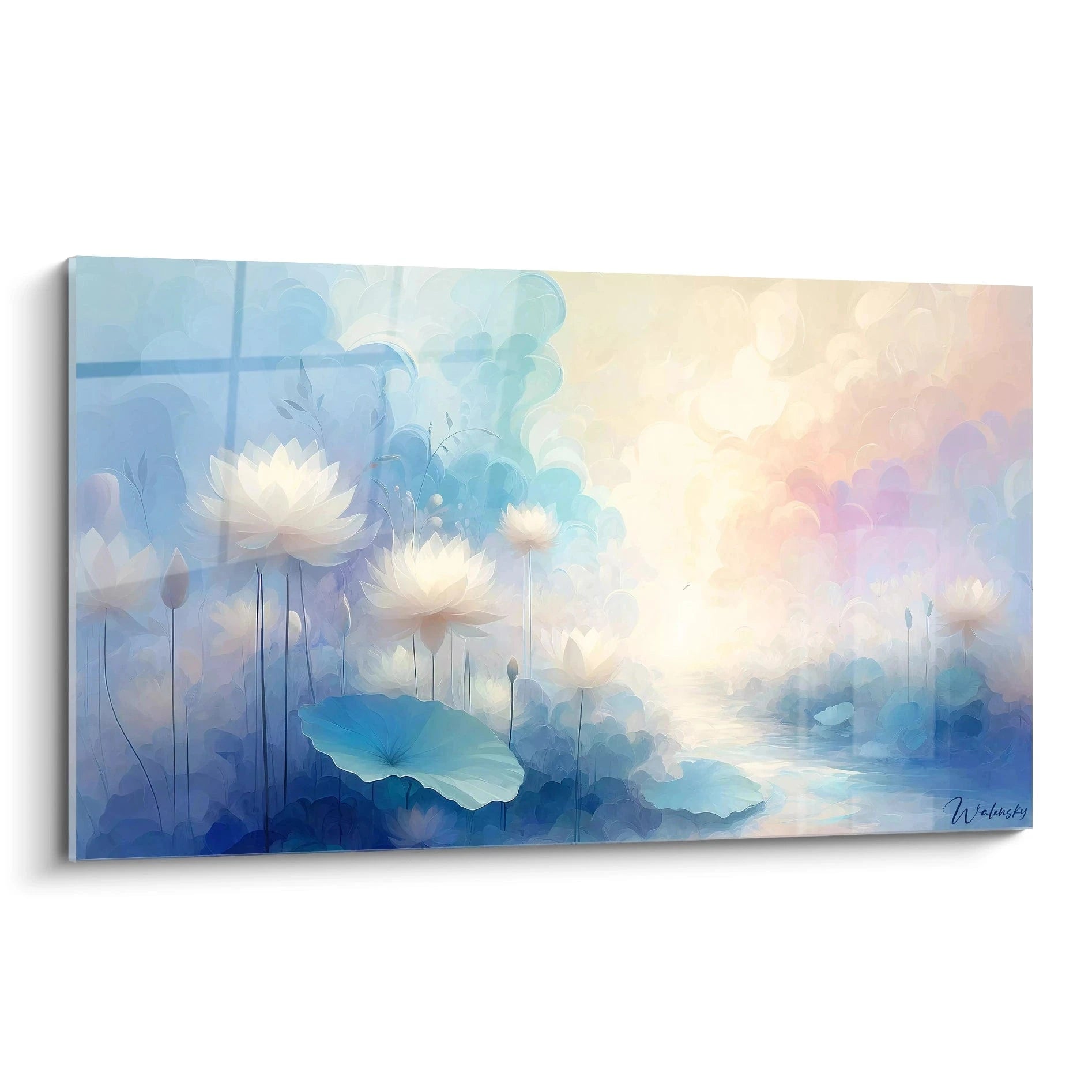
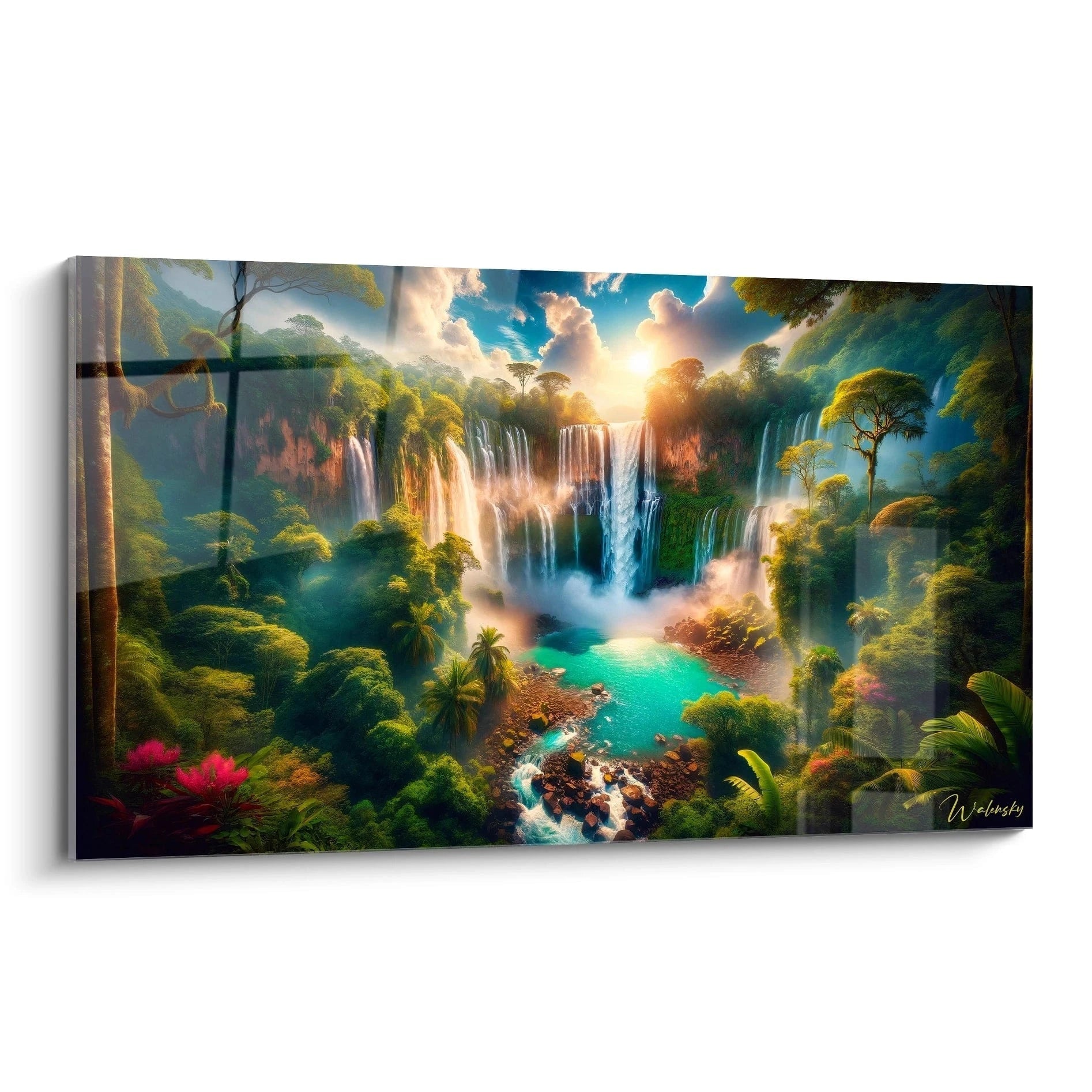
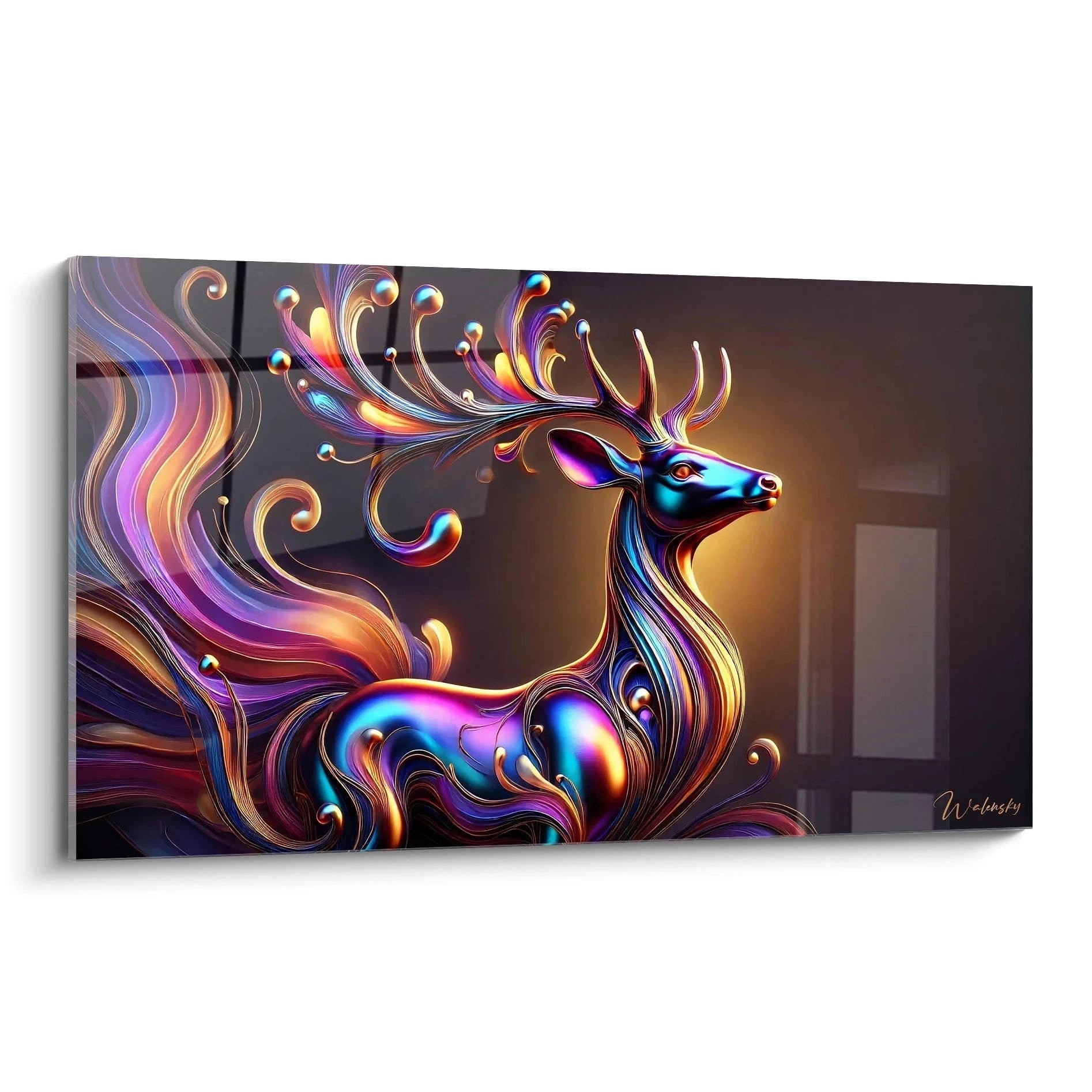
Last year, I accompanied a start-up from Lille that was struggling with a thorny problem: their brilliant teams weren’t talking to each other anymore. Developers on one side, creatives on the other, each holed up in their own corner. Then we transformed their white and cold walls into living surfaces. Three weeks later, the CEO called me, moved: “People spontaneously gather around the artworks, they exchange ideas, they create together.” Here’s what wall art brings to a collaborative space: it creates natural convergence points, it stimulates collective imagination, and it transforms the energy of a place. You may have felt this coldness in your workspaces, this difficulty in sparking authentic conversations, this impression that empty walls absorb creative energy rather than nurture it. The good news? It sometimes only takes a well-thought-out artistic intervention to change everything. I’ll show you how wall art creates a collaborative atmosphere and how you can orchestrate this transformation in your own spaces.
The white wall, that silent enemy of collaboration
After fifteen years designing shared workspaces, I’ve realized one fundamental thing: visual absence kills conversation. An empty wall says nothing, evokes nothing, offers nothing. It sends everyone back to their screen, to their task, to their isolation.
Neuroscience explains it: our brain constantly seeks visual stimuli to anchor itself in space. In an environment lacking artistic landmarks, we enter tunnel vision: maximum concentration on the immediate task, but closure to peripheral interactions. Wall art, on the other hand, acts as silent invitations. They create what I call “visual pause zones” where the gaze can escape, breathe, and where two gazes that simultaneously settle on the same work become a pretext for exchange.
I observed this phenomenon in a Brussels coworking space where we had installed a series of brightly colored abstract works. Before installation, people took their coffee looking at their phone. After? They naturally gathered around the chromatic compositions, shared their interpretations, debated the emotions felt. The collaborative atmosphere was born from these micro-moments where art gave a reason to look up.
How a painting becomes a catalyst for exchange
Wall art has this unique ability to neutralize hierarchies. In front of a work, the intern and the director are equal: two sensibilities that react, two gazes that question. It is this spontaneous equality that opens up the space for dialogue.
In a Parisian architecture firm, we hung a large geometric composition in their main meeting room. The result exceeded our expectations: the meetings changed tone. Rather than starting with monthly reports, teams found themselves commenting on the artwork, sharing personal impressions. This artistic opening created a more relaxed, more human atmosphere where ideas flowed more freely afterwards.
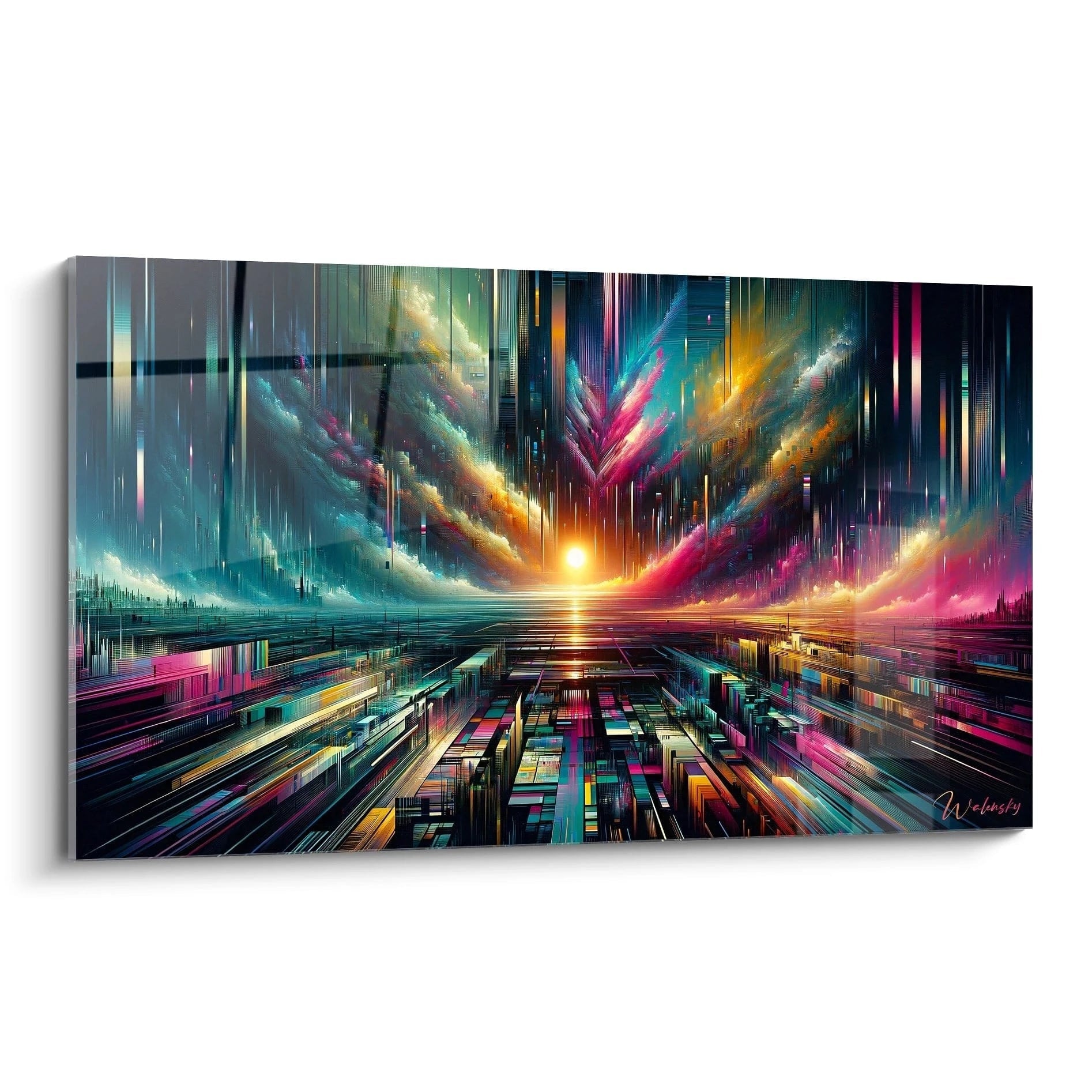
The secret? Wall art offers a non-verbal common language. They offer colors, shapes, atmospheres that directly touch emotions, without going through the rational filters that sometimes inhibit professional exchange. An abstract composition in orange and turquoise hues can evoke Mediterranean energy for one person, a sunset over the ocean for another. These differences in interpretation, far from dividing, enrich the conversation and recall that diversity of perspectives is a strength.
The three types of wall art that foster exchange
Not all wall art creates the same collaborative dynamic. I have identified three particularly effective categories:
Open abstract compositions: they leave room for personal interpretation and naturally generate debate. “What do you see in those shapes?” becomes the beginning of a conversation that sometimes reveals much more than artistic tastes.
Inspiring works with visual quotes: they verbalize an intention (creativity, boldness, cooperation) and create a shared emotional framework. In a collaborative space, they function as visual mantras that recall common values.
Evolving thematic series: I love working with collections that can be renewed. A wall that changes every quarter creates anticipation, rituals of collective discovery, and keeps the space alive. This temporal dynamic nourishes a collaborative atmosphere.

Art as a bridge between disciplines
In a Toulouse tech incubator, I experienced a magical moment. We had installed a series of wall art blending scientific representations and explosions of emotional colors. An artificial intelligence engineer and a UX designer found themselves one lunchtime in front of a composition depicting stylized neural networks. From their impromptu conversation was born a collaboration that gave rise to an innovative product three months later.
That's the invisible power of wall art in a collaborative space: they create bridges between silos. Art speaks simultaneously to the analyst and the creative, the pragmatist and the visionary. It offers a neutral territory where different professional cultures can meet without hierarchical stakes.
I also noticed that wall art facilitates new employee integration. In a Nantes communication agency, the artworks have become an integral part of the onboarding process. Long-time employees spontaneously present their favorite artwork to newcomers, sharing fragments of the company culture organically and warmly. Art becomes a welcoming language, creator of belonging.
— Our selection


Composing a collaborative atmosphere through color
The psychology of colors is not a passing fad but a neurological reality that I systematically exploit. To create an authentic collaborative atmosphere, I work with specific palettes that stimulate openness and exchange.
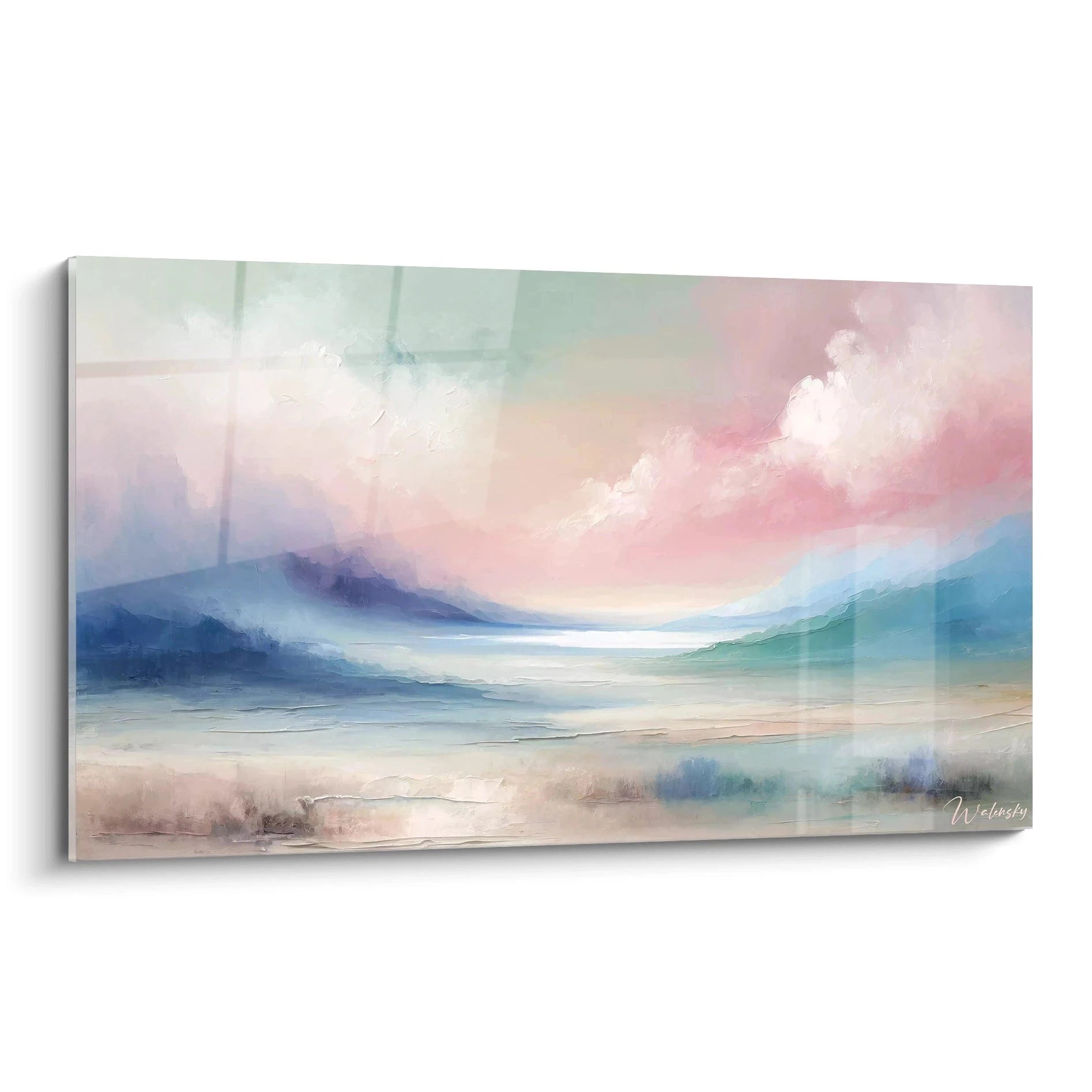
Blues and greens establish calm and confidence, essential for people to allow the intellectual vulnerability necessary for true collaboration. Touches of orange and yellow inject energy and optimism, combating this gray fatigue that sometimes stifles workspaces. I avoid dominant red (too aggressive, creating competition rather than cooperation) but I appreciate a few red accents that energize without dominating.
In a Lyon coworking space, we created a chromatic progression through the different zones. The wall art in the reflection areas displayed deep blues and soothing greens. Those in the brainstorming areas exploded with energizing yellows, oranges, and turquoises. This emotional mapping by color unconsciously guided teams to spaces suited to their activity at that moment, while maintaining visual consistency that unified the whole.
The 30-40-30 rule for your collaborative walls
Here is my proven formula for composing your wall art: 30% dominant color (your soothing base, often blue or green), 40% secondary color (which creates the identity, can be more daring), 30% dynamic accents (yellow, orange, touches of red). This distribution creates a balance where the space breathes while stimulating.

— You may also like


When wall art tells a collective story
The most beautiful transformation I witnessed involved an environmental NGO. Rather than imposing artworks, we created a participatory project: each team chose an artwork representing their vision of the collective impact. These works were then arranged according to a narrative path through their offices.
The result? The wall art became identity totems. Each team identified with “their” work, but the whole created a symbolic fresco of their common mission. Inter-team meetings now took place in the central space where all the works converged visually. This strengthened collaborative atmosphere translated into measurable results: a 40% increase in cross-functional projects in six months.
I drew a conviction from this: the most powerful wall art is that which carries a collective intention, even if that intention remains implicit. Whether through participatory selection, thematic consistency, or simply the care taken in their selection, they must whisper: “This space belongs to you, you deserve beauty, your exchanges are valuable.”
Ready to transform your space into a collaboration catalyst?
Discover our exclusive collection of wall art for coworking that stimulates collective intelligence and creates environments where ideas flow freely.

Your space, tomorrow: art at the service of humanity
Imagine walking into your workspace tomorrow morning and immediately feeling that difference: the walls are no longer neutral barriers but living surfaces that invite, question, inspire. You surprise two colleagues who never collaborate together commenting on an abstract composition, their conversation naturally drifting towards a common project.
The wall art is not just decoration. They are silent architects of collaborative atmospheres, facilitators of those spontaneous conversations that make the difference between a place where you work side by side and a space where you create together.
Start small if you wish: a single, well-chosen piece in your break area, a composition that speaks to you and inspires conversation. Observe how gazes change, how bodies reposition themselves, how voices are freed. Then let this transformation unfold, wall after wall, conversation after conversation.
The collaborative atmosphere you seek doesn't arise from complex management methods but sometimes simply from a wall that ceases to be empty and becomes alive.
FAQ: Your questions about collaborative wall art
How many artworks are needed to create a collaborative atmosphere?
Start with a single wall art strategically placed in a passageway or break area. This is often enough to initiate change. I've seen a single large format (47x31 inches) completely transform the dynamics of a meeting room. The important thing isn't the quantity but the quality of placement and the relevance of the artwork. Then, observe reactions for two to three weeks. If you notice that people naturally gather in front of this piece, it’s a sign that you can gradually add others. My rule of thumb: one large artwork or two medium-sized ones per functional space (break area, meeting room, open workspace). Too many artworks create visual saturation, too few leave the space cold. The balance lies in this visual breathing where each artwork has its territory and can be contemplated without competition.
Which styles of artworks best promote collaboration?
Contemporary abstract compositions are my favorite allies for creating a collaborative atmosphere. Why? Because they don't impose a single reading and naturally invite the exchange of interpretations. Unlike figurative works that can please or displease sharply, abstraction creates a space for dialogue. I particularly appreciate artworks that blend geometric structure and organic fluidity: they speak to both analytical minds and creative sensibilities. Balanced multicolored palettes work better than monochromes to stimulate collective energy. Avoid overly dark or anxiety-inducing artworks in collaborative spaces – save them for individual offices if needed. Favor compositions containing visual movement, lines that guide the eye and create dynamics. This movement in the artwork often translates into movement in space: people move, reposition themselves differently, interact.
How to choose artworks without risking dividing rather than uniting?
Excellent question that reveals a real understanding of the issues. My first advice: <strong>avoid controversial topics or symbols too marked</strong> (political, religious, aggressive corporate). The <strong>wall art</strong> intended to create a <strong>collaborative atmosphere</strong> must be <strong>emotionally positive neutral ground</strong>. Favor works that evoke universals: stylized nature, harmonious compositions, games of light, formal balances. If you are hesitating, involve your teams in the selection process – not necessarily in final decision (too many cooks...), but by showing them two or three options and collecting their impressions. You will be surprised by the consensus that emerges. Another trick: choose works that contain <strong>multiple colors</strong>, everyone will find « his » favorite shade and feel included. Finally, don't be afraid of change: if after a few months a painting does not create the expected effect, replace it. Wall art is not a final decision but a living process at the service of your collective.


